Sint-Jans Garden
greenconcepts.be/
2026 Public Projects / Belgium / Built in 2025 /

![The project was originally commissioned under the title ‘Redevelopment of the Bankbeekstraat parking area’, through which the municipality of Wevelgem sought a design team. From the outset, it was clear to us that Bankbeekstraat held far greater potential—one that called for a broader, more integrated vision beyond the mere redesign of a parking facility. From […]](https://landezine-award.com/wp-content/uploads/2026/04/73558_Hero-image_Bankbeekstraat-600x450.jpg "Redevelopment of Bankbeekstraat Gullegem")
The former Sint-Jans School in the centre of Moorsele has been fully depaved and transformed into a new green hotspot in the public realm: Sint-Jans Garden is born.
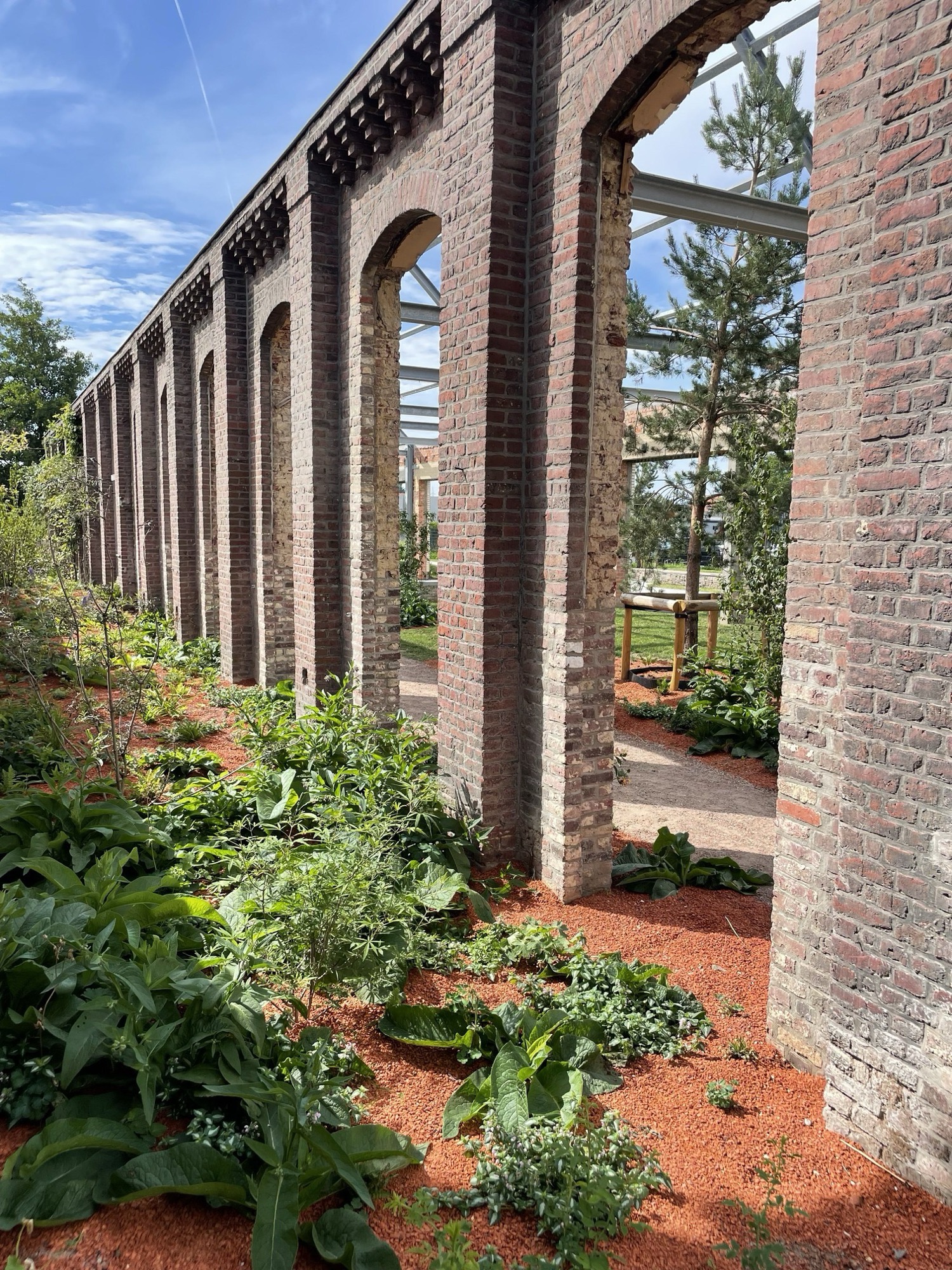
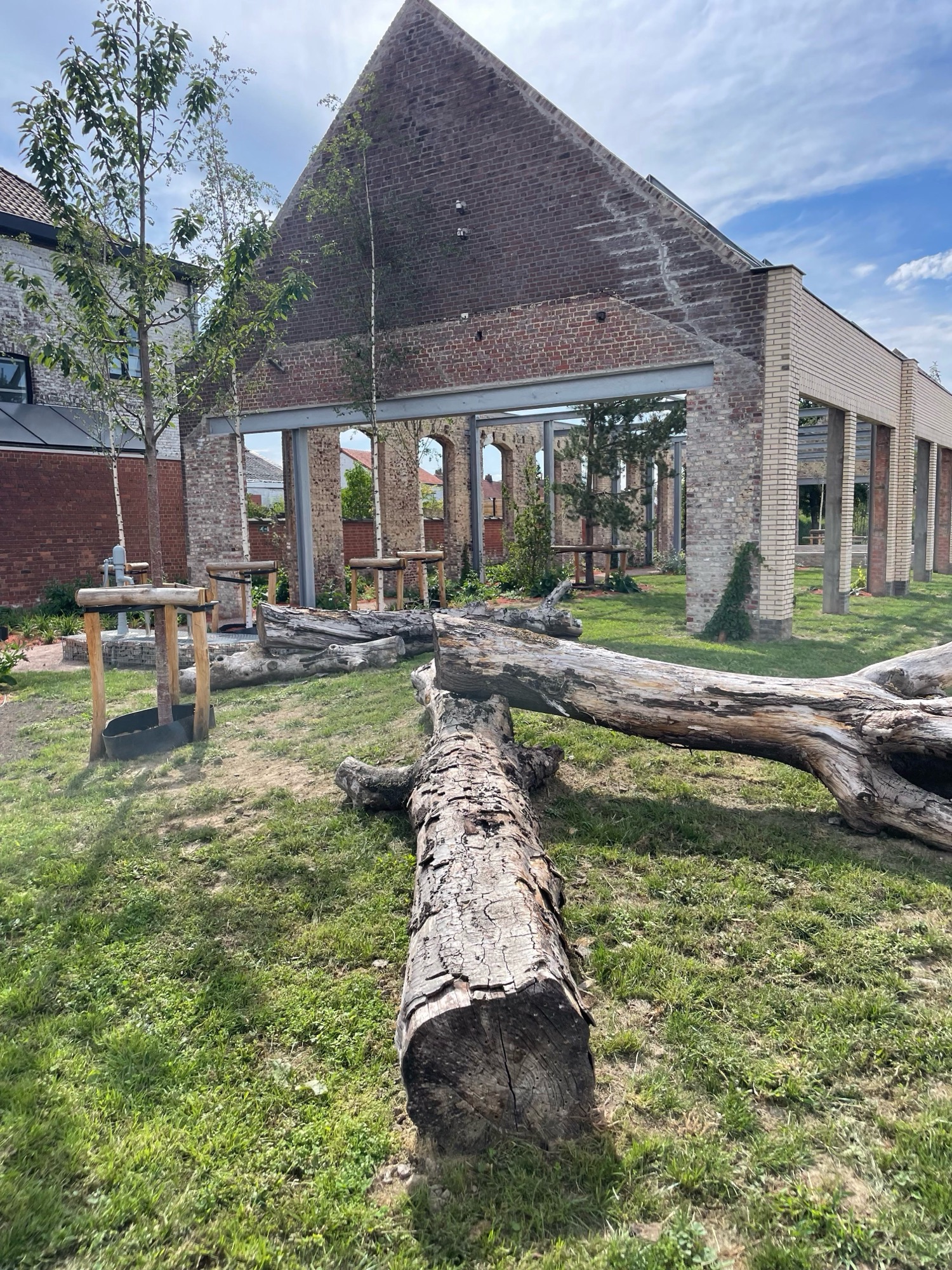
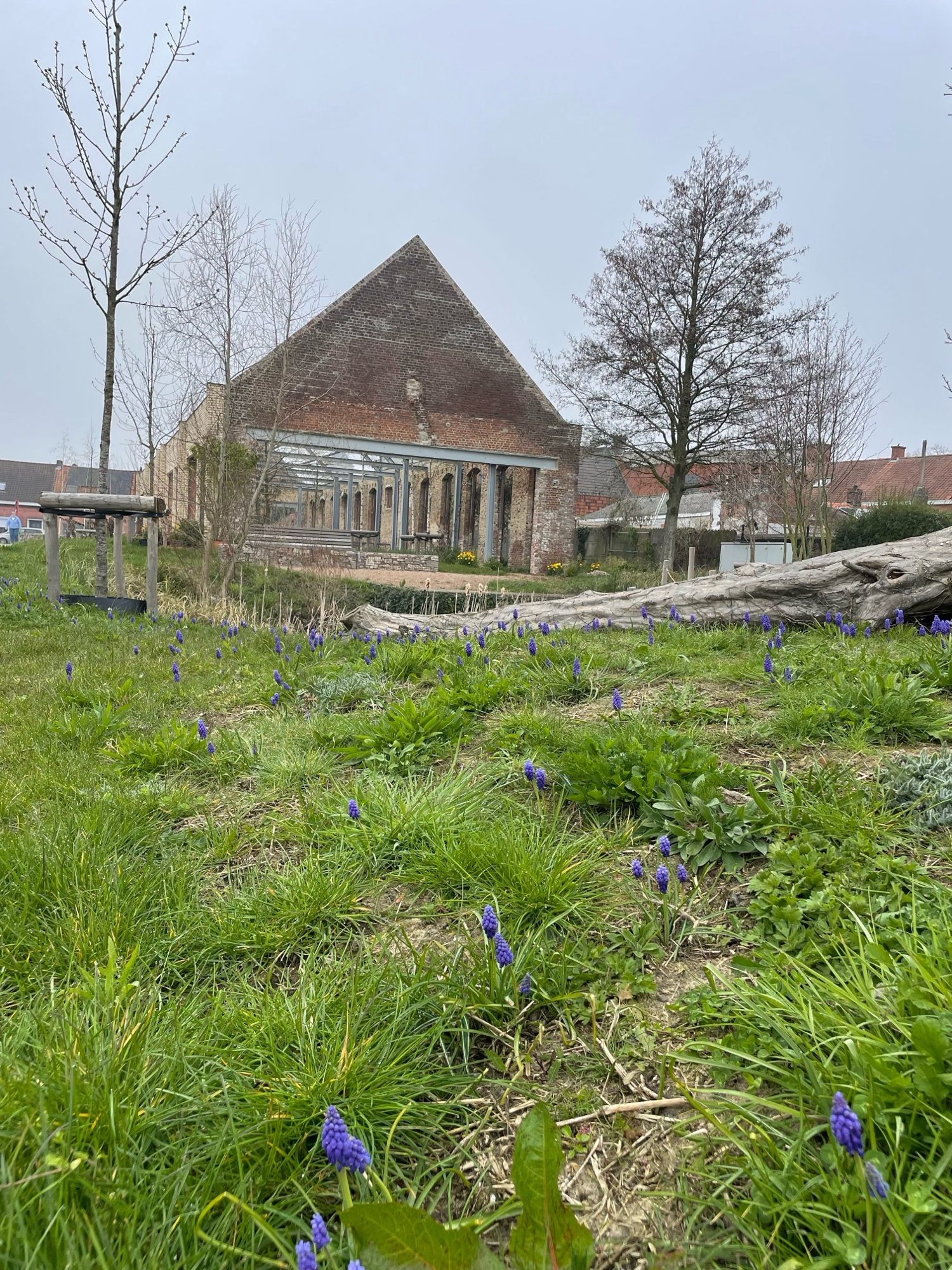
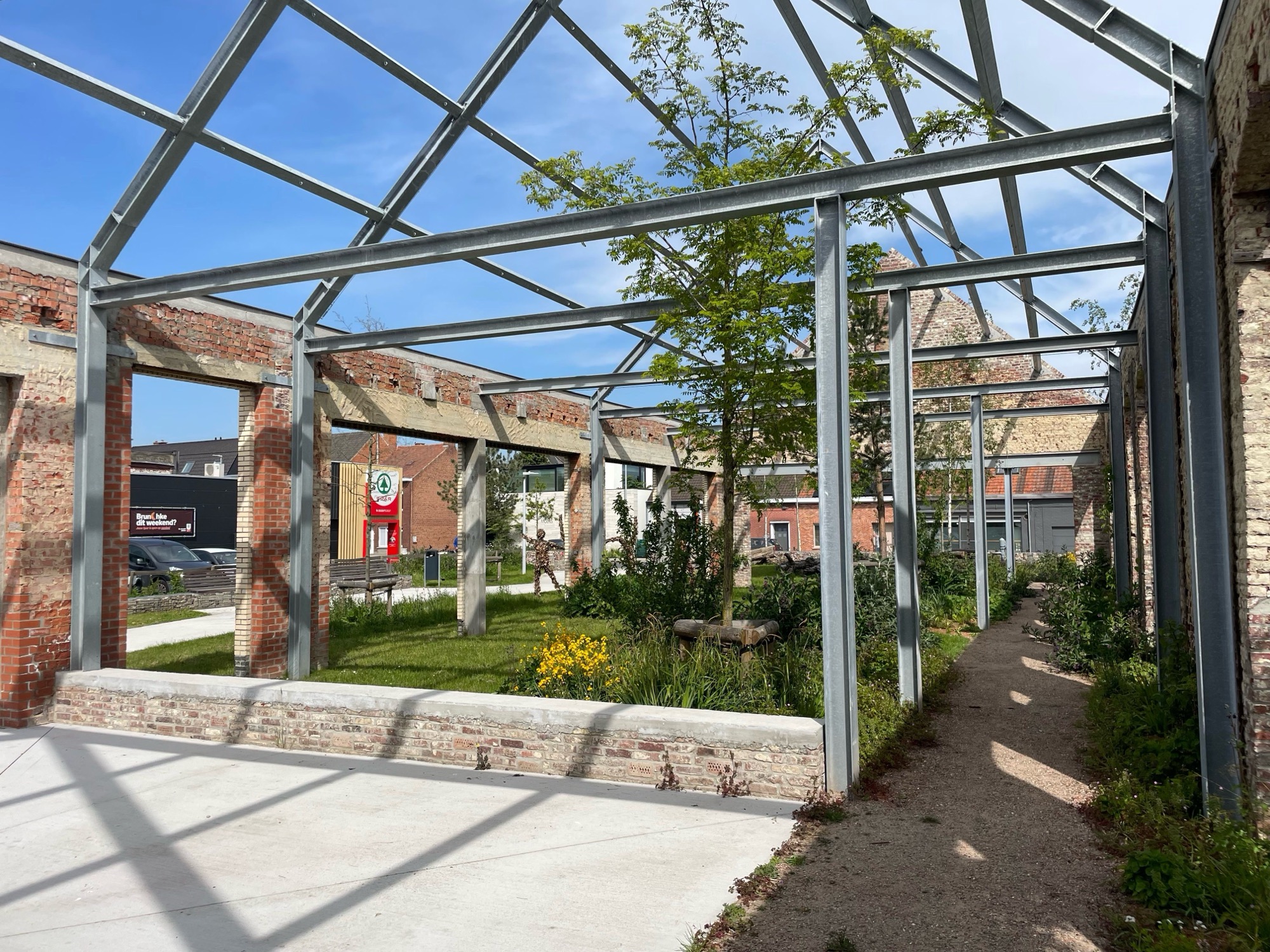
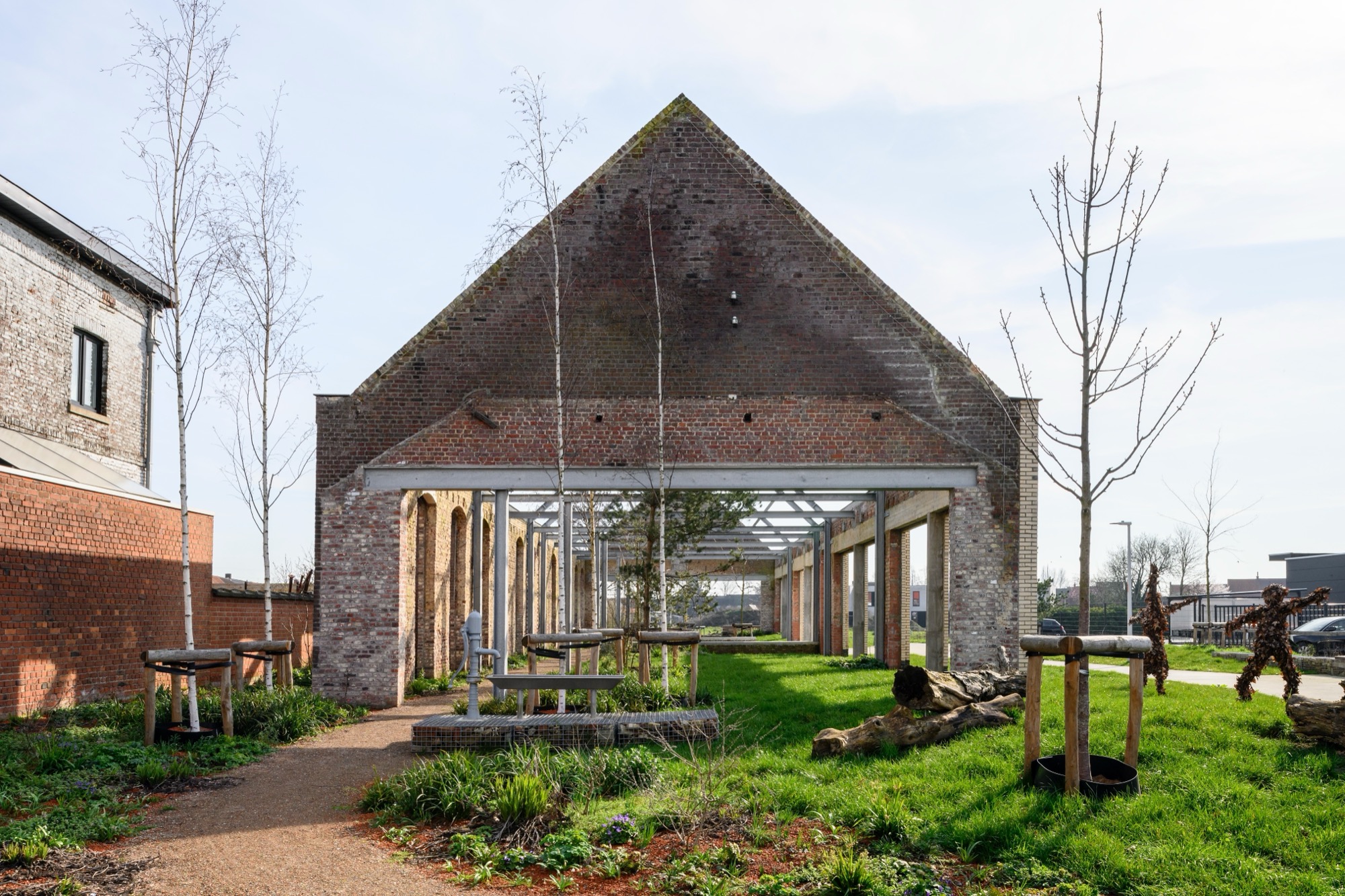
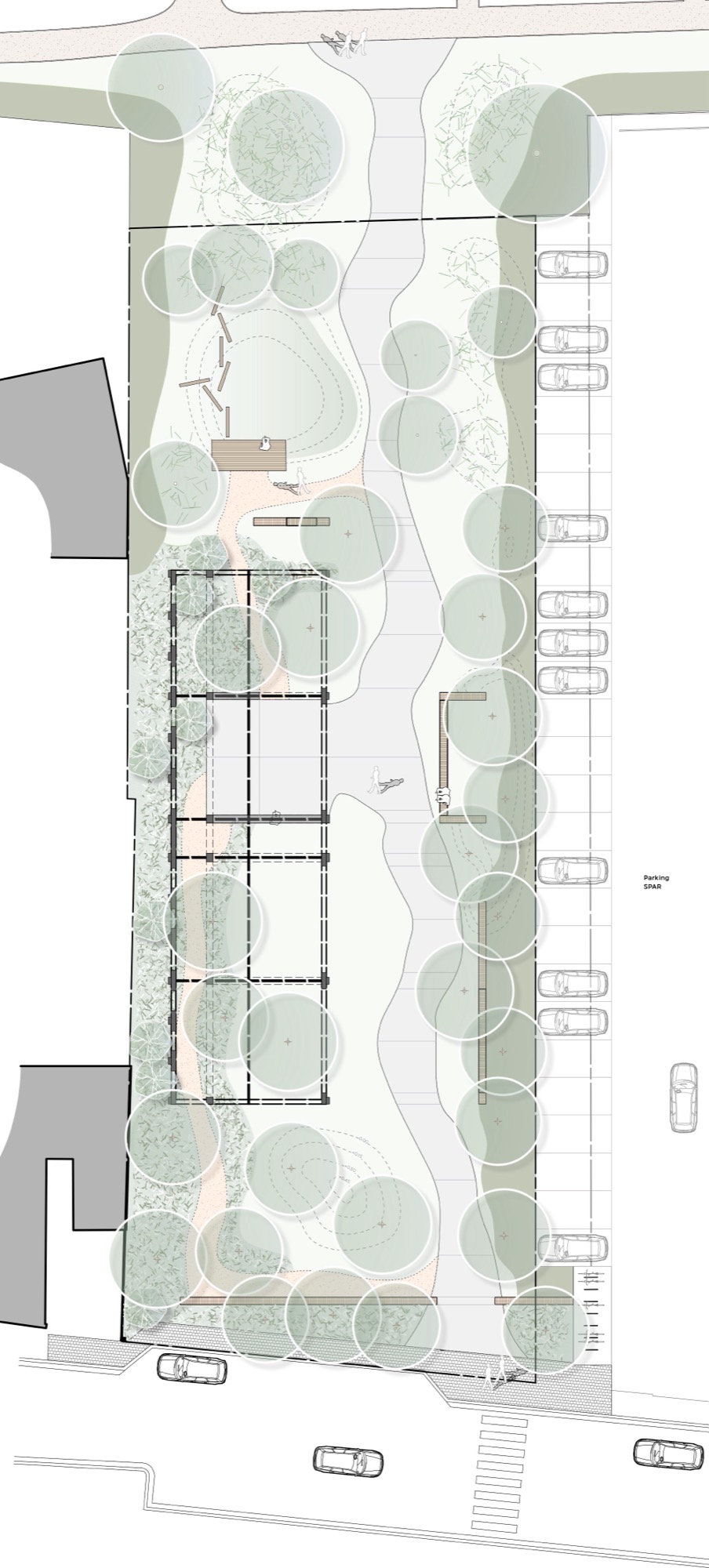
The building that once housed the classrooms has been largely dismantled, leaving behind a pure, stripped-back structure. It now functions both as a piece of public art and as a striking landmark—a silent witness to its past as a school.
Circularity, nature-based design, and biodiversity form the foundation of the project.
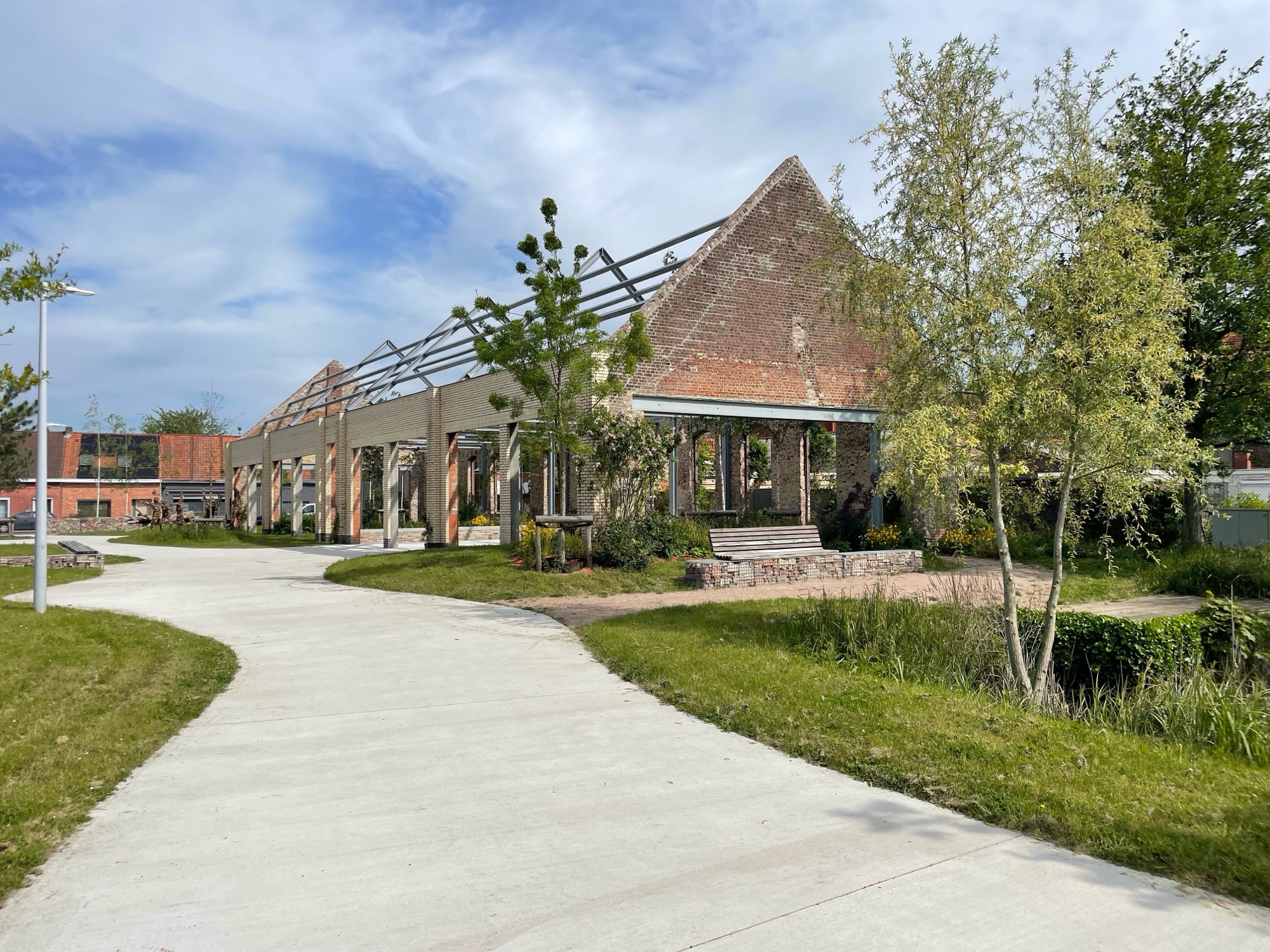
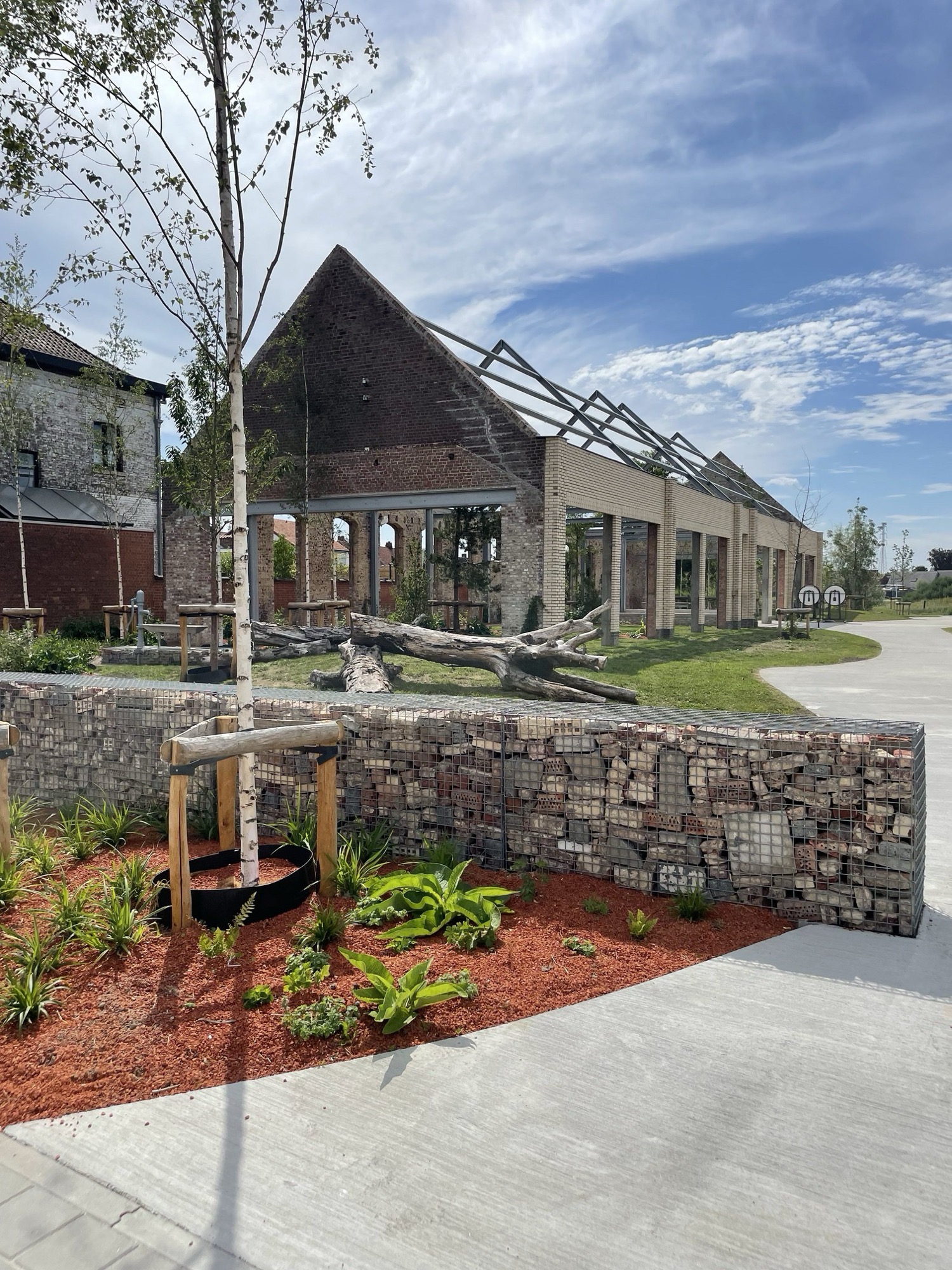
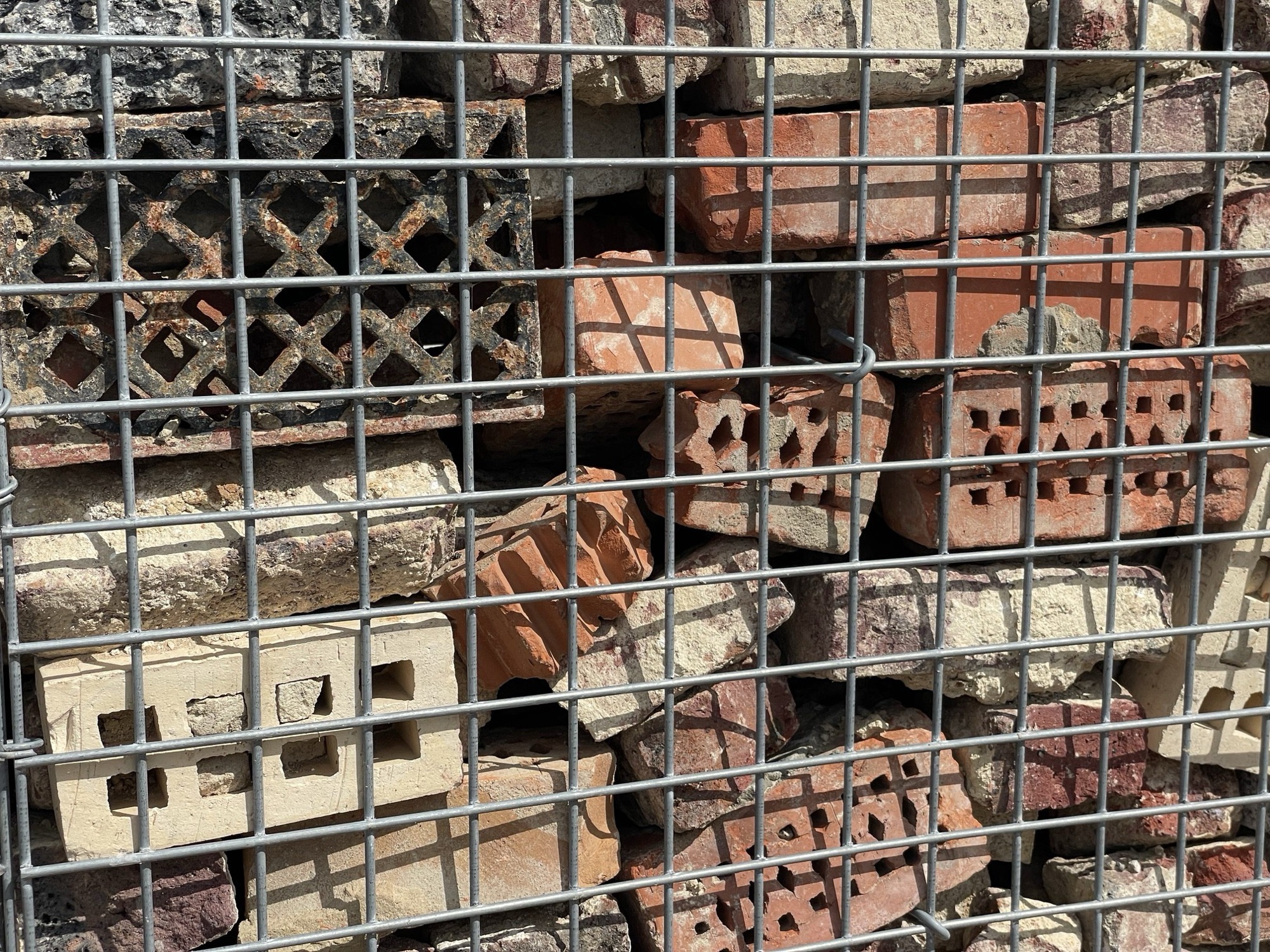
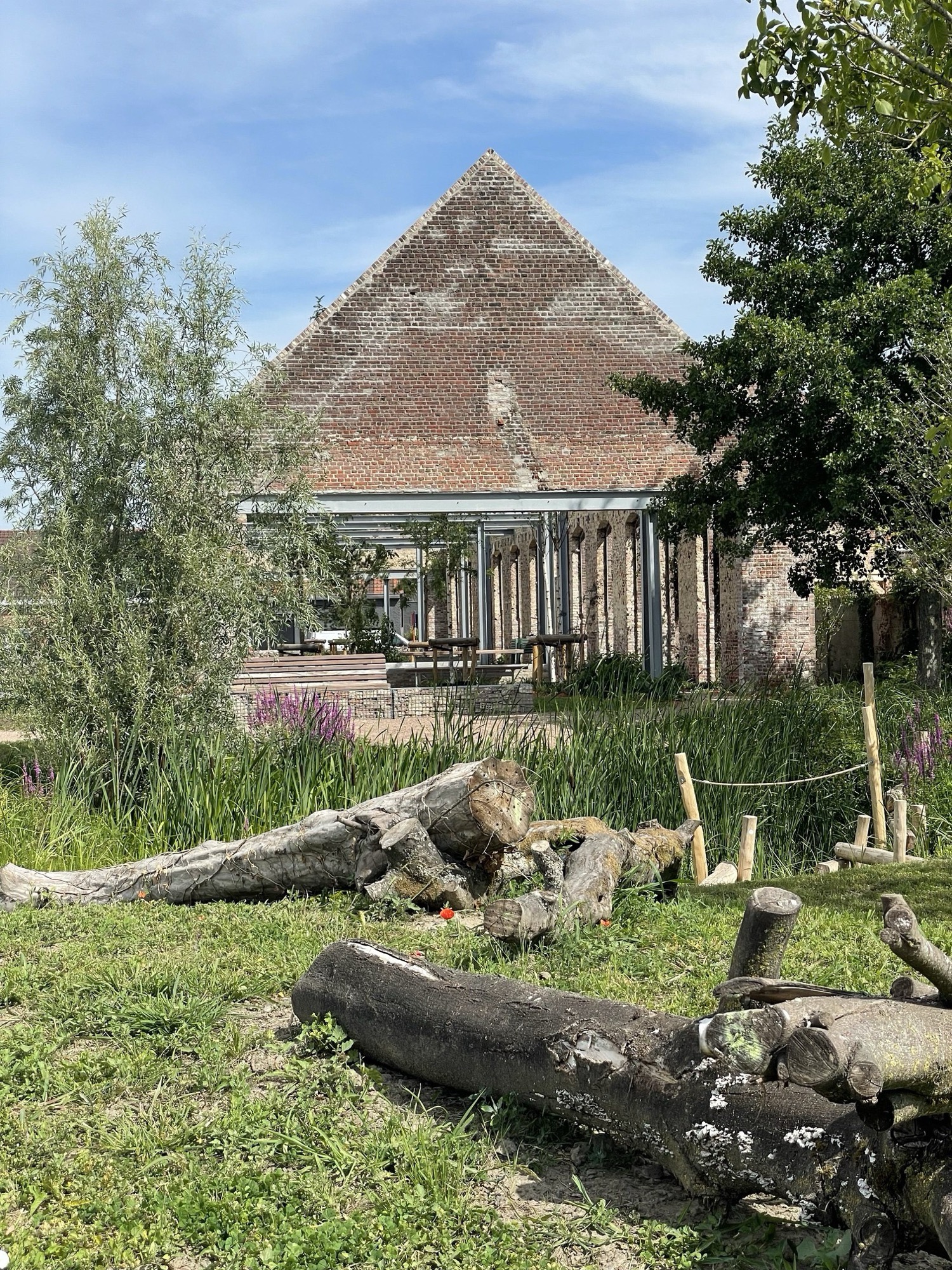
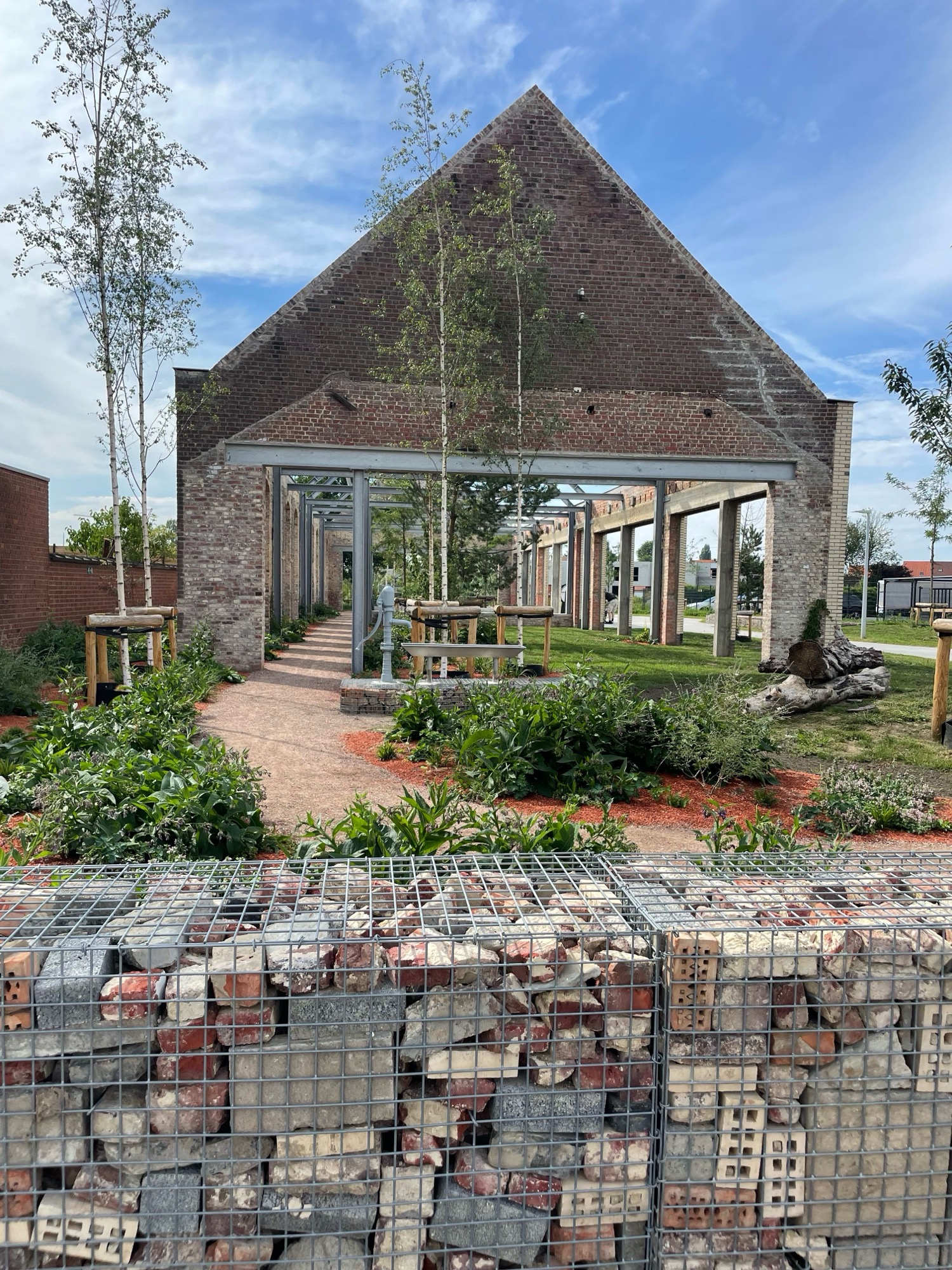
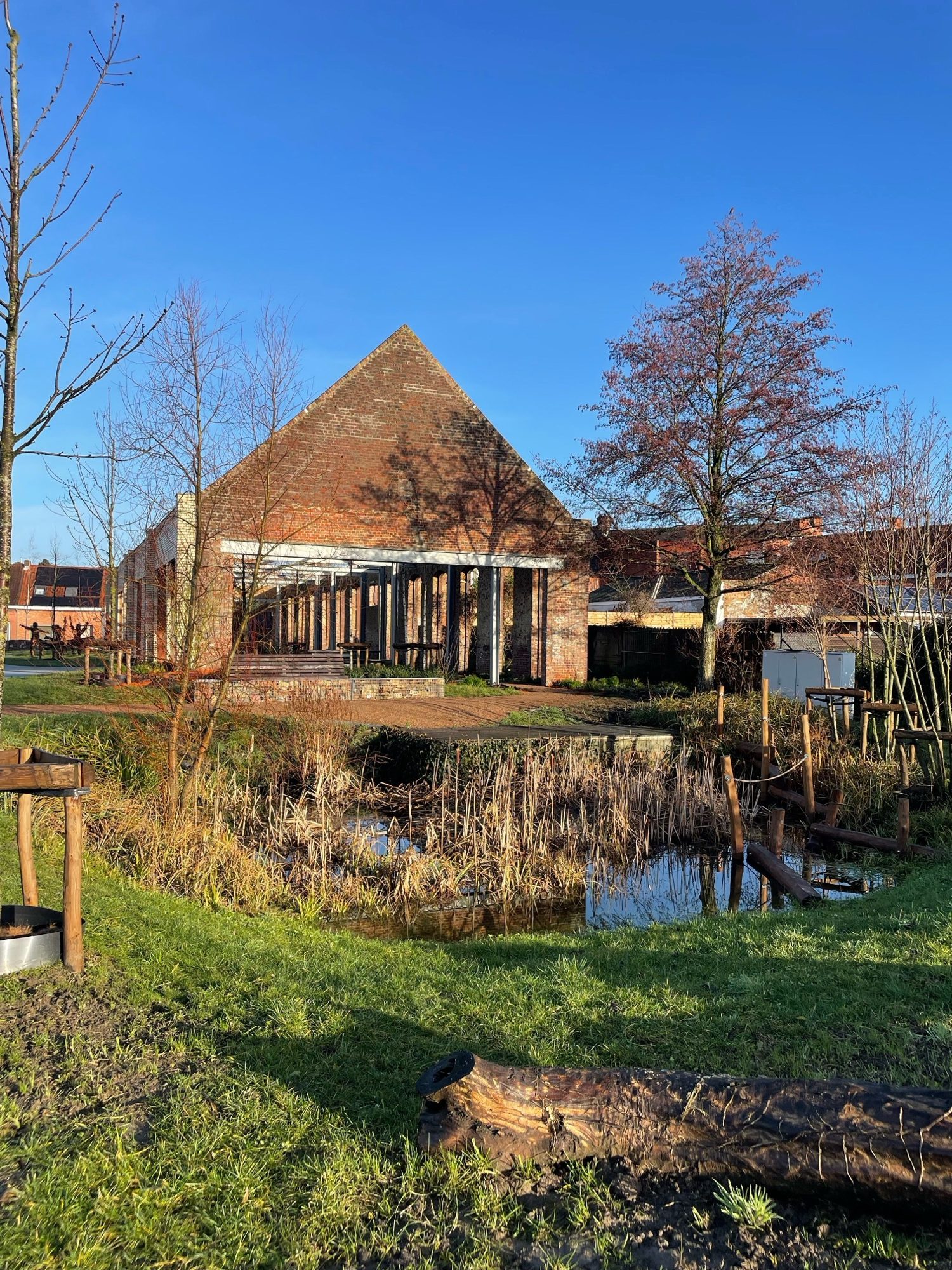
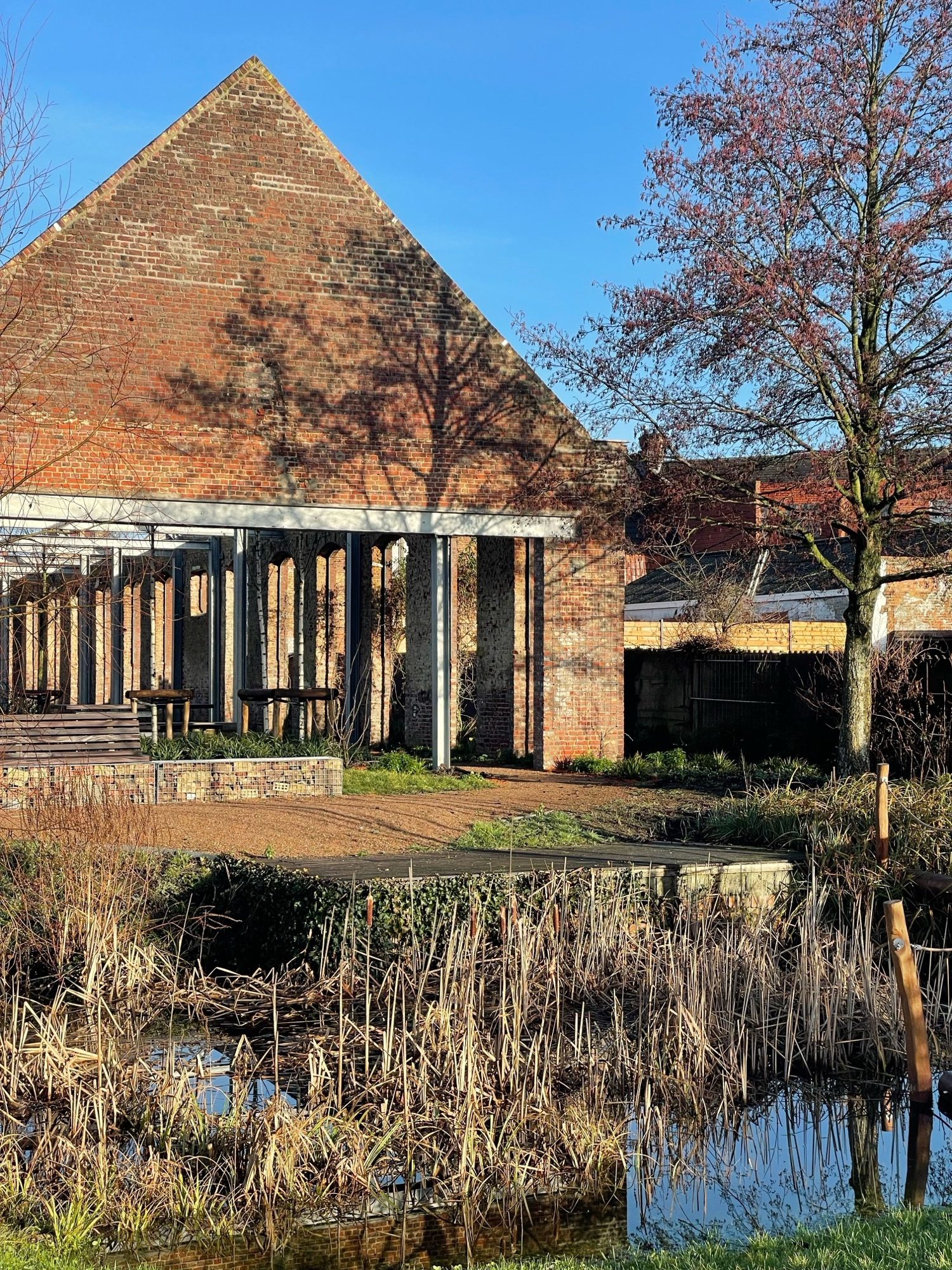
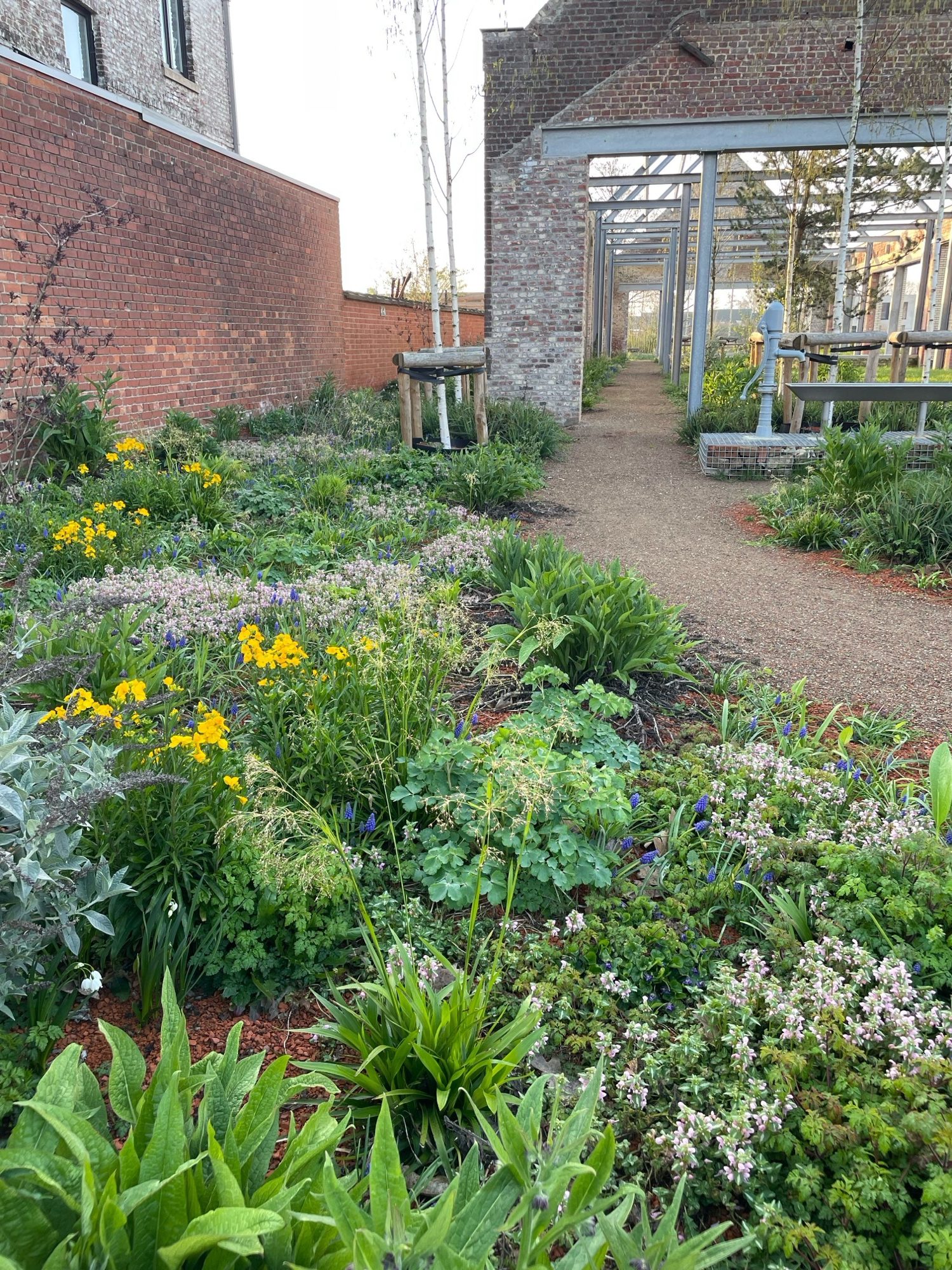
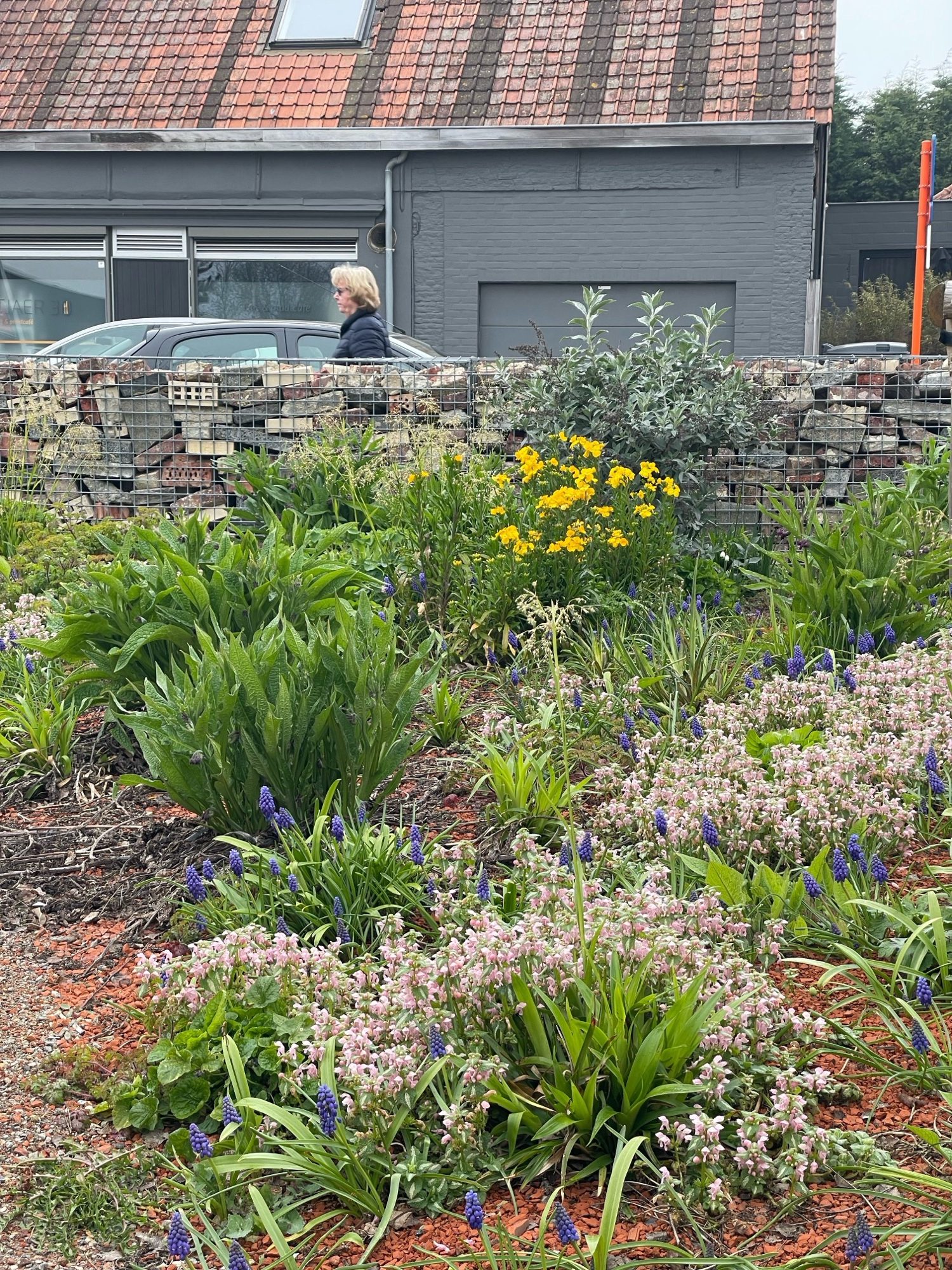
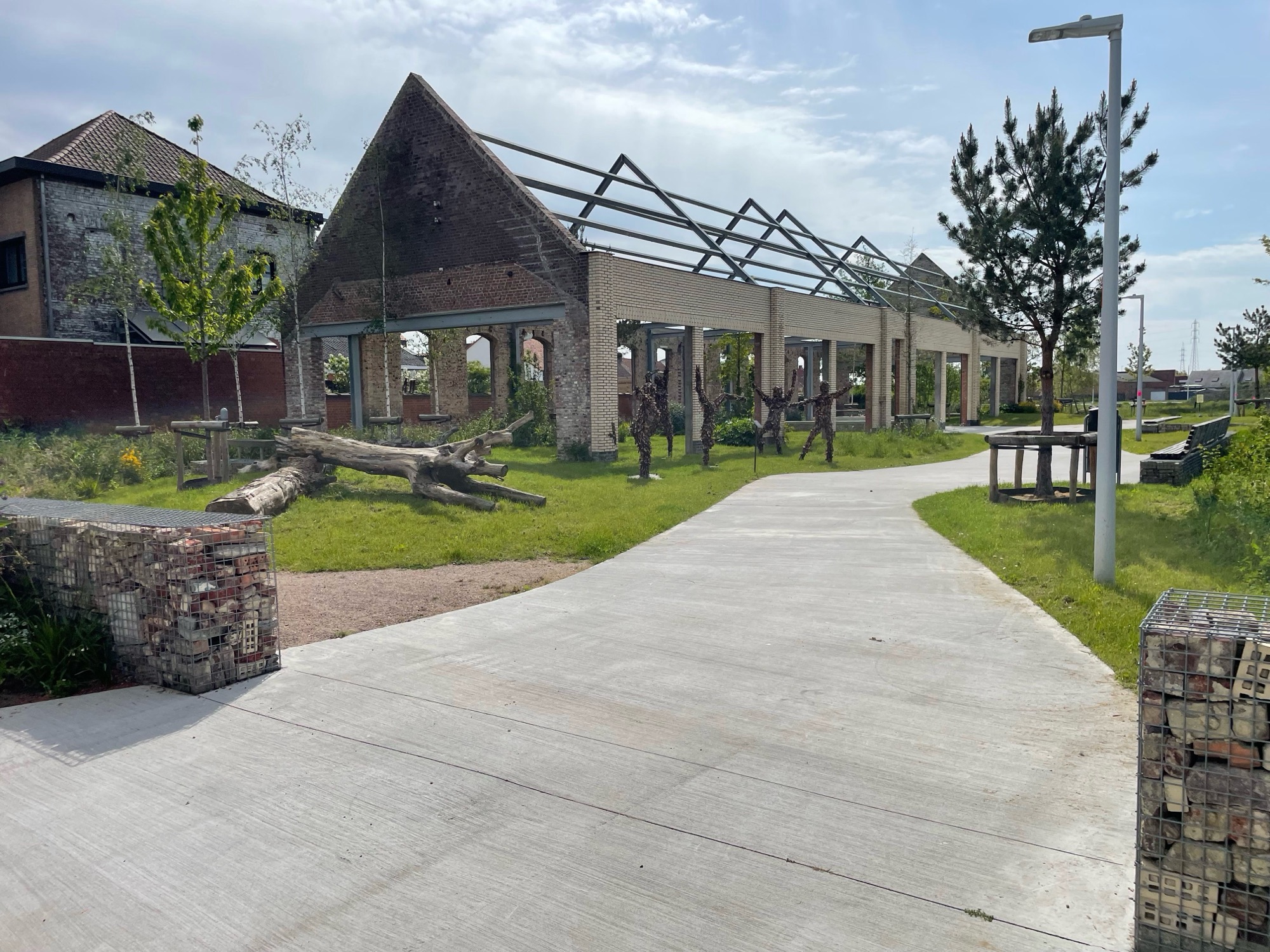
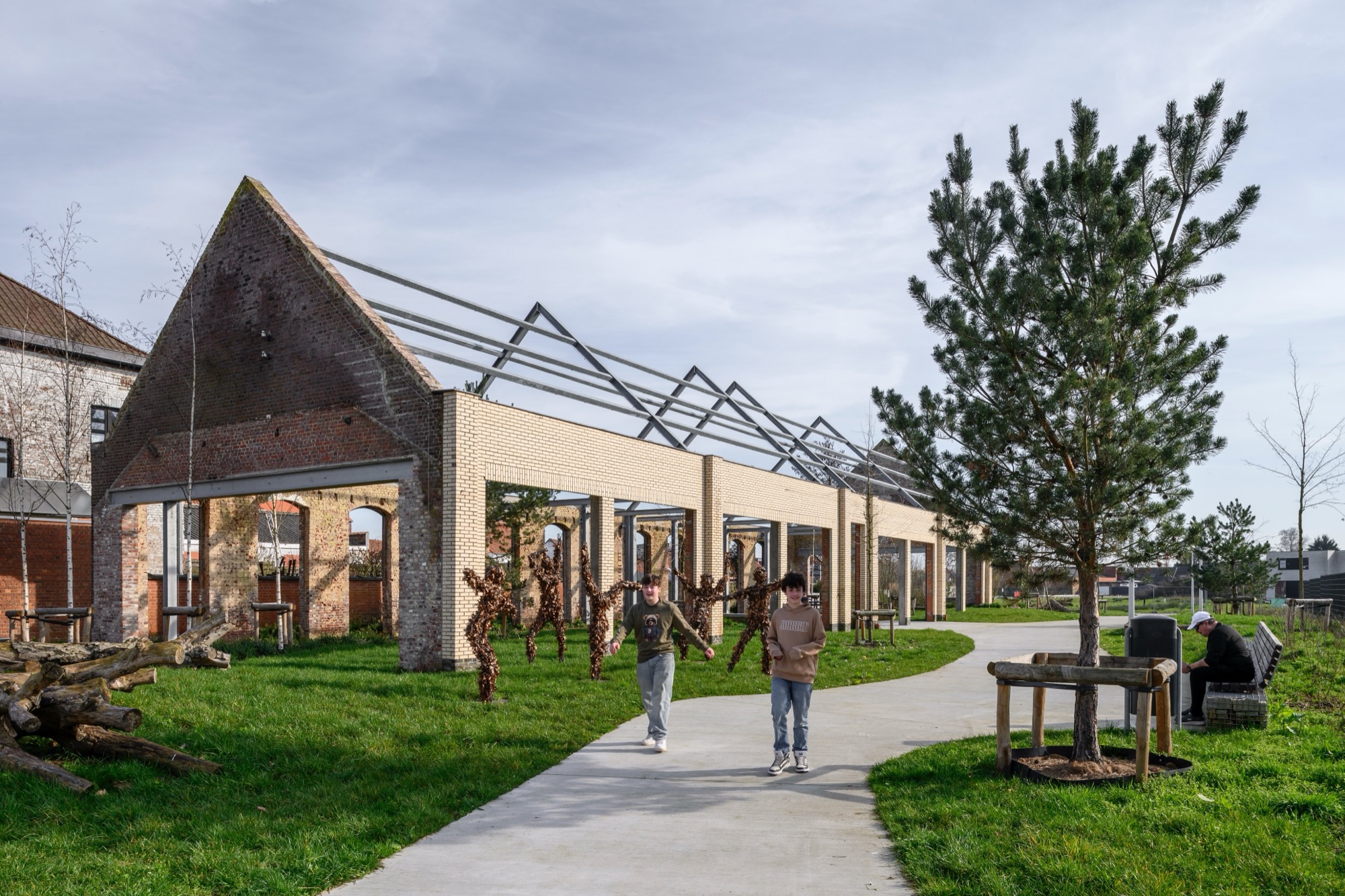
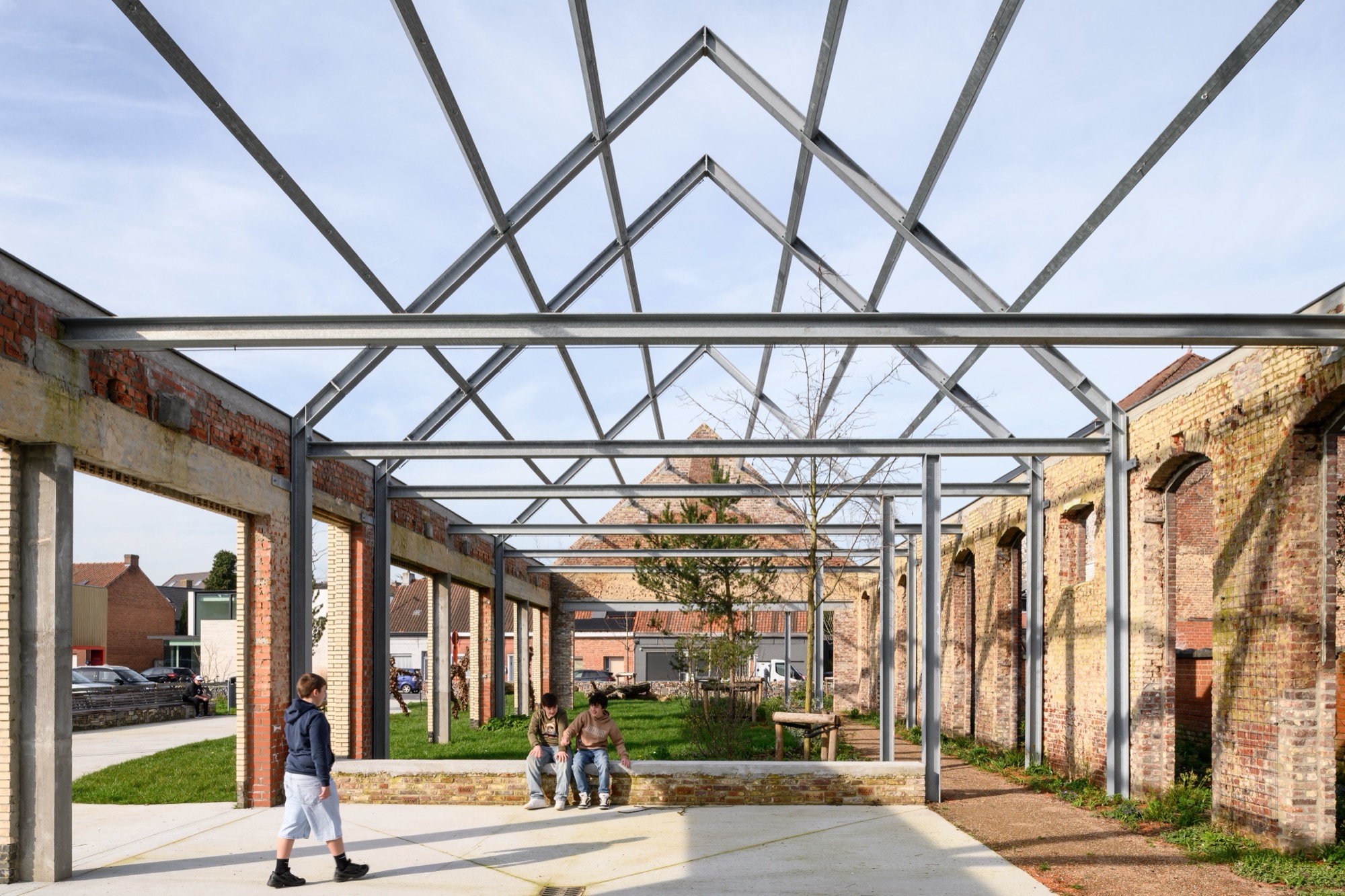
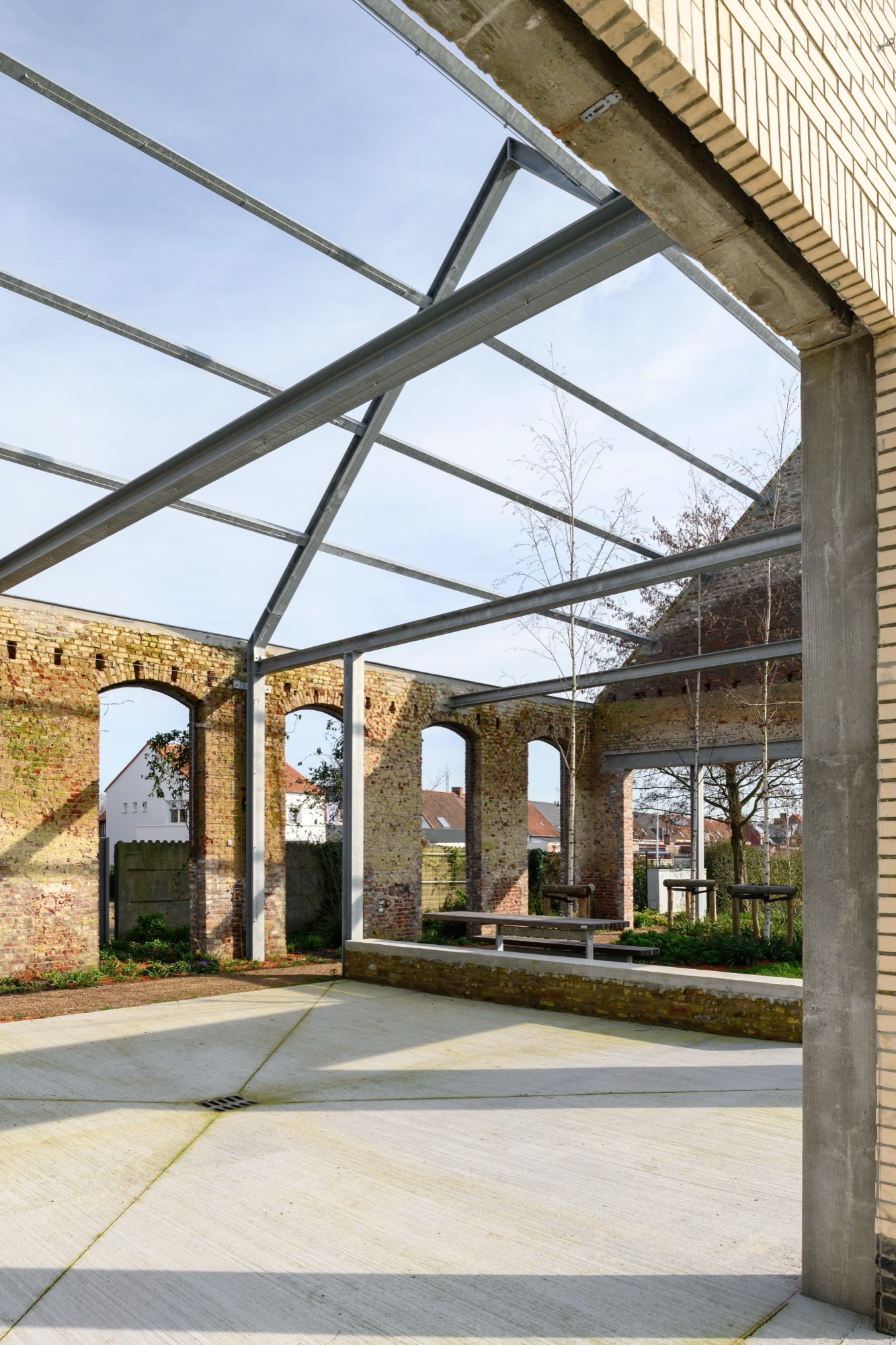
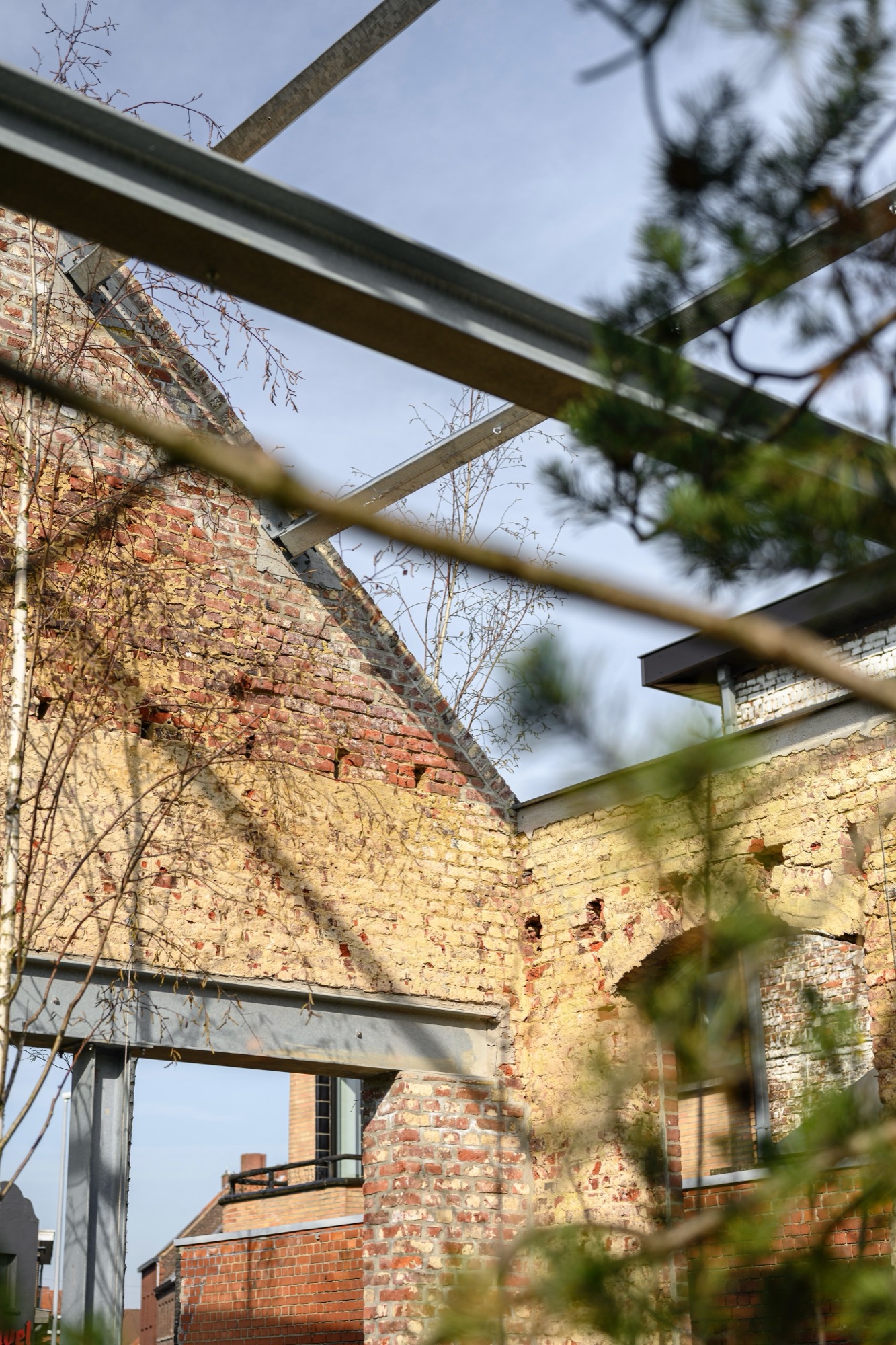
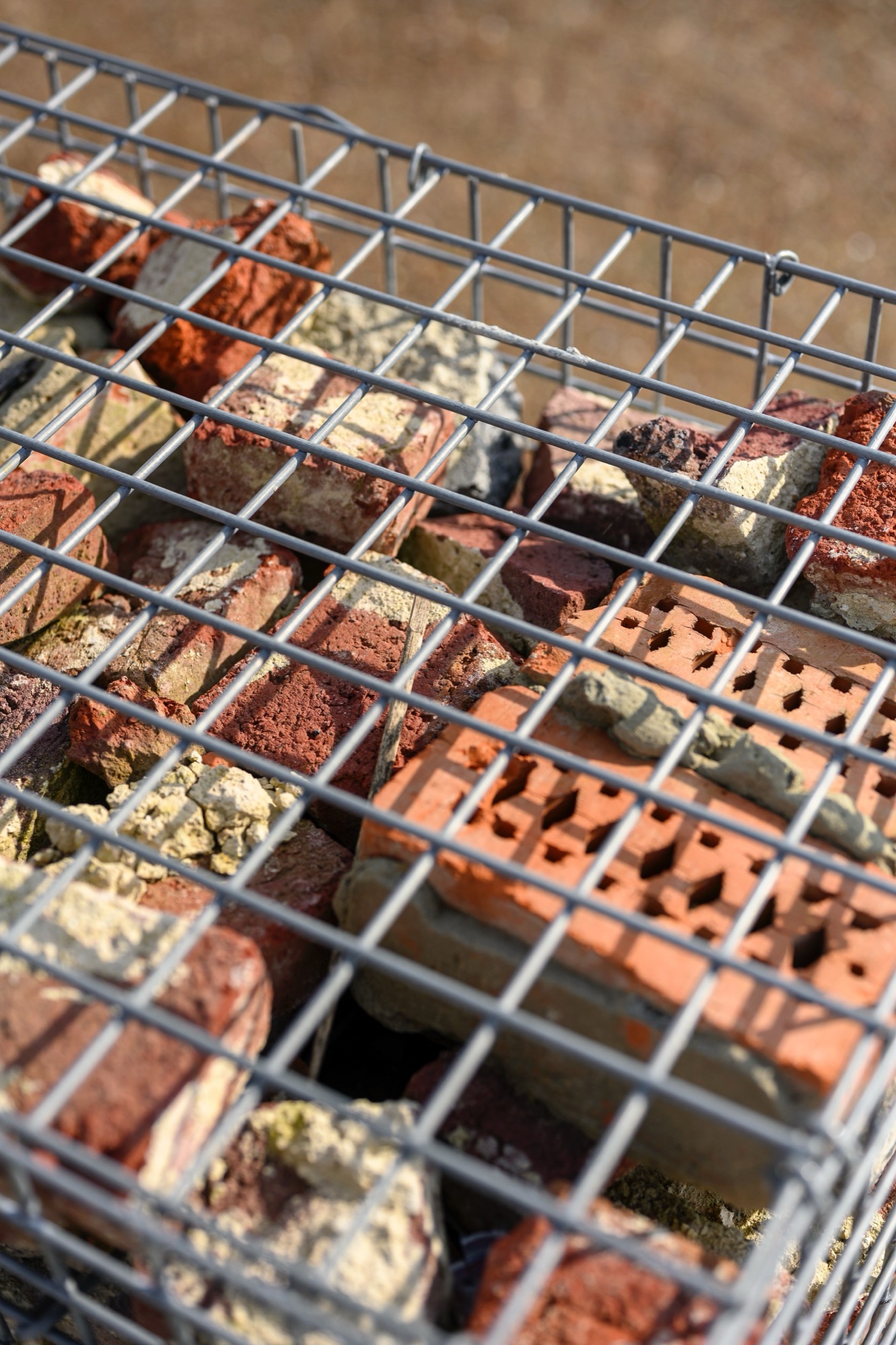
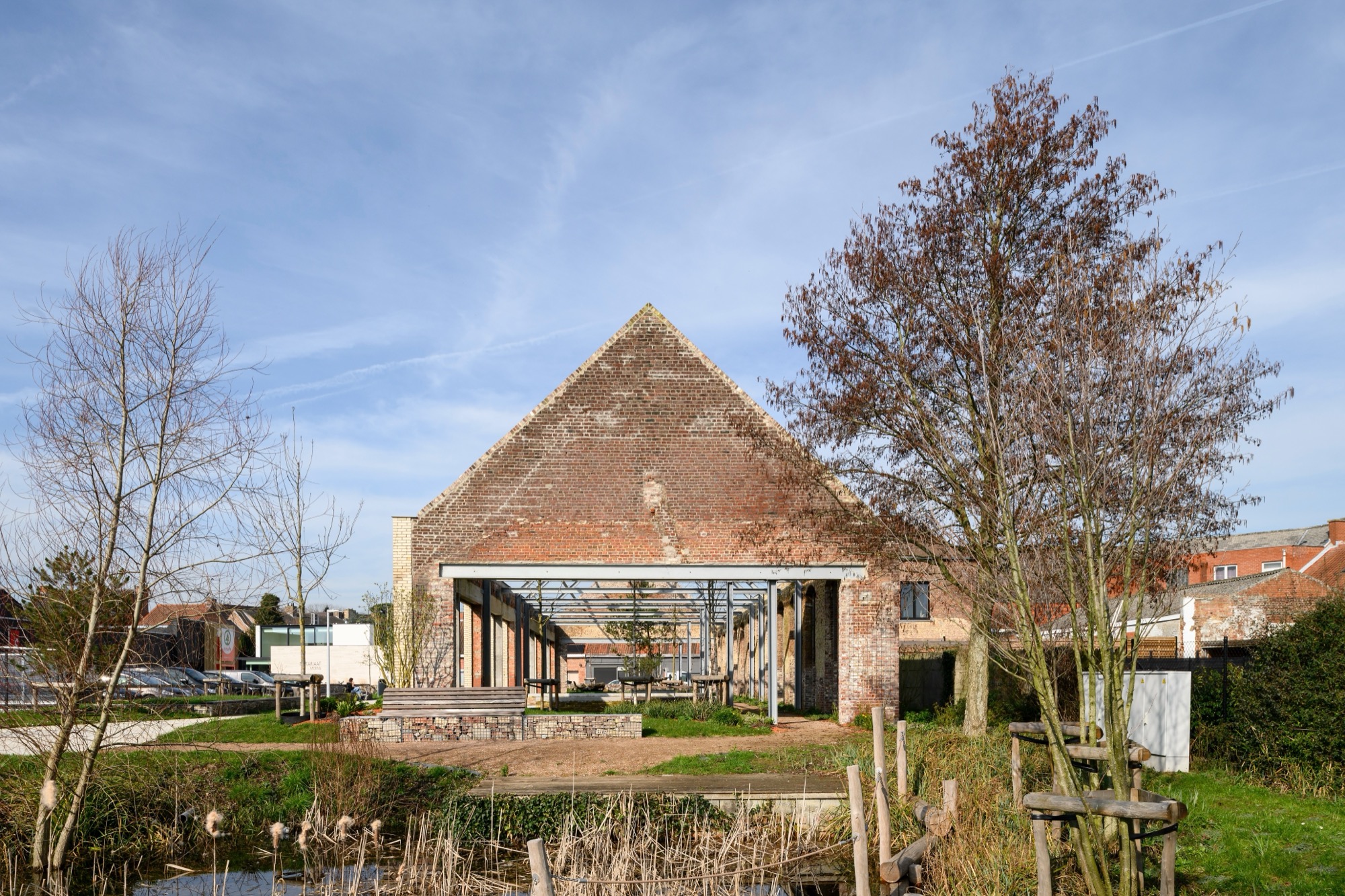
Bricks and playground tiles from the demolition were reused to fill gabions. In addition to serving as walls and seating, these structures also act as large insect habitats, nesting spaces for small mammals, and a base for vertical vegetation.
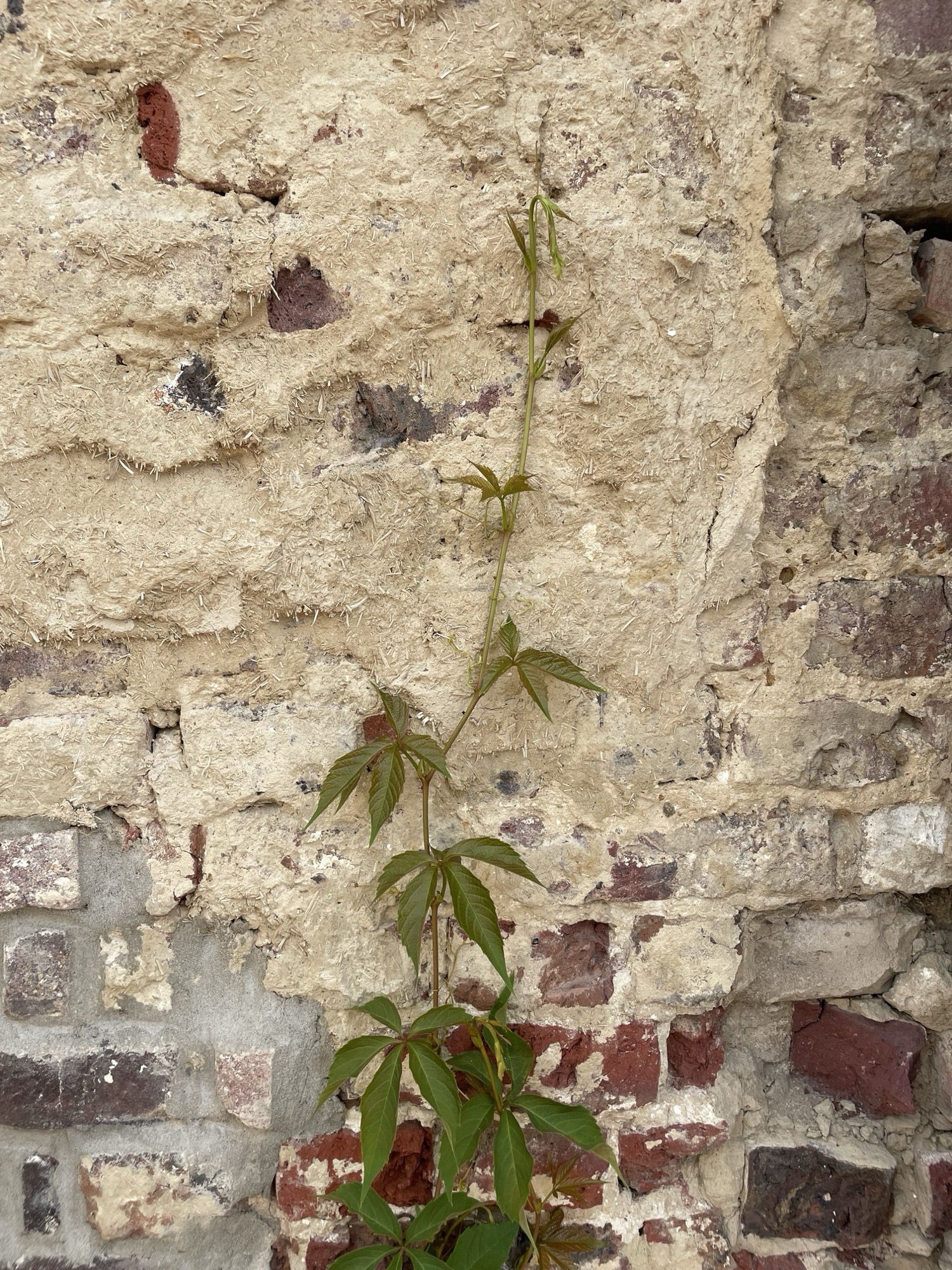
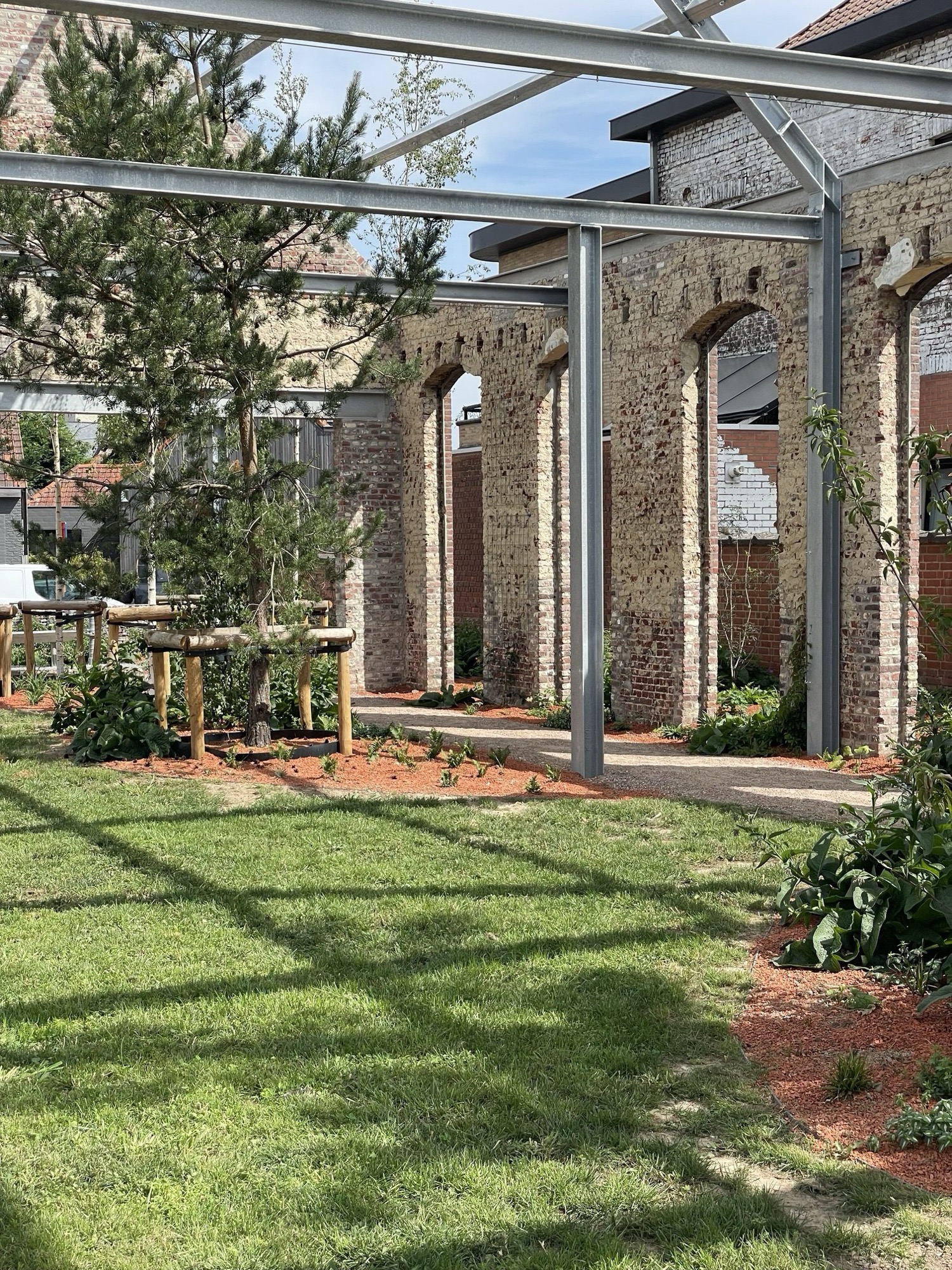
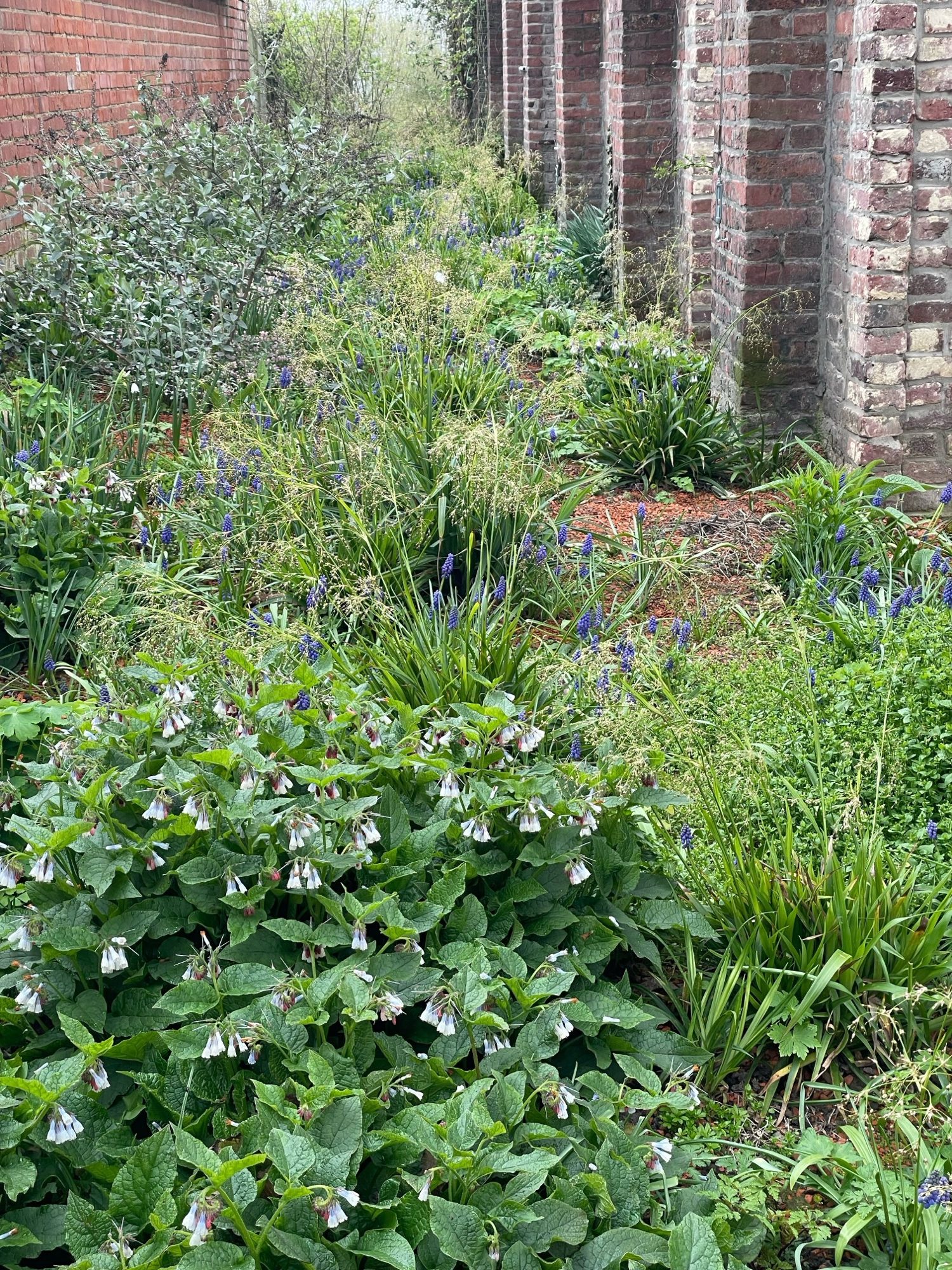
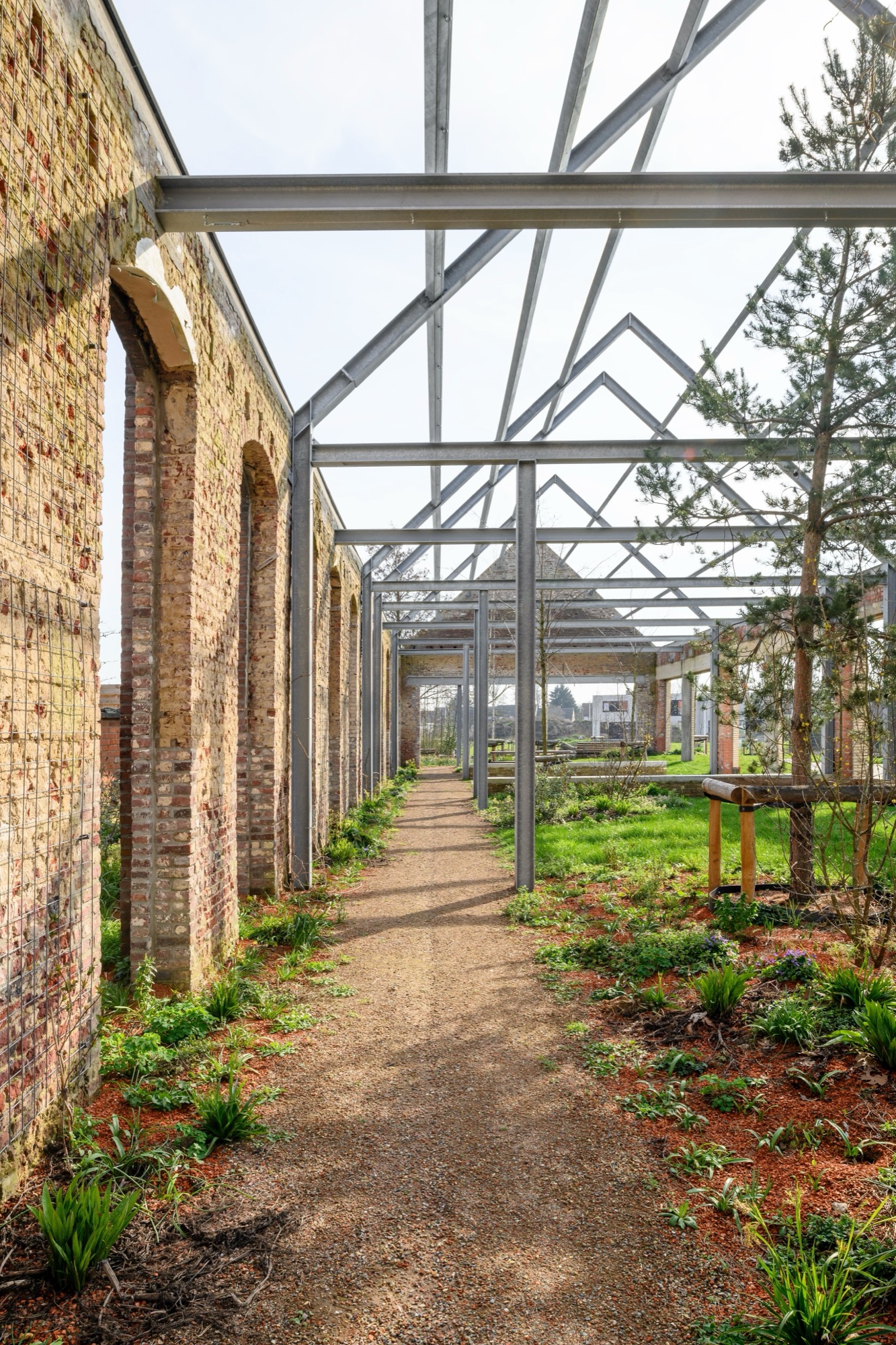
Openings in the walls—formerly used to anchor ceiling beams and the roof structure—along with old chimney elements and wall cavities, now provide ideal habitats for birds, insects, and bats. The remaining lime plaster on the walls creates a suitable substrate for wall-growing plants.
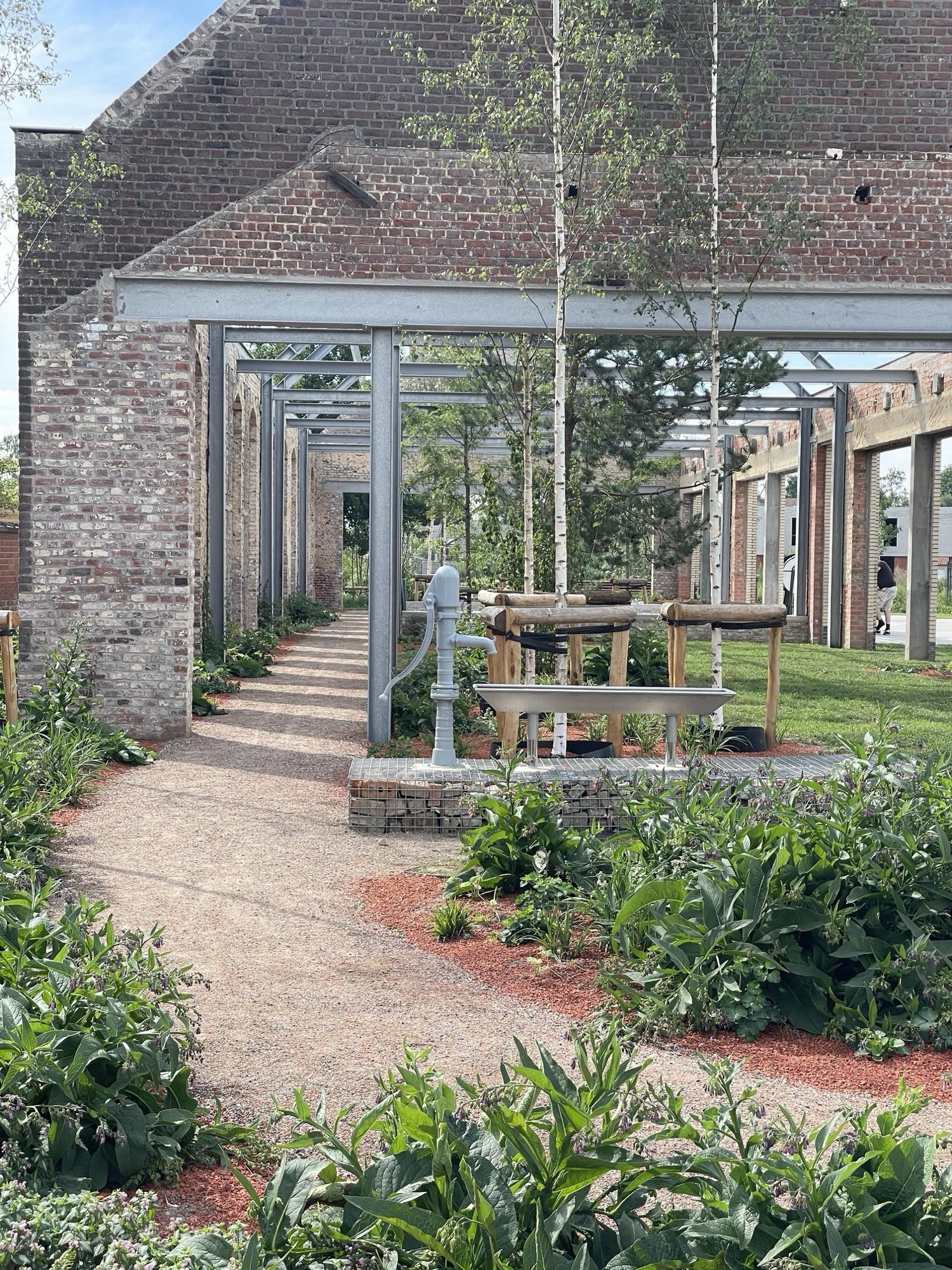
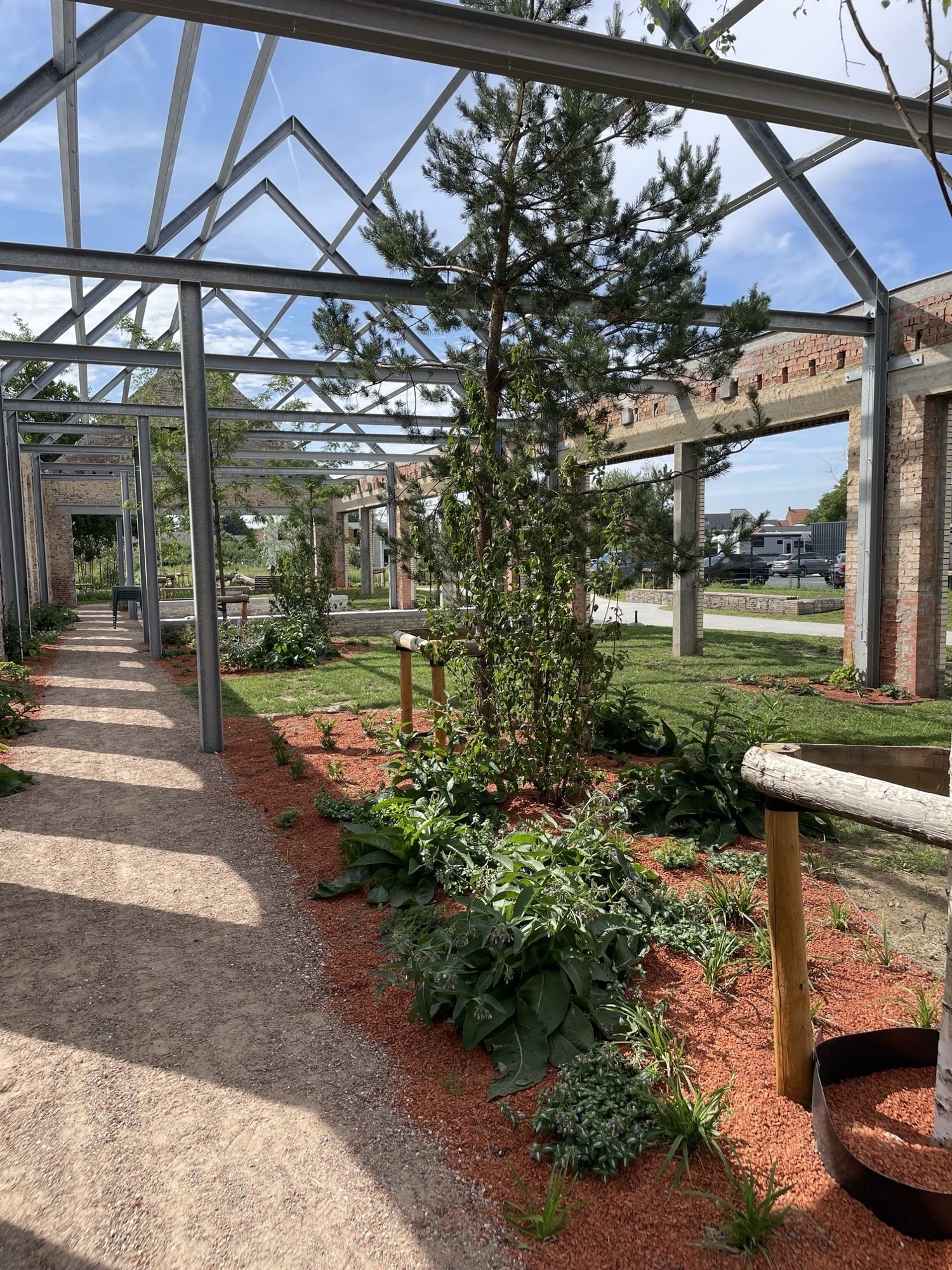
The shape of the former roof has been reinterpreted as a galvanised steel framework. Trees will grow through it, while climbing plants will gradually cover the structure in greenery.
Circular thinking is applied throughout the project. The pathway within the structure is made from finely crushed demolition material, while a top layer of recycled roof tile gravel has been used between the planting beds.
The school’s former well has been cleaned and fitted with a hand pump, allowing local children to use it while playing in the garden.
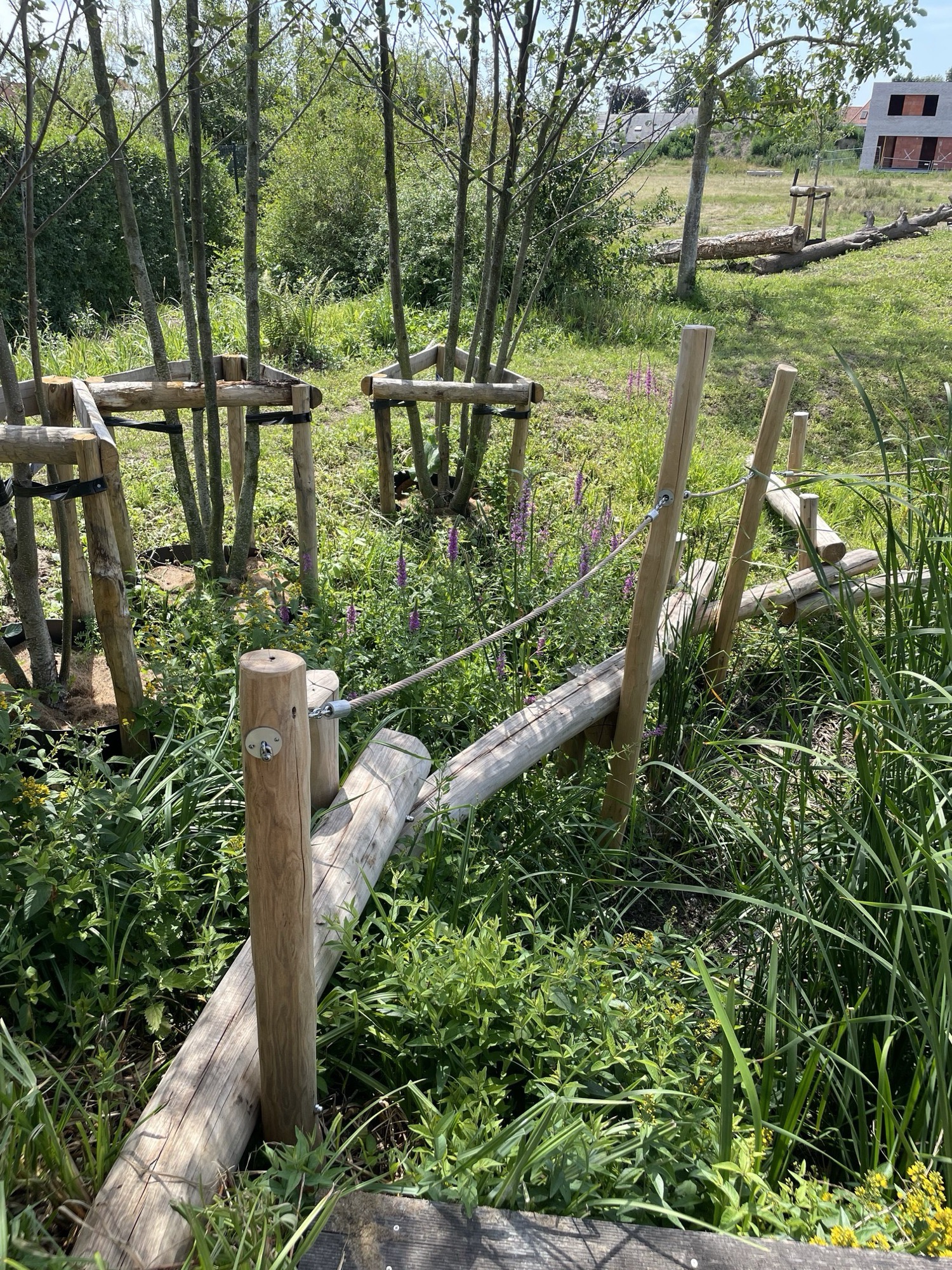
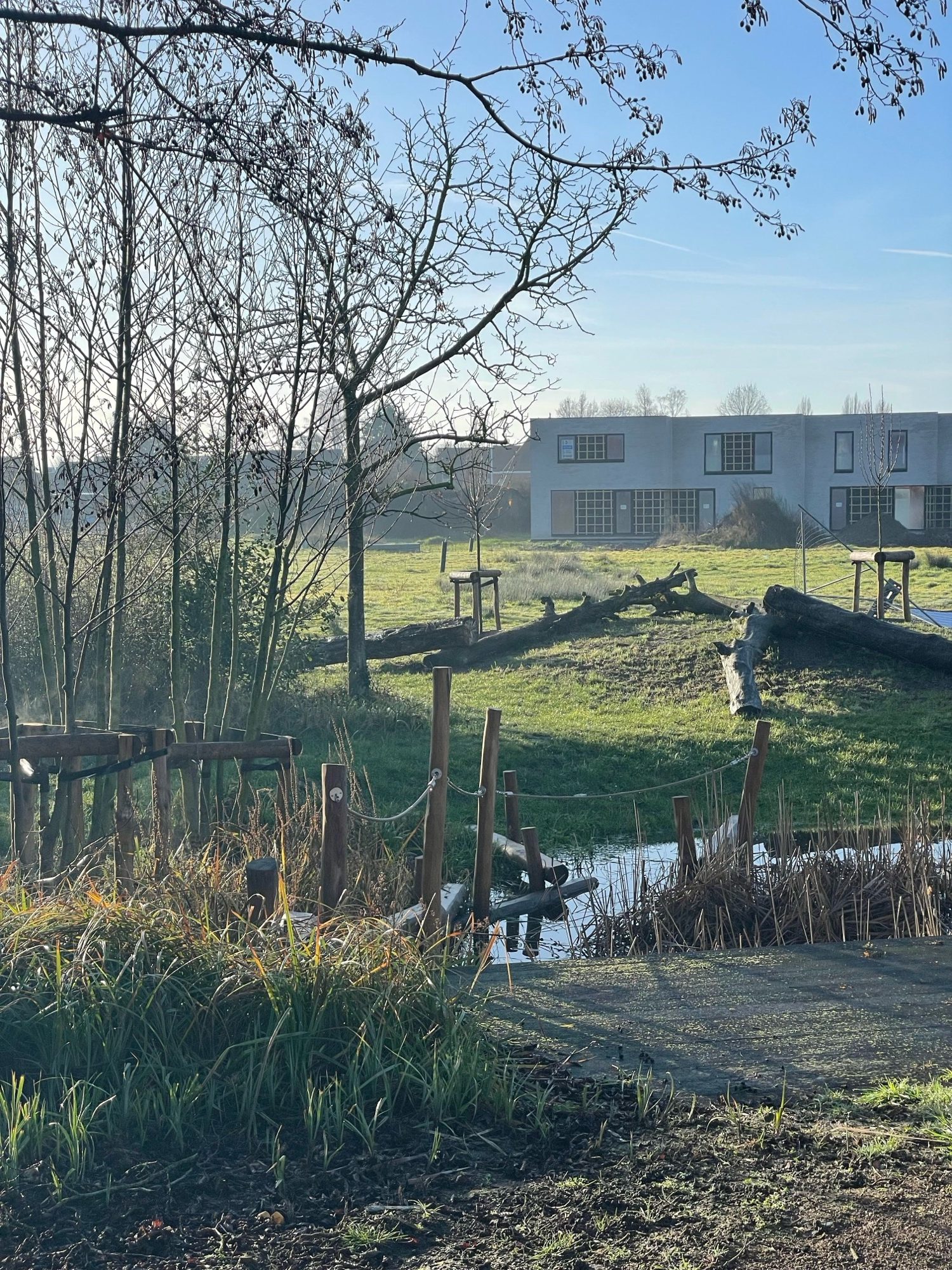
Tree trunks from nearby trees that were blown down during winter storms have been repurposed as natural play elements. The stumps have been drilled with small holes to provide additional nesting opportunities for insects.
The existing wadi has been reshaped with gentle slopes and carefully integrated into the garden. Rainwater, partly coming from the adjacent supermarket car park, is directed into this wadi, where it can slowly infiltrate into the ground.
Balance beams along the edge add an extra playful and adventurous element.
In addition to the water pump, tree trunks, and balance trail, several swings will be installed within the structure.
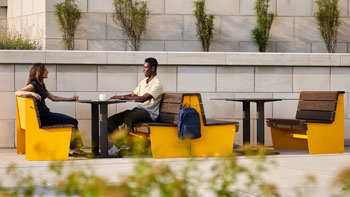
Sint-Jans Garden is a welcoming place to spend time. Children with a sense of adventure can discover nature through play, while parents can relax at the picnic table or on one of the many integrated seating areas.
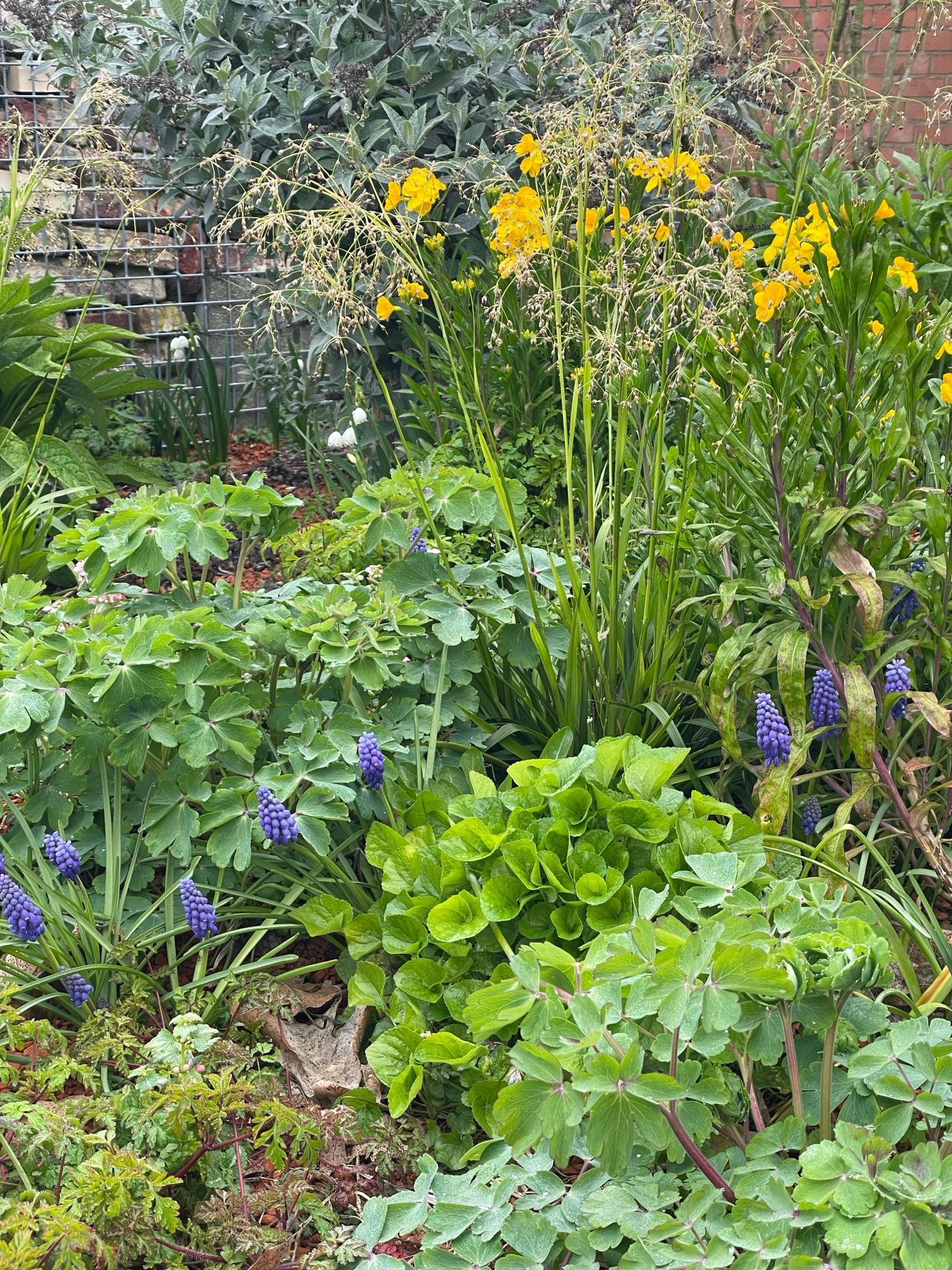
The planting design is based on a simple question: which plants naturally colonise land when it is left untouched or when a construction site lies abandoned for years? As a result, many pioneer species have been included.
Edible planting has also been introduced, including heritage fruit varieties that help shape the character of the area around the wadi.
The lawn has been designed as a herb-rich grassland, interspersed with more extensive, flower-rich meadow zones.
The result is a biodiverse environment that strengthens nature within an urban context and attracts a wide range of native fauna.
Sint-Jans Garden thus forms an important ecological stepping stone within the blue-green network of the municipality of Wevelgem, contributing to a climate-adaptive and future-oriented vision.
50.838613104580766, 3.1639148516938973
73558


LILA 2026 Sponsor