The Clore Garden of Science, Weizmann Institute
www.zur-wolf.com
2026 Other Typologies / Israel / Built in 2024 /

![Humanity has profoundly reshaped its environment through physical alterations, habitat fragmentation, deforestation, and ecosystem destruction. Pollution and the exploitation of flora and fauna have caused irreparable global damage. The International Union for Conservation of Nature (IUCN) annually publishes the "Red List"—an updated report on the status of biological species—aiming to identify endangered species and direct […]](https://landezine-award.com/wp-content/uploads/2026/05/00_Hero-image_yosef-bretonRoee-Zvi-600x449.jpg "Midbarium – Desert Wildlife Park, Beer Sheva")
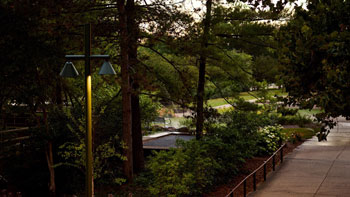
The Clore Garden of Science is recognized as a pioneering institution, established as the world’s first open-air science museum and serving as a model for others. During its formative years, it won several international awards. In 2024, a comprehensive renewal process was executed, making contemporary, excellent science accessible to diverse audiences through a wide variety of means and possibilities. The garden imparts scientific principles through an innovative approach that uses the physical space to convey knowledge, creating a multisensory experience etched into memory.
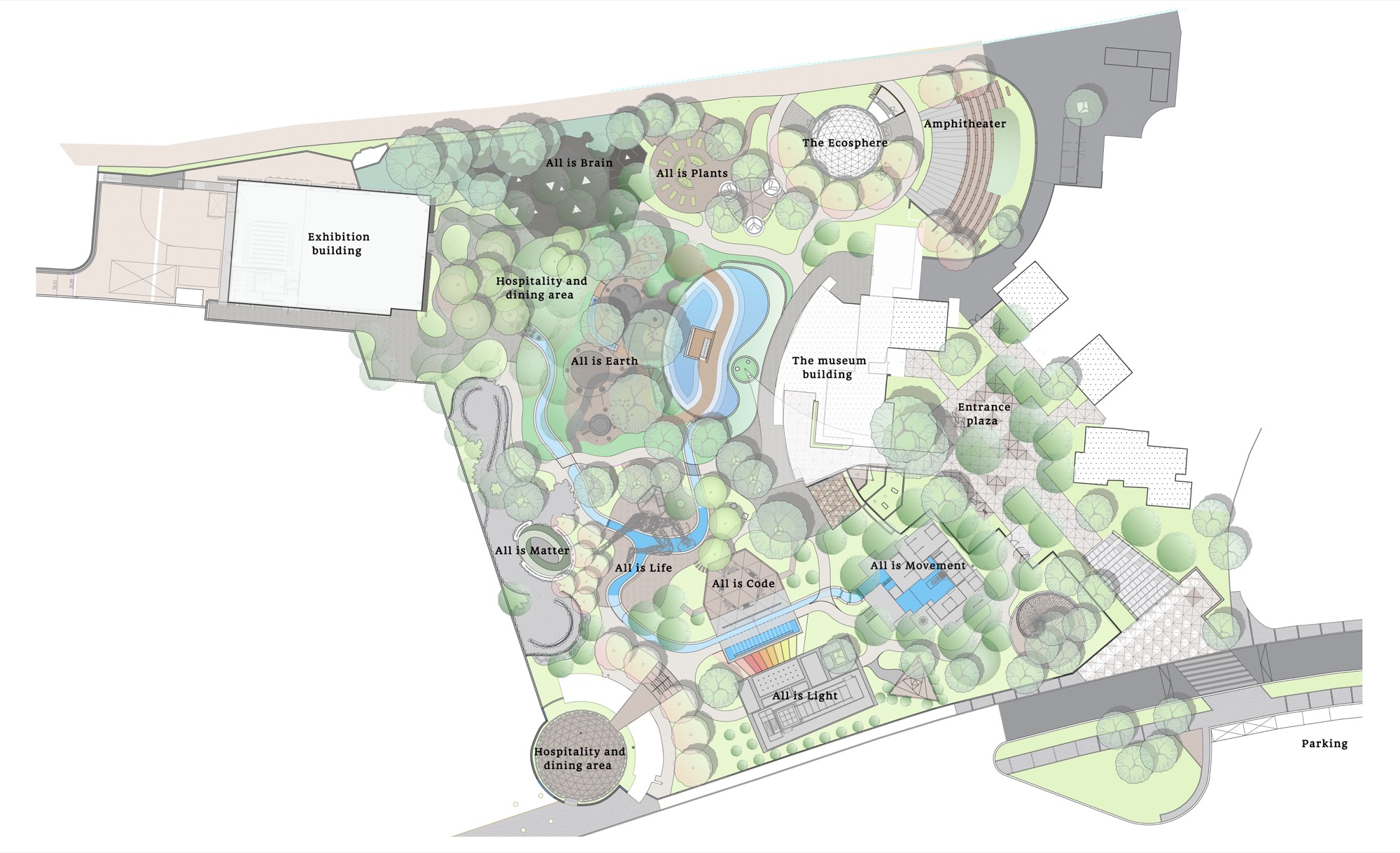
Environmental elements such as air, light, shadow, sun, vegetation, water bodies, and natural habitats, alongside landscape design, are integral parts of the scientific content the garden conveys. Its uniqueness lies in the organic connections between these natural elements and science, and the dynamic interplay between them. This philosophy invites an active dialogue between the visitor and the garden. Heritage Square recounts the story of the previous garden.
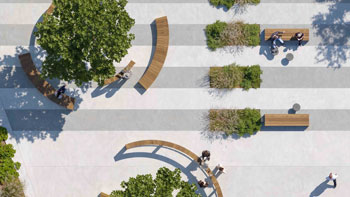
The garden is planned as distinct compounds functioning as open-air museum galleries. Flagship exhibits stand out, serving as spatial anchors, with the ‘Story of Water’ as their connecting motif. Water is a central system that drives dynamism, accompanies movement, and establishes links between compounds. Choosing water from a scientific perspective is natural, especially in Israel’s hot climate.
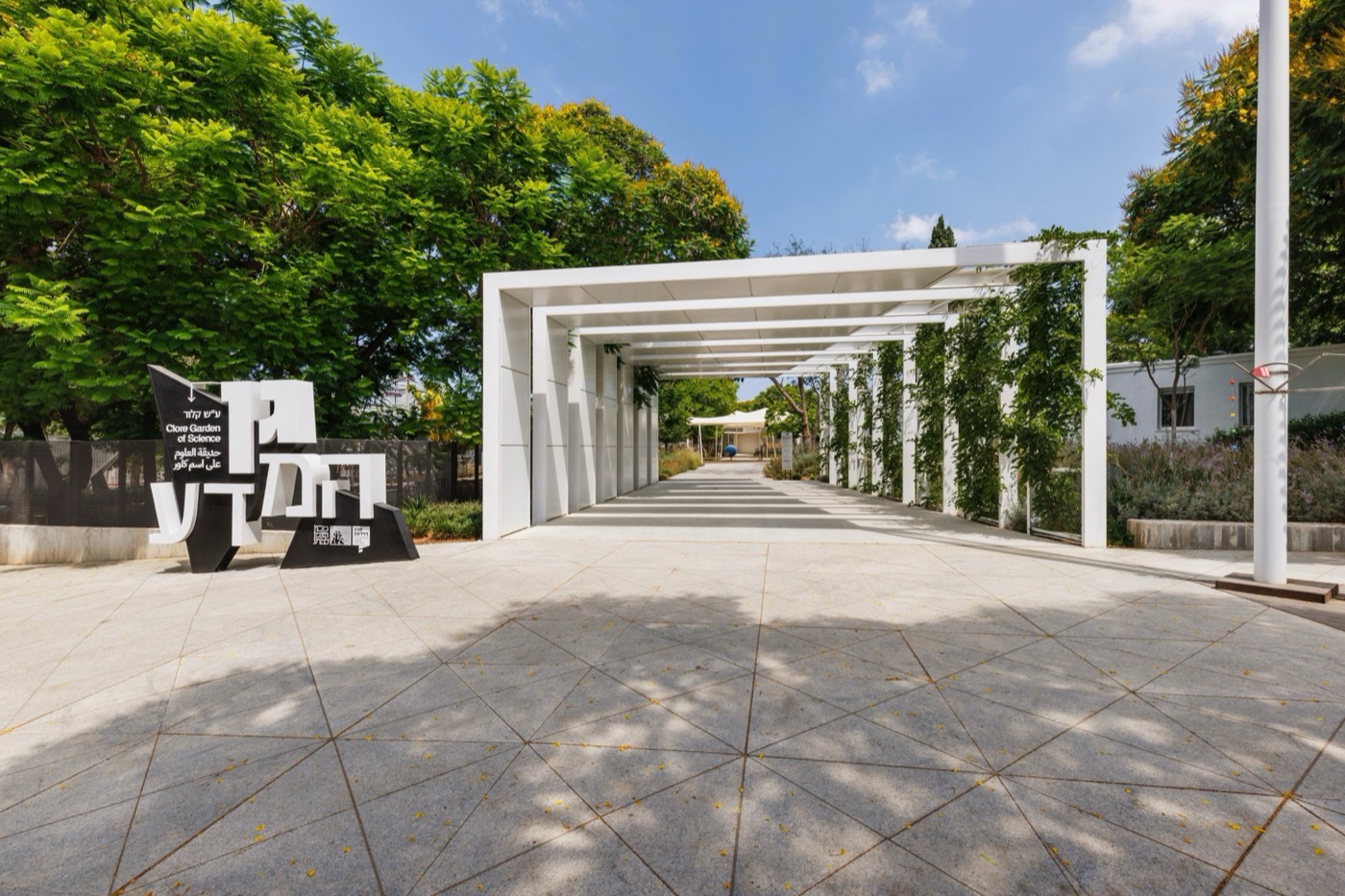
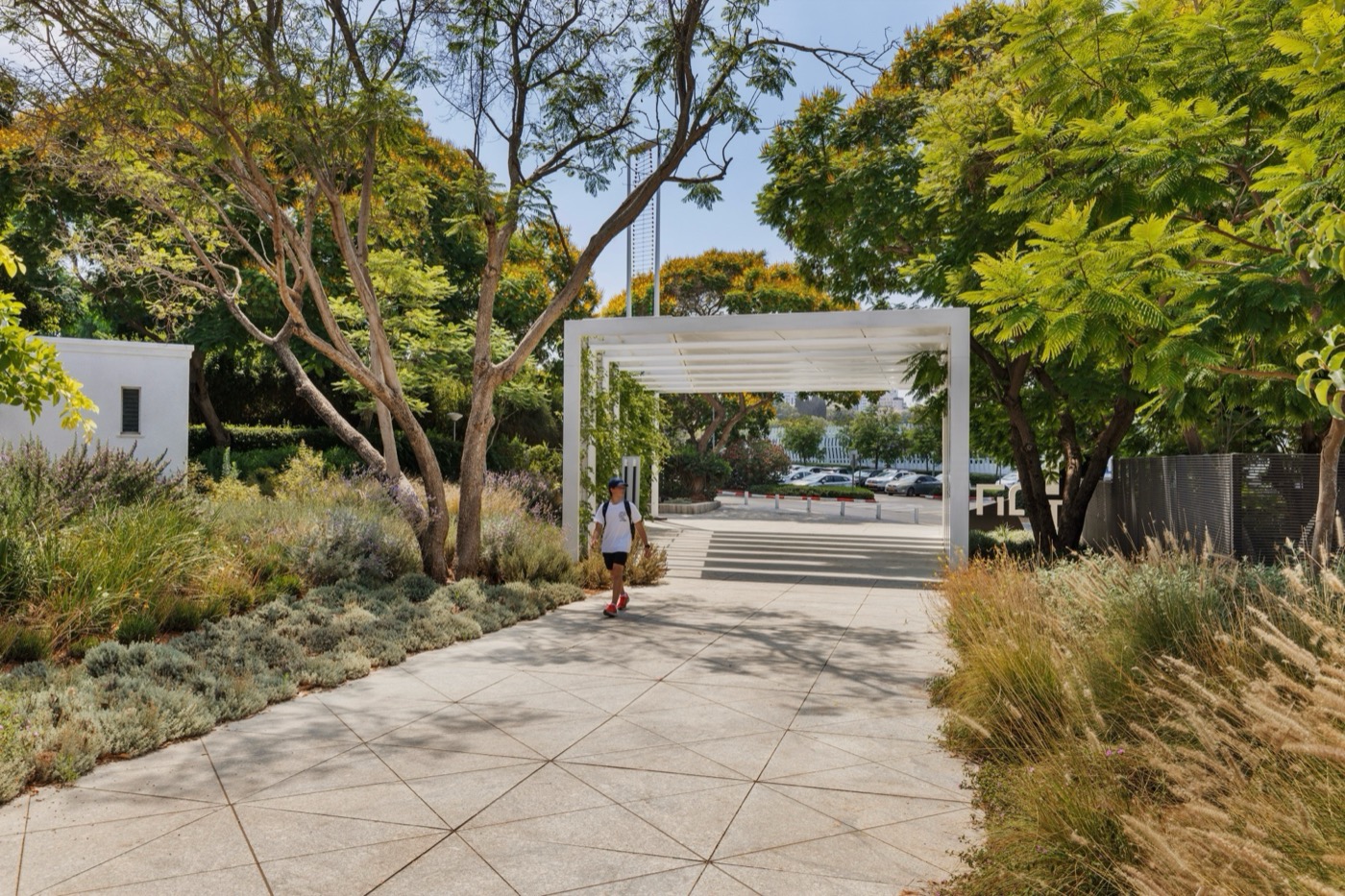
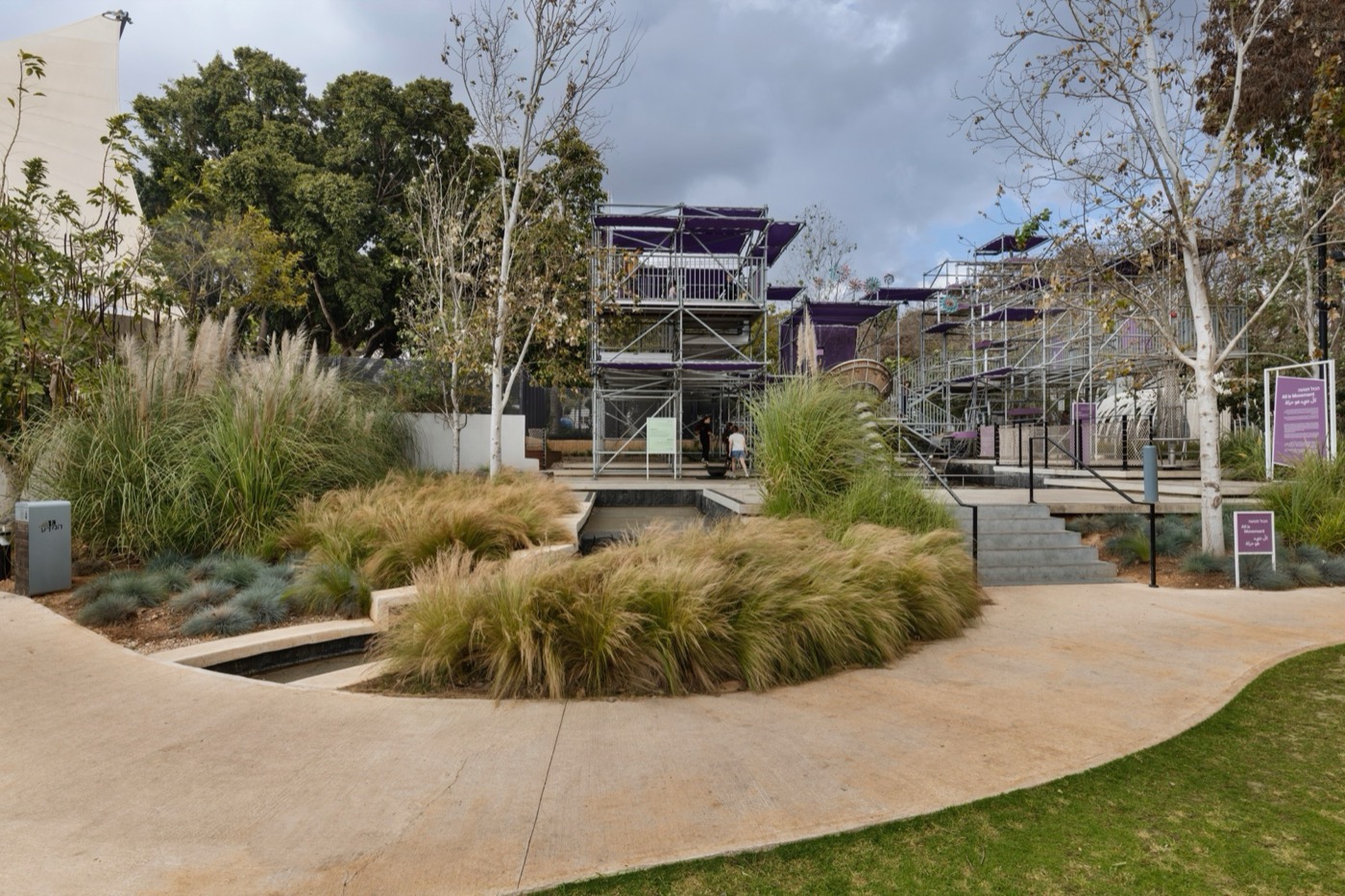
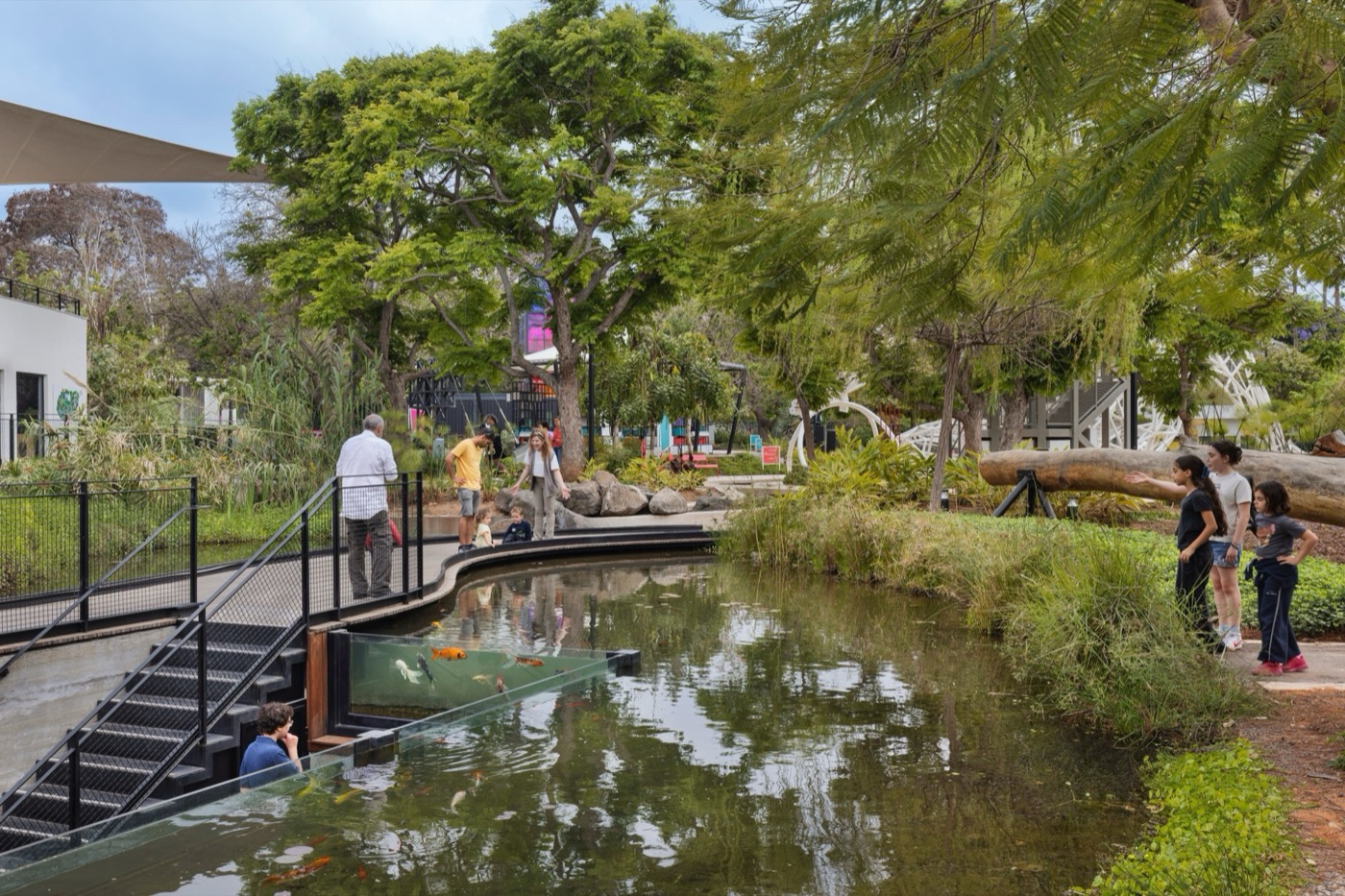
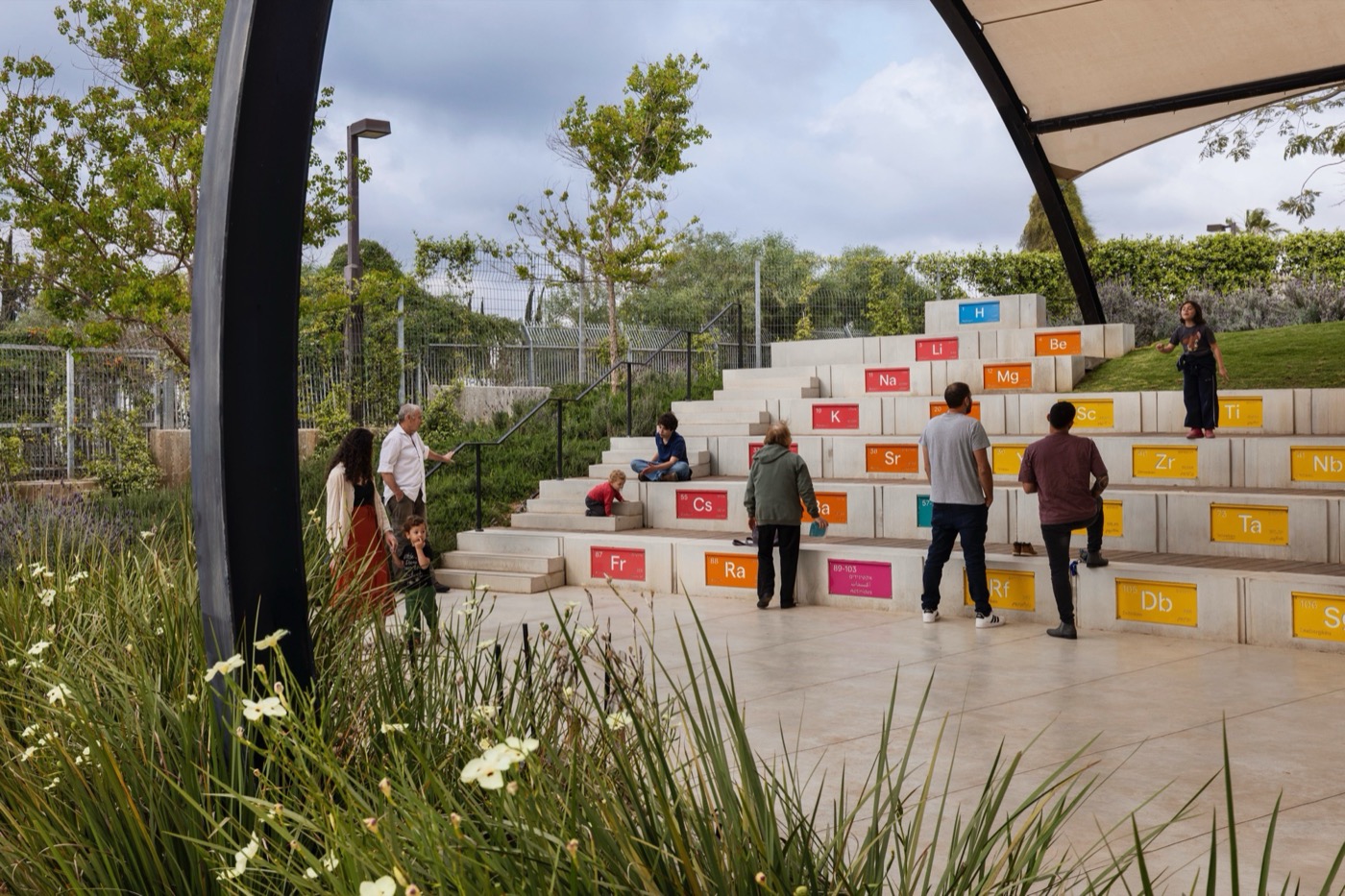
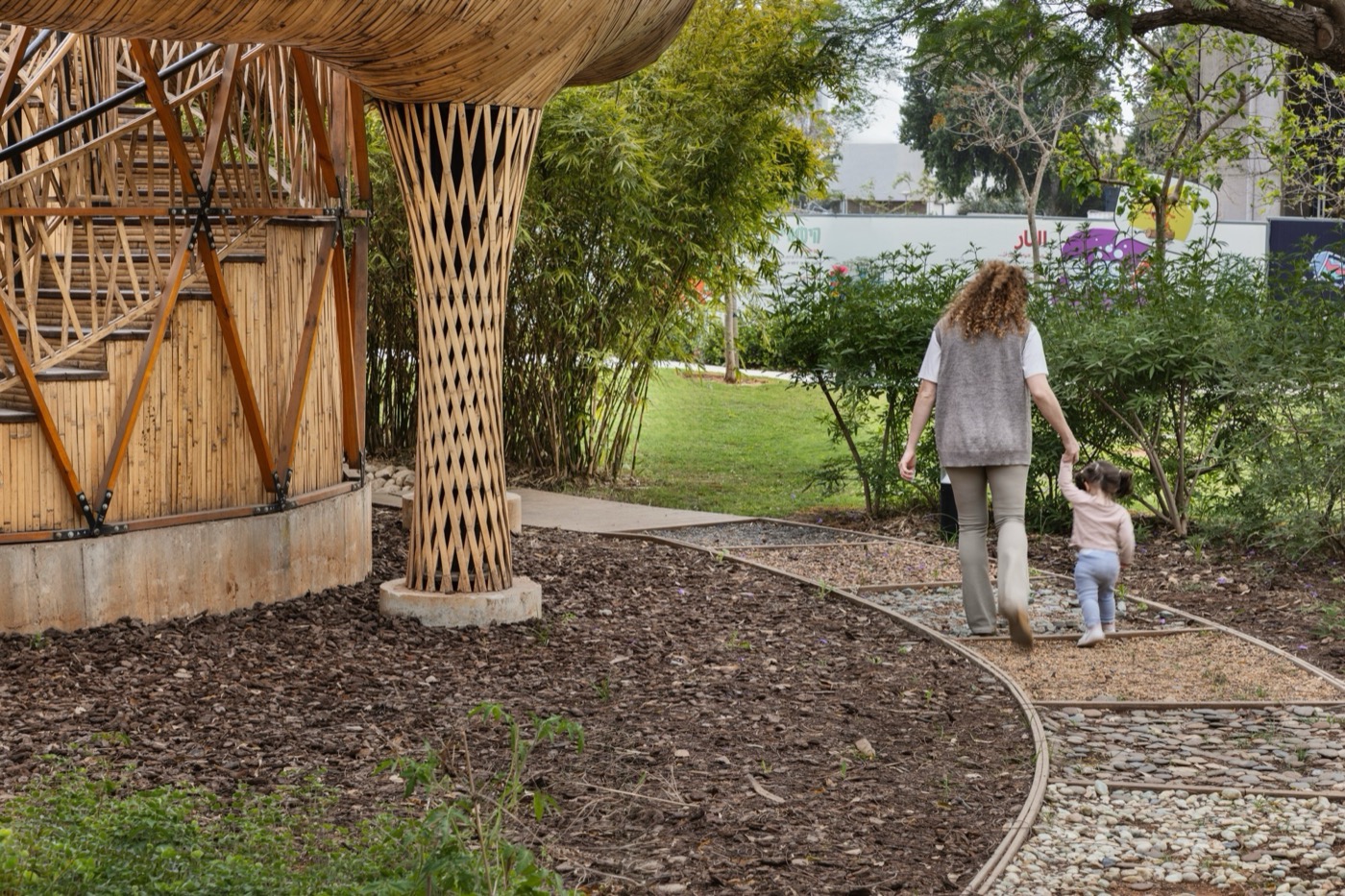
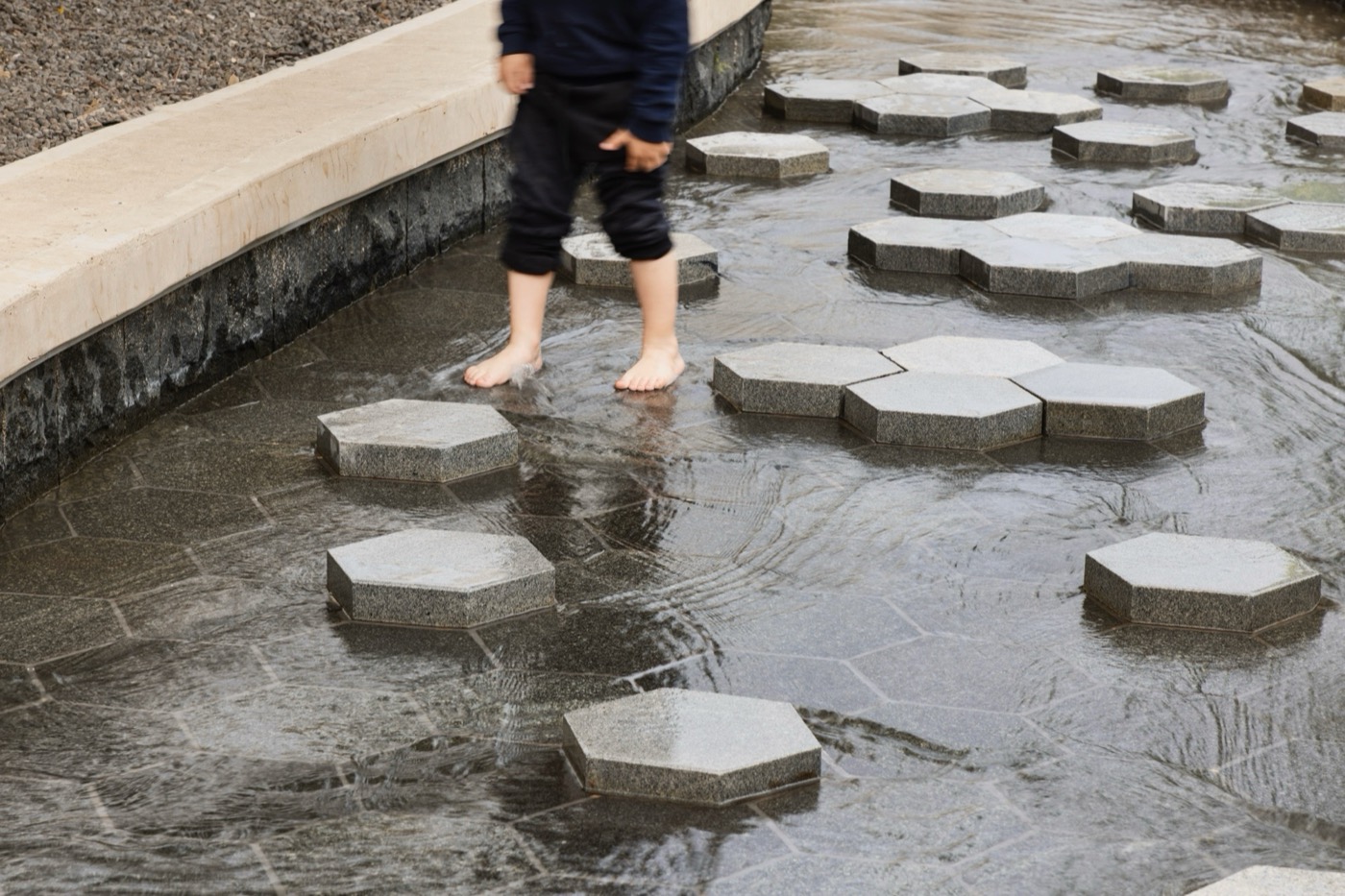
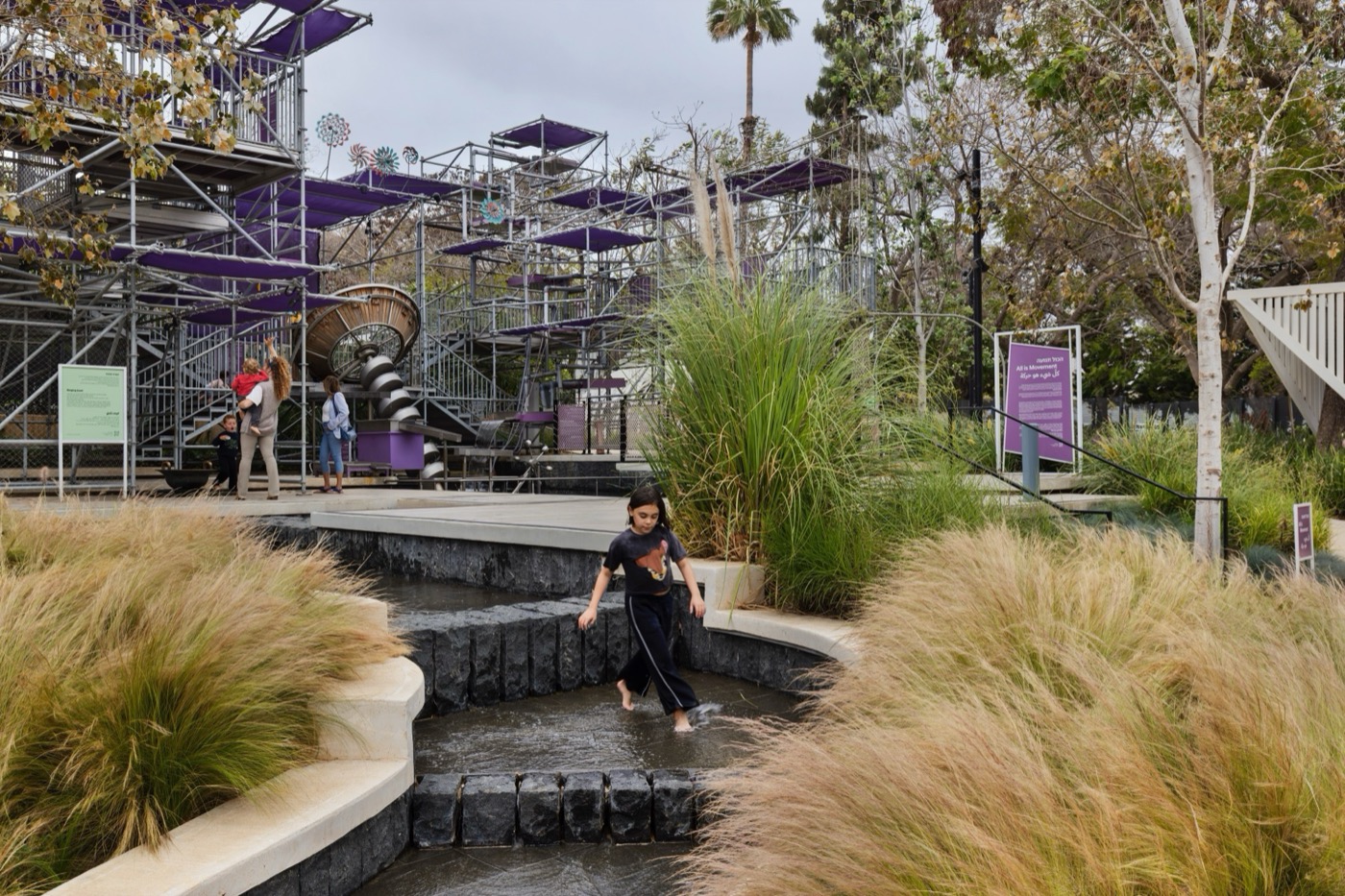
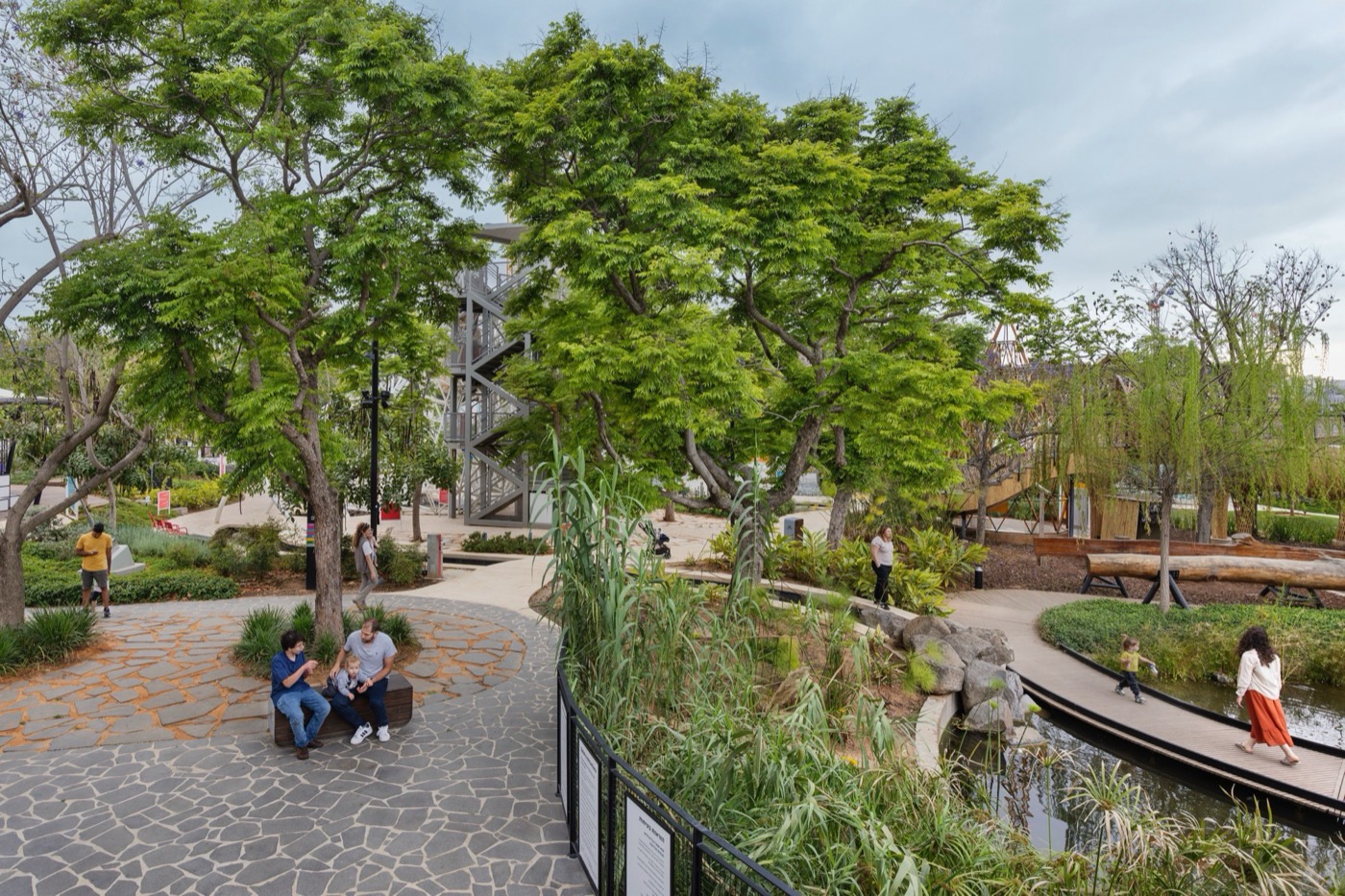
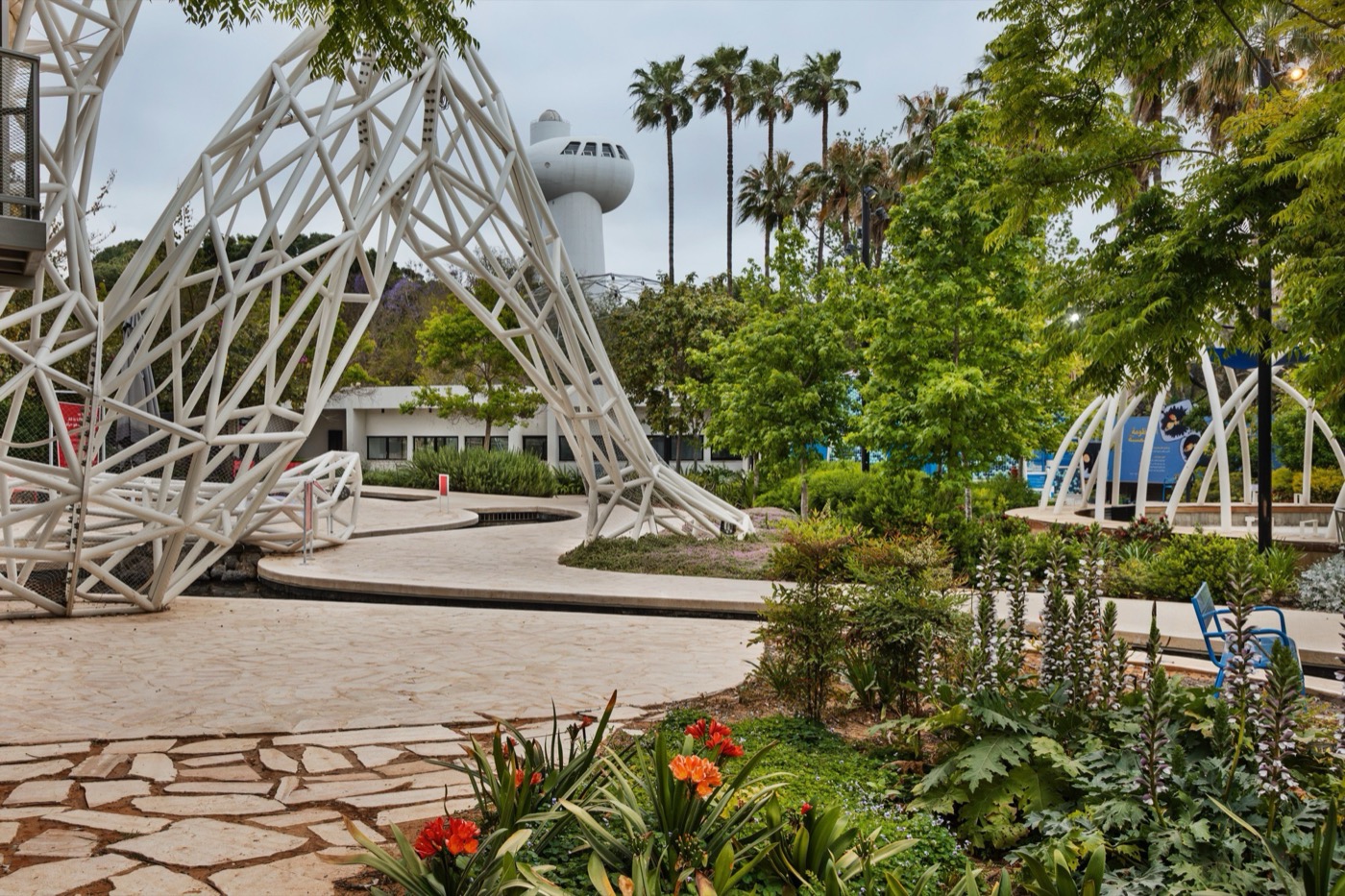
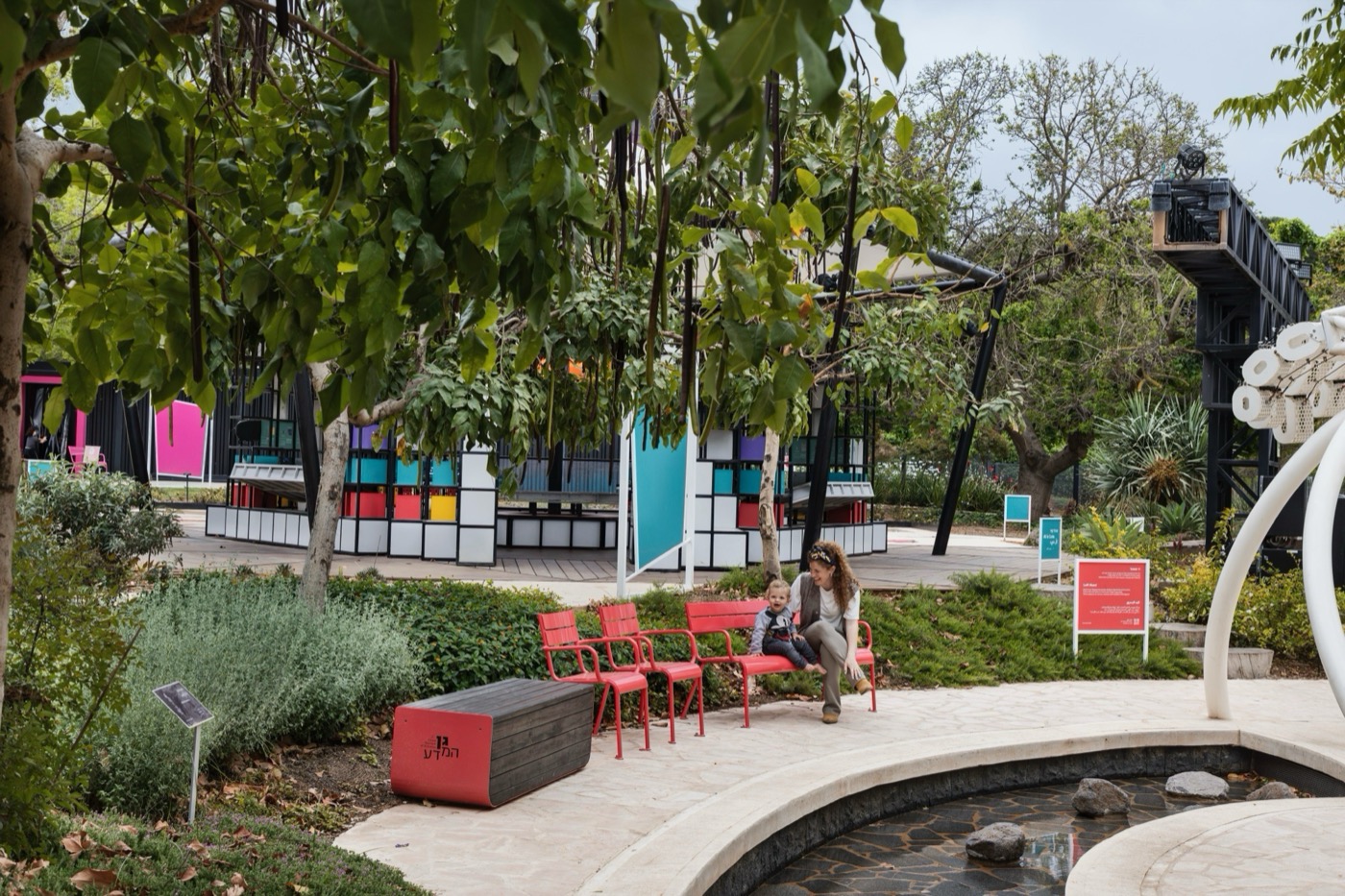
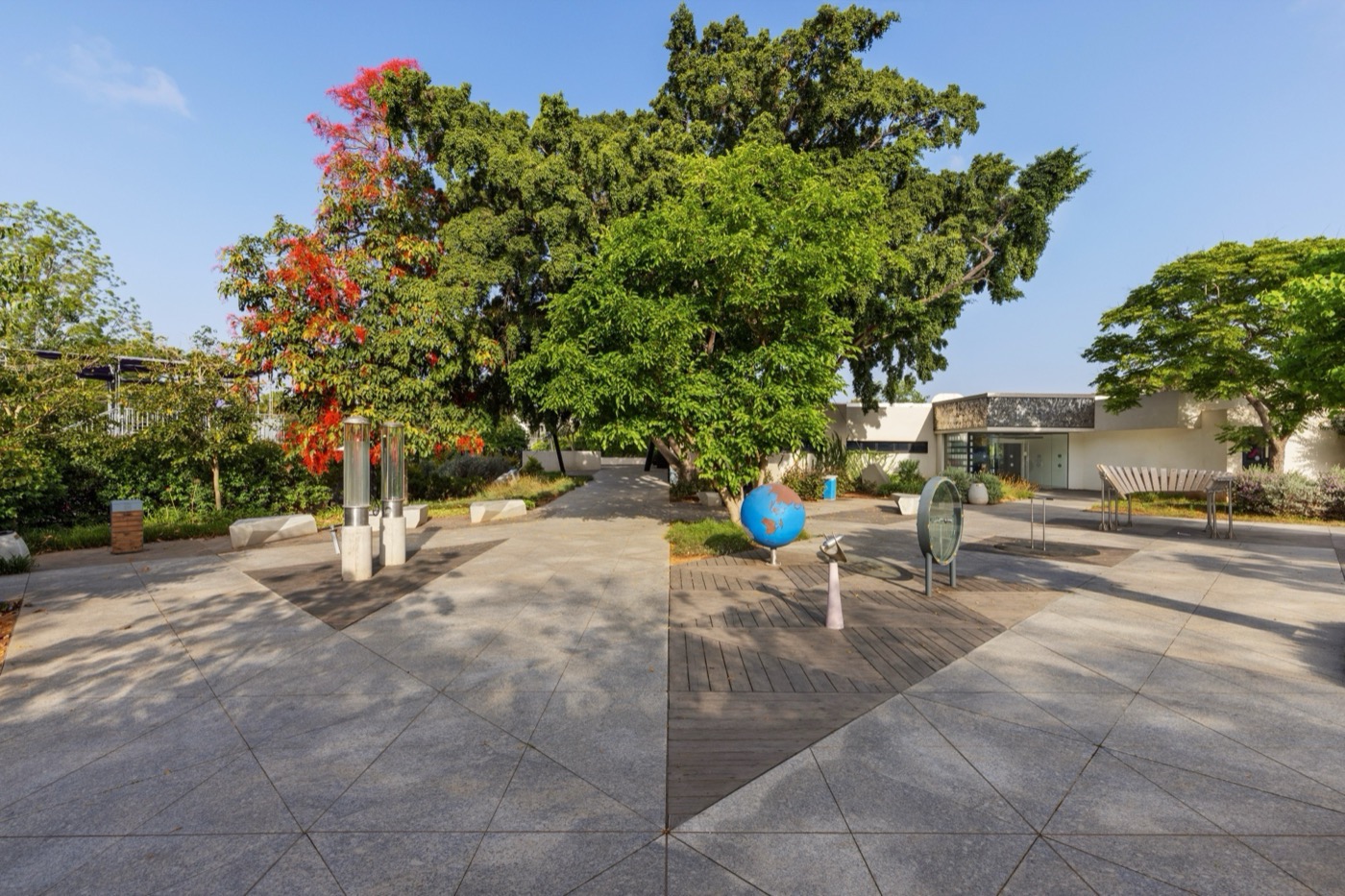
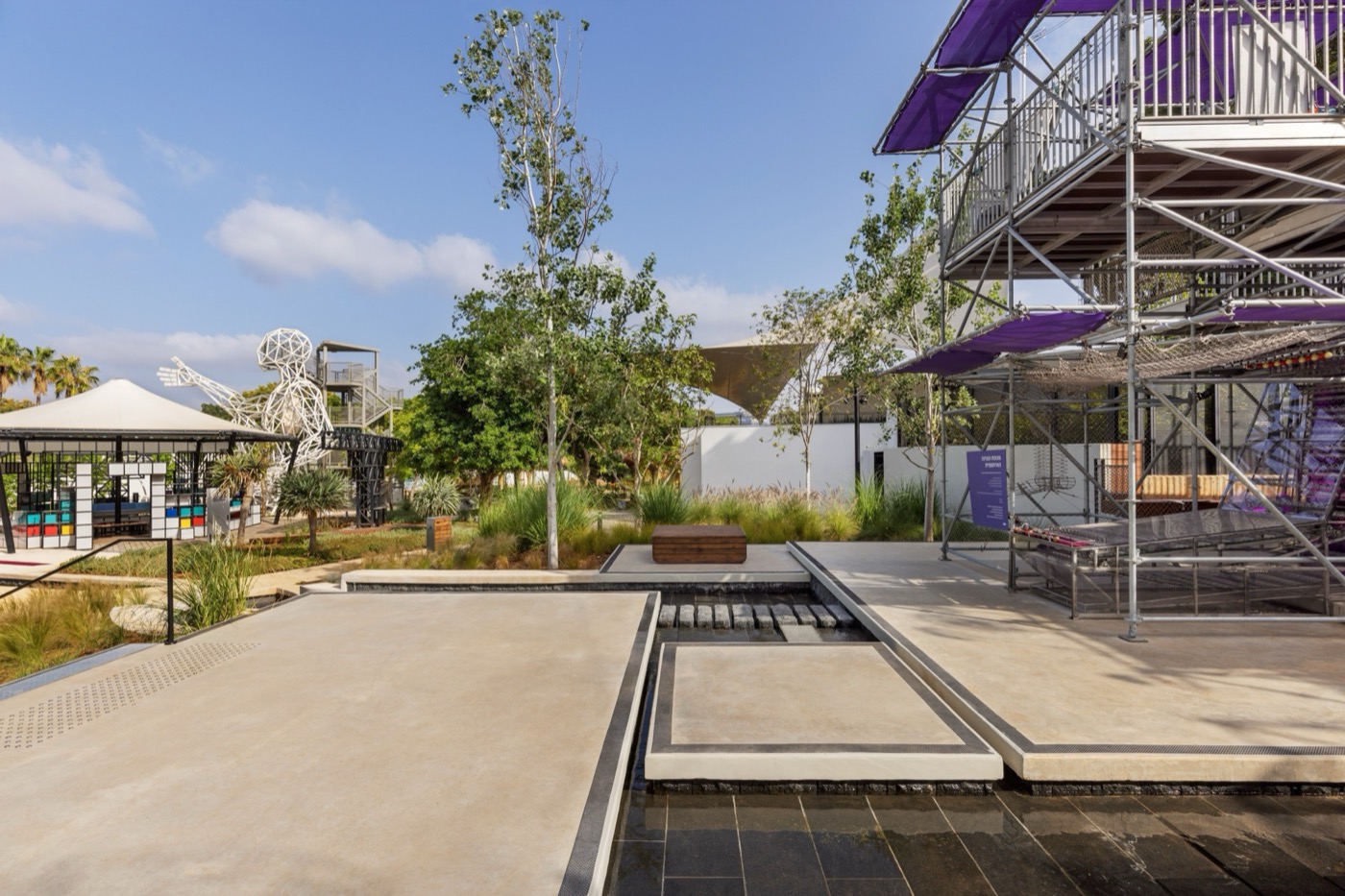
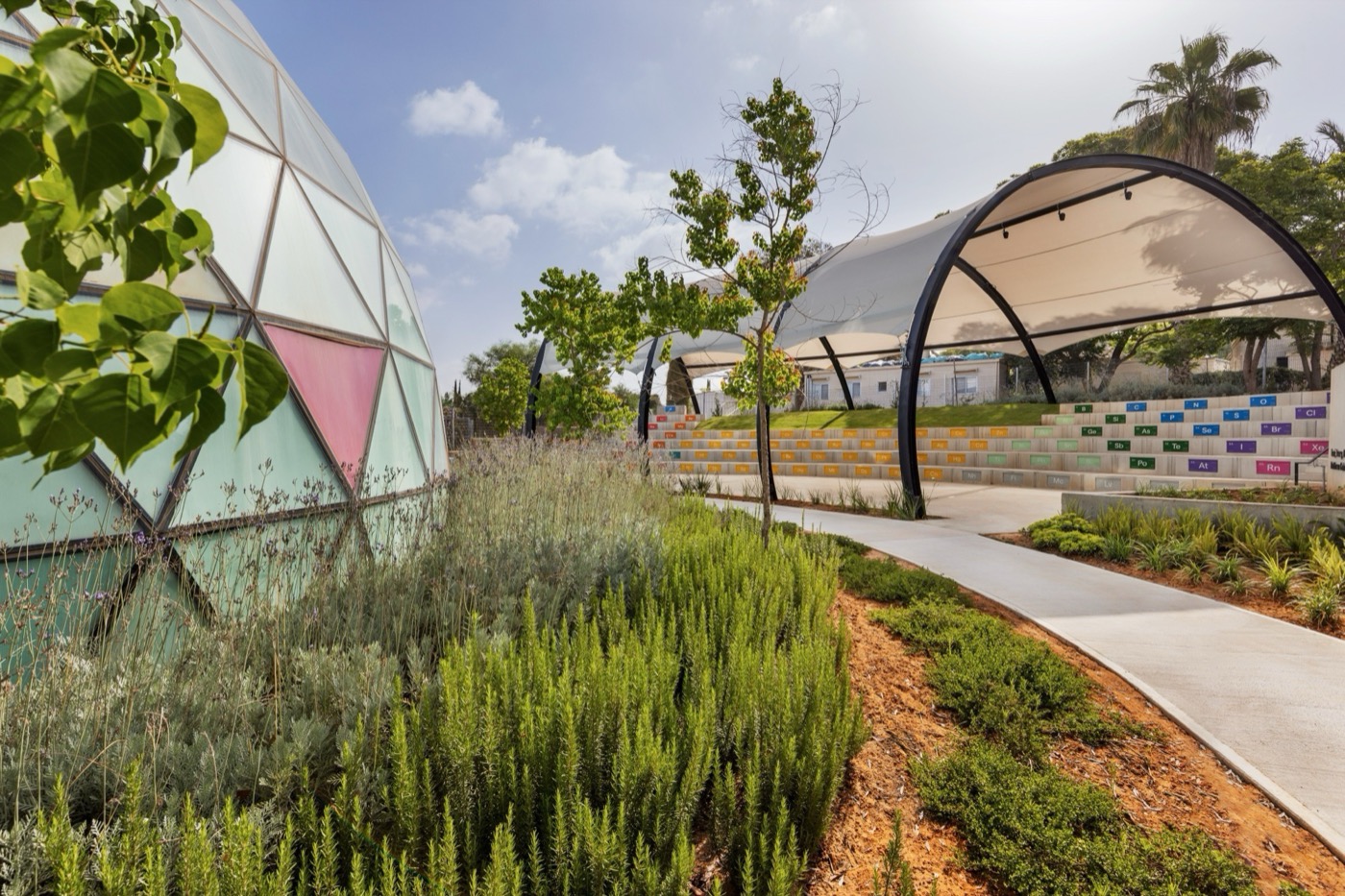
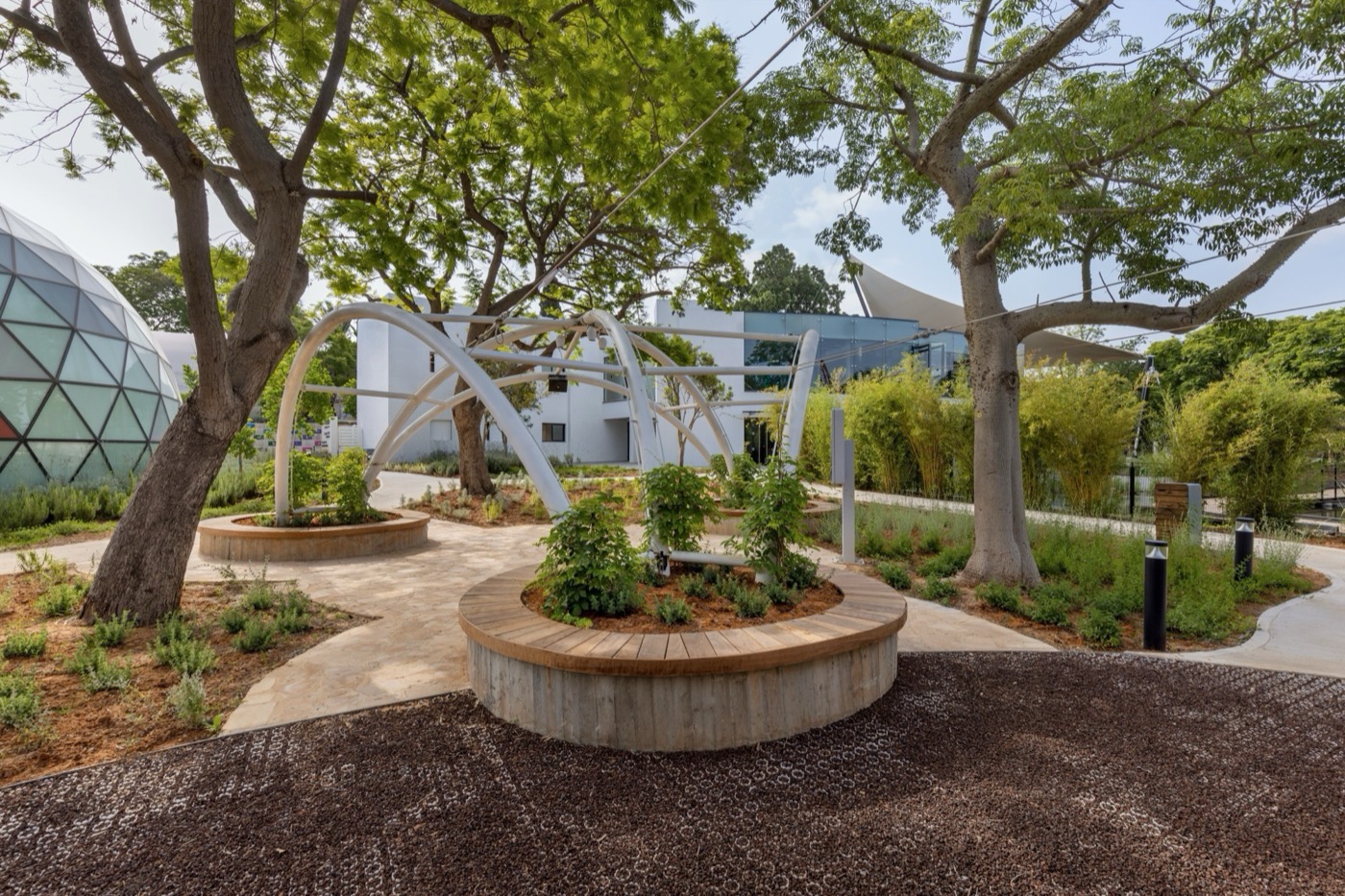
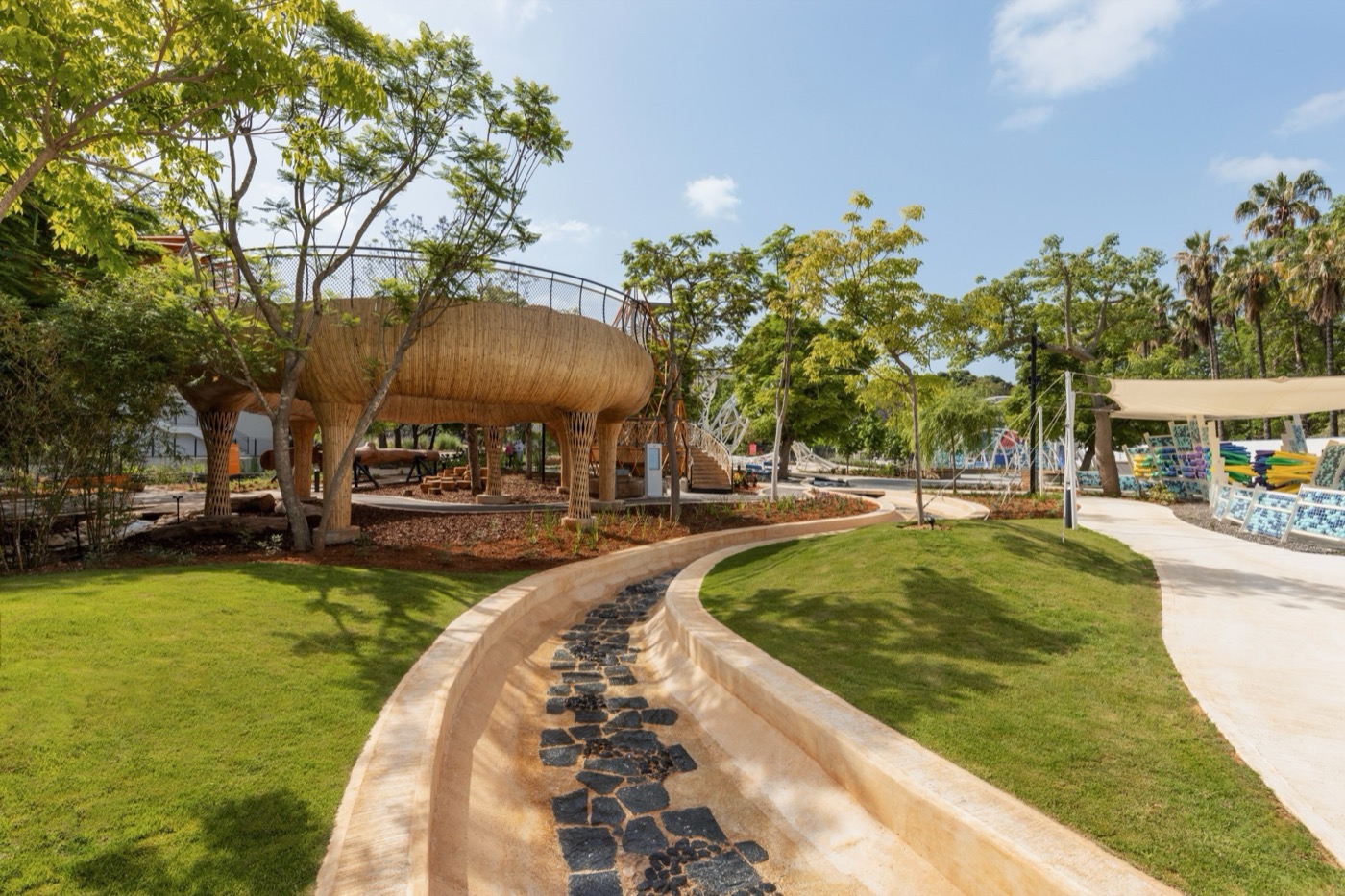
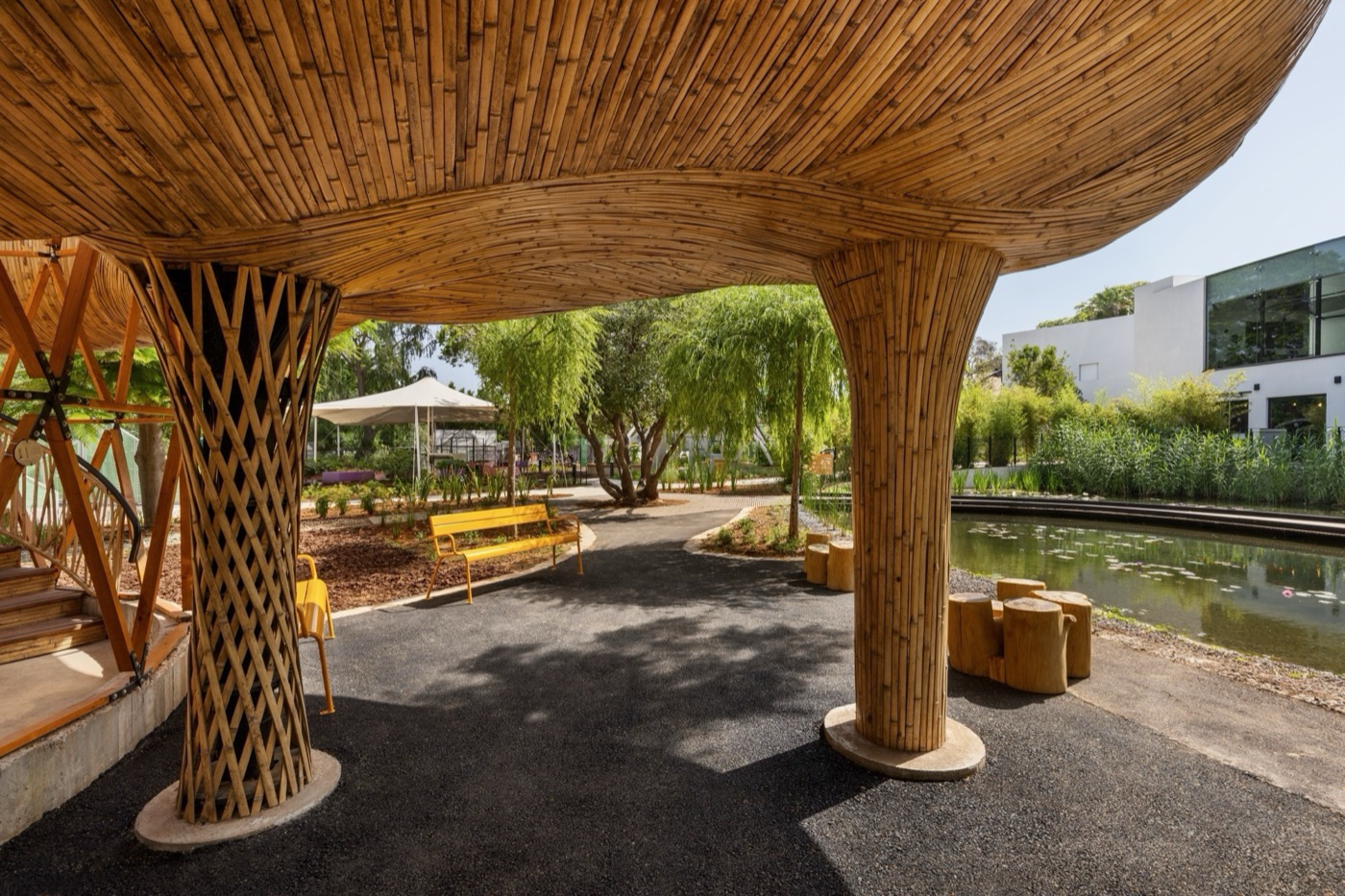
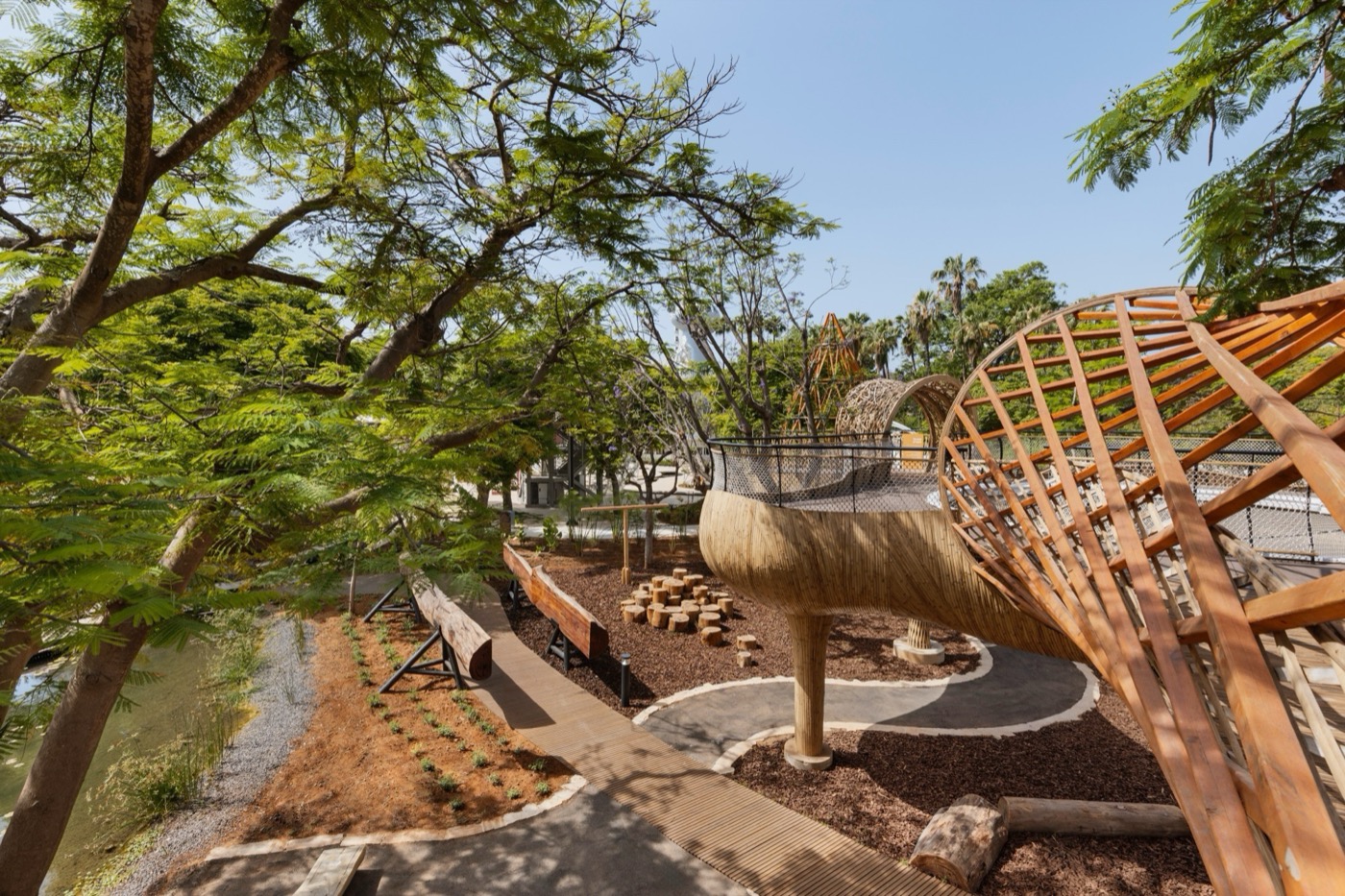
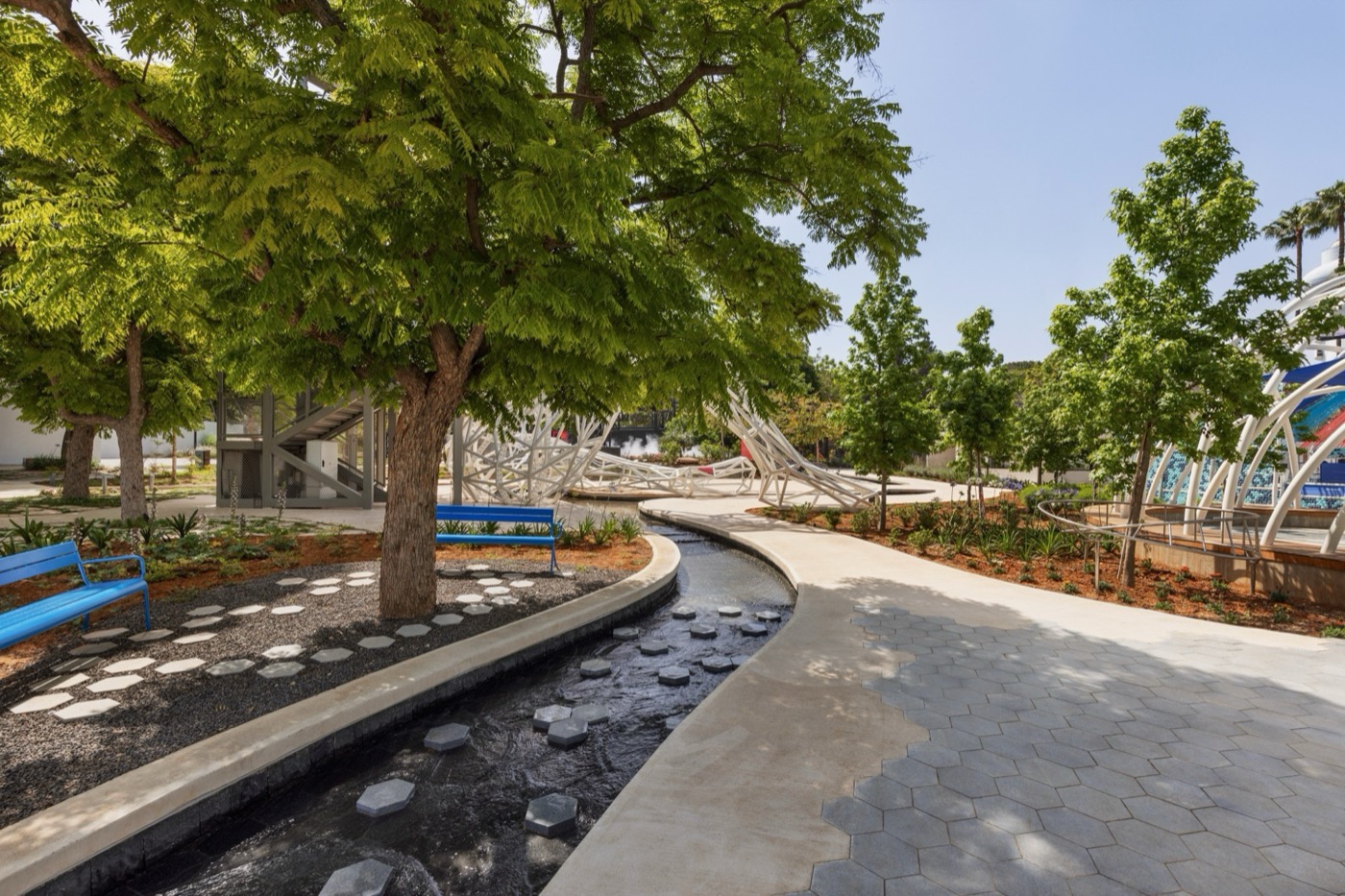
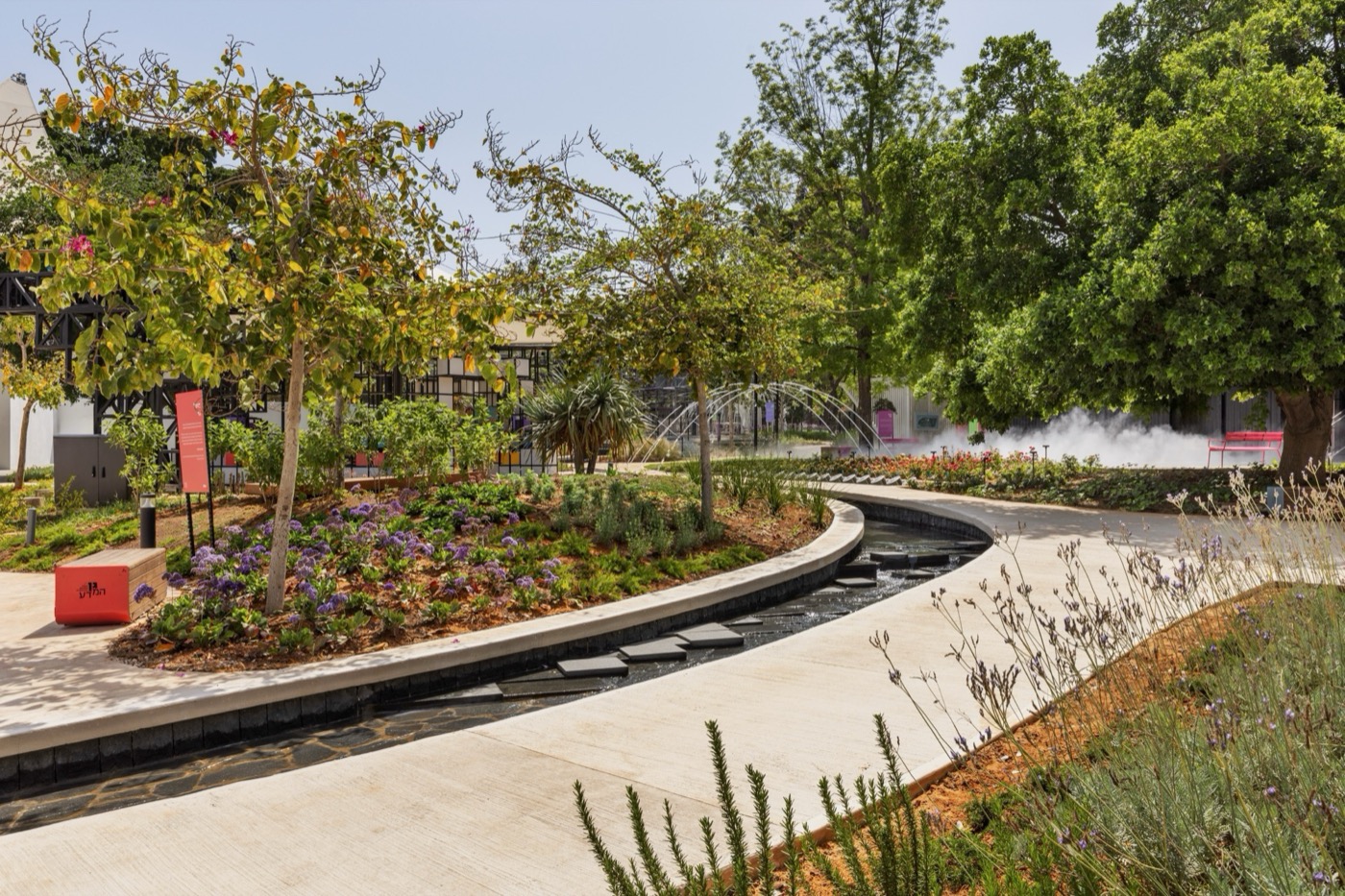
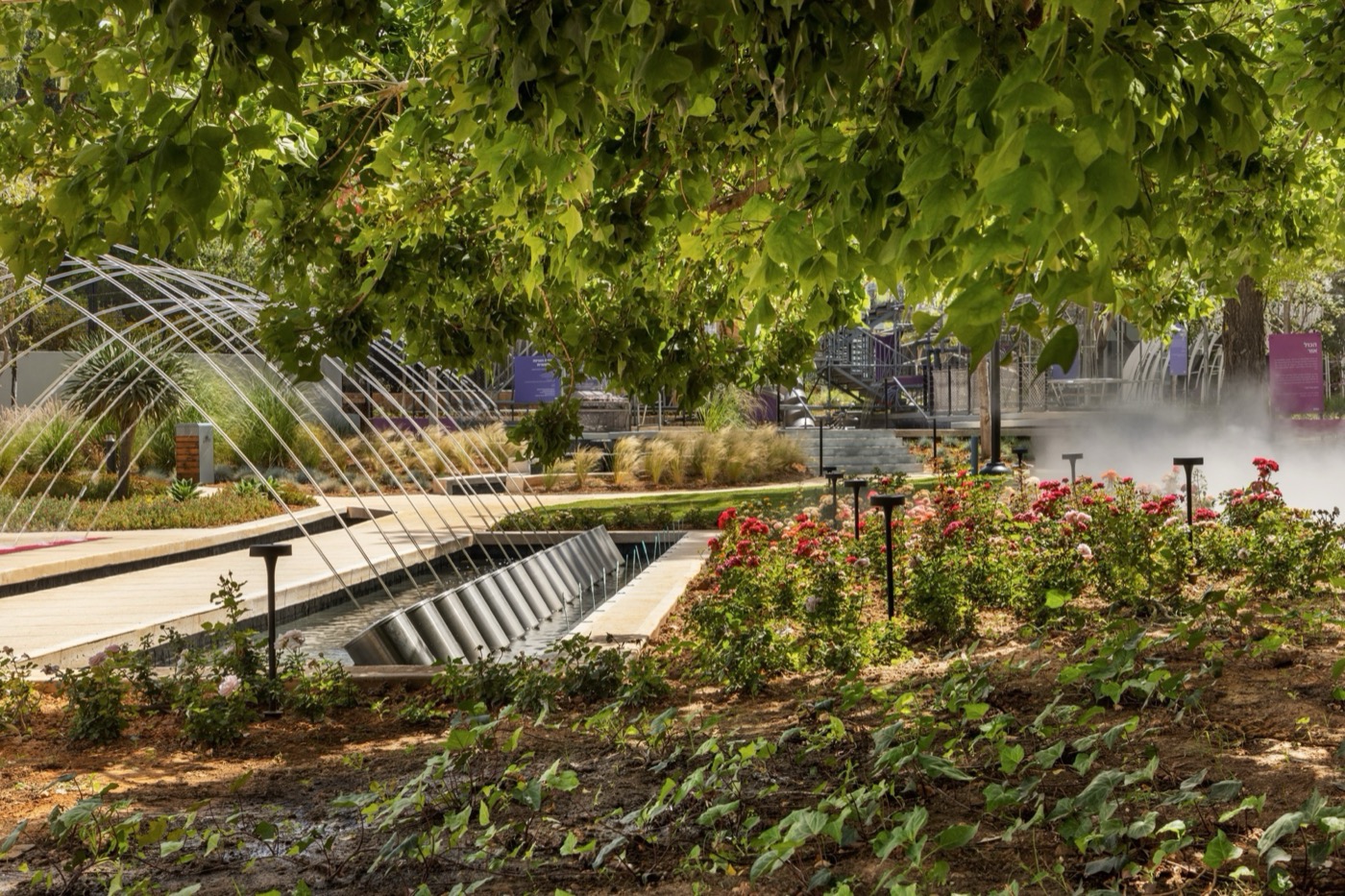
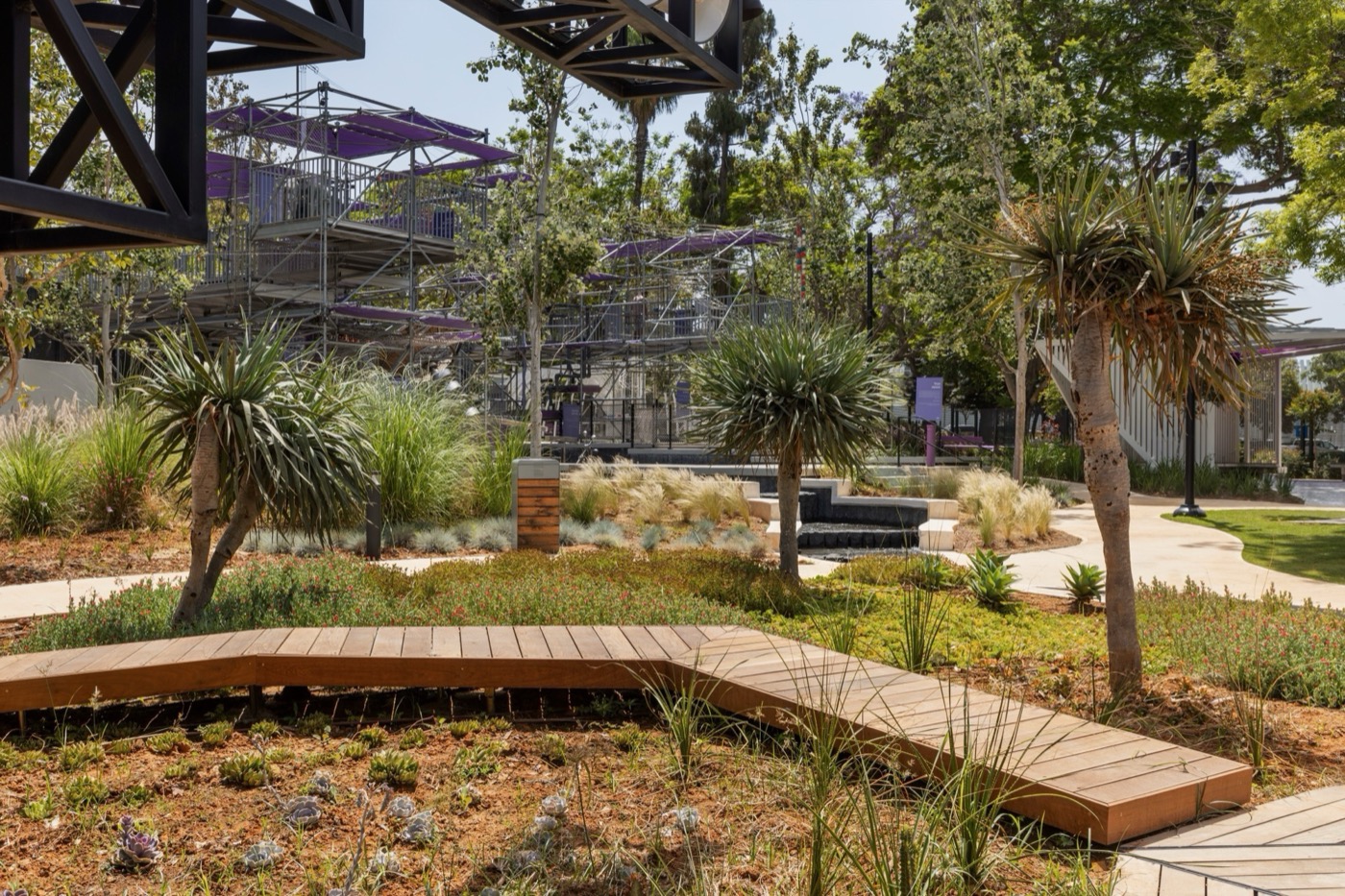
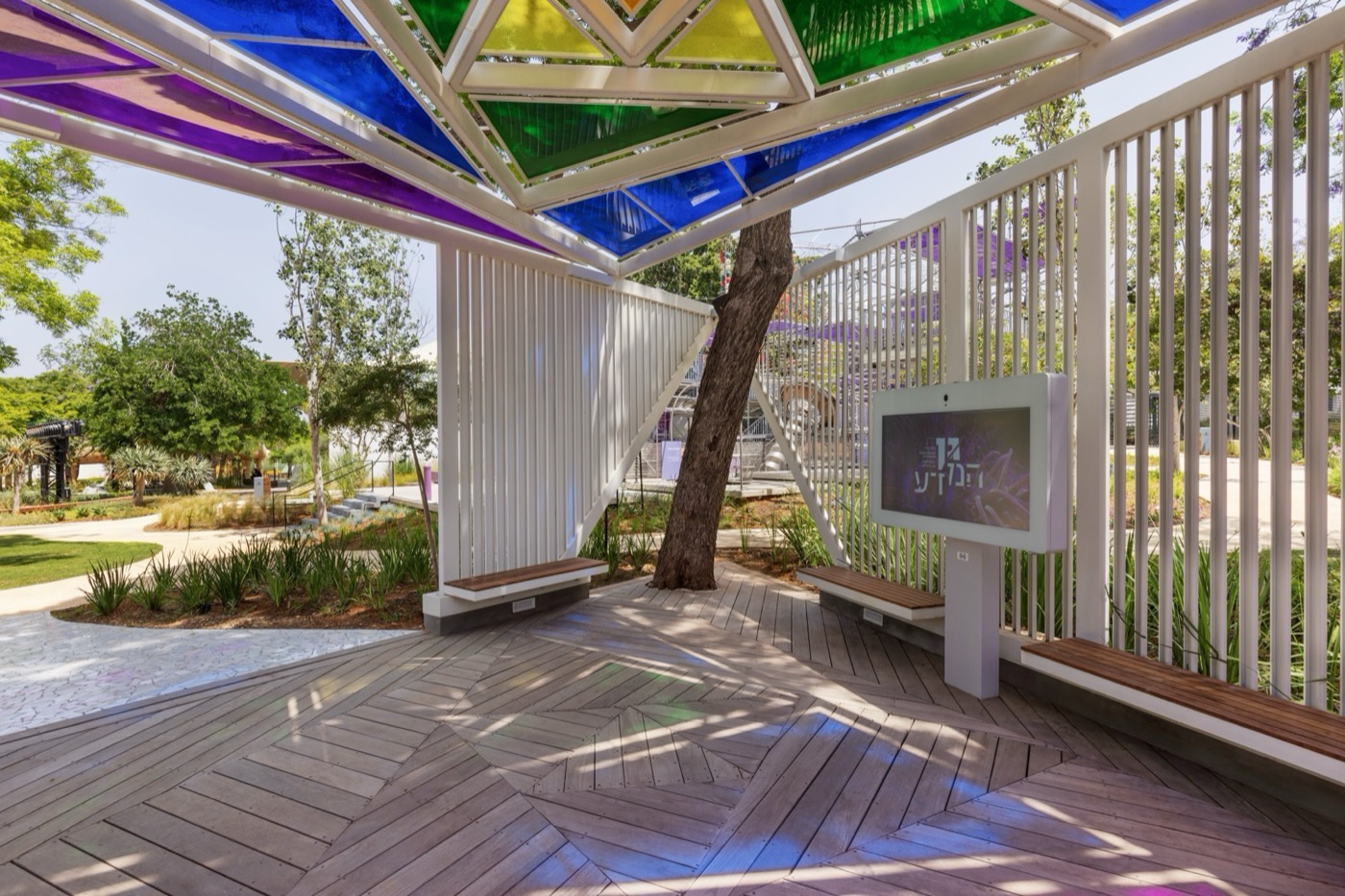
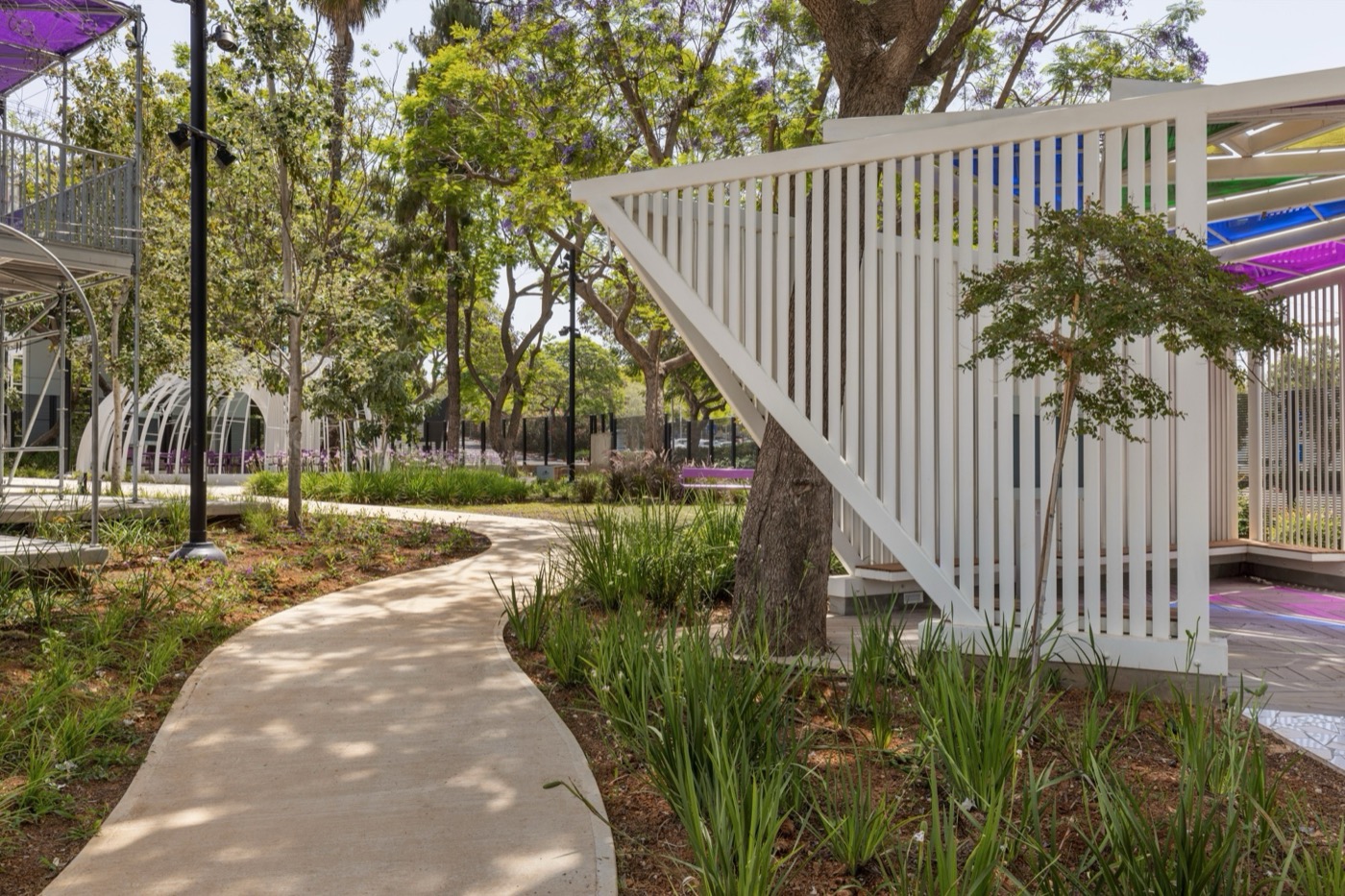
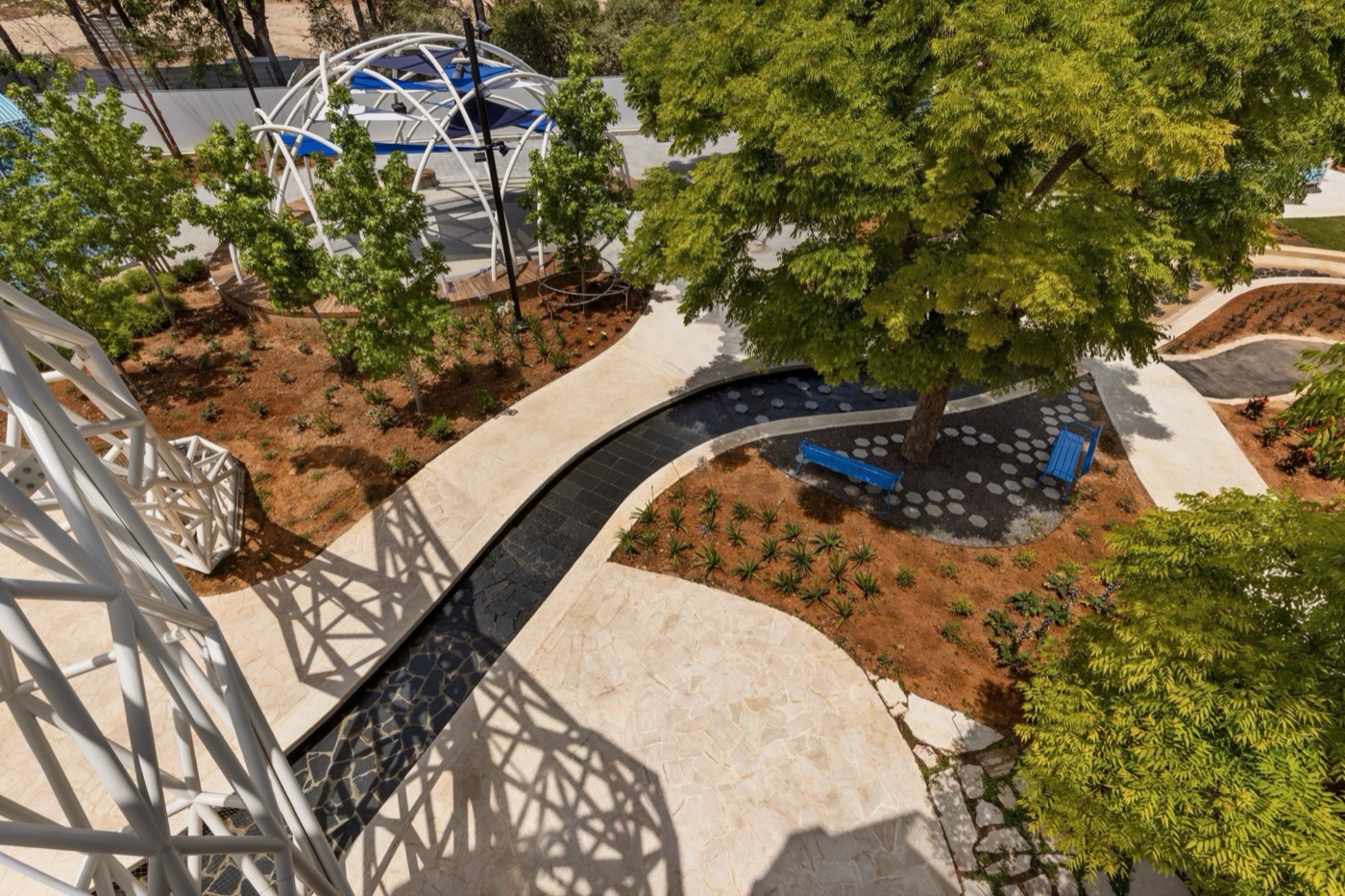
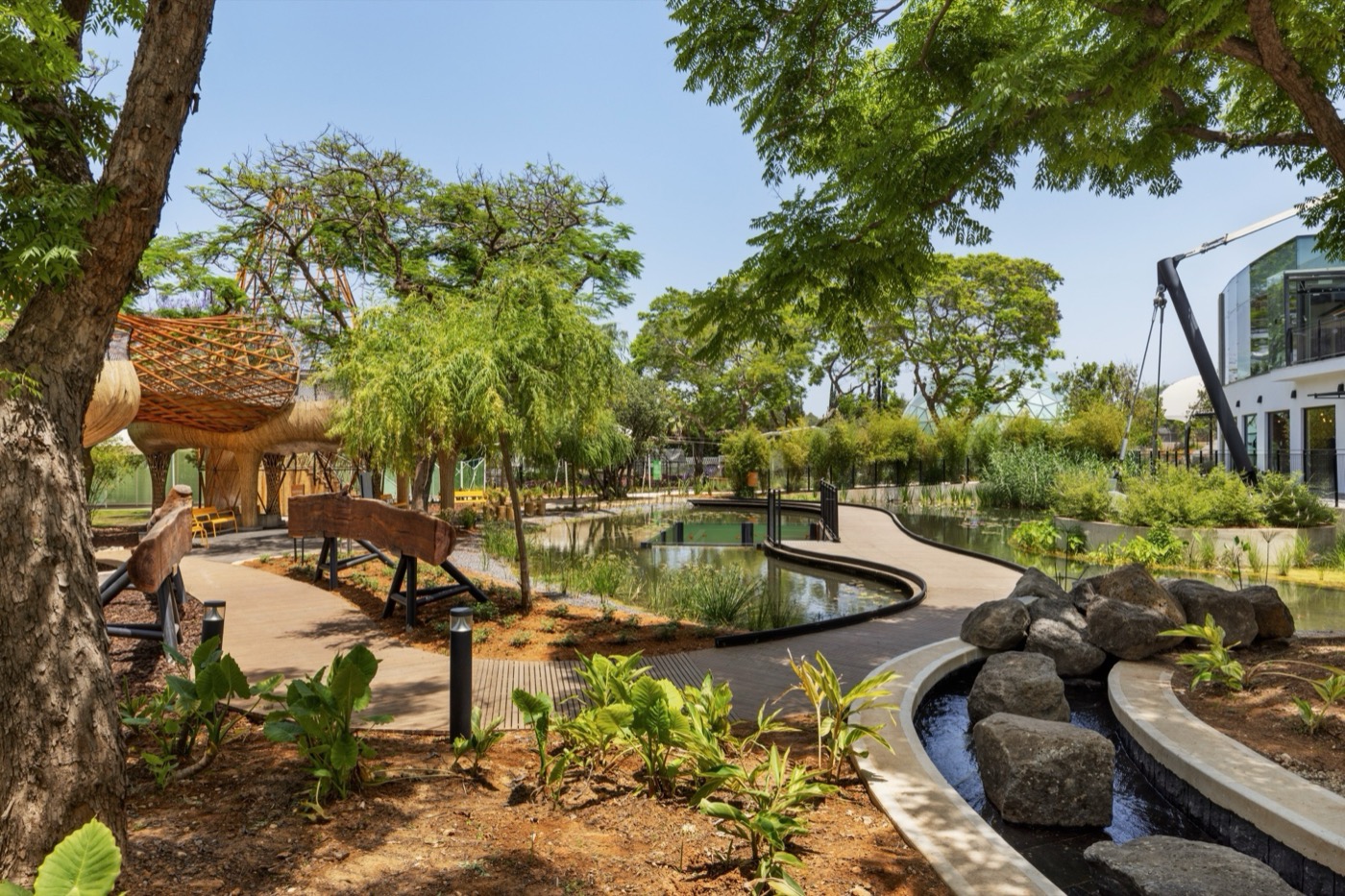
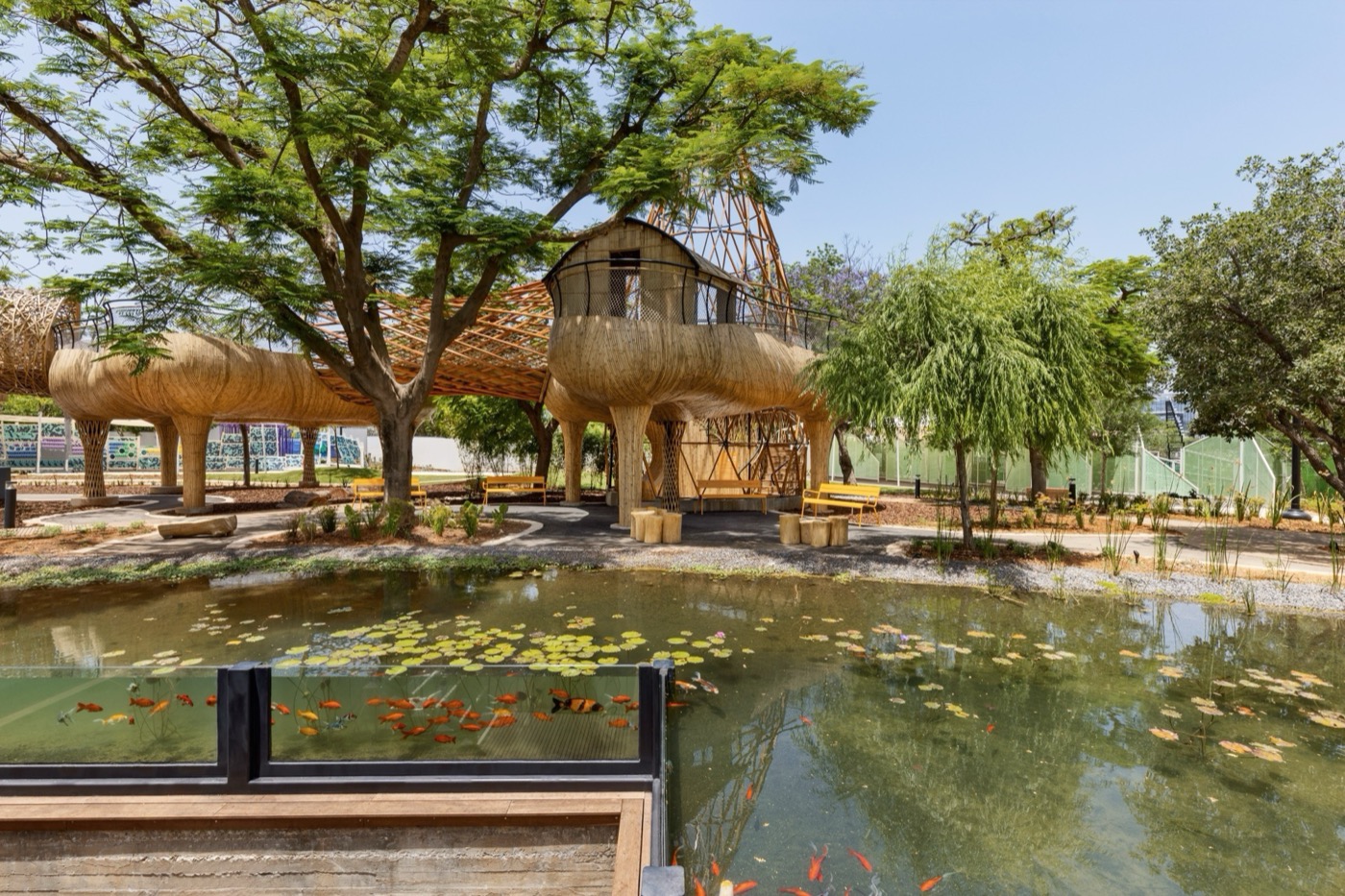
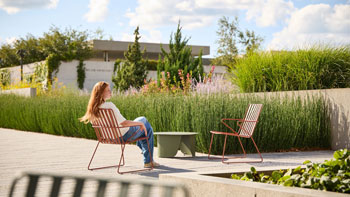
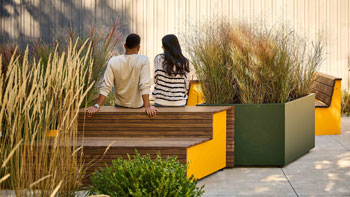
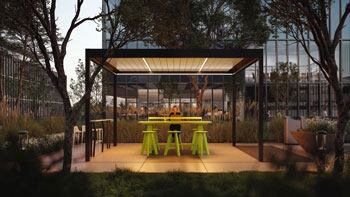
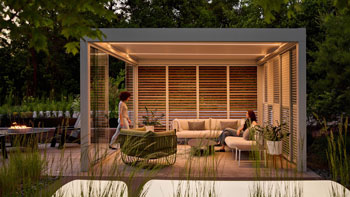
Topography and vegetation facilitate physical separation between compounds, allowing for concealment and revelation from directed viewpoints. Each compound features a unique design, presenting a distinct world of materials, color palettes, vegetation, and experiences. The stream, a recurring water feature that runs through the garden, is expressed uniquely in each zone, helping visitors understand their transition through the dynamic space. The wide variety of elements, vibrant colors, premium finishing materials, and diverse vegetation create a profound sense of visual interest within a relatively compact area for a garden of its kind. The garden was planned with a holistic approach to exhibits and landscape development; together, they tell the garden’s new story as a unified whole. In every compound, landscape layers add complementary dimensions to the exhibits through specific design, materiality, and planting.
Based on nature observations, eight thematic content worlds were chosen, each narrating our world’s story with depth and a wide variety of scientific, experiential, and artistic subjects:
• All is Movement: Deals with dynamism and mechanics. Vegetation emphasizes motion through trees with panicle blooms or hanging pods swaying in the wind.
• All is Code: Reveals nature’s mathematical laws. Succulent vegetation wraps the compound, emphasizing the natural duplication and repetition of shapes.
• All is Brain: Presents analytical and emotional functions. The landscape space is inspired by Japanese gardens to emphasize the body-soul connection.
• All is Plants: A dynamic platform showcasing plants responsible for respiration and food production. Involving visitors in seasonal growth cycles exposes them to diverse agricultural practices.
• All is Earth: Expresses the layers of Planet Earth. The space allows a transition from an underwater perspective to climbing a bamboo structure, offering a clear view of the sky.
• All is Life: Focuses on the human body, represented by a three-story sculpture. The life cycle is reflected in the changing seasonal flora and the central water element.
• All is Matter: Explores a spectrum of materials and properties. Accompanying vegetation, including shrubs and trees, is chosen for its distinctive textures.
• All is Light: Illustrates light’s fundamental role in flora and fauna. Light refraction is expressed in the finishing materials and the colorful enveloping vegetation.
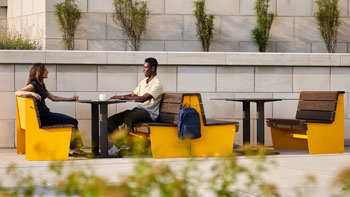
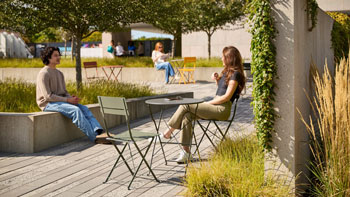
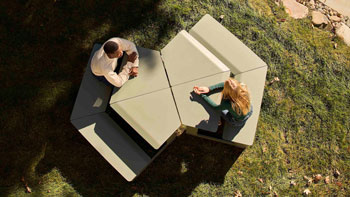
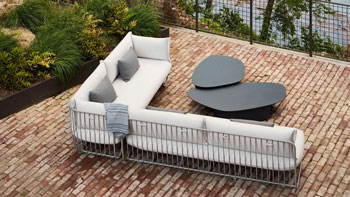
Additionally, the site includes the Ecosphere—an existing glass dome fully repurposed as an immersive climate change exhibit; an amphitheater designed as a large periodic table for gatherings; and hospitality and dining areas to support visitors’ well-being.
Credits:
Landscape Architecture: Zur Wolf Landscape Architects – Lior Wolf, Omer Gold Stein,
Mika Katriel
Exhibits Content & Design: Fast Music – Amir Shor, Jacka Vinograd, Elad Cohen
Architects: Knafo Klimor – Master Plan, Entrance Building, Entrance Gate
Entrance Building Interior Design: A.R Grinberg Architects
Client: Davidson Institute of Science Education, Weizmann Institute of Science
Photography: Assaf Pinchuk
31.91009431987809, 34.81351772486901
73689


LILA 2026 Sponsor