
![Materialenkaai reclaims a long forgotten stretch of the Brussels–Charleroi Canal as a generous public landscape, transforming an industrial quay at the edge of Brussels and Molenbeek into a shared urban waterfront. Located in one of the city’s most densely populated and multicultural neighbourhoods, the site forms a crucial interface between city and port, canal and […]](https://landezine-award.com/wp-content/uploads/2026/05/00_1_HERO-IMAGE_Materialenkaai_Overview_©Skyvision-600x449.jpg "Materialenkaai")
![Heldenplein in Vilvoorde has undergone a complete transformation: from a congested traffic junction and parking area into a green, safe and characterful public space. The introduction of the Ringtrambus created a unique opportunity to combine necessary mobility interventions with an integrated redesign of the square — an approach that not only improves traffic flow, but […]](https://landezine-award.com/wp-content/uploads/2026/05/16_Heldenplein_Vilvoorde_RainInfiltration_Planting-©MichielDeCleene-600x488.jpg "Heldenplein")
![The Zuidpark is a dynamic urban park in the heart of Antwerp. Covering over eight hectares, this ambitious project reclaims public space for people, nature, and culture, redefining the relationship between the city and its open space. By integrating water management, biodiversity, and community engagement, Zuidpark sets a new standard for sustainable and inclusive urban […]](https://landezine-award.com/wp-content/uploads/2025/05/00_Zuidpark_main-photo-600x450.jpg "Zuidpark by Tractebel")
![Kortrijk Weide is positioned at the edge of Kortrijk’s city centre between a bundle of railway tracks, the Lys and the local ring road. The project definition incorporates the history of this unique location to help and define the design. The project site, a former customs warehouse, has been transformed into a dynamic and green […]](https://landezine-award.com/wp-content/uploads/2022/05/00-Kortrijk-Weide_Pavilion-connecting-the-park-meadow-to-the-water-garden-600x399.jpg "Kortrijk Weide")
![The Tuinen van Stene (Gardens of Stene) forms one of the most important new parks in Ostend: a multifunctional agricultural park that provides space for urban agriculture, water storage, nature development and recreational co-use. The project led to the uprise of a new public culture in Ostend, focused on renewed socio-economic and cultural relationships between […]](https://landezine-award.com/wp-content/uploads/2022/05/00-Overview_Drone-image-600x400.jpg "Tuinen van Stene (Gardens of Stene)")
The Vaartkom waterfront reclaims a former industrial dock in Leuven as a continuous and generous public landscape, completing the long term transformation of the surrounding district. While warehouses, silos and productive infrastructure once defined the site, recent decades introduced housing, culture and creative activities. Yet the public realm along the dock remained fragmented and traffic dominated. Extensive hard surfaces, safety barriers and incoherent circulation reduced social use and ecological value, while the water — despite being the defining presence — remained largely inaccessible. The redevelopment of the Vaartkom waterfront marks a decisive final step in the district’s transformation, redefining the quays as a continuous, legible and inclusive public landscape.
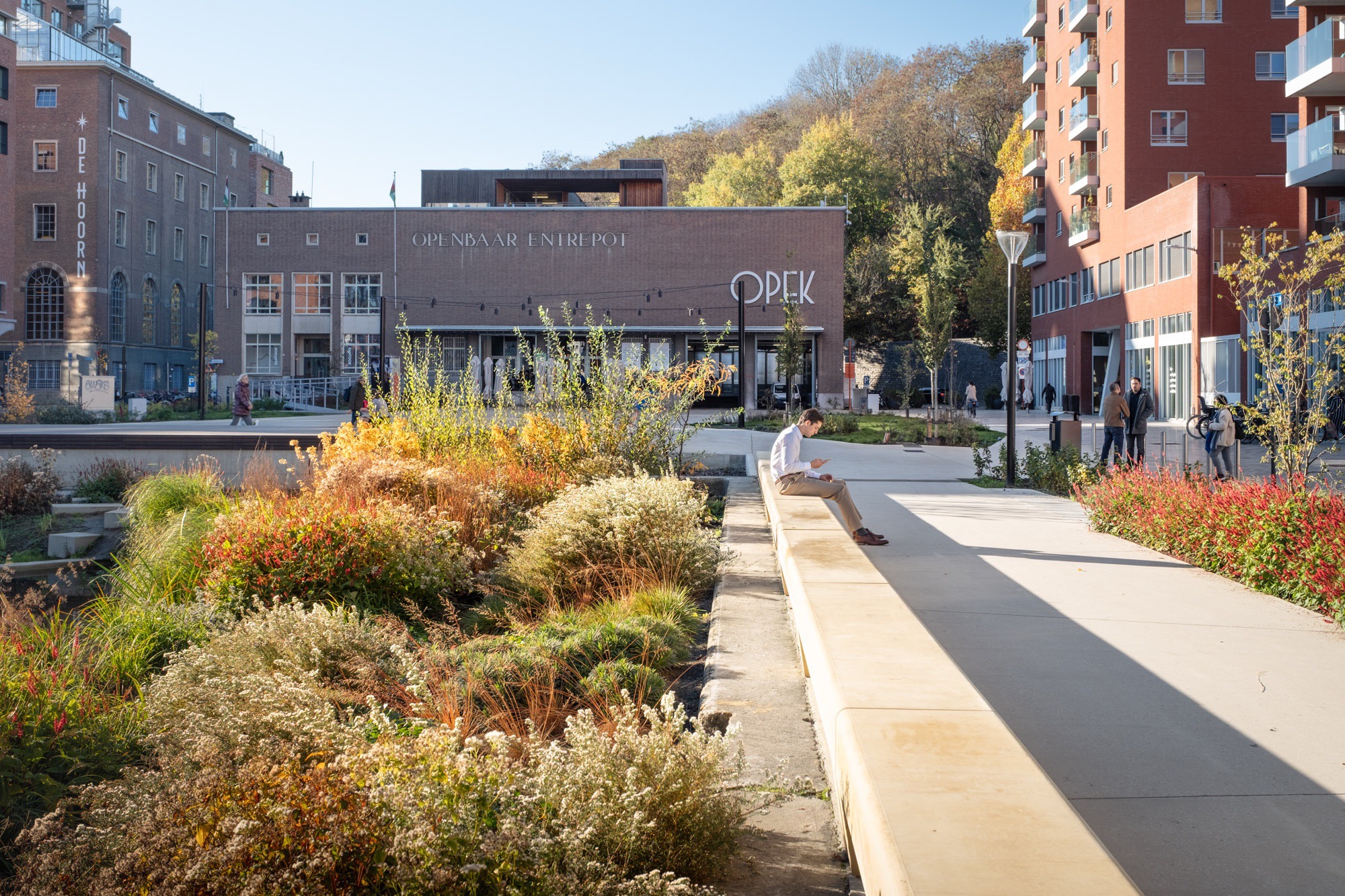
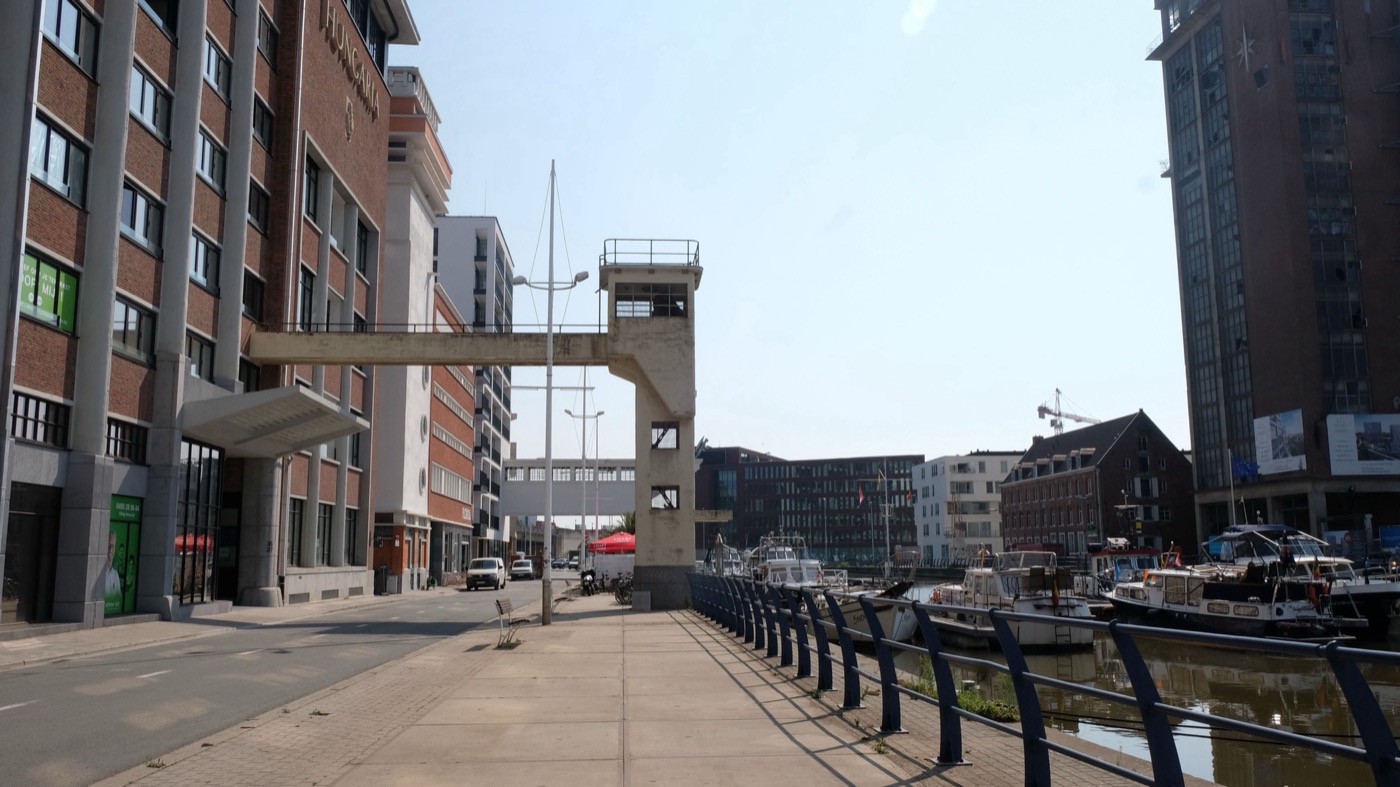
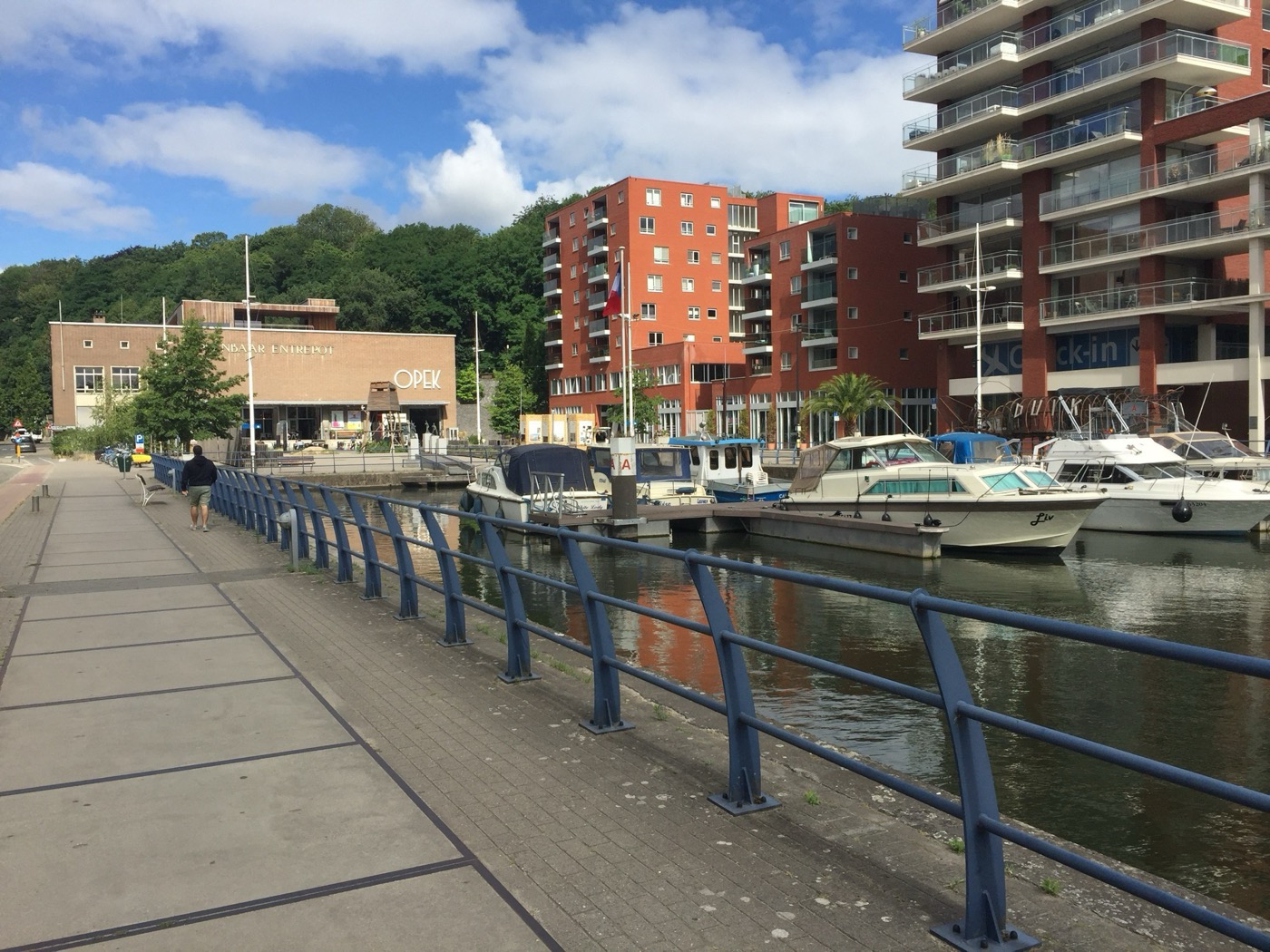
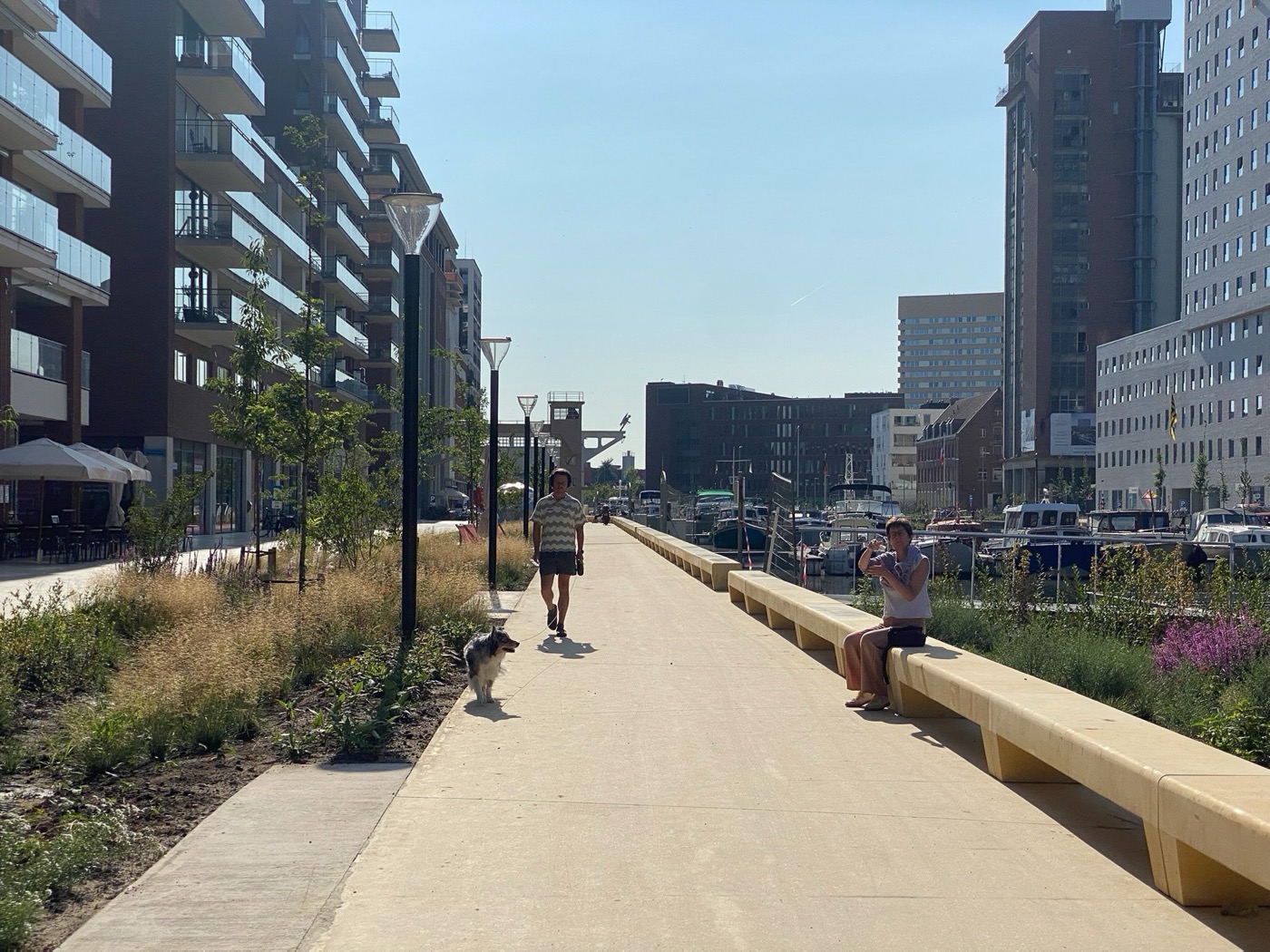

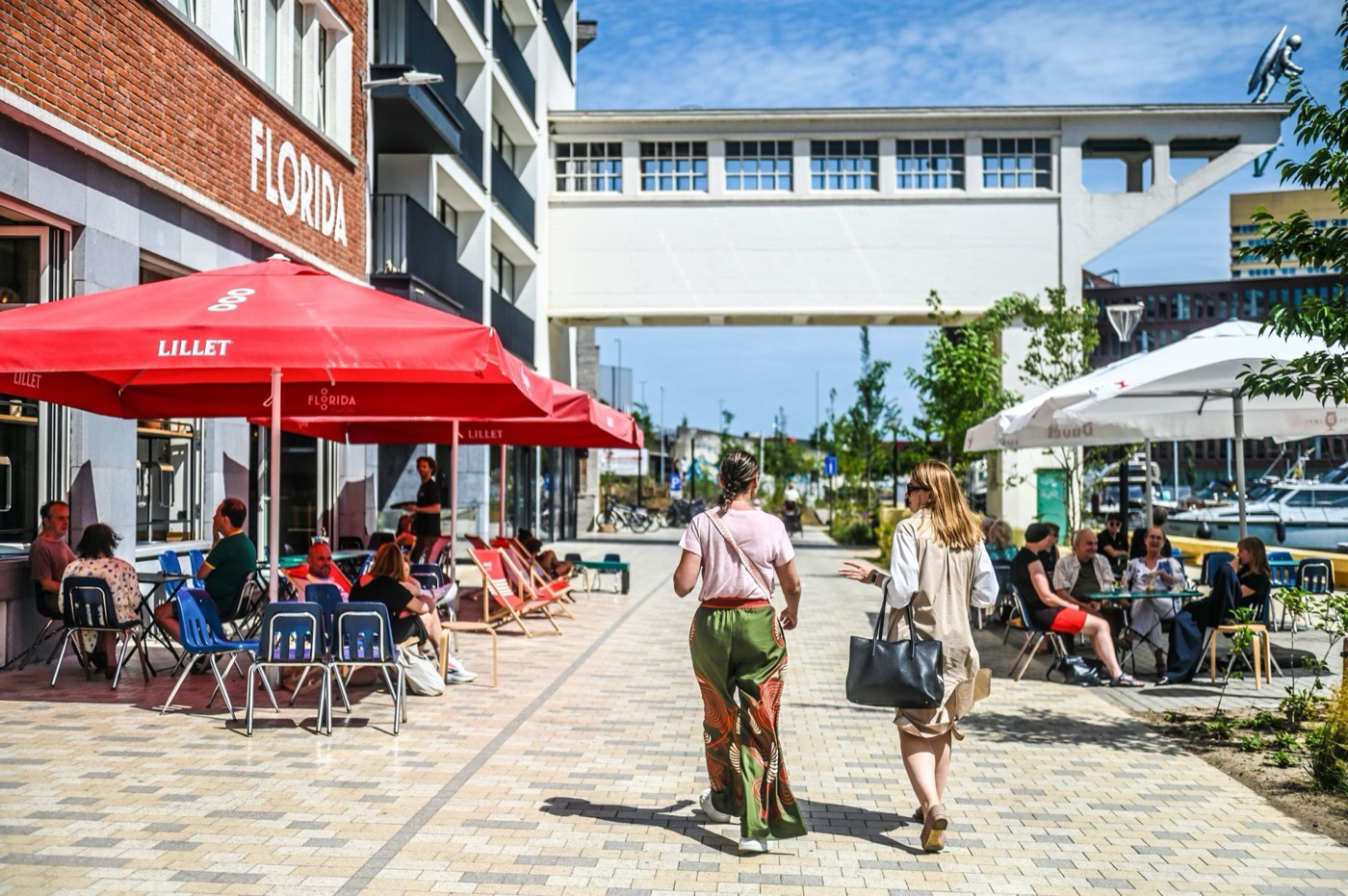
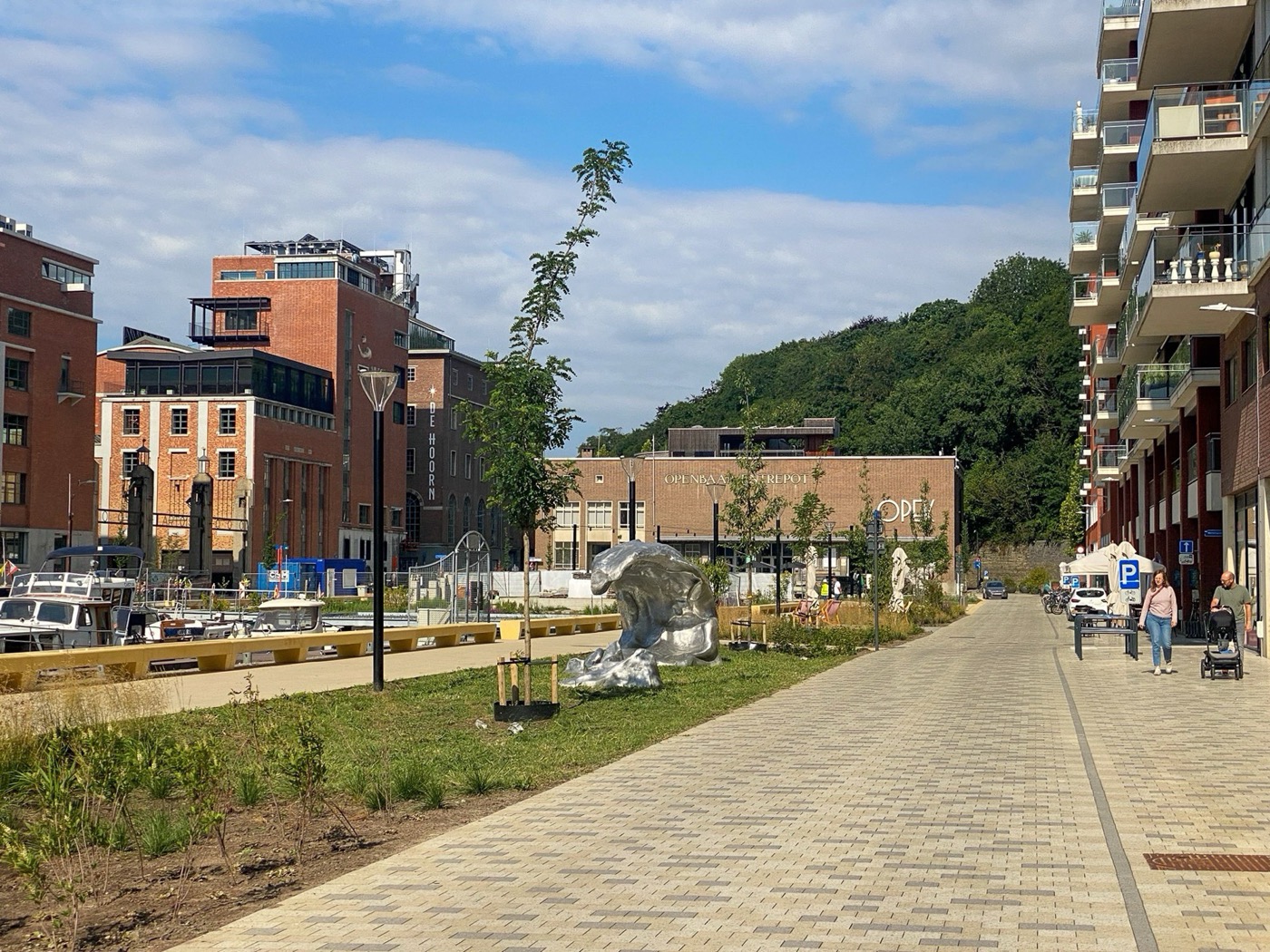


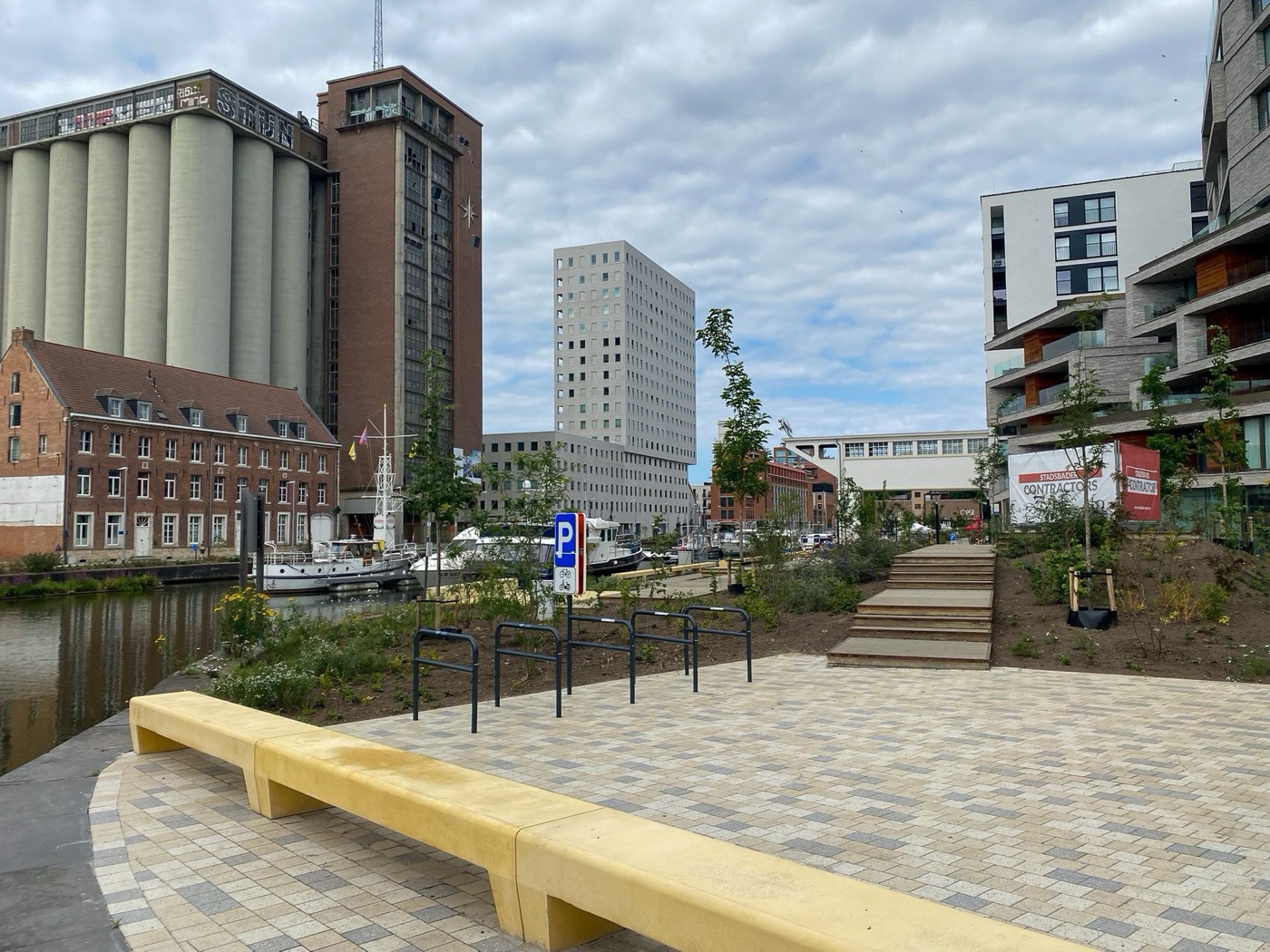
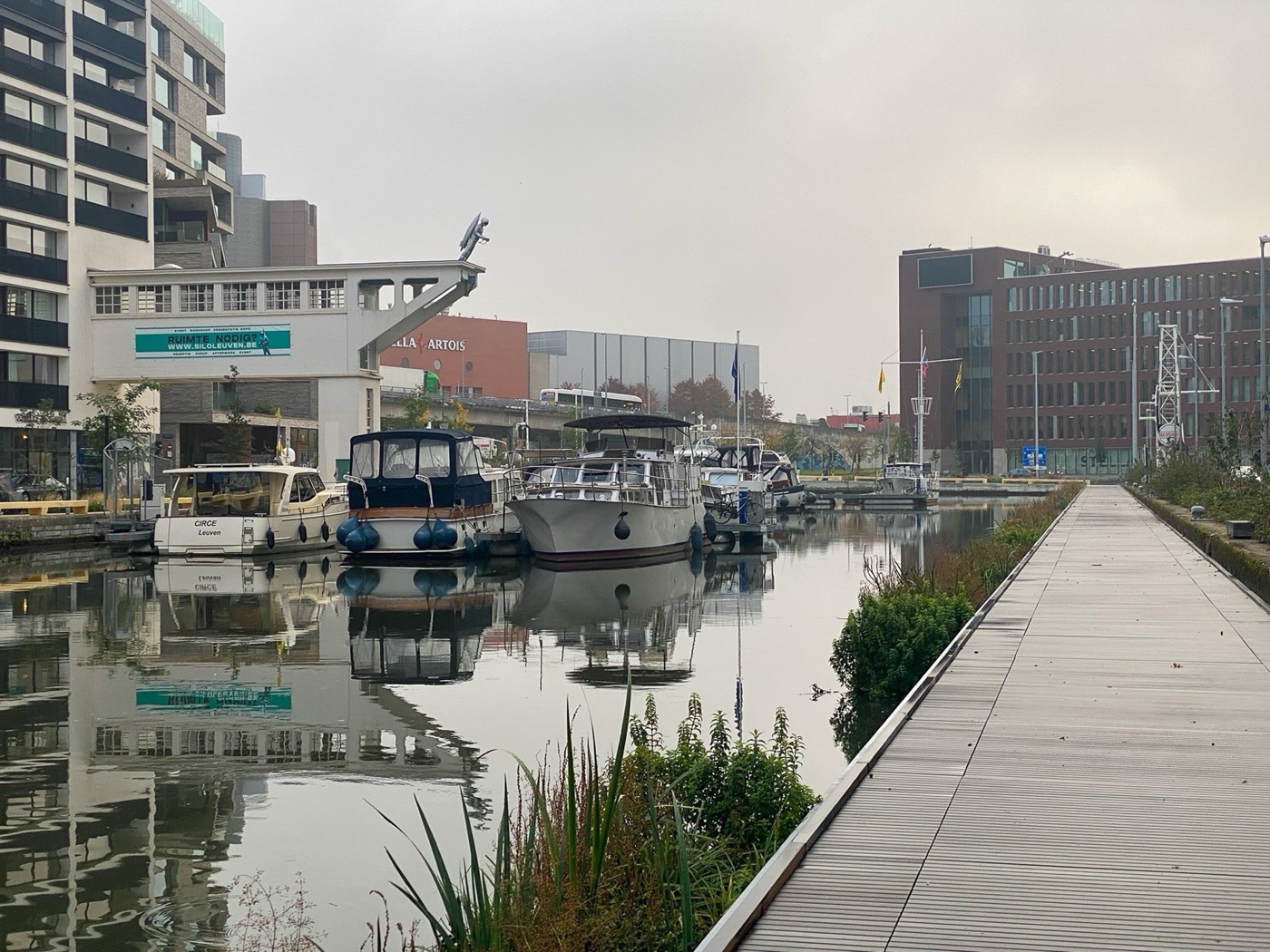
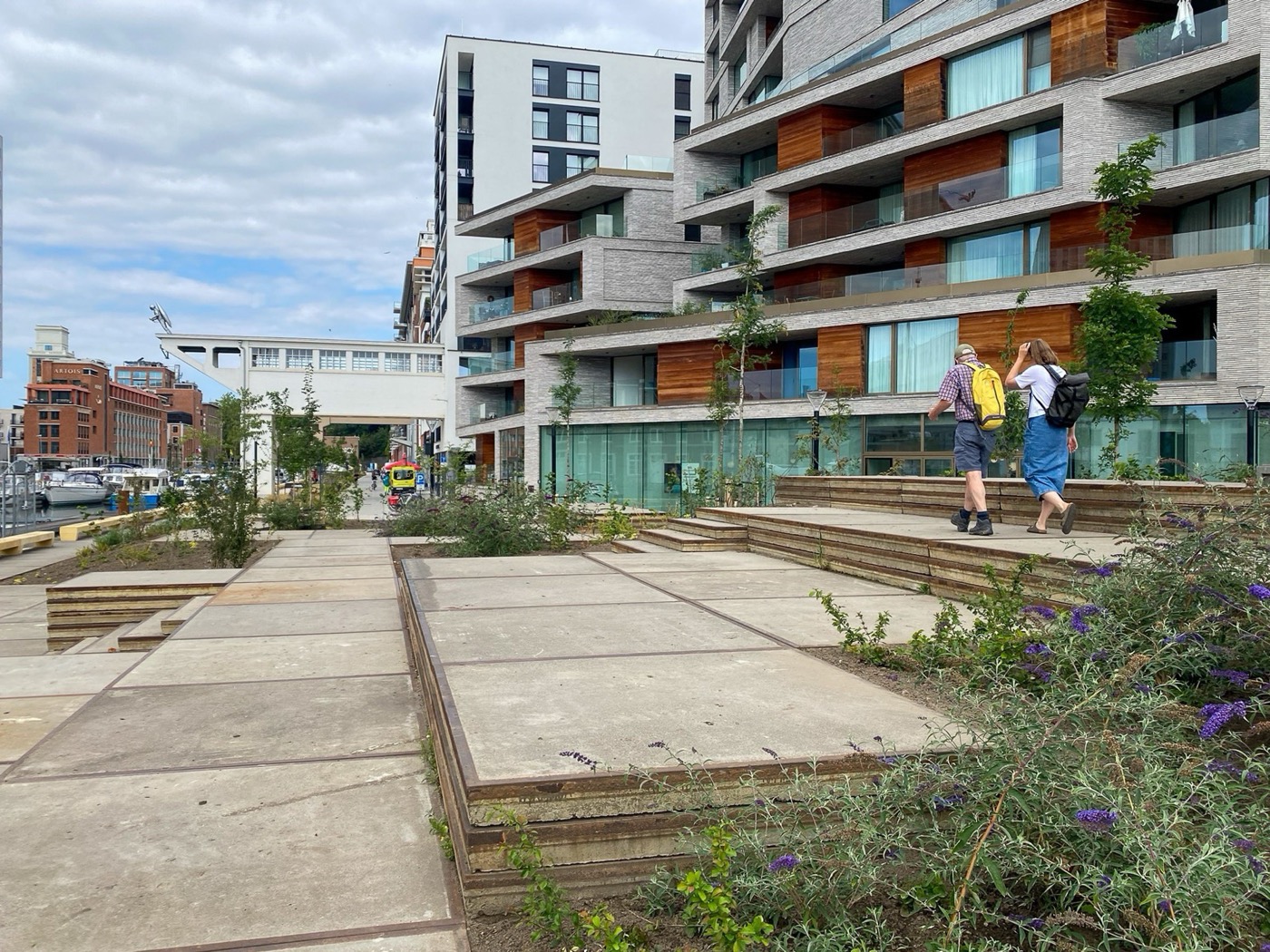
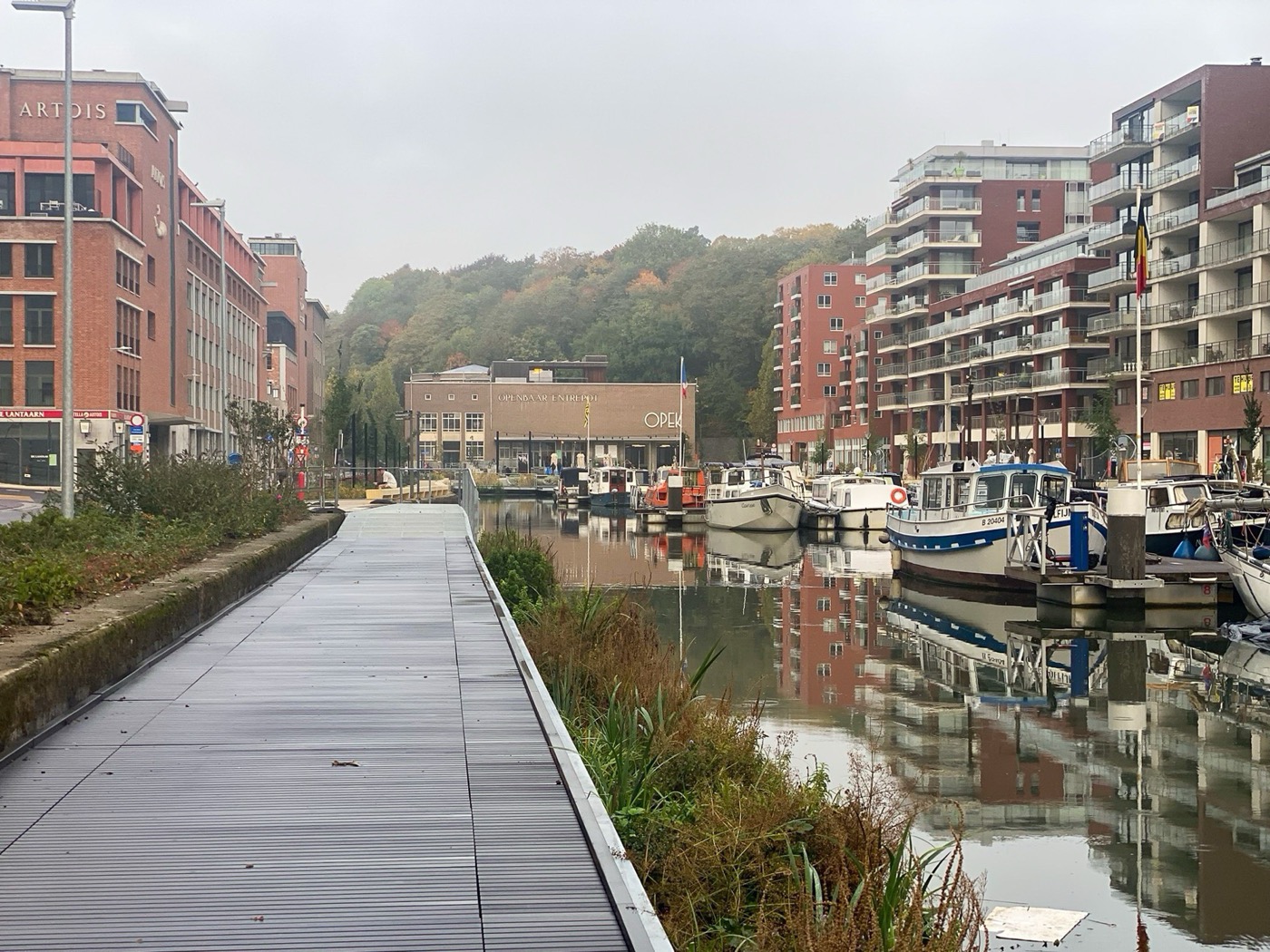
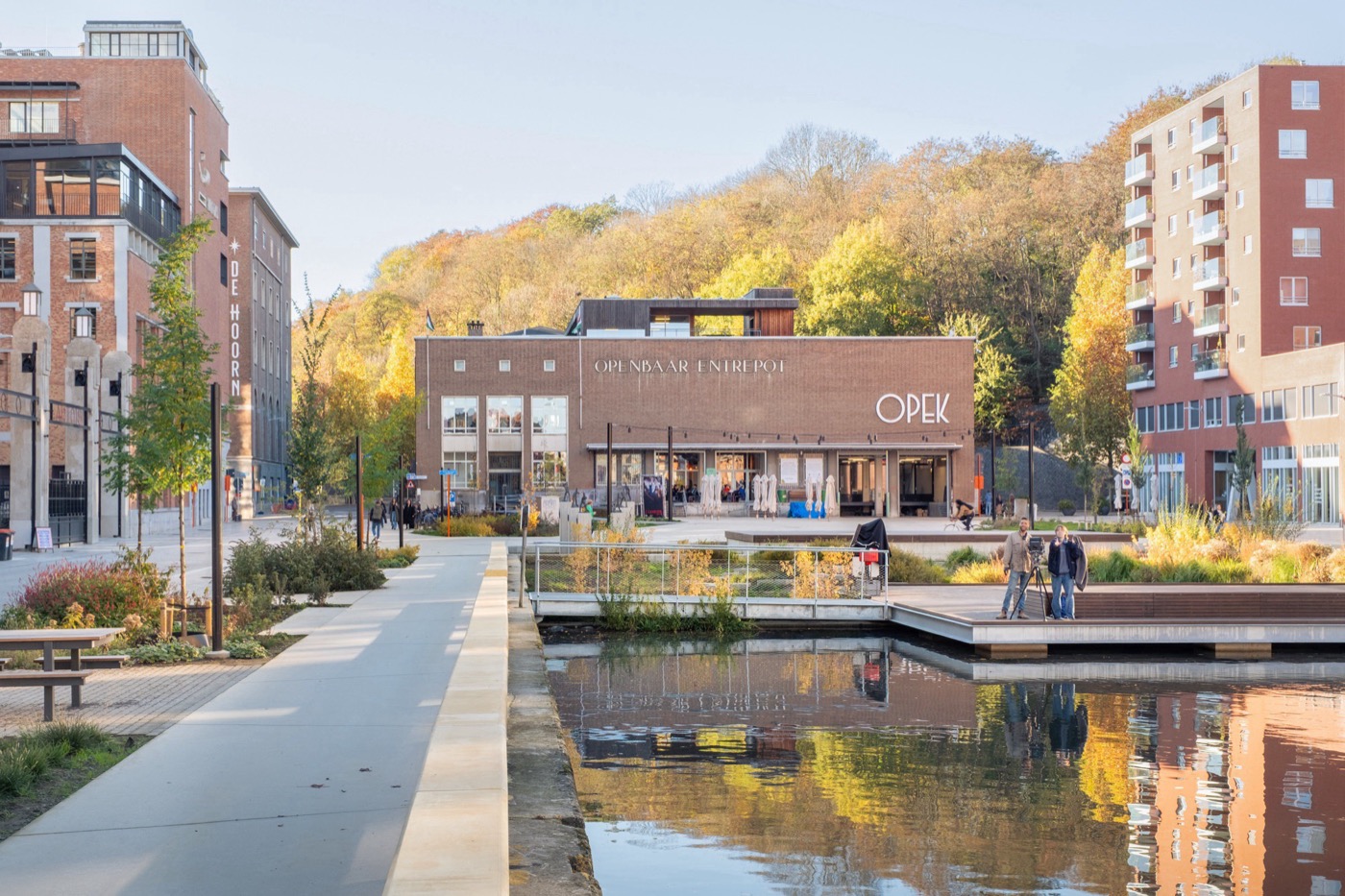
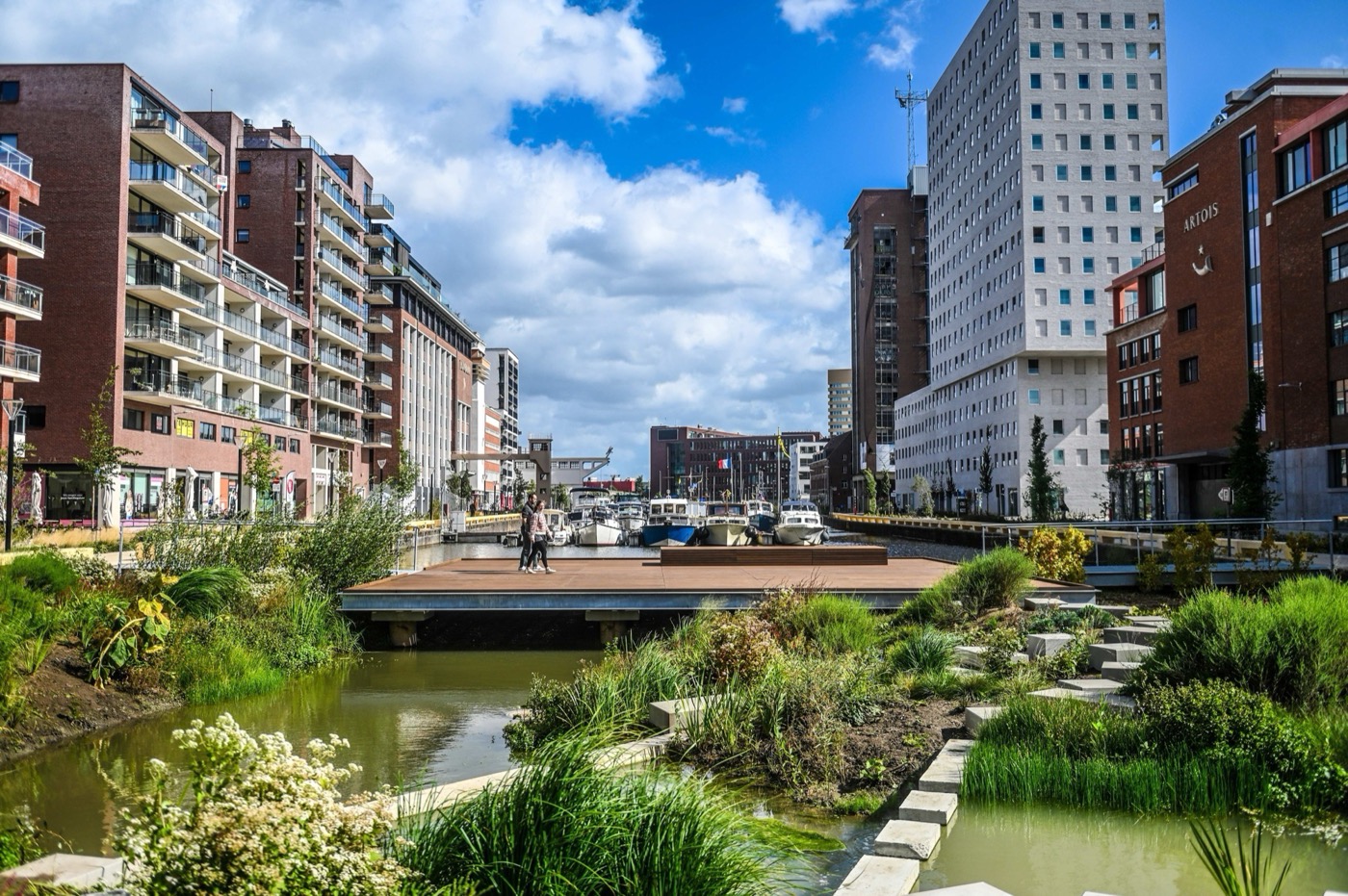
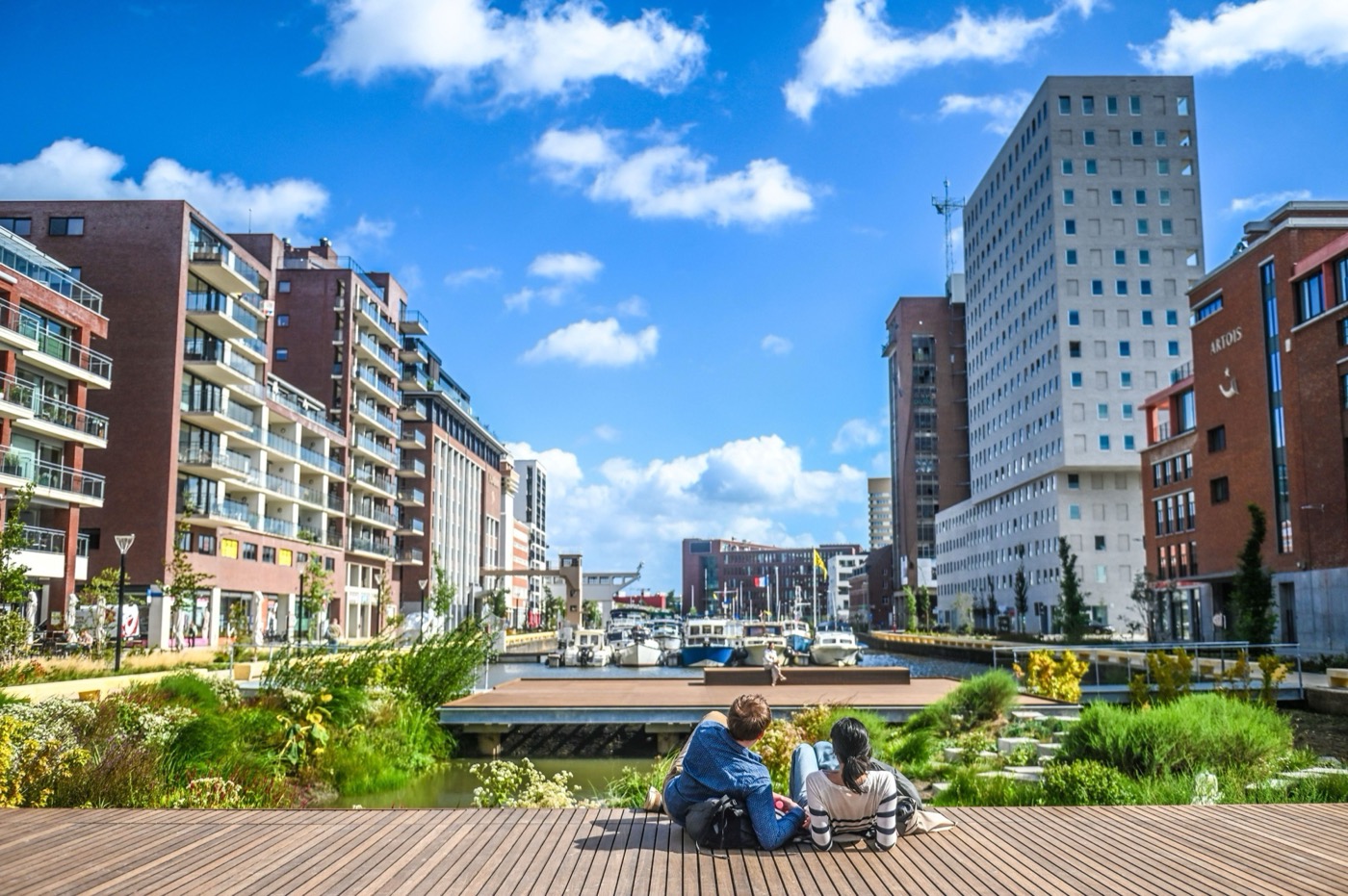
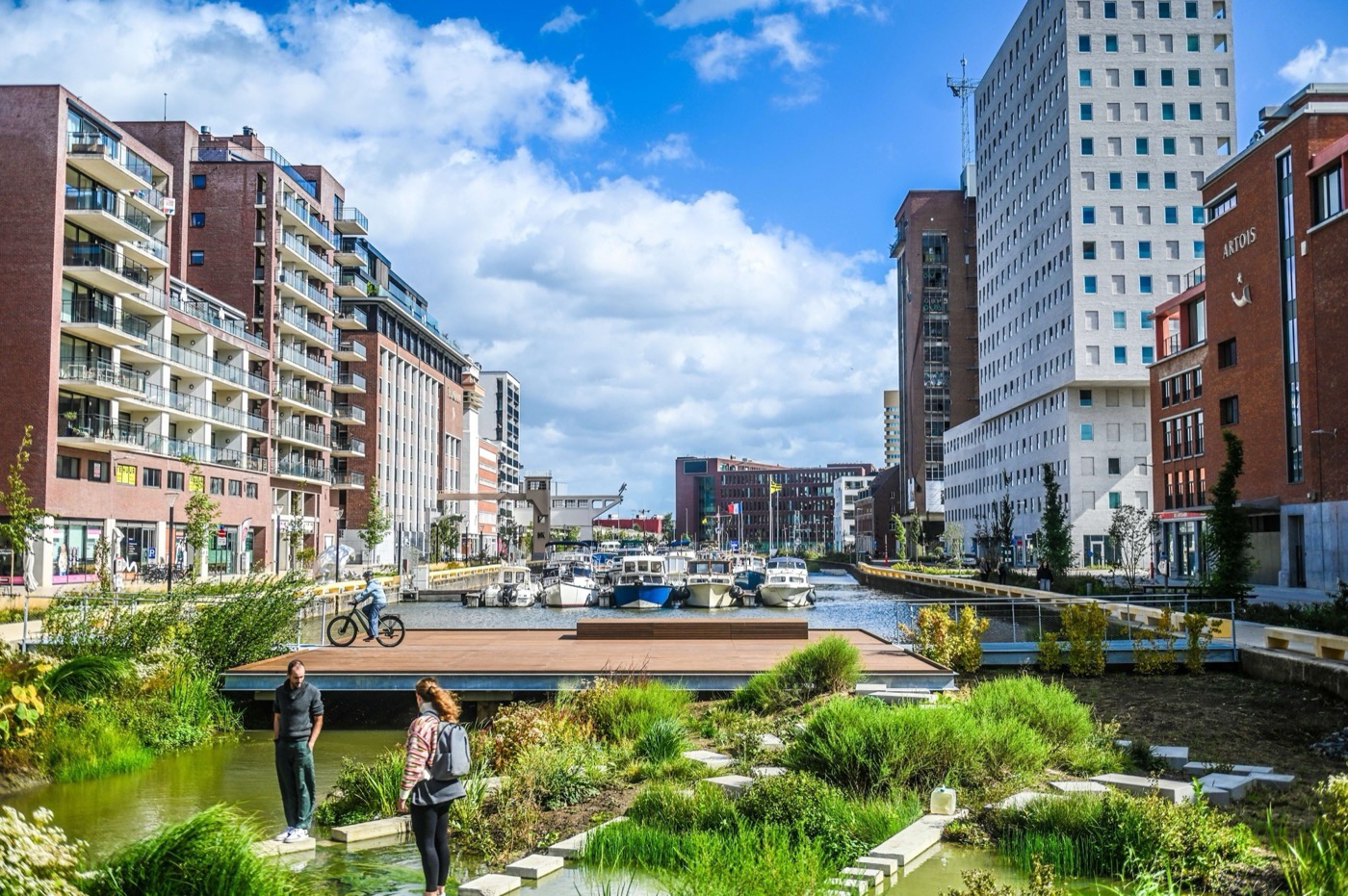
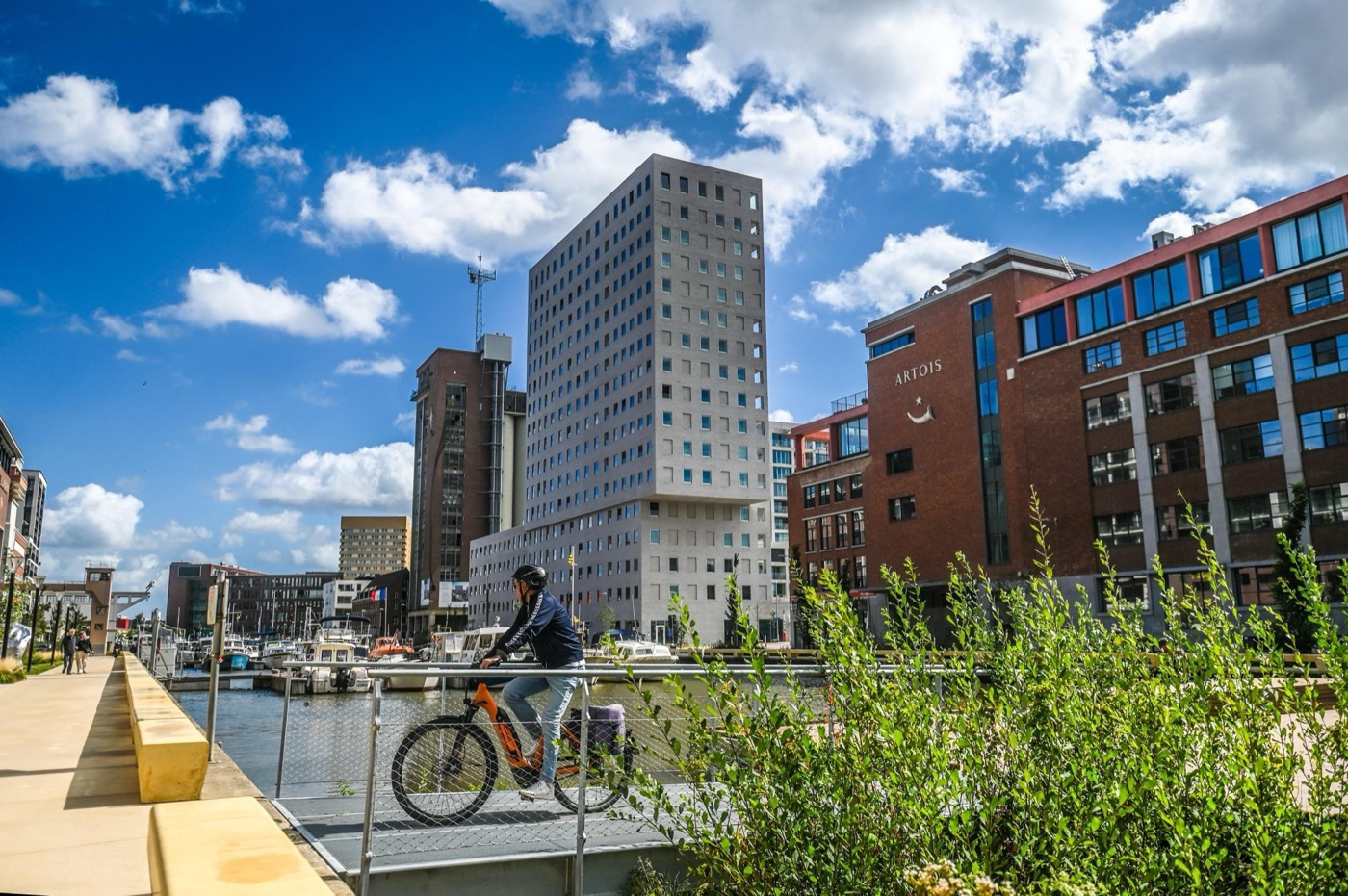
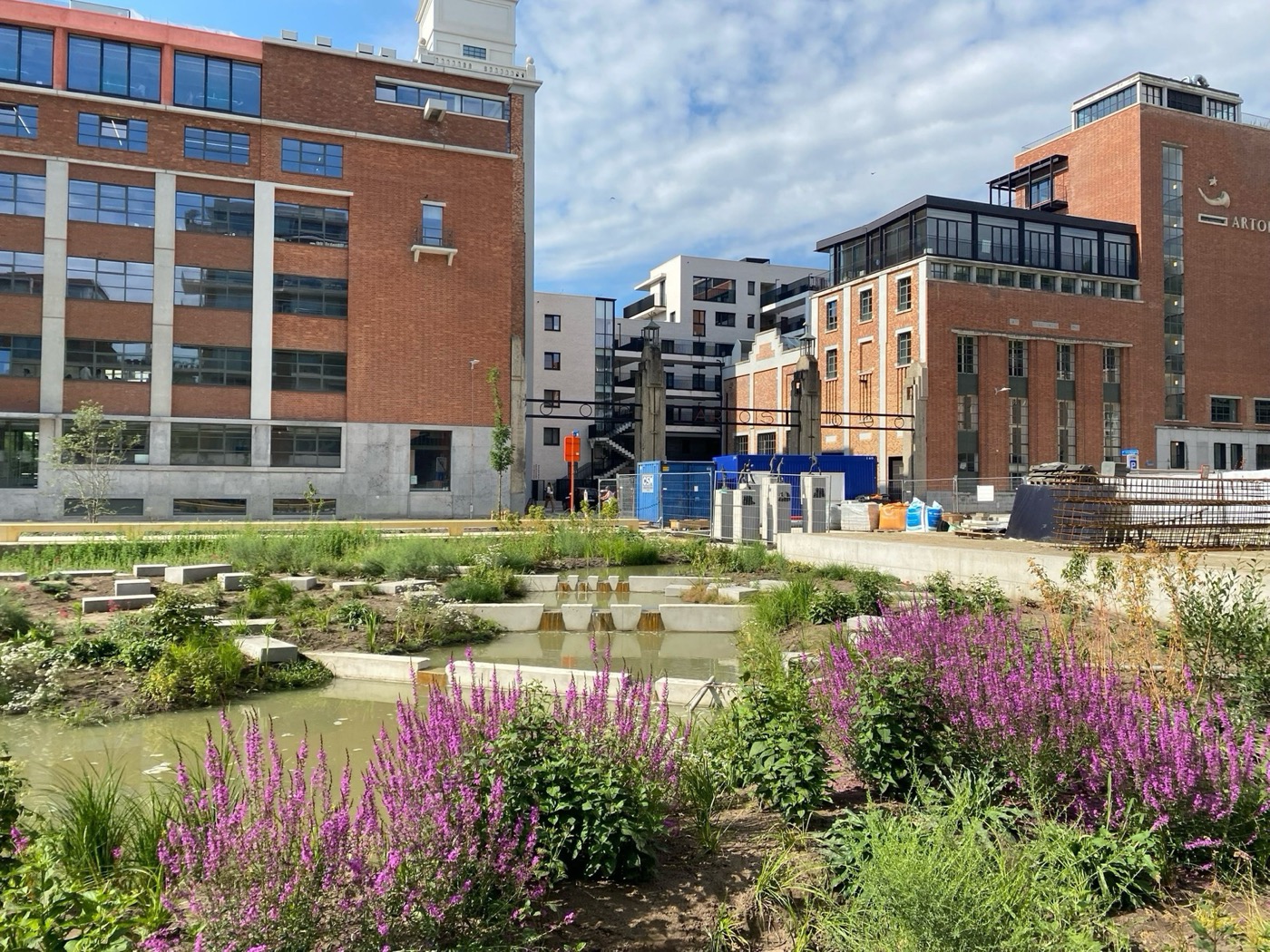
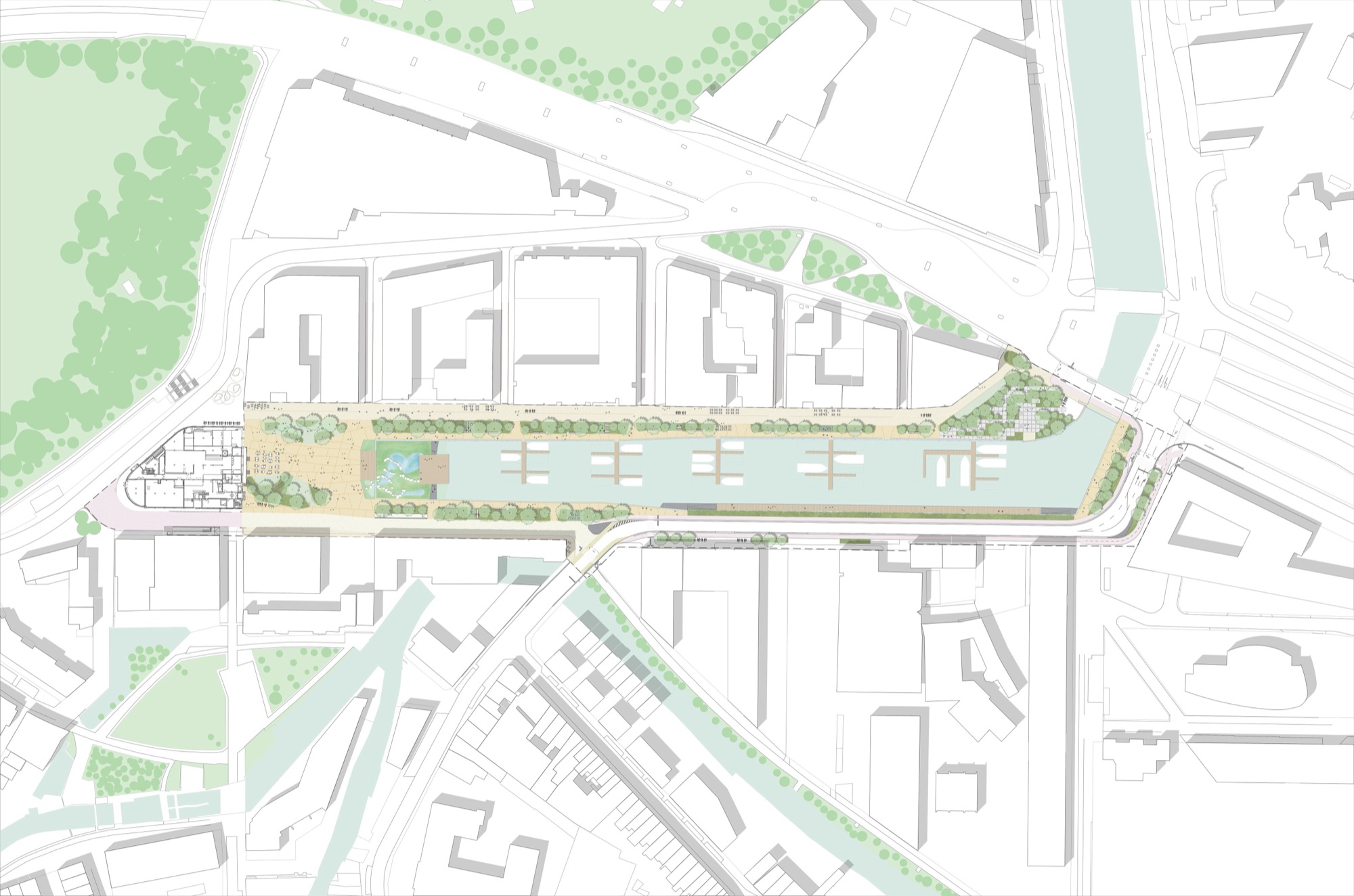
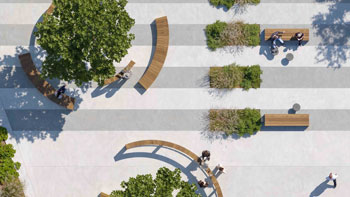
The project establishes a clear spatial framework that reconnects previously isolated places around the dock. A continuous promenade along both banks forms the backbone of the design, linking Victor Broosplein, the water garden, the quays and the tail of the dock into a coherent sequence. Uniformity in materials and detailing creates spatial continuity, while each segment is given its own identity through subtle shifts in planting, section and programme. This balance between coherence and diversity allows the waterfront to be read as a whole, while offering a rich variety of atmospheres and uses.
Equally transformative is the rebalancing of mobility. What was once a heavily paved traffic environment has been restructured by reorganising circulation and calming vehicular movement. This shift frees up space for pedestrians, cyclists and slow urban rhythms, allowing large parts of the quays to be de sealed and replanted. The generous promenade supports flânerie, informal encounters and everyday use, while remaining fully accessible. Rather than prioritising movement efficiency, the waterfront now offers room for lingering, observation and social interaction.
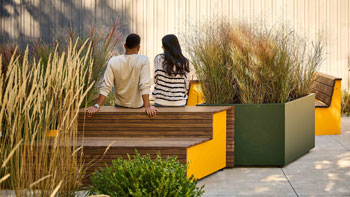
The sequence of spaces along the Vaartkom supports a wide range of activities and temporalities. Victor Broosplein forms the social heart of the area: a green urban square stretching from façade to façade, framed by planted zones with seating and play elements. From here, a wooden deck extends into the water garden, functioning simultaneously as a podium, a meeting place and a threshold between city and water. Along the northern bank, a low-traffic promenade with terraces and shaded resting places encourages social life and supports cafés and restaurants along the waterfront. To maintain continuity on the southern bank, the promenade extends over the water, reinforcing the experience of walking along the canal. At the tail of the dock, an informal green hill constructed from reused soil and industrial concrete slabs creates an intimate landscape with stepped seating and a small podium overlooking the water.
Water lies at the heart of the project, shifting from a distant visual backdrop to an active spatial and ecological actor. Through a carefully choreographed sequence of interventions, the design invites people to approach, touch and engage with the canal. A central water garden filters canal water naturally through planted basins before releasing it into a cascade of pools, making ecological processes visible and tangible. Stepping stones, wooden decks and platforms allow visitors to explore the water landscape at close range, while educational and playful elements — such as water tools, measuring devices and observation points — reveal the dynamics of water quality, groundwater levels and aquatic life.
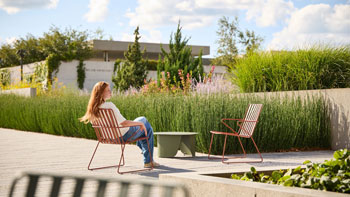
Greening and ecology are deeply embedded within this water based framework. Rain gardens, climate adaptive planting and floating vegetation enhance biodiversity, manage rainwater locally and mitigate heat and wind effects. A layered planting strategy with trees of varying species and sizes creates a dynamic, seasonally changing landscape that supports both human comfort and non human life. The reuse of existing materials — including large concrete quay slabs — anchors the new landscape in the industrial memory of the site, while reinforcing a circular and future oriented approach to construction.
Today, the Vaartkom waterfront has become a lively and widely embraced public space, offering room for everyday use, spontaneous encounters and ecological development. By transforming a car dominated quay into a generous, water oriented landscape, the project demonstrates how former infrastructural spaces can evolve into resilient, socially inclusive and ecologically meaningful urban environments. It presents a contemporary model for reclaiming waterfronts — not by erasing their past, but by translating it into a shared and future oriented public landscape.
Project Credits
Client: City of Leuven
Landscape Design: Tractebel, atelier adr
Water & Ecology Advisory: Waterland vzw
Area: 20,000 m²
https://maps.app.goo.gl/QDFNabNbwm6hTTbt9
73655


LILA 2026 Sponsor