Wānaka Lakefront
reseturban.co.nz
2026 Public Projects / New Zealand / Built in 2023 /

![The landscape is not preserved — it is inhabited, productive, and still growing. Context & Site: What was once a run-down coastal runoff block, eroded, leaking, and marginal, is now one of New Zealand’s most distinctive landscapes. Brick Bay Farm Park occupies 150 hectares of coastal headland on the Hauraki Gulf: drowned river valleys, steep […]](https://landezine-award.com/wp-content/uploads/2026/05/01.-Hero-600x400.jpg "Brick Bay Farm Park")
![One hundred and fifty years ago the councillors, of the then small gold mining town of Queenstown, had the foresight and determination to reserve the large headland adjacent to the township as a public garden. In 2016 the Queenstown Lakes District Council decided the most fitting way to commemorate this major anniversary was to create […]](https://landezine-award.com/wp-content/uploads/2022/05/RUD_LILA_Queenstown-Bay-Playground_1-600x400.jpg "Queenstown Bay Playground")
![The upgrade of Hurstmere Road has successfully transformed a formally tired, vehicle dominated, and low amenity street into a revitalised open, vibrant beachside retail destination that is focused on people. It is an exemplary showcase of a street that has been successfully retrofitted for flexible transition and truly designed as a space that is first […]](https://landezine-award.com/wp-content/uploads/2022/05/00-RUD_LILA_Hurstmere-Road-Streetscape_Main--600x381.jpg "Te Panonitanga o Hurstmere Road – The transformation of Hurstmere Road")
![Reset Urban Design is a specialist urban design and landscape architecture consultancy with offices in Auckland and Wanaka, covering the North and South Islands of Aotearoa/ New Zealand. Ours is fundamentally a design company focused on applying constant learning and improvements to the critical and ever-changing interaction of people and their environment. We offer a […]](https://landezine-award.com/wp-content/uploads/2022/05/RUD_LILA_Office-Entry_Auckland-Office-small-600x299.jpg "Reset Urban Design")
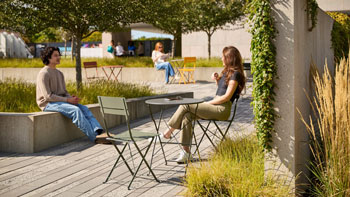
At the foot of the Southern Alps, a glacially carved lake holds a small alpine town to its shore. The light moves fast here. The mountains are close. The water is extraordinarily clear. This is a landscape that does not need improvement, only respect. The Wānaka Lakefront Reserve is, above all, an act of restraint: the careful removal of what did not belong, and the quiet return of what did.
For decades that respect was absent. Cars had colonised the 1.7km reserve between the township and Lake Wānaka, parking to the water’s edge and severing people from the shore. Weeds smothered the embankments. Stormwater runoff entered the lake unfiltered. Several reform attempts over twenty years had failed, not for lack of ideas, but because each proposal was designed at the community rather than with it. Trust had been spent and not repaid.
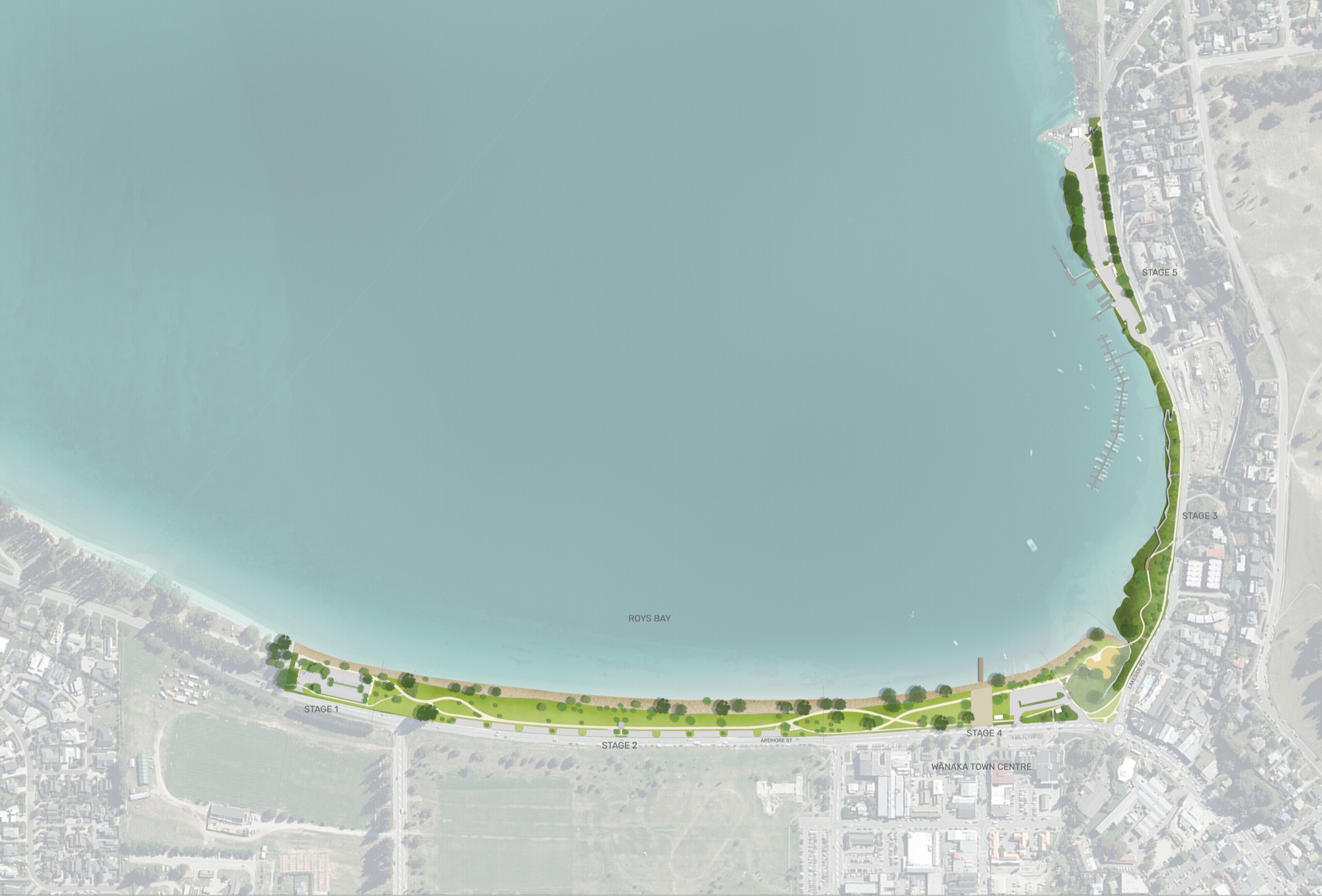
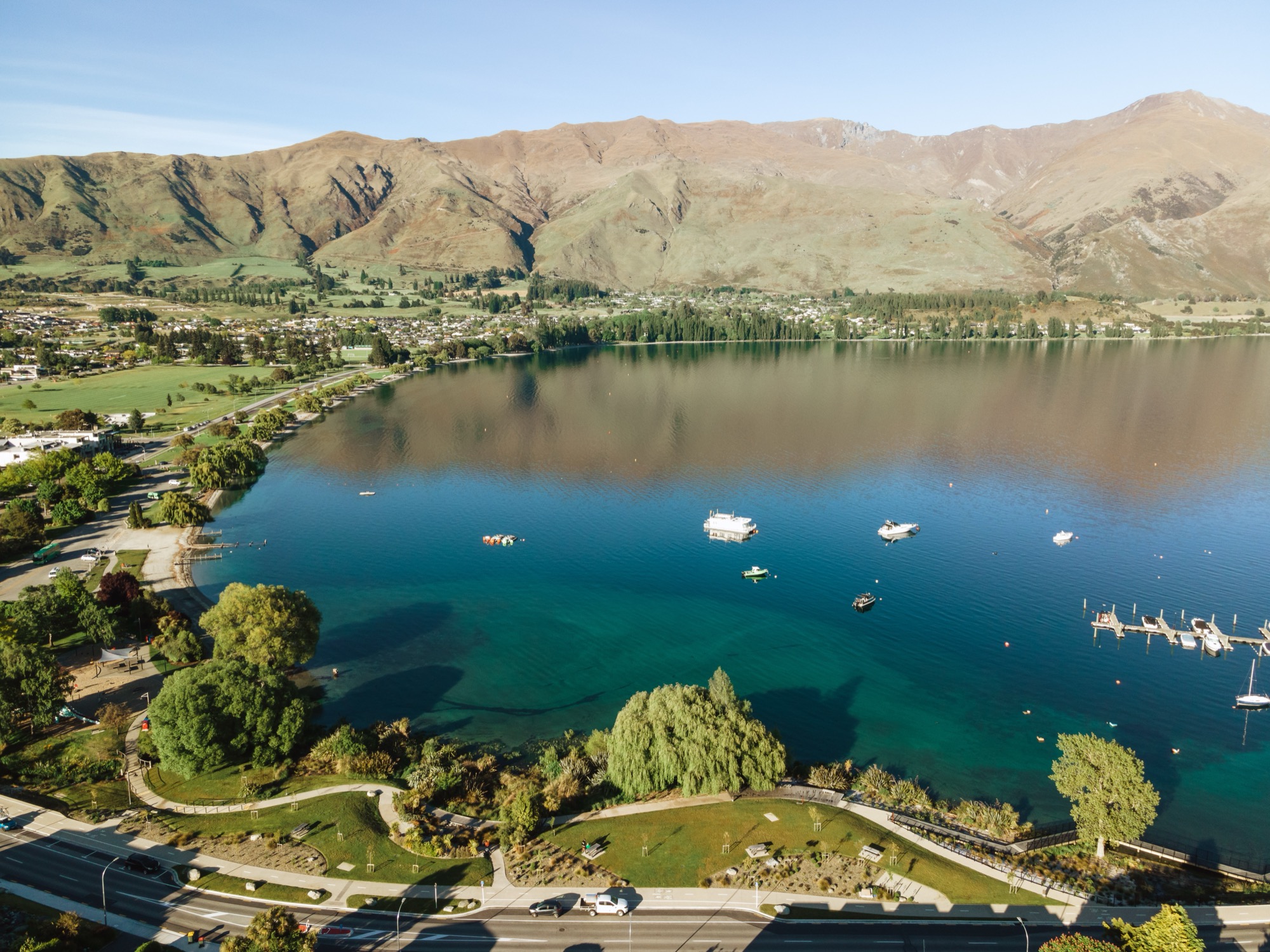
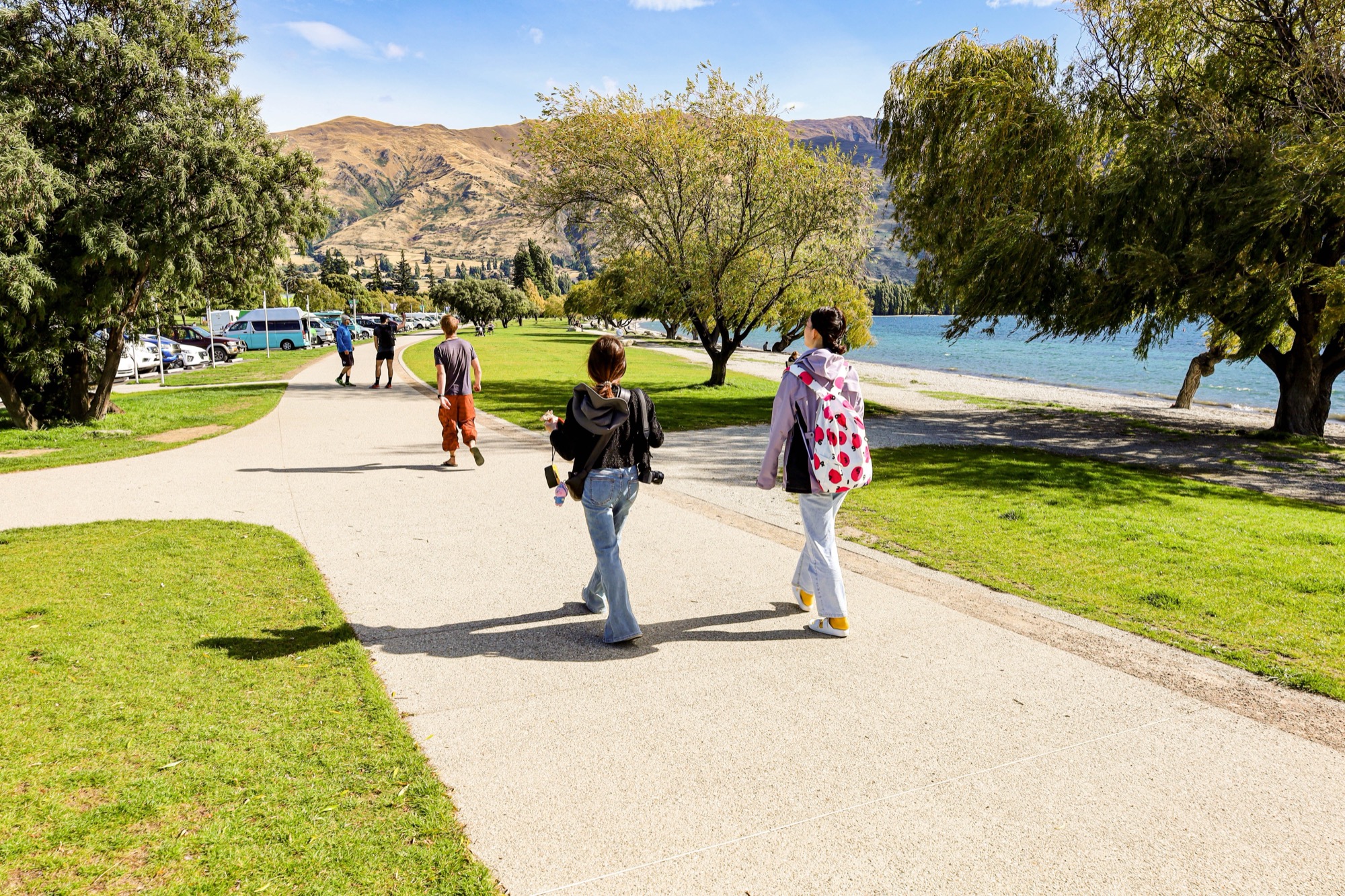
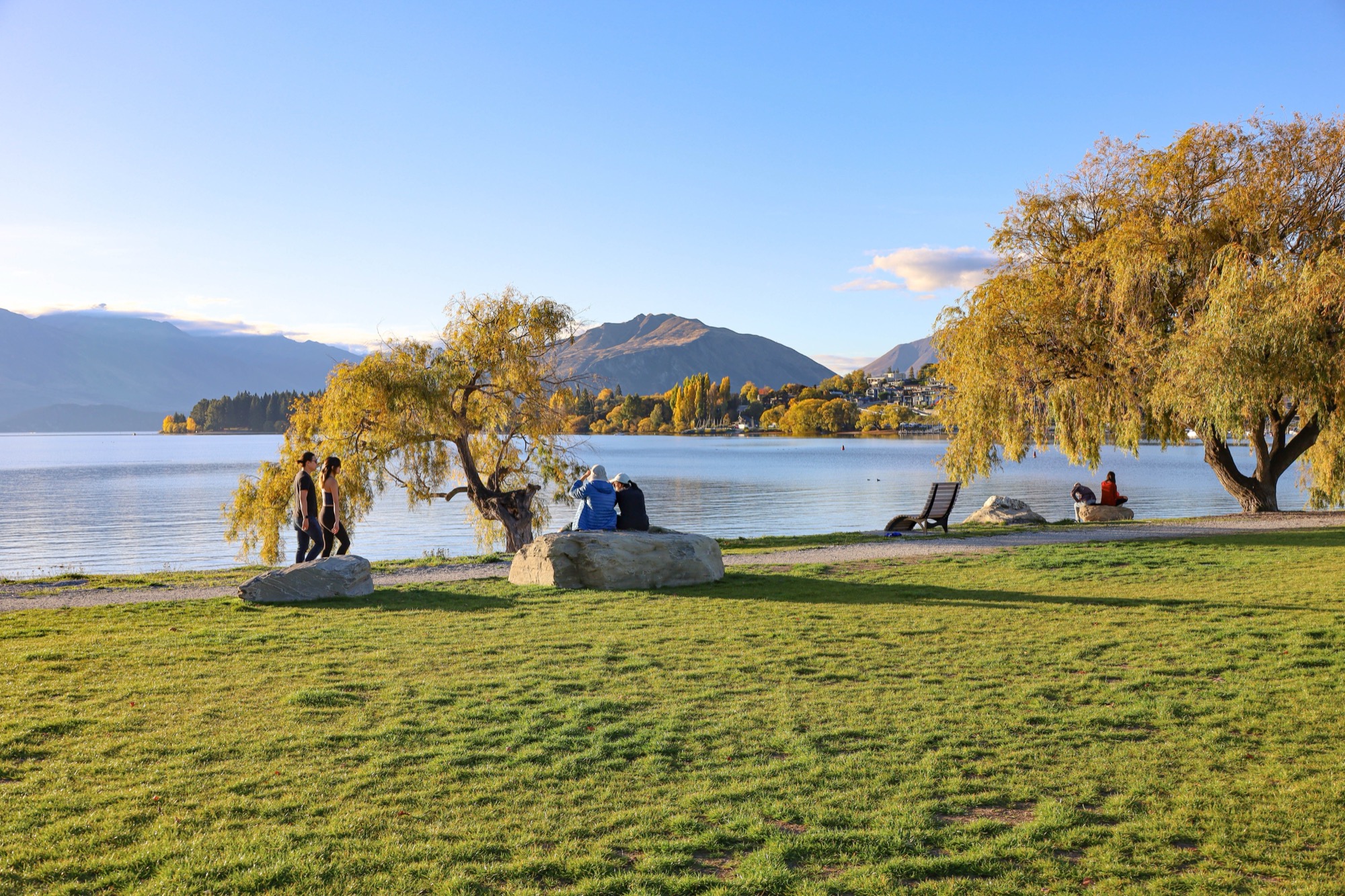
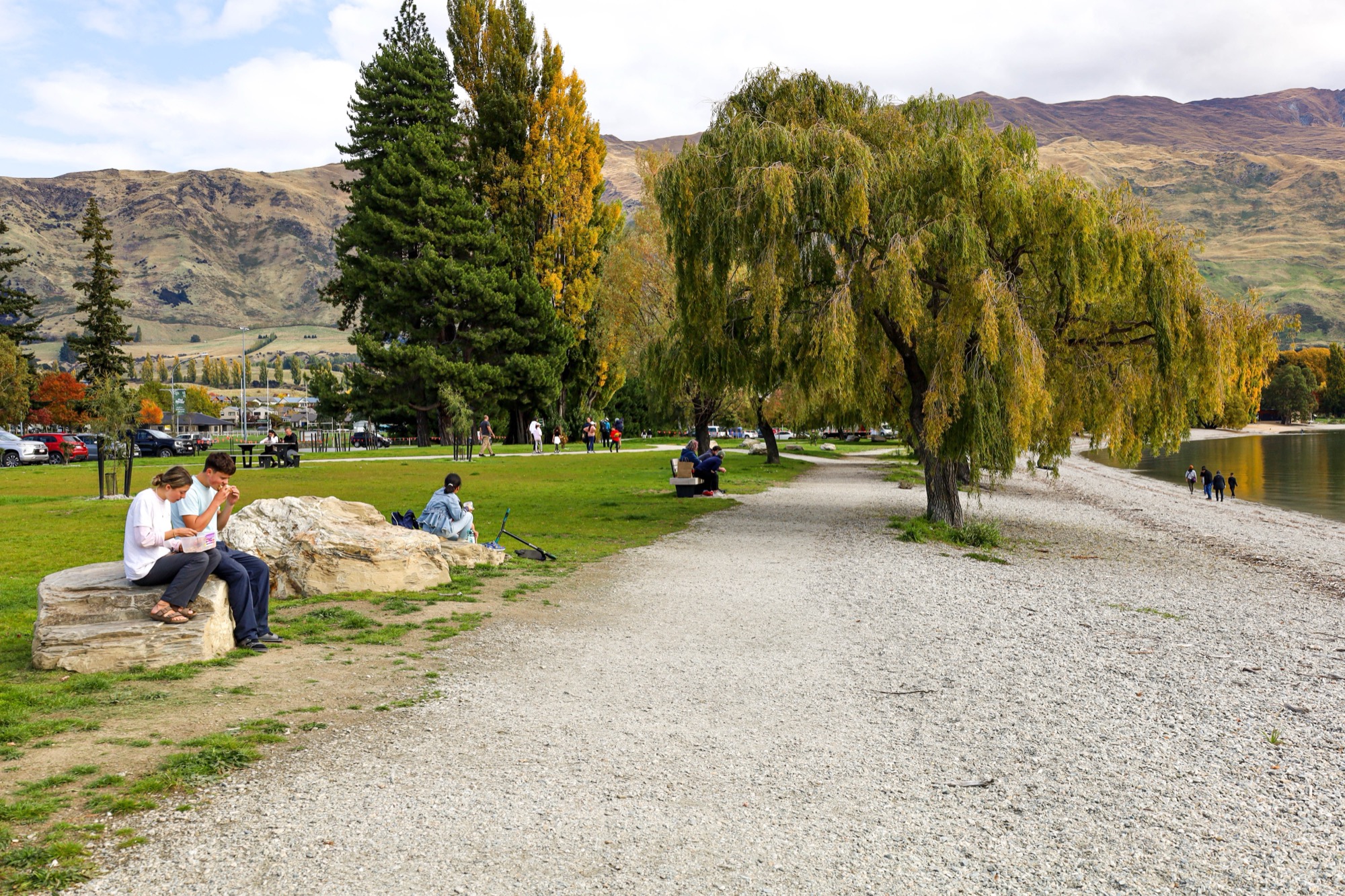
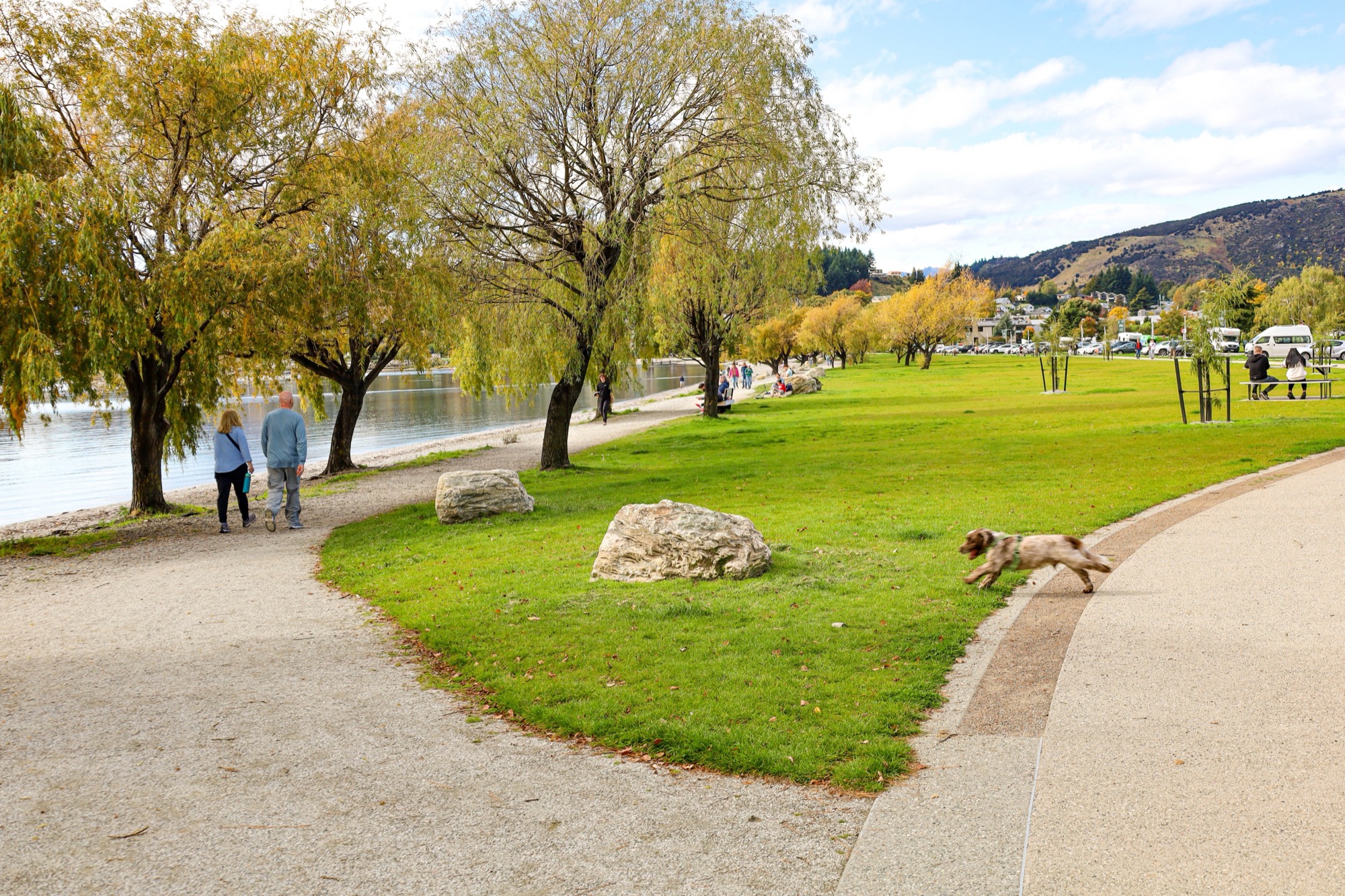
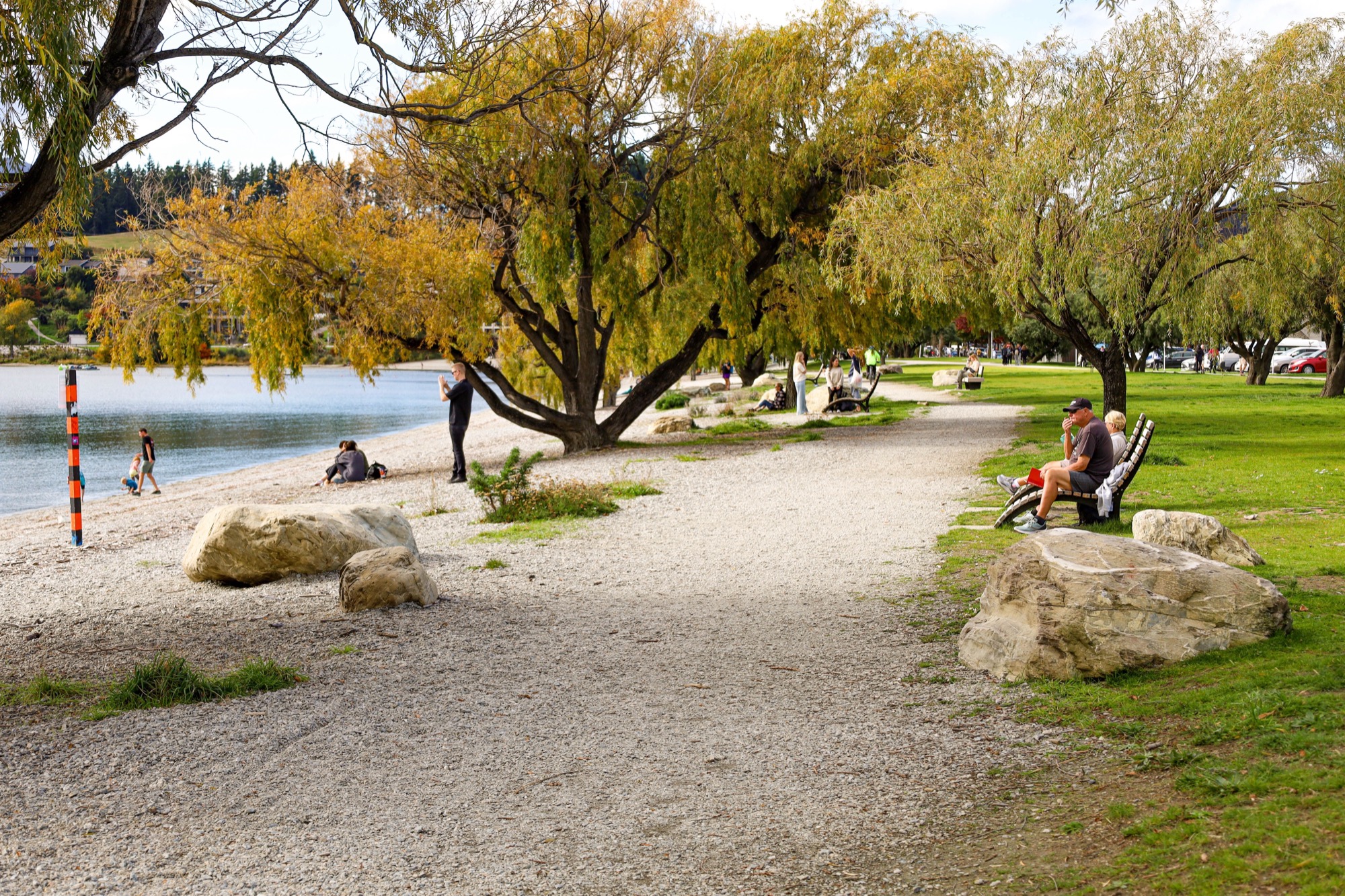
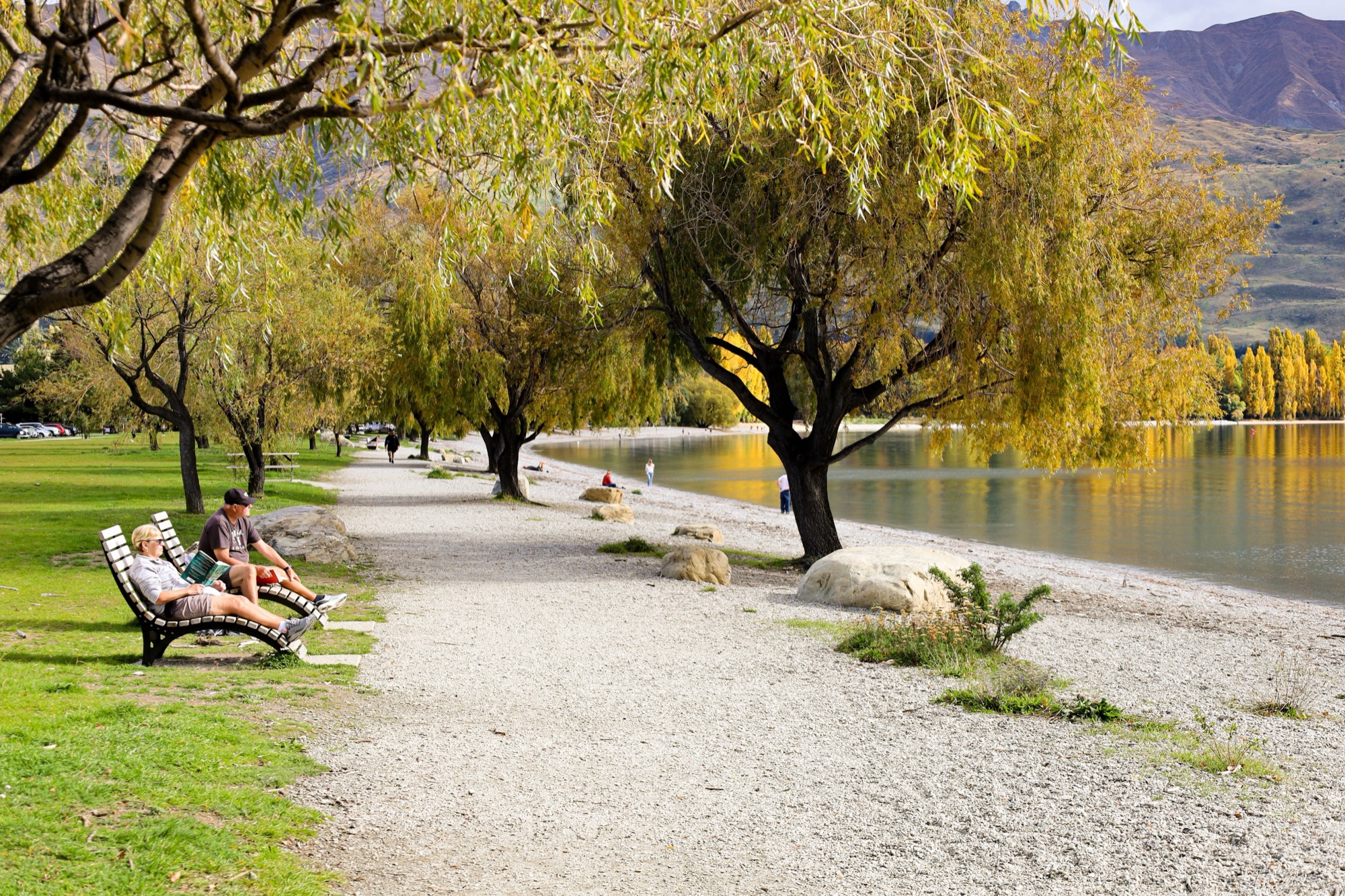
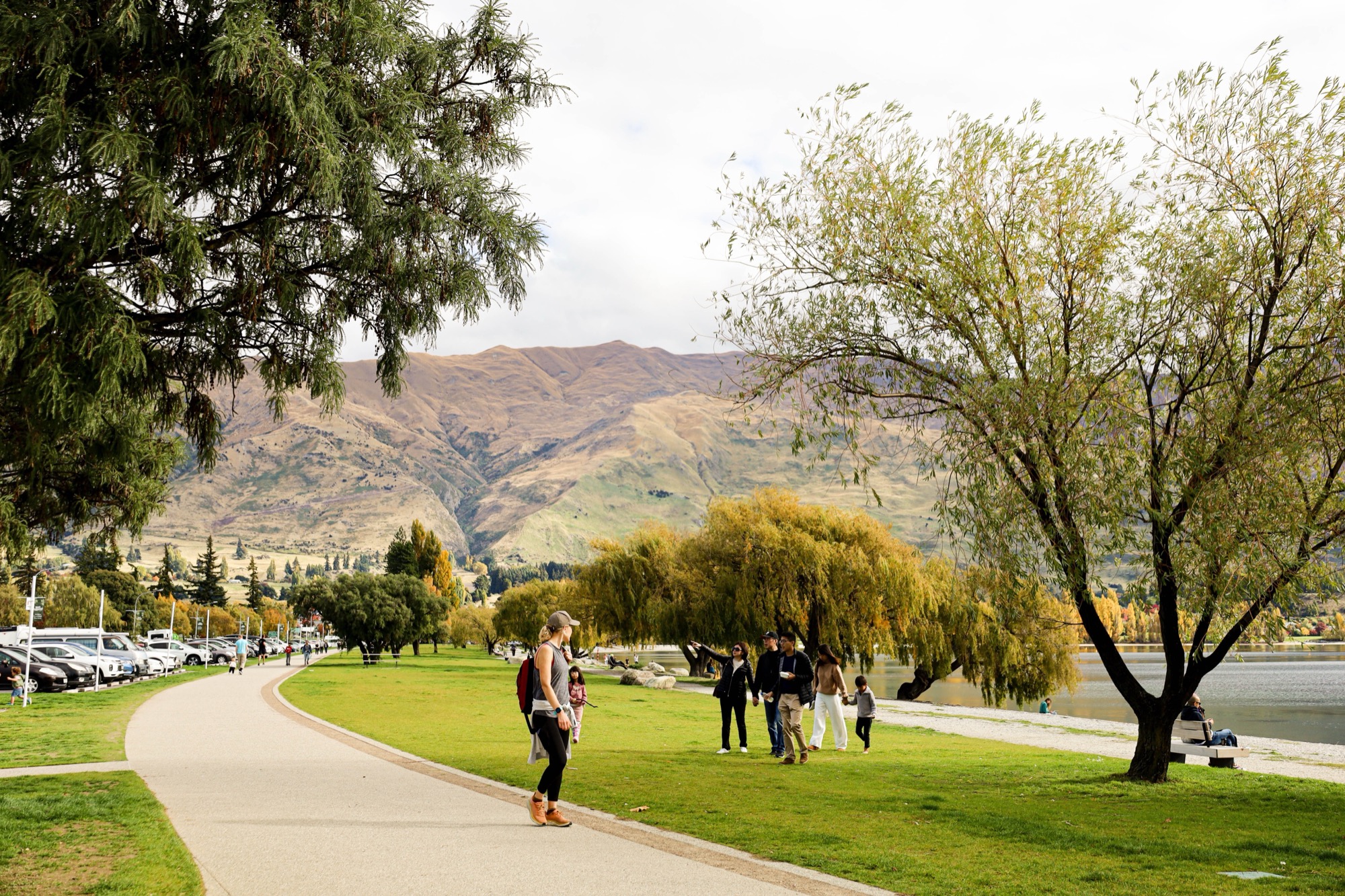
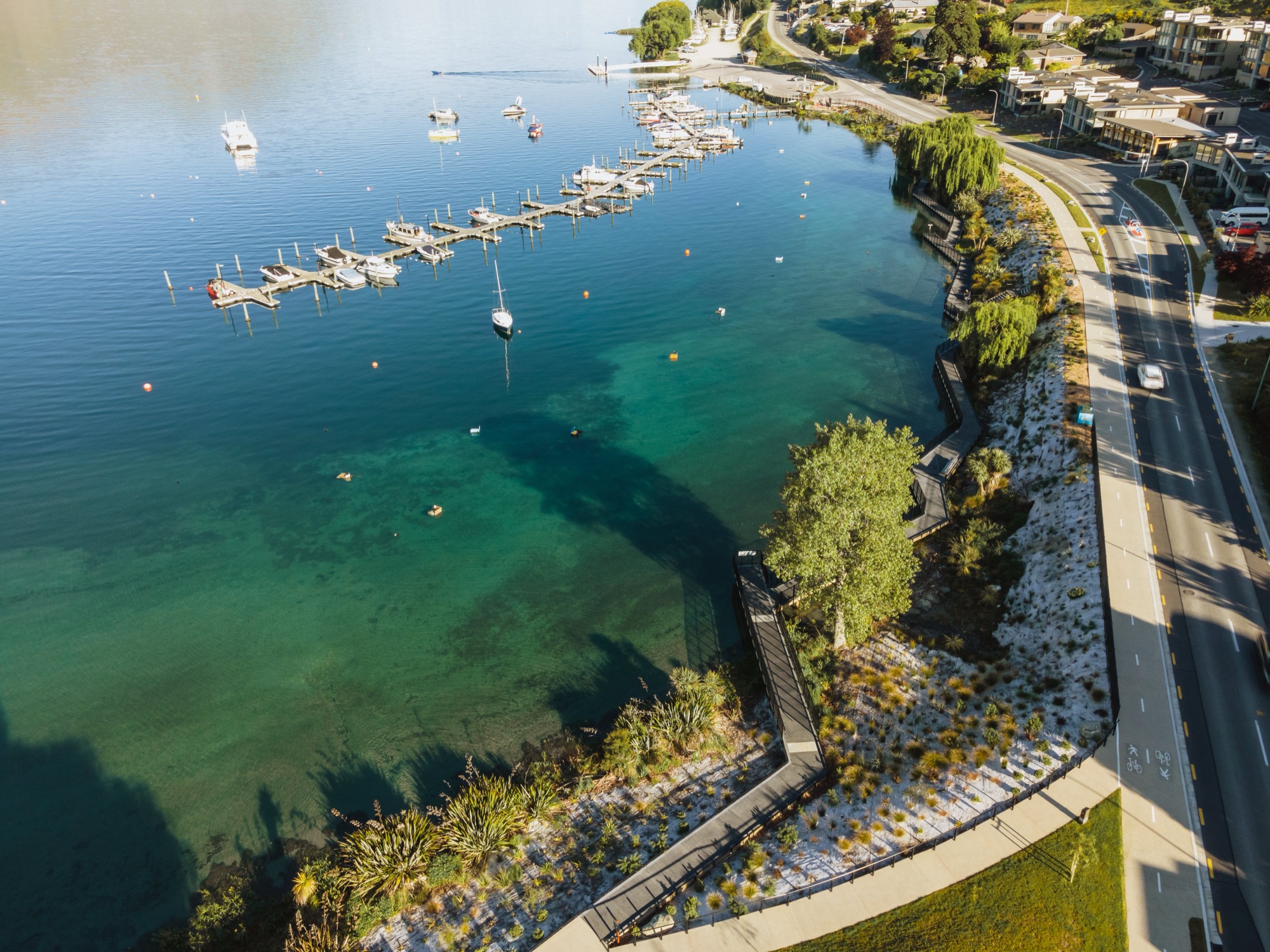
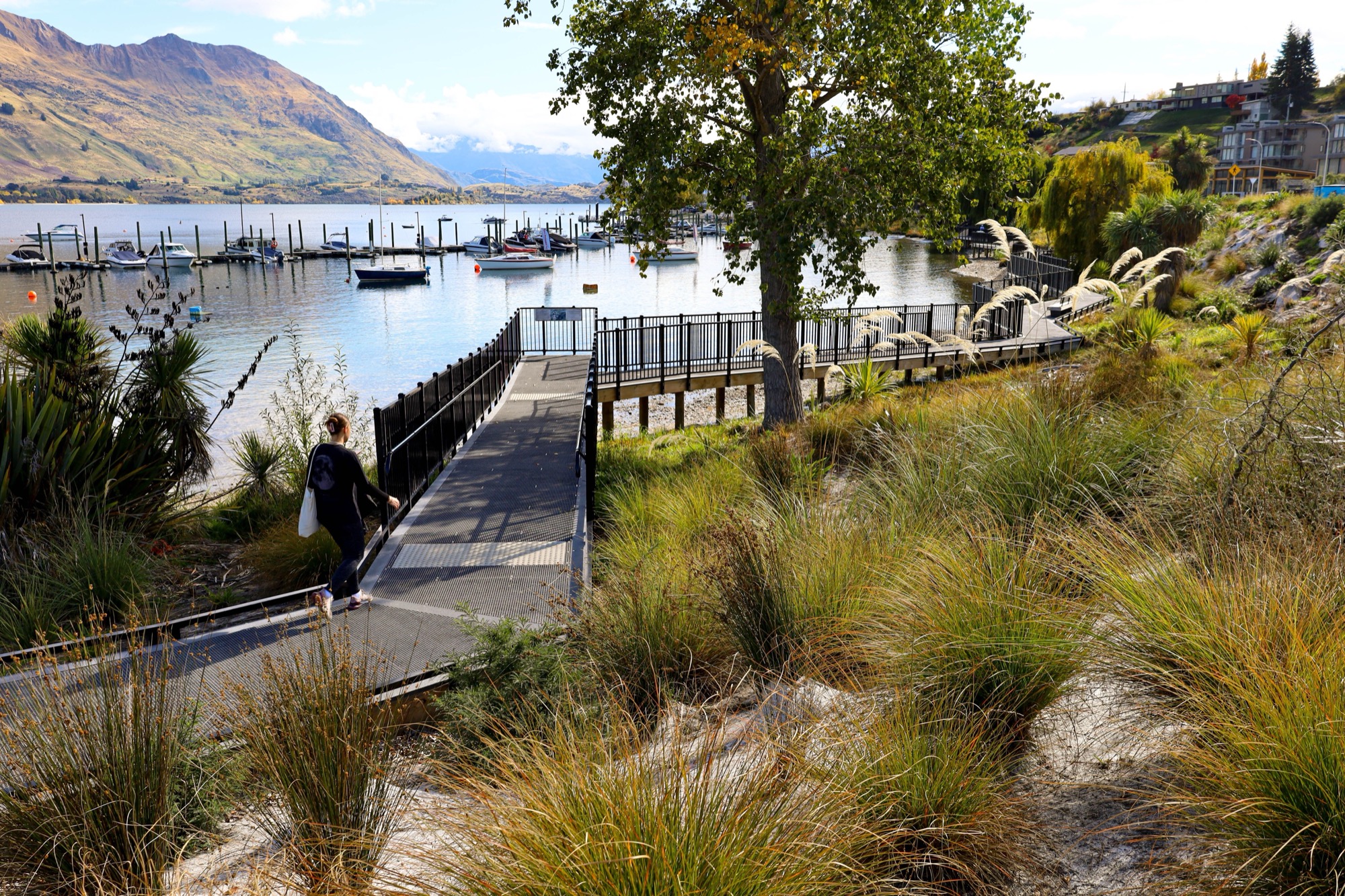
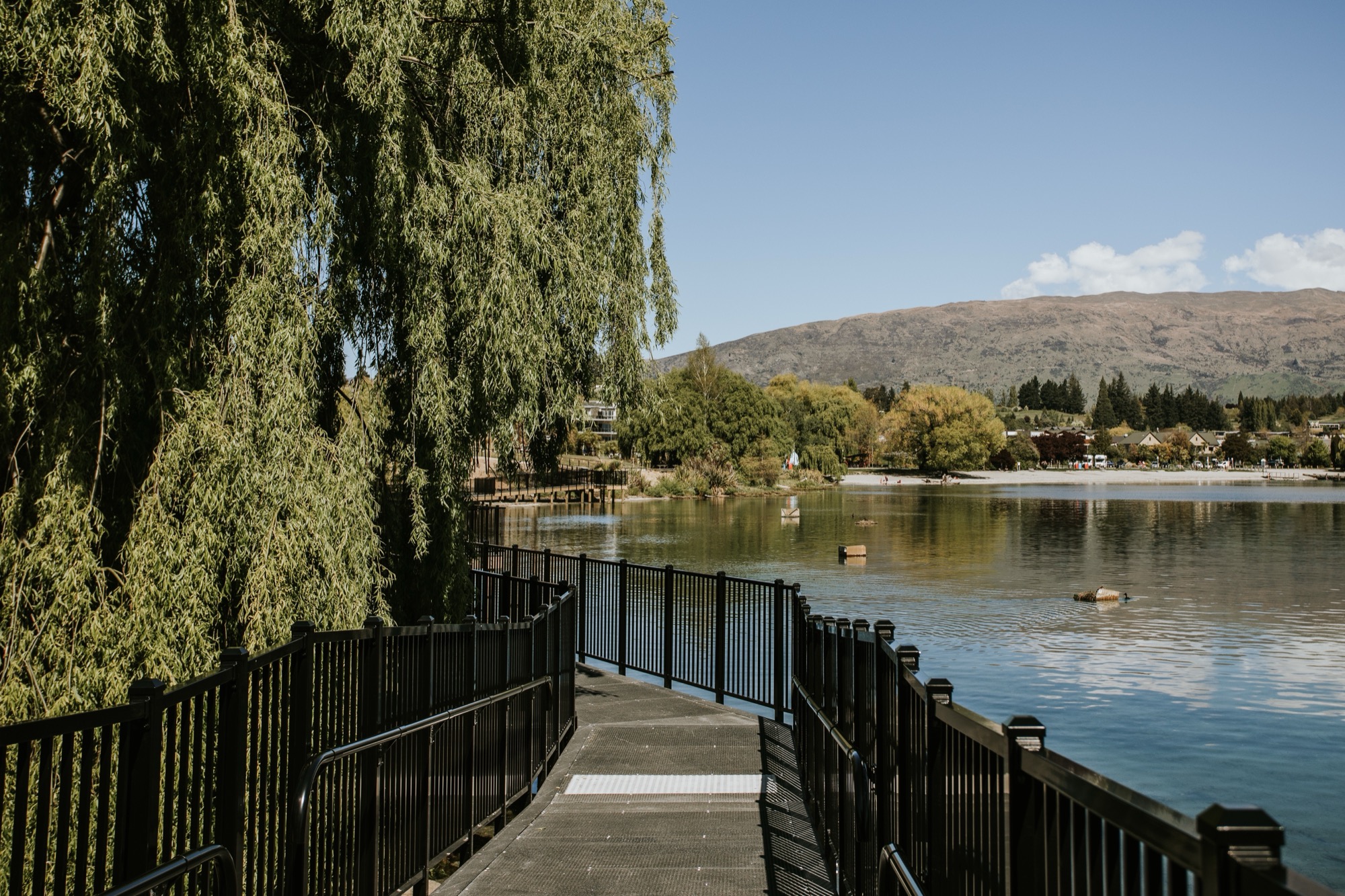
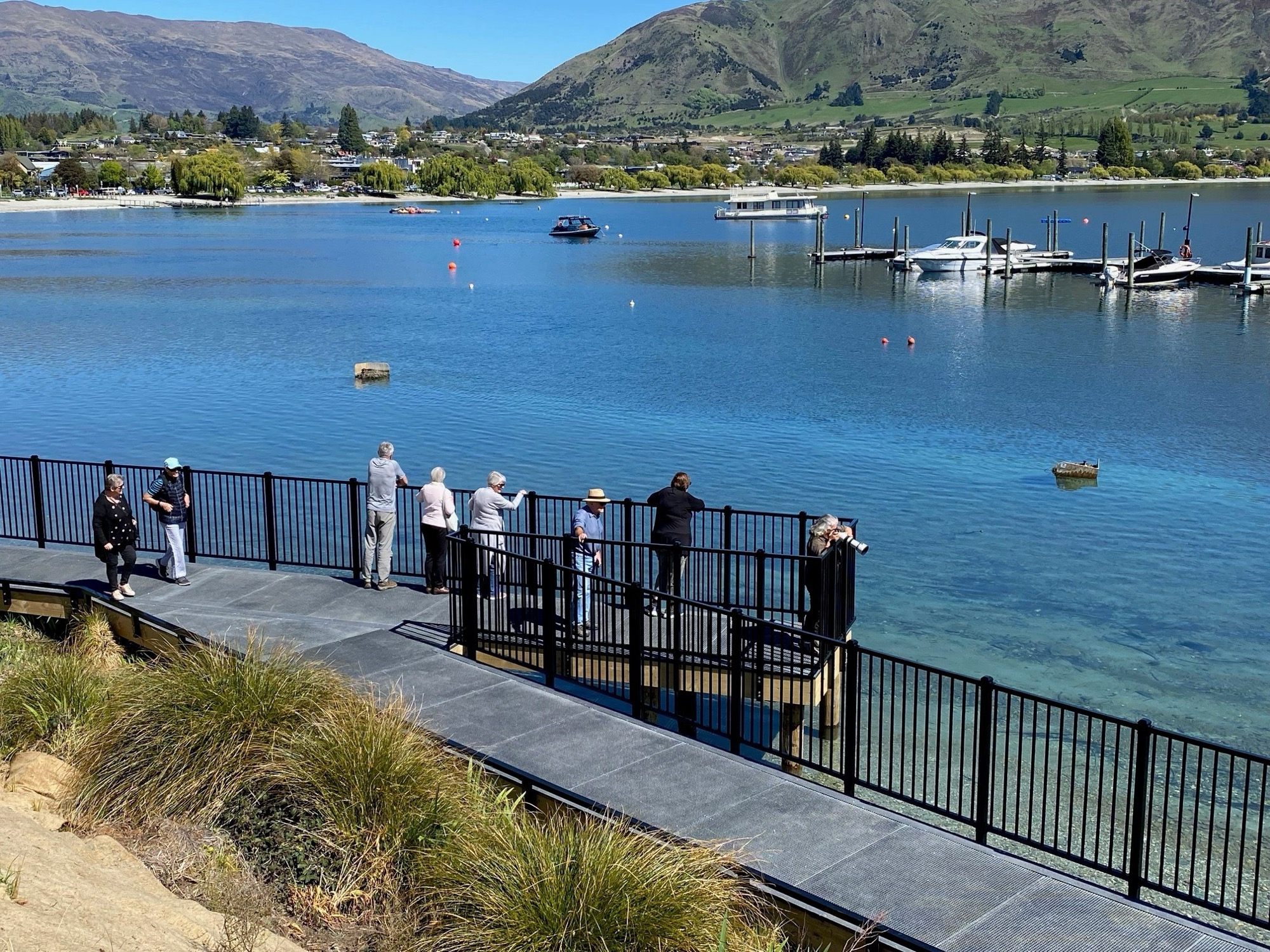
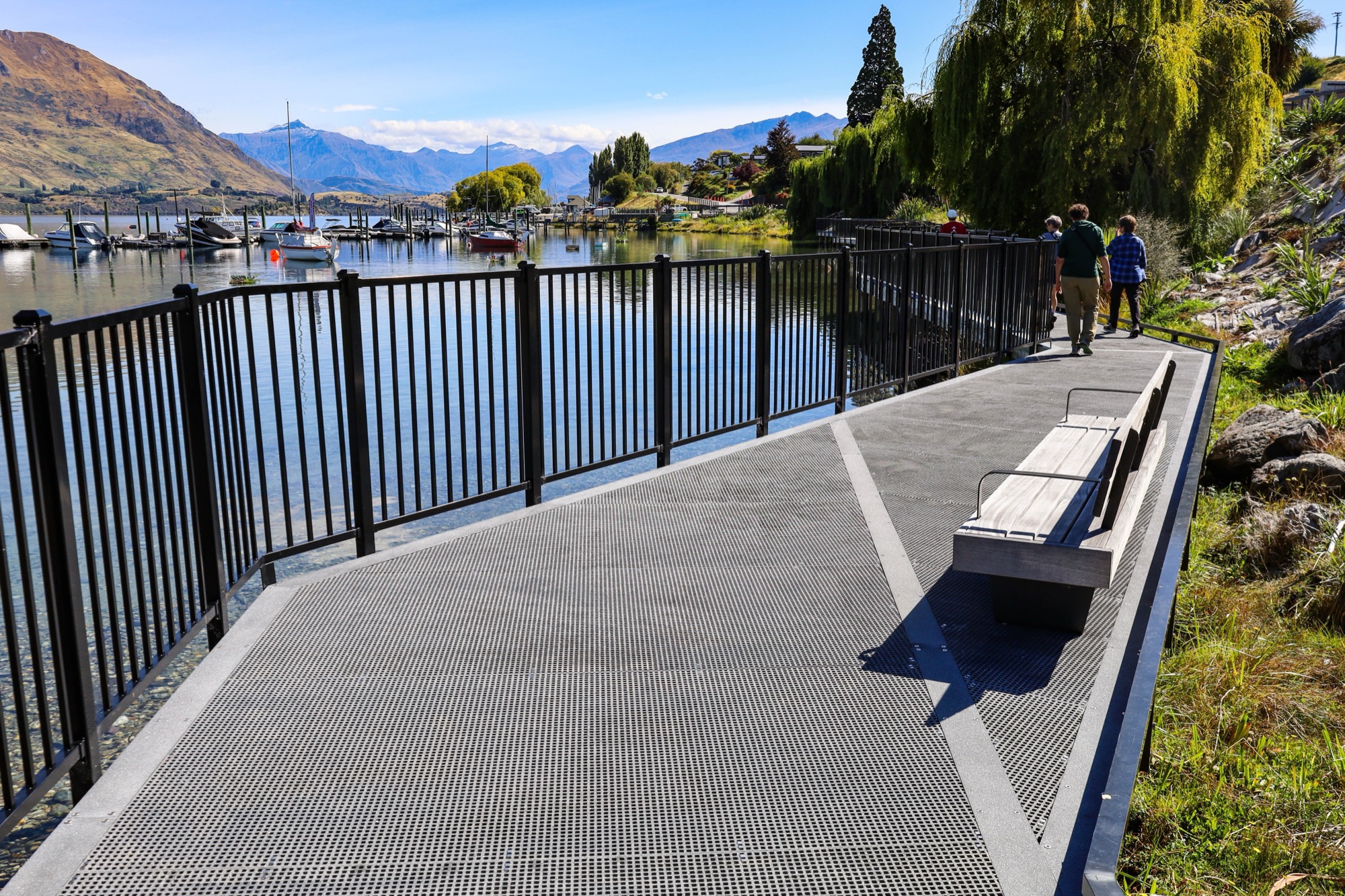
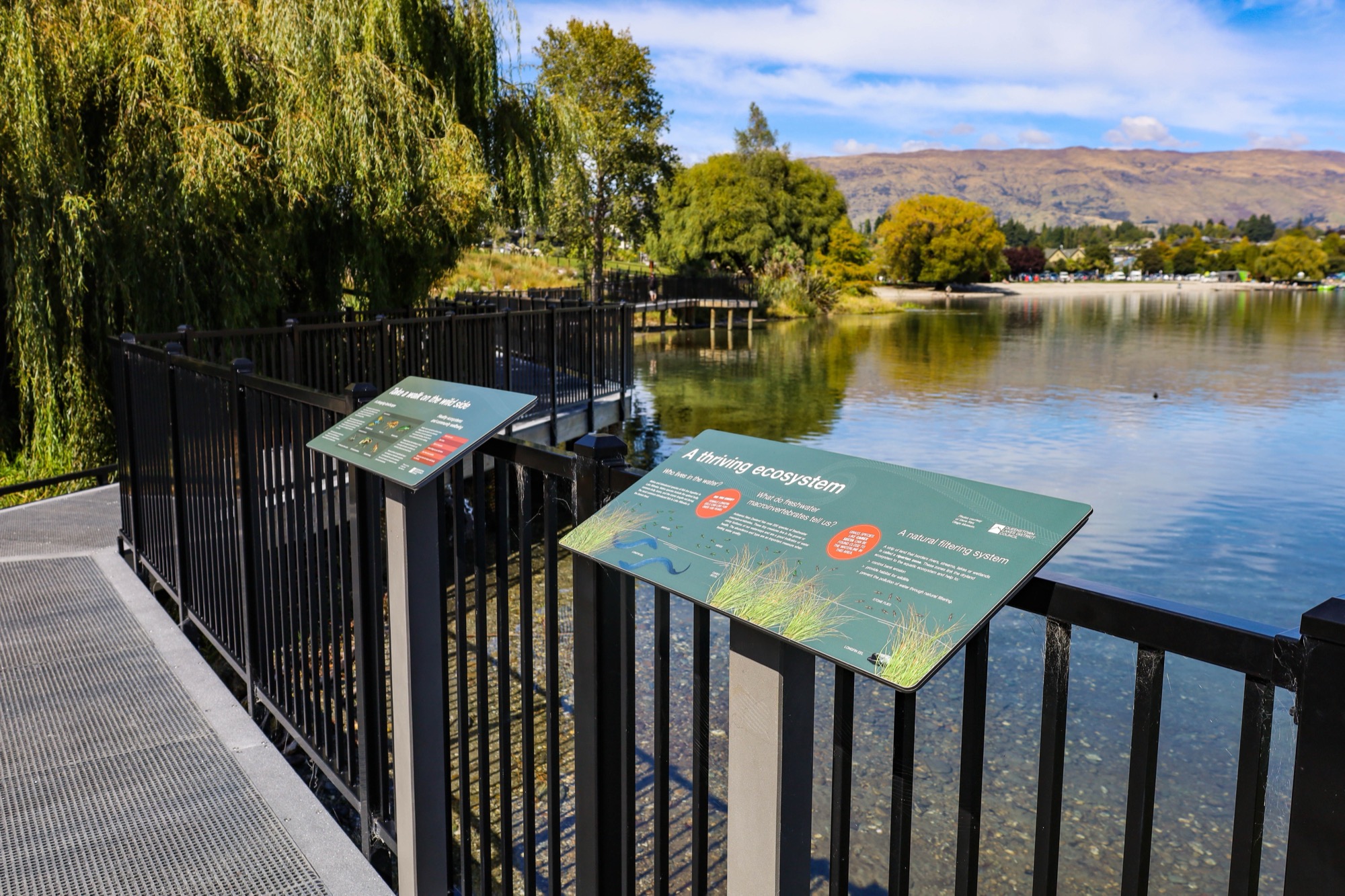
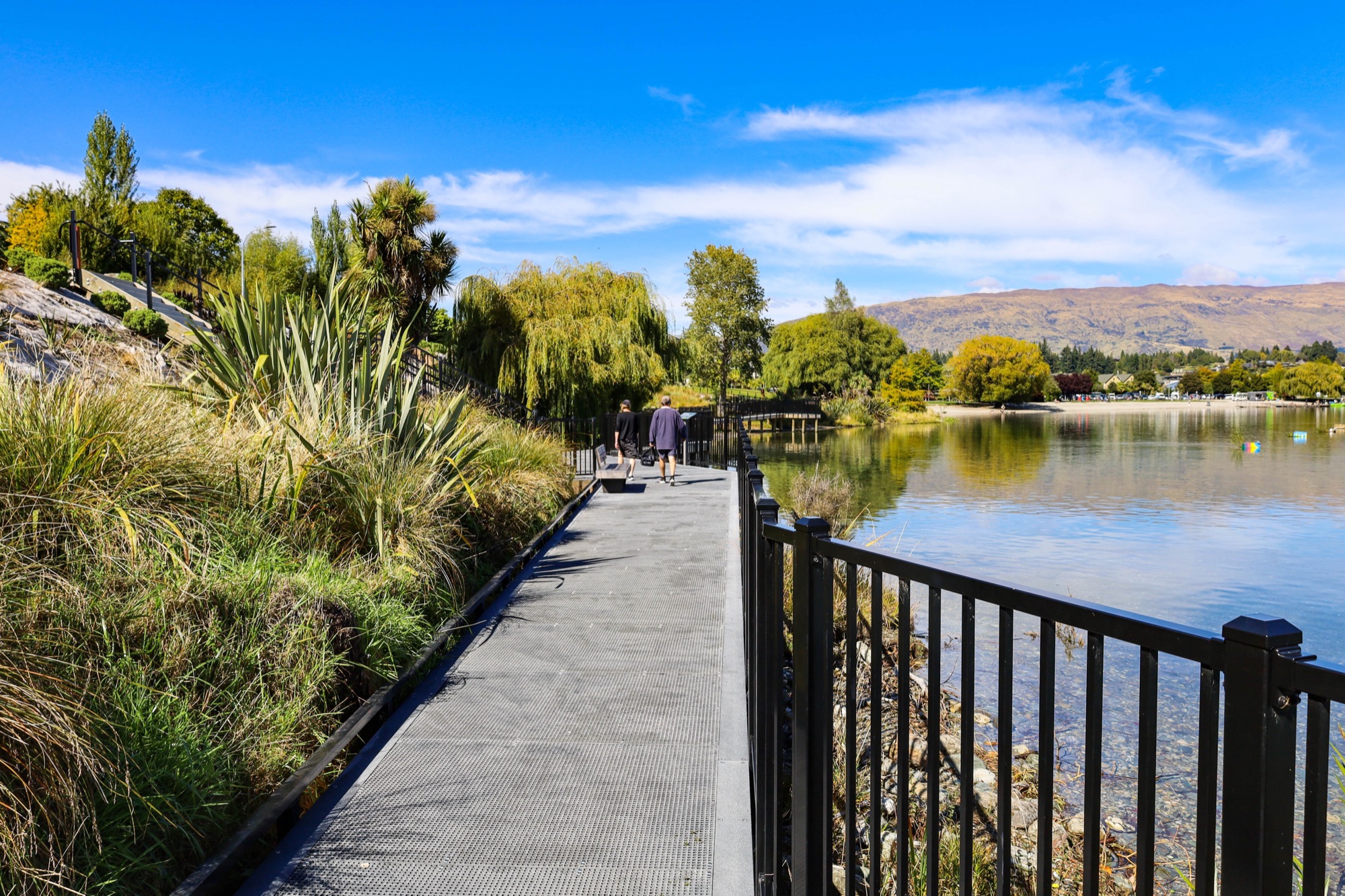
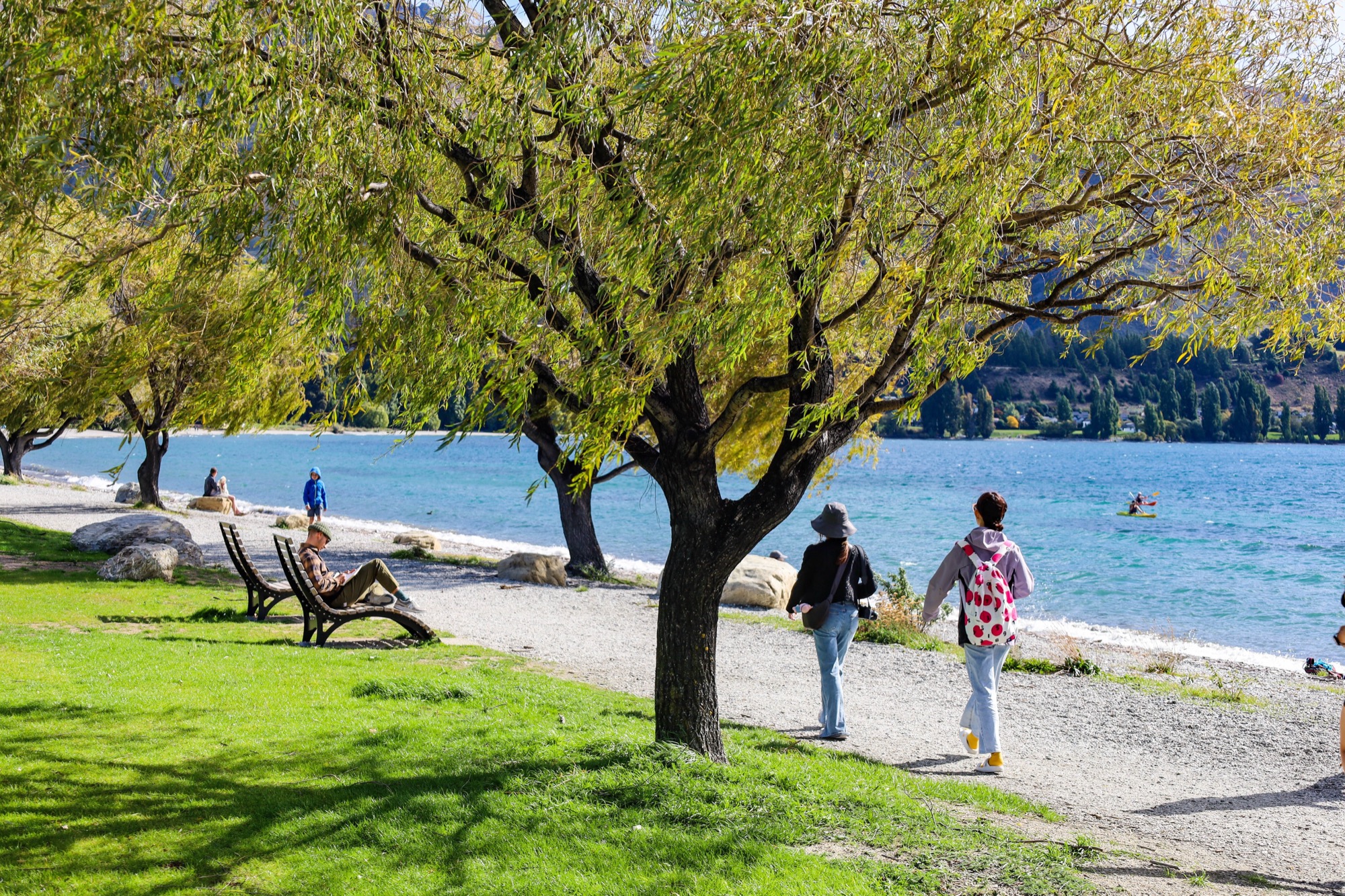
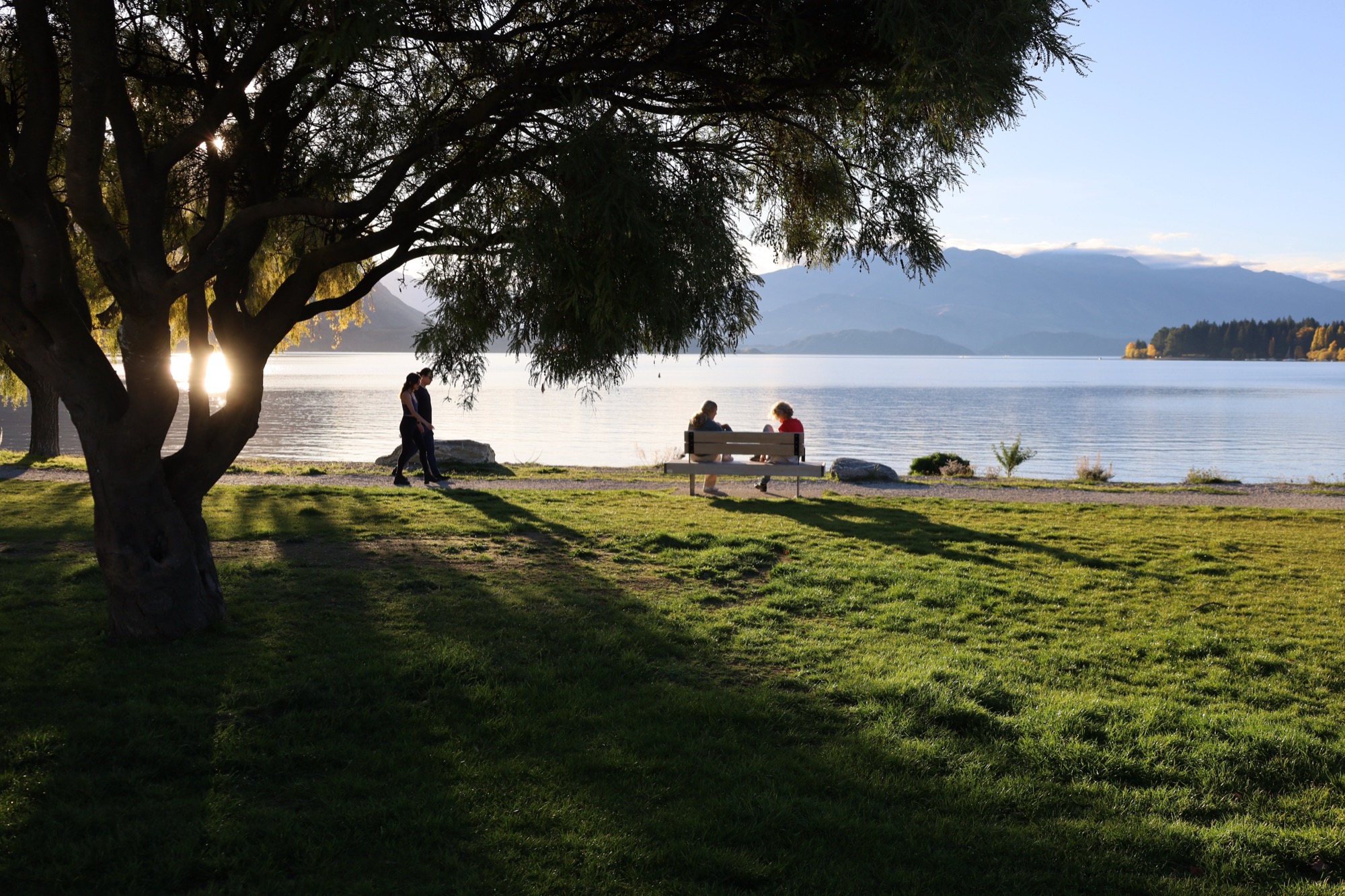
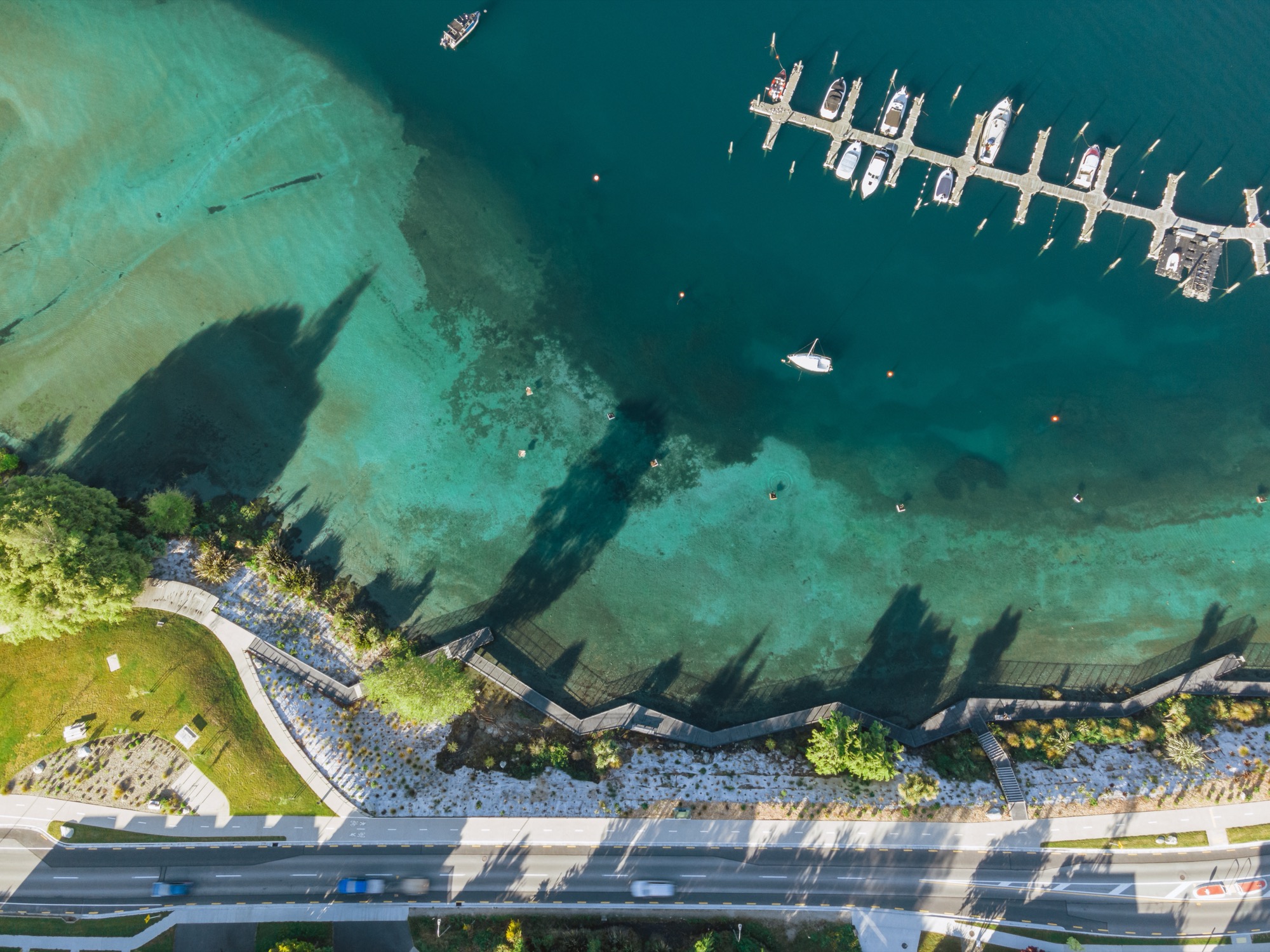
In 2015, Reset were commissioned by Queenstown Lakes District Council to listen before drawing. Reset began with a three-month public engagement process, followed by close collaboration with Kāi Tahu, the indigenous Māori custodians of Wānaka, for whom this shore was the site of Take Kārara, one of the largest pā (fortified settlement) in the region. Together, these produced the Wānaka Lakefront Development Plan 2016. The first masterplan ever to earn broad community support, because it was built from community knowledge rather than imposed upon it.
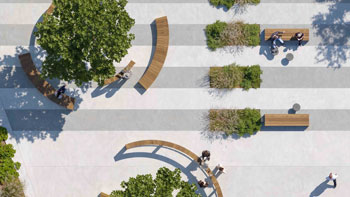
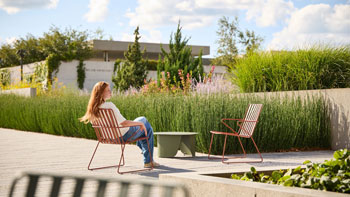
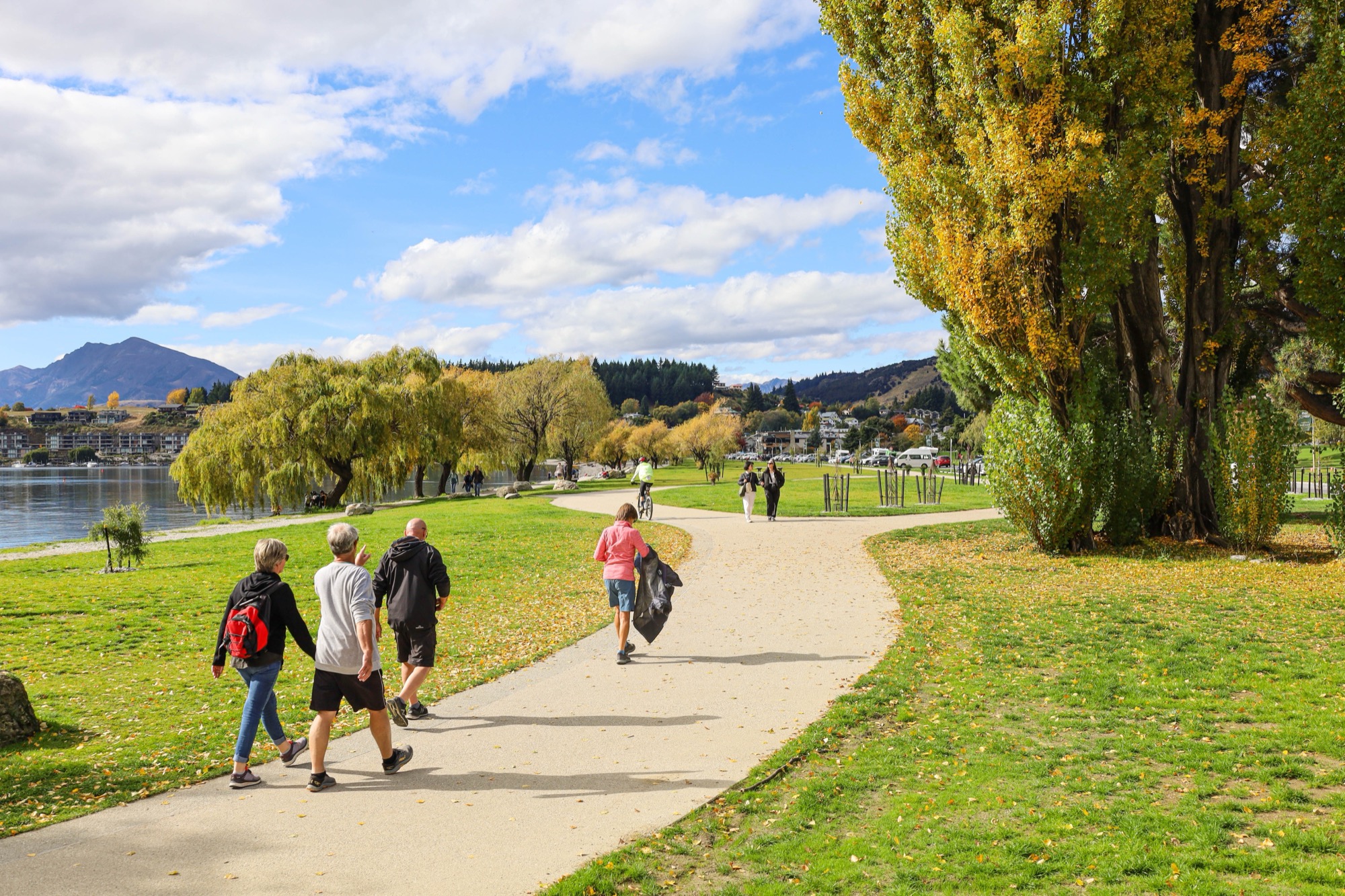
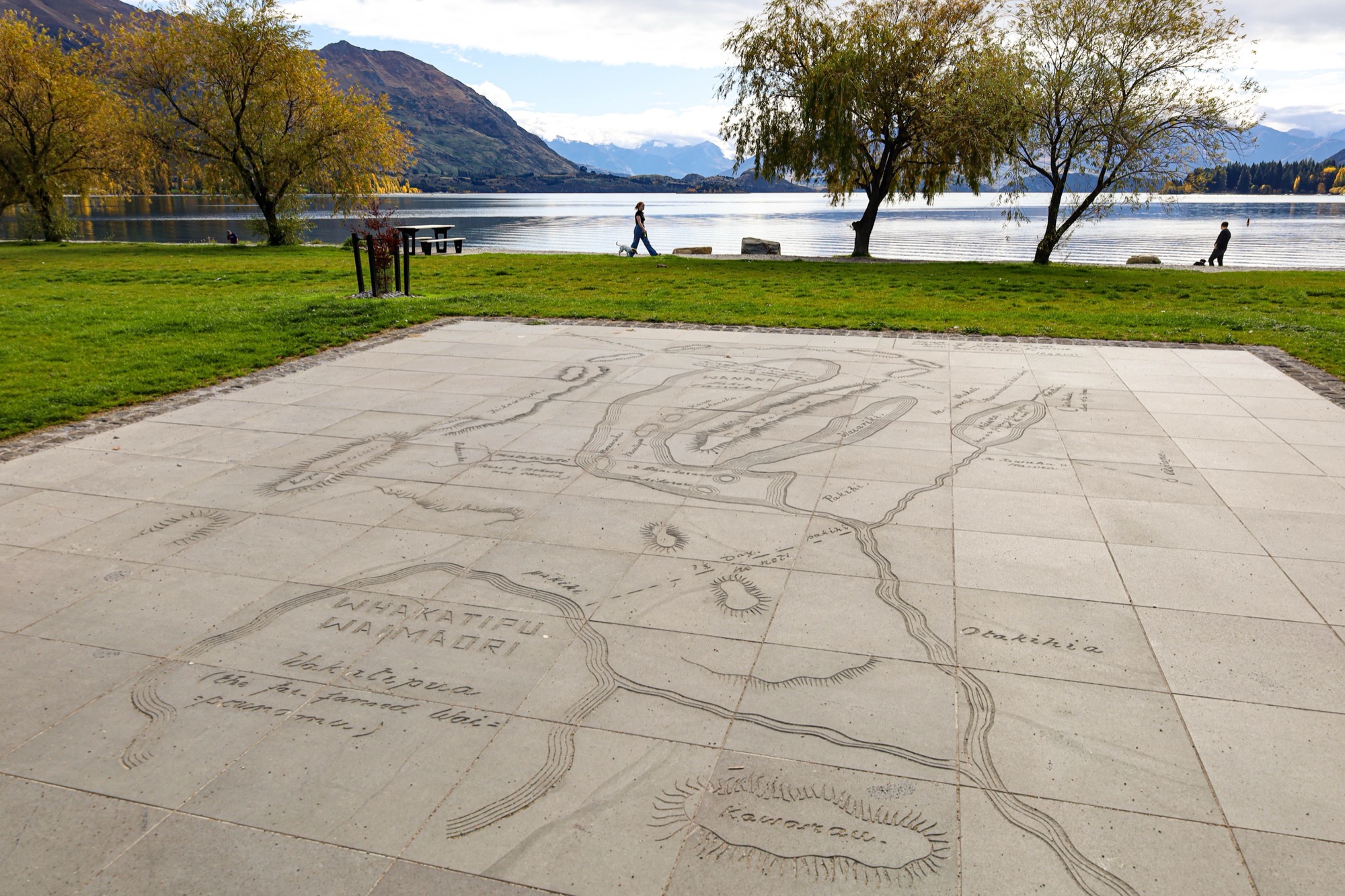
Four moves structured everything: restore the ecology; provide continuous access; enhance land use; increase public facilities. Stage 1 (2018) relocated car parking and directed all runoff through an engineered rain garden, so that the reserve that once delivered pollution to the lake now filters it out. Stage 2 (2021) swept a generous 4m promenade in a slow arc following the bay’s own geometry, embedding Te Ara Maumahara in the paving with inscribed heritage tiles culminating in a granite map of early Māori place names recorded by chief Te Huruhuru in 1842, produced with Kāi Tahu’s consultancy Aukaha. Stage 3 (2023) revegetated a long embankment in eco-sourced native plant species and introduced a 200m boardwalk sitting lightly at the lake edge.
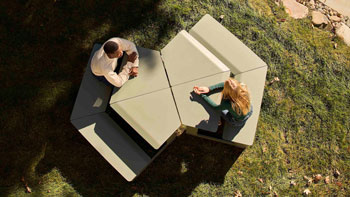
Every material decision deferred to the place. Concrete paths use locally sourced aggregate. Glacial boulders already present in the moraine were repositioned as seats. All topsoil was sieved and returned. The lake floods the lower reserve roughly once a decade and rather than engineering against this, the design accepted it. No walls, no bunding, no false separation between park and water. A landscape reconciled with its own conditions.
Kāi Tahu were design co-authors, not a consultation step. Ara Tawhito (traditional movement trails) shaped the path alignments. Manaakitaka (reciprocal hospitality) is enacted in the generosity of the promenade. The granite map and heritage tiles are not interpretation panels placed alongside the design. They are the ground speaking in its own language.
The boardwalk placed visitors in daily proximity to the Australasian Crested Grebe (Pūteketeke), an endangered native bird slowly returning from the brink. Breeding pairs grew from four to eighteen through the project period. Visibility created constituency: when the Pūteketeke became the centre of an international viral campaign, the advocates who carried it were, in large part, people who had watched these birds from this boardwalk.
Three stages. Under NZD$8 million (approx. €4.5M). Eight years. A 300% increase in pedestrian use. A 20% increase in cycling. In October 2023, IFLA Asia Pacific awarded the project an Award of Excellence, the only New Zealand entry to be recognised that year, citing a restrained yet bold design that resonates with the alpine landscape. The future Stages 4 and 5 are planned. The planting will mature. The Treaty partnership, rebuilt through this project, will deepen. Meaningful public landscape does not arrive complete, it accumulates. The lake, hidden behind cars for decades, is simply there again: close, present, and belonging to everyone.
Other credits:
Client: Queenstown Lakes District Council
Project Managers: RCP
Engineers: BMC, WSP, CKL
Quantity Surveyors: Rhodes Associates
-44.69673437987127, 169.1309889198041
75649


LILA 2026 Sponsor