Wise Towers by Dirtworks Landscape Architecture
www.dirtworks.us
2026 Landscape and Architecture / 2026 Schools and Playgrounds / USA / Built in 2023 /

![Wildflower Studios: The waterfront at Wildflower Studios—a pioneering vertical film studio in Astoria—reclaims a complex industrial shoreline as high-performing ecological civic infrastructure. The project advances a site-specific model for transforming constrained, contaminated urban edges into resilient public landscapes that integrate habitat restoration, climate adaptation, and public access within an operating campus. The park and streetscape […]](https://landezine-award.com/wp-content/uploads/2026/02/WILDFLOWER_HERO_1-copy-600x310.jpg "Wildflower Studios by Dirtworks Landscape Architecture")
![The Simons Center for Geometry and Physics is a research institute within Stony Brook University dedicated to furthering fundamental knowledge of mathematics and theoretical physics and to promoting collaboration and discovery at the interface of these two fields. The landscape concept for the Center took on the challenges of fostering exchange across disciplines, giving visual […]](https://landezine-award.com/wp-content/uploads/2017/05/SUNY-Simons-Center-main-photo-1-600x400.jpg "SUNY Simons Center")
![The landscapes of 150 Charles represent a new paradigm of urban residential development— one that celebrates urban ecology through nuanced and responsive design, and asserts that nature may be thoroughly integrated into the built environment. The 150 Charles landscape sets itself apart in both the overall percentage of green space and in its response to […]](https://landezine-award.com/wp-content/uploads/2017/05/150-Charles-Building-View-Main-Project-Photo-600x400.jpg "150 Charles")
In 1965, the NYC Housing Authority built Stephen Wise Towers in the affluent Upper West Side, bringing affordable housing to the neighborhood. Over time, a lack of sustained investment resulted in a serious state of disrepair and unsafe conditions. Now, over 50 years after initial completion, our design team joined community leaders, government agencies, a local private developer, and non-profit groups to rethink the Wise campus. Our collaboration aimed to serve residents better, inspire stewardship, and restore a sense of dignity to the place.
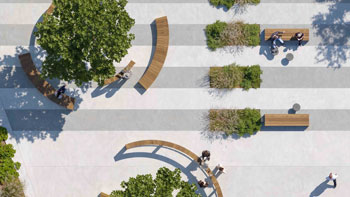
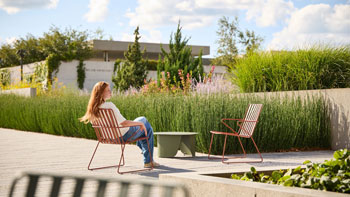
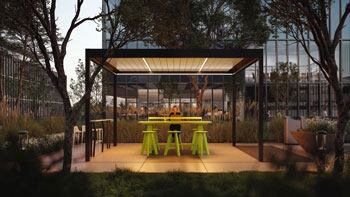
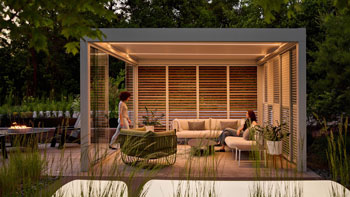
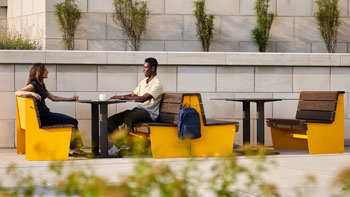
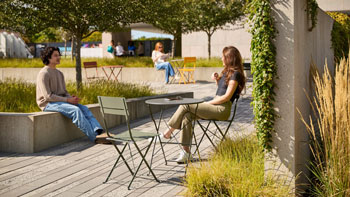
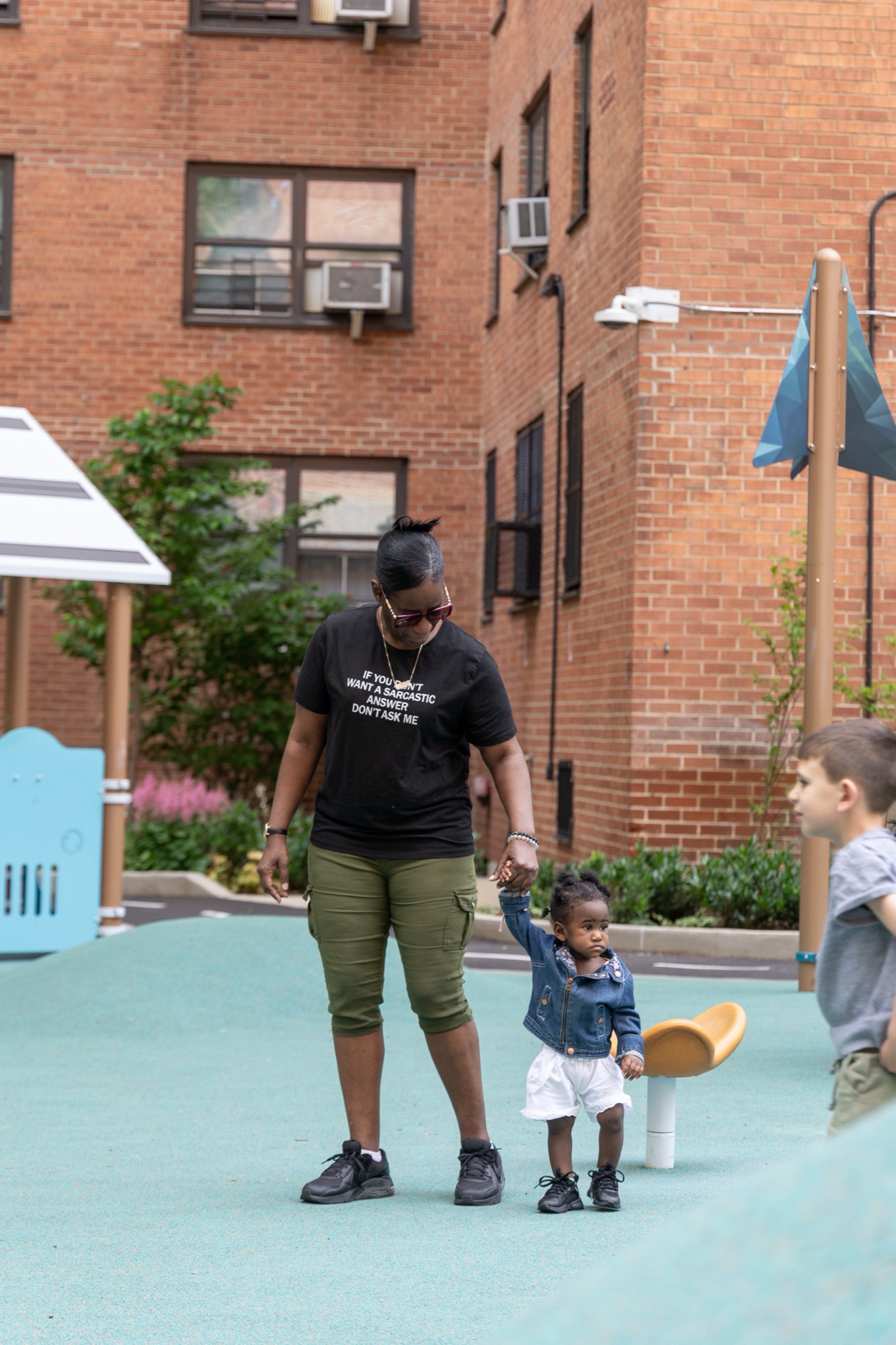
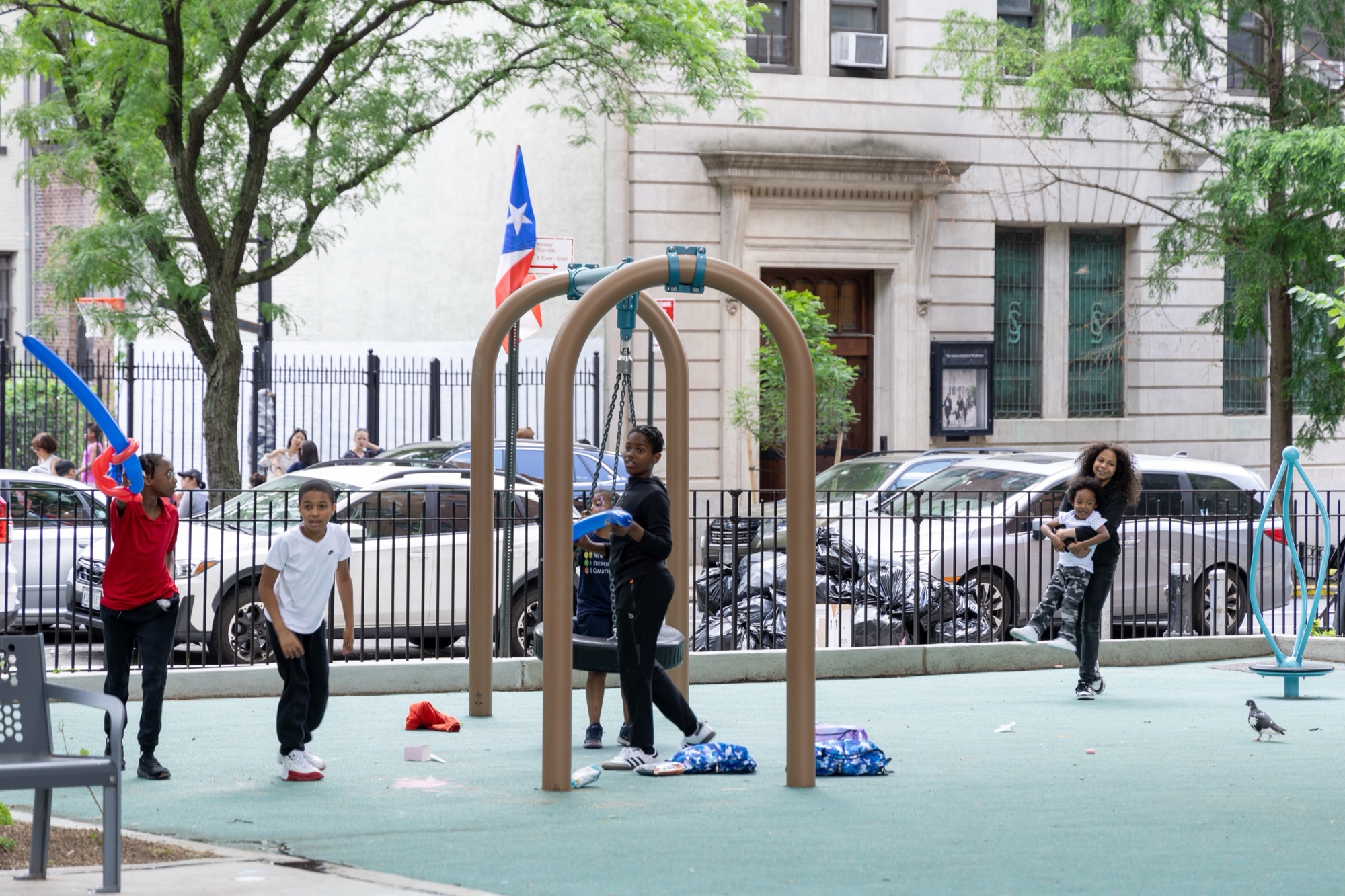
To achieve these goals, our team considered the campus as a whole, recognizing that public housing landscapes can contribute significantly to residents’ quality of life. The spaces making up the overall campus had to reflect the needs of our diverse population: seniors, families, recent immigrants, active youths, and a broad array of cultural backgrounds. Working closely with the community in small charrettes as well as large gatherings, we designed a variety of spaces to address these needs, weaving new plantings and sustainability measures throughout.
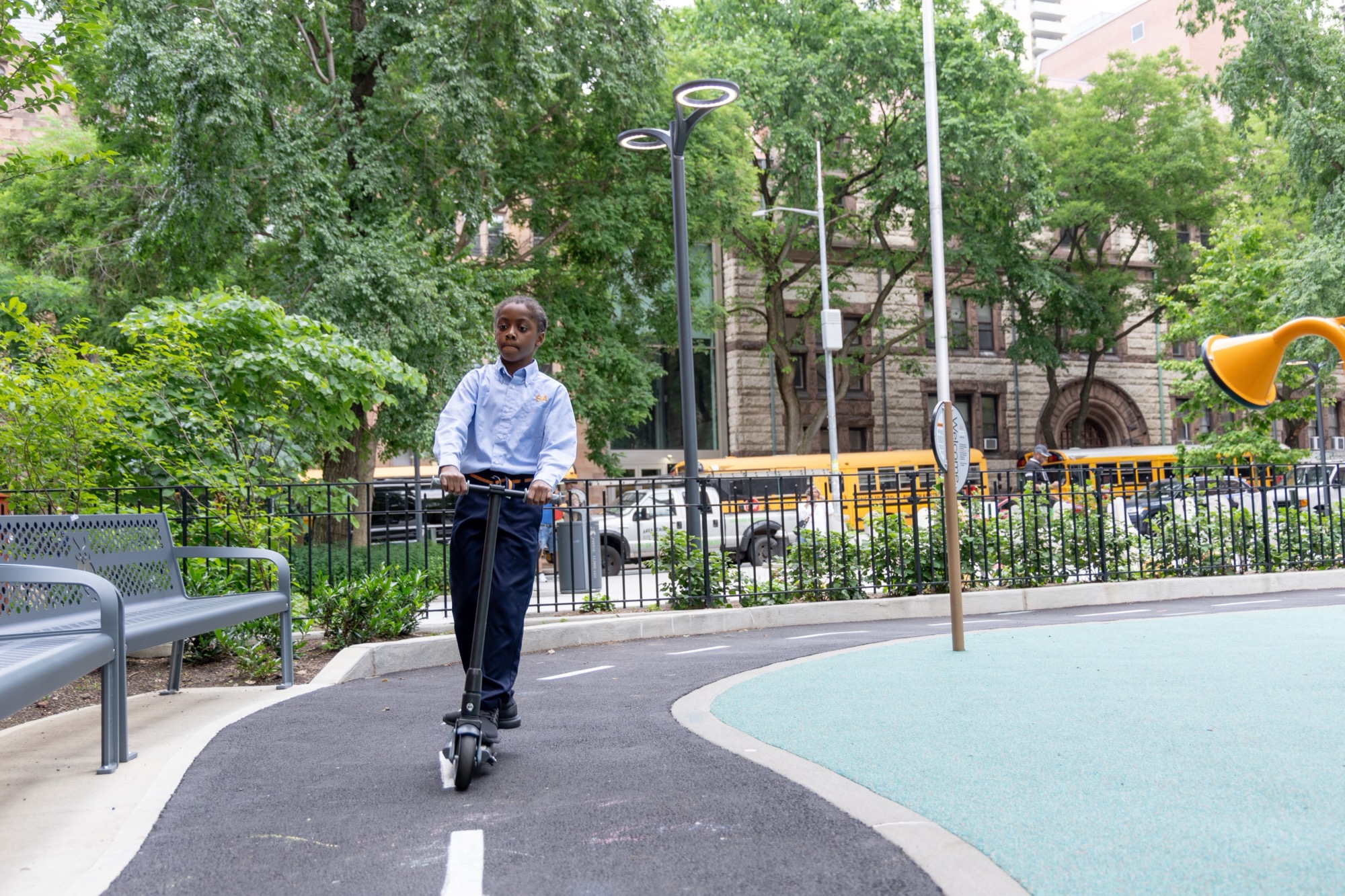

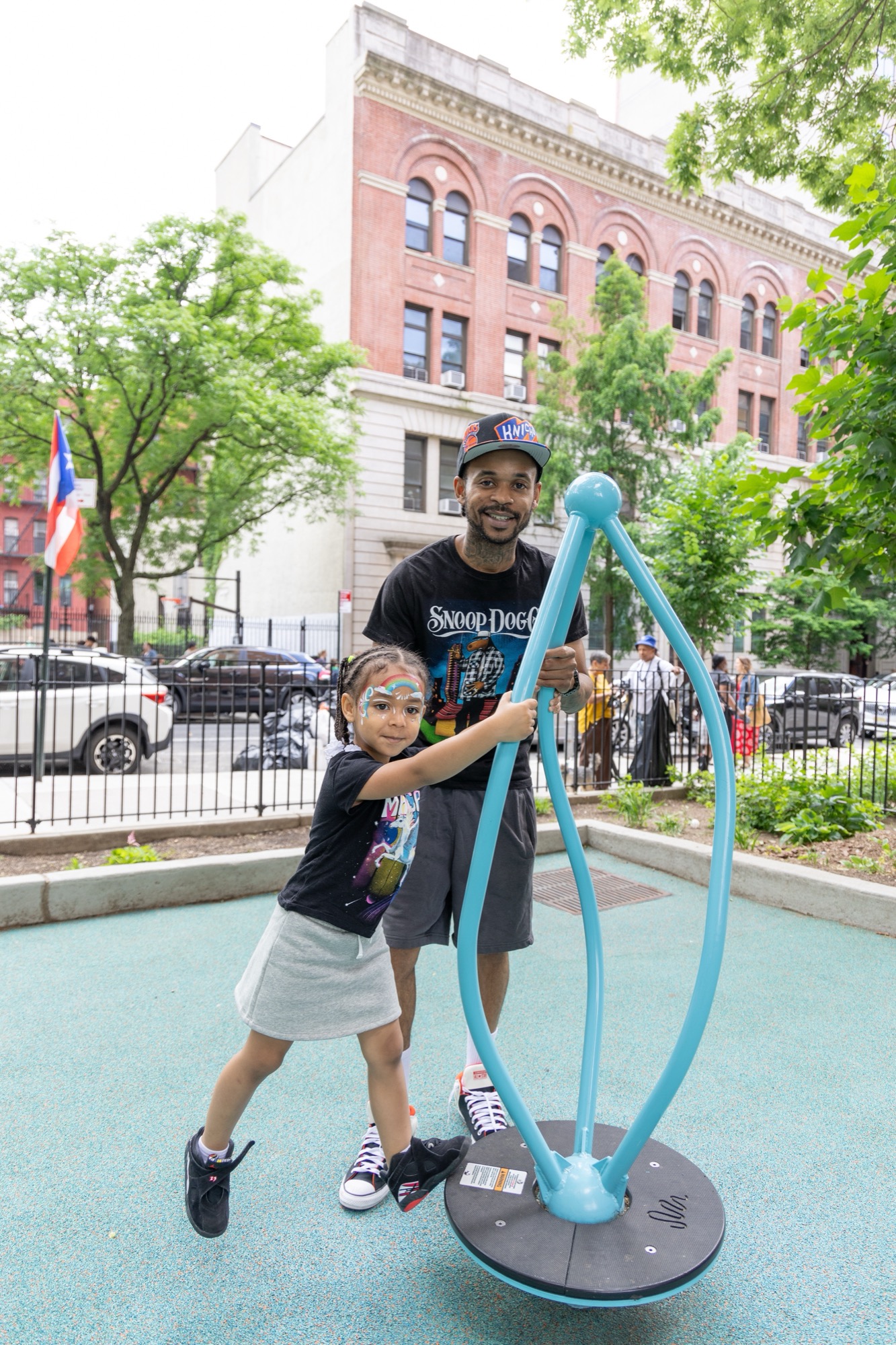
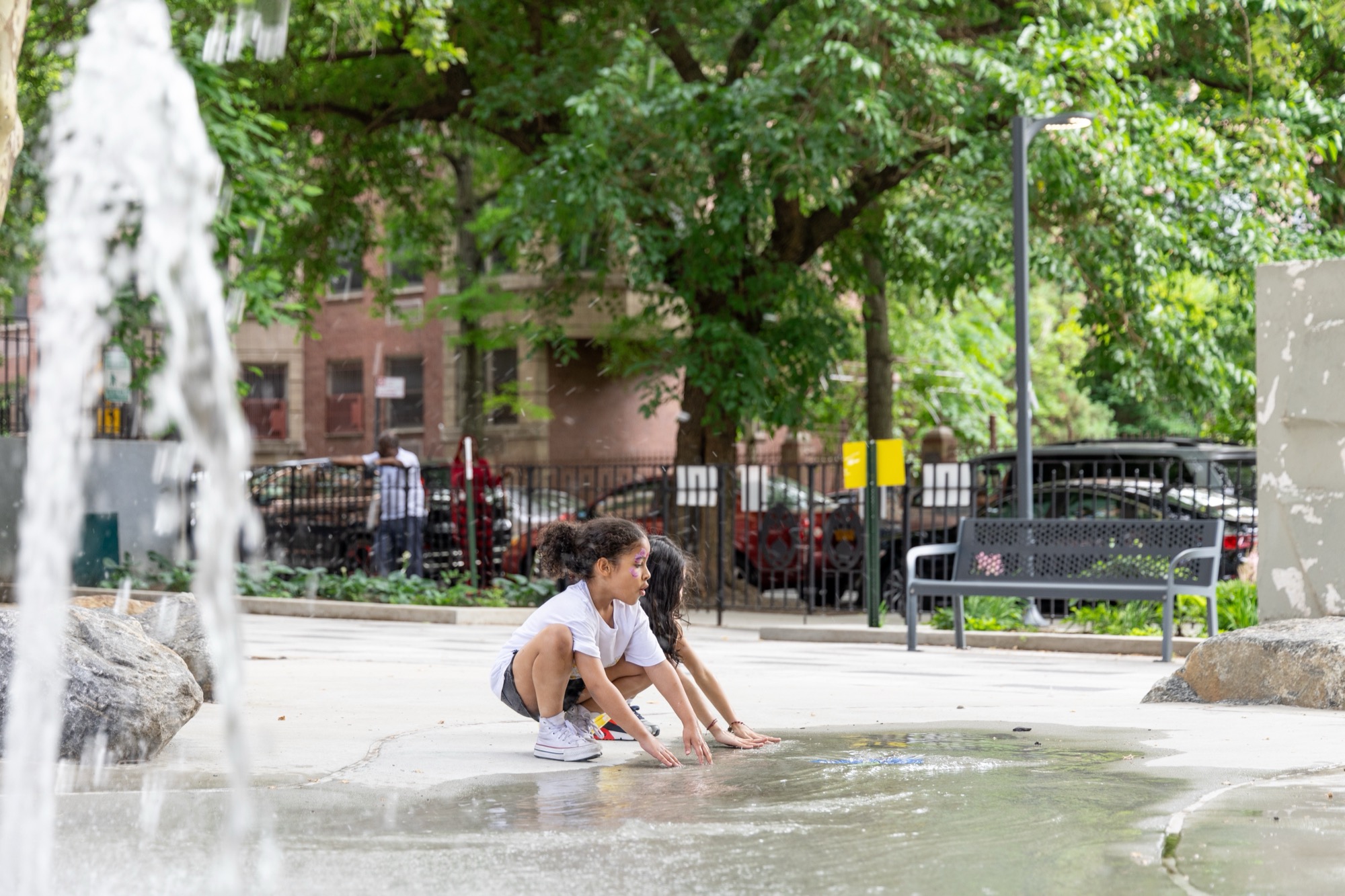
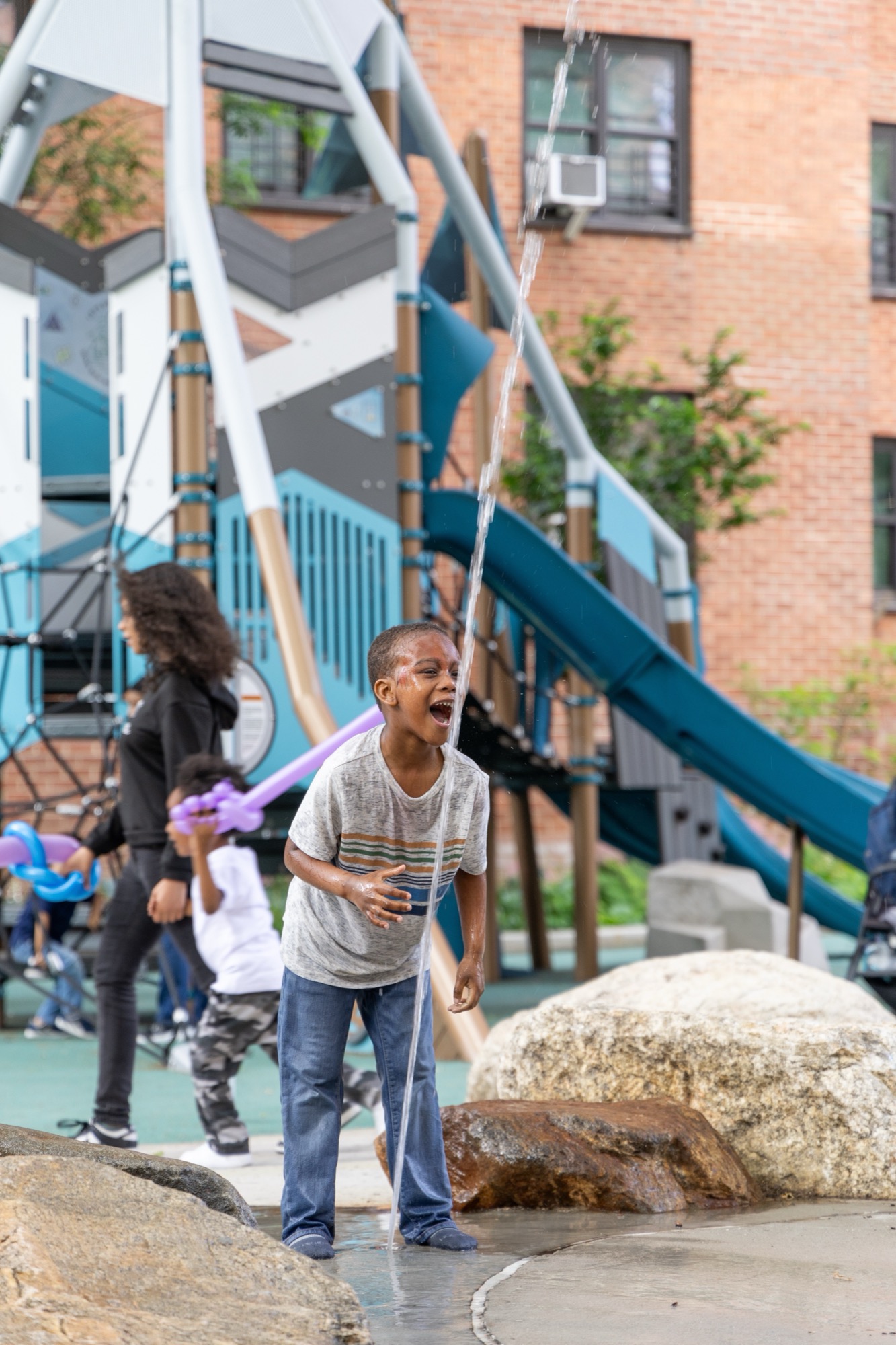
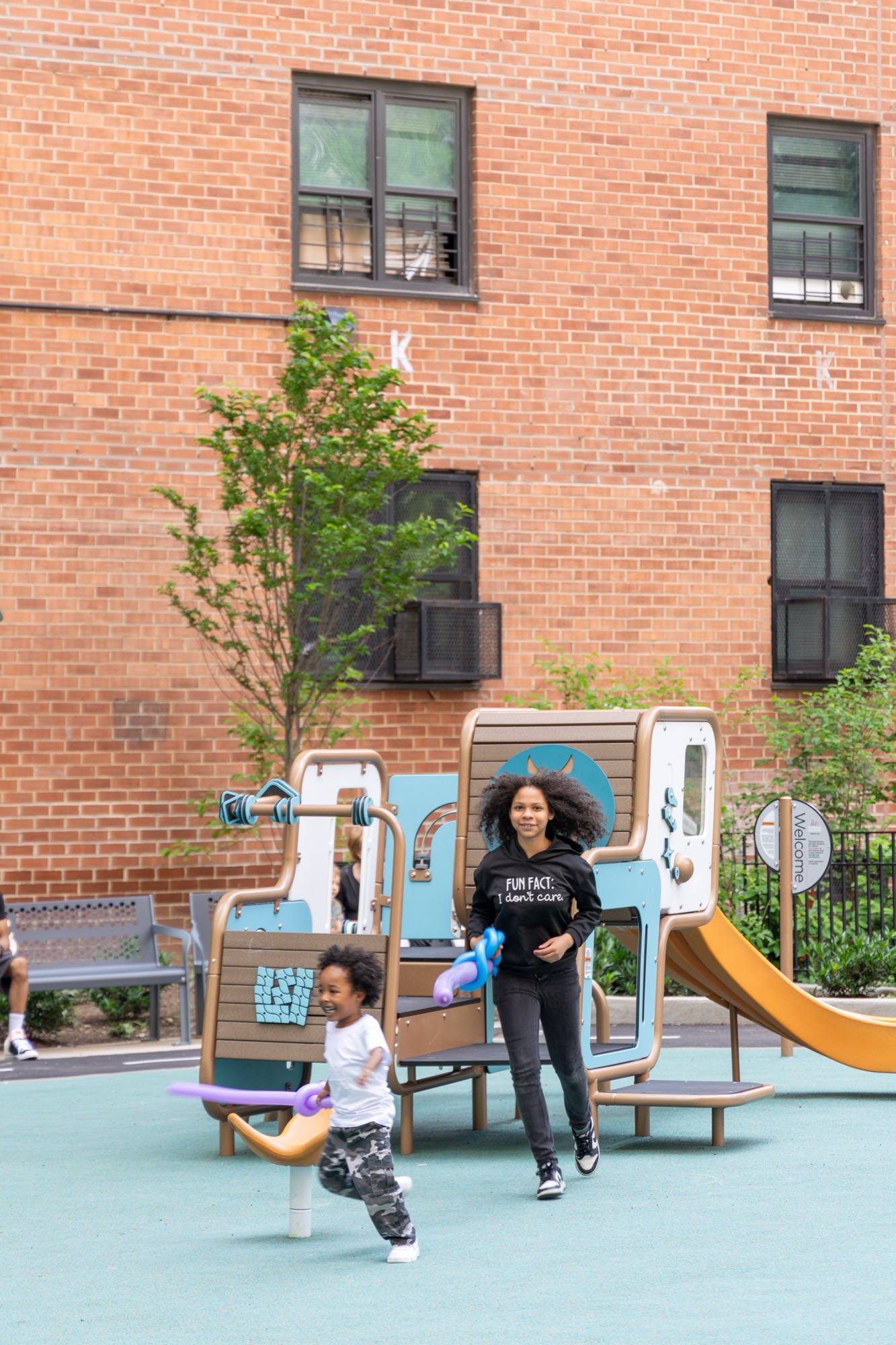
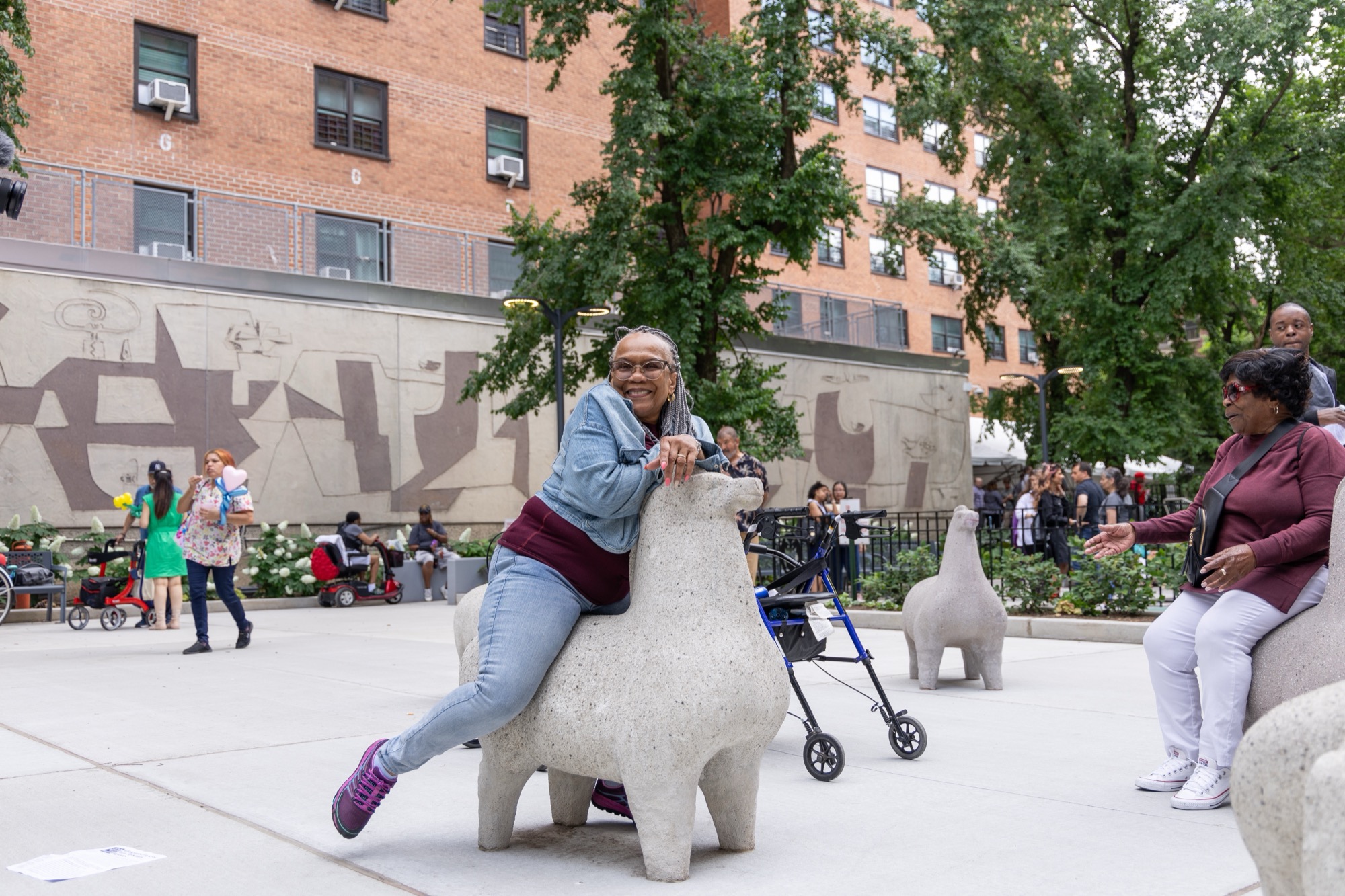
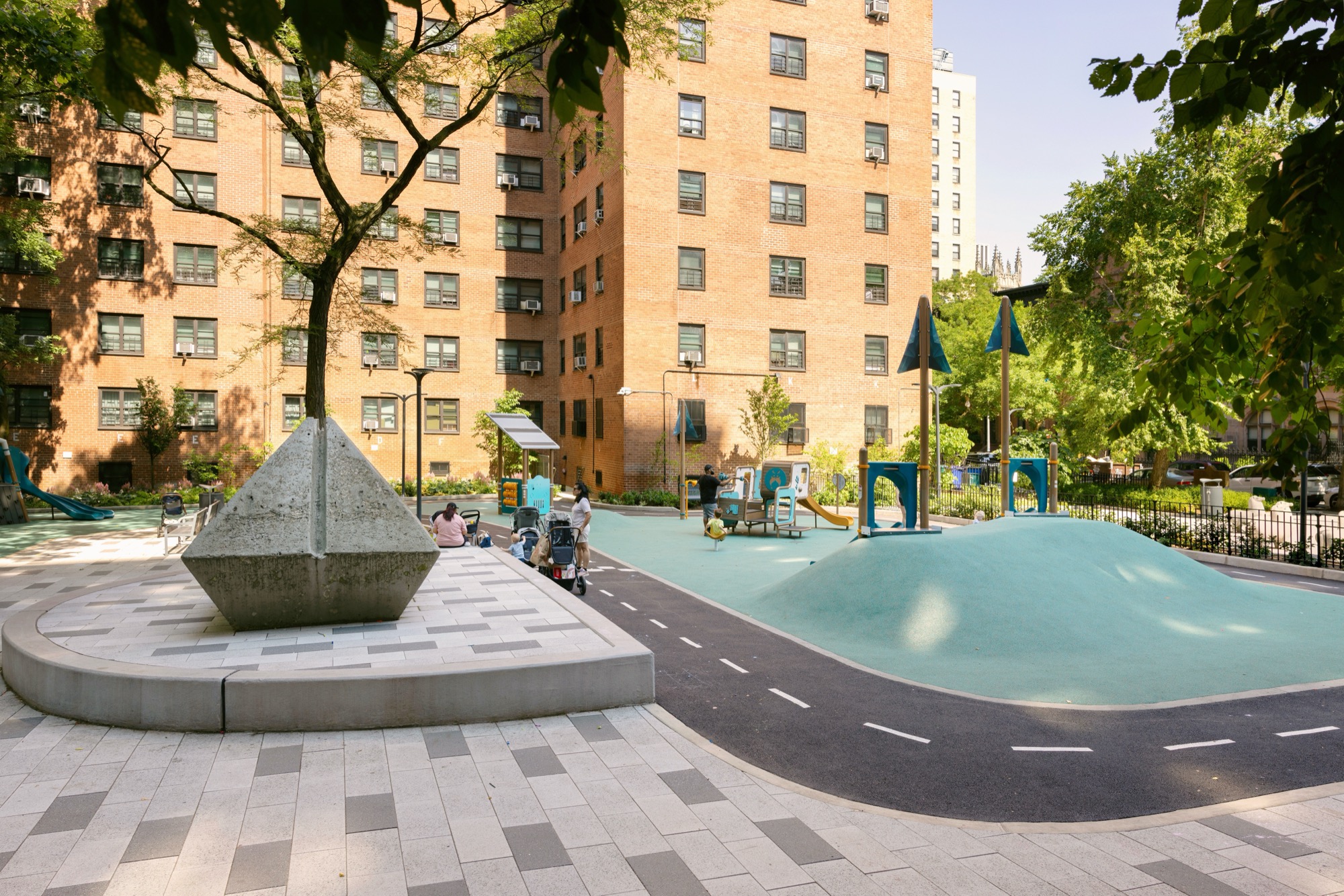
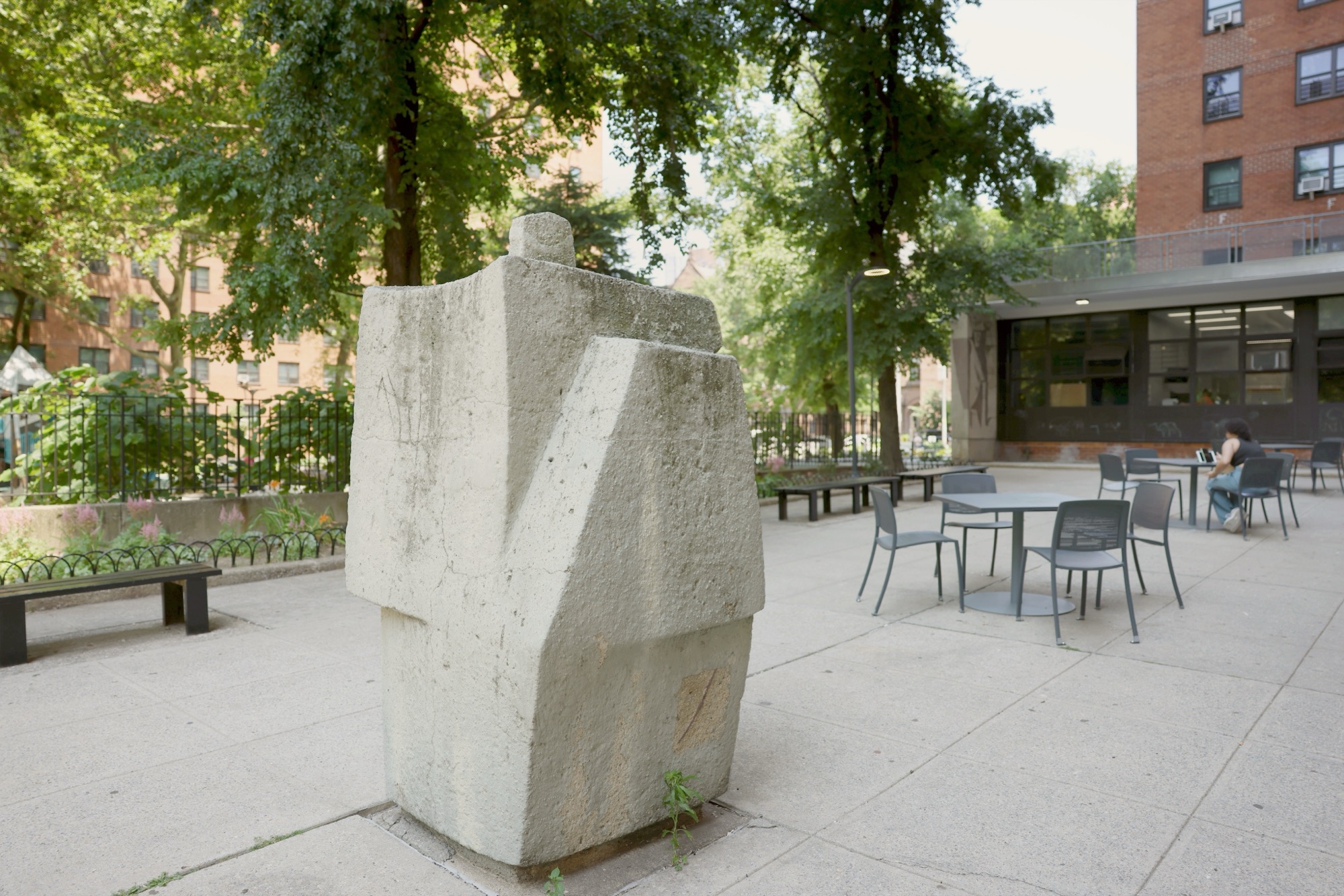
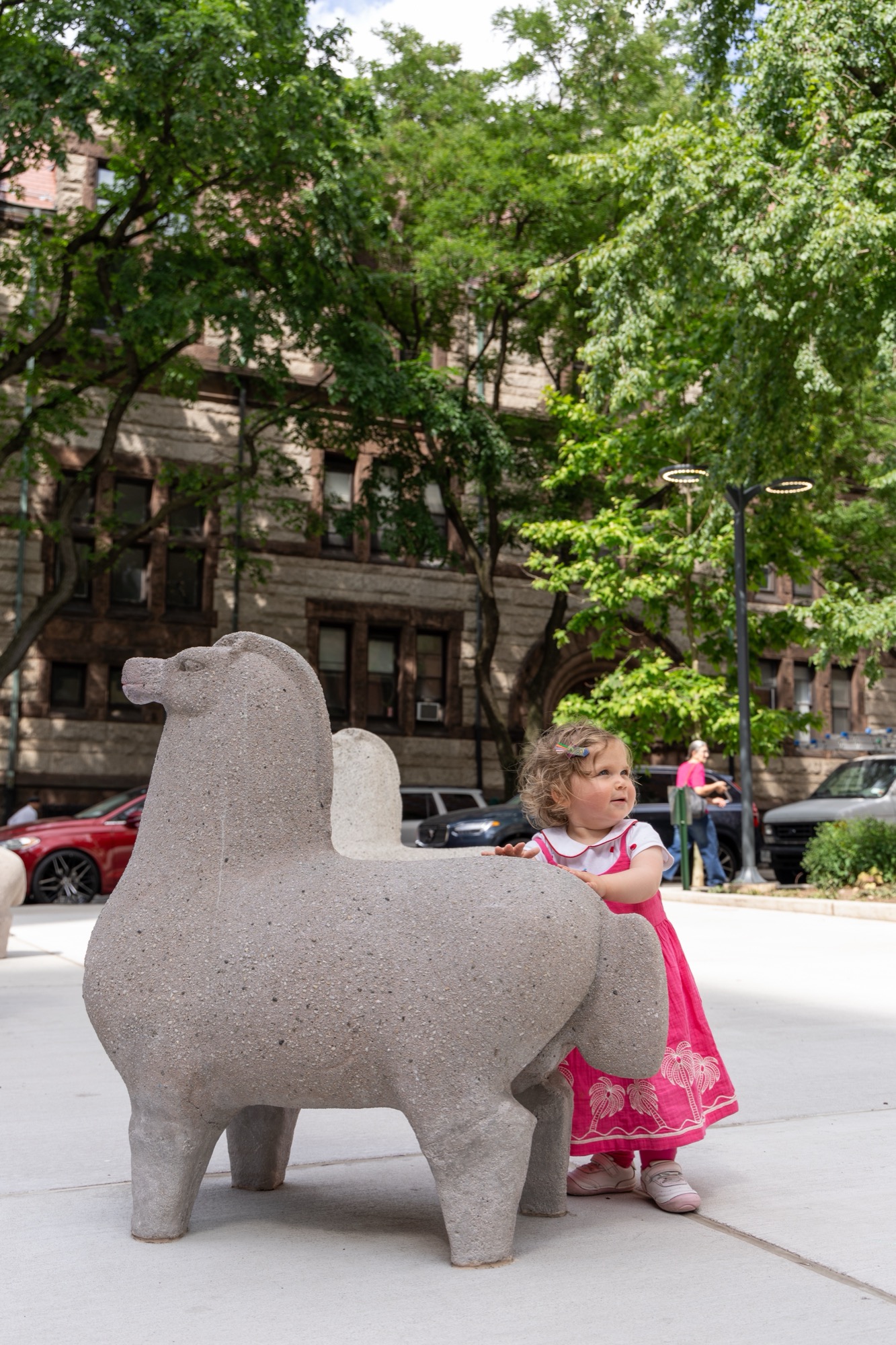
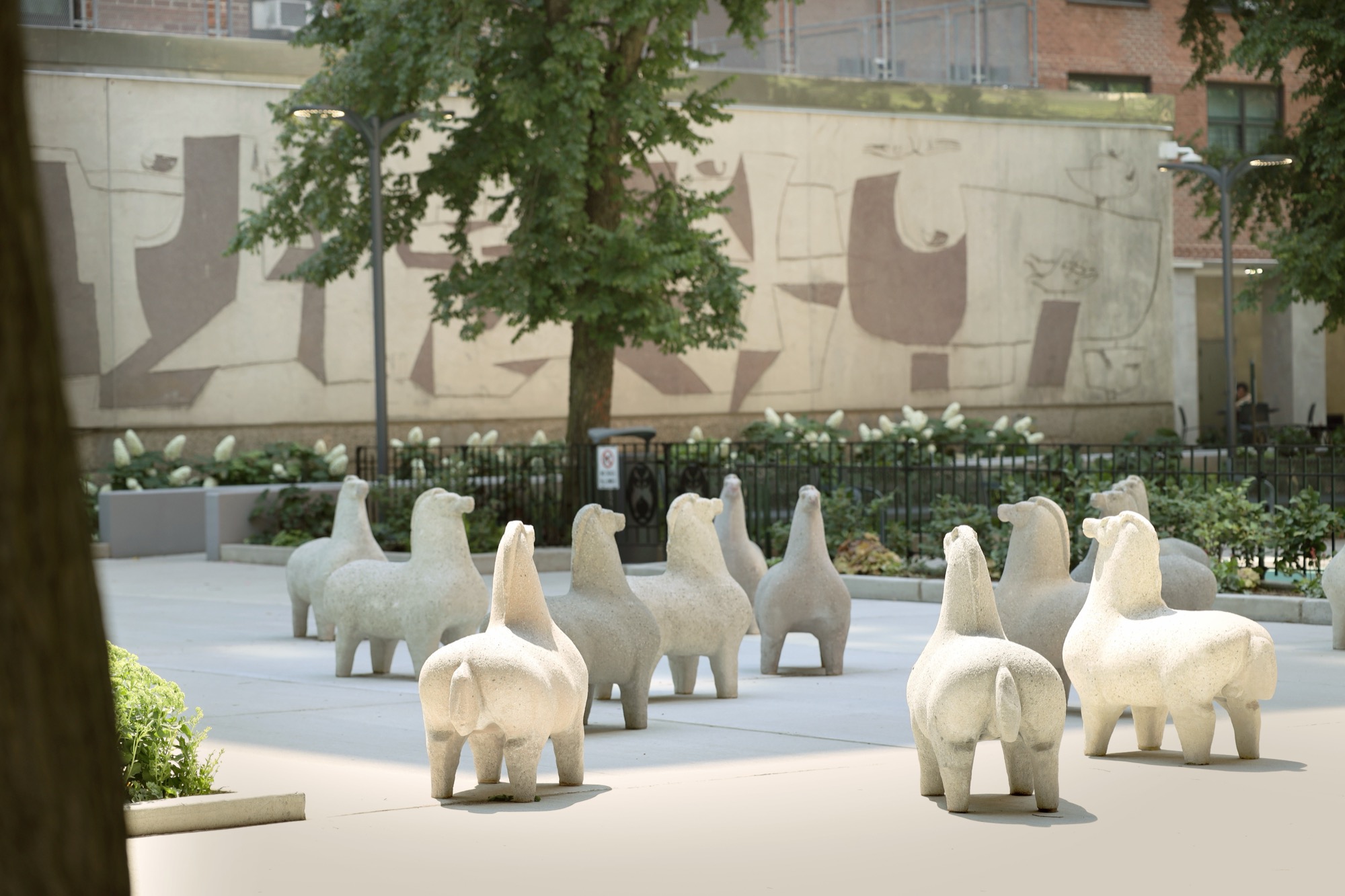
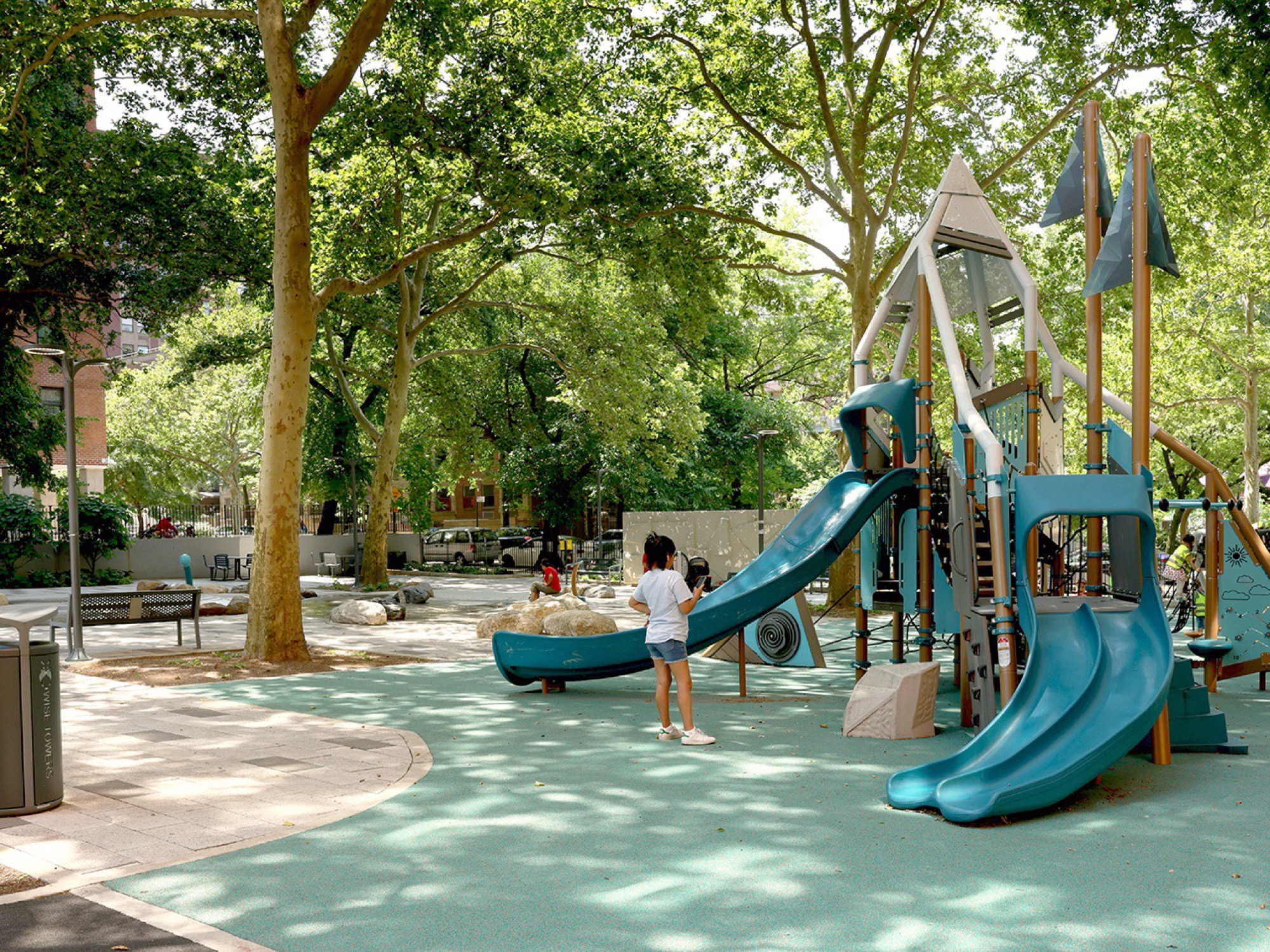
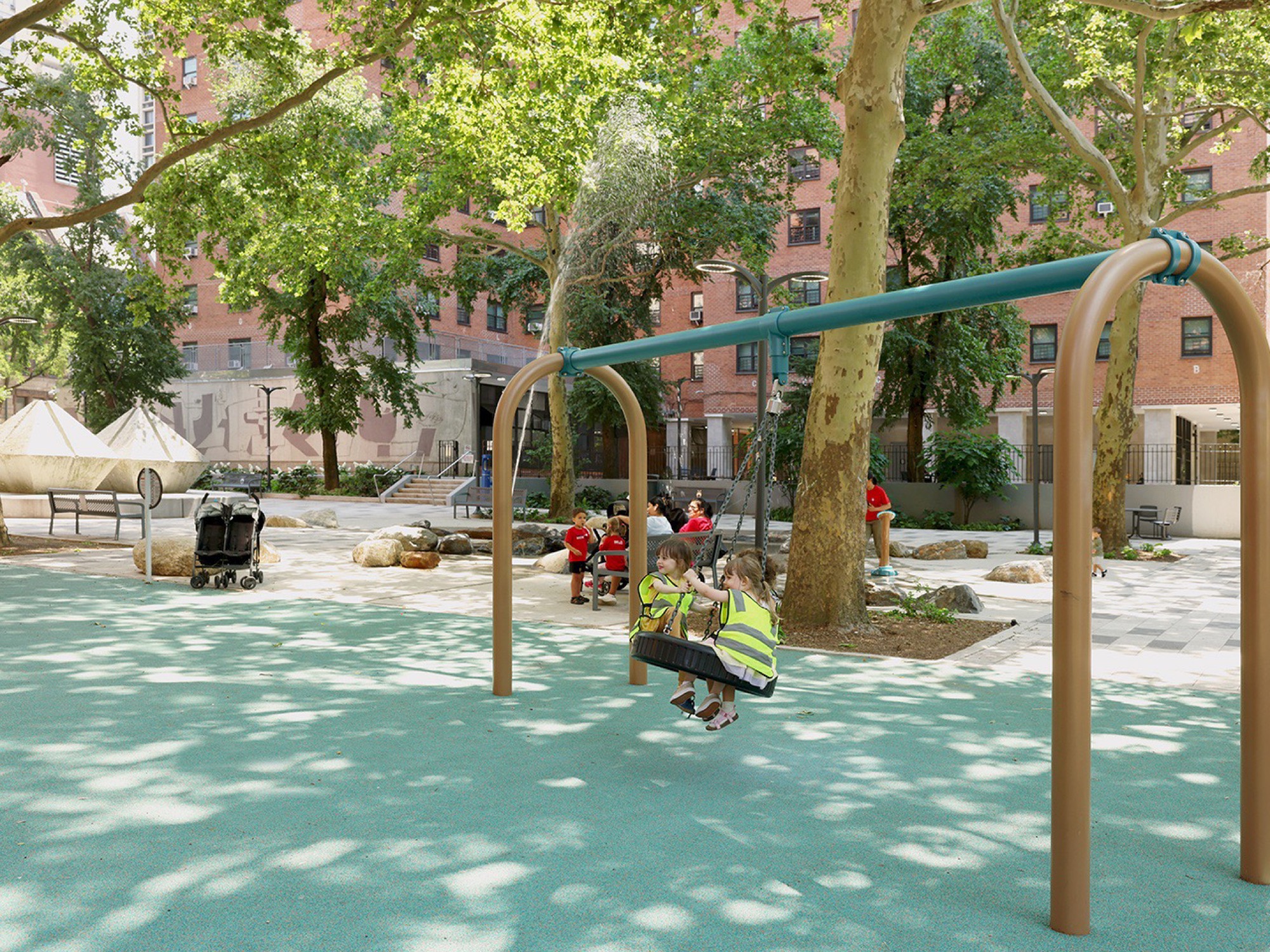

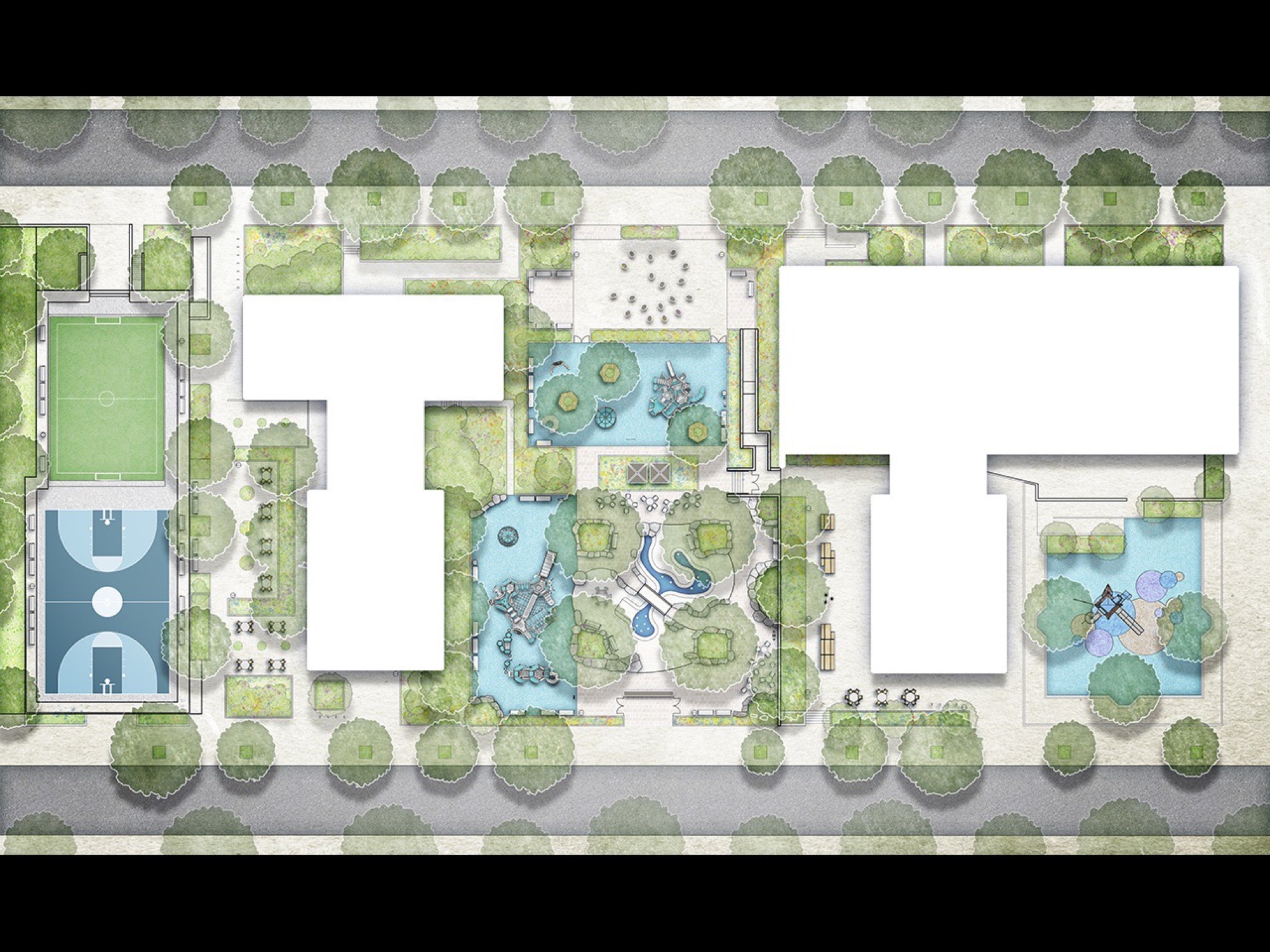
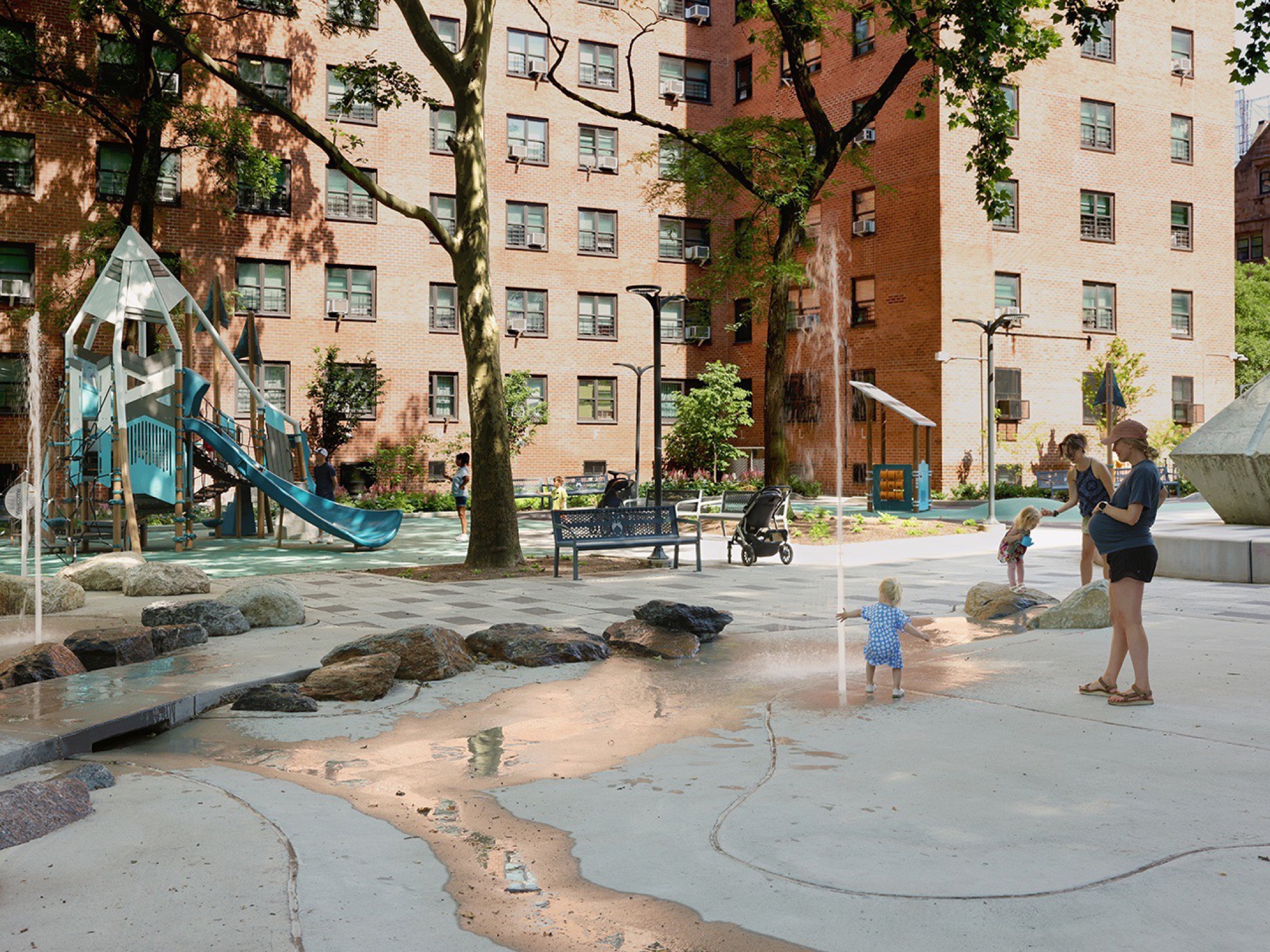
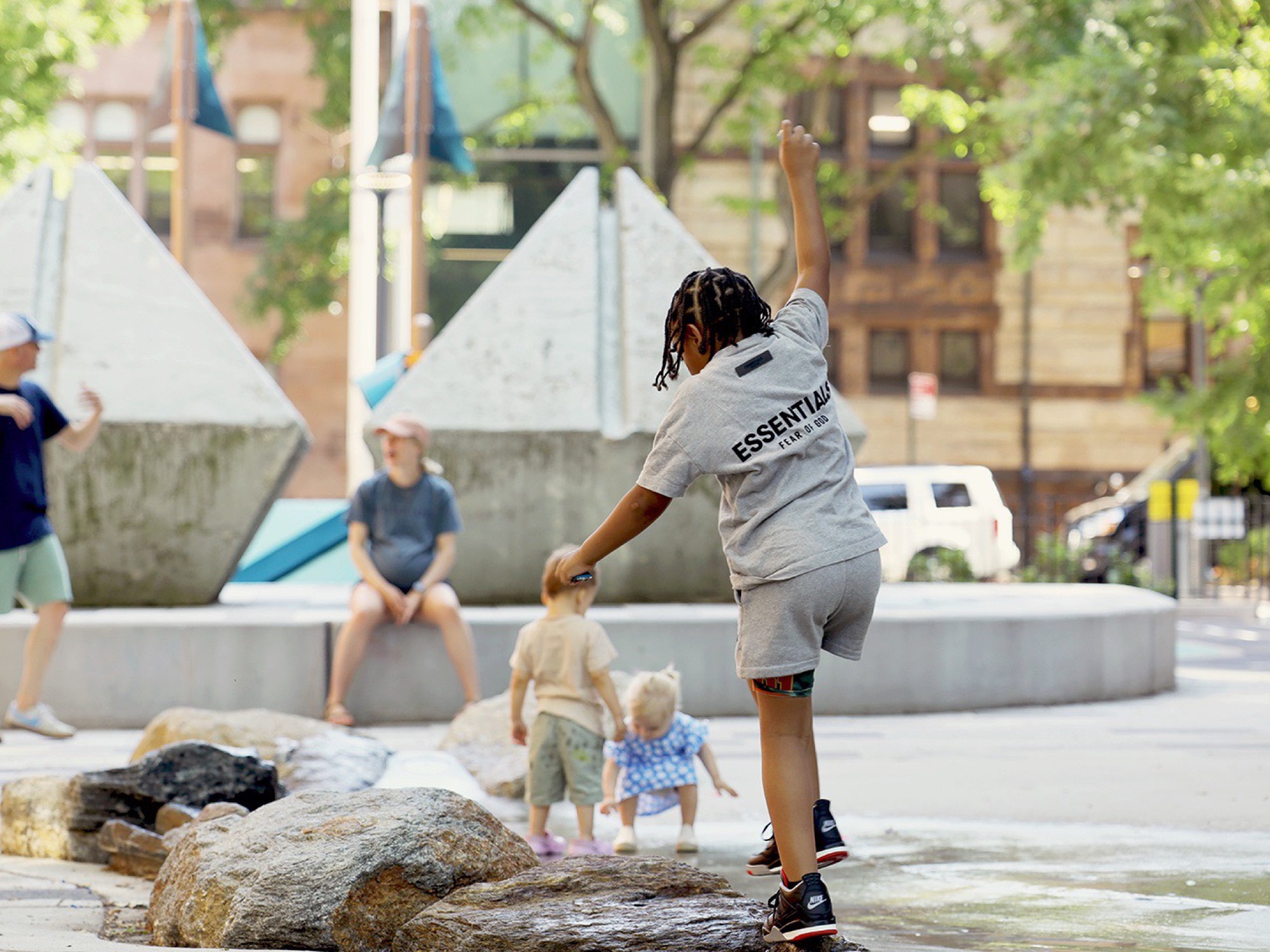
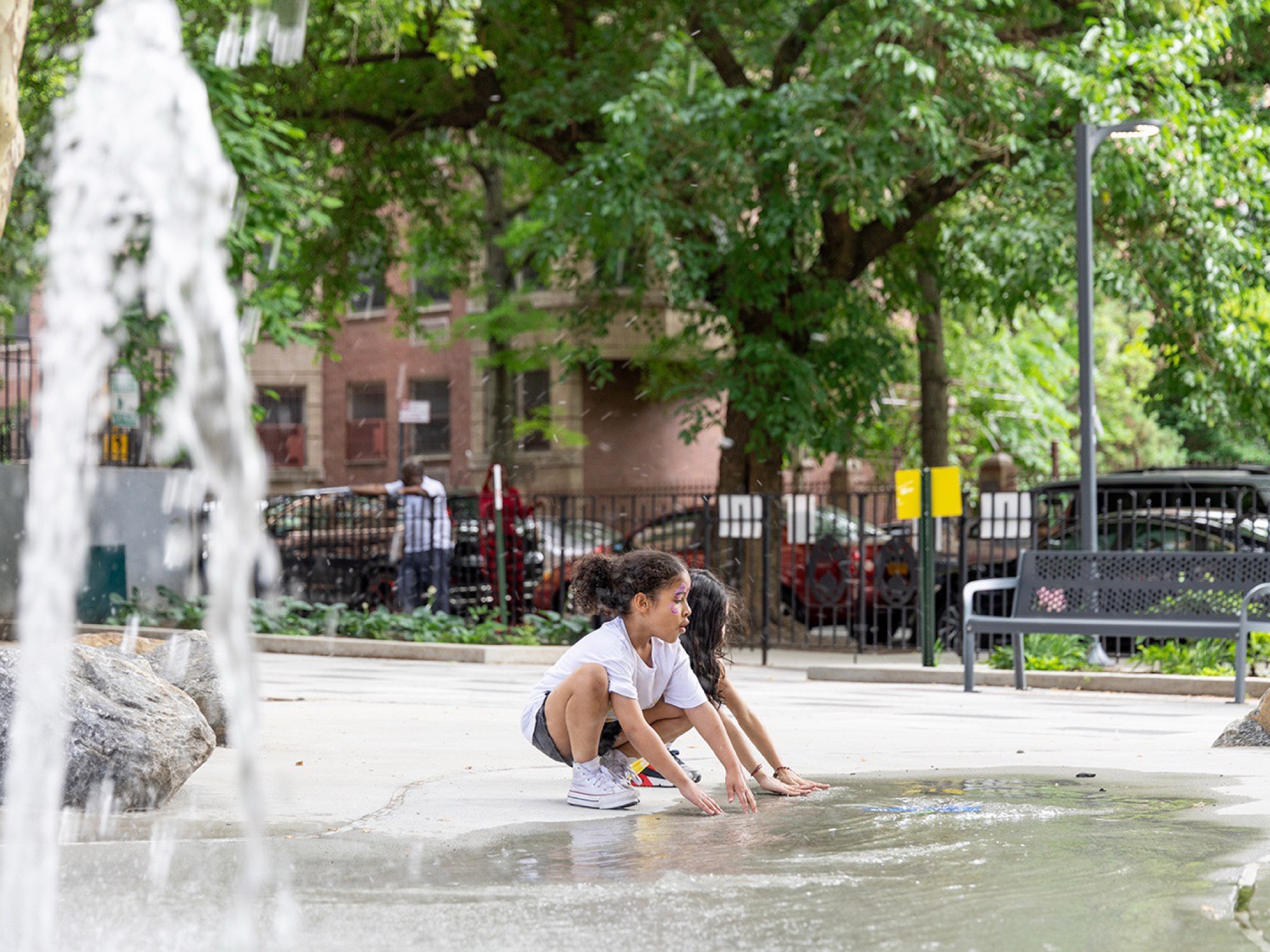
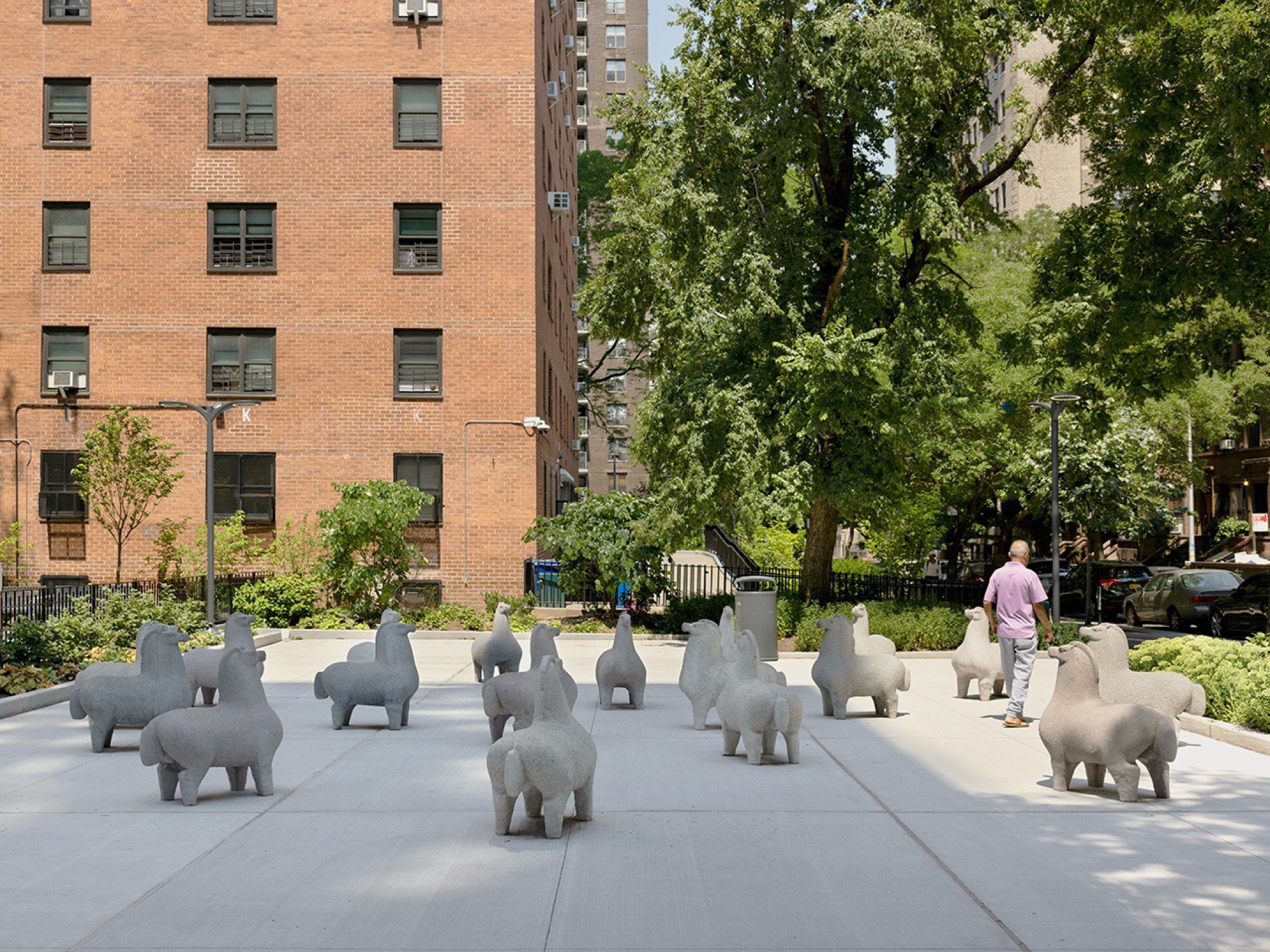
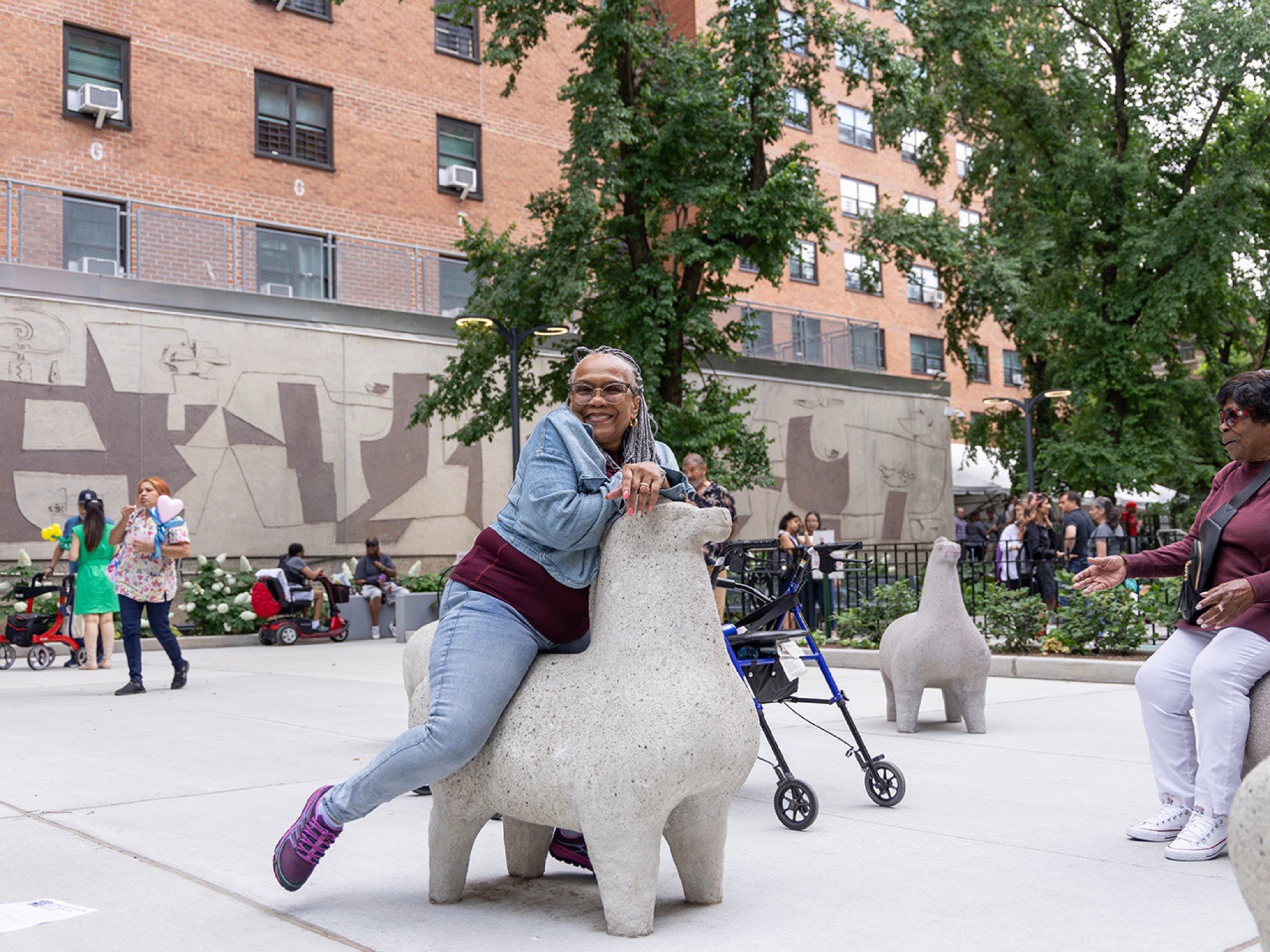
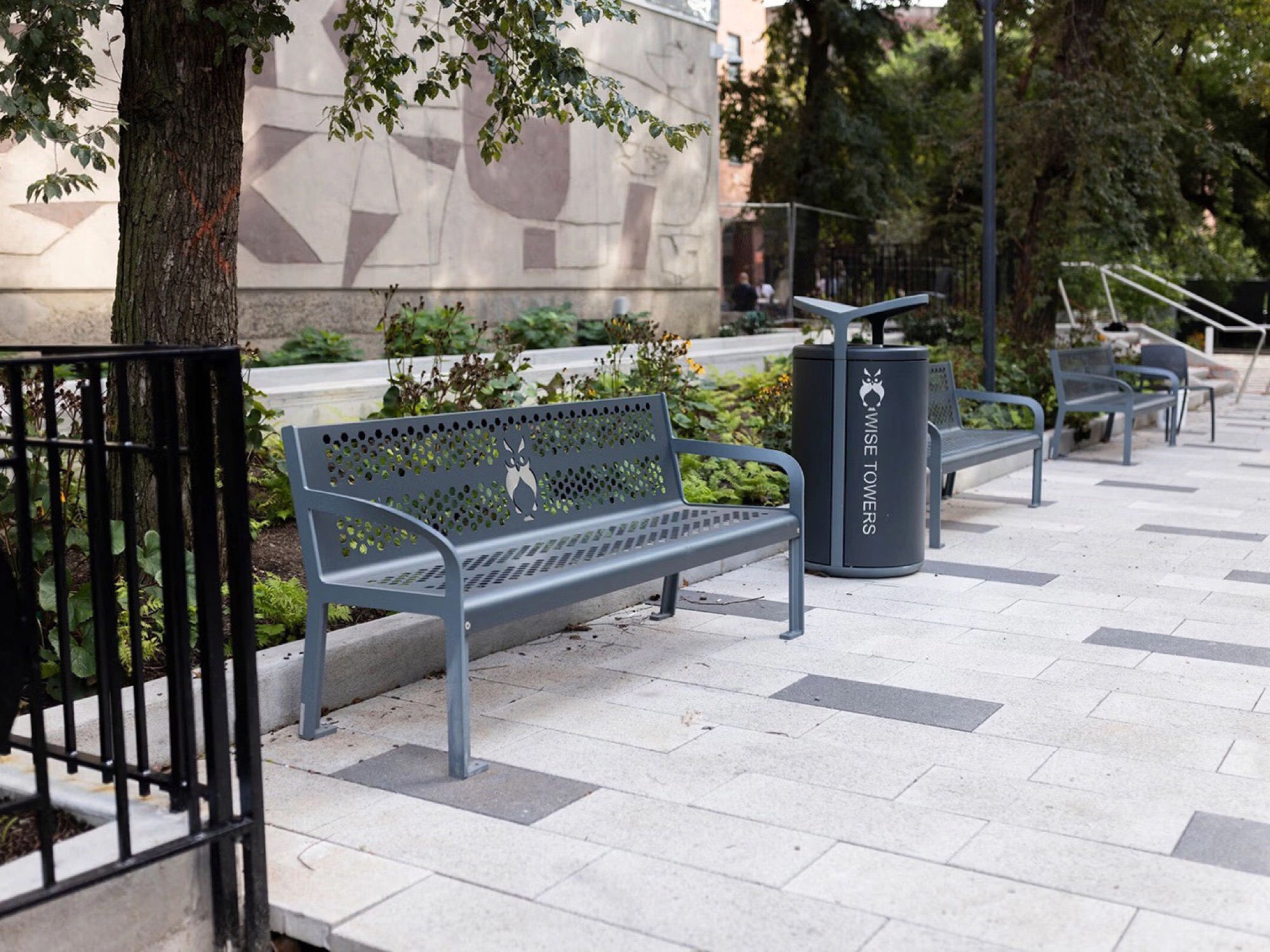
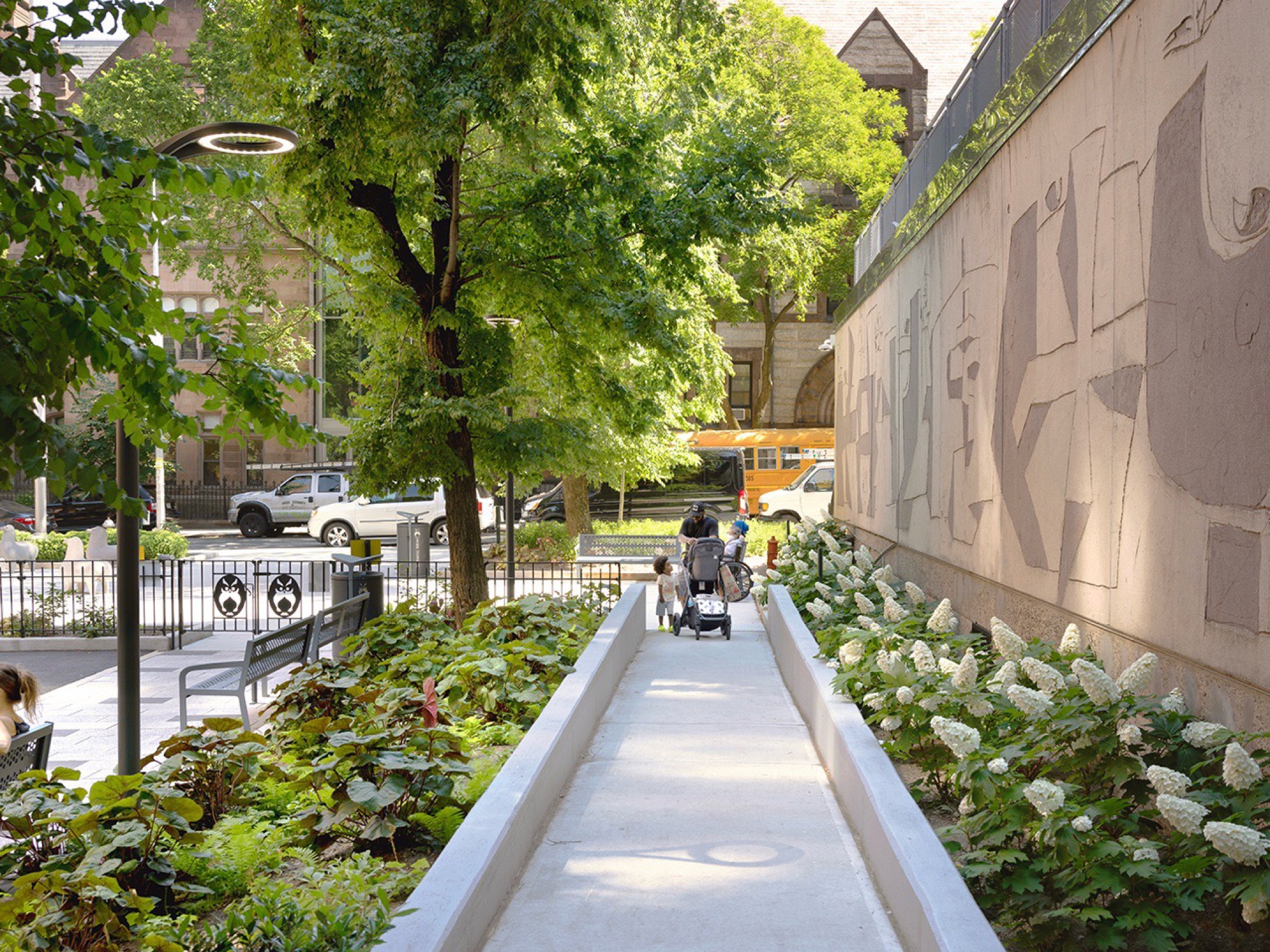
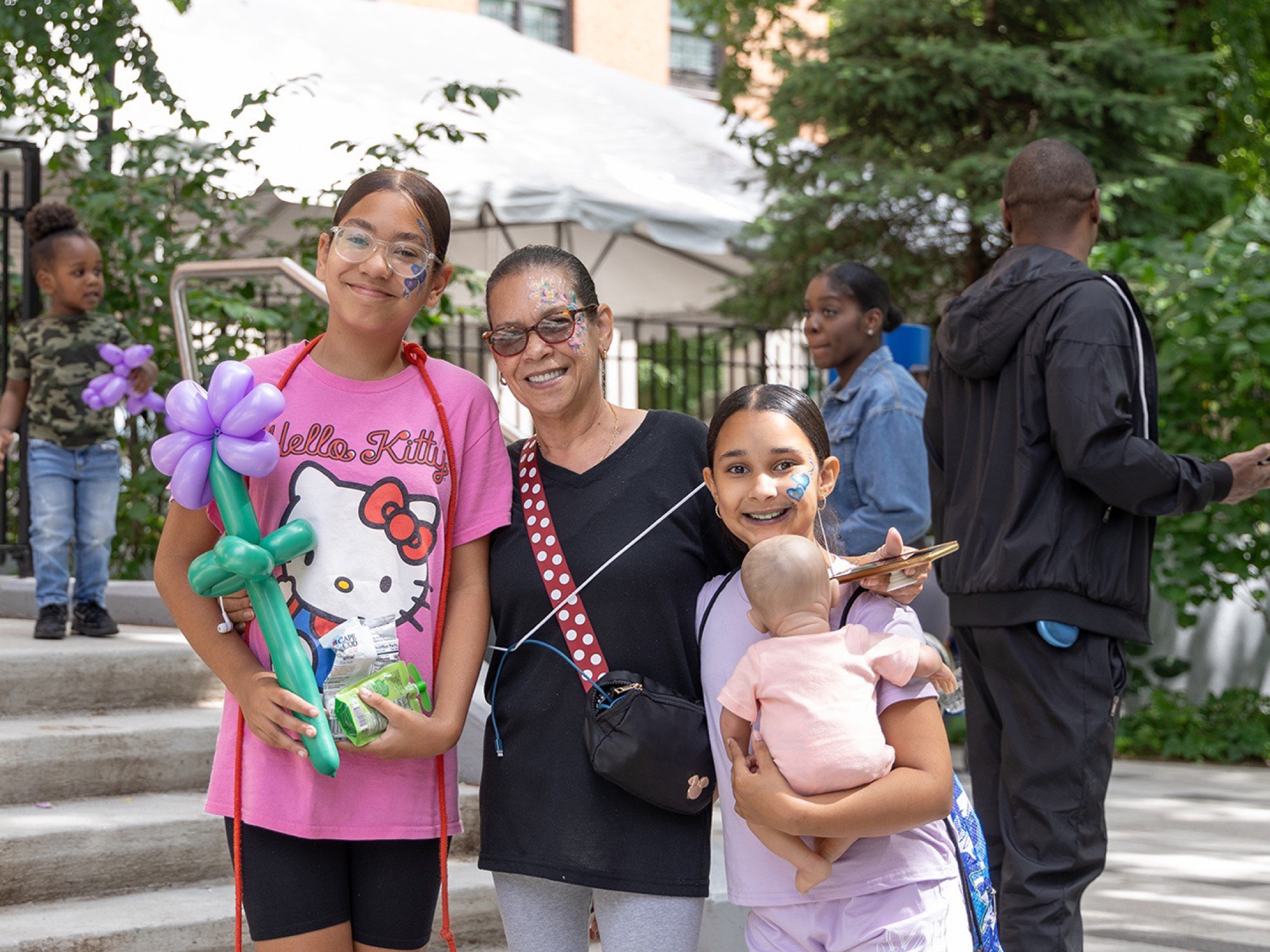
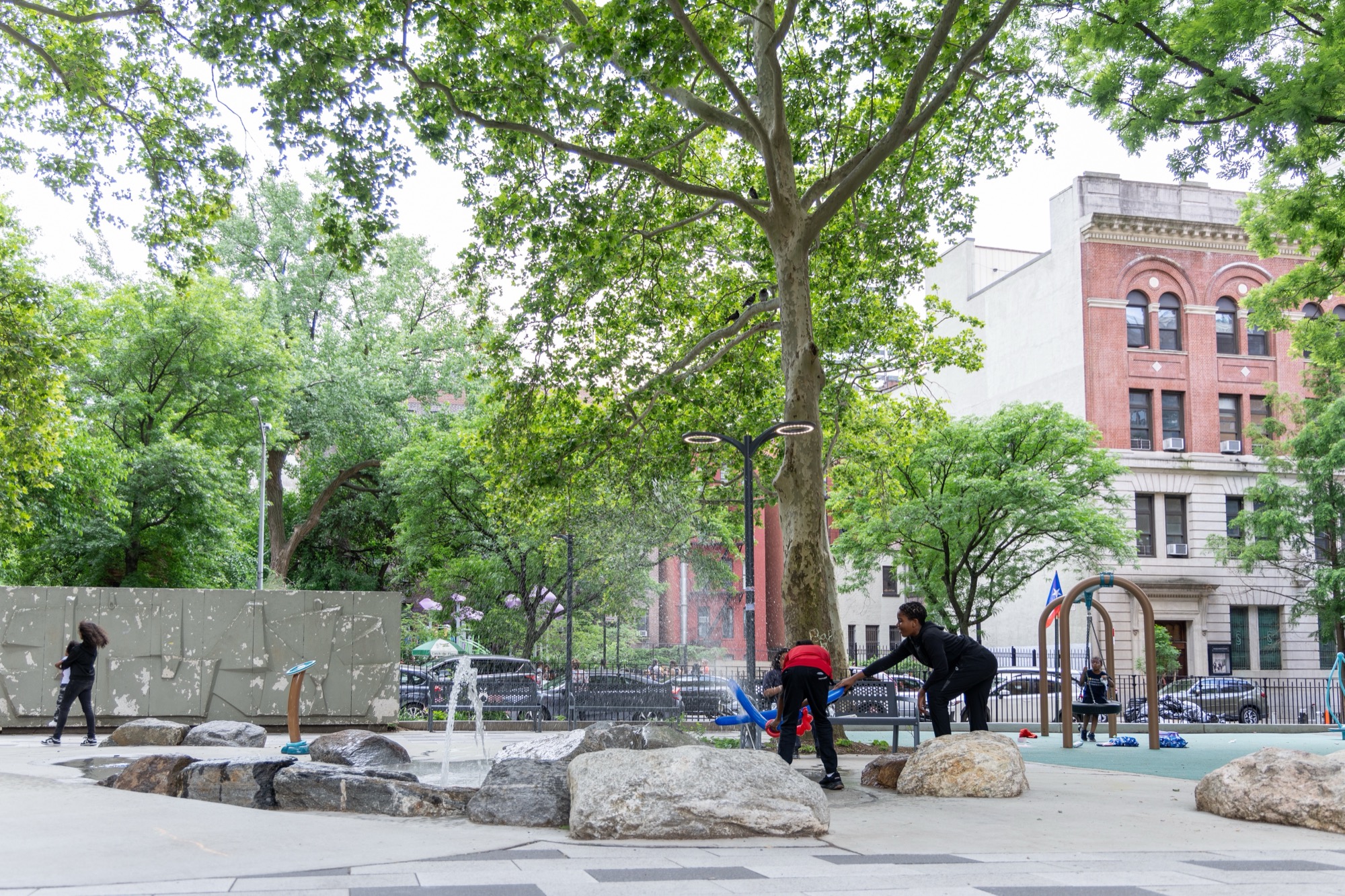
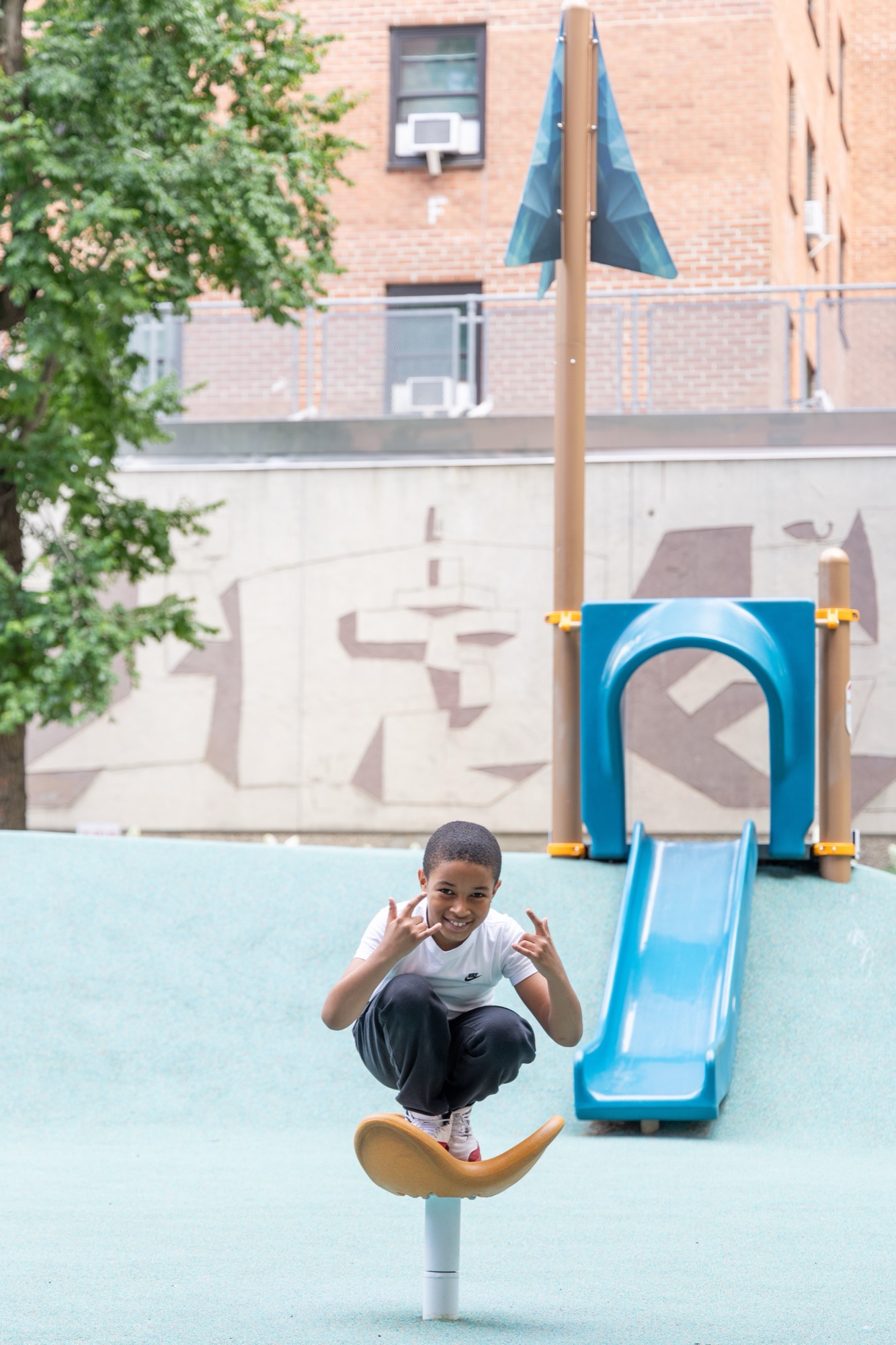
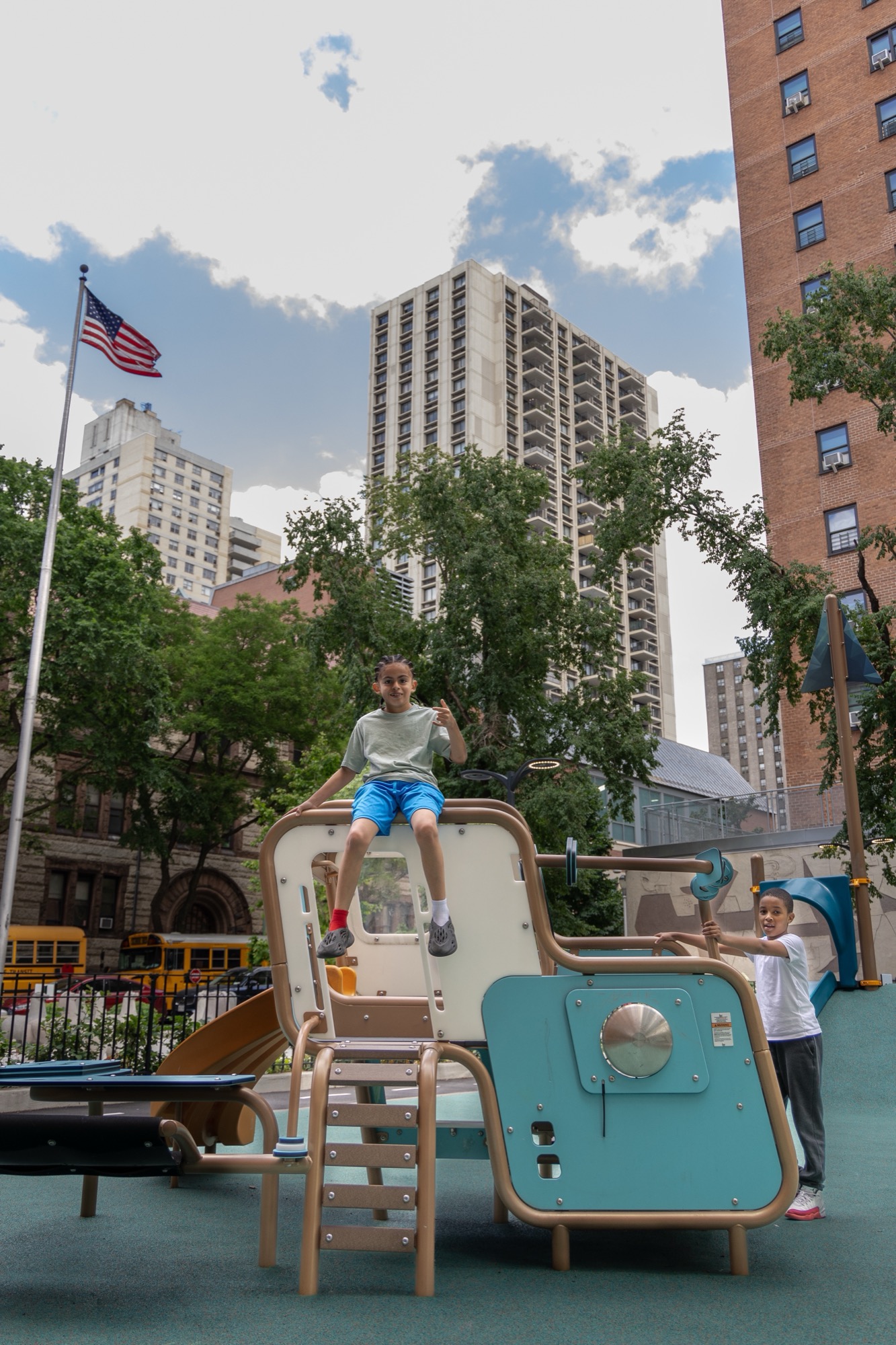
In addition to its distinctive spaces, the original campus featured a unique series of public art pieces by Costantino Nivola. These included an assemblage of 18 concrete horses, carefully arranged in a plaza. When our project began, time and lack of maintenance had reduced these horses to a dismal state. However, we learned that residents still considered them an integral part of Wise Towers’ cultural fabric, as play features and neighborhood icons. Our clients recognized their importance also, allocating resources for a complete restoration of all Nivola pieces onsite. This process involved extensive collaboration with preservation experts as well as Nivola specialists. In the end, we restored all pieces to the artist’s original specifications, and placed them in their exact locations using historic photographs.
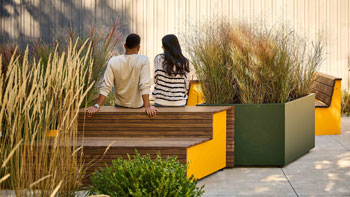
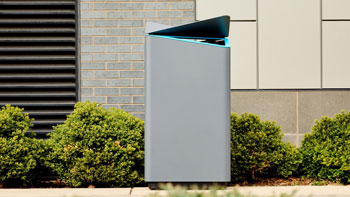
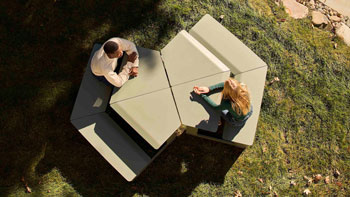
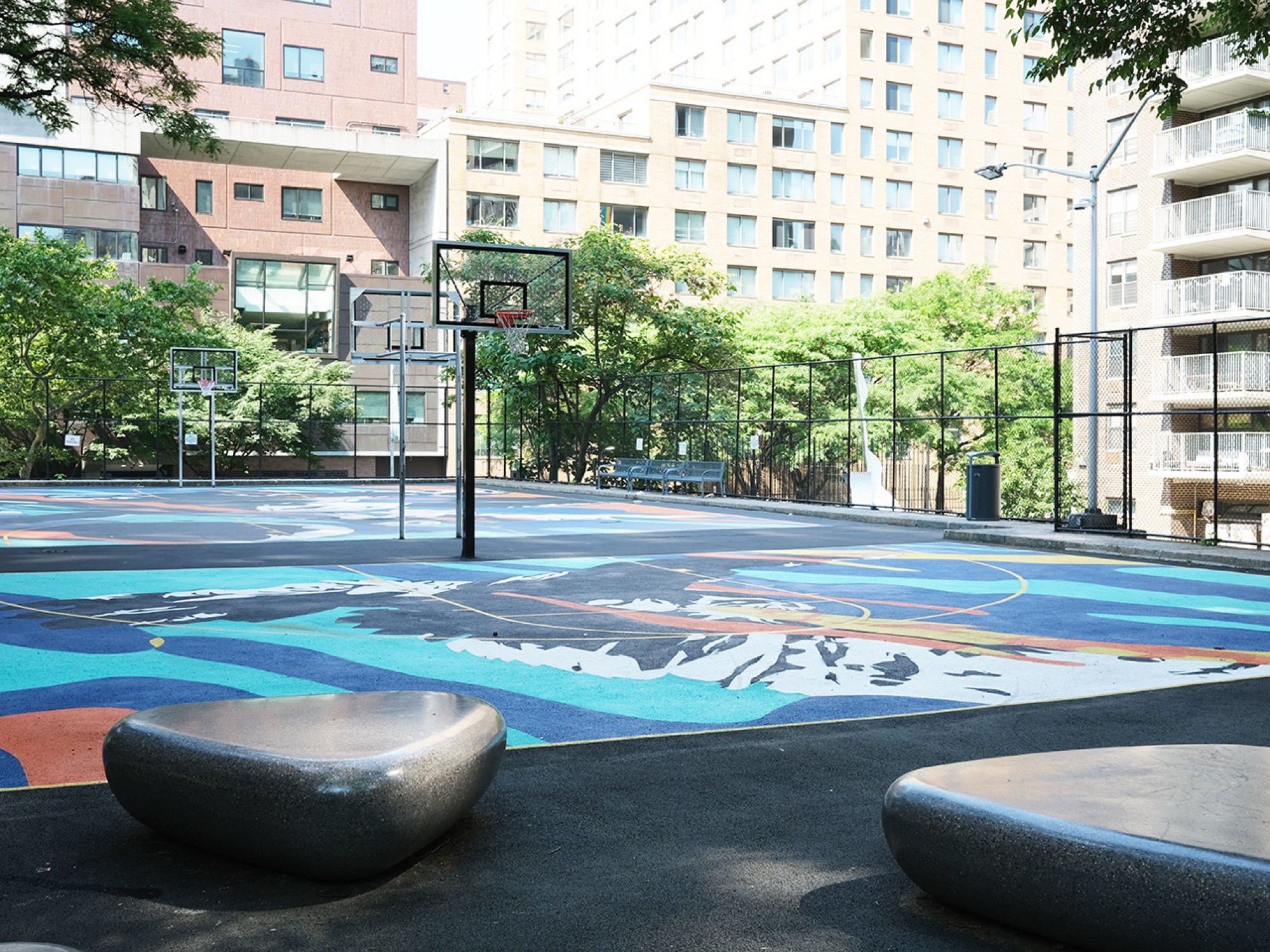
Inspired by the artwork, our project team worked to establish a clear campus identity. We wanted residents to feel proud of their home, feel comfortable using it, help take care of it, and stay actively involved in its evolution. This goal found expression in many ways, including unique graphics we designed and implemented on custom furnishings and gates. This common identity expanded to larger architectural and site elements as well, including a newly commissioned artwork for the basketball court surface.
Since opening, we have received feedback from residents about the effects of our design on new social opportunities and reasons to come outside. We have continued to work on further improvements as the space settles in, and have recently begun collaboration with a group of professors to study the urban health effects of Wise Towers and similar places. We expect to use these findings to build on the project’s success in future public housing efforts.
117 W 90th St, New York, NY 10024
73588


LILA 2026 Sponsor