The PLOT Project
www.porturbanism.com
2026 Public Projects / USA / Built in 2023 /

![The project transforms an incomplete highway into a continuous civic and ecological gateway that reconnects downtown Knoxville to its expansive Urban Wilderness through landscape infrastructure, multimodal access, and public programming. In the early 1980s, the Tennessee Department of Transportation halted construction of the James White Parkway, leaving behind a fragmented 2.2-mile roadway extending south from […]](https://landezine-award.com/wp-content/uploads/2026/05/00_Urban-Wilderness-Gateway-Park_74265_Hero-Image-600x338.jpg "Urban Wilderness Gateway Park")
![The Cobbs Creek Playground demonstrates how community voices and environmental stewardship can come together to create something extraordinary. The Cobbs Creek Nature Playground is a vibrant and inclusive nature-based play environment located in West Philadelphia. Located in a historically underinvested site at the edge of Philadelphia’s municipal boundary, this transformative project creates a keystone of […]](https://landezine-award.com/wp-content/uploads/2026/05/00_Cobbs-Creek-Nature-Playground_74265_Hero-Image-338x600.jpg "Cobbs Creek Nature Playground")
![Overview Augusta Quarry transforms a former limestone quarry into an accessible, ecologically rich public swimming venue that celebrates dramatic topography, history, and community use. The project elevates a beloved but precarious swimming site into a resilient, inclusive destination, setting a benchmark for reclamation-led landscape architecture. Located within Knoxville’s Urban Wilderness, the design formalizes safety and […]](https://landezine-award.com/wp-content/uploads/2026/05/00_Augusta-Quarry_74265_Hero-Image-600x338.jpg "Augusta Quarry")
![Aspire Park redefines public gathering and open space in a rural community in East Tennessee, transforming a 180-acre site at the bend of the Clinch River into a dynamic destination for recreation, ecology, and cultural engagement. A widely popular site in the region, the park brings together a wide range of people looking to engage […]](https://landezine-award.com/wp-content/uploads/2026/05/00_Aspire-Park_74265_Hero-Image-600x338.jpg "Aspire Park")
The Plot Project, created for Exhibit Columbus 2022-23, reimagines public space at the intersection of landscape design, biodiversity, and community engagement. Awarded the J. Irwin and Xenia S. Miller Prize for its innovative approach to civic and ecological design, the project was conceived in response to that year’s chosen theme: “Public by Design.”
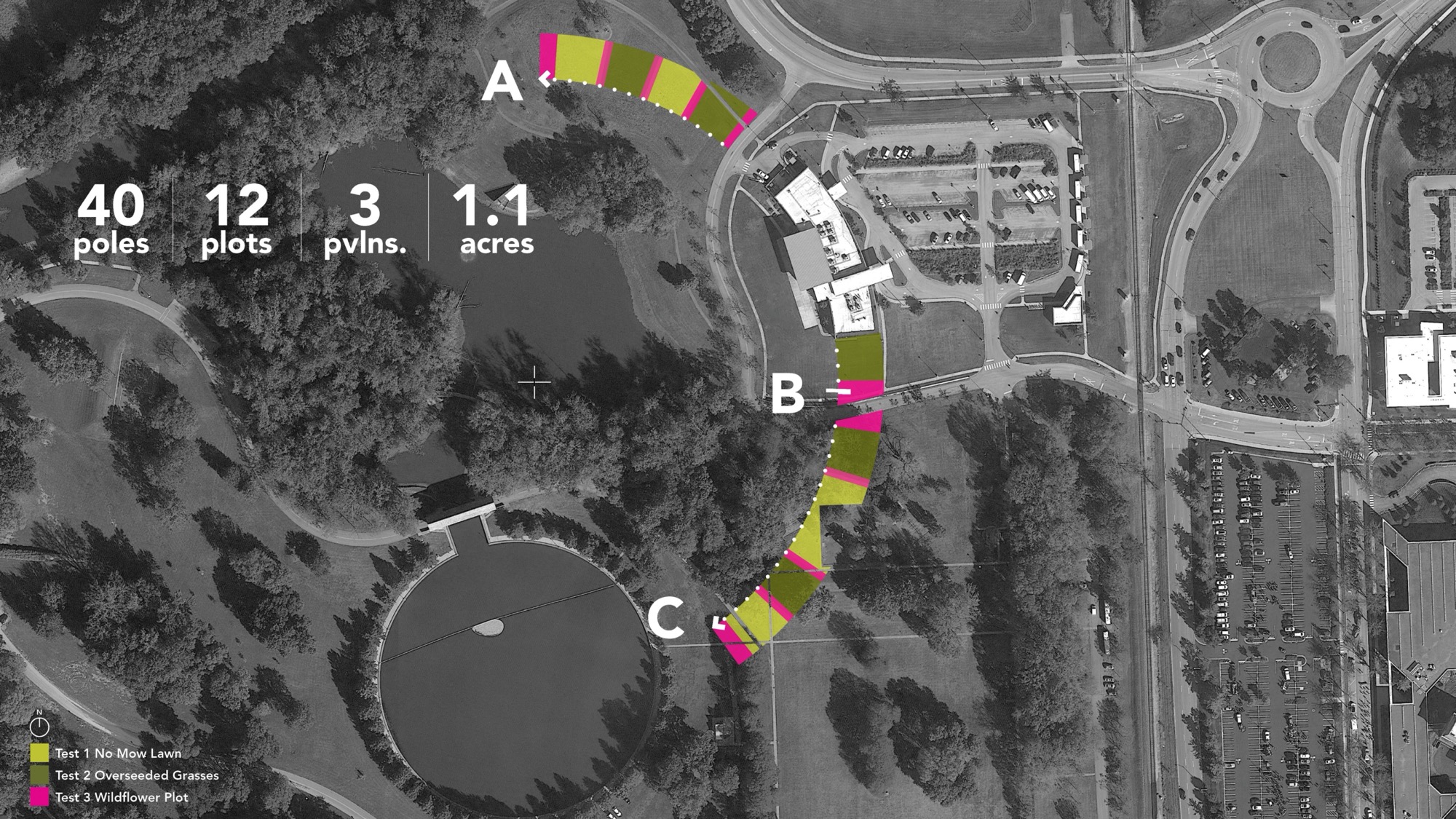
As part of the exhibit’s process, PORT worked with the Mill Race Center community and the City of Columbus Parks Department to create the project. Situated at Mill Race Park, adjacent to the vibrant Mill Race [Senior] Center, the project transforms approximately one acre into a living rewilding experiment and social gathering space. The project’s primary purpose was to make visible the Mill Race Center community while communicating alternative futures for lawn-dominated public landscapes through direct, accessible experience. The PLOT Project was conceived as a public-facing communication platform that uses landscape intervention, signage, and digital media to shift perceptions of aging, ecology, and the role of exhibitions in civic space.
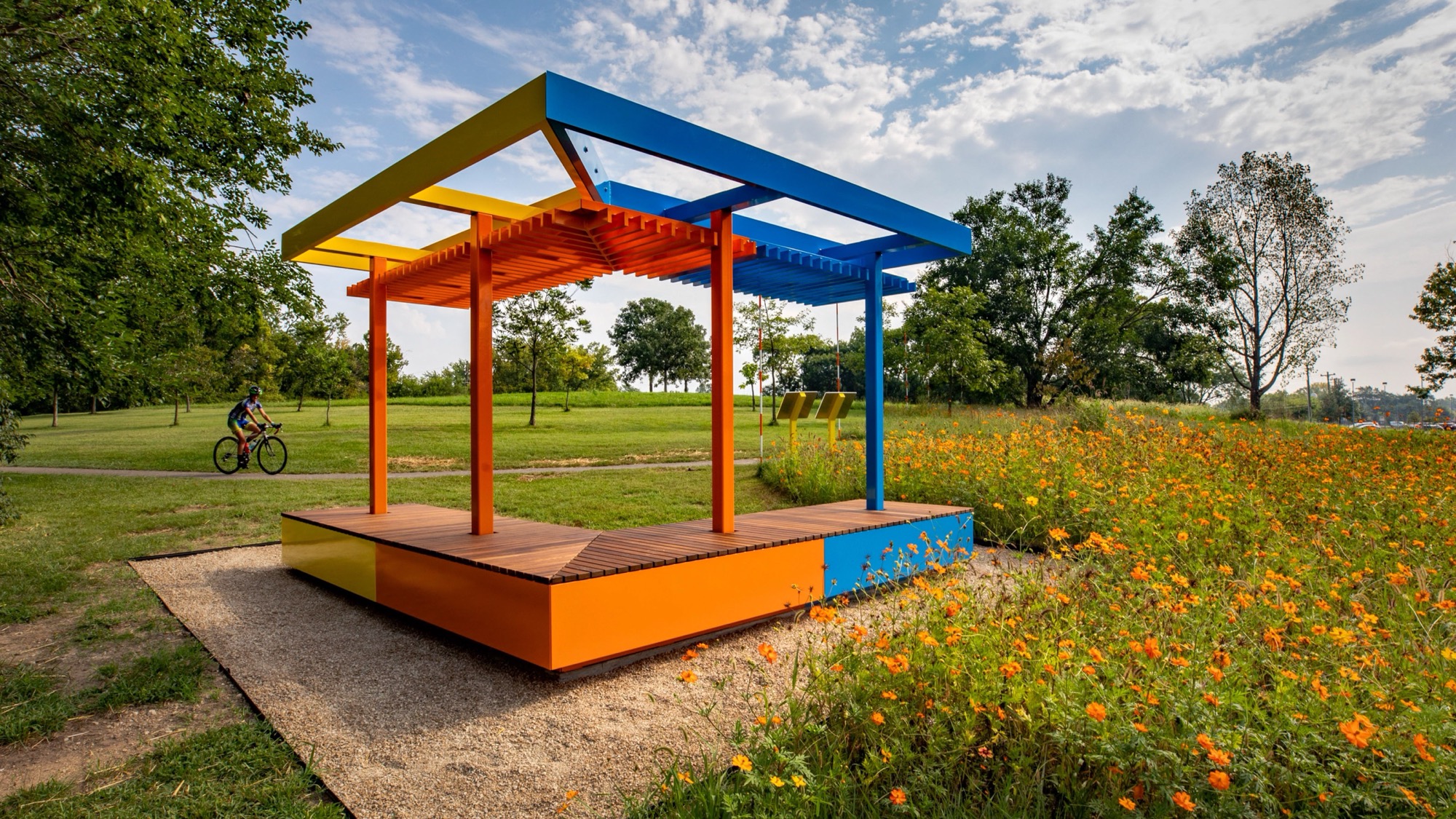
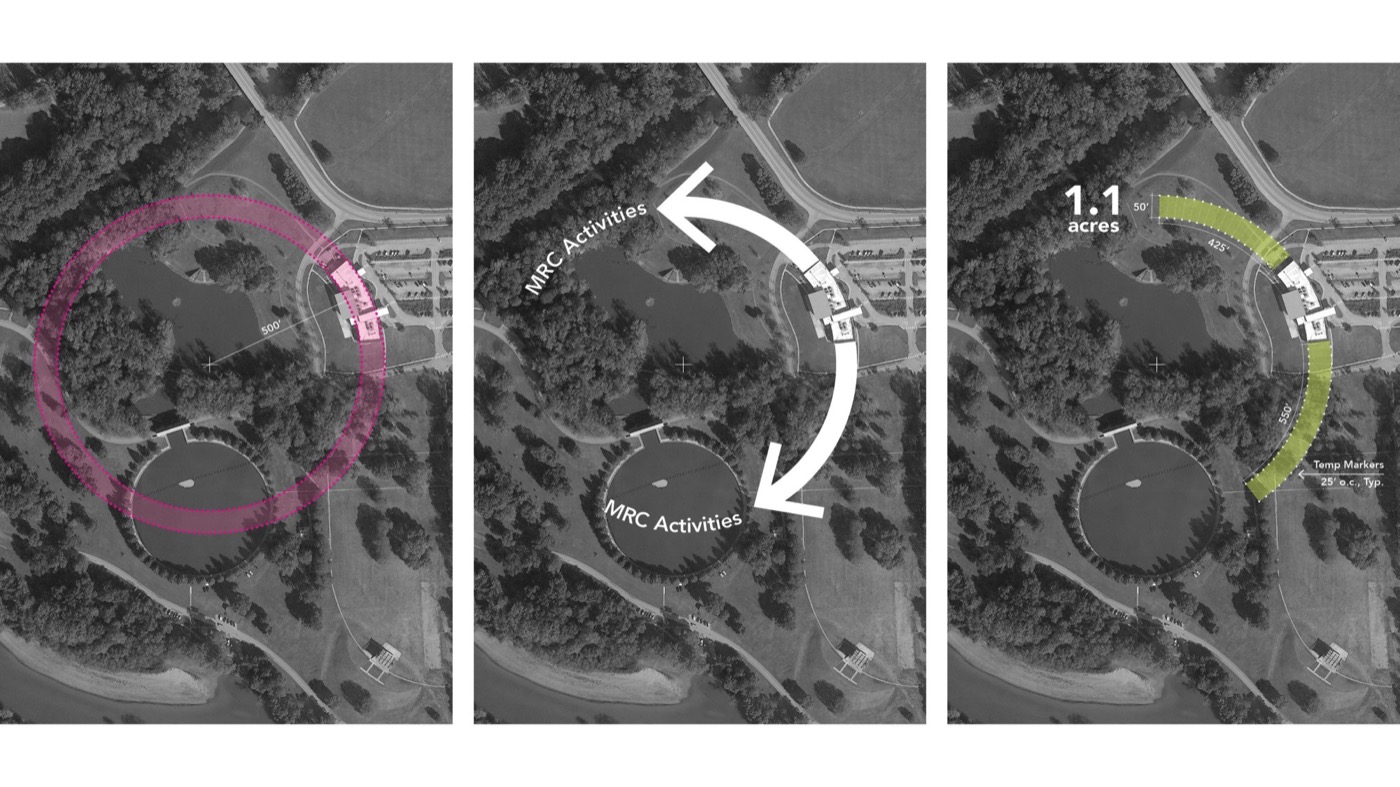
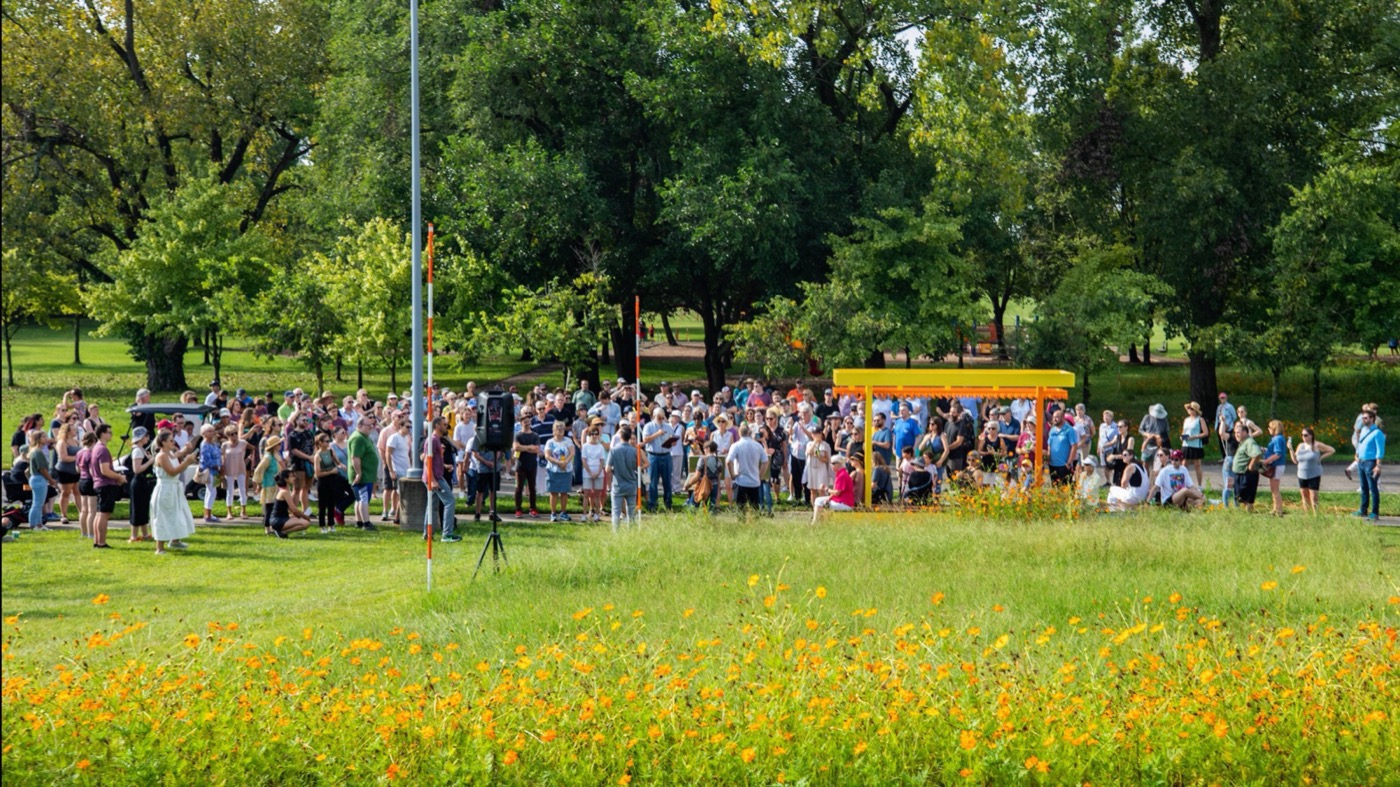
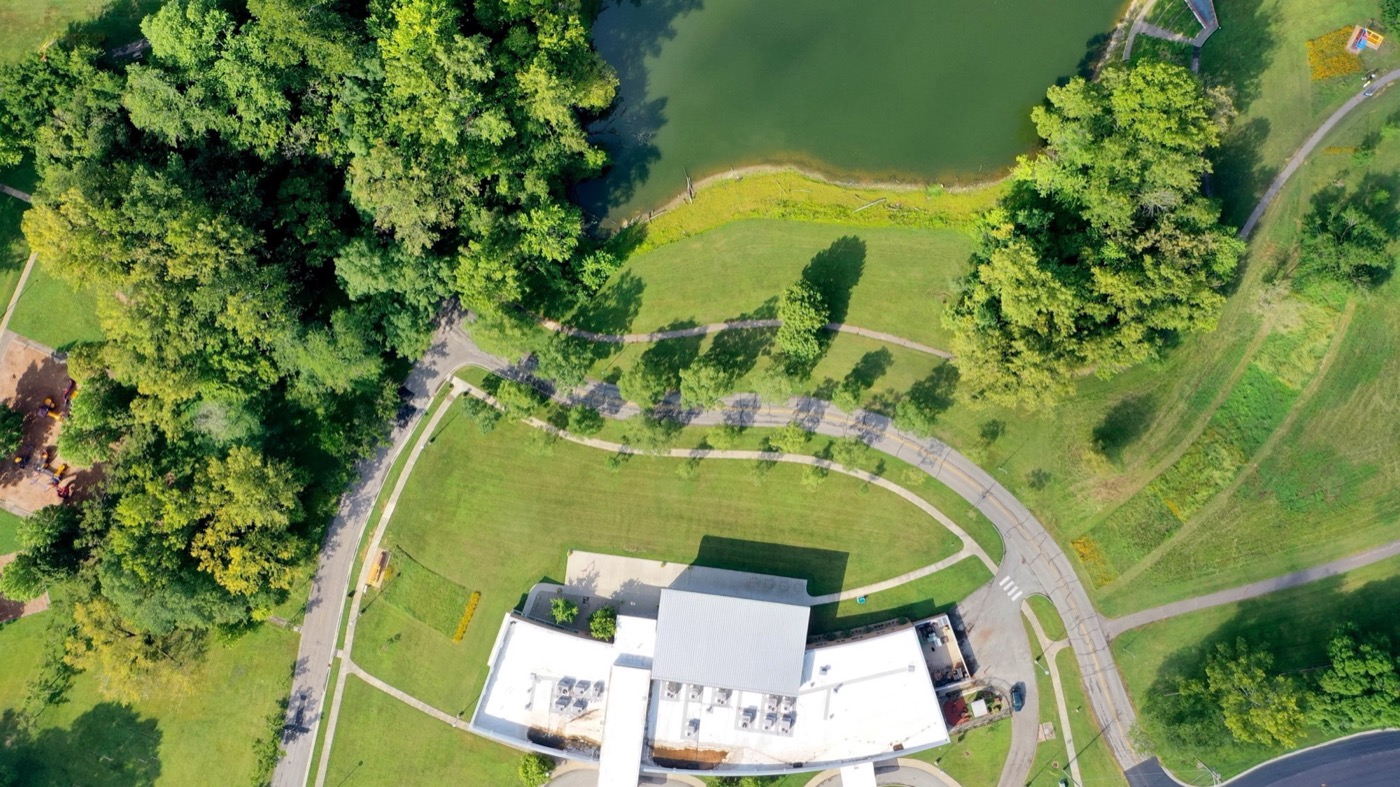
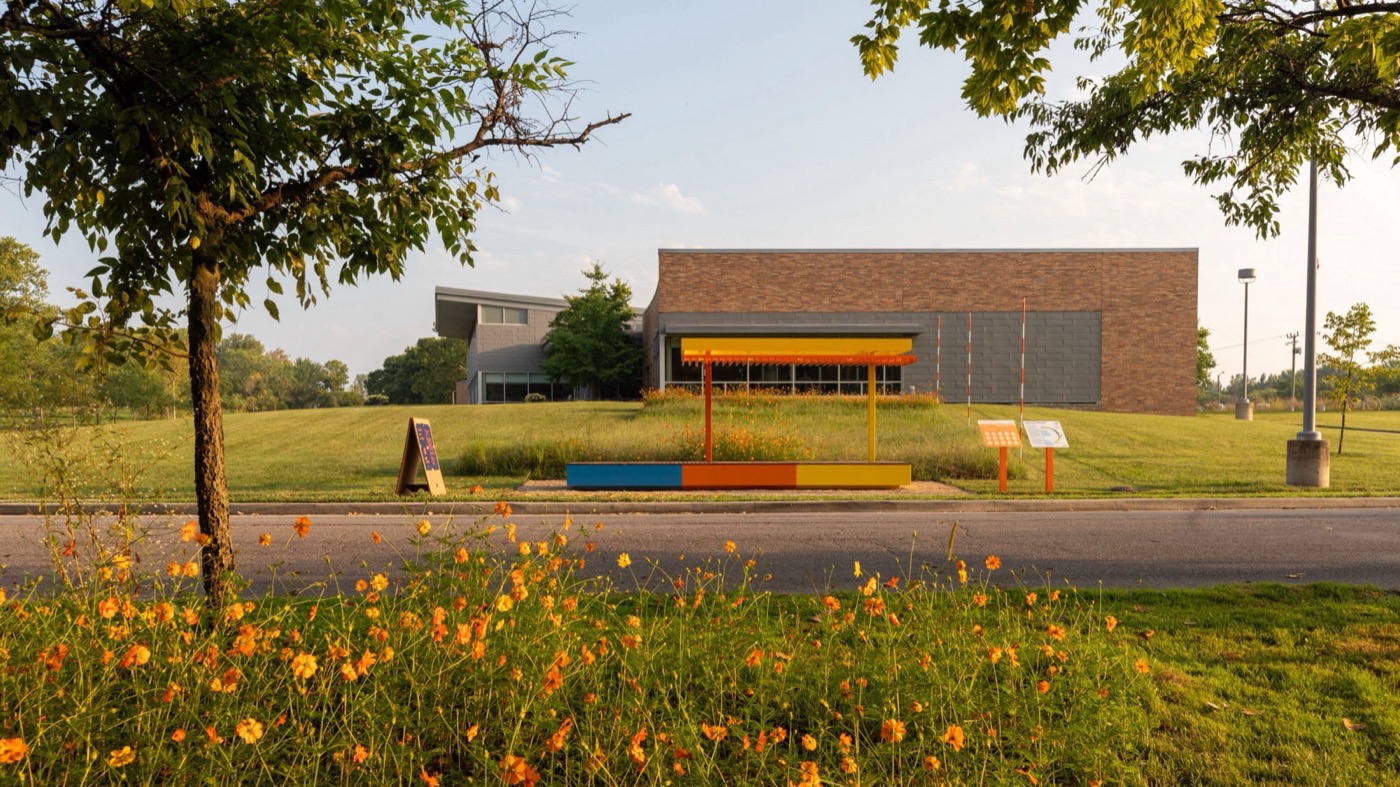
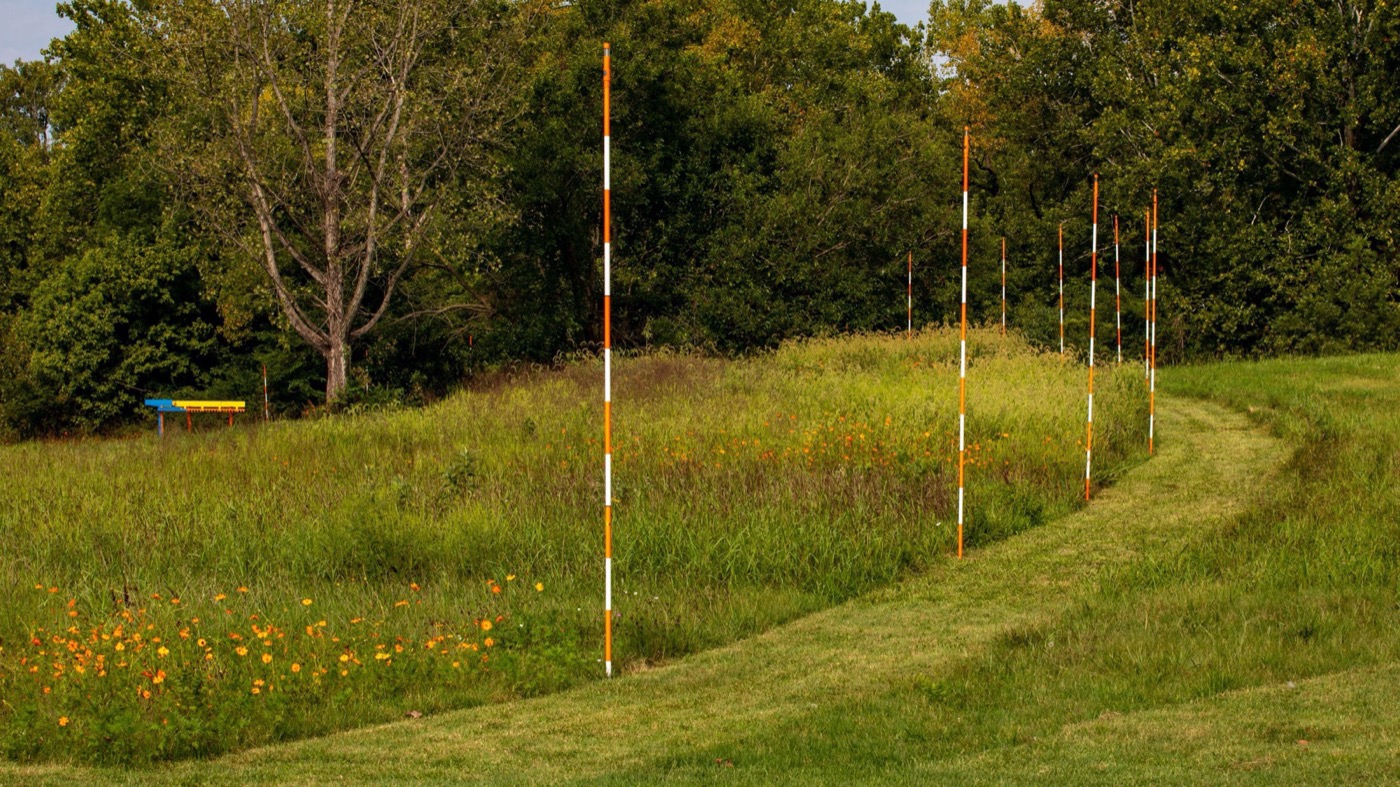
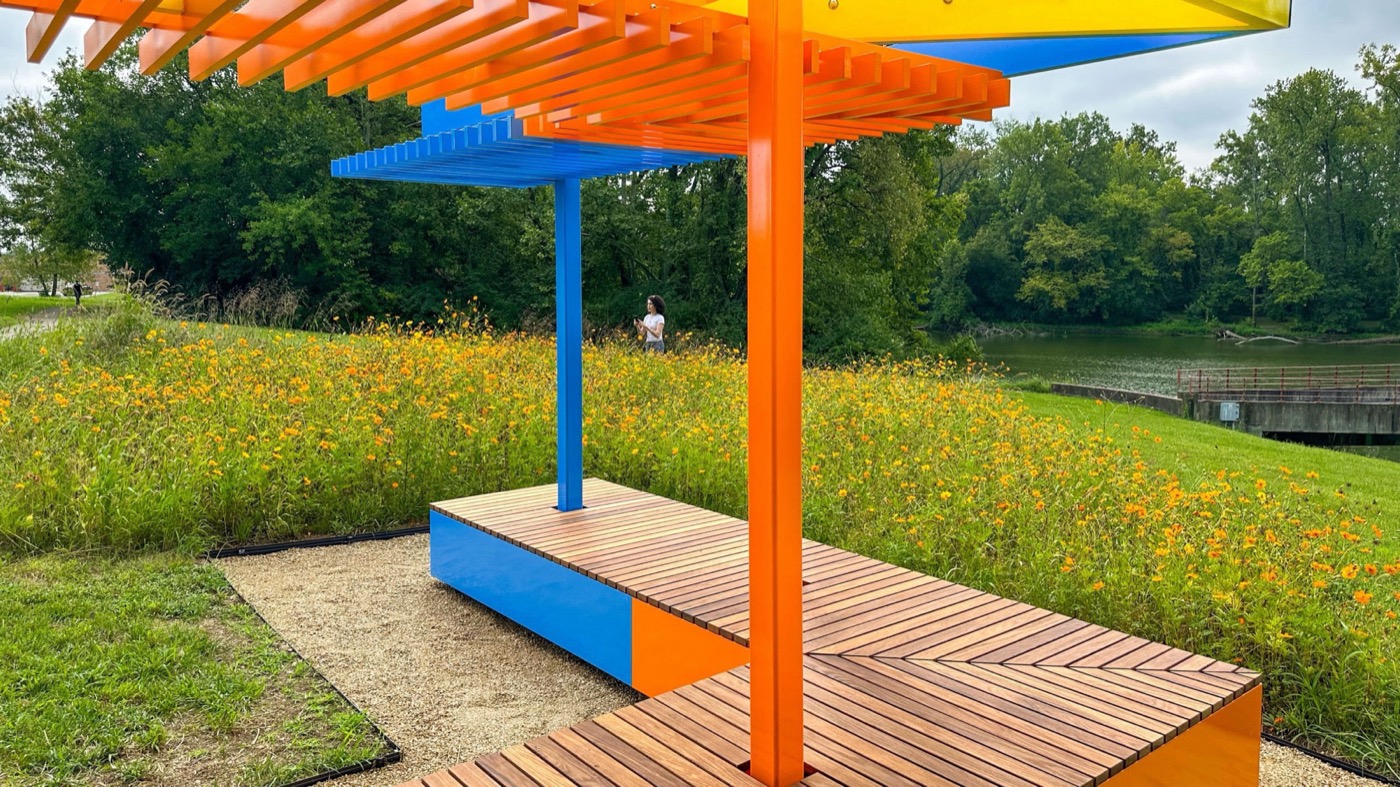
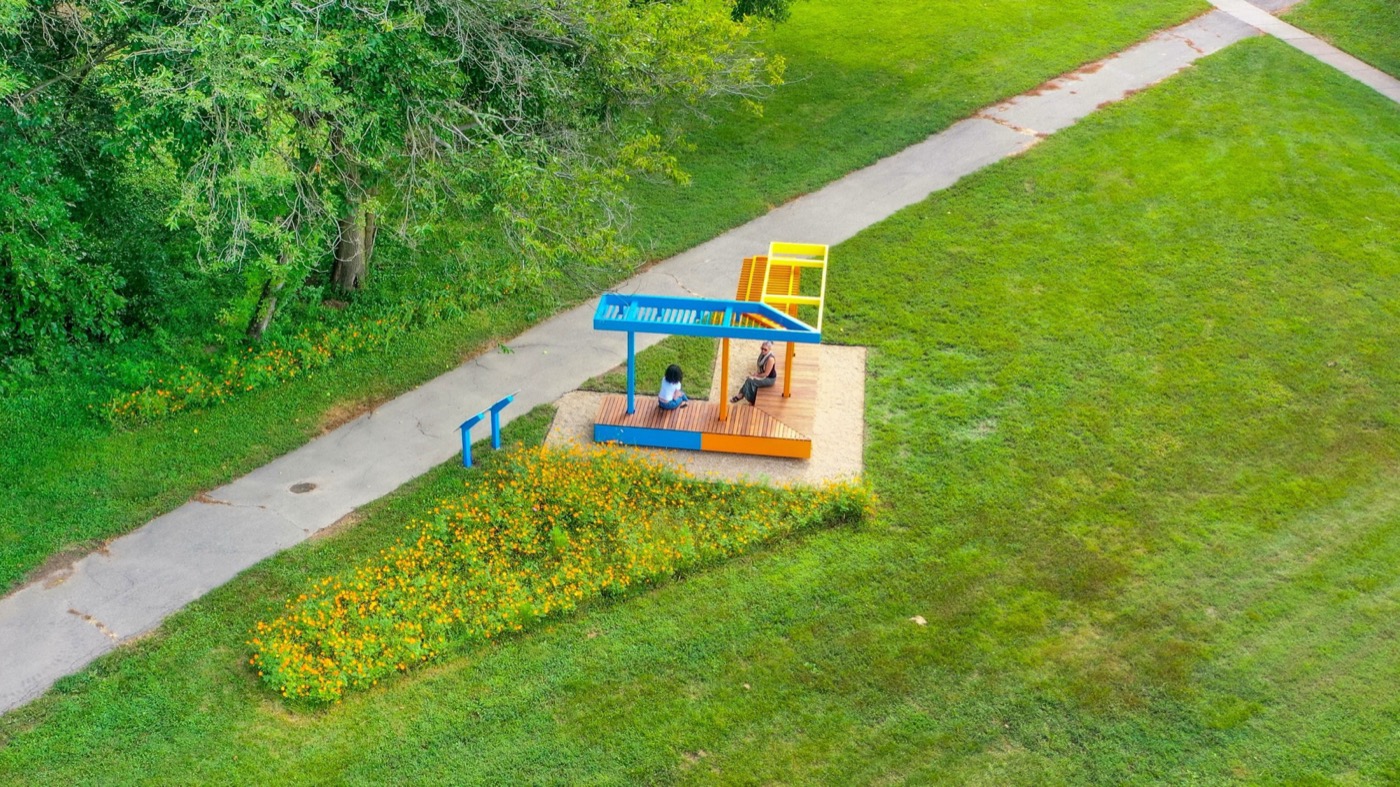
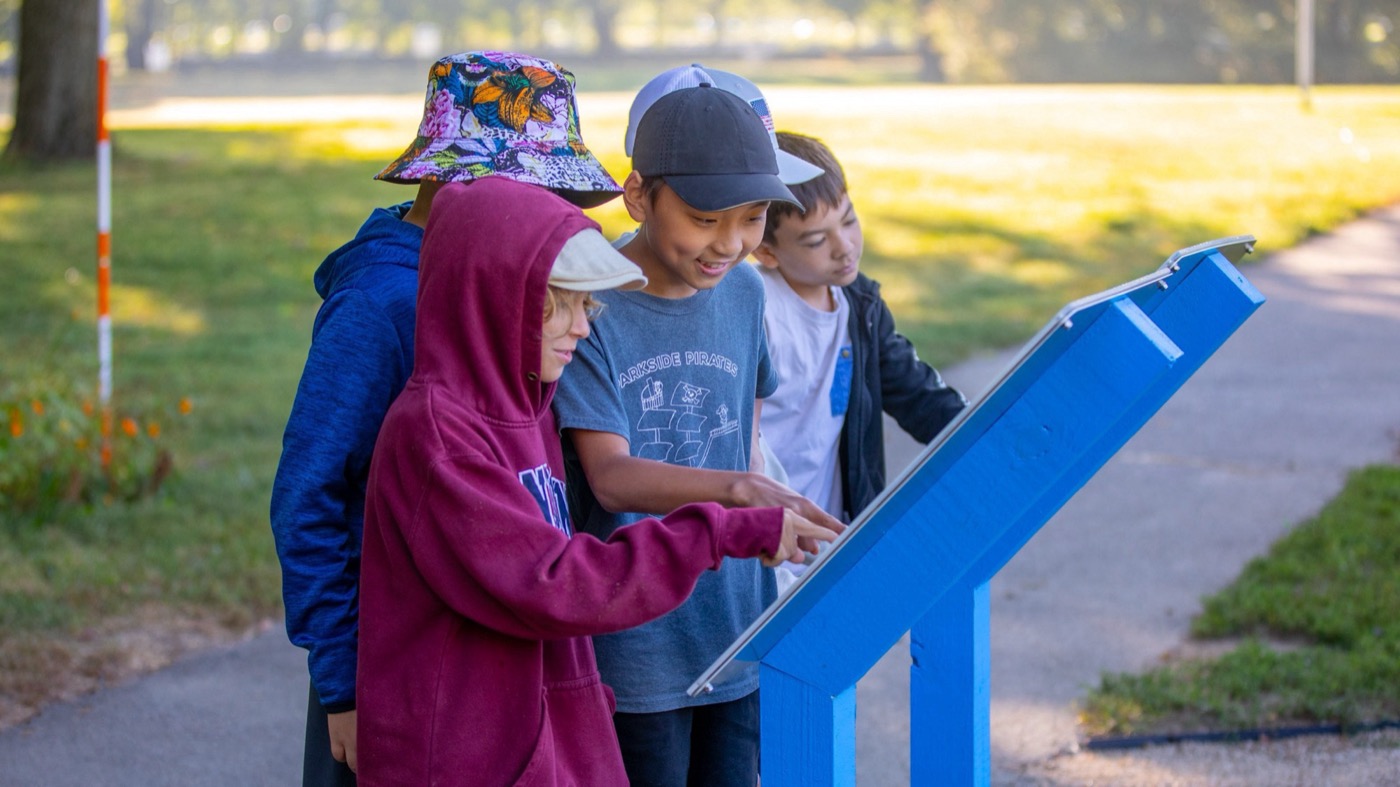
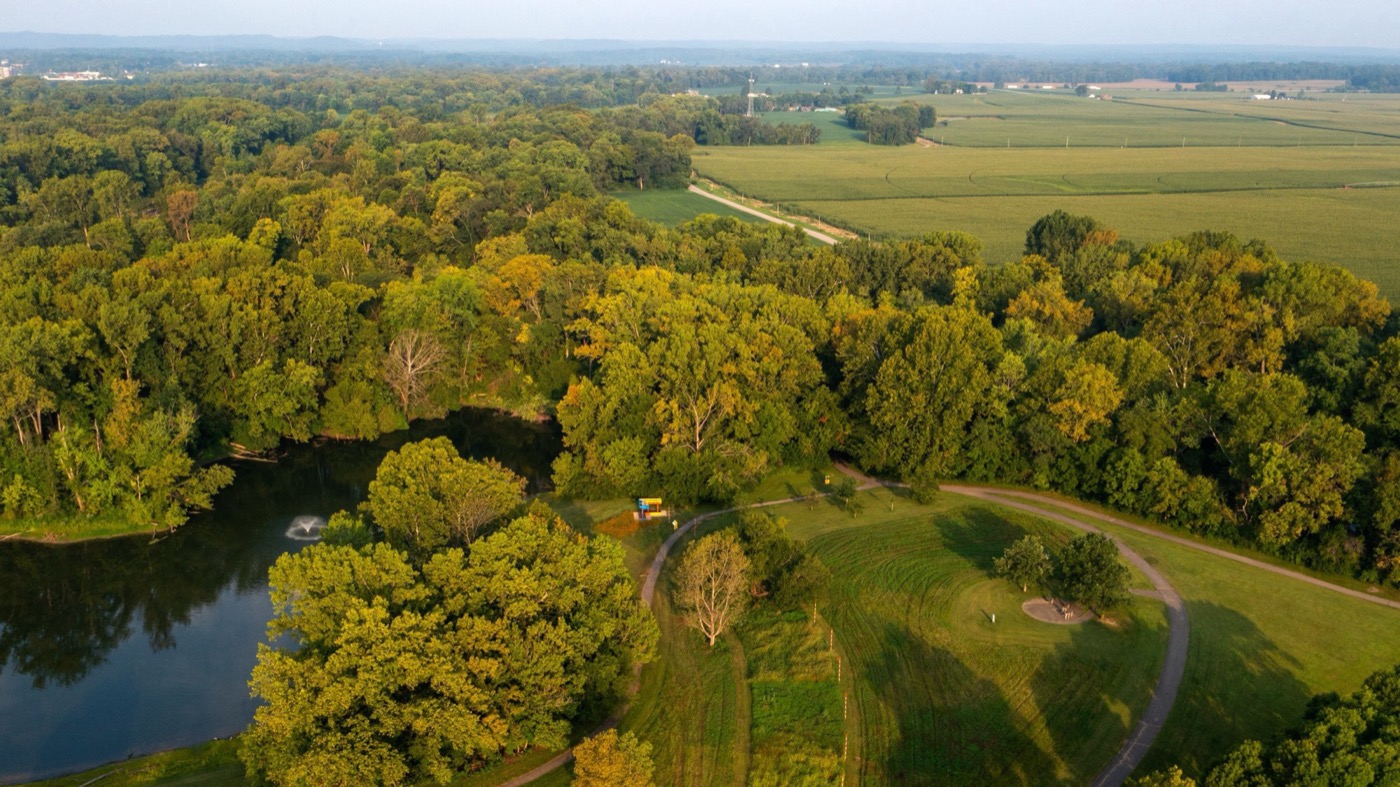
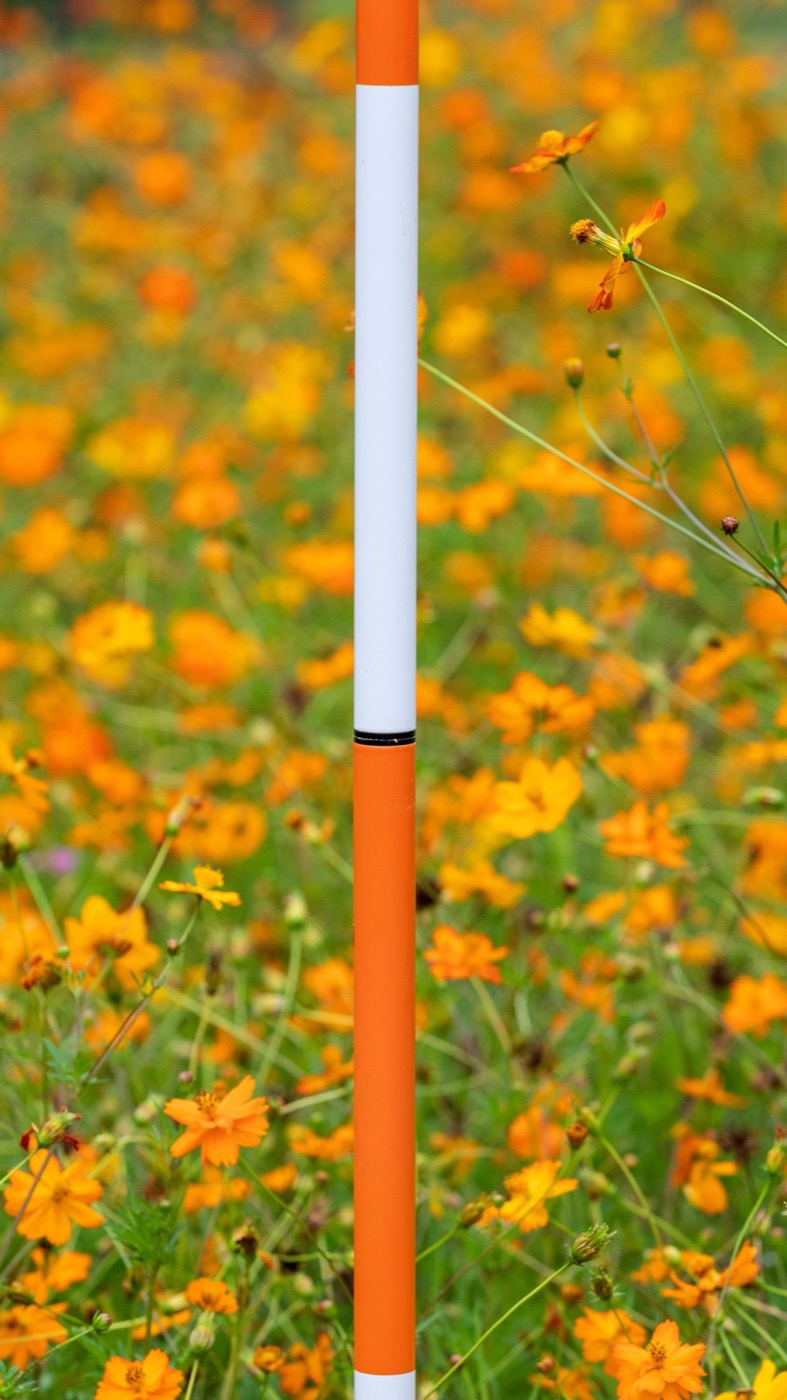
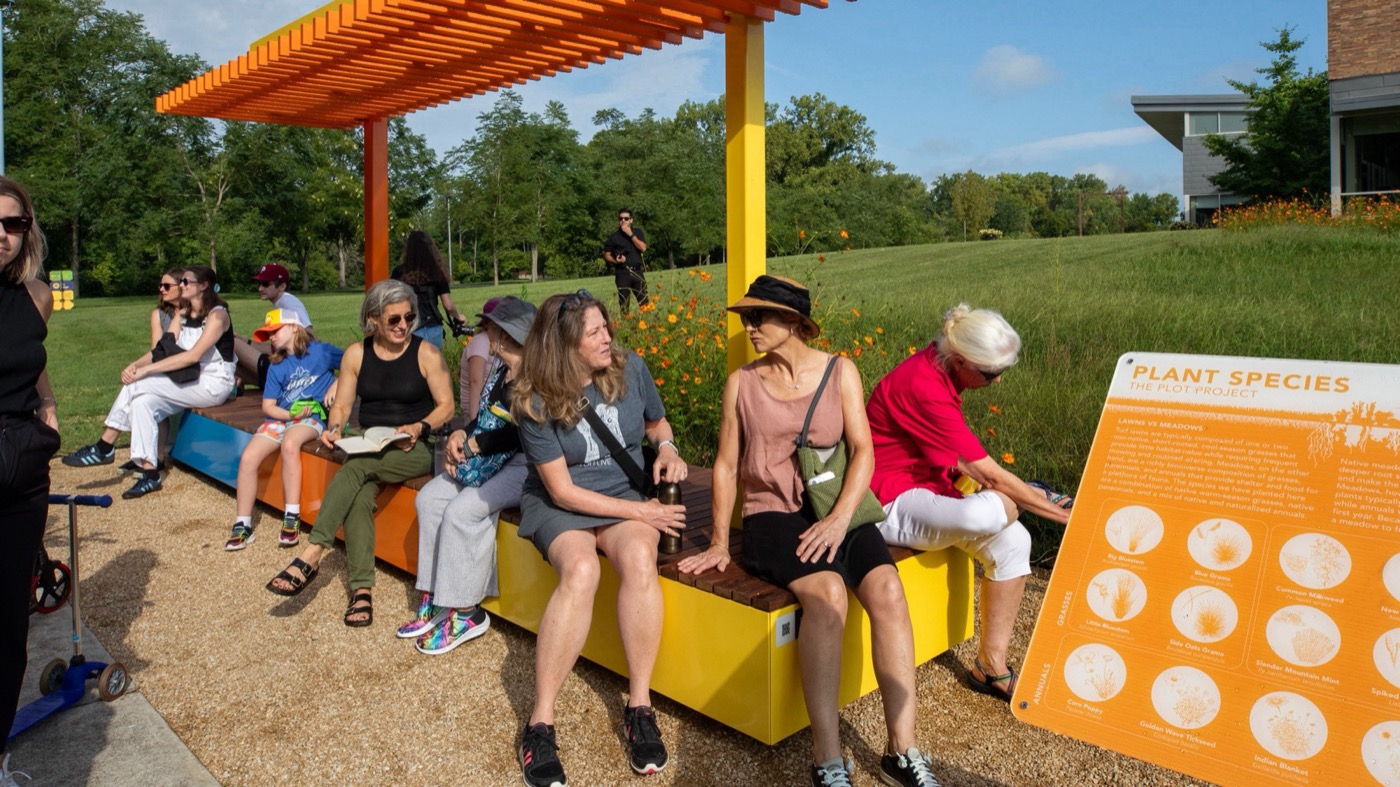
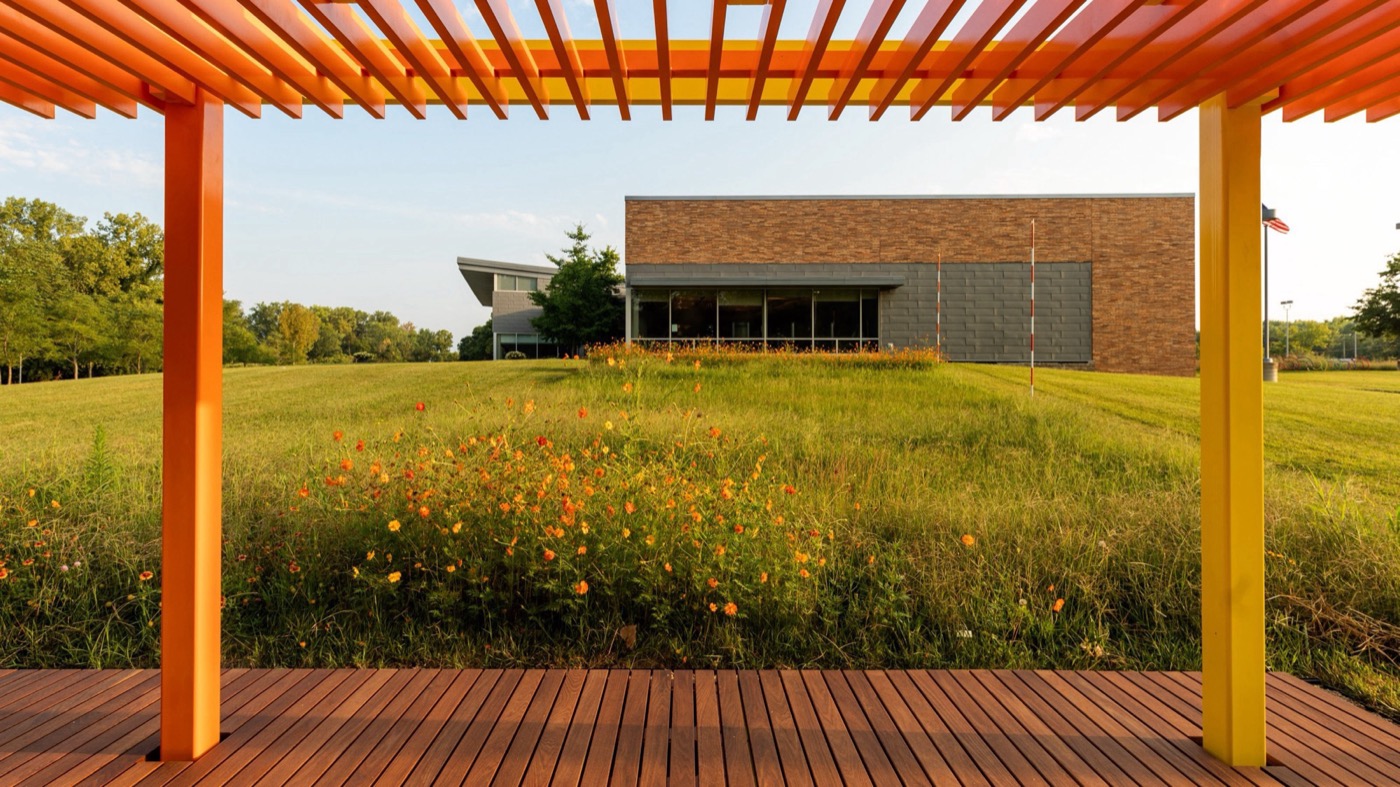
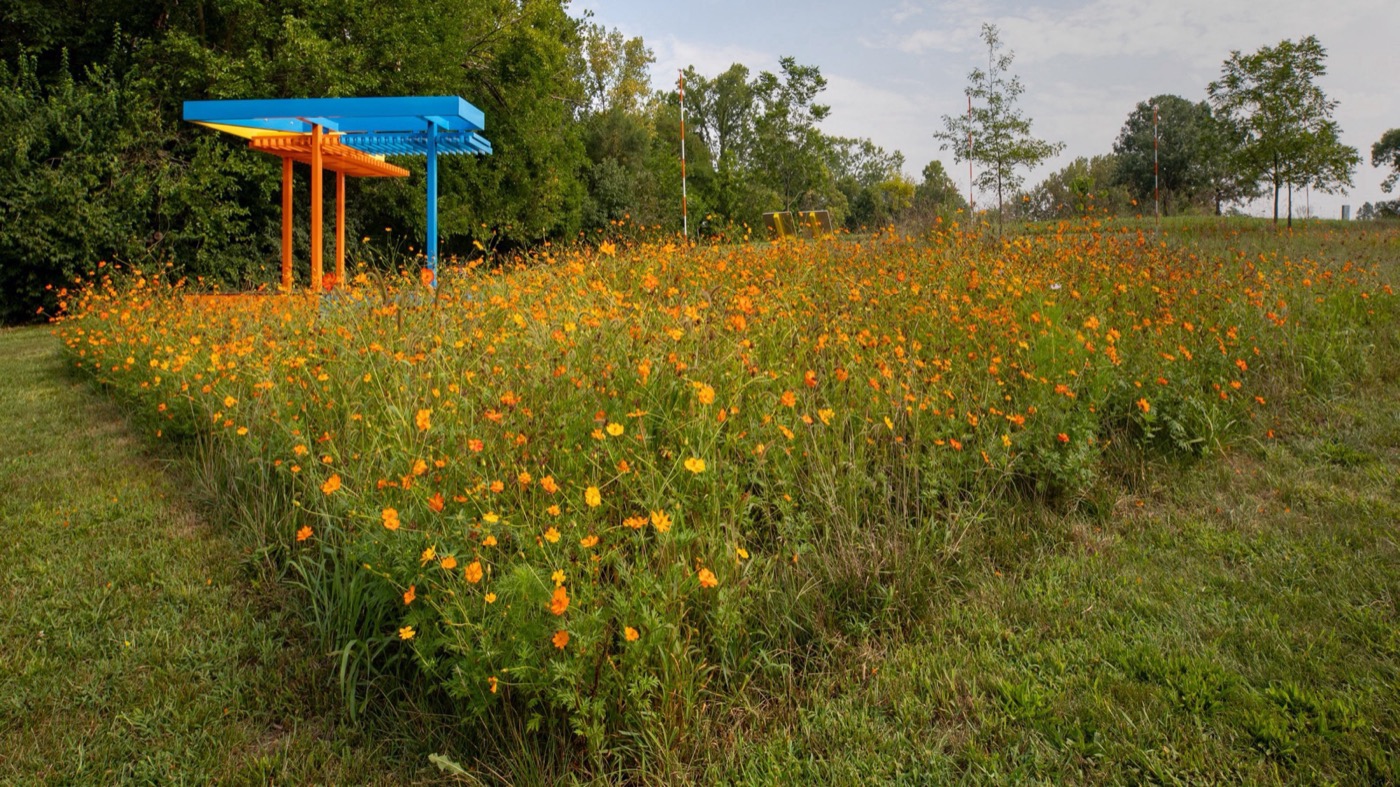
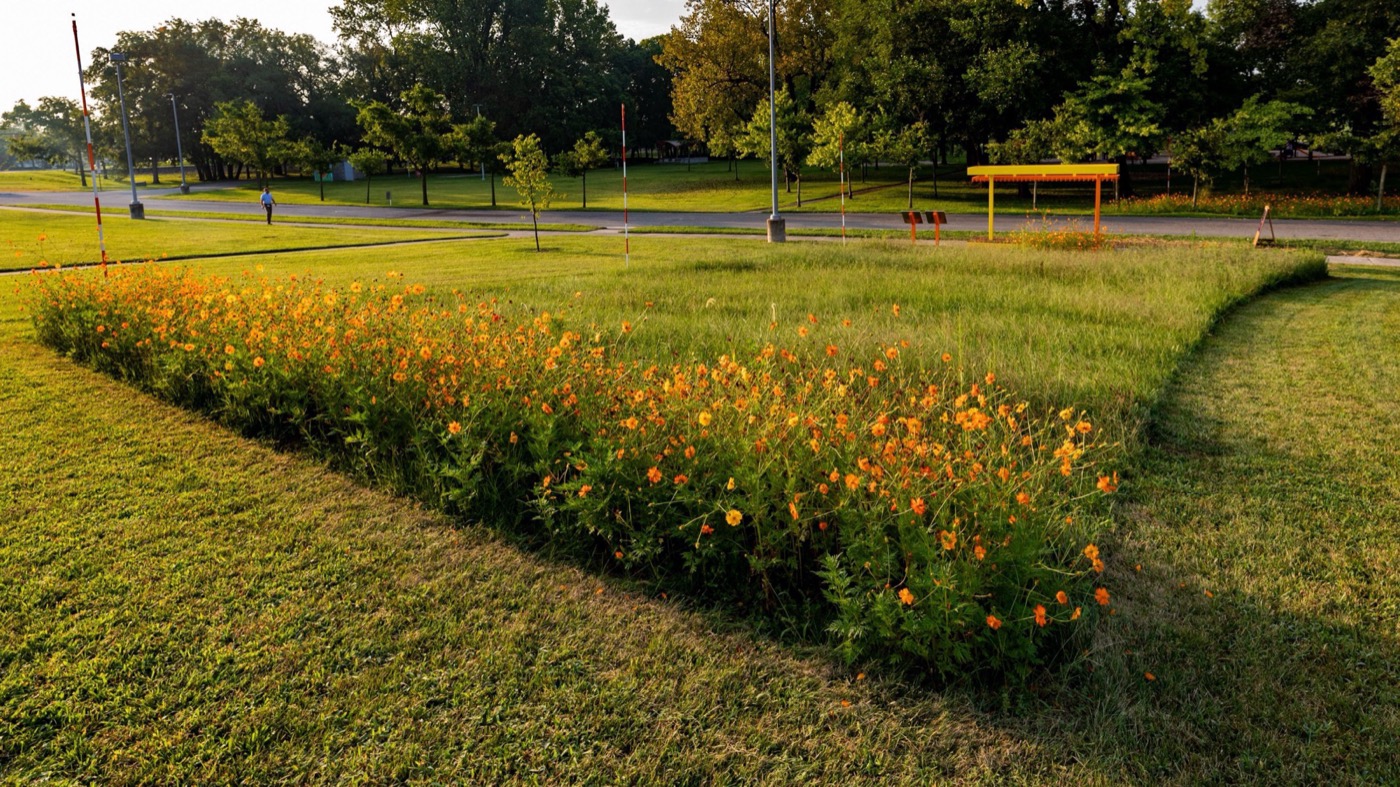
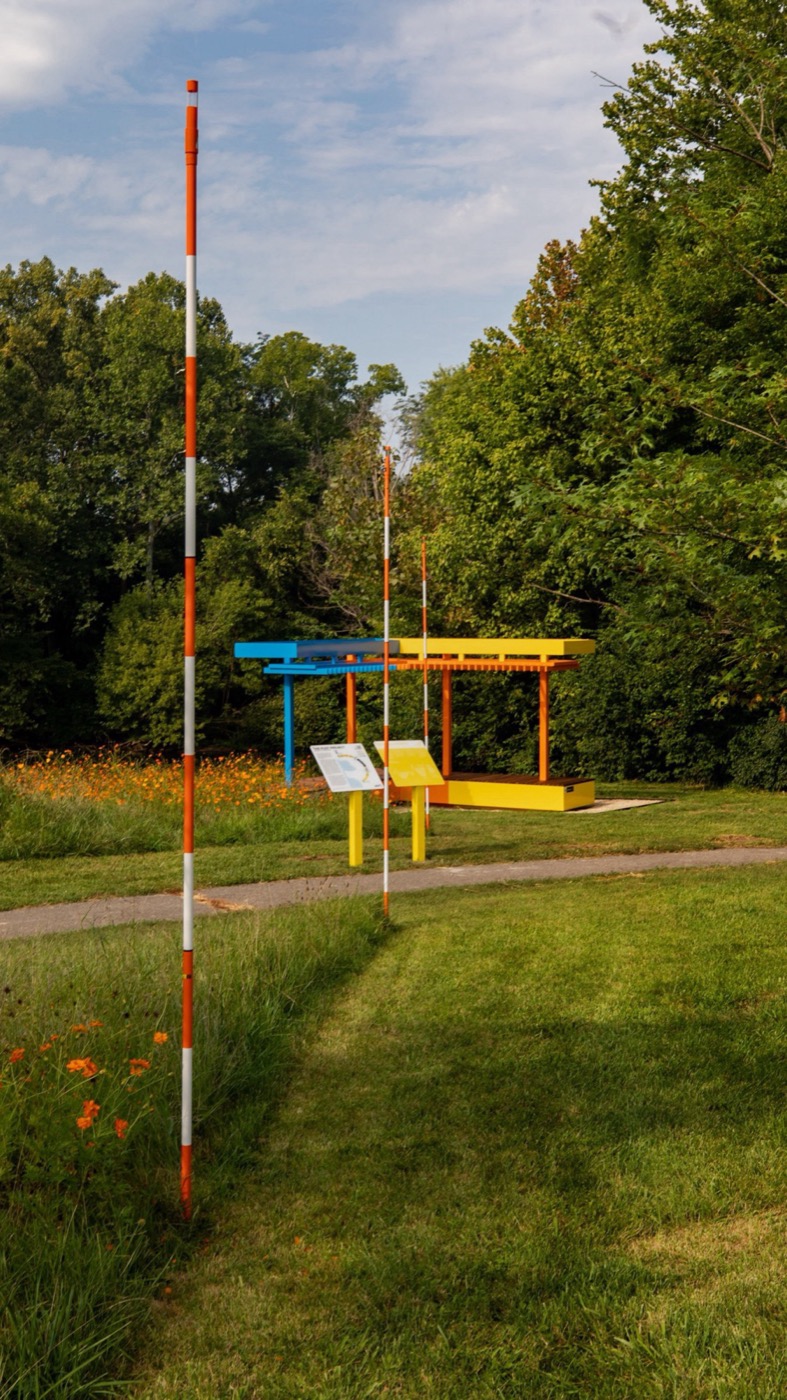
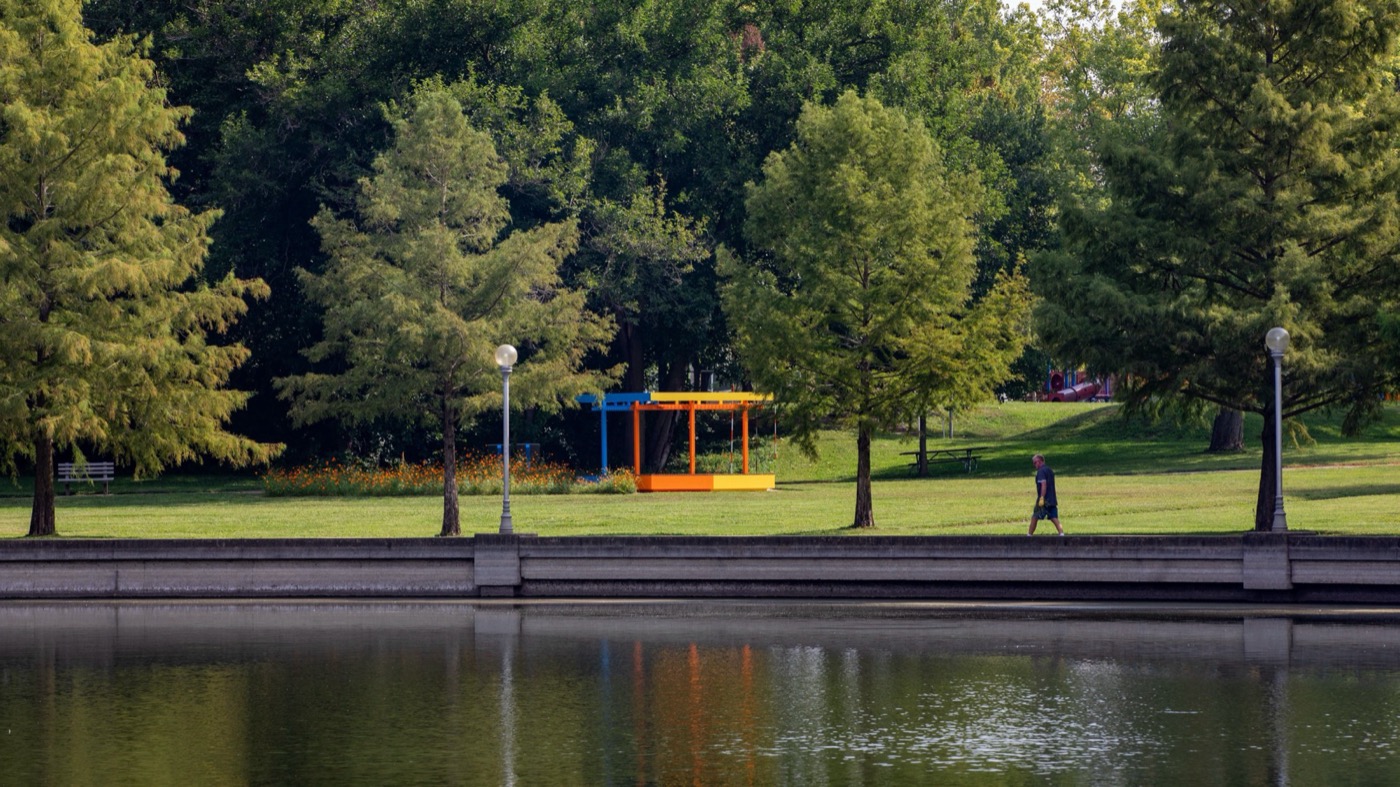
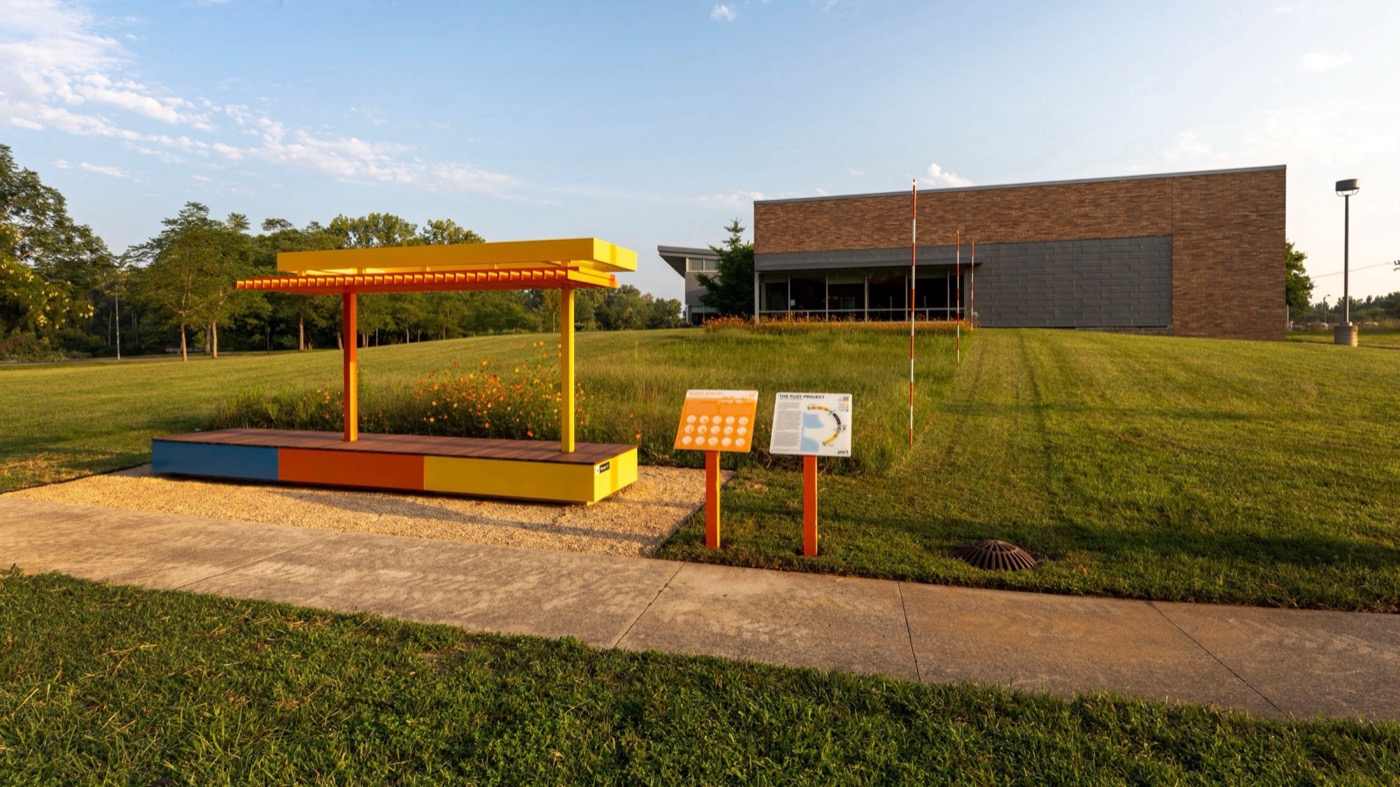
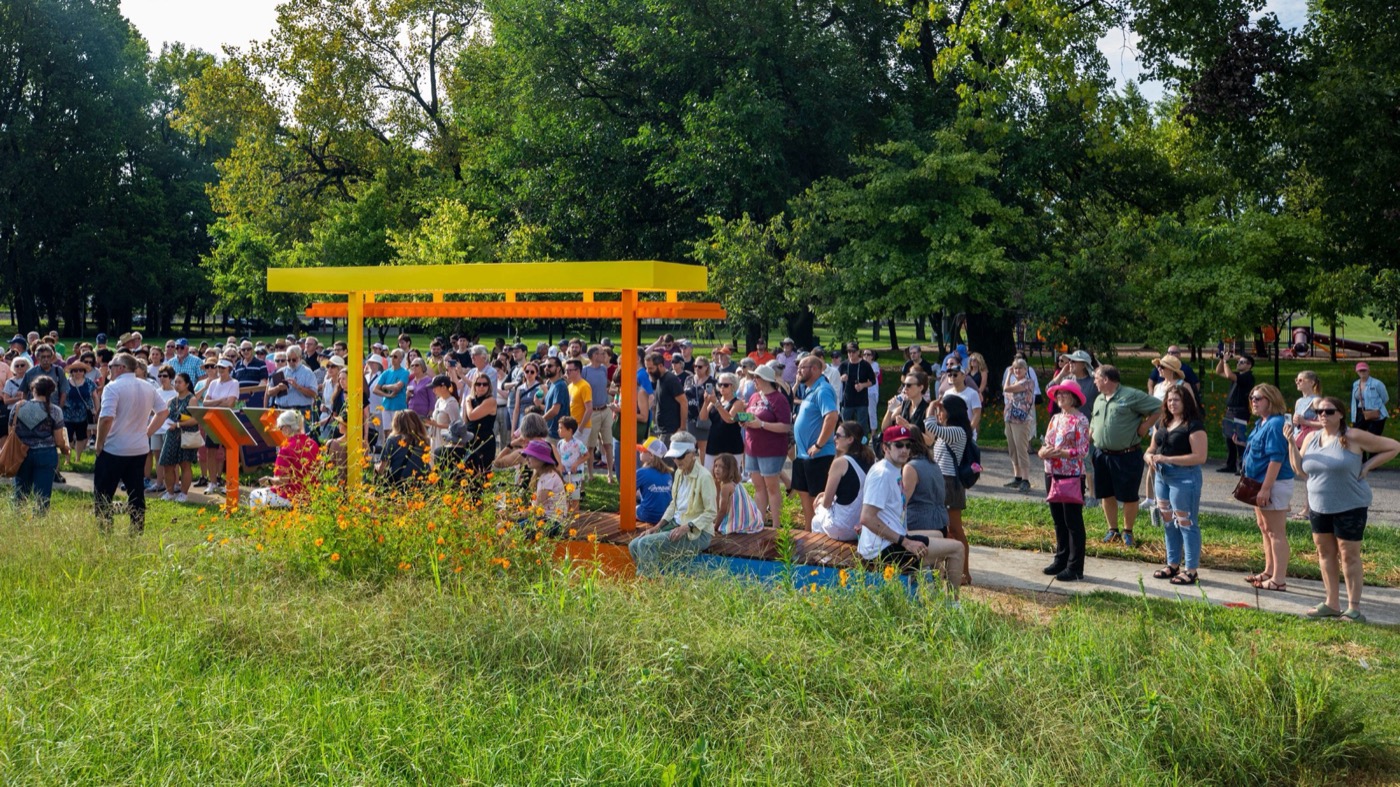
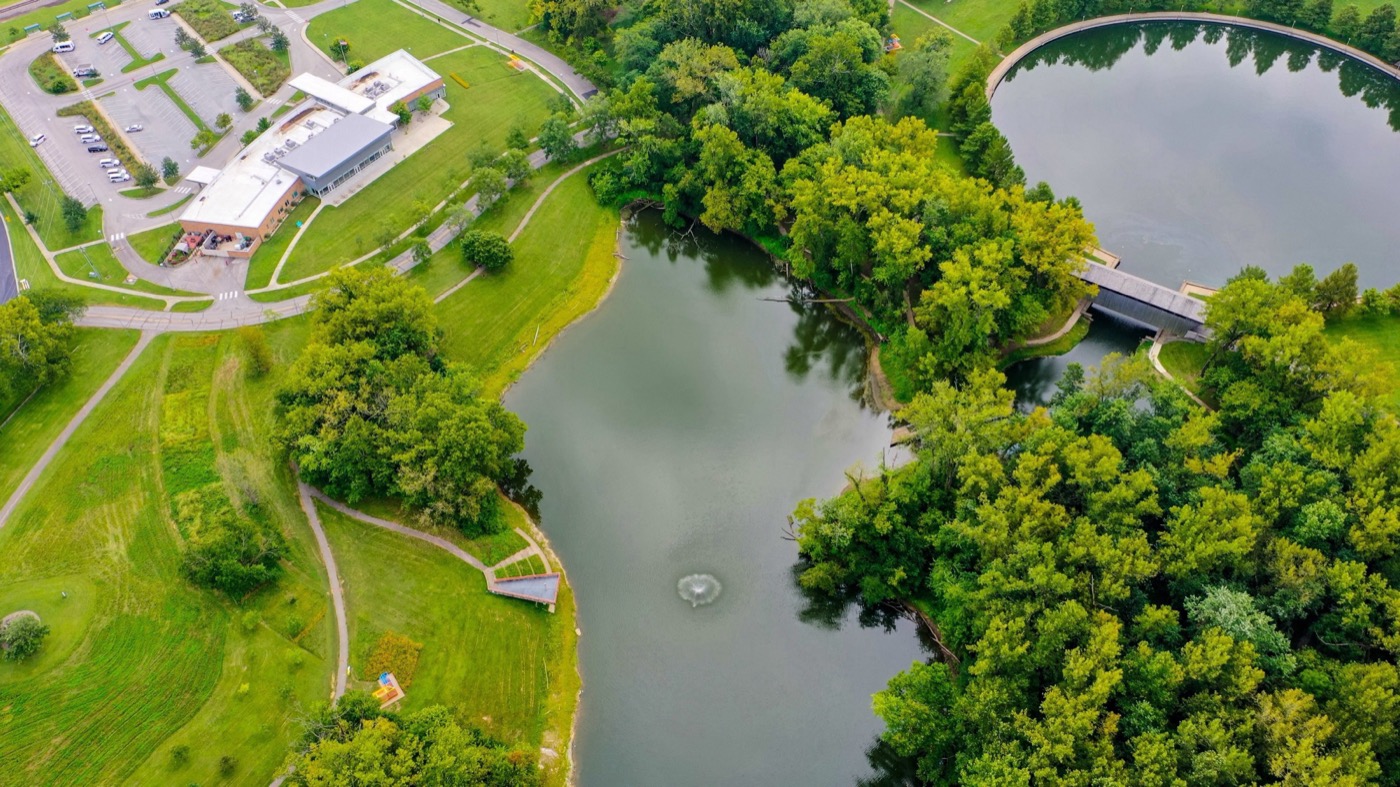
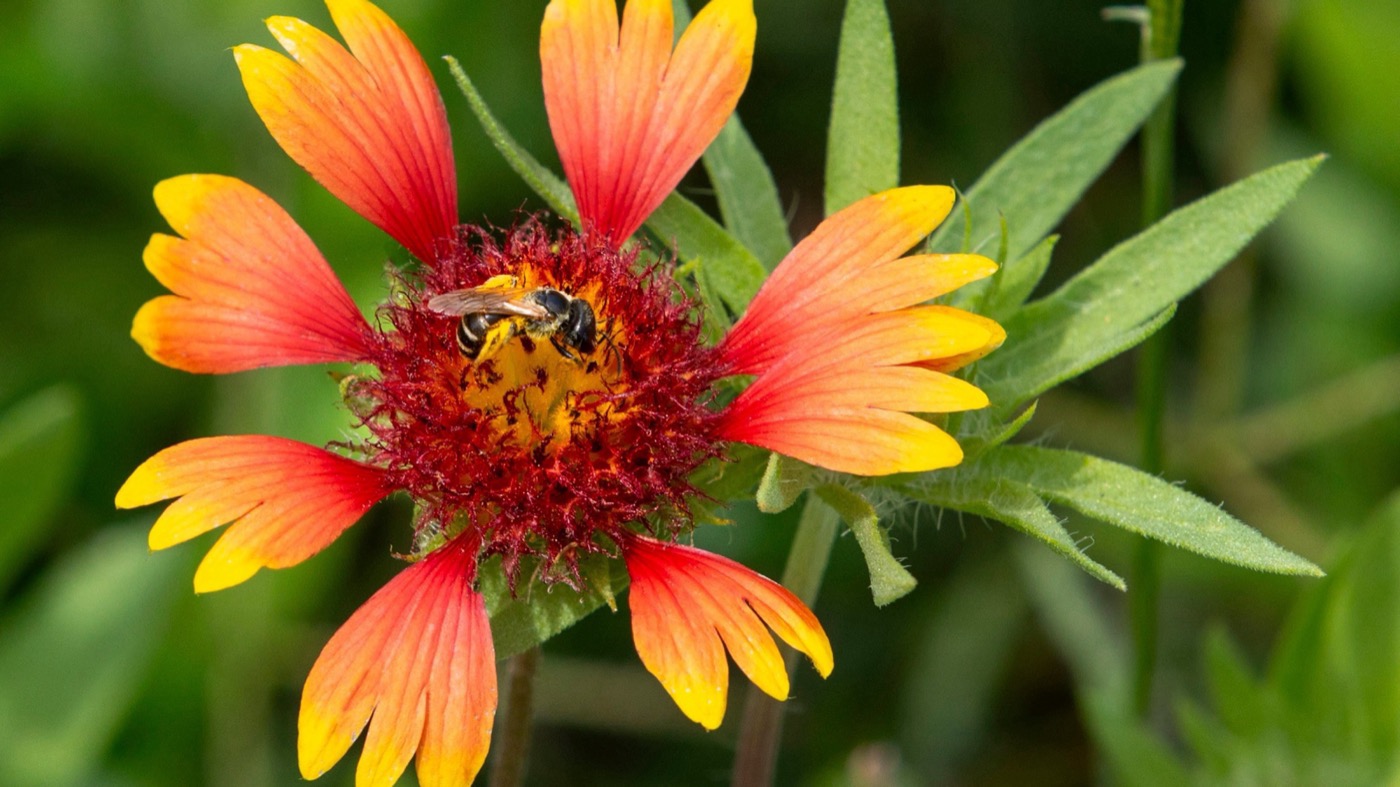
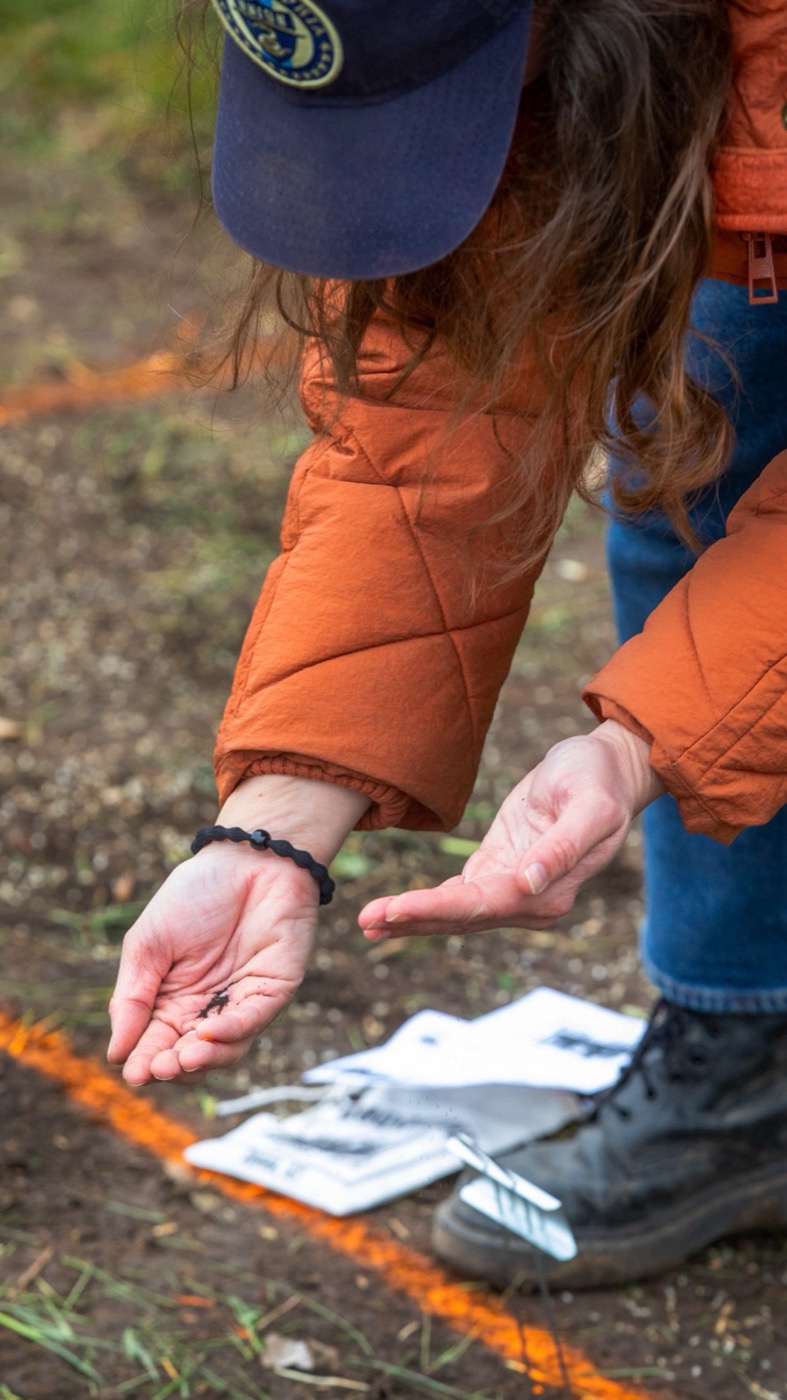
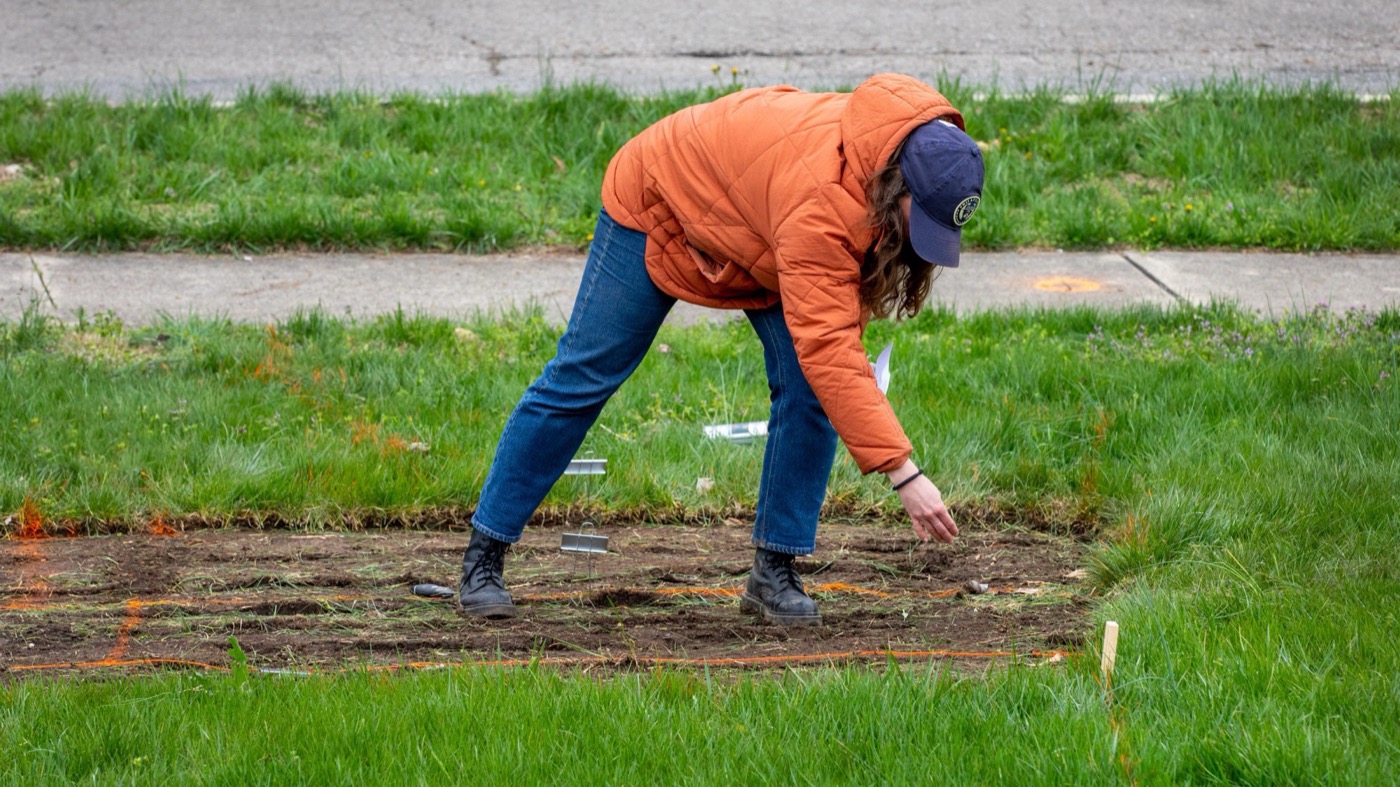
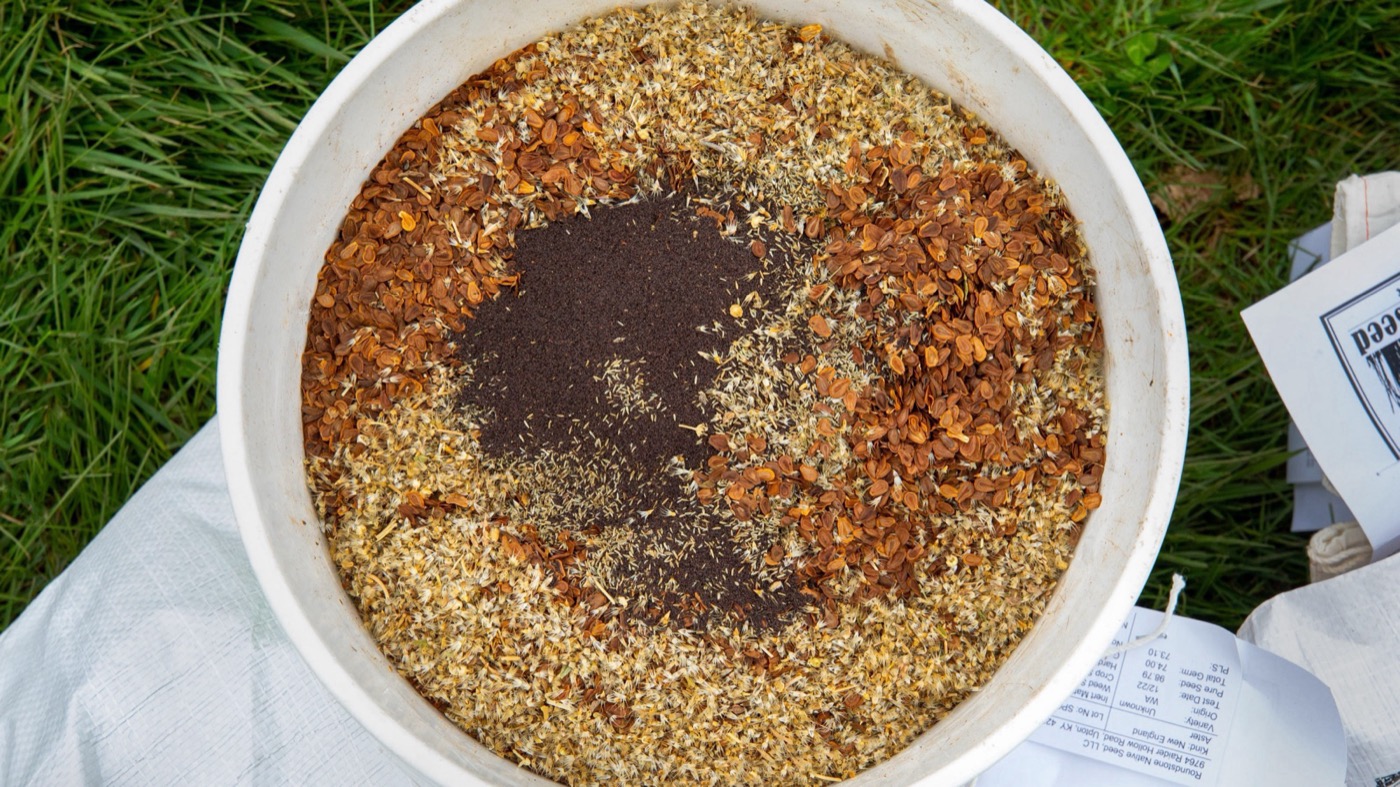
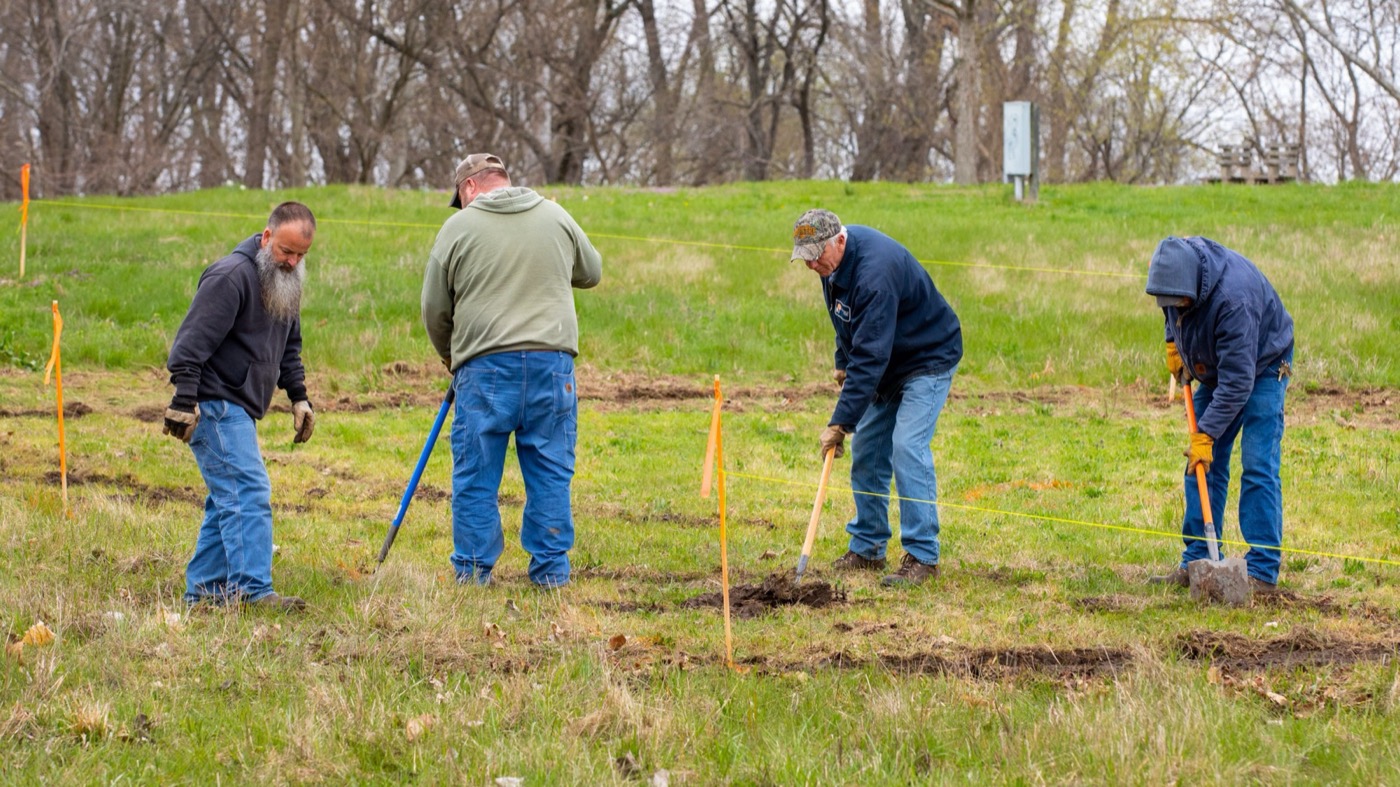
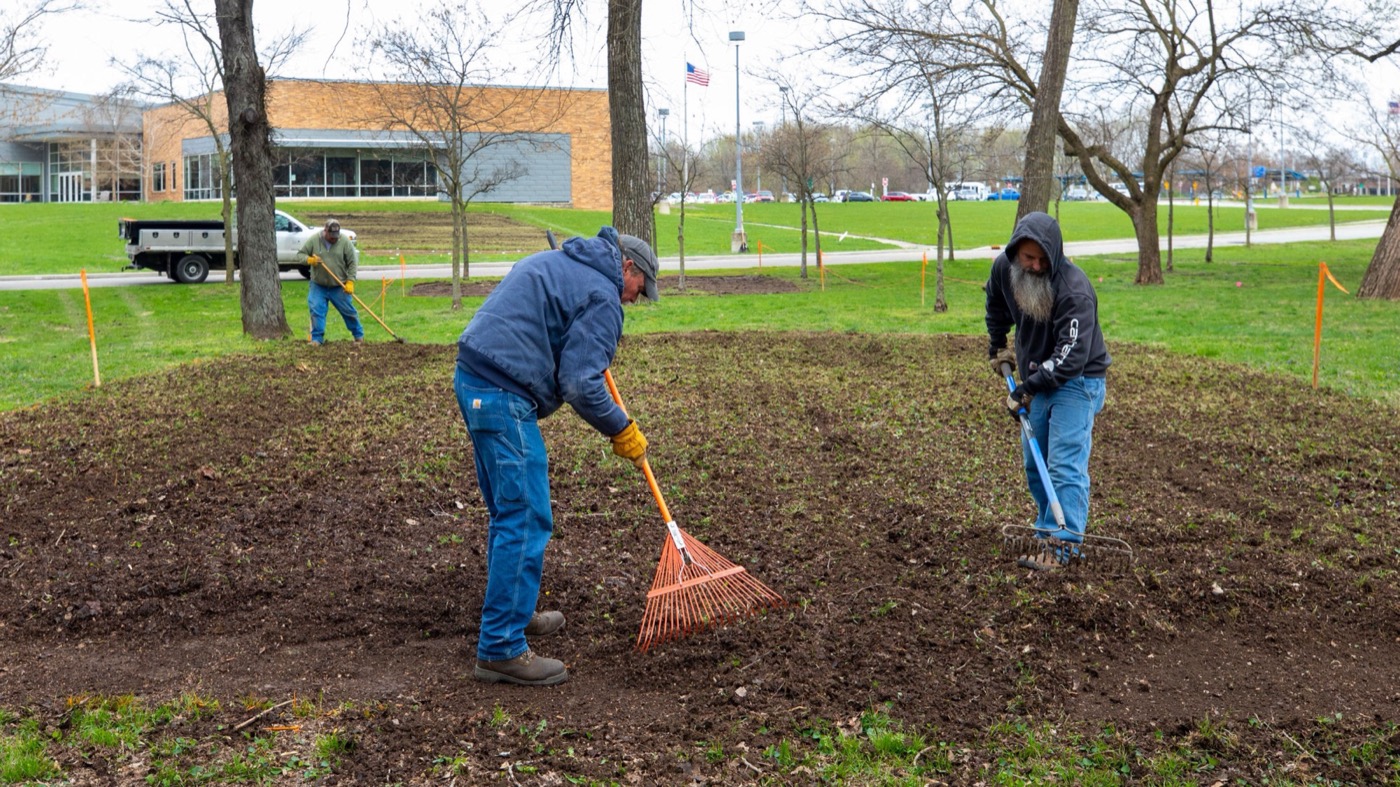
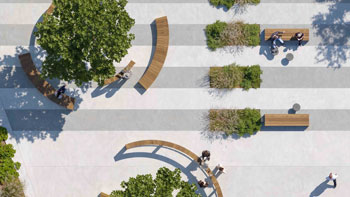
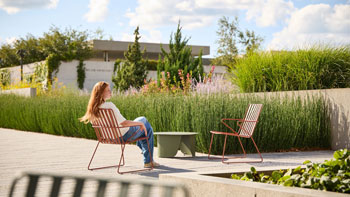
Three core messages guided the design: seniors are active civic participants; conventional turf is neither neutral nor inevitable; and exhibitions can produce lasting public value. The exhibit is rooted in its connection with the Mill Race Center. The design extends the center’s architectural geometry into the park, defining a 1,200-foot arc subdivided into 12 testing plots. The plots serve as testing beds for landscape rewilding experiments that grew over the course of a 9-month growing season before the exhibition. Some plots are left unmown to grow feral, while others are prepped and over-seeded with mixes of native warm-season grasses. Bands of wildflowers stich the plots together and highlight their transitions. Interpretative signage identifying plant species, plot treatments, and ecological intent reinforce the spatial learning experience. In providing visible alternatives to turf, this arc of experimental planting conveys a message of resilience, biodiversity, and stewardship. By showcasing test conditions for rewilding in the form of semi-permanent exhibition, the project makes ecological change legible at a civic scale.
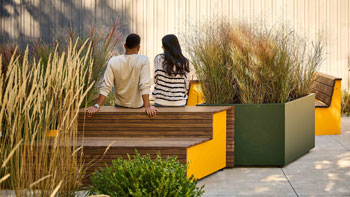
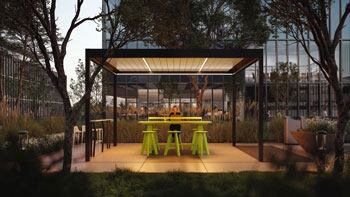
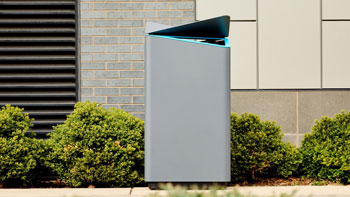
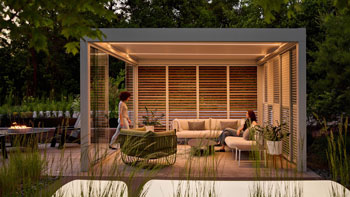
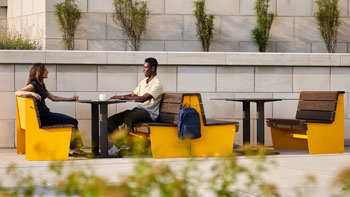
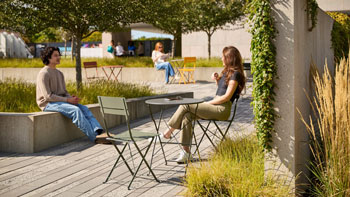
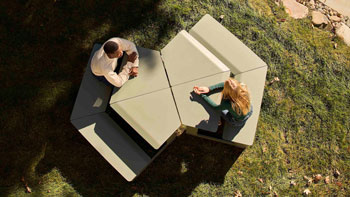
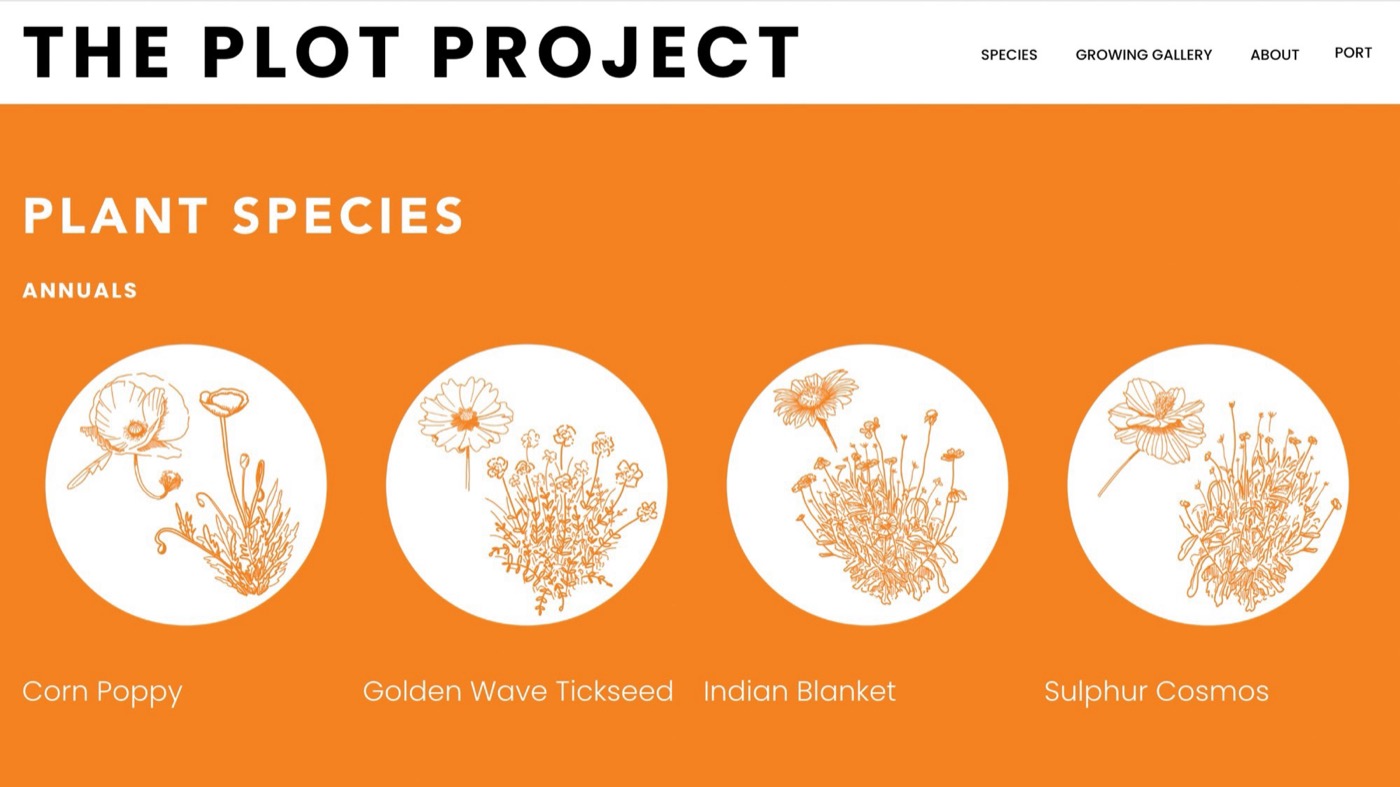
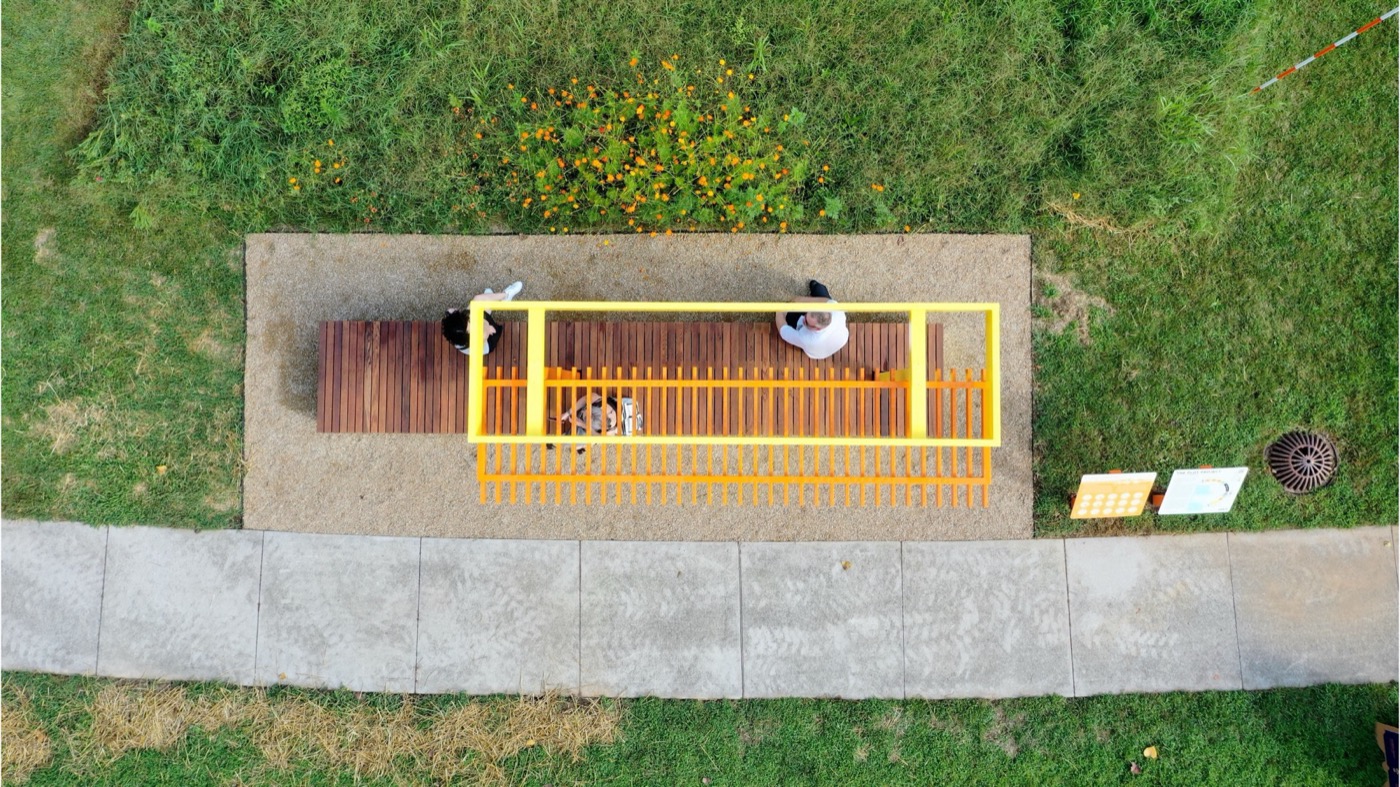
At three points along the arc, oversized pavilions anchor the installation and invite visitors to engage with the space. Dubbed Conservation Outreach Stations, these three pavilions riff on the mid-century formal architectural heritage and color palette of Columbus, IN. The pavilions’ features introduce learning, individual reflection and social interaction, serving as a core for information distribution. Signage provides educational content, including QR codes linking visitors to a comprehensive website about the plants, natural processes, and rewilding experiment. The project reached thousands of in-person visitors during the exhibition cycle, with broader circulation through digital platforms, press coverage, and professional networks. The PLOT Project demonstrates how landscape architecture can operate as a multi-channel medium—integrating space, signage, and digital tools to materialize values, expand access, and generate lasting civic and ecological impact.
The project’s effectiveness lay in its clarity, visibility, and durability. Visitors encountered the work as an unfolding landscape rather than a single object, with signage and digital access supporting learning, curiosity, and repeat engagement. Collaboration with the City of Columbus Parks Department and a local native seed library extended the exhibit’s reach beyond the physical site, translating experimentation into municipal practice and public stewardship. Information generated through the plots continues to inform maintenance strategies after the exhibition’s conclusion. The same aim for lasting impact was applied towards the pavilions. Instead of being de-installed after the exhibit was closed, as is typical, PORT designed durable pavilions and collaborated with the Columbus Parks and Recreation staff and the Mill Race Center staff to devise a strategy for the planting and pavilions to remain in the park. Today, the volunteers from the local invasive species management group that assisted in clearing the site continue to help with the site’s maintenance and remanence of the exhibit test plots can still be seen today. The integration of permanent elements into the project counters the temporariness typical of exhibitions with institutional commitment and long-term investment.
Clients:
Landmark Columbus Foundation
Exhibit Columbus 2023 Miller Prize Award Winner
Collaborators:
Fabrication: Forms+Surfaces
Installation: Force Construction + Columbus Parks & Rec
39.207377550128626, -85.92746116939185
74265


LILA 2026 Sponsor