Urban Wilderness Gateway Park
www.porturbanism.com
2026 Landscape and Architecture / 2026 Public Projects / USA / Built in 2025 /
![The Plot Project, created for Exhibit Columbus 2022-23, reimagines public space at the intersection of landscape design, biodiversity, and community engagement. Awarded the J. Irwin and Xenia S. Miller Prize for its innovative approach to civic and ecological design, the project was conceived in response to that year’s chosen theme: “Public by Design.” As part […]](https://landezine-award.com/wp-content/uploads/2026/05/00_The-PLOT-Project_74265_Hero-Image-600x338.jpg "The PLOT Project")
![The Cobbs Creek Playground demonstrates how community voices and environmental stewardship can come together to create something extraordinary. The Cobbs Creek Nature Playground is a vibrant and inclusive nature-based play environment located in West Philadelphia. Located in a historically underinvested site at the edge of Philadelphia’s municipal boundary, this transformative project creates a keystone of […]](https://landezine-award.com/wp-content/uploads/2026/05/00_Cobbs-Creek-Nature-Playground_74265_Hero-Image-338x600.jpg "Cobbs Creek Nature Playground")
![Overview Augusta Quarry transforms a former limestone quarry into an accessible, ecologically rich public swimming venue that celebrates dramatic topography, history, and community use. The project elevates a beloved but precarious swimming site into a resilient, inclusive destination, setting a benchmark for reclamation-led landscape architecture. Located within Knoxville’s Urban Wilderness, the design formalizes safety and […]](https://landezine-award.com/wp-content/uploads/2026/05/00_Augusta-Quarry_74265_Hero-Image-600x338.jpg "Augusta Quarry")
![Aspire Park redefines public gathering and open space in a rural community in East Tennessee, transforming a 180-acre site at the bend of the Clinch River into a dynamic destination for recreation, ecology, and cultural engagement. A widely popular site in the region, the park brings together a wide range of people looking to engage […]](https://landezine-award.com/wp-content/uploads/2026/05/00_Aspire-Park_74265_Hero-Image-600x338.jpg "Aspire Park")
The project transforms an incomplete highway into a continuous civic and ecological gateway that reconnects downtown Knoxville to its expansive Urban Wilderness through landscape infrastructure, multimodal access, and public programming. In the early 1980s, the Tennessee Department of Transportation halted construction of the James White Parkway, leaving behind a fragmented 2.2-mile roadway extending south from downtown Knoxville across the Tennessee River before abruptly terminating in a dead end. Over time, the land assembled for the highway’s expansion evolved into a network of parks, trails, and recreation spaces, forming what is now Knoxville’s Urban Wilderness—a 1,000-acre landscape of ecological and recreational assets embedded within the city. Once it became clear the highway would never be completed, the corridor—and particularly its dramatic terminus—was reimagined as a gateway linking downtown Knoxville to this emerging wilderness network.
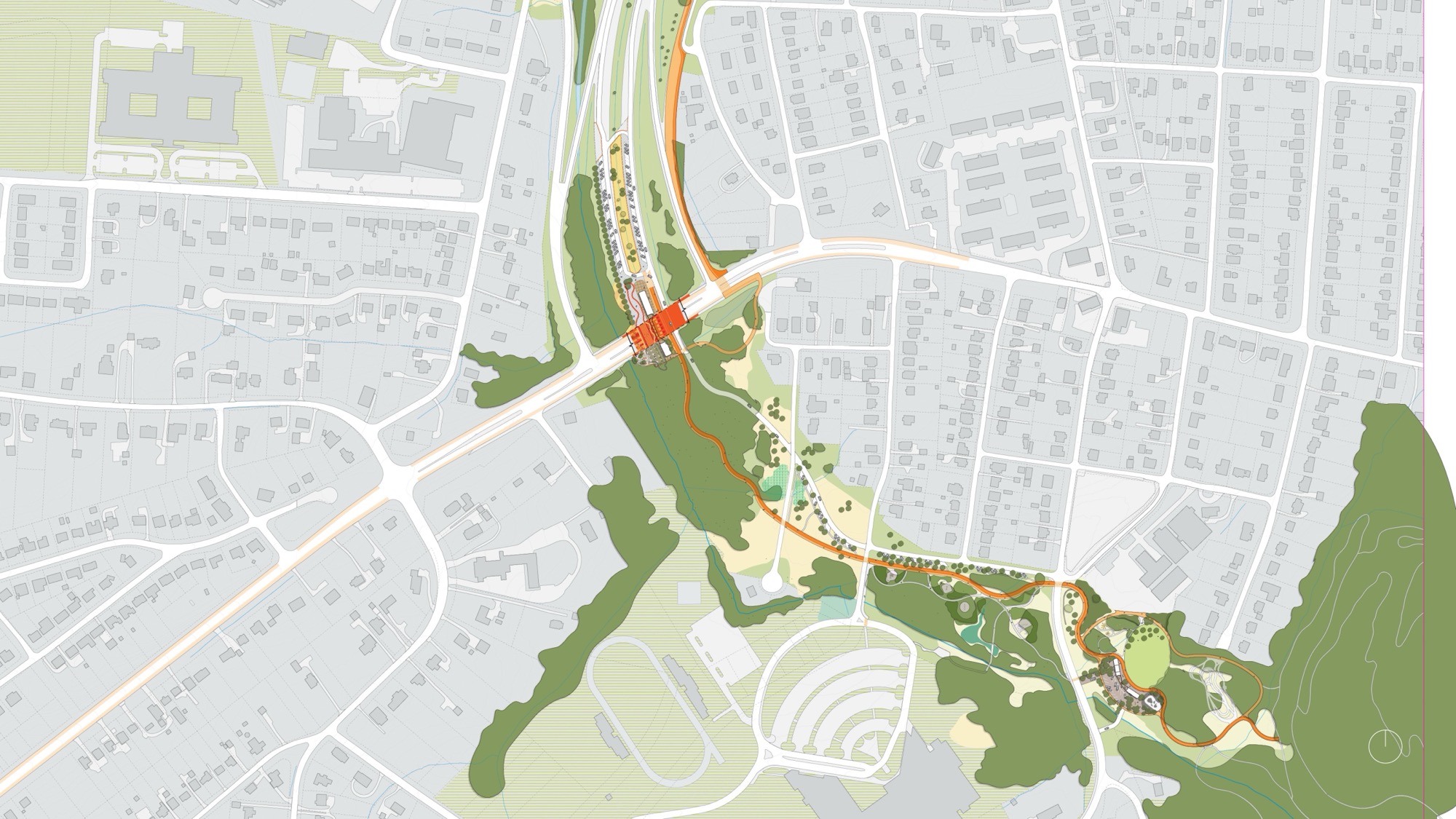
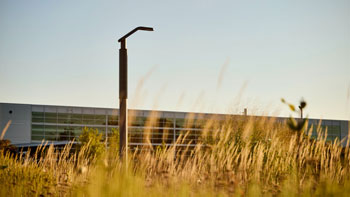
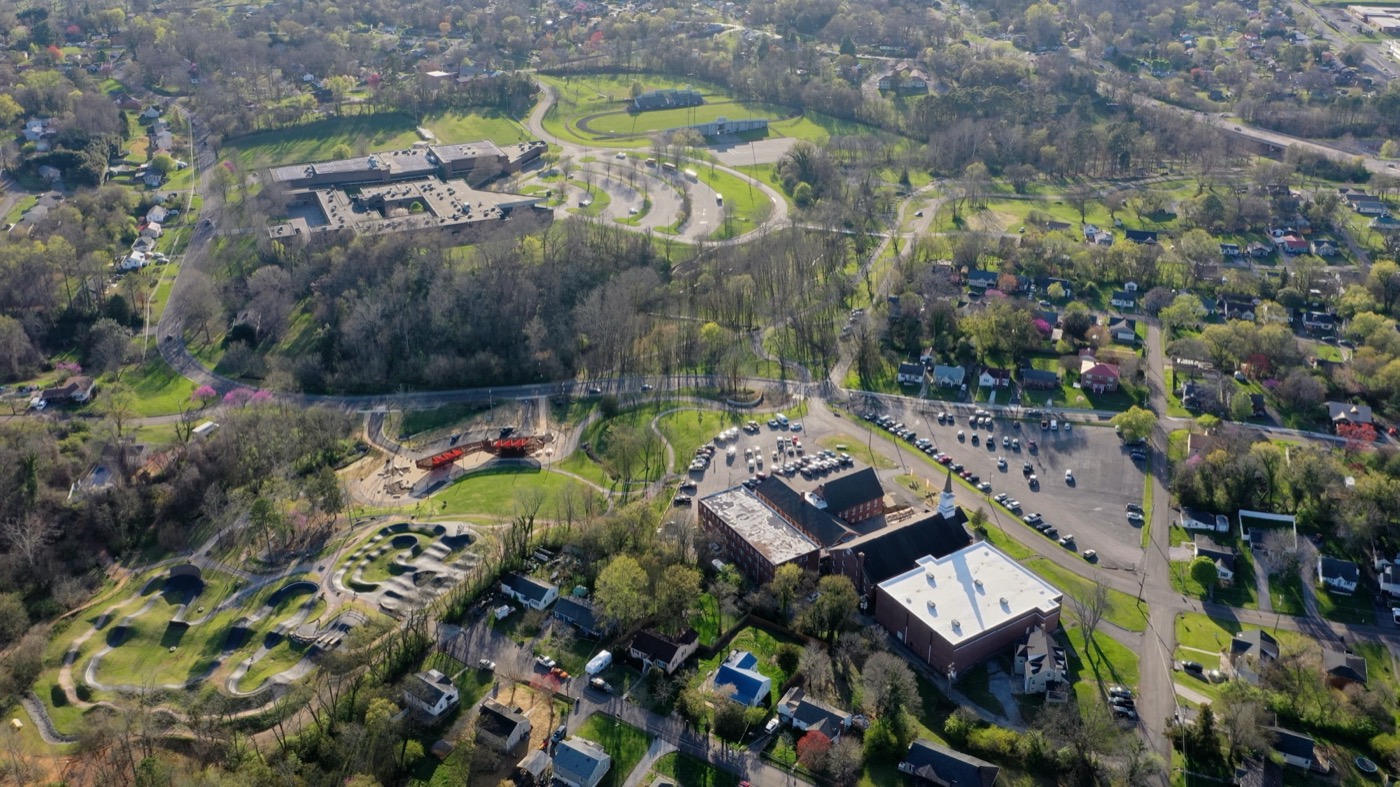
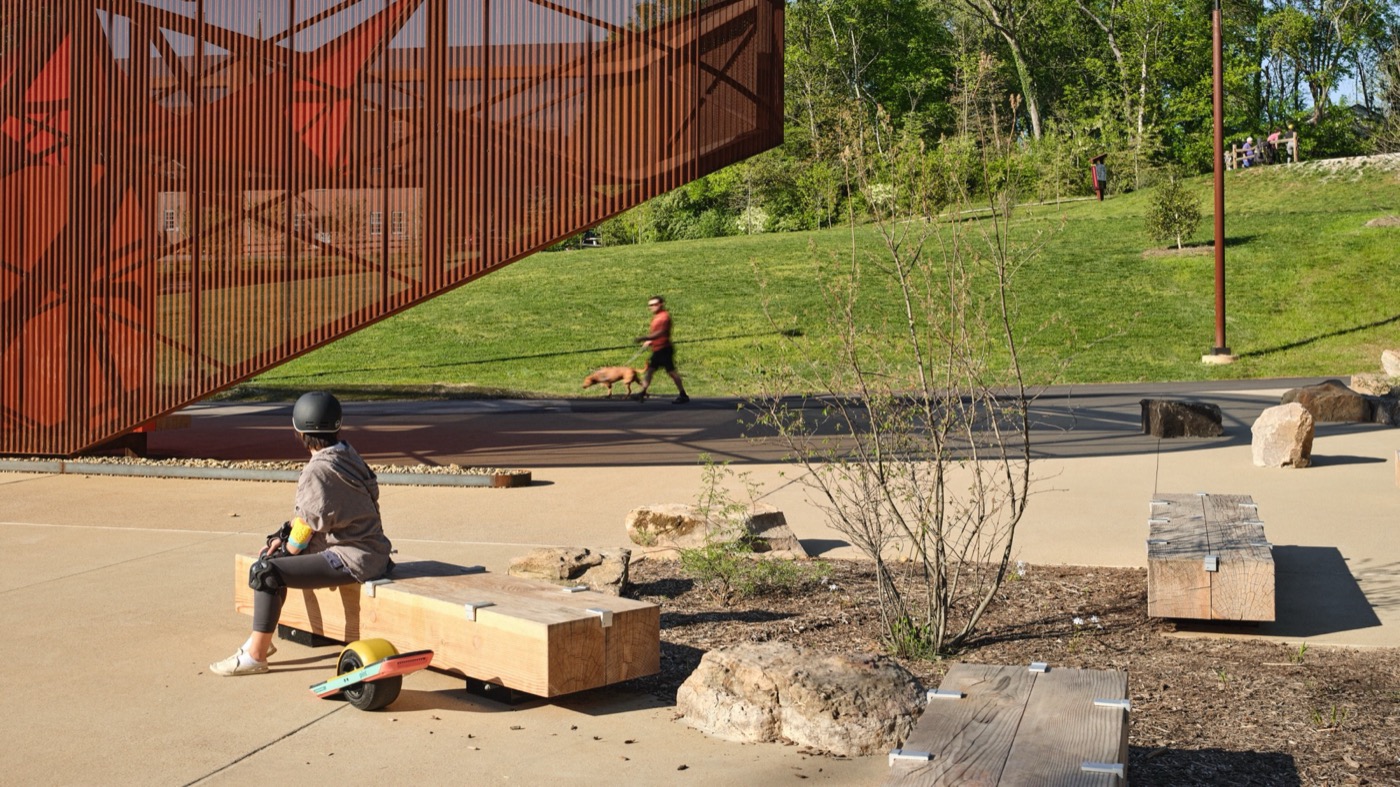
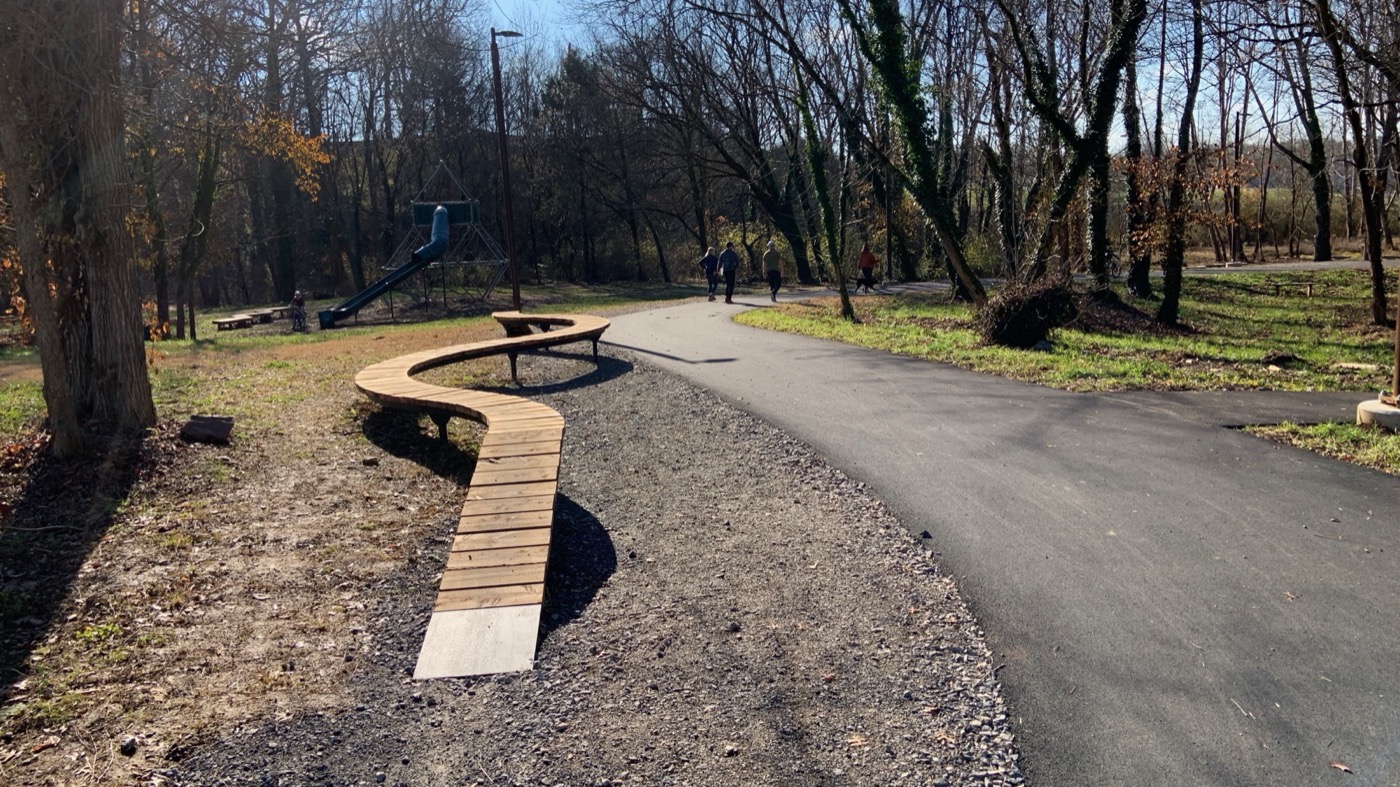
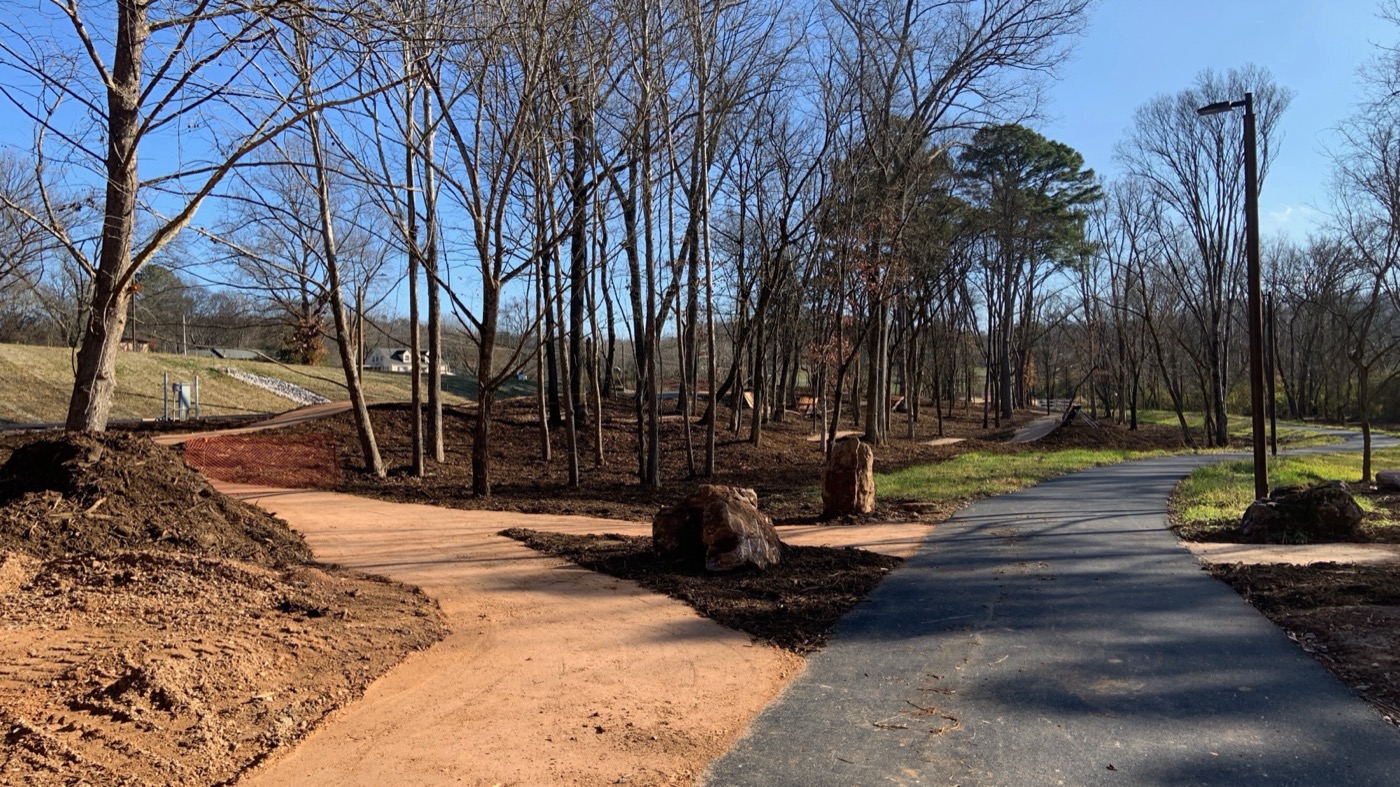
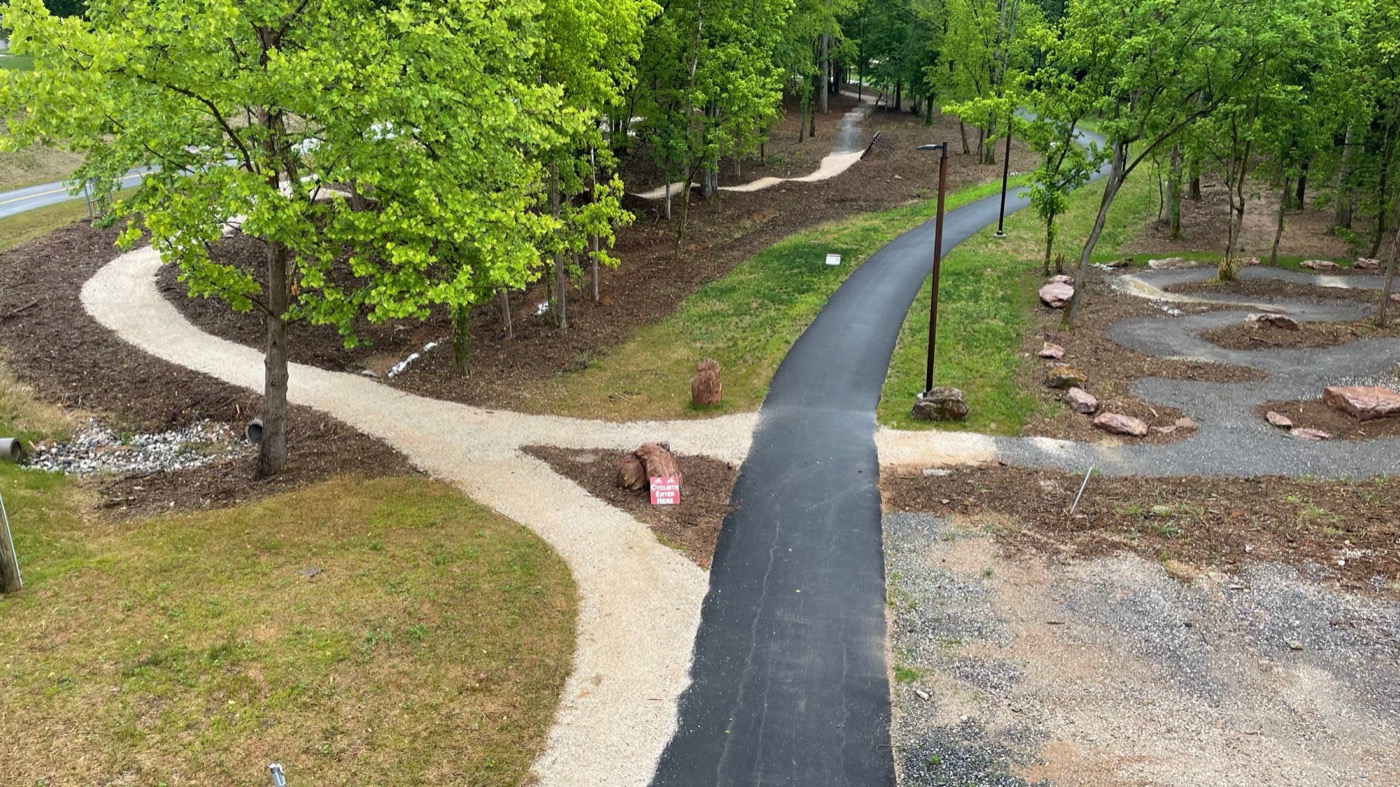
Rather than creating a singular entry point, PORT’s plan reconceives the entire corridor as a continuous civic and ecological spine reconnecting the Urban Wilderness to downtown Knoxville. The vision is anchored by two primary nodes: the transformation of the parkway terminus, completed in Spring 2026, and a complementary recreation and trail hub at Baker Creek Preserve, completed in 2024. Together, these projects establish memorable points of arrival, recreation, and orientation while reinforcing the corridor’s role as connective infrastructure between neighborhoods, public lands, and the city center. Greenways, lighting, wayfinding, native landscapes, and recreational amenities extend throughout the linear park, creating a unified and accessible public realm for pedestrians and cyclists of all ages and abilities.
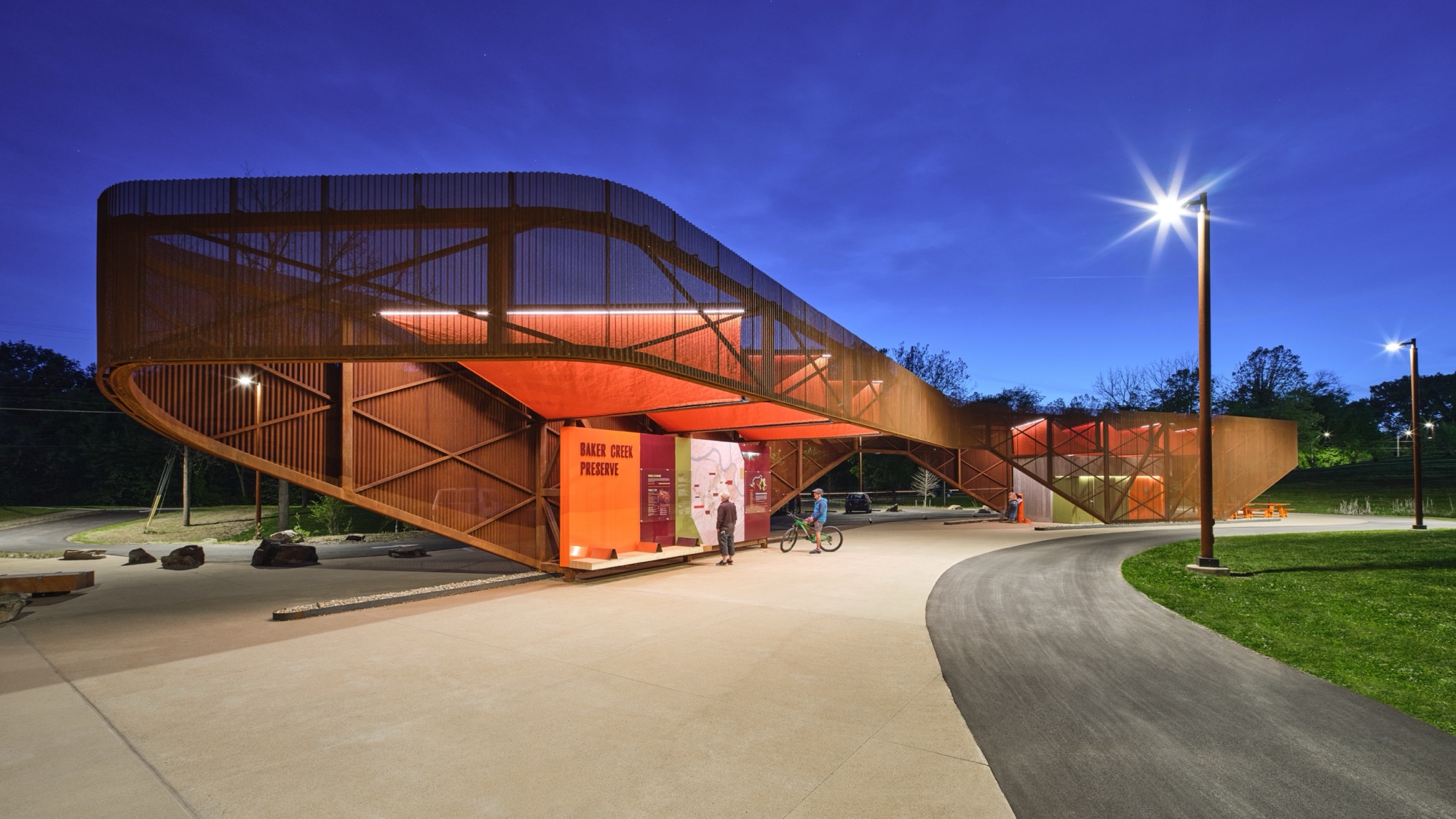
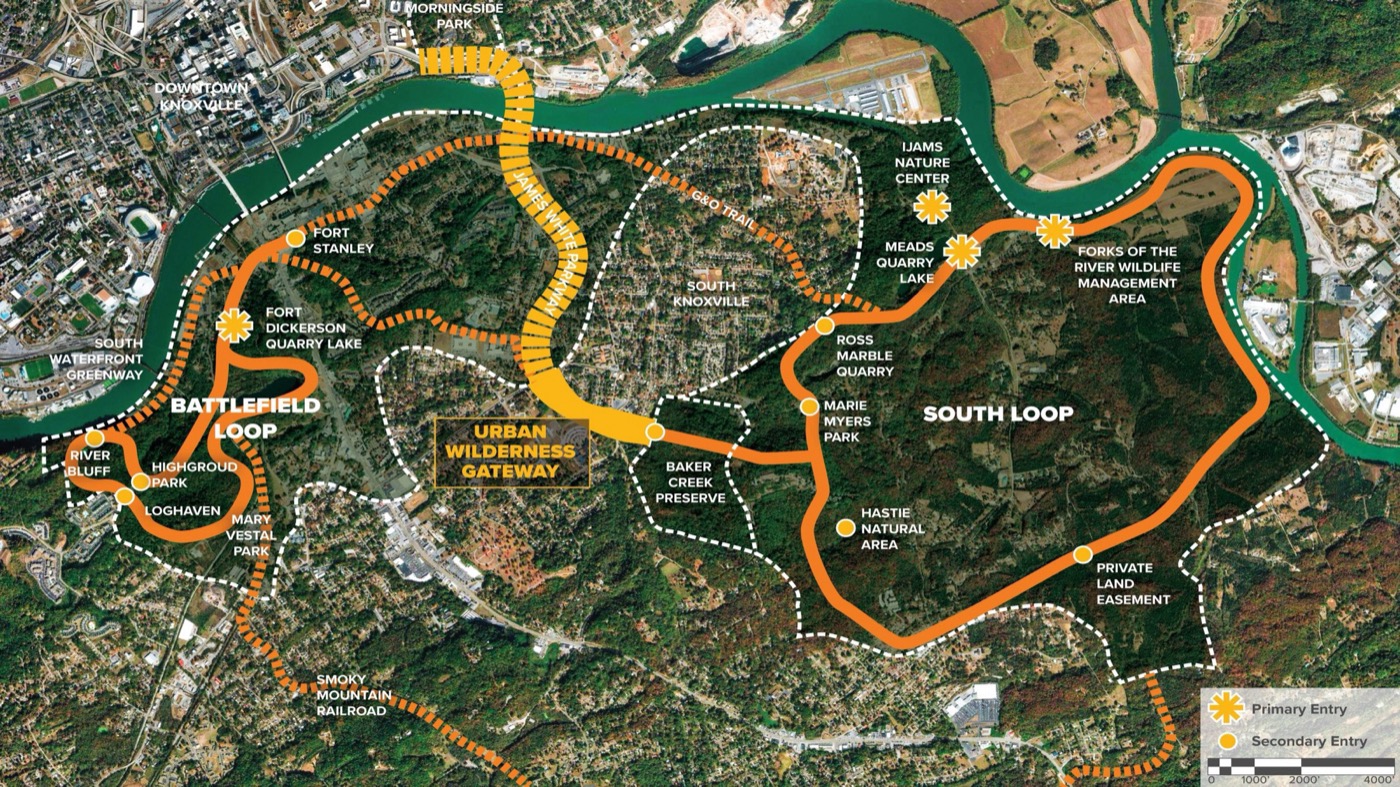
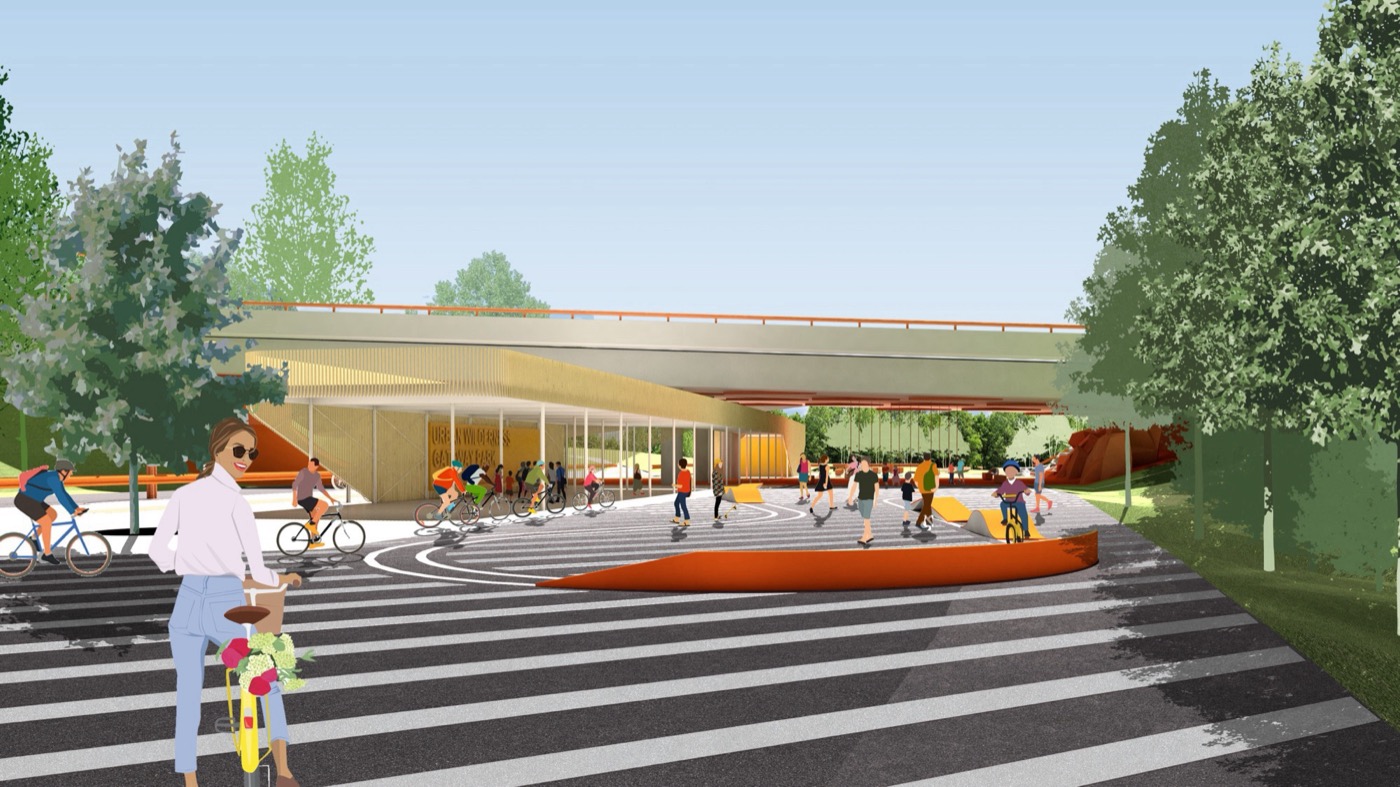
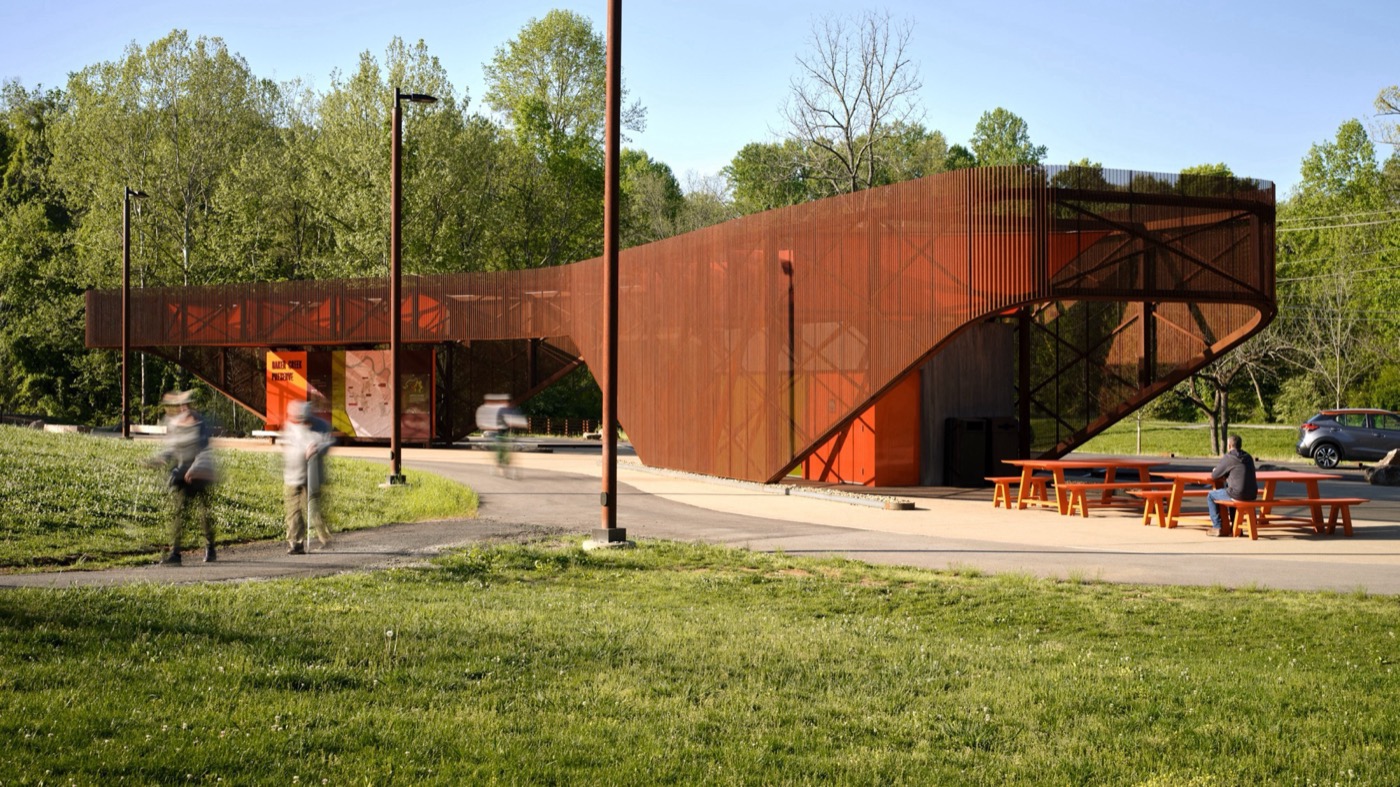
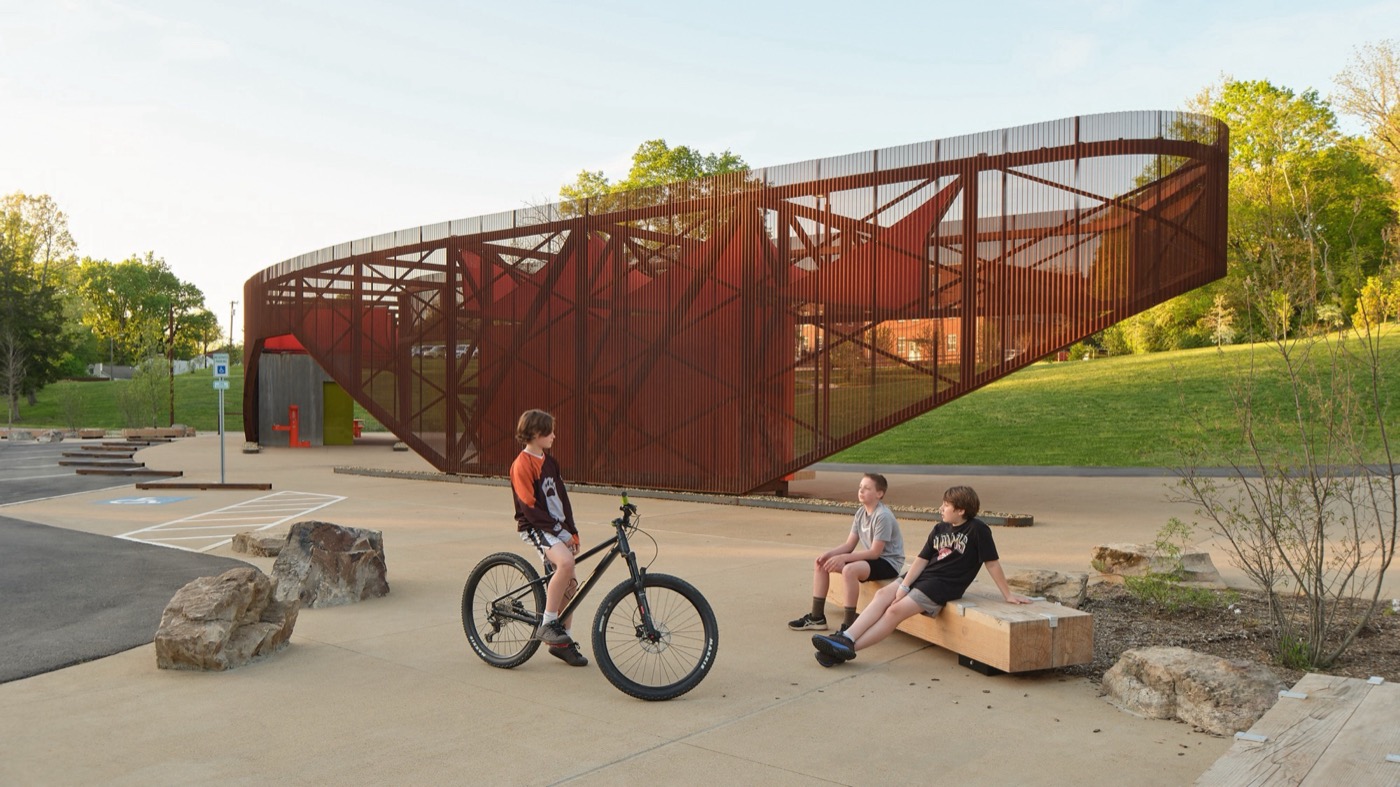
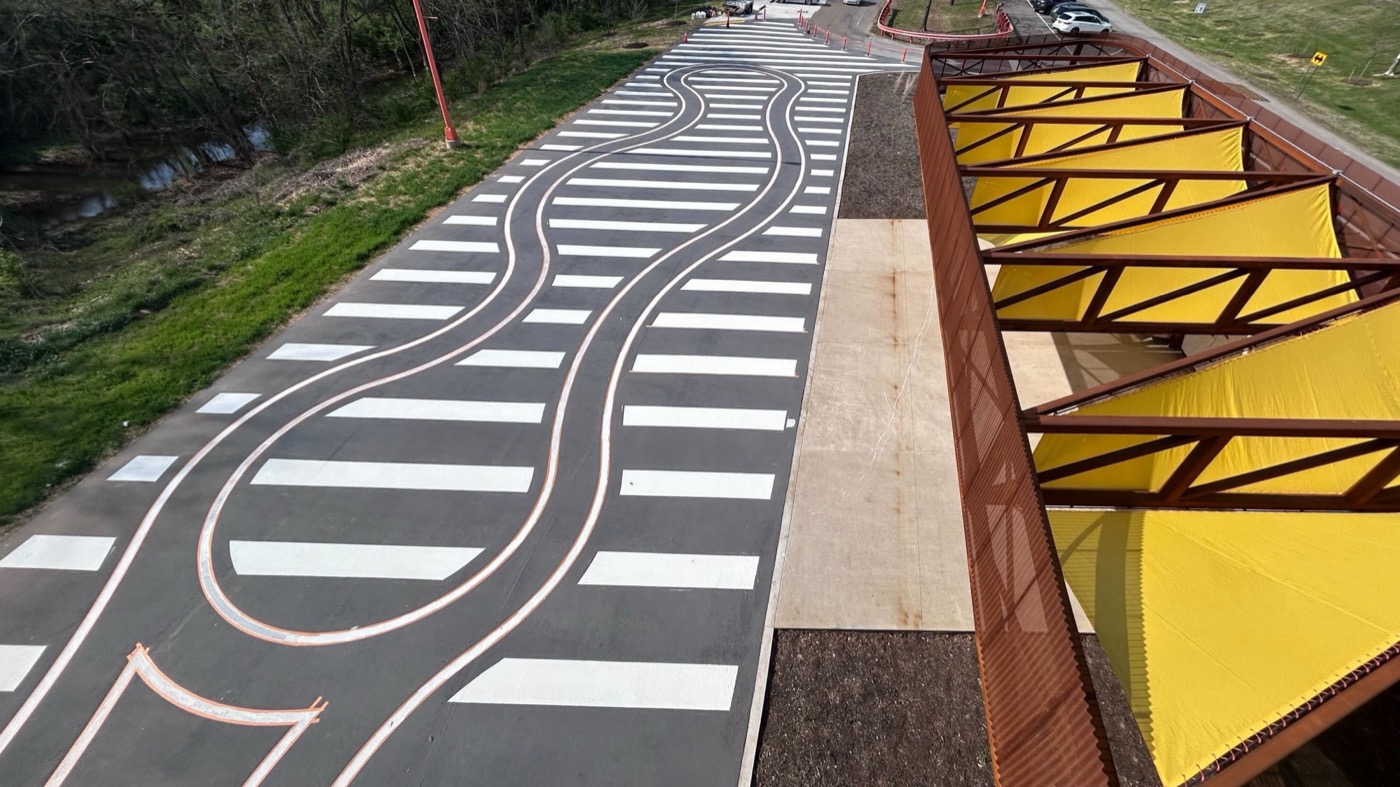
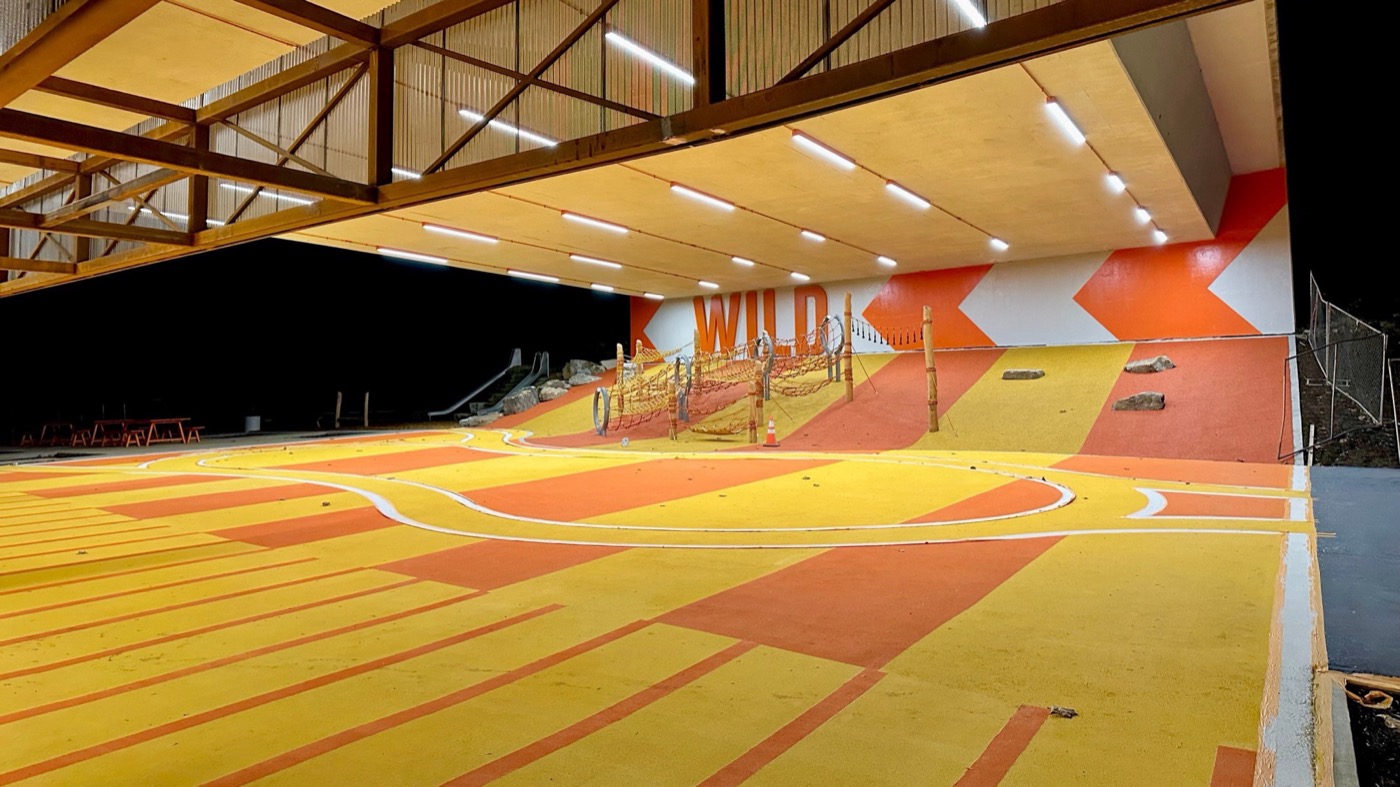
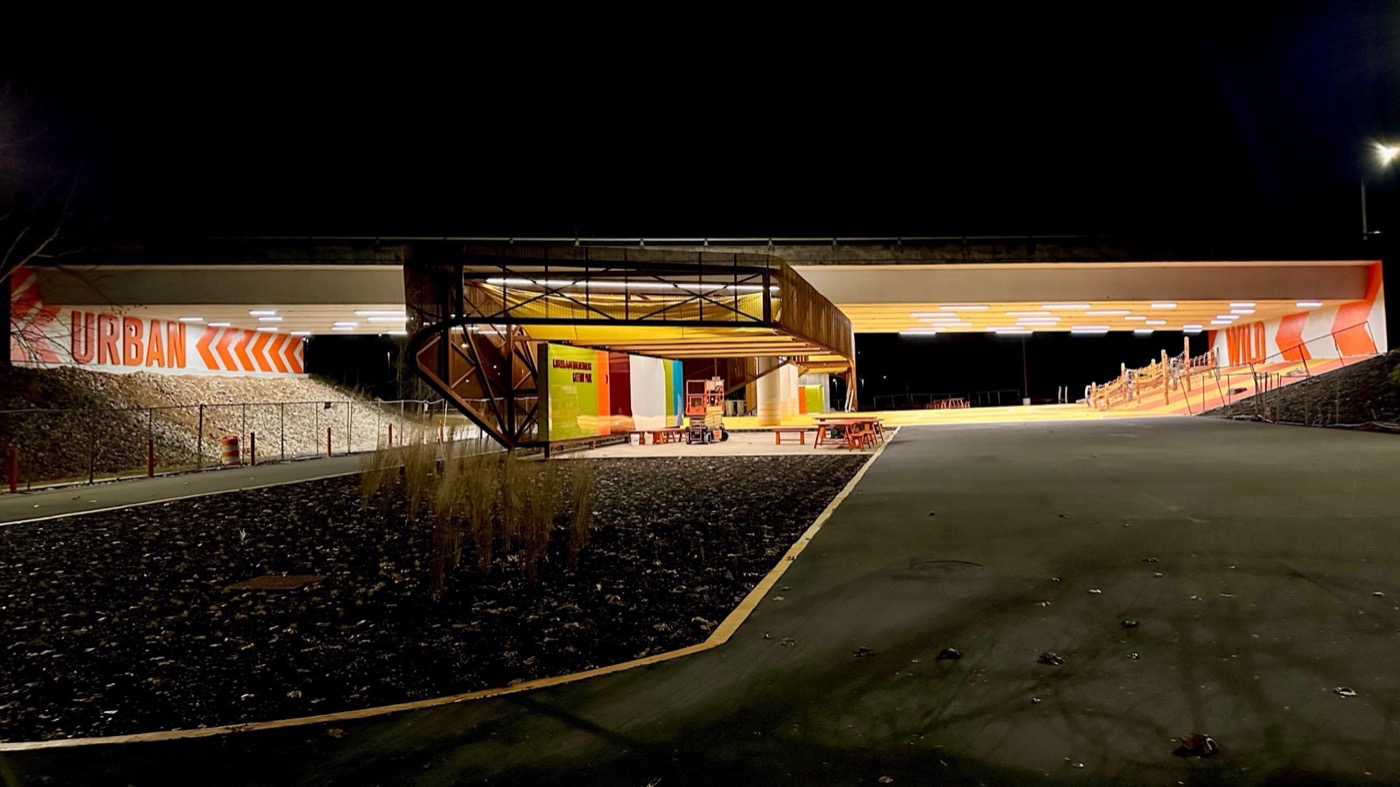
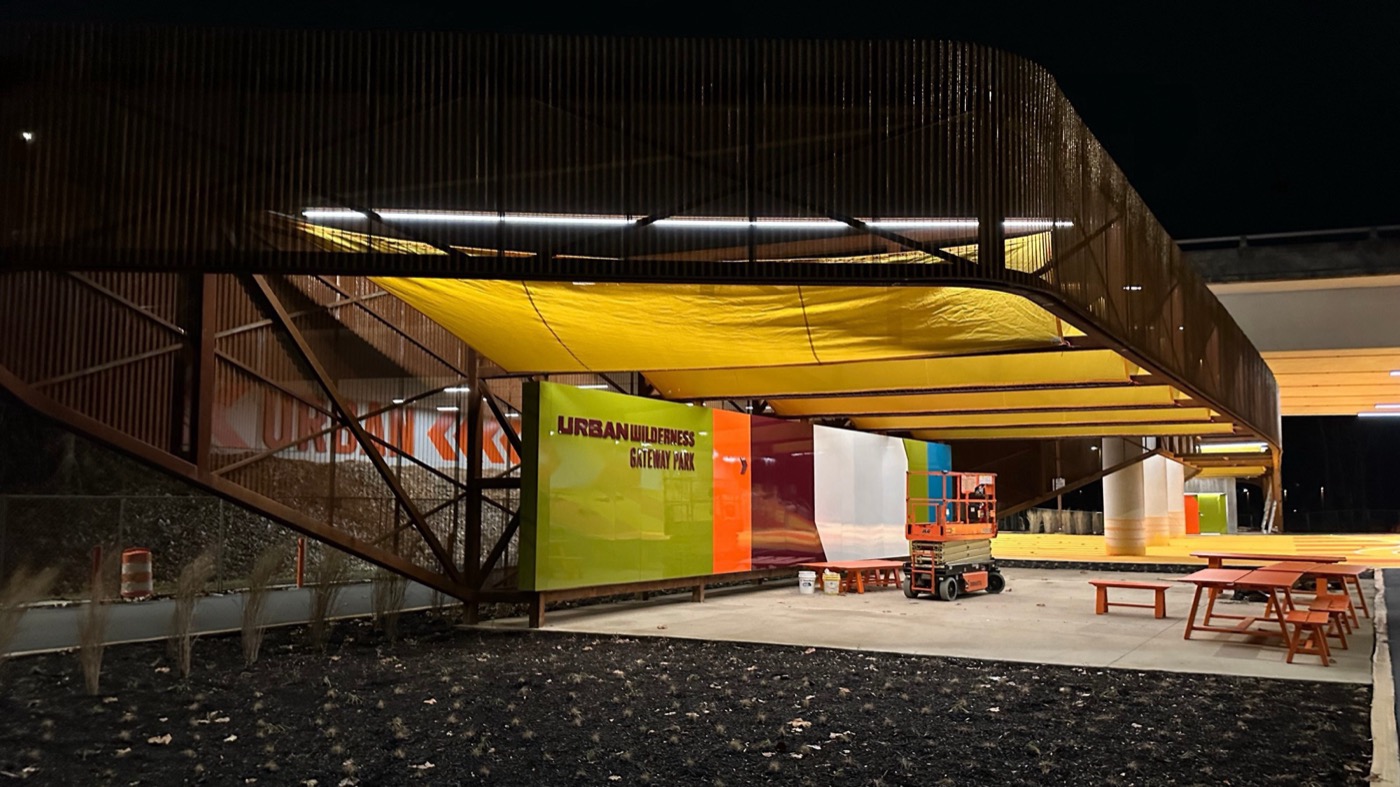
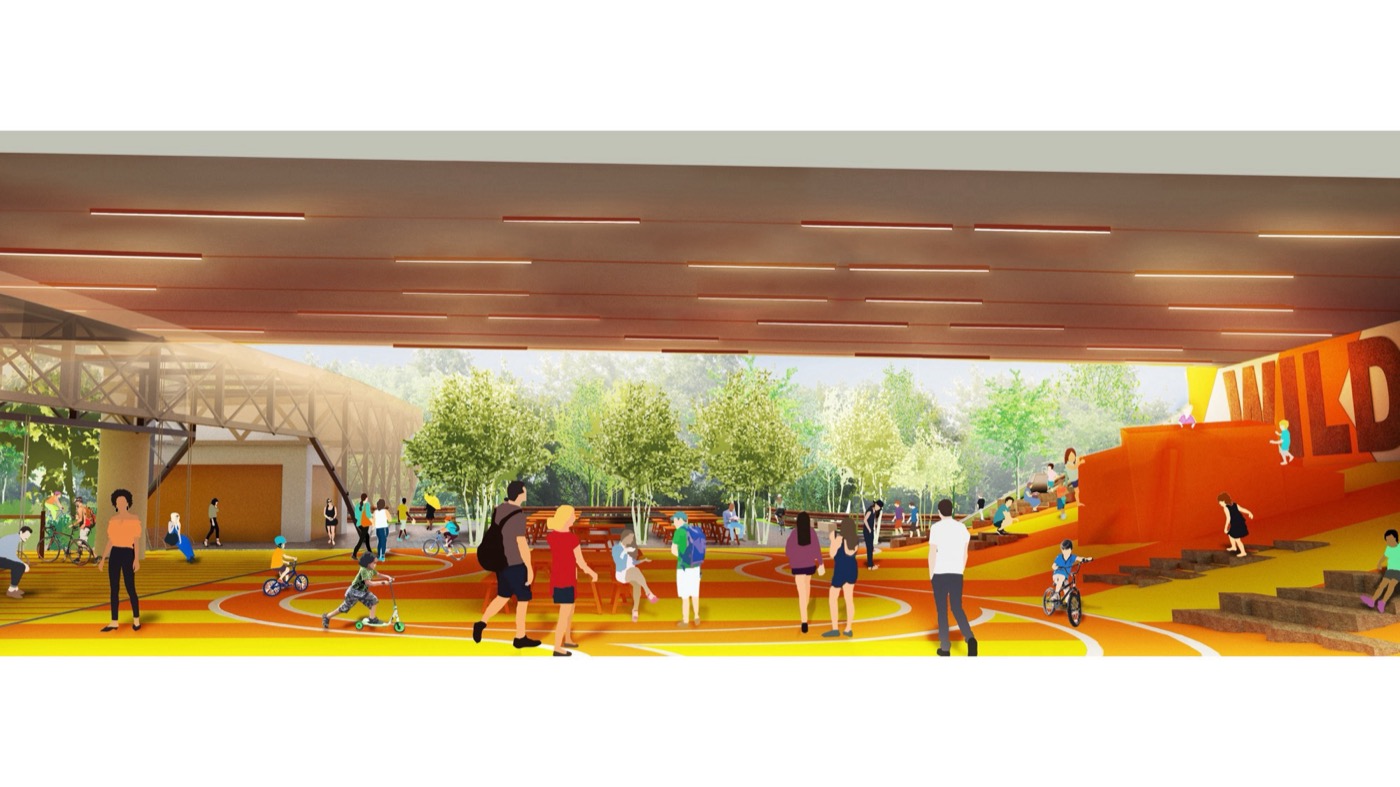
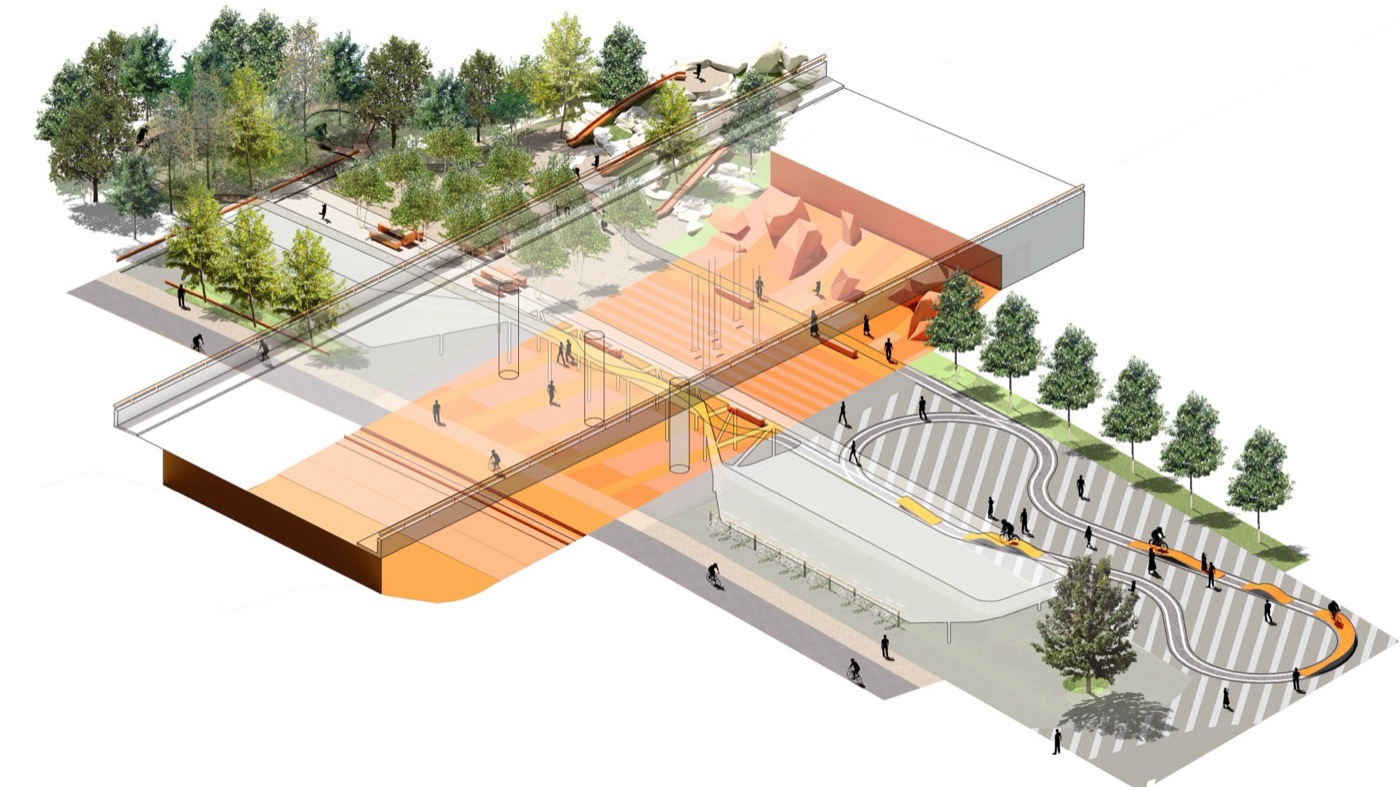
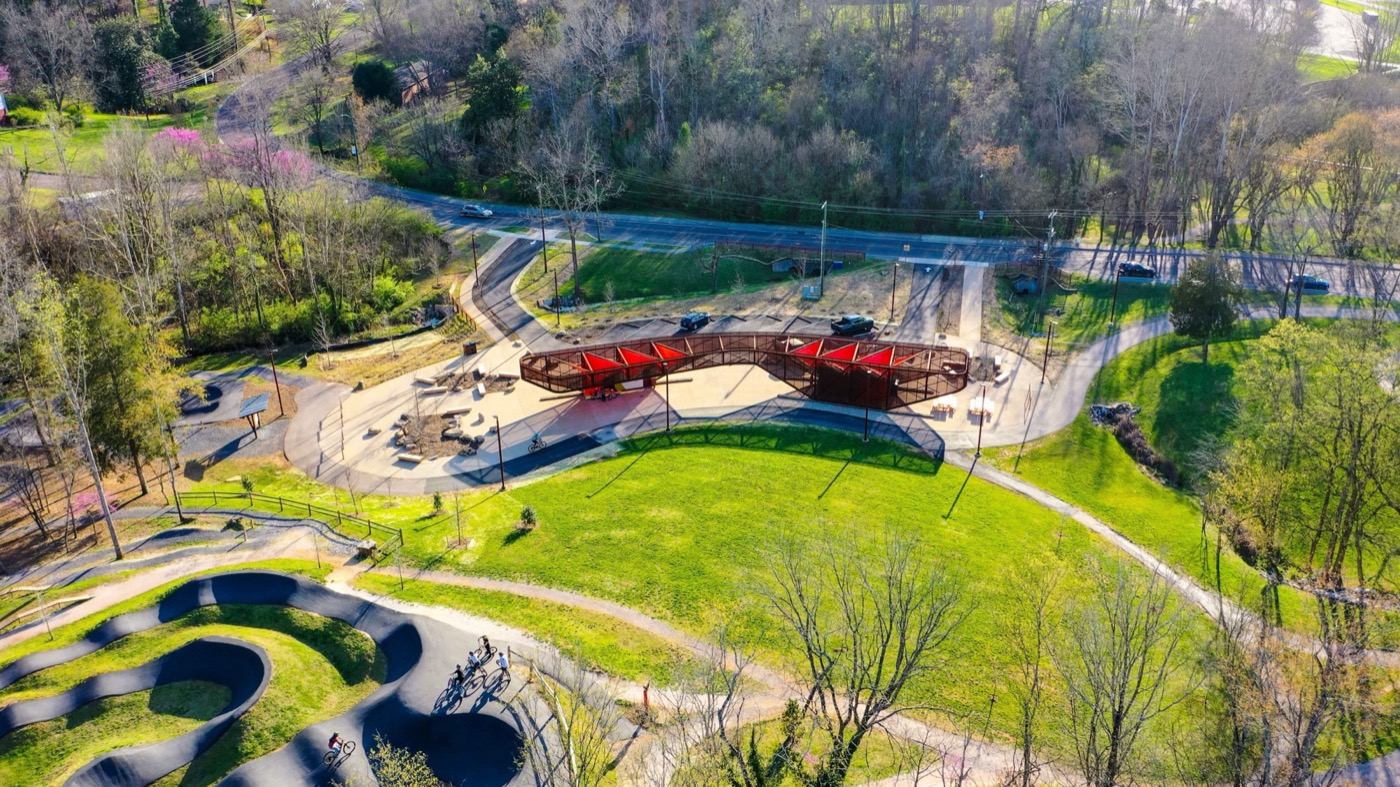
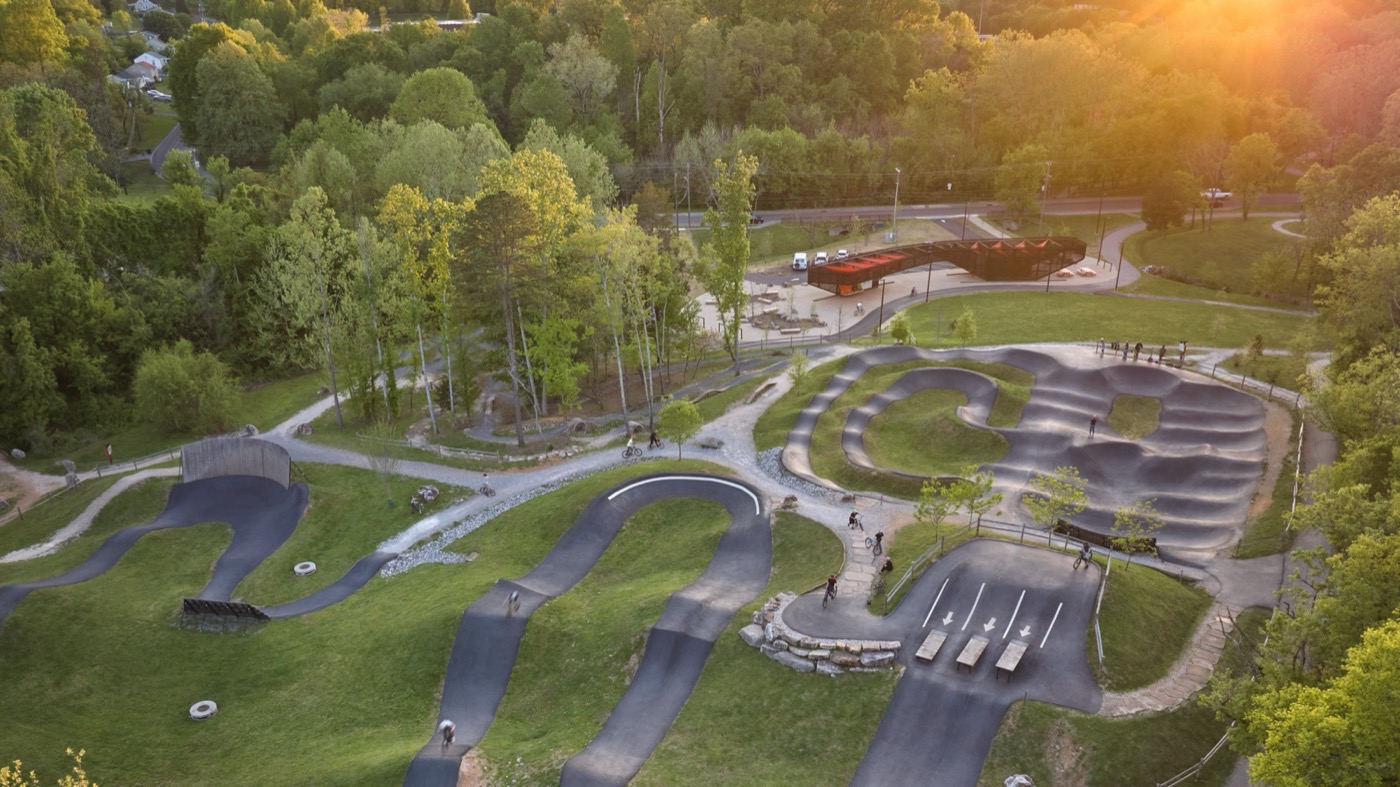
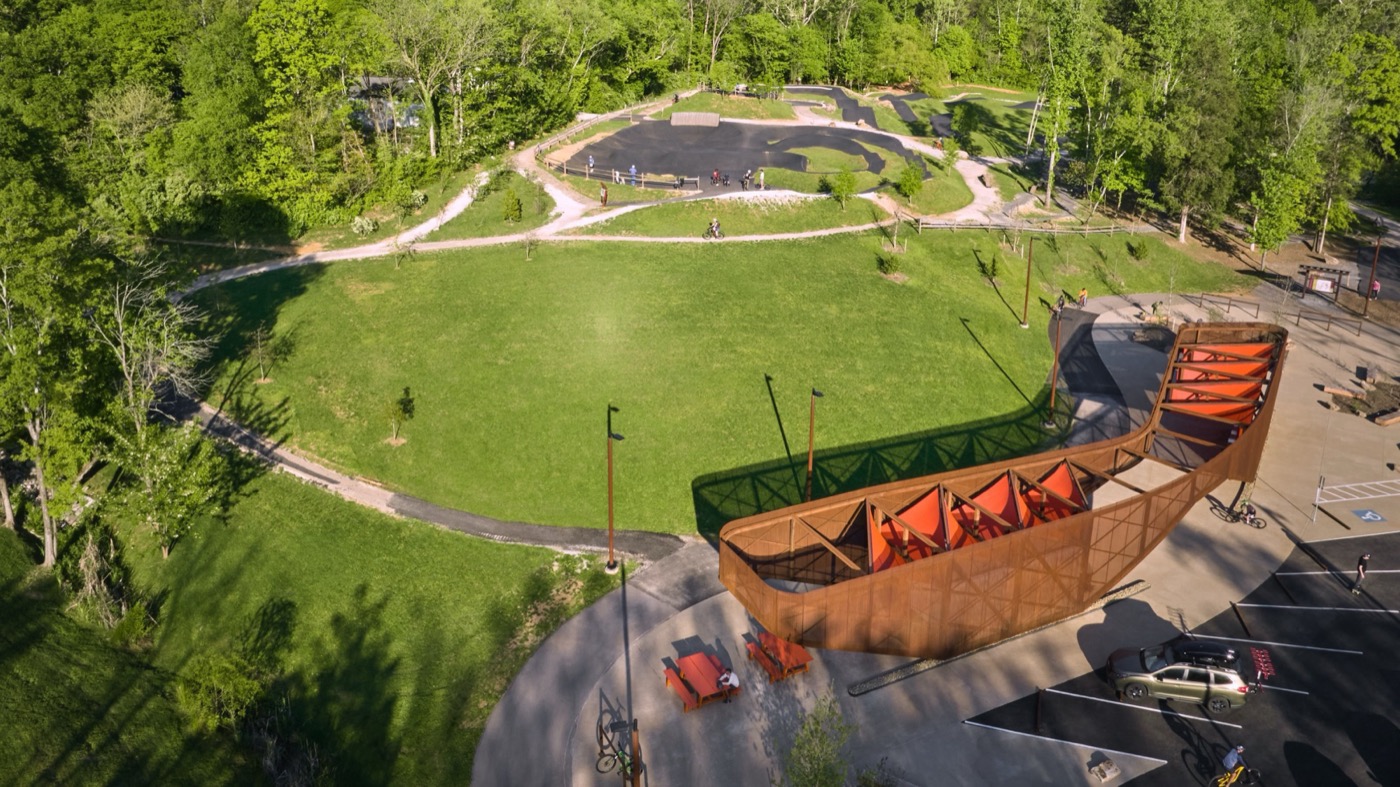
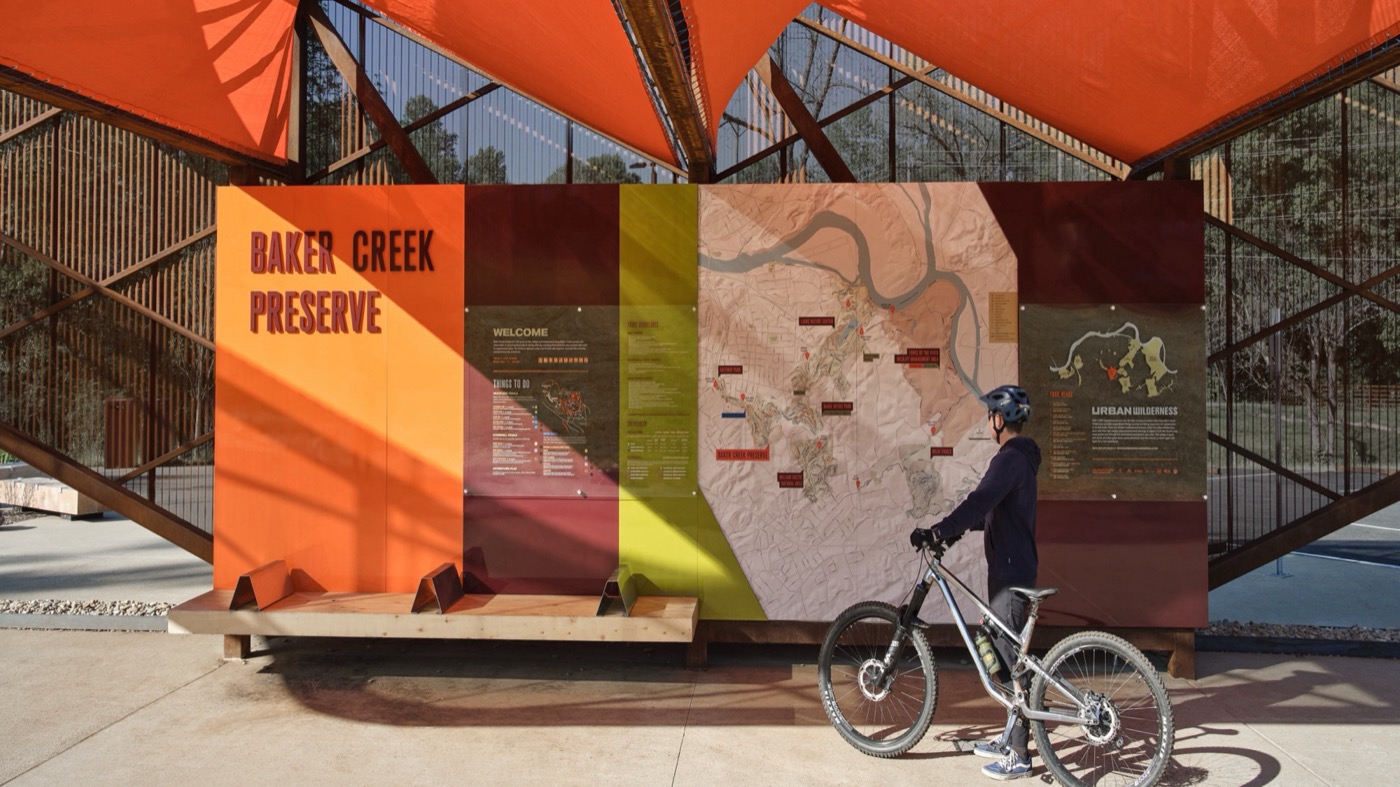
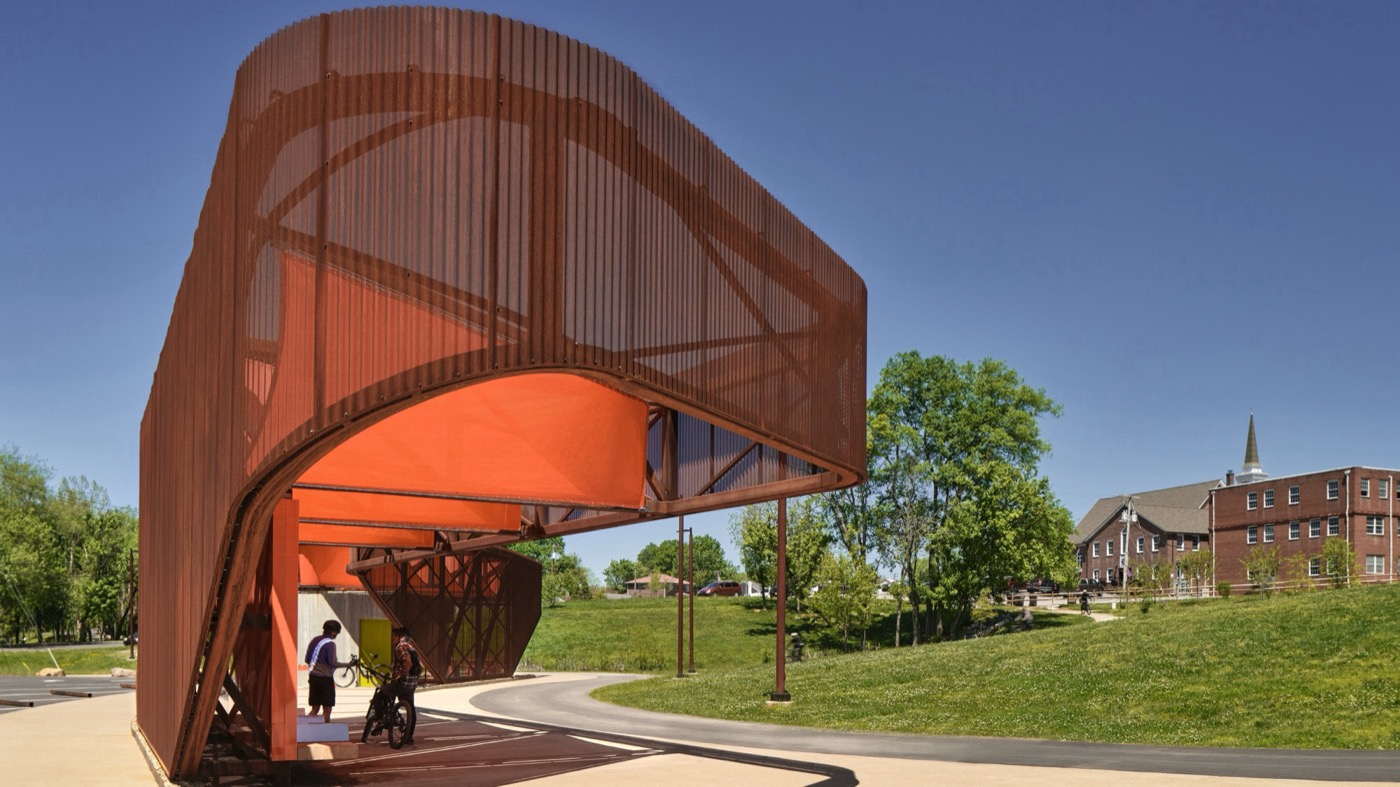
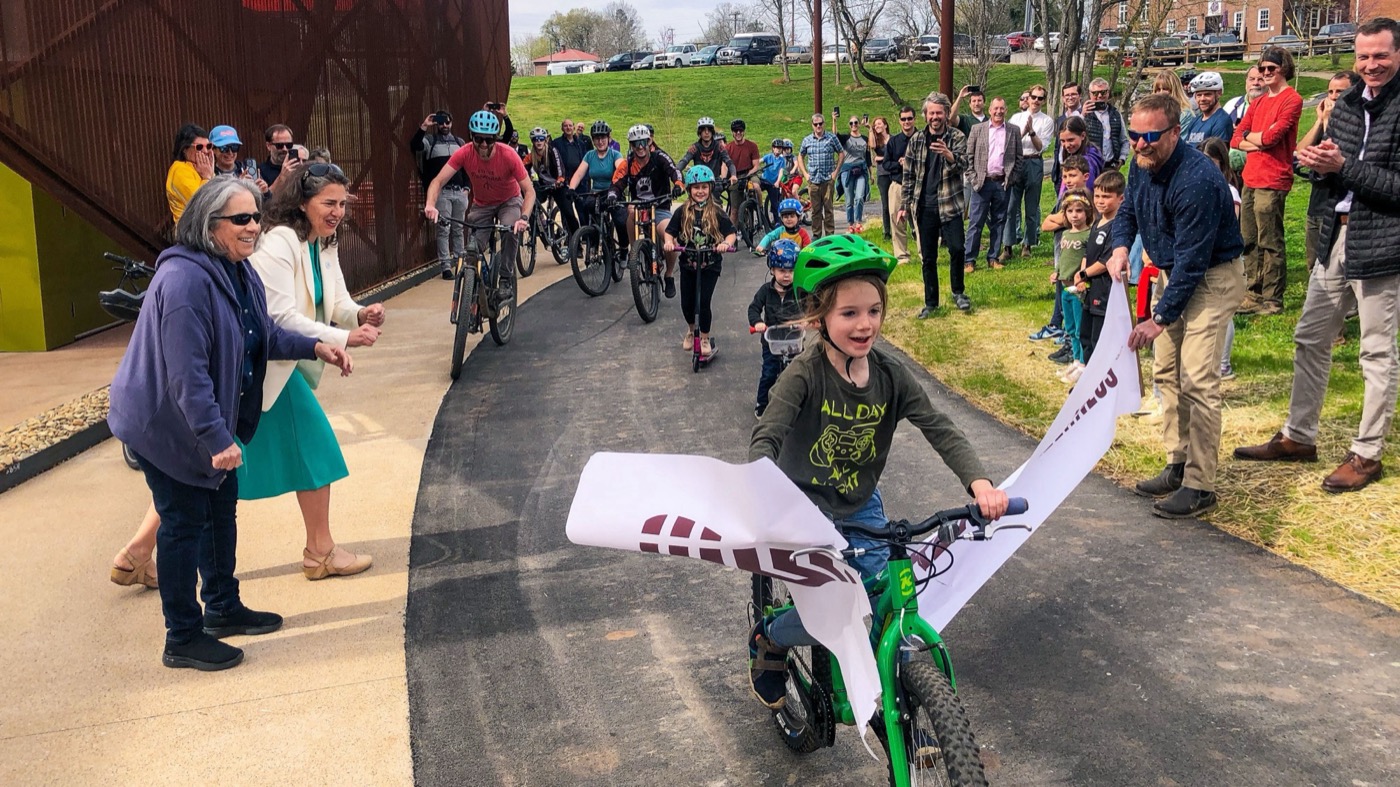
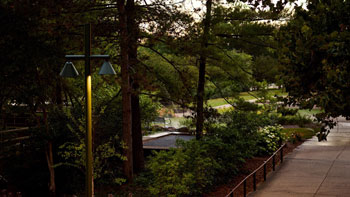
At the parkway terminus, the design transforms abandoned highway infrastructure into an immersive threshold between the urban and natural worlds. A sculptural Corten steel pavilion extends beneath the massive highway underpass, physically and symbolically uniting the site’s dual identities: urban and wild. These words—URBAN and WILD—are boldly painted across the vivid orange underpass, referencing the more than forty years the unfinished highway remained marked by orange construction barrels and temporary barricades. The former roadbed has been repurposed into an active public space, including a painted children’s bike circuit that encourages play and exploration within the reclaimed infrastructure. Beyond this threshold, playgrounds are embedded into both sides of the underpass embankment, while oversized hillside slides descend from the elevated slopes above—an exceptionally rare example of children’s play integrated directly into abandoned highway infrastructure. What was once a barrier has been transformed into a place of discovery, recreation, and civic identity.
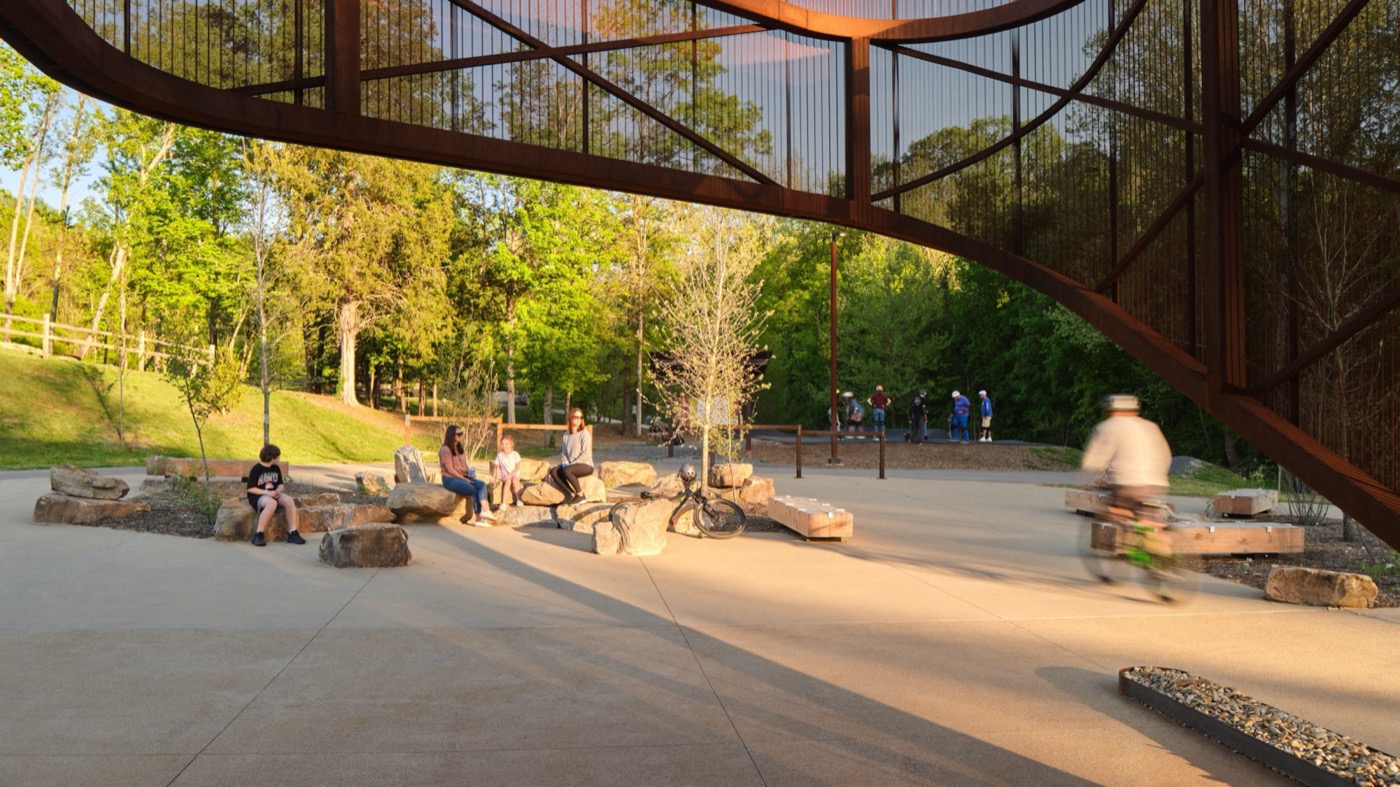
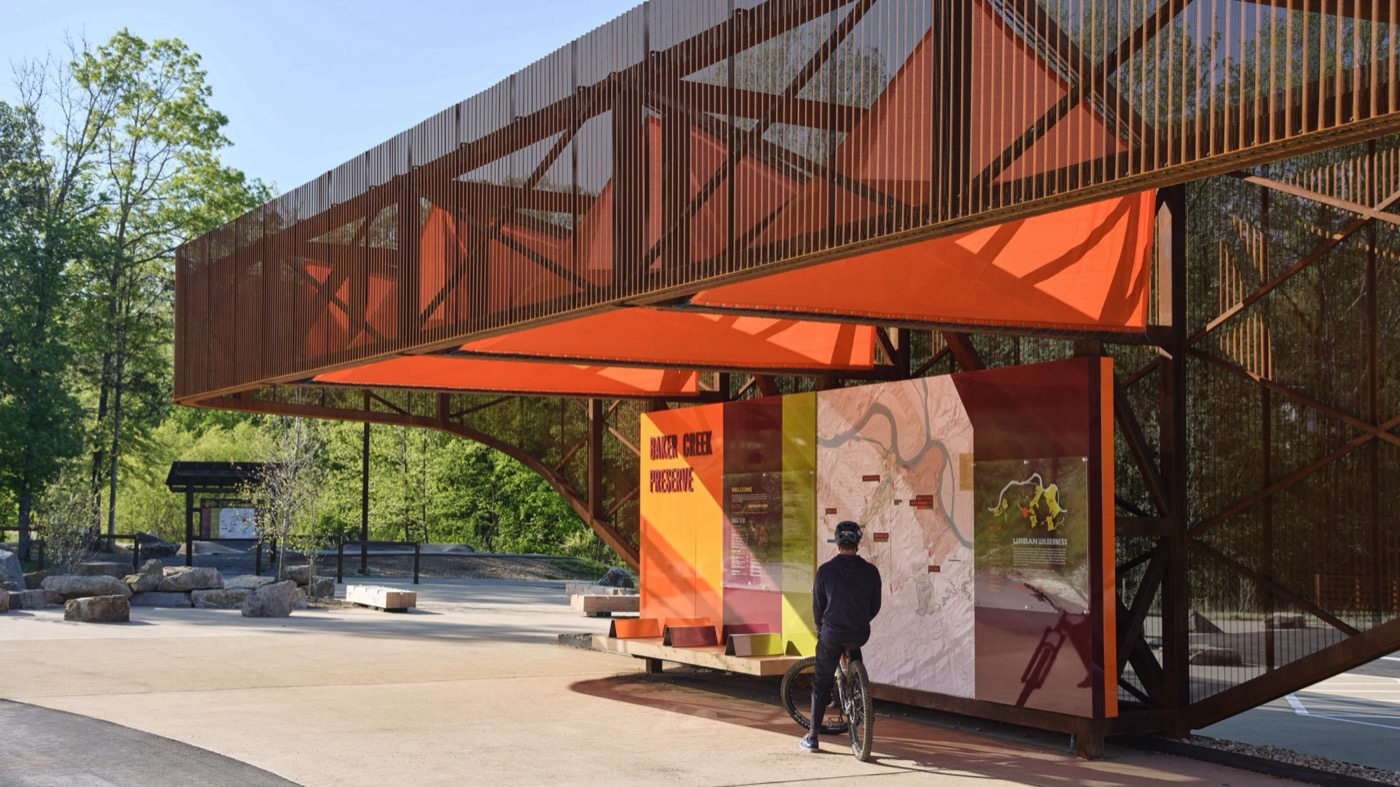
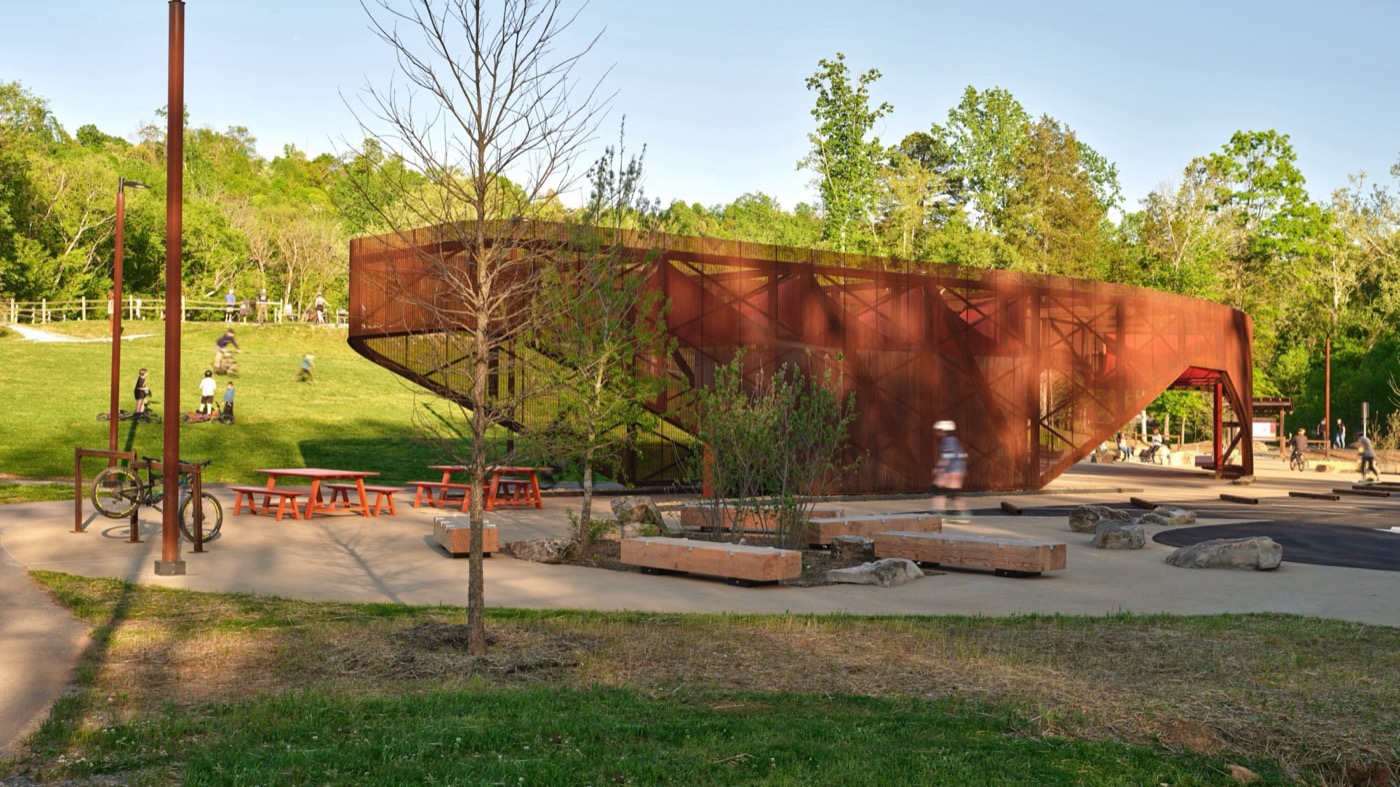
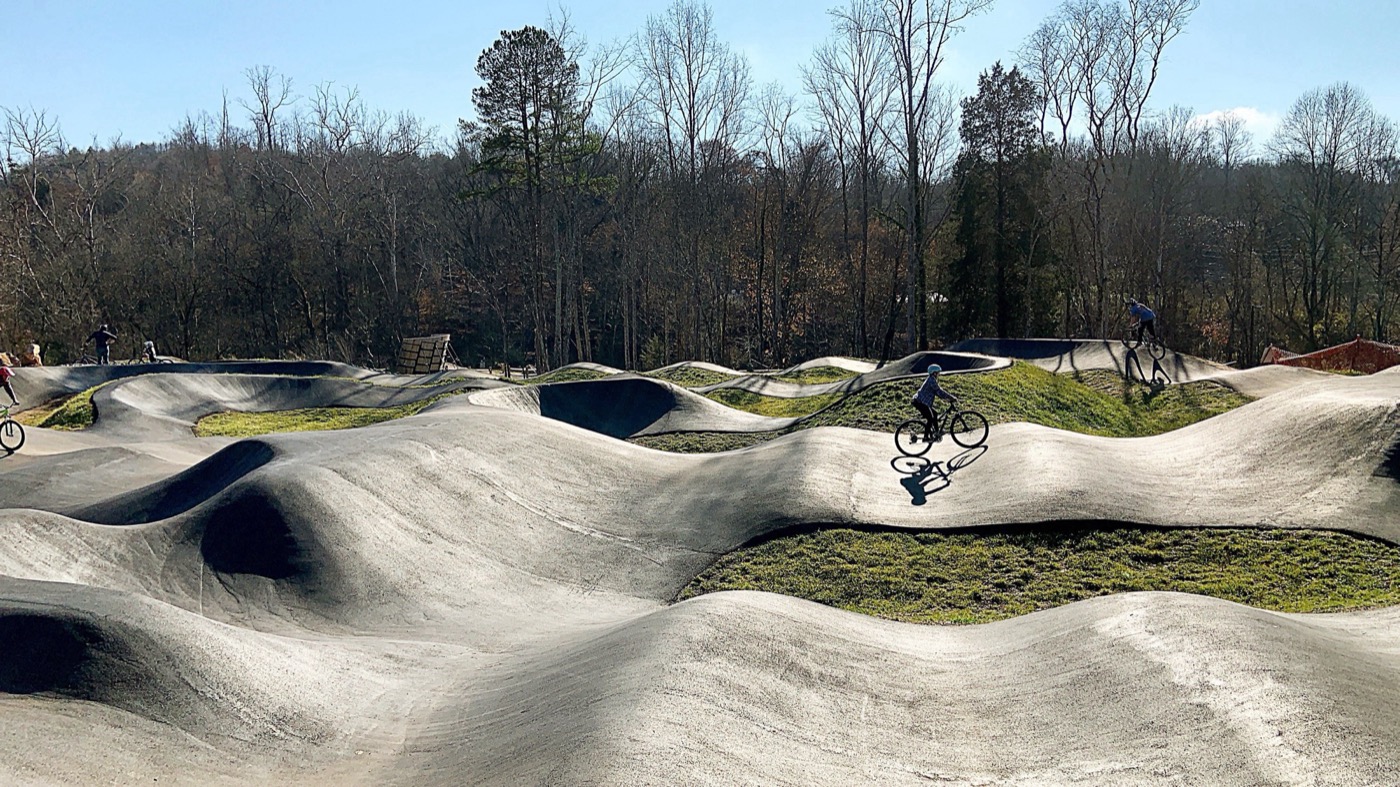
From the terminus, bike trails and greenways extend deeper into the Urban Wilderness toward Baker Creek Preserve, where a second Corten pavilion establishes an additional point of arrival and orientation. This hub includes restrooms, trailhead amenities, wayfinding, a community lawn and performance space, mountain biking pump tracks, and connections to the region’s extensive trail system. Together, the two nodes frame the corridor as both destination and journey, supporting recreation, ecological stewardship, and everyday mobility while strengthening Knoxville’s identity as an outdoor city.
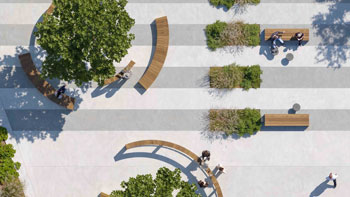
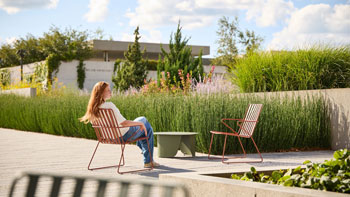
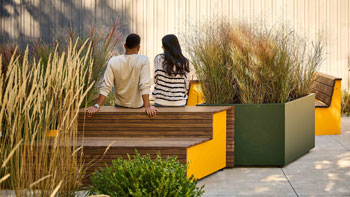
The project prioritizes habitat restoration, stormwater management, and multimodal connectivity while introducing civic amenities that serve both local residents and regional visitors. Native planting systems stabilize slopes, restore habitat, and manage stormwater through infiltration and biofiltration strategies that strengthen the corridor’s long-term ecological resilience. Plazas, recreational areas, and bike facilities punctuate the linear park, creating distinct moments of activity and gathering while maintaining a cohesive landscape identity.
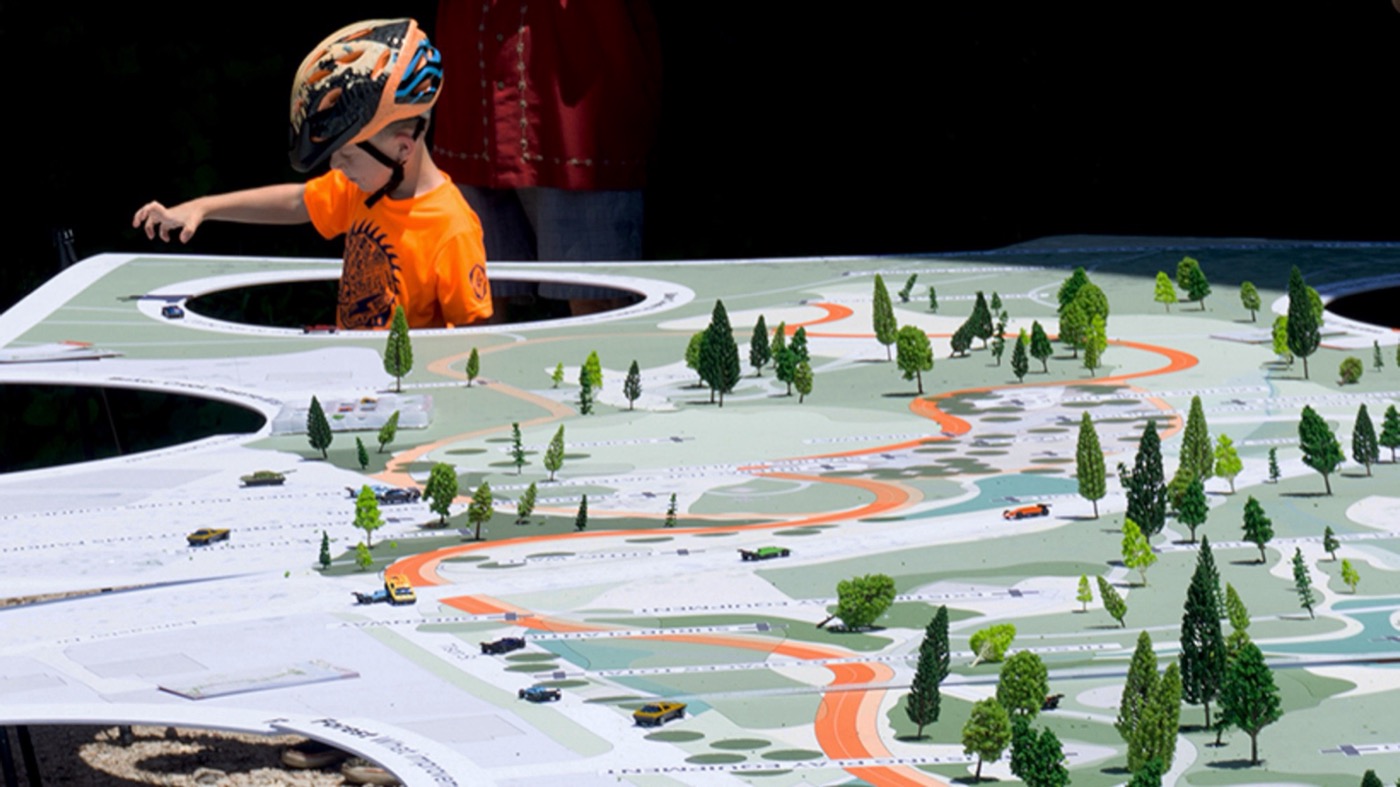
An inclusive public engagement process was central to the project’s success. Community events, including a block party held directly at the parkway terminus, introduced residents to the project vision through interactive exhibits such as a 50-foot matchbox car-scale site model and large-format aerial imagery. Additional workshops, surveys, and public meetings helped refine programming priorities and mobility improvements, ensuring the corridor reflects both the aspirations and lived experiences of Knoxville residents. Together, the project demonstrates how obsolete infrastructure can be transformed into a resilient civic landscape that reconnects communities, celebrates local identity, and expands access to nature within the city.
Client: City of Knoxville
COLLABORATORS
Traffic: Gresham Smith
Architect: Sanders Pace Architecture
Structural: Fe Design & Engineering
Civil: Johnson, Mirmiran & Thompson
Photography: Keith Isaacs
35.94334394438917, -83.89461763521871
74265


LILA 2026 Sponsor