Refurbishment of L’illa Diagonal in Barcelona
www.batlleiroig.com
2026 Landscape and Architecture / 2026 Public Projects / Spain / Built in 2025 /

![Nestled between the Pyrenees and the Costa Brava, the comarca of Osona is a land of contrasts and quiet beauty. With its fertile plains, winding rivers, and surrounding mountains, the region offers an extraordinary tapestry of natural landscapes and cultural heritage. This rich environment is the foundation for the “Osona Viewpoints Network” (Xarxa de Miradors […]](https://landezine-award.com/wp-content/uploads/2025/05/00-1073-batlleiroig-xaxa_miradors_osona-©Fernando-Mari-HERO-600x450.jpeg "Osona viewpoints network by Batlleiroig")
![The Rambla Girada in Vilafranca del Penedès was constructed in the late 1990s as the central axis of a new neighborhood. It was conceived as a classic thoroughfare primarily intended for pedestrian strolls. The circulation of private vehicles and the arrangement of parking spaces were situated close to the facades of the buildings, leaving a […]](https://landezine-award.com/wp-content/uploads/2024/05/00-1099-©batlleiroig-DRB-2022-Rambla_Girada-600x491.jpg "Rambla de la Girada in Vilafranca del Penedès")
![The Impluvium of Esplugues de Llobregat emerges with the aim of establishing a model for responsible water management and acting as a catalyst for biodiversity in a strategically located area, at a major road junction providing access to the city. The chronic traffic congestion at Rotonda Elisabeth Eidenbenz, compounded by the development of the Finestrelles […]](https://landezine-award.com/wp-content/uploads/2024/05/00-841-batlleiroig-Impluvium_Esplugues-©DELRIOBANI-600x600.jpg "Impluvium in Esplugues de Llobregat")
![The Biolake project unfolds within the expansive canvas of Igualada’s Central Park. It stands as a strategic enclave, solidifying Igualada’s Green Ring and its verdant infrastructure, composed of meticulously crafted open spaces designed with sustainability at their core, both within the city and its outskirts. Nestled within this green sanctuary, amidst the bustling urban fabric, […]](https://landezine-award.com/wp-content/uploads/2024/05/00-841-batlleiroig-Biolago_Igualada-©DELRIOBANI-600x385.jpg "Biolake in Igualada")

![The Boca de la Mina promenade is located in the northwest of the city of Reus, specifically in the north of the railway line and the train station. The walk has been and is an important recreational space for the inhabitants of the city. Its arrangement in relation to the nucleus, the morphology, the gentle […]](https://landezine-award.com/wp-content/uploads/2023/05/00-batlleiroig-BIR-968-boca-mina-reus-碗ordi-Surroca-01-600x600.jpeg "Boca de la Mina Promenade in Reus")


![The Insect Hotel is an artificial shelter and a hibernating place for insects and arachnids made with natural materials. It consists of a divided structure of several sections with nesting facilities. Vulnerable species (such as the solitary bee) can settle into it to develop and reproduce in a comfortable and secure space. The Hotel is […]](https://landezine-award.com/wp-content/uploads/2018/04/Batlleiroig_Insect-Hotel_Main-Picture-600x338.jpg "Insect Hotel")
The project for the refurbishment of L’illa Diagonal’s open spaces revisits the original project through a contemporary and respectful approach. The intervention introduces the Umbracle, improvements to the gardens, and interior updates that reinforce the project’s original principle: the permeability of the urban ensemble.
In 2018, L’illa Diagonal launched a competition to redesign and upgrade its shopping centre. The proposal was striking, since the building and public spaces—originally conceived by Rafael Moneo and Manuel de Solà-Morales—hold significant architectural value. Even so, the initiative reflected the ambition to renew the complex and adapt it to evolving social, technological, and environmental expectations, ensuring its relevance for future generations.
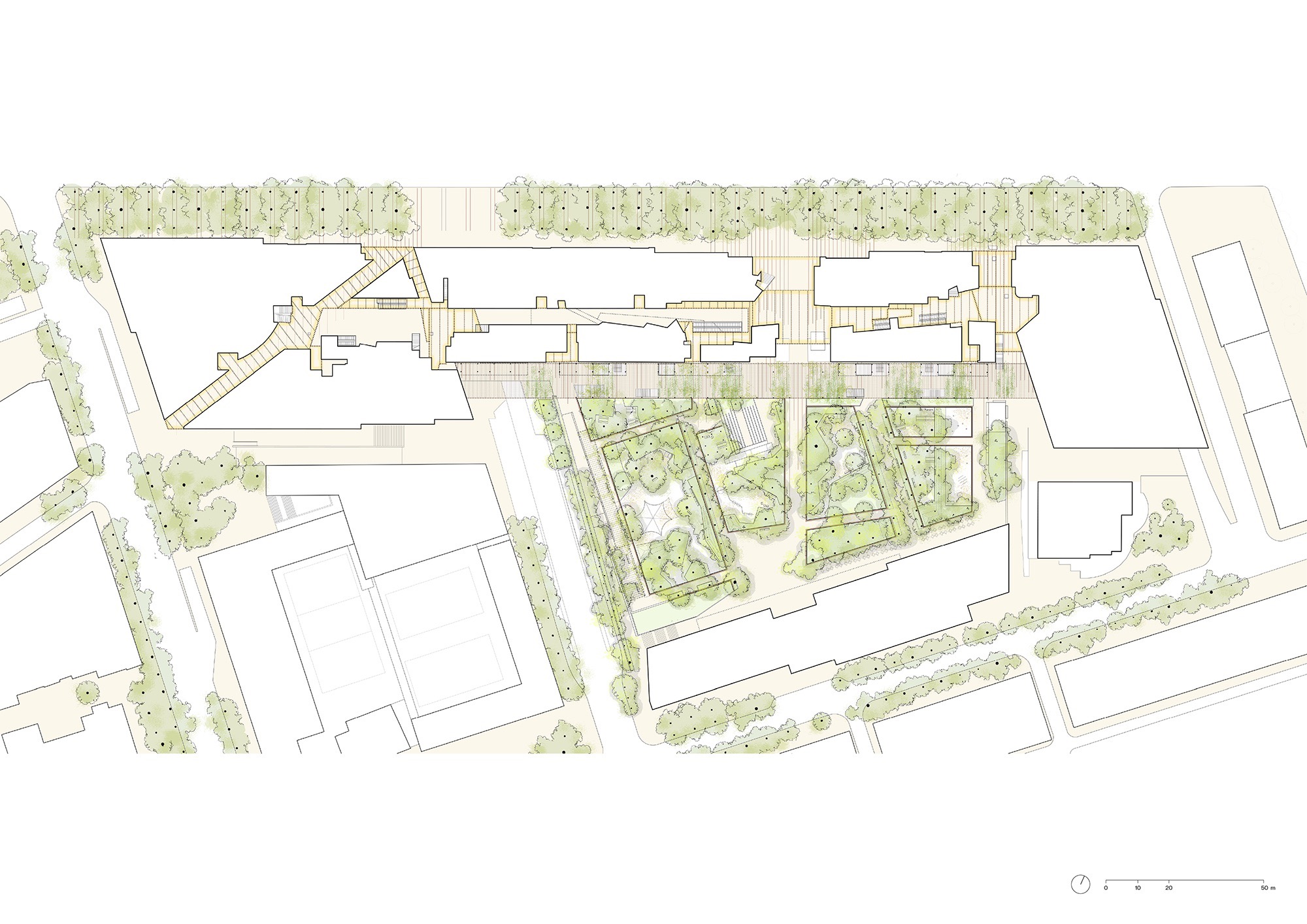
L’illa Diagonal is an extensive urban ensemble stretching more than 300 metres along Diagonal Avenue in Barcelona, widely recognised for its ability to generate city and activate the surrounding public realm. Despite its considerable volume, the project is carefully fragmented to respond to the different scales of the adjacent streets, while the permeability of the ground floor preserves a sense of openness, ensuring continuity with the urban fabric and reinforcing its role as a civic connector.
At Batlleiroig, we approached the proposal with a fundamental question: how can we intervene in an existing project while preserving its original identity and adapting it to new needs? With this premise, the design process began with a clear intention to respect and enhance the existing architecture, recovering and strengthening the project’s original ethos: permeability.
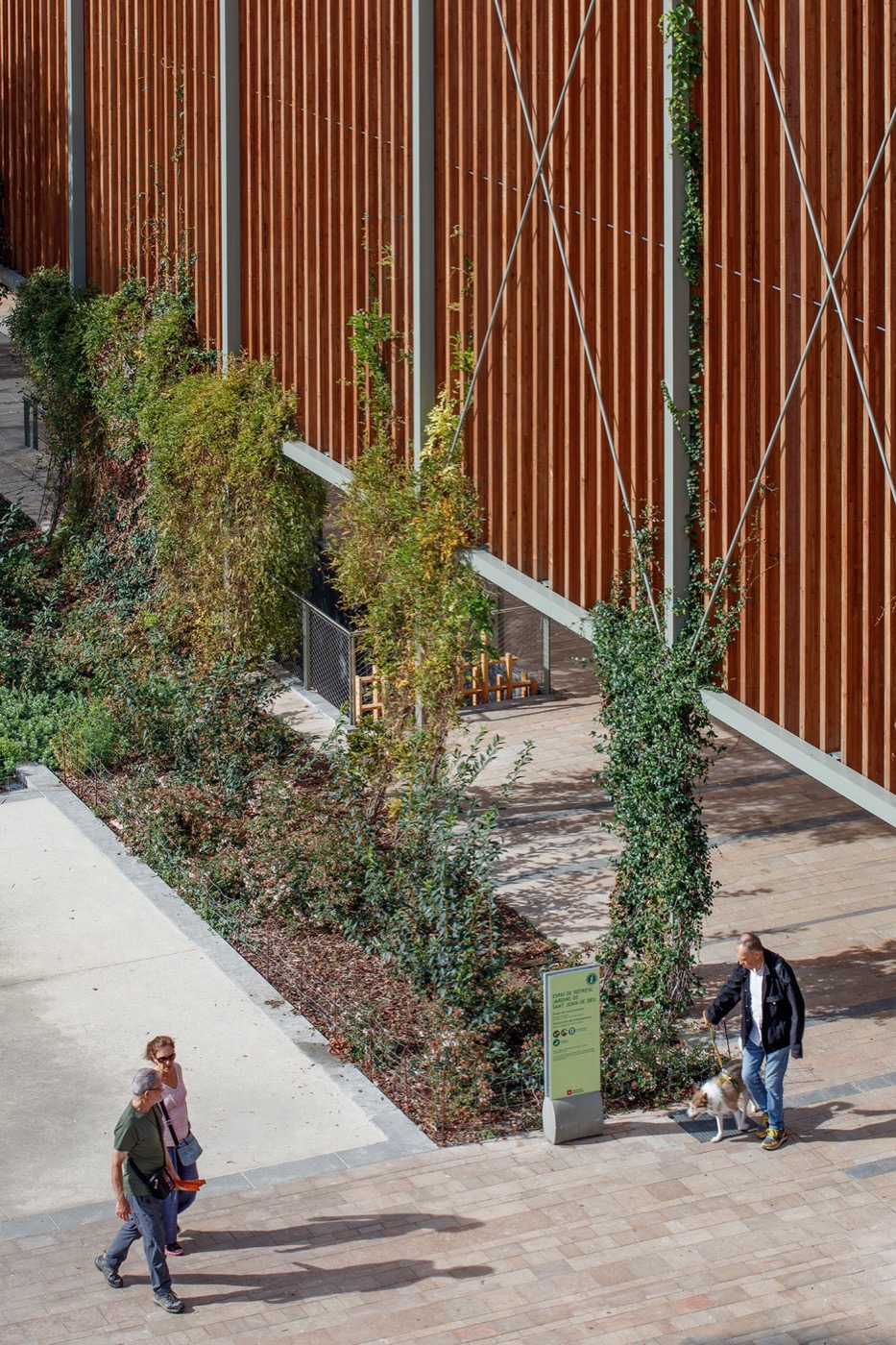
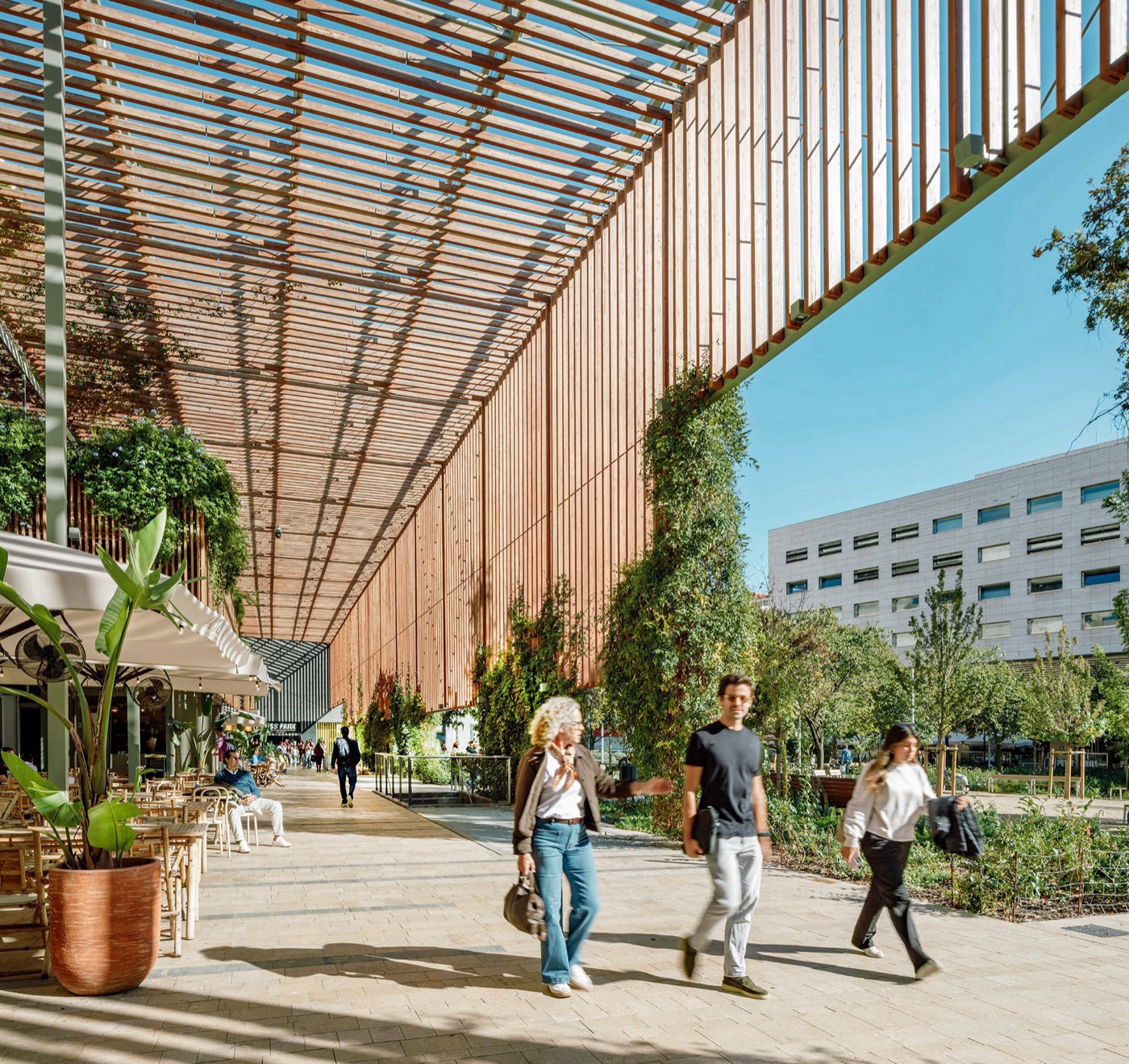
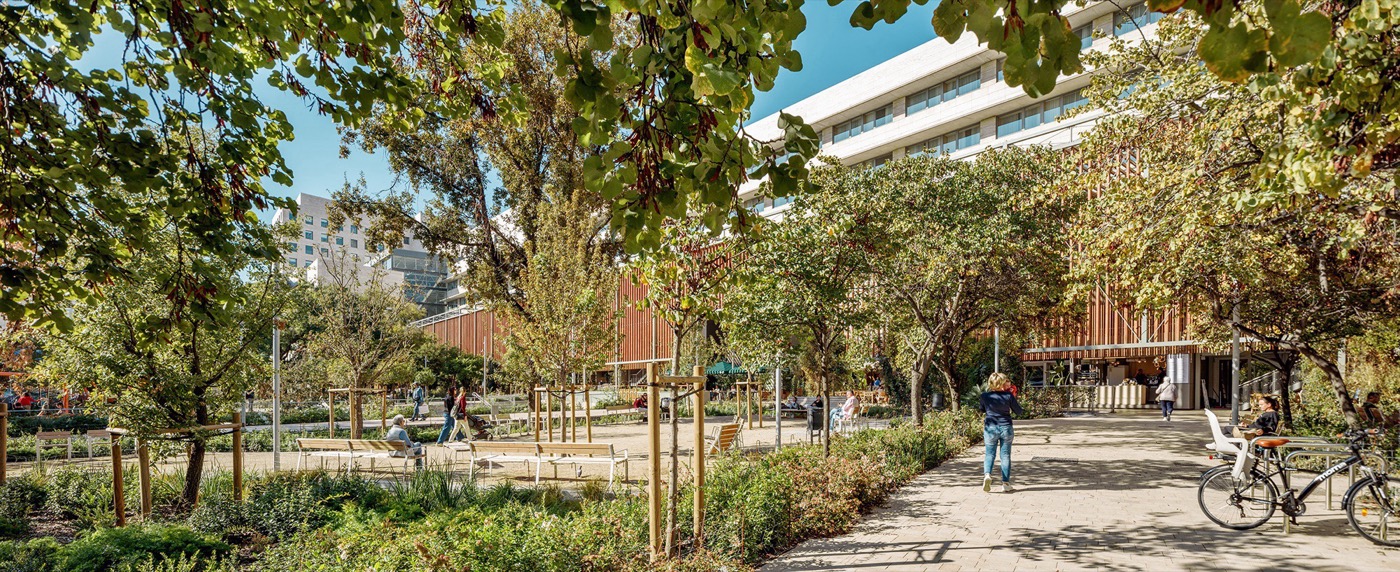
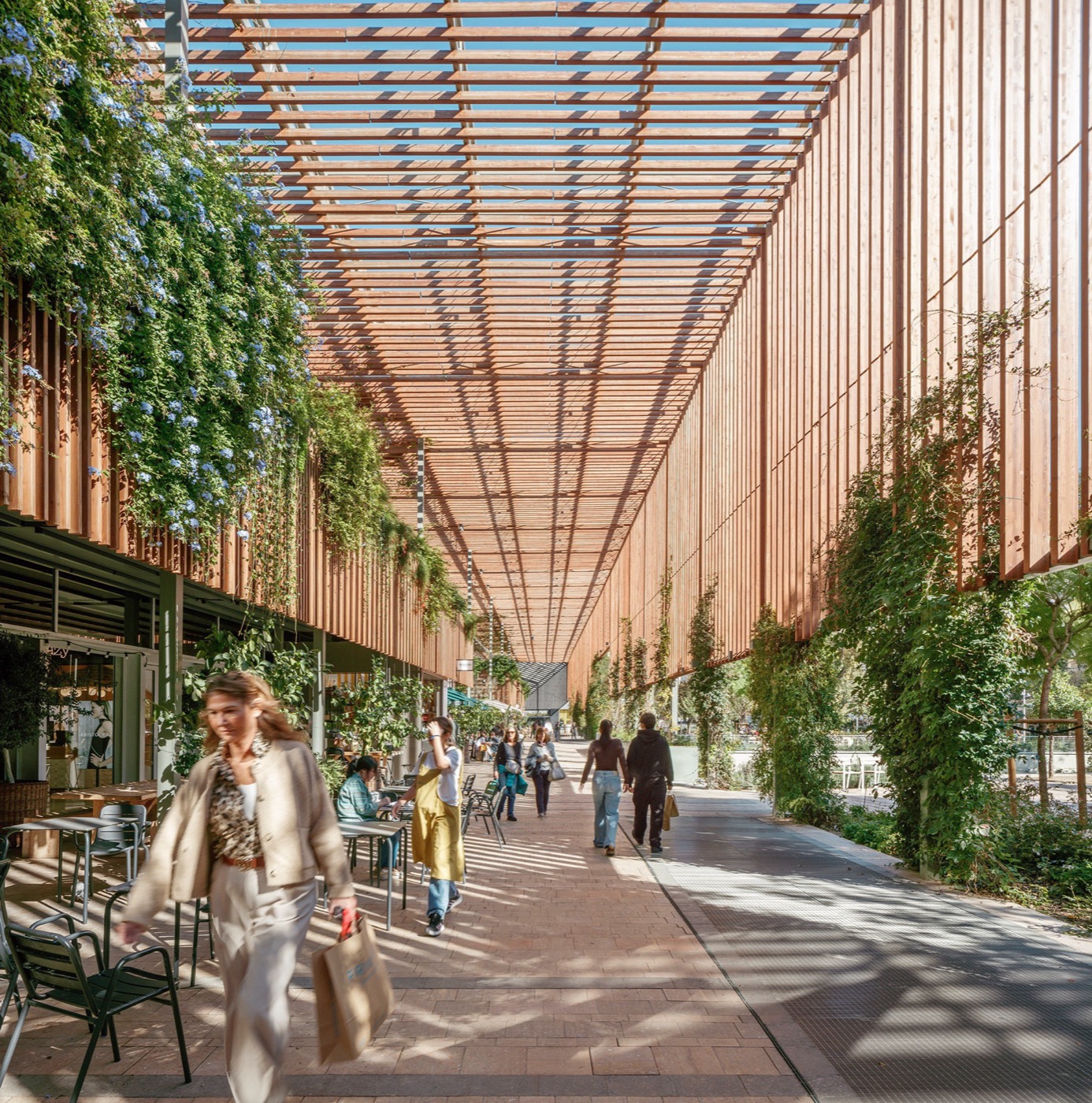
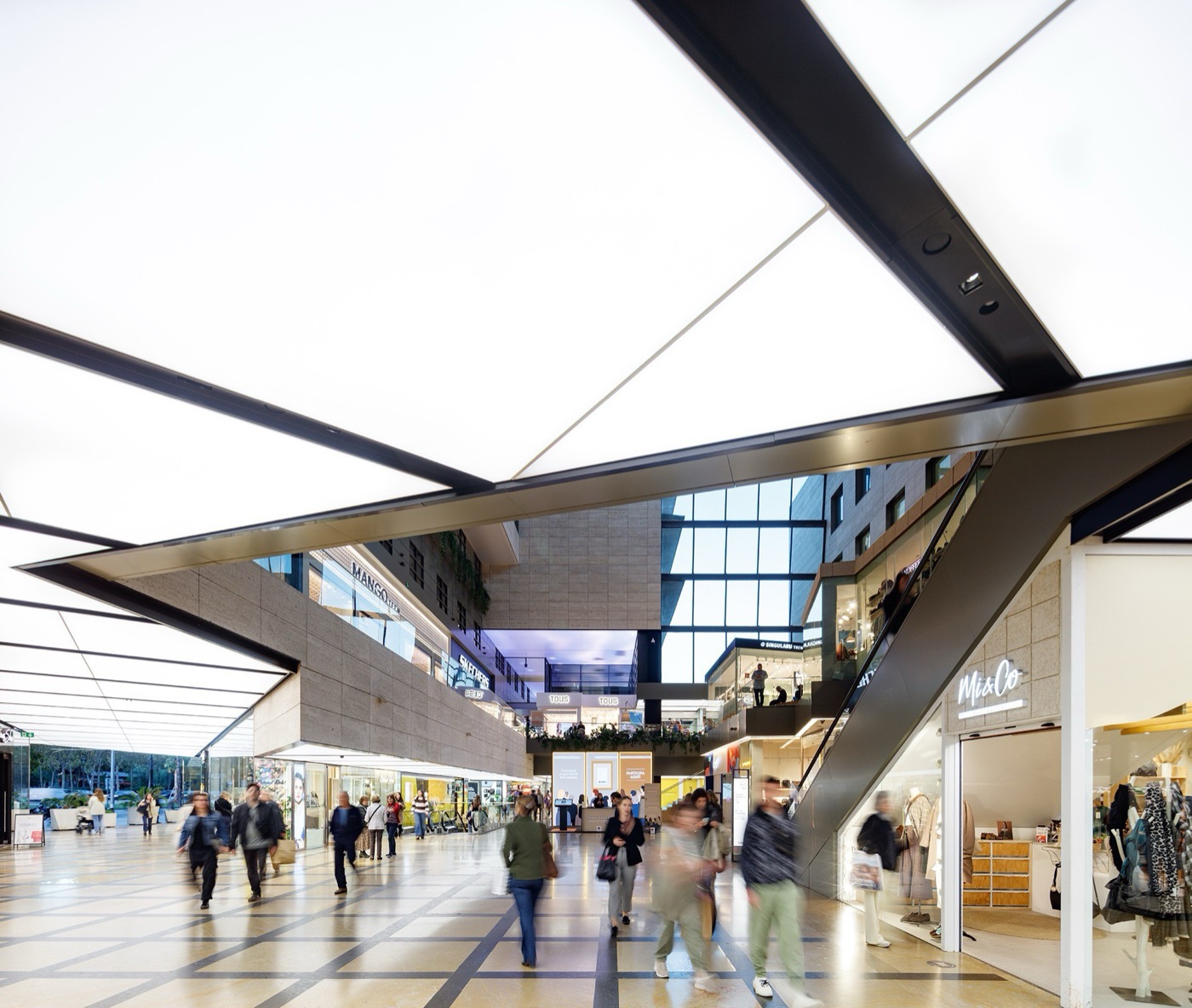
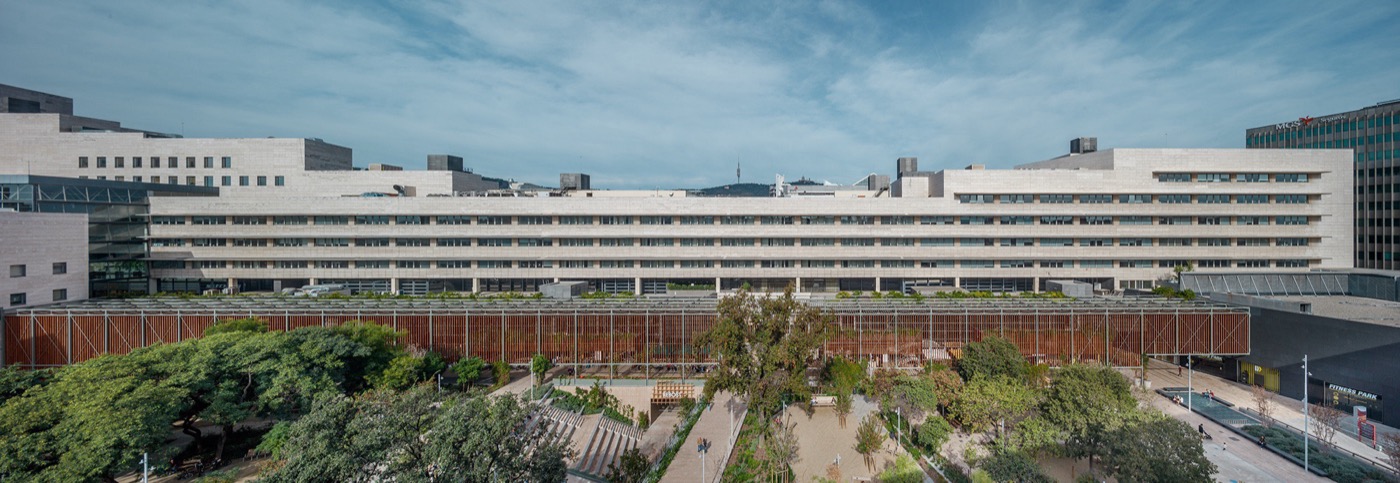
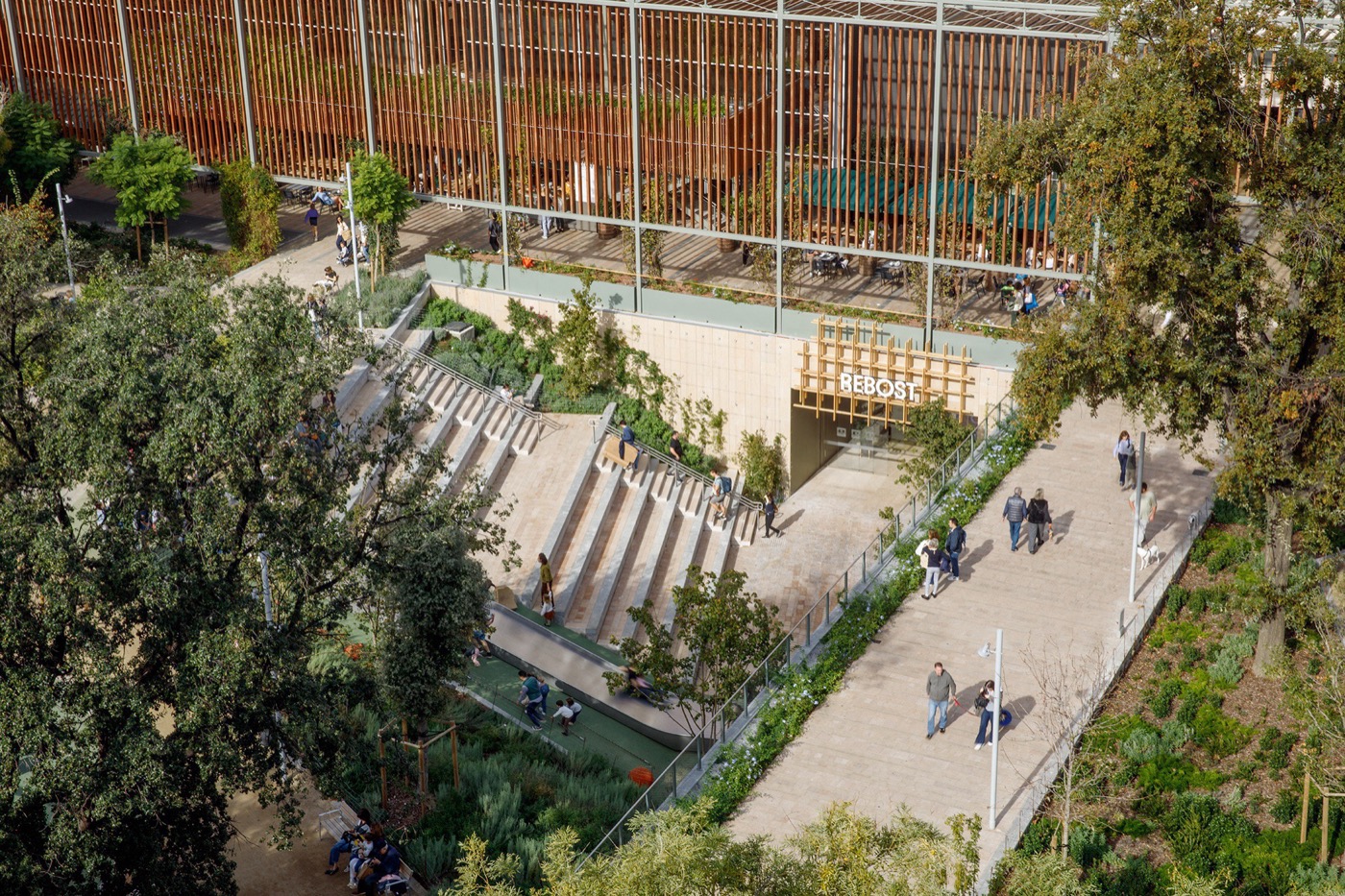
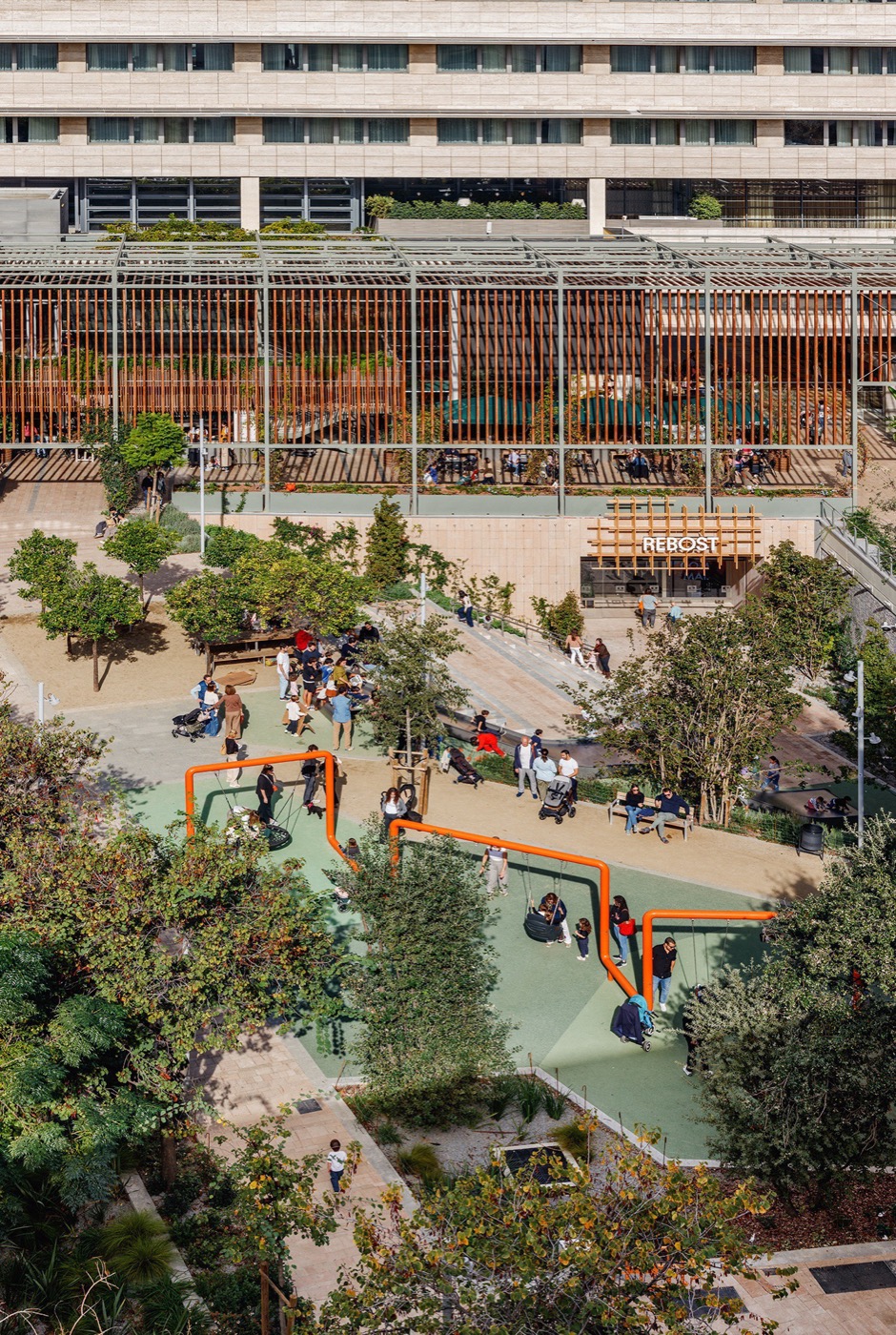
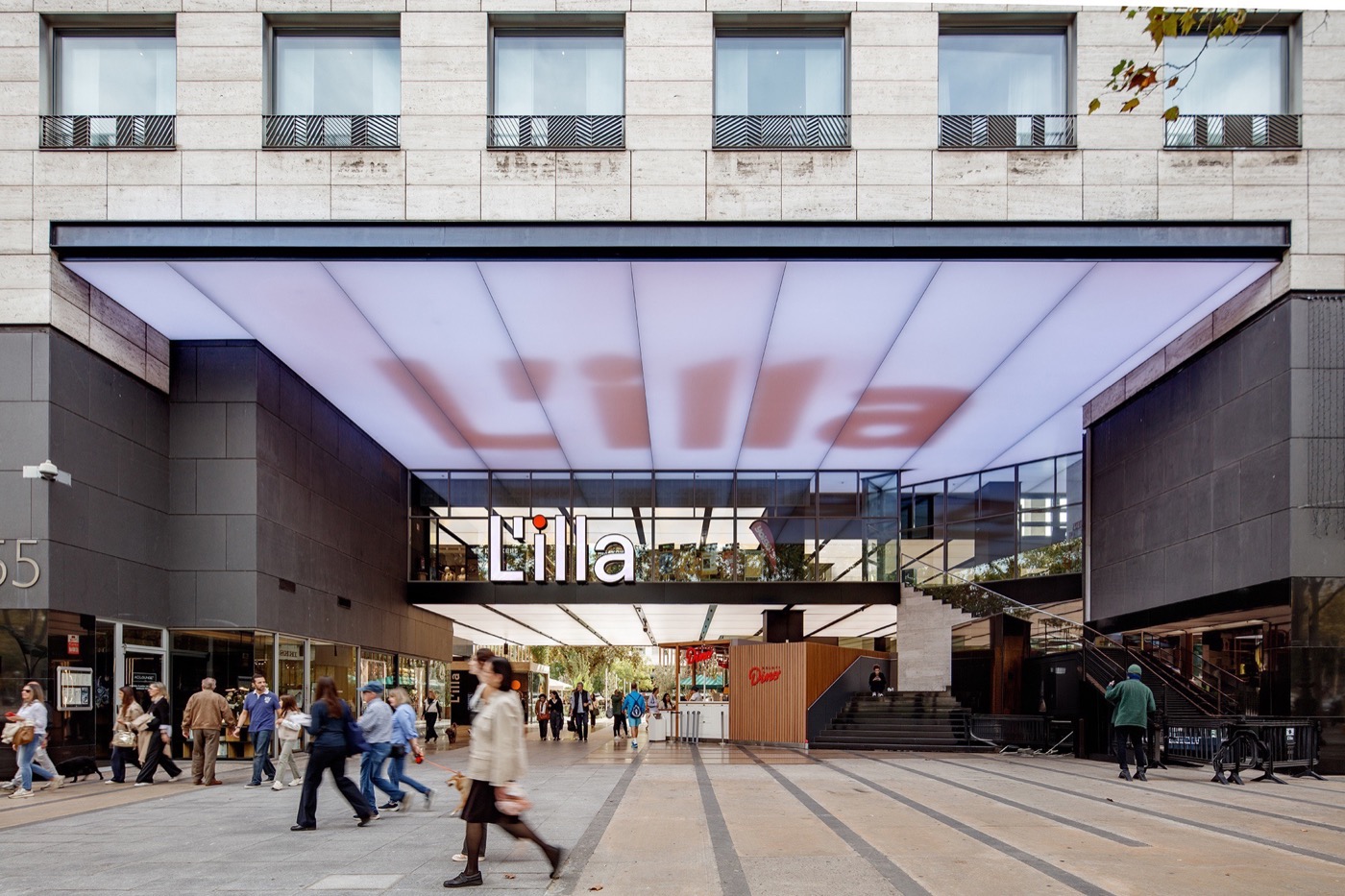
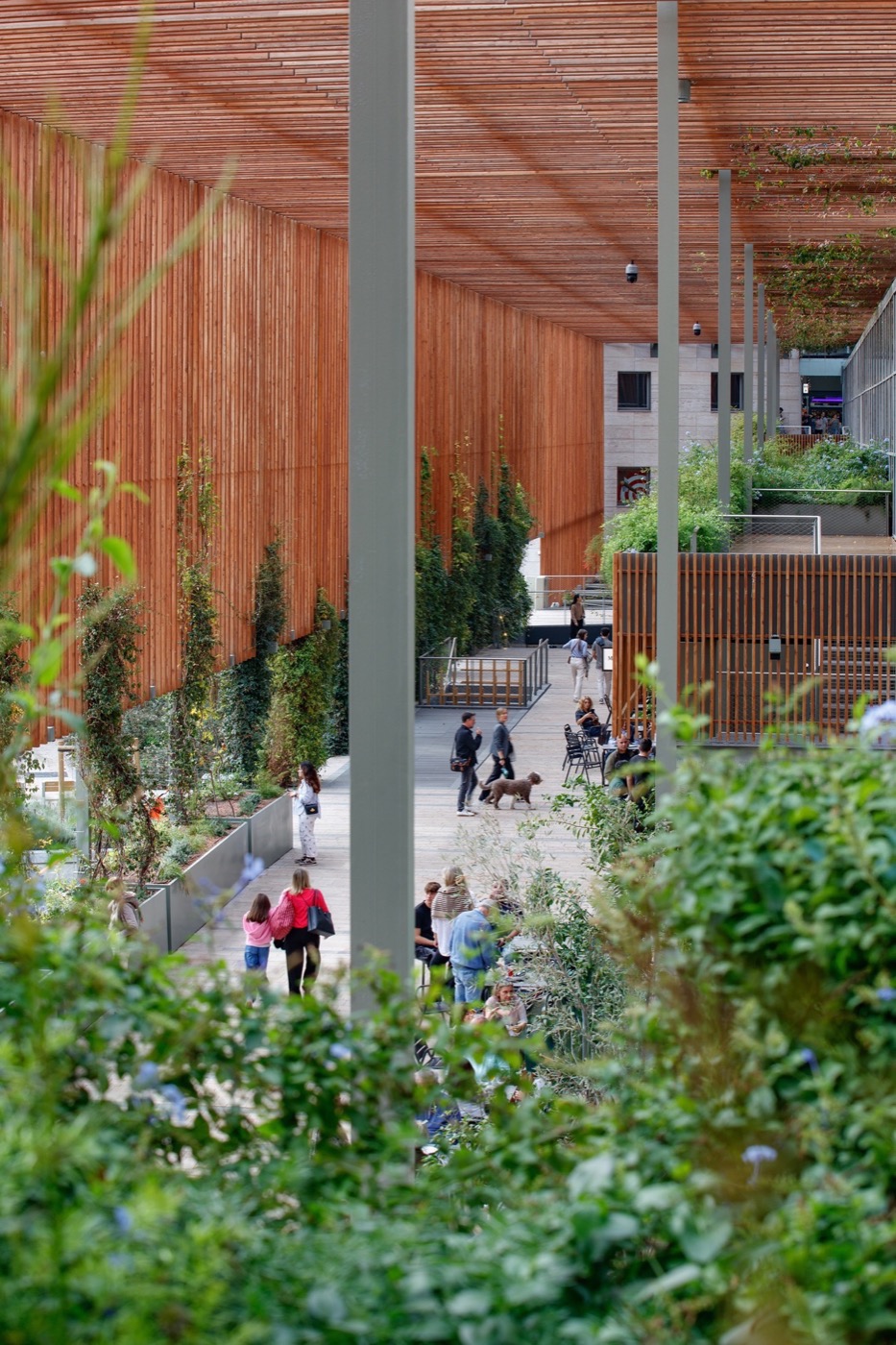
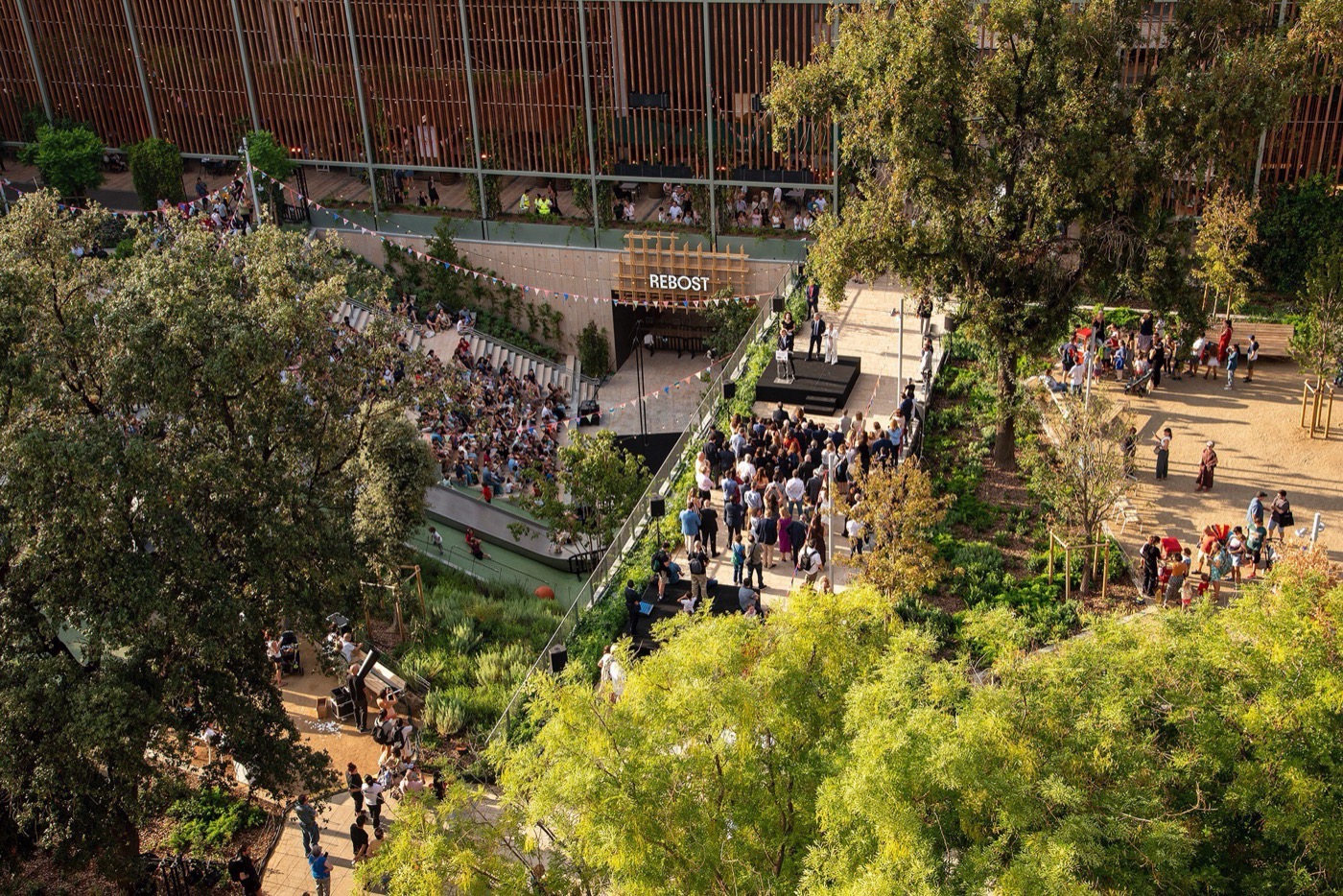
The refurbishment project seeks to restore this connectivity and to establish a stronger and more fluid connection between Diagonal Avenue, the shopping centre, and the block’s interior gardens, focusing on the “open” spaces — the Sant Joan de Déu Gardens; the interior spaces of the shopping centre, conceived as permeable circulation areas; and a new intermediate space, the Umbracle, which links and articulates the ensemble.
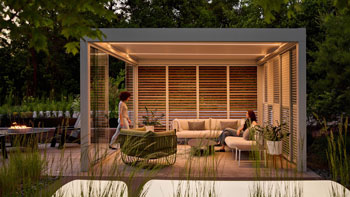
The Umbracle acts as a transitional threshold between L’illa and the gardens, located in an area that had become both a barrier and a back-of-house condition. Formed by a lightweight steel structure with timber slats and climbing vegetation, it provides shade for the south-facing curtain-wall façade, once protected by awnings. It reorganises the surrounding programme and establishes new connections, linking the three commercial levels with the exterior.
Beyond its shading function, the Umbracle contributes to the creation of a cooler microclimate, promotes vegetation, and incorporates rainwater management and reuse strategies within the garden area. Together, these actions reinforce the project’s urban vocation, generating a more comfortable, sustainable, and welcoming environment.
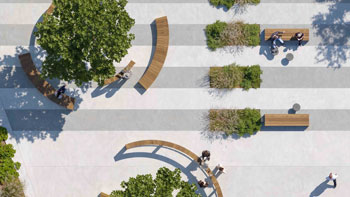
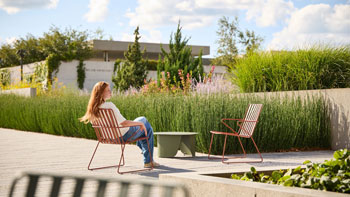
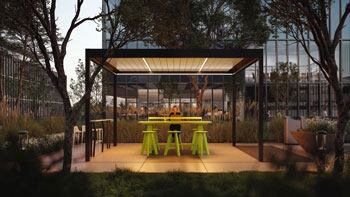
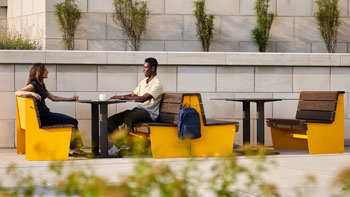
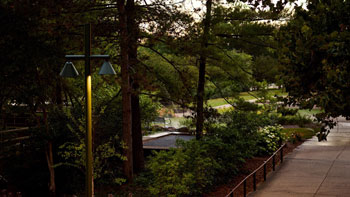
The renovation of the Sant Joan de Déu Gardens respects the original paths and existing vegetation while enhancing gathering areas and children’s play spaces. The design creates new shade, promotes biodiversity, and integrates Sustainable Urban Drainage Systems (SUDS) for efficient water management.
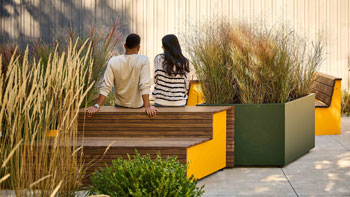
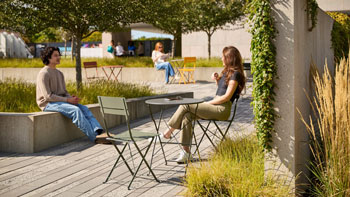
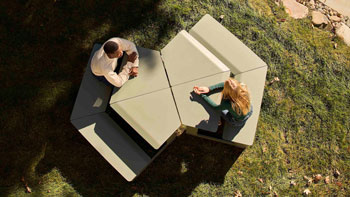
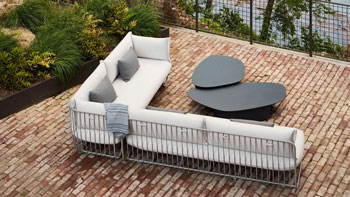
The garden design aims to foster social activity through well-equipped and functional spaces, creating four differentiated environments: a climbing area reaching the treetops, a relaxation area with diverse furniture, a water play area that doubles as an ice rink in winter, and finally, a dynamic zone with a swing and large slide, and an amphitheatre, establishing a new direct connection between the gardens and level -1 of the shopping centre.
Inside, the commercial areas were reinterpreted as extensions of the exterior. The main intervention focused on redefining the ceilings, which had continuously changed over time. The new “skies” give interiors the character of “open” spaces, improving orientation and enhancing the visibility of access points from the street.
The renovation of L’illa stands as an intervention that updates and revitalises the legacy of Moneo and Solà-Morales with a balance of respect and contemporary vision. Through this renewed approach, the complex recovers its original vitality while improving both its functional performance and environmental quality: strengthening connections, introducing accessible and generous public areas, and integrating nature as an essential element of the experience.
Overall, it looks toward the future without sacrificing the architectural essence that once made it a benchmark within Barcelona’s urban landscape, ensuring that it remains a meaningful and active part of the city’s collective identity.
Avenida Diagonal 557, 08029, Barcelona
77136


LILA 2026 Sponsor