Hagaplan
www.aj-landskap.se/projekt/hagaplan-stockholm/
2026 Landscape and Architecture / 2026 Public Projects / Sweden / Built in 2025 /

![The playground is centrally located on an elevated site within Vasaparken, one of Stockholm inner city’s major urban parks. With its undulating landscape, Vasaparken forms a significant green element within the dense city, serving as an important destination and excursion area for schools, local residents and visitors from across the Stockholm region. The aim of […]](https://landezine-award.com/wp-content/uploads/2026/05/00_Vasaparken_0heroimage-600x400.jpg "Vasaparken")
![A play street is a car-free zone next to a school or preschool — an extension of the schoolyard and a place where children can transition safely and calmly on their way to and from school. The Stockholm Play Streets pilot project was launched in 2023 with a vision of creating spaces for socializing, play, […]](https://landezine-award.com/wp-content/uploads/2026/05/Play-street-0Heroimage-450x600.jpeg "Play street")
![Essential requirements and conditions Norra Stationsparken, the new district park of Hagastaden, is designed as a lush green lung within the dense urban fabric. Access to public park space in Hagastaden is limited, and the park is framed by tall buildings, resulting in high visitor pressure. A significant number of preschools are expected to use […]](https://landezine-award.com/wp-content/uploads/2026/05/00_Norra_stationsparken_0Heroimage-600x400.jpg "Norra Stationsparken")
![Båthusparken in Norra Djurgårdsstaden is a park with many functions gathered in a small area. Our design was based on the surrounding landscapes. Norra Djurgården, which is a green state park in Stockholm as well as the historic Gasworks area with industrial brick buildings. An old boathouse and barn on the other side of the […]](https://landezine-award.com/wp-content/uploads/2022/05/Boathouse-park-1-600x400.jpg "Båthusparken (Boathouse park)")
![Malmparken is Sollentuna’s new district park and the largest park investment in the municipality for many years. The intention is that Malmparken will contribute to a good and socially sustainable urban development and is one of the municipality’s major initiatives to heal the eastern and central part of Sollentuna with the larger-scale and more socially […]](https://landezine-award.com/wp-content/uploads/2022/05/00-KDmalmparken_XP21928_2500px-600x400.jpg "Malmparken, Sollentuna")
![Melonparken is an elongated district park located between the districts Hässelby Strand and Hässelby Villastad in western Stockholm, Sweden. Previously, it was a relatively anonymous green area that residents mostly pass through. It lacked major ecological values with it’s large heterogeneous grasslands. The goal for AJ Landskap was to connect surrounding residential areas and develop […]](https://landezine-award.com/wp-content/uploads/2022/05/00-KDmelonparken_2500xp-600x400.jpg "Melonparken")
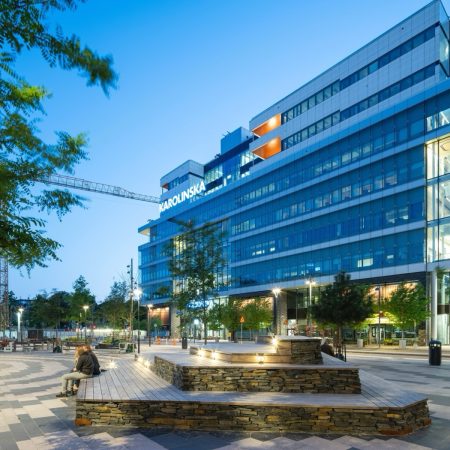
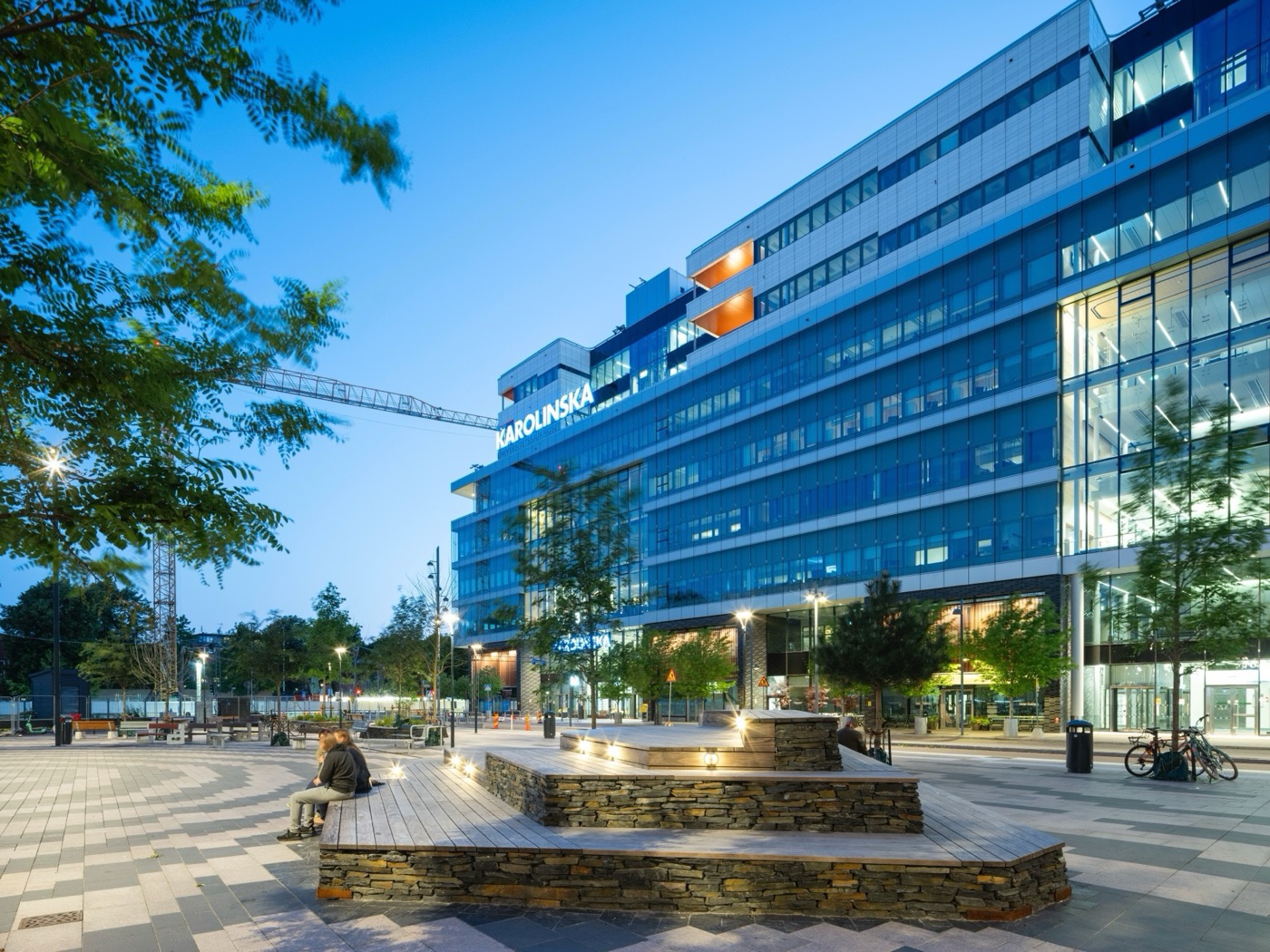
Hagaplan, the new square in Hagastaden, is the central node of a new urban district and the area’s largest and most important public space. The square is located at the boundary between Stockholm and Solna. It serves as a key public transport hub and interchange between the metro and several bus lines. Hagaplan connects Stockholm and Solna and also functions as an entrance square to Karolinska University Hospital, Elite Hotel Carolina Tower, and the large circular “Forskaren” building. Hagaplan are one of few completely new inner-city squares in Stockholm and, through its distinct identity, carries strong symbolic value as the gateway to the new district, both for residents of Hagastaden and for those working in or visiting the companies and institutions integrated into the area.
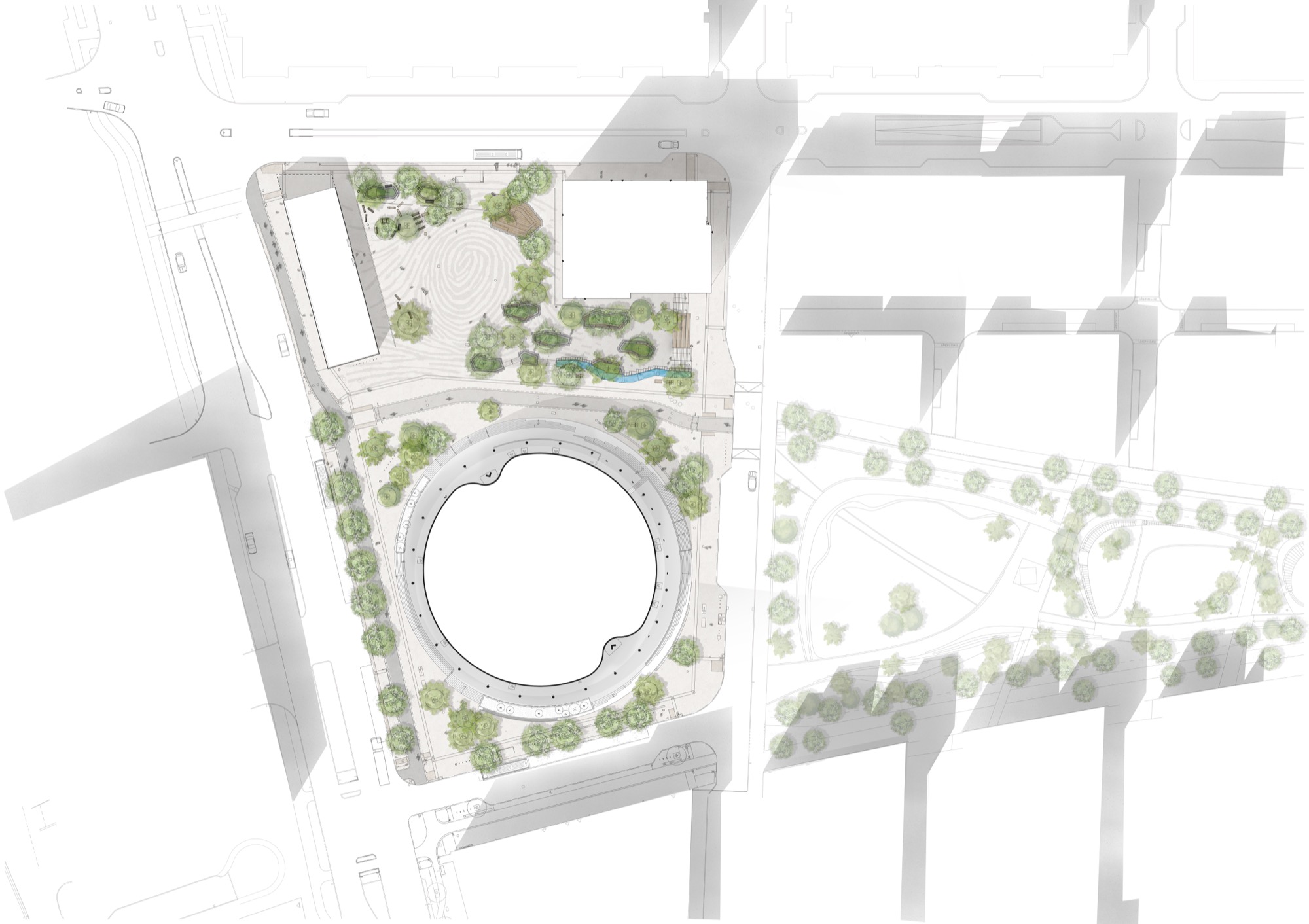
Overall concept of Hagaplan
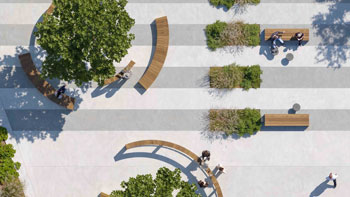
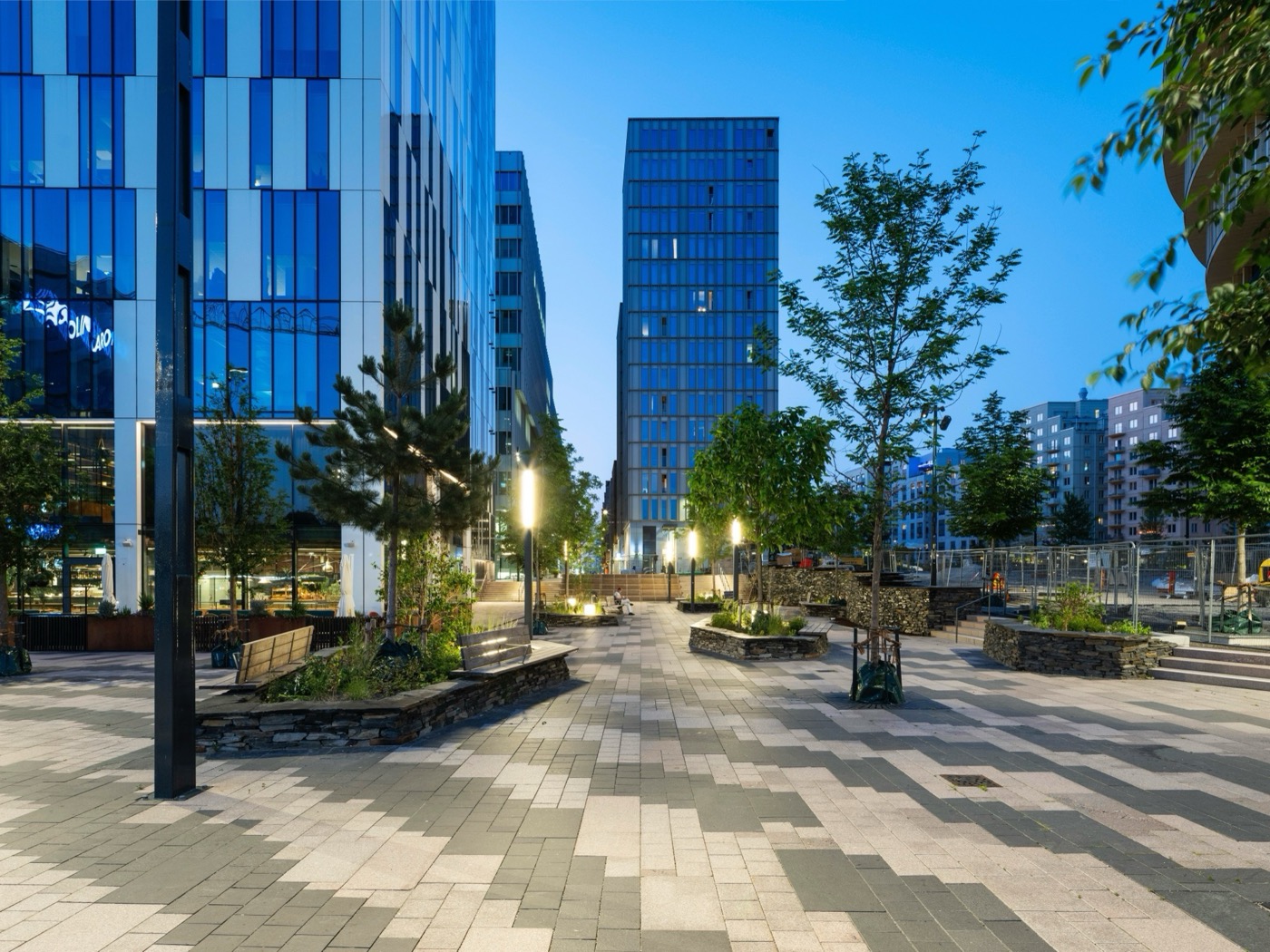
Different parts of Hagaplan has varying spatial and functional conditions. The overall design is composed of three distinct characters within a unified whole: a classic open city square and a green park square in the northern part, and an outward-facing street square around the Forskaren block in the southern part.
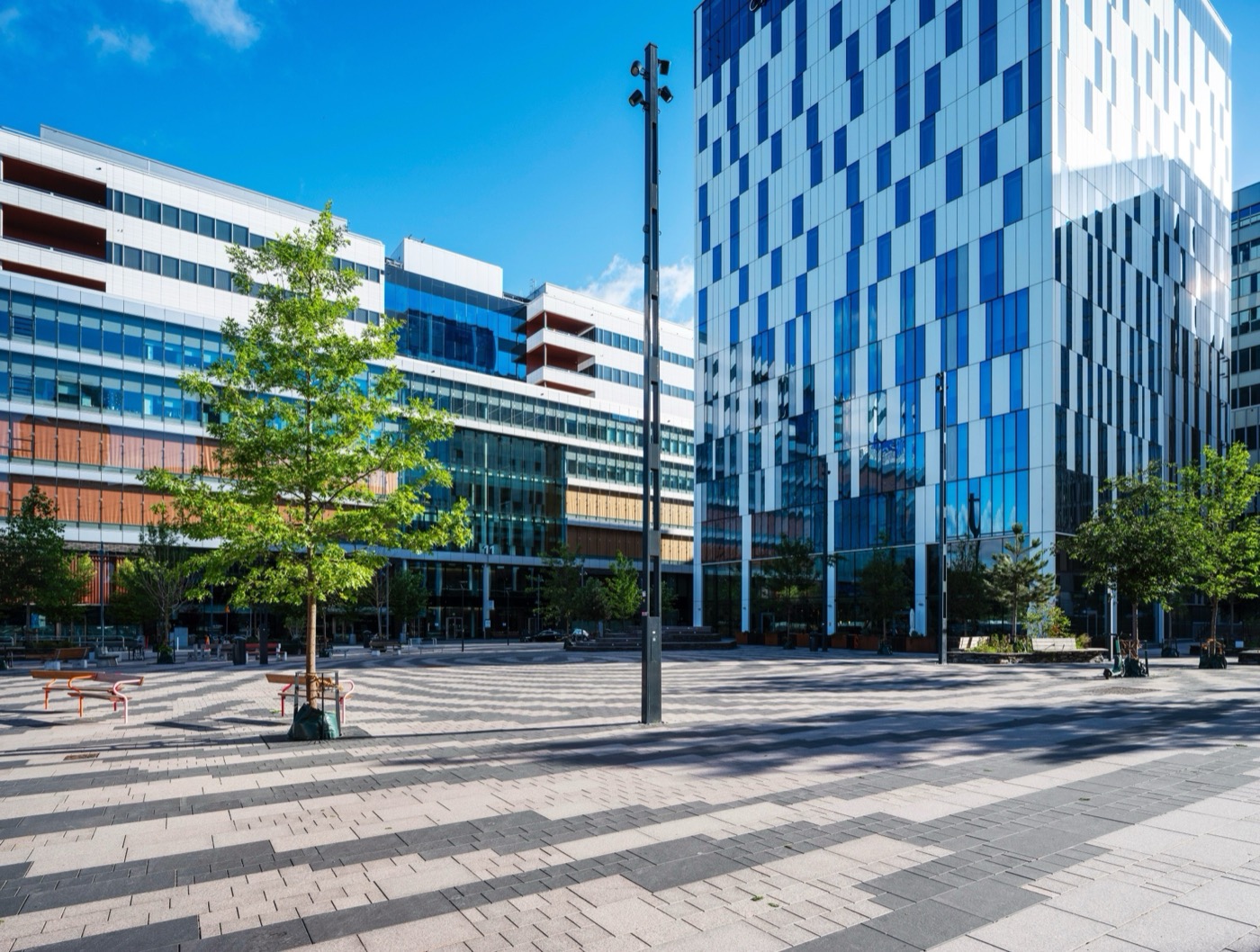
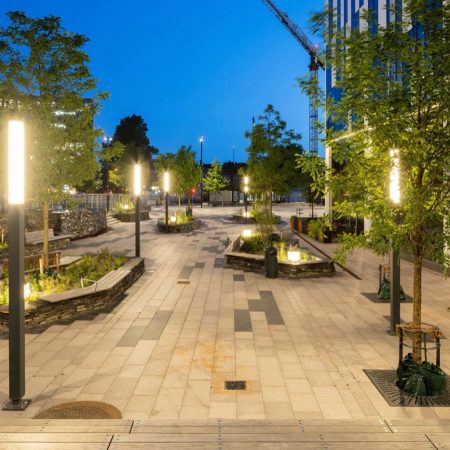
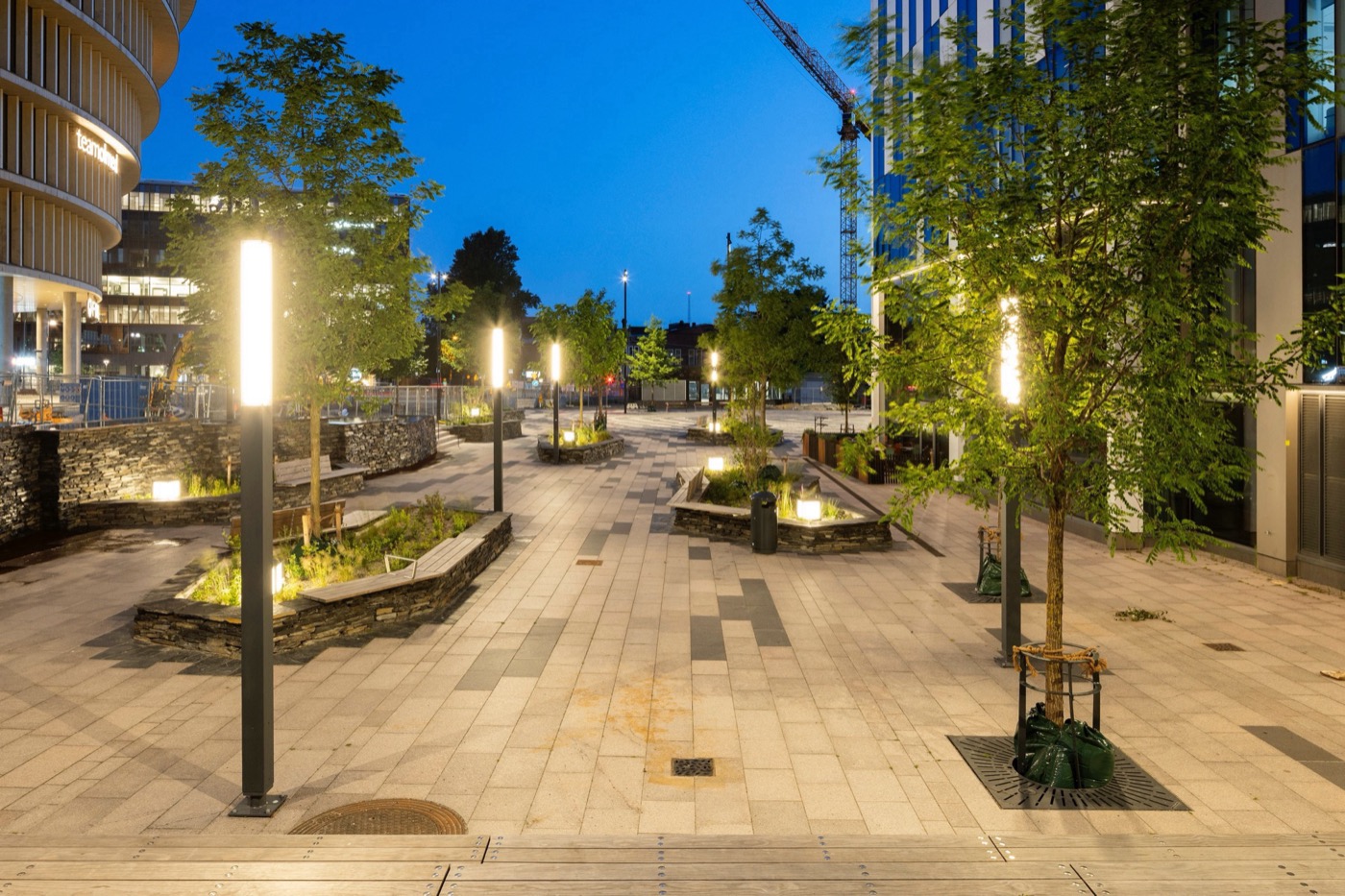
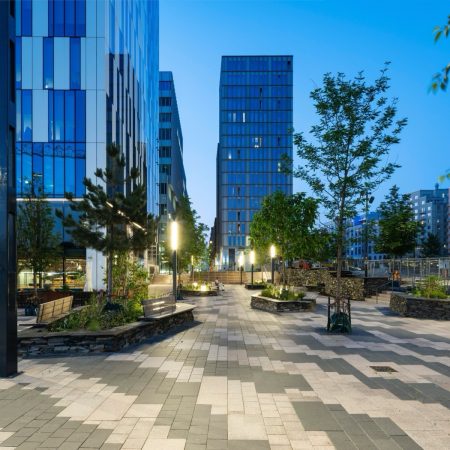
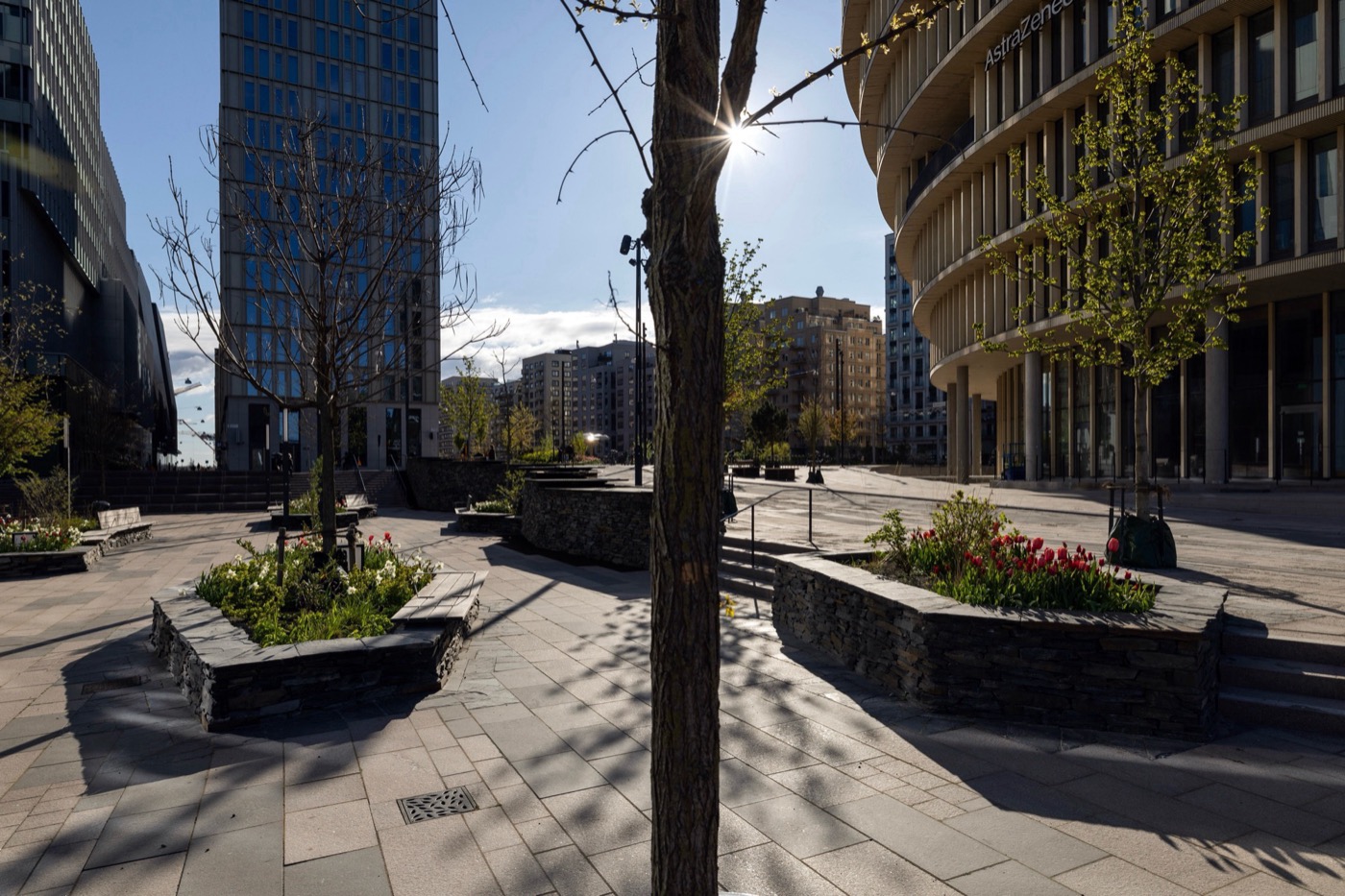
The northern and southern parts are unified into one cohesive square through a shared patterned stone paving with groupings of trees. The design approach integrates the different parts into a coherent whole with a strong and clear identity that stands out in relation to the surrounding modern and expressive architecture.
-
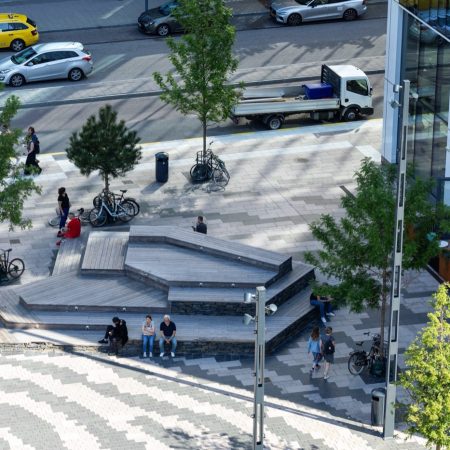
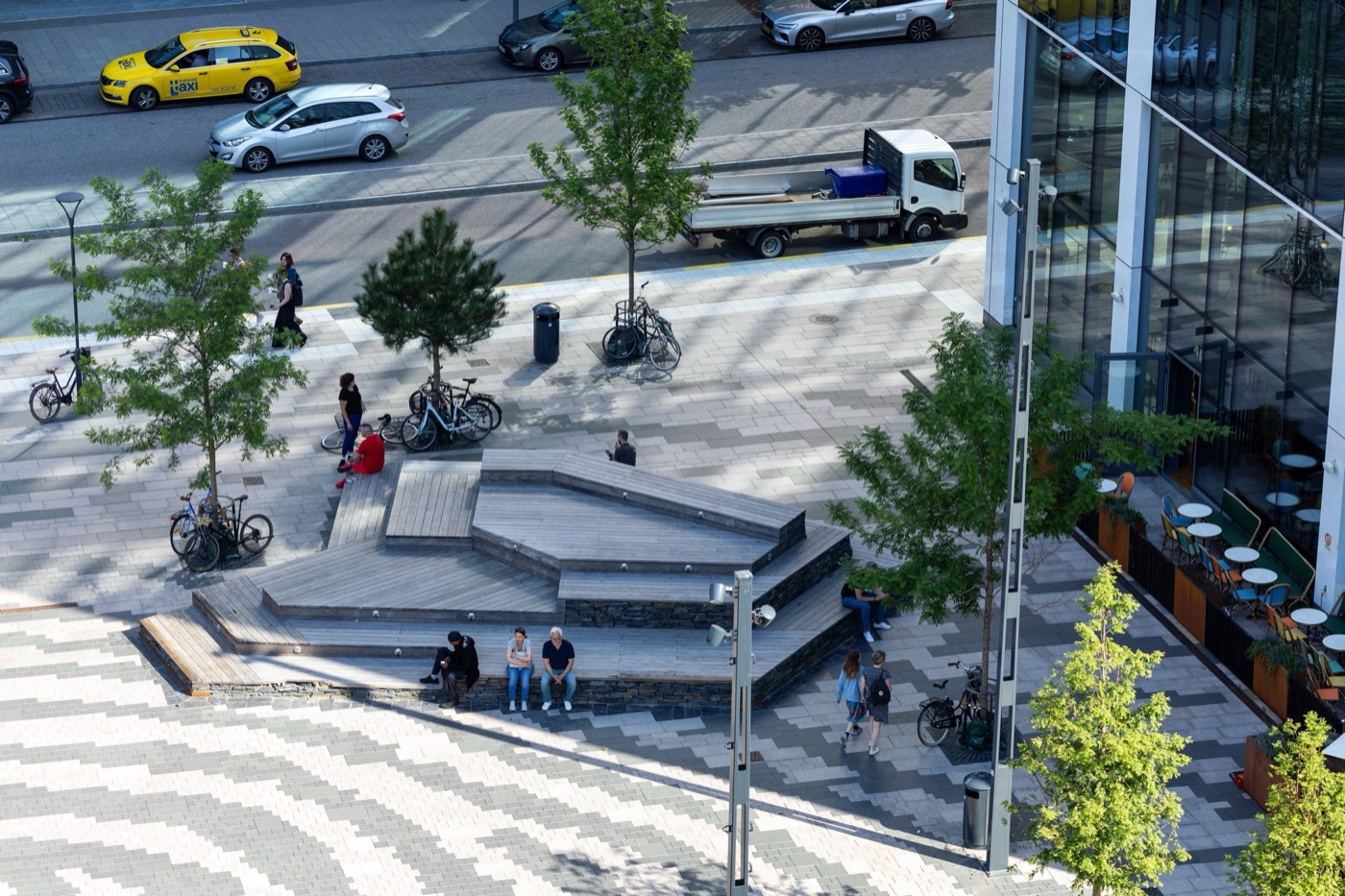
- Foto: Kasper Dudzik. Stockholm 240627-29. Hagaplan i Hagastaden vid Karolinska sjukhuset.
-
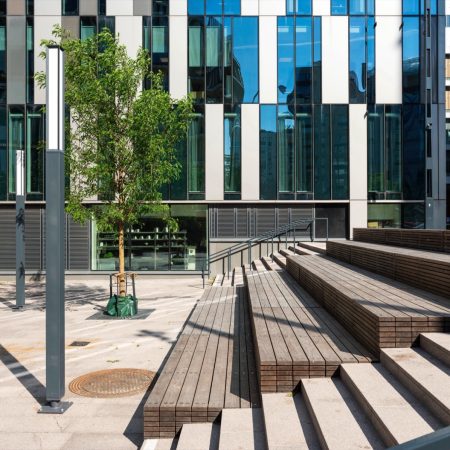
- Foto: Kasper Dudzik. Stockholm 240627-29. Hagaplan i Hagastaden vid Karolinska sjukhuset.
-
- Foto: Kasper Dudzik. Stockholm 240627-29. Hagaplan i Hagastaden vid Karolinska sjukhuset.
-
- Foto: Kasper Dudzik. Stockholm 250511. Hagaplan i Hagastaden vid Karolinska sjukhuset.
-
- Foto: Kasper Dudzik. Stockholm 240627-29. Hagaplan i Hagastaden vid Karolinska sjukhuset.
-
- Foto: Kasper Dudzik. Stockholm 240627-29. Hagaplan i Hagastaden vid Karolinska sjukhuset.
-
- Foto: Kasper Dudzik. Stockholm 240627-29. Hagaplan i Hagastaden vid Karolinska sjukhuset.
-
- Foto: Kasper Dudzik. Stockholm 240627-29. Hagaplan i Hagastaden vid Karolinska sjukhuset.
-
- Foto: Kasper Dudzik. Stockholm 240627-29. Hagaplan i Hagastaden vid Karolinska sjukhuset.
-
- Foto: Kasper Dudzik. Stockholm 240627-29. Hagaplan i Hagastaden vid Karolinska sjukhuset.

-
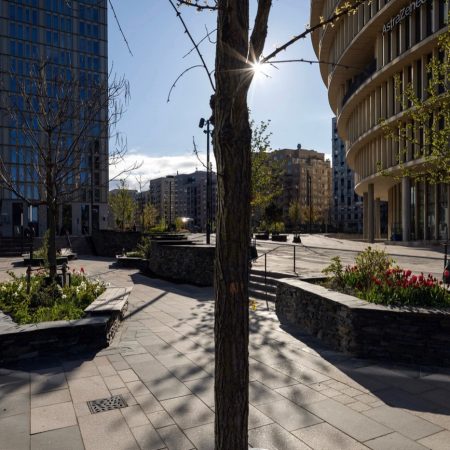
- Foto: Kasper Dudzik. Stockholm 20250408. Hagaplan i Hagastaden vid Karolinska sjukhuset.
-
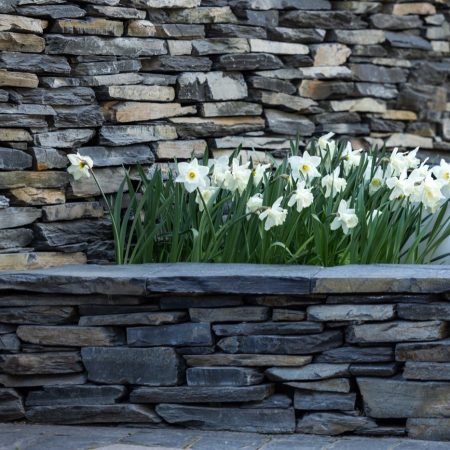
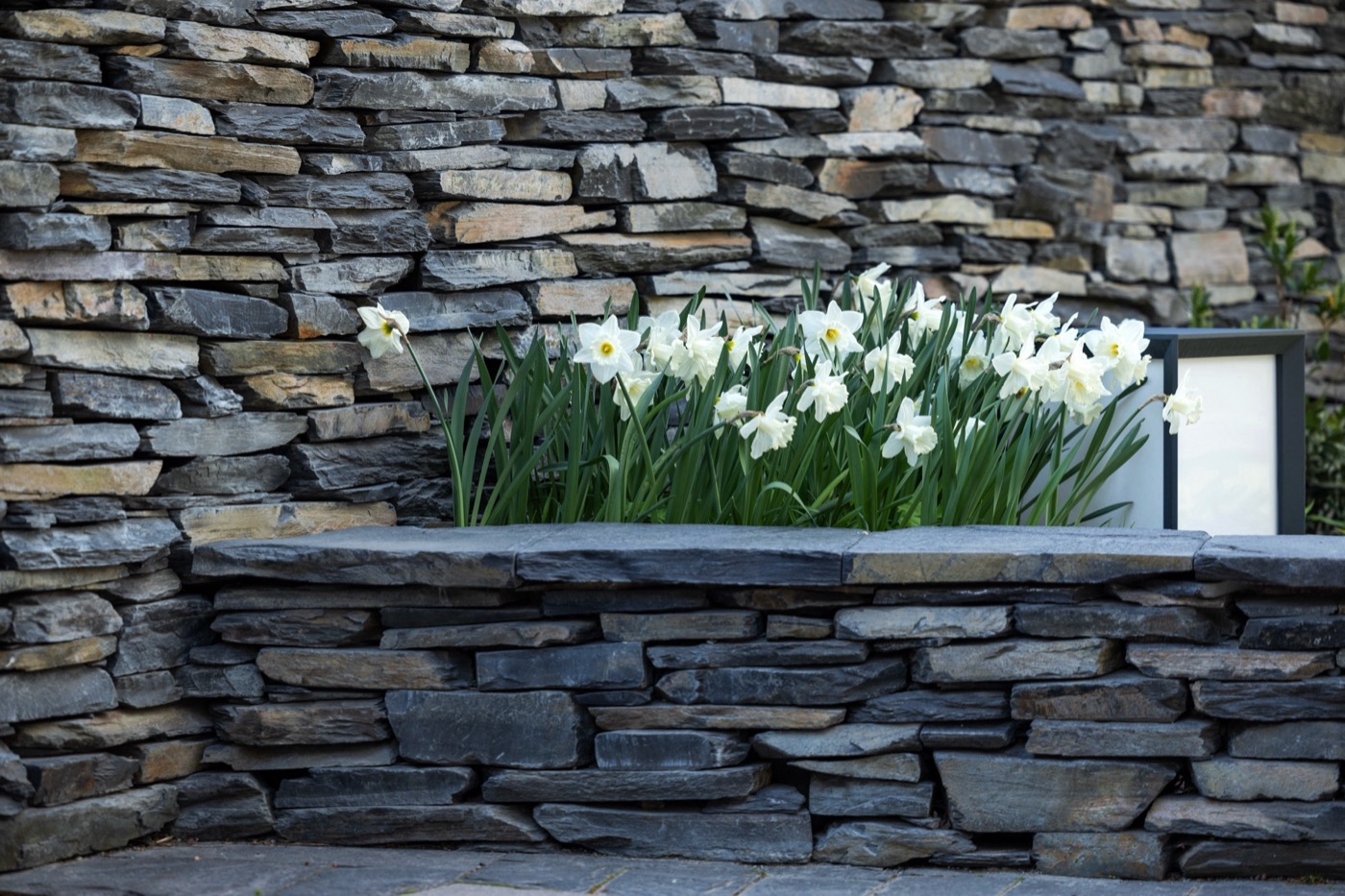
- Foto: Kasper Dudzik. Stockholm 20250408. Hagaplan i Hagastaden vid Karolinska sjukhuset.
-
- Foto: Kasper Dudzik. Stockholm 240627-29. Hagaplan i Hagastaden vid Karolinska sjukhuset.

Functions and qualities of stay
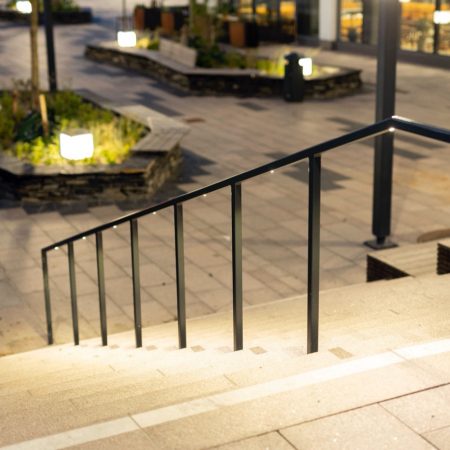
Hagaplan is not only an important transport hub but also a representative and attractive square for the new district. It is designed to be safe and secure, with high accessibility standards. Surfaces, furnishings, equipment, and attractions are designed to ensure the square is accessible to everyone.
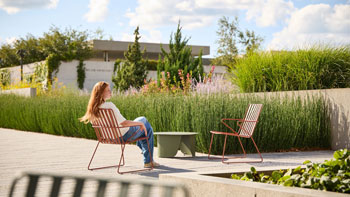
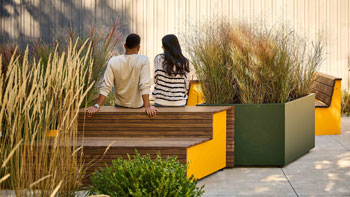
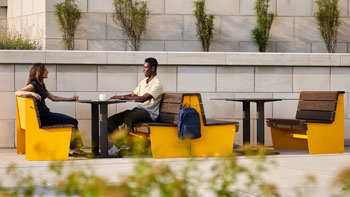
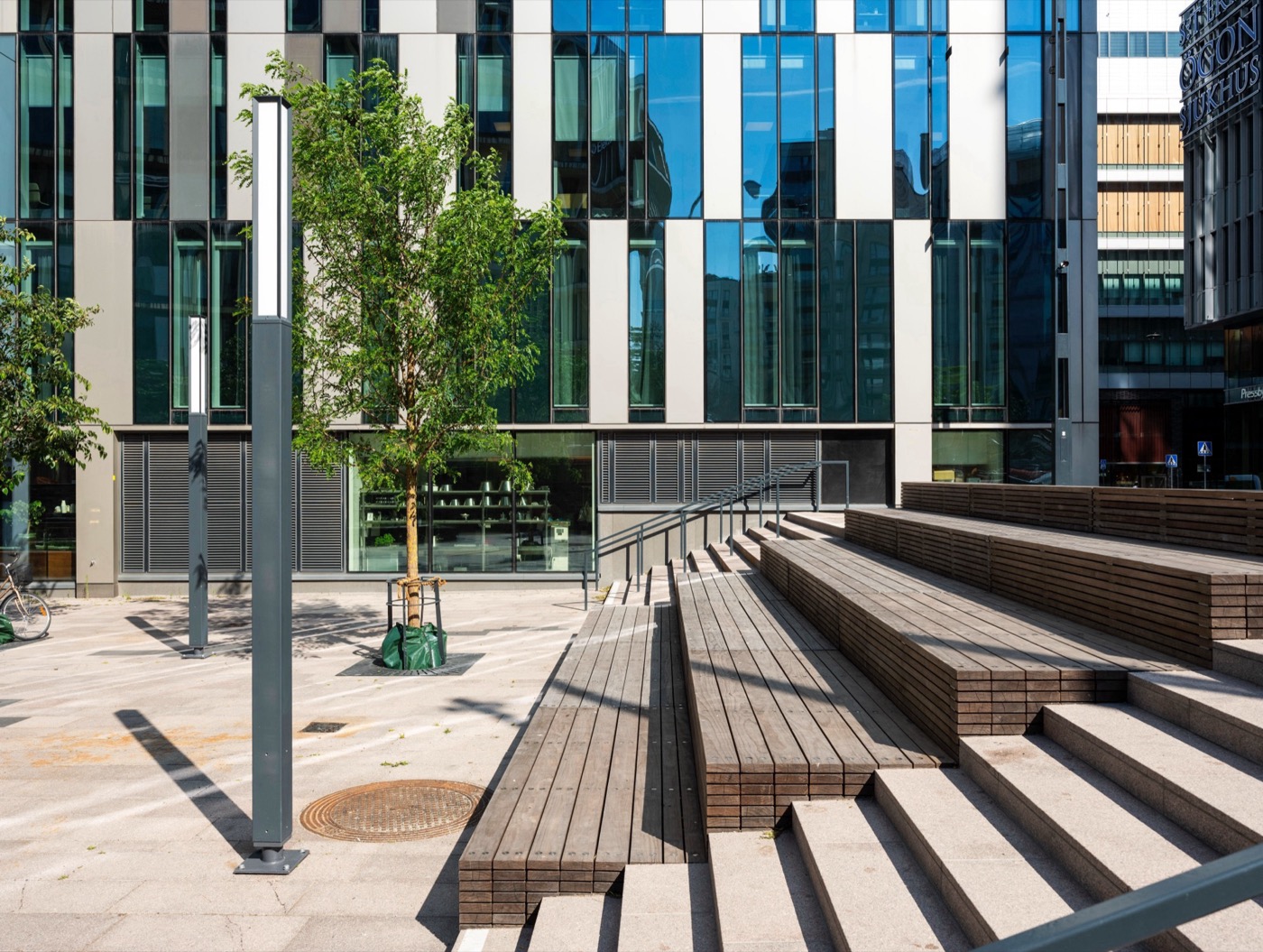
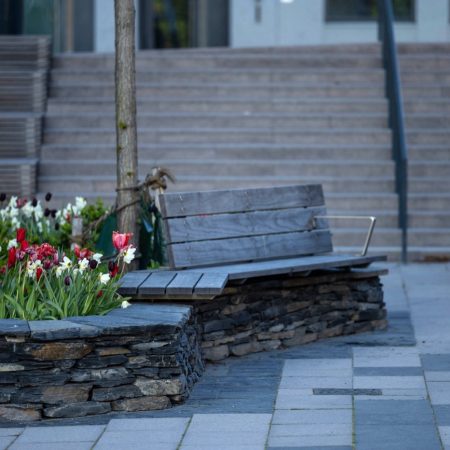
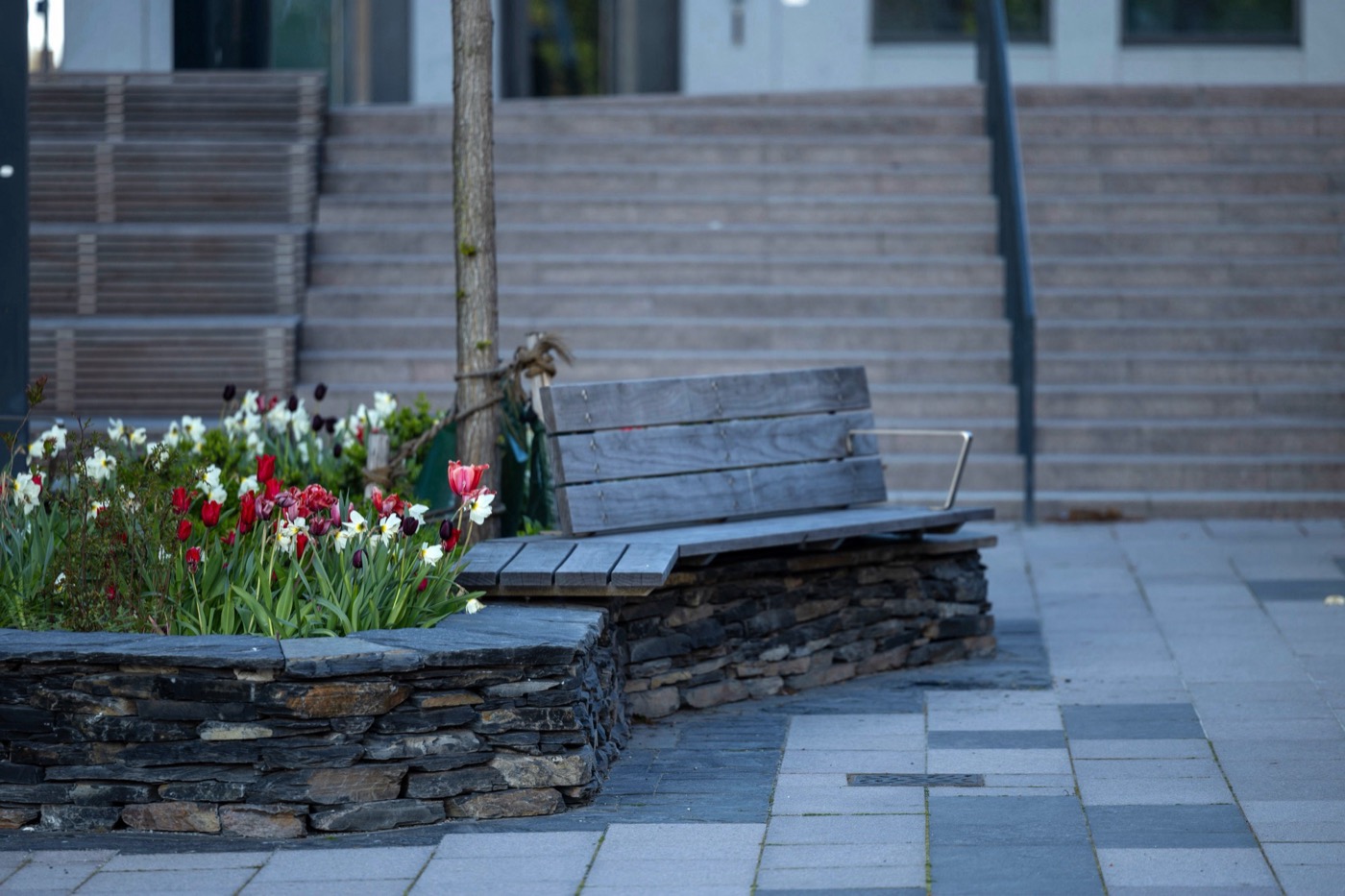
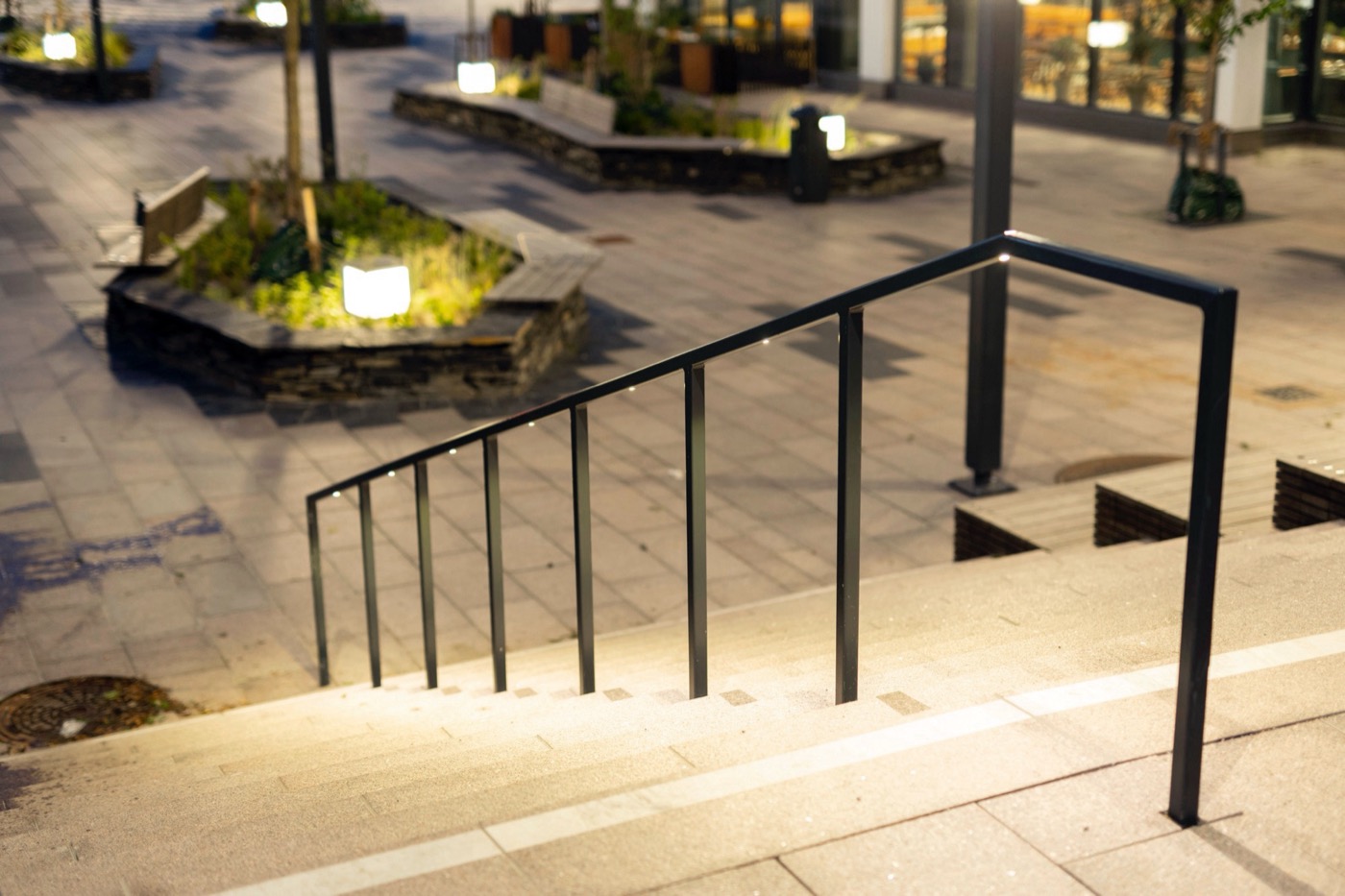
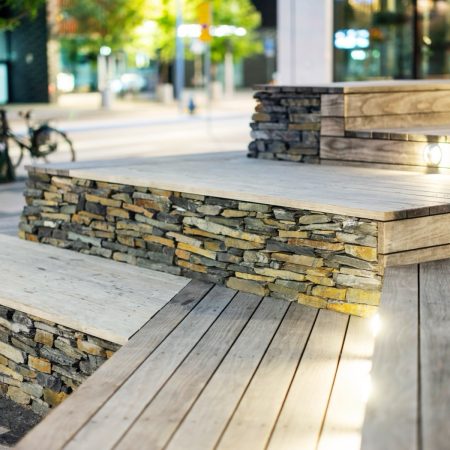
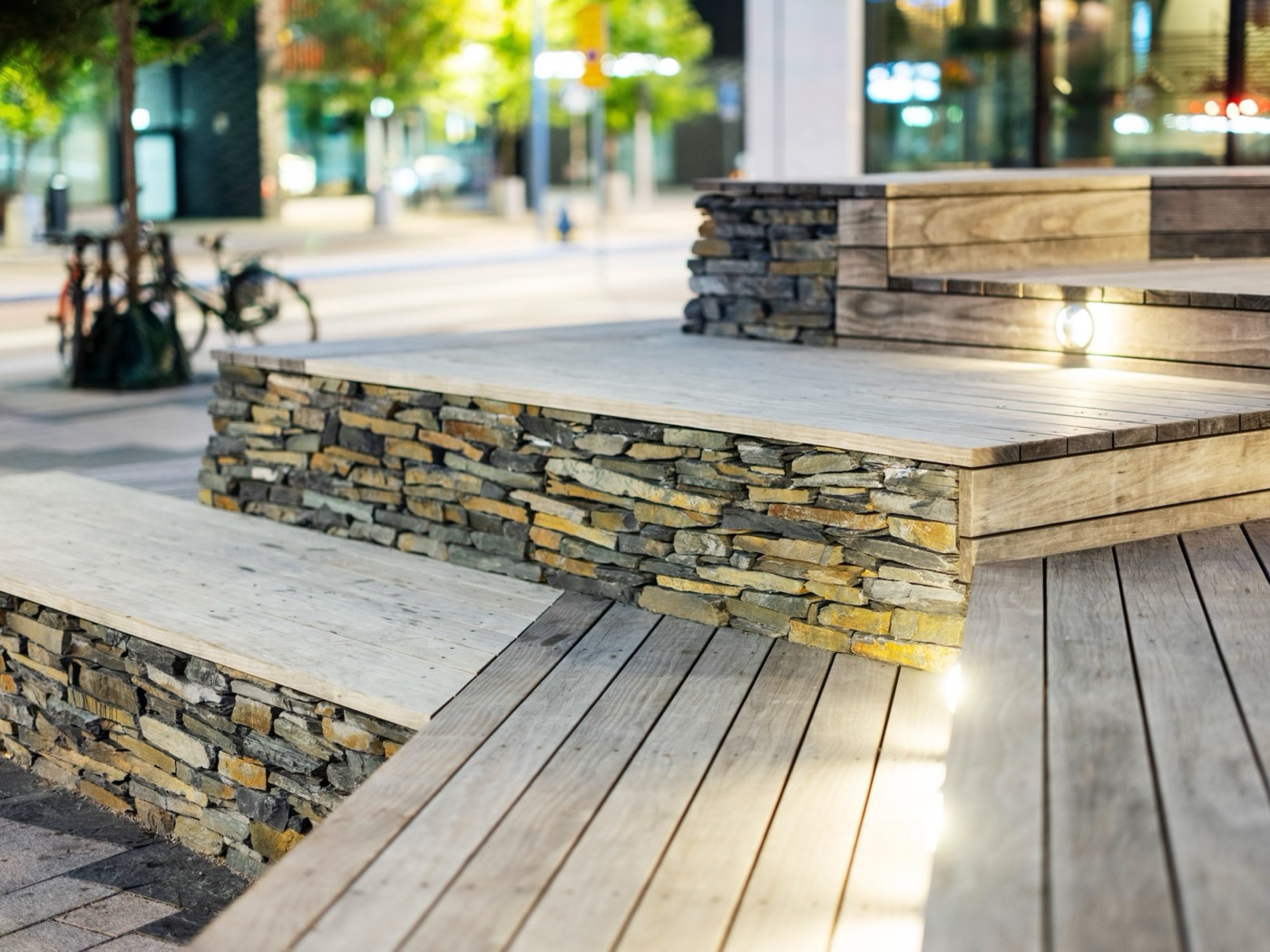
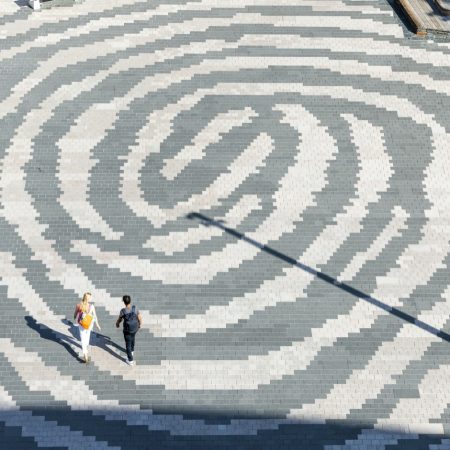
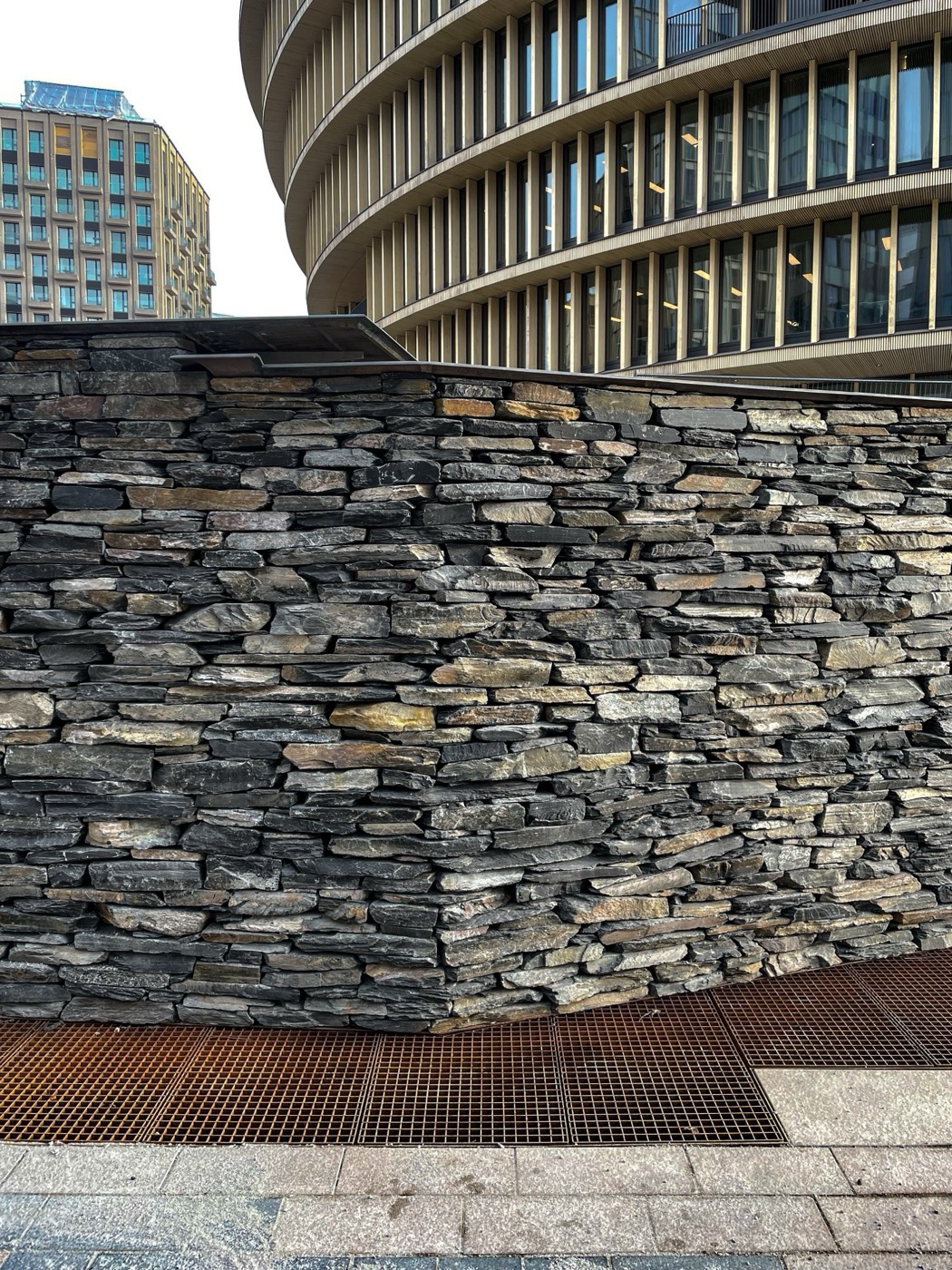
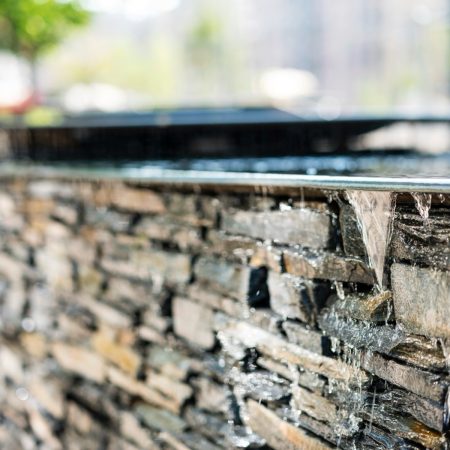
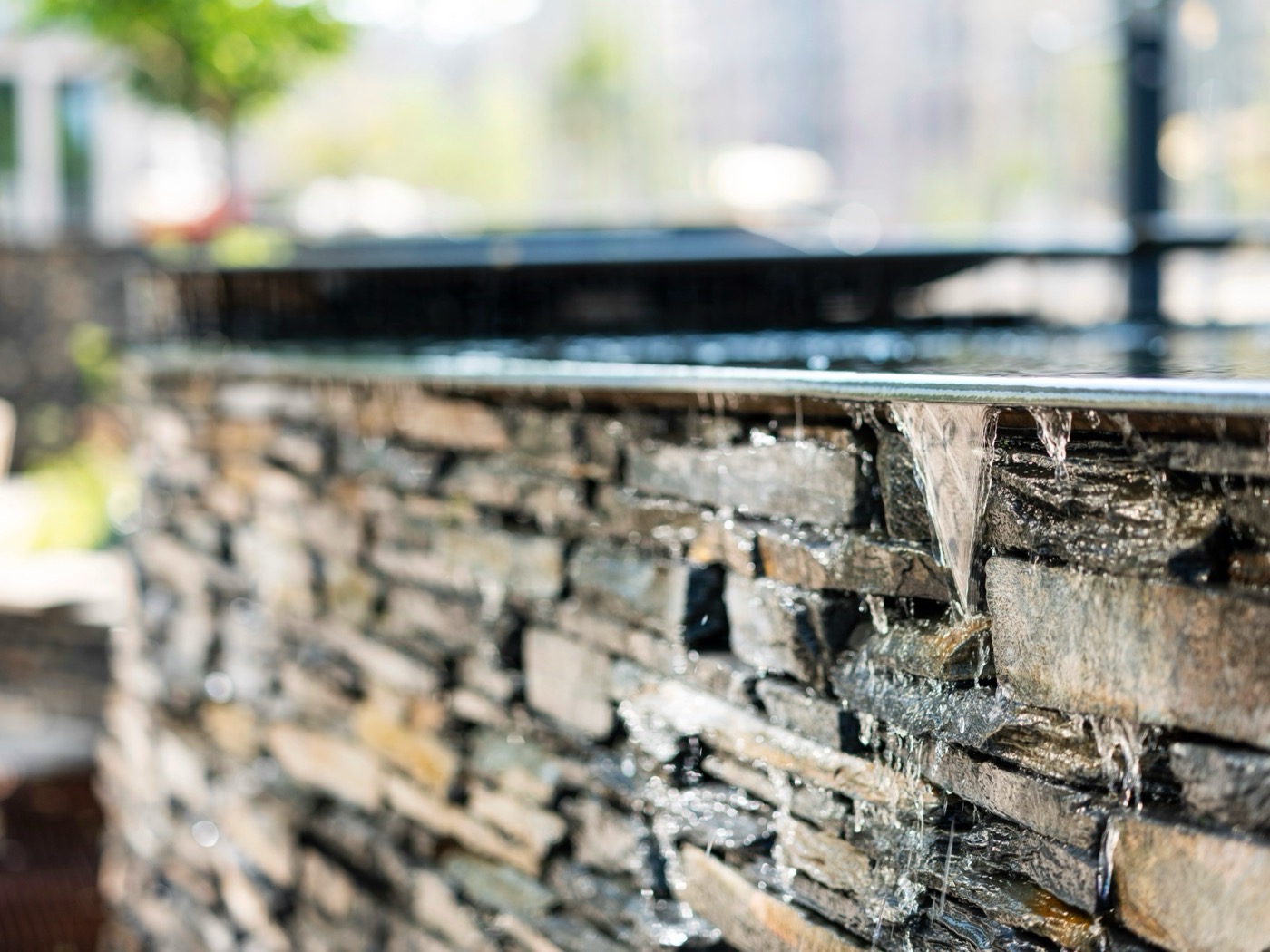
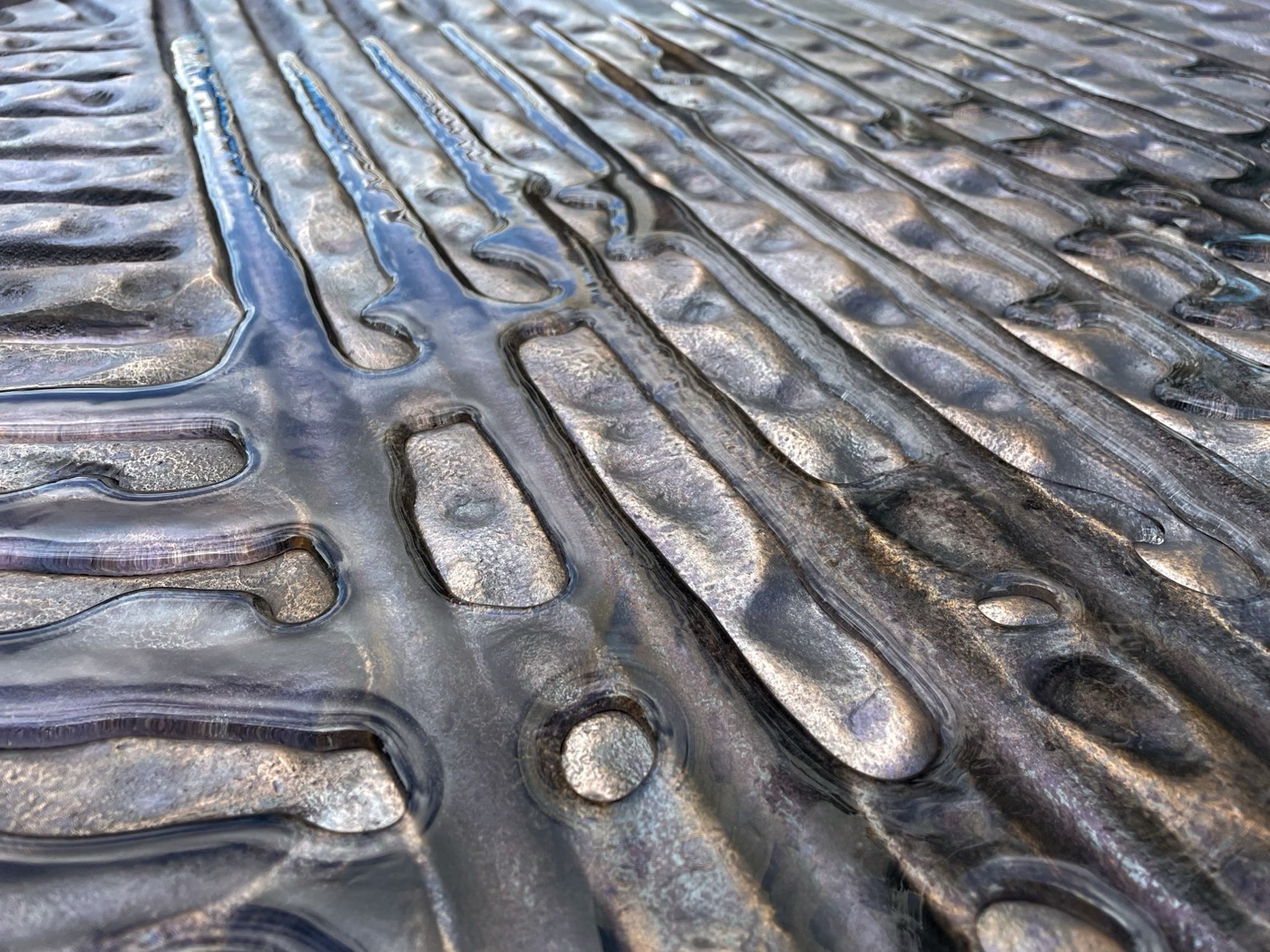
The northern part of Hagaplan functions as an urban square with trees and abundant plantings, a water feature, public art, seating areas, outdoor dining – all placed on a surface of granite with an elaborate pattern, reminding of a big thumbprint. Trees provide human scale and create a pleasant environment for people moving through and staying in the square. The design includes spaces for various users, with multifunctional and flexible areas suitable for both large and small events and gatherings. Visitors can choose to see and be seen from seating terraces in optimal sun conditions or enjoy quieter surroundings under the trees in the park area, where water flows along a water feature at different levels. The water creates a calming soundscape that buffers the surrounding traffic noise.
Challenges of the assignment and how AJ Landskap addressed them
A major challenge was designing a city square that met the demands of an intensively used urban and residential environment while allowing for flexible and multifunctional use that varies by needs, season, and time of day.
In dense urban environments, public spaces must maximize experiential values, and issues of social sustainability and design were continuously addressed. The project explores what a city square could offer its visitors and residents. In Hagastaden, public space is scarce, and the district has less open and green space per capita compared to many other parts of Stockholm. The expected number of hours of use per square meter is very high, placing significant demands on design, materials, and content.
To use available land efficiently and sustainably, multiple functions and values coexist within the public space. The traditional boundaries between square, park, and street are blurred through a new perspective on the public realm. Hagaplan is designed to incorporate park functions, while nearby the park Norra Stationsparken includes square-like functions and connecting streets such as Hagaesplanaden provides spaces for staying and social interaction.
Cretit to artist Leif Bolter,
Client: City of Stockholm
59.3479344896986, 18.031436392100144
74244


LILA 2026 Sponsor