XINGLONG LAKE — ACTING WITH THE GRAIN
2026 Public Projects / China / Built in 2021 /

![The Orchard at Sycamore Binh Duong is a 5.45-hectare high-end residential development located in Binh Duong Ward, Ho Chi Minh City, approximately 40 km north from the city center. Developed by CapitaLand Vietnam and completed in early 2025, the project establishes a new benchmark for ecological landscape design in Vietnamese urban residential development. 1. Design […]](https://landezine-award.com/wp-content/uploads/2026/05/Hero-Image-1-600x405.jpg "The Orchard")
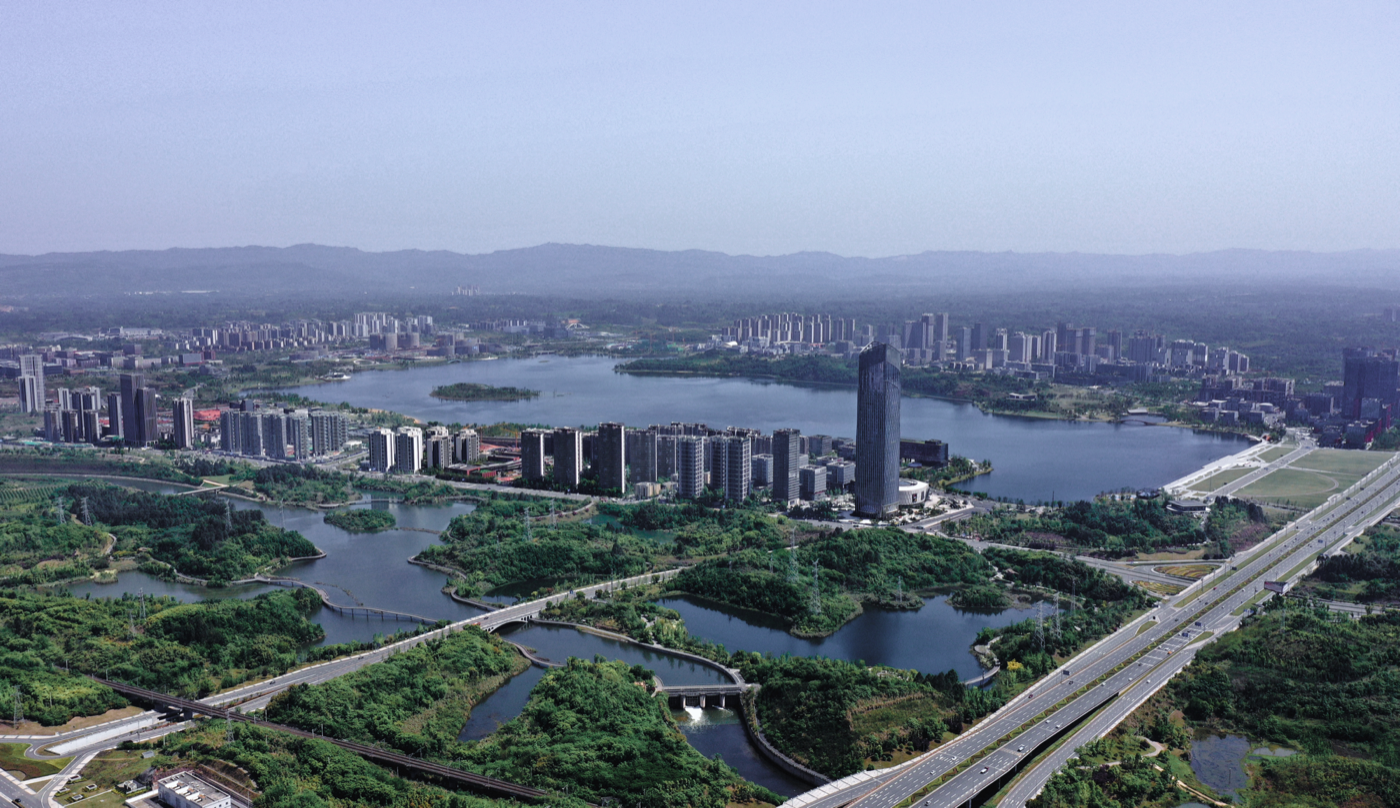
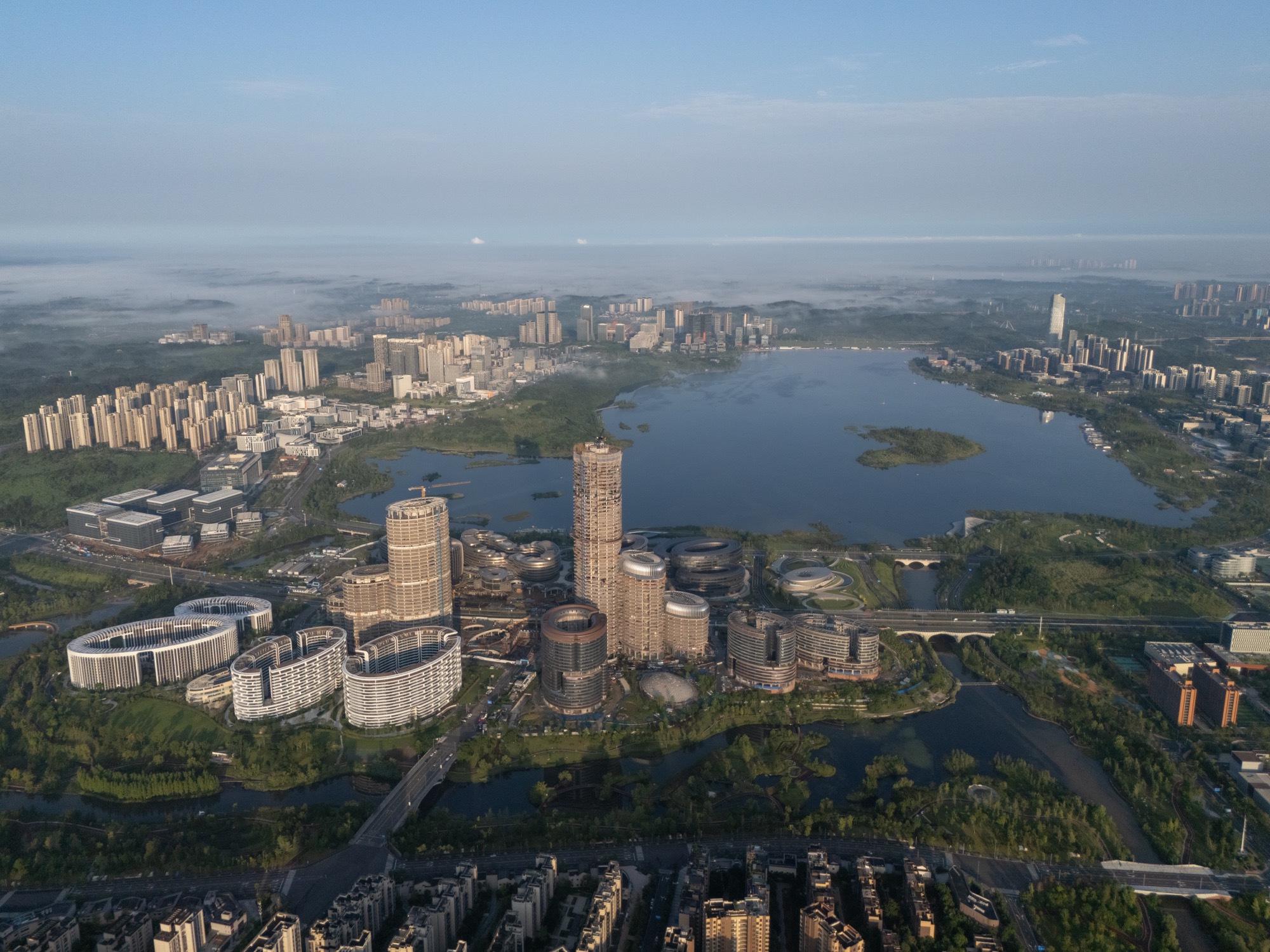
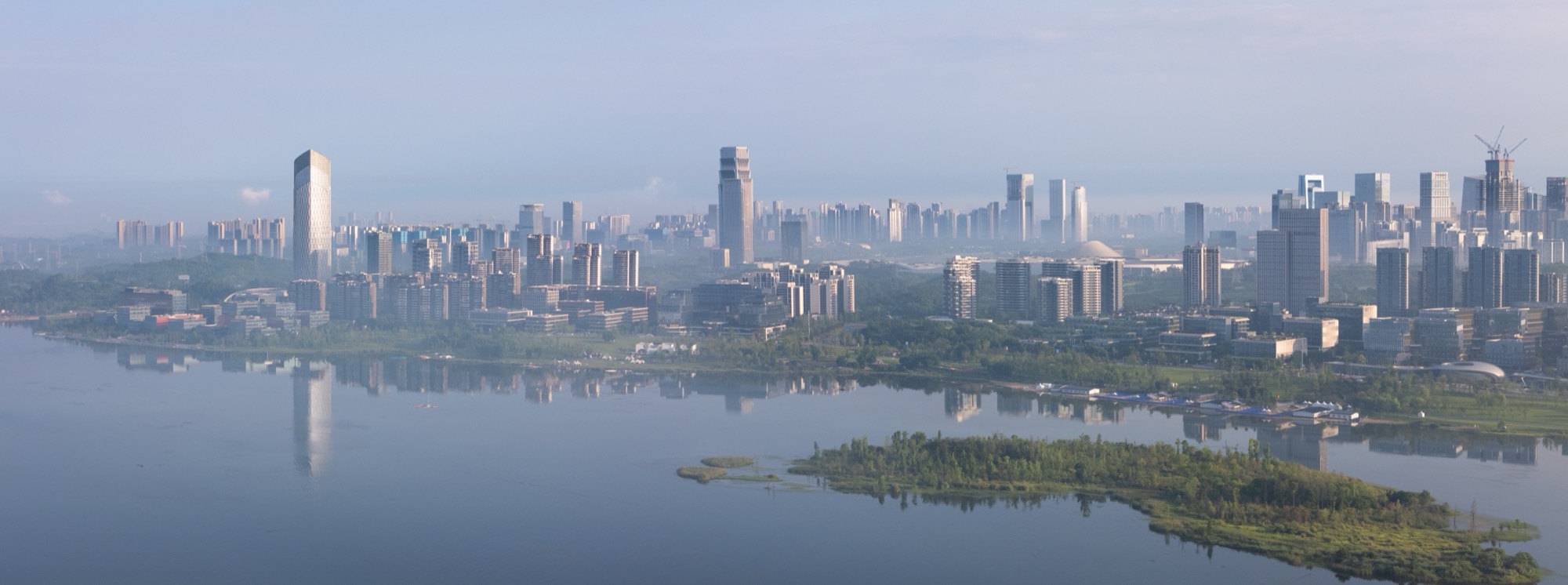
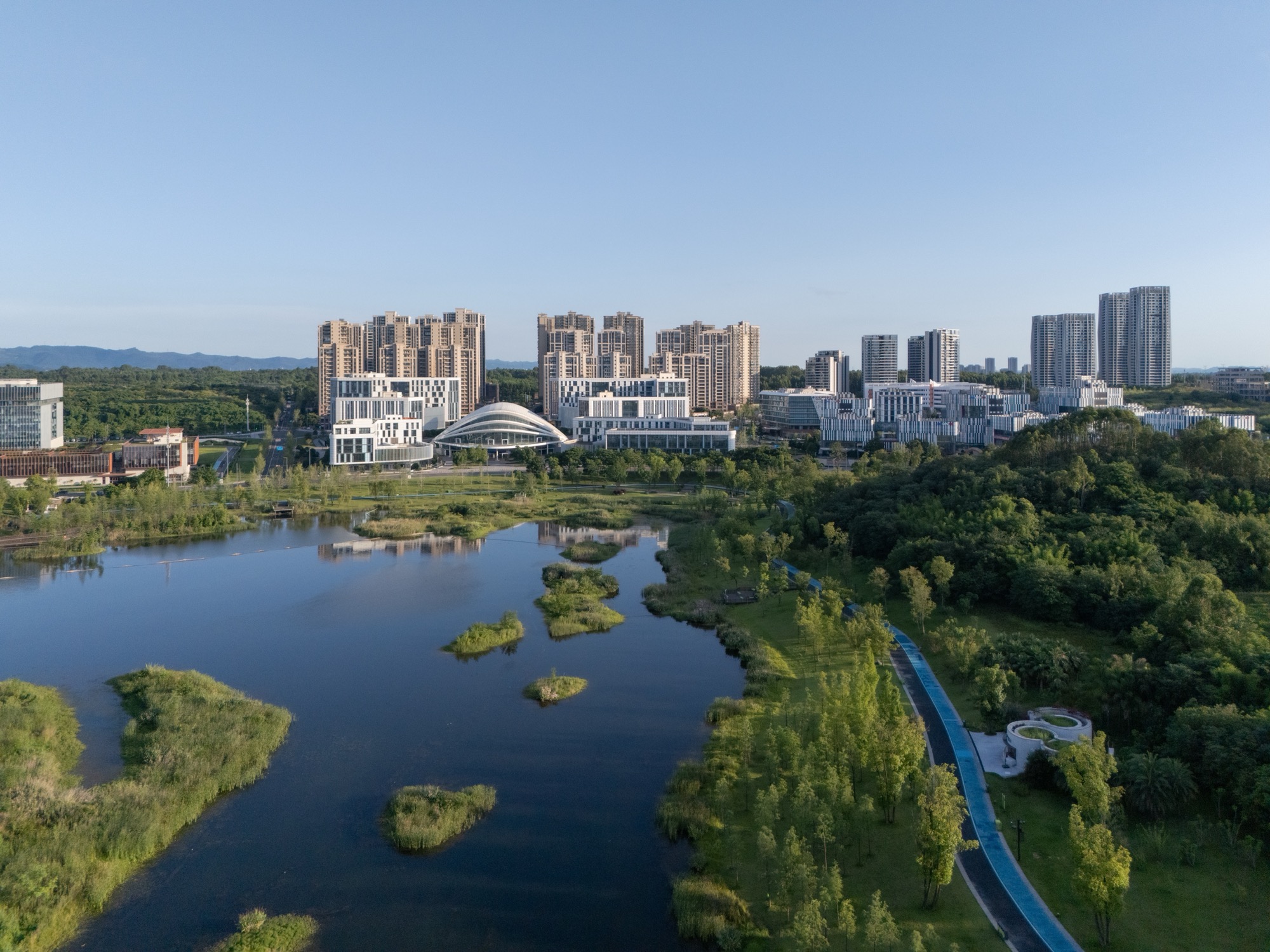
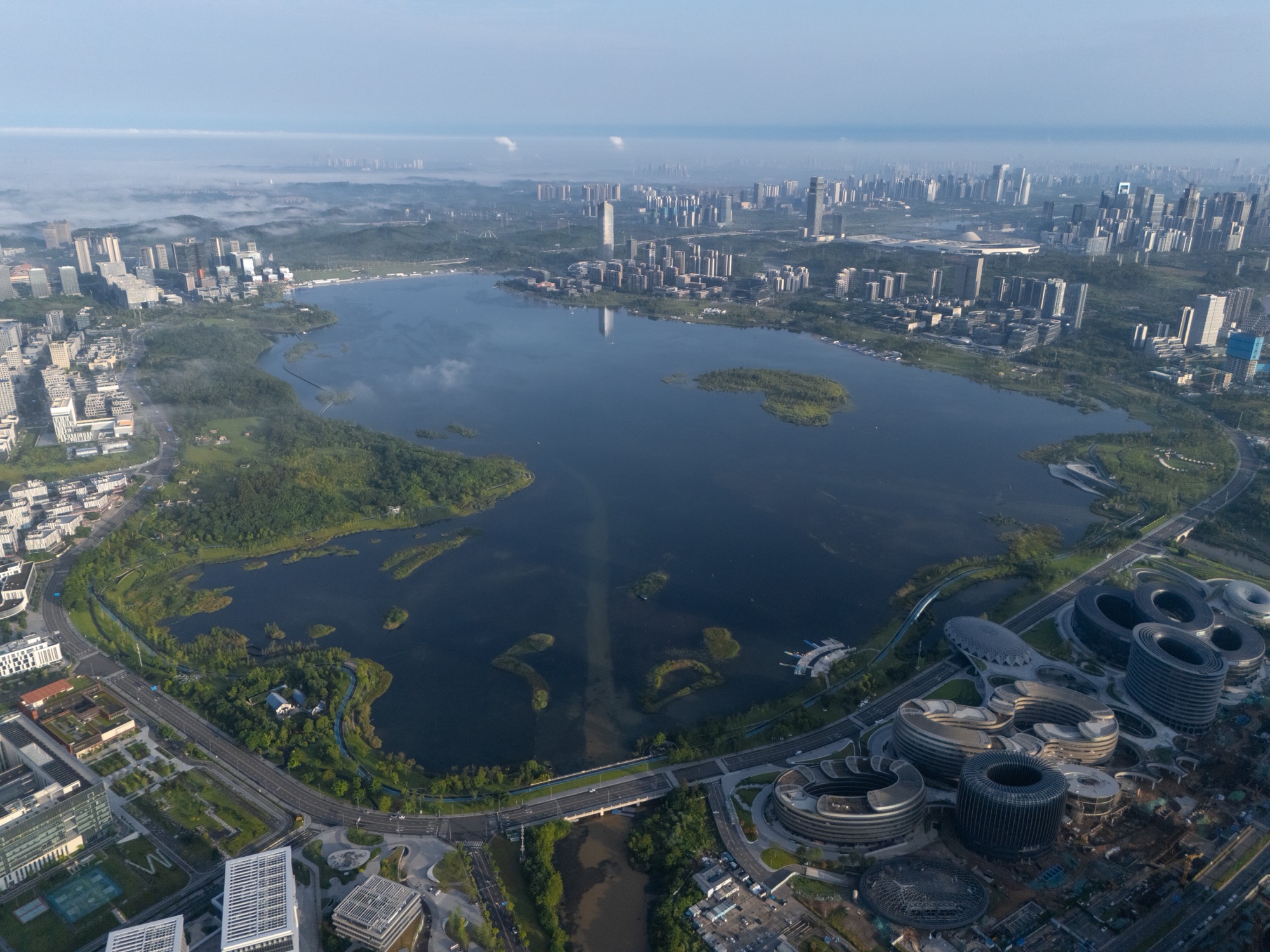
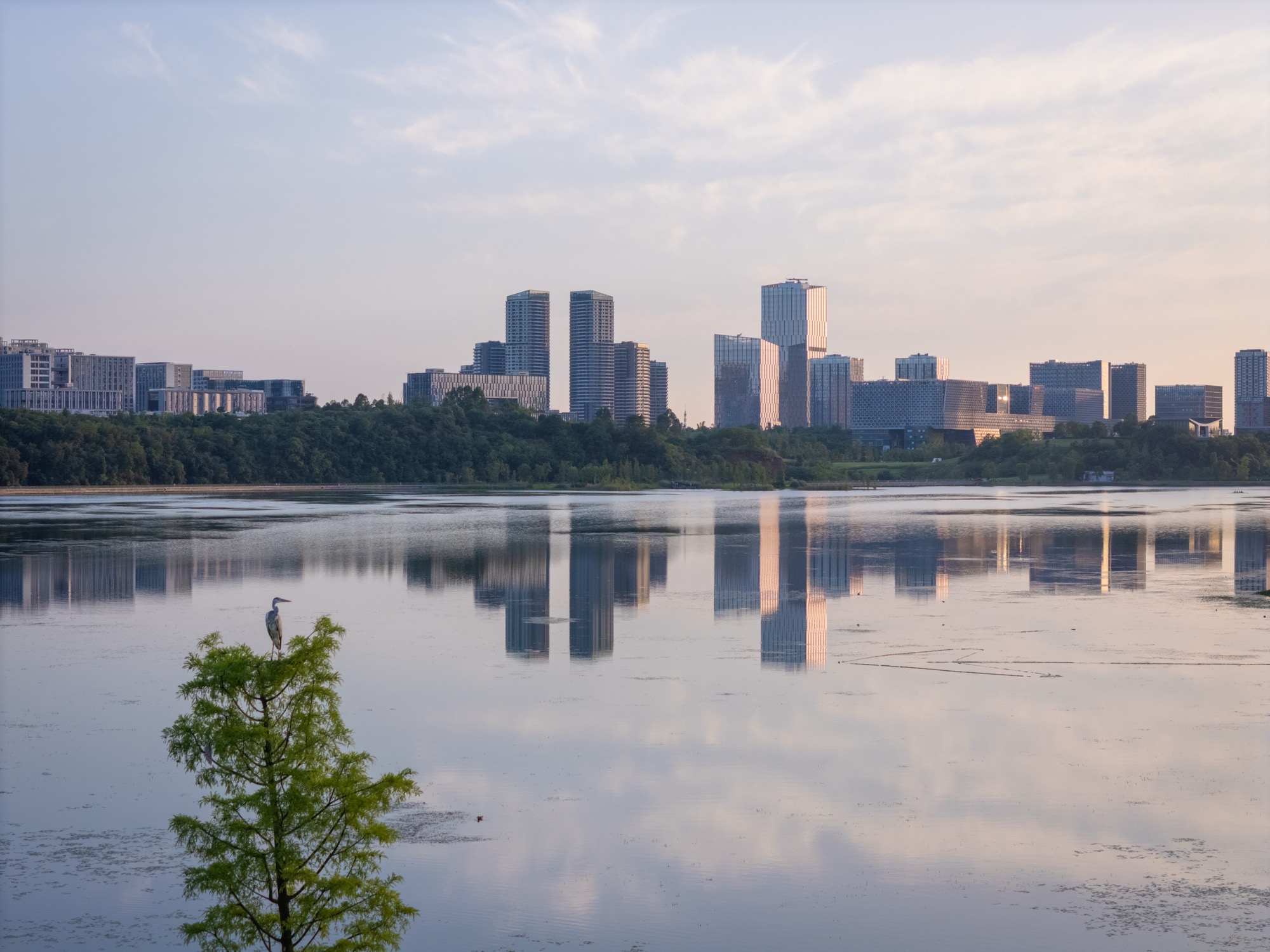
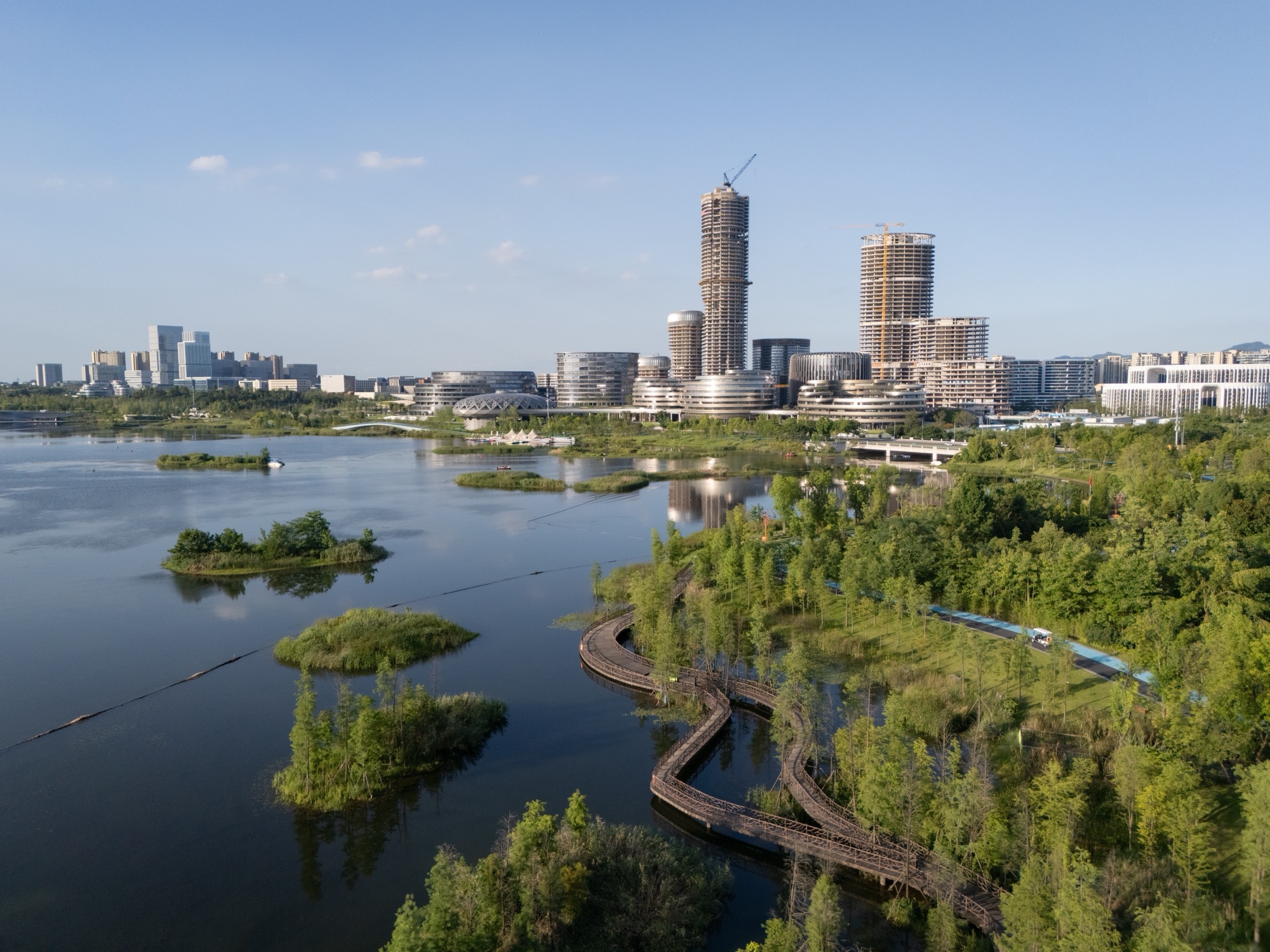
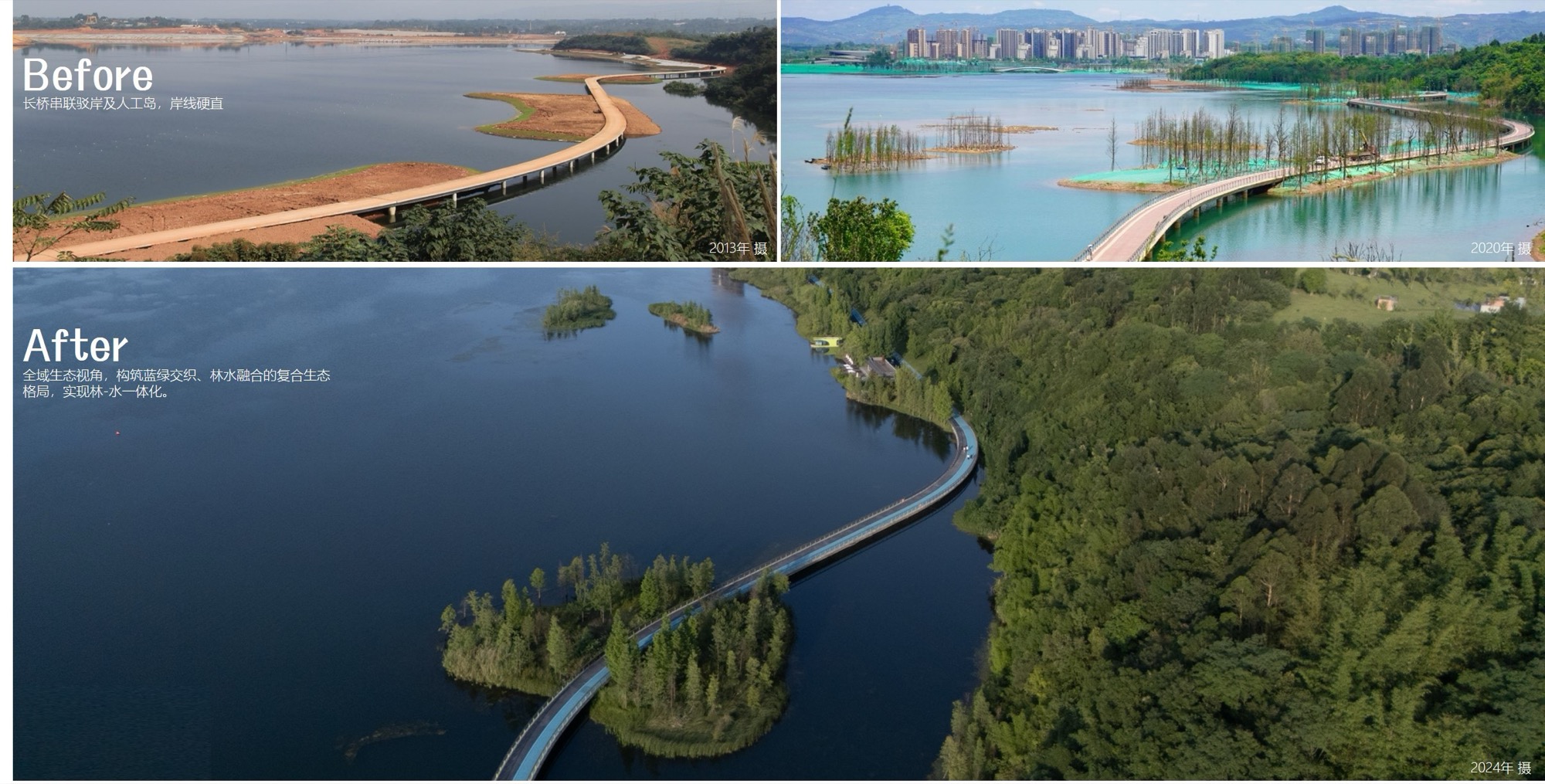
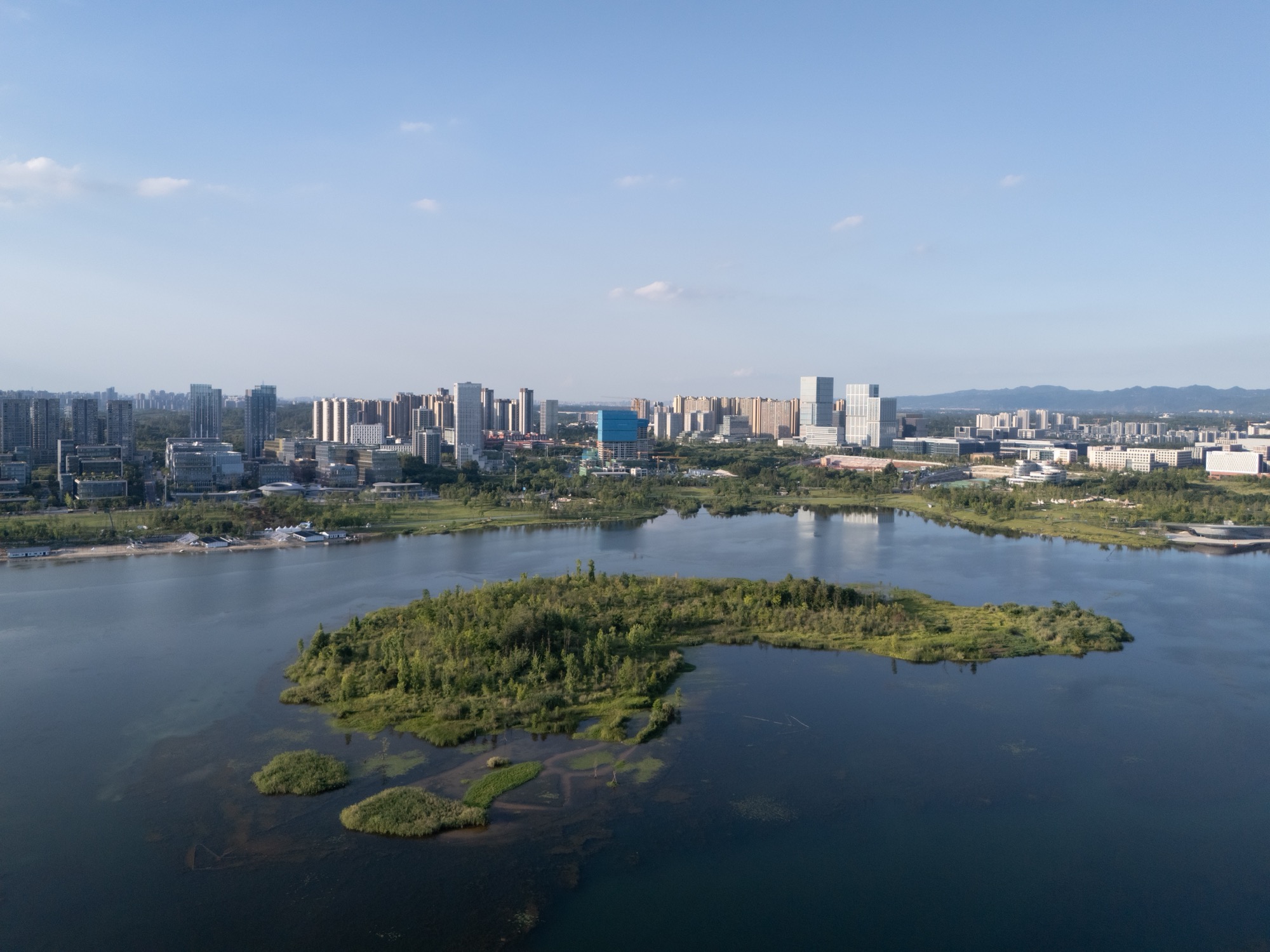
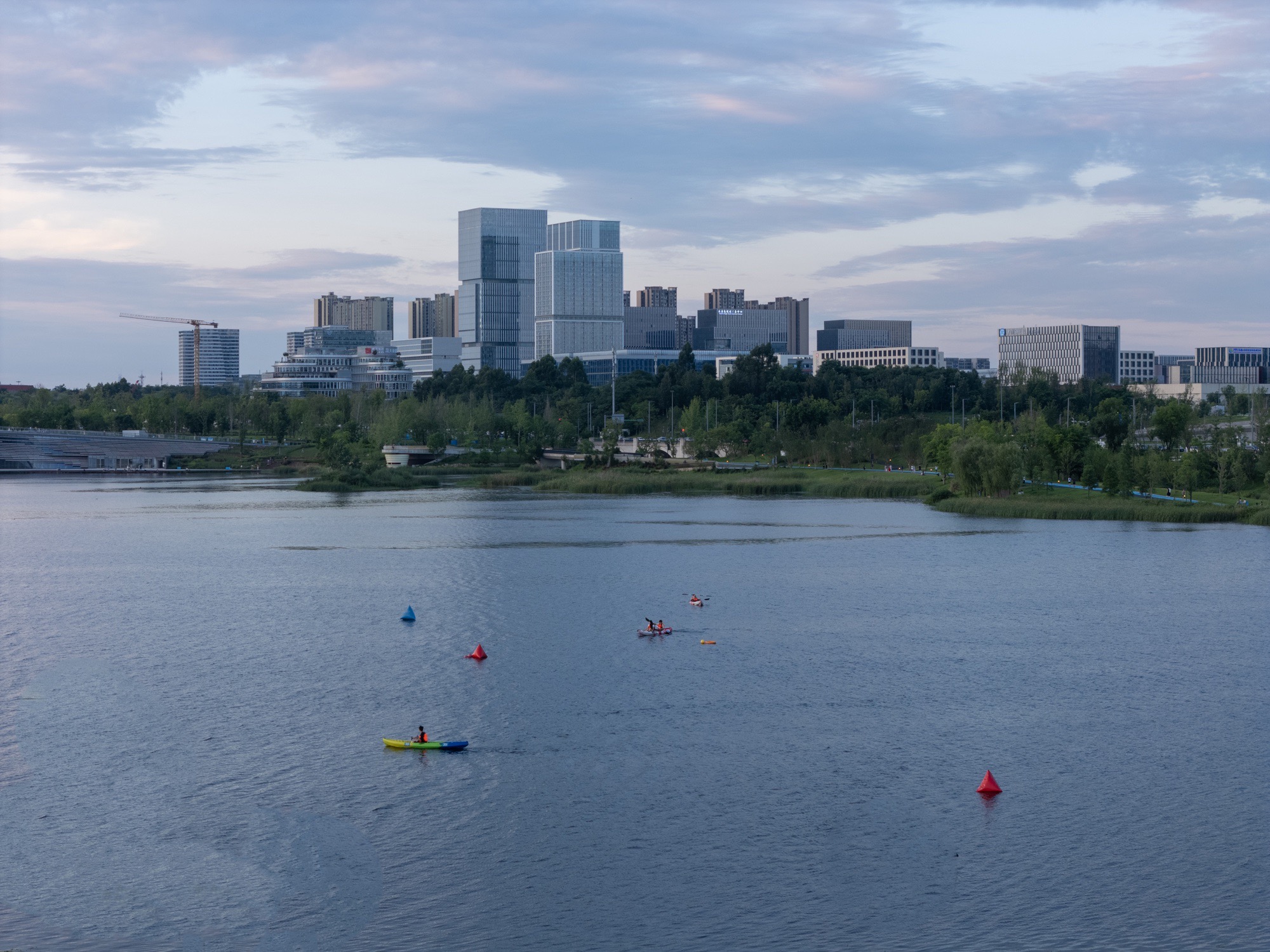
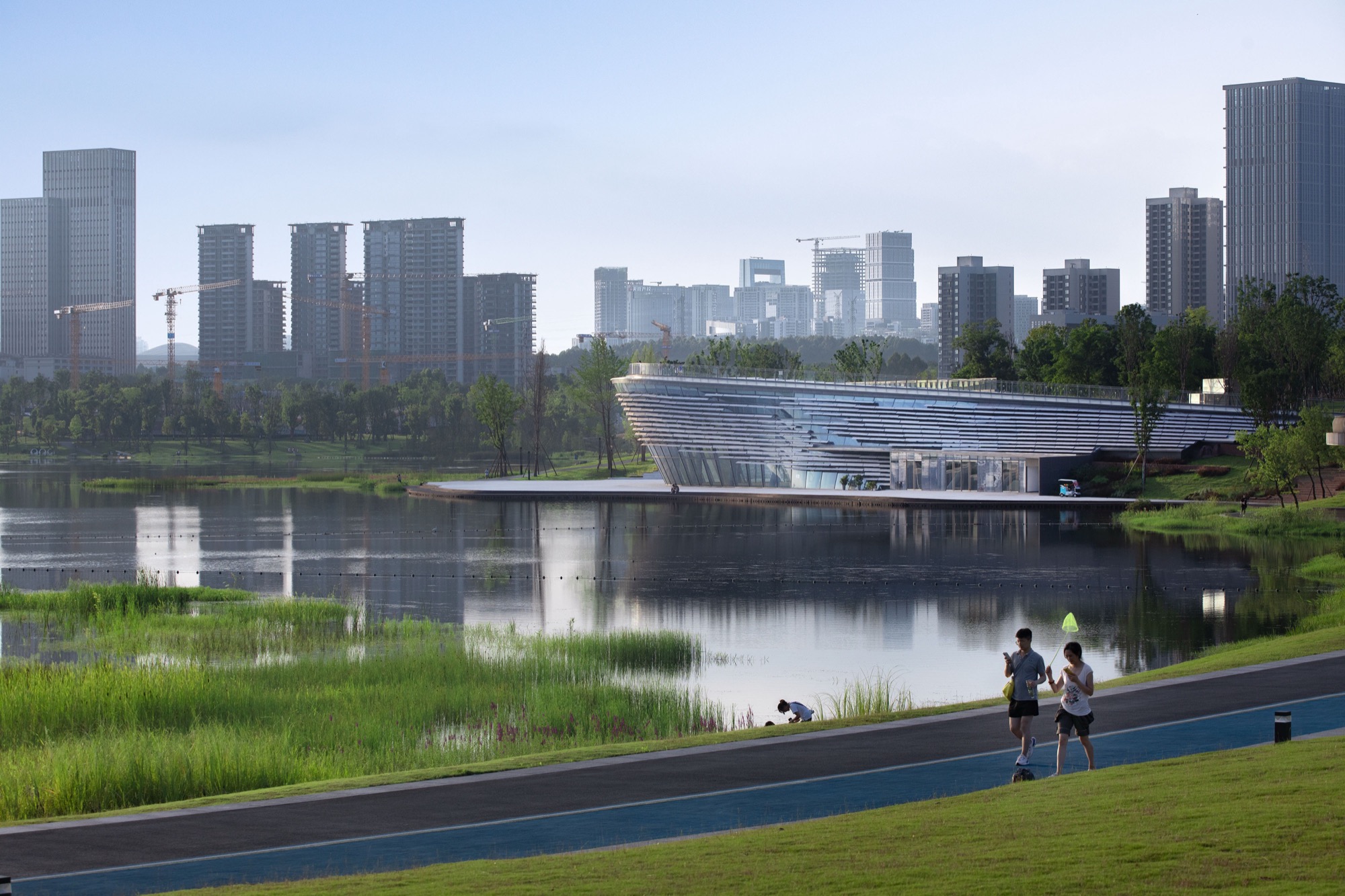
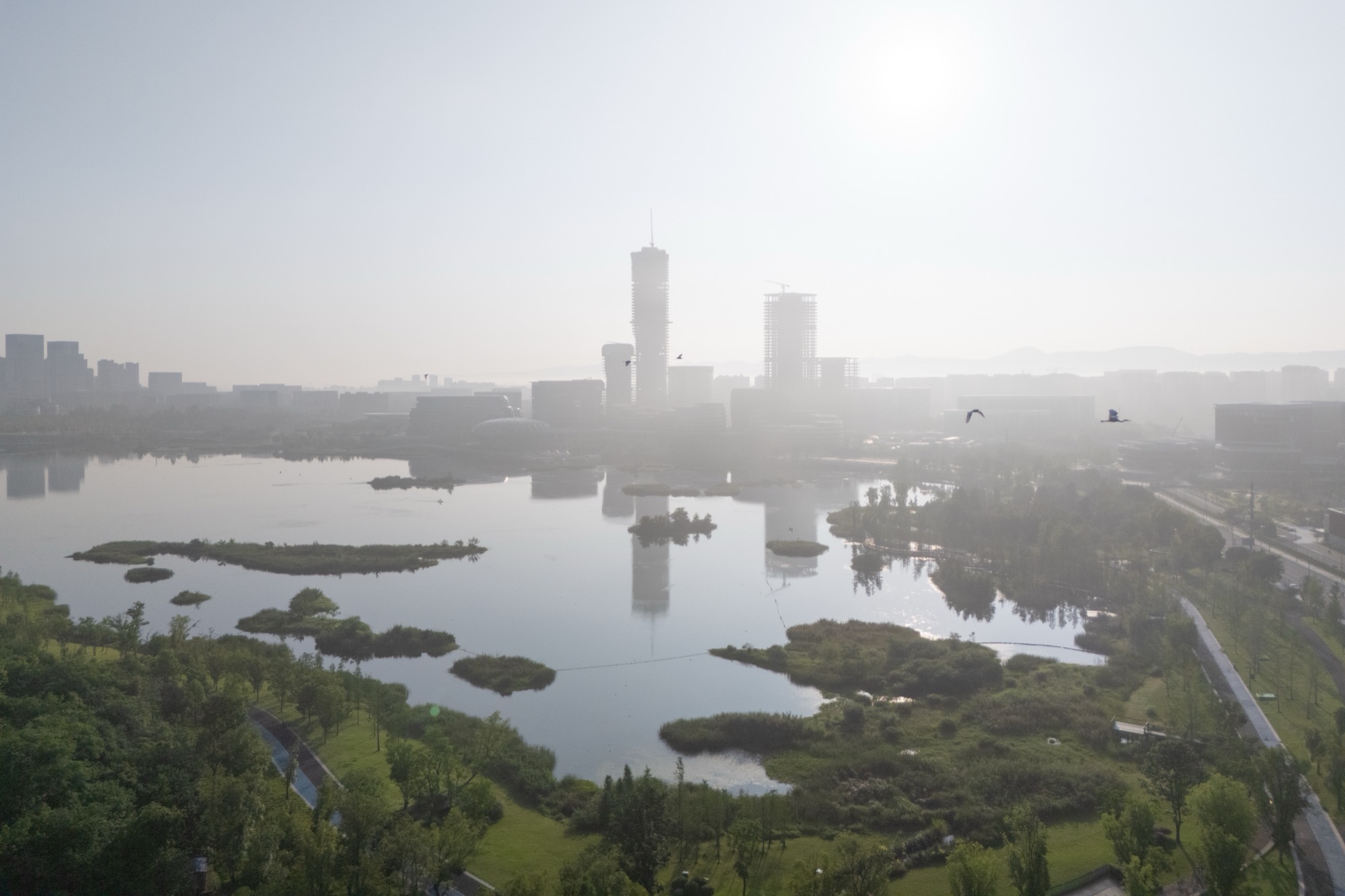
Xinglong Lake lies at the ecological core of Chengdu’s Tianfu New Area, spanning ~4.46 km² (water: ~2.80 km²). Once a flood detention basin, it faced mounting urbanization challenges: sediment siltation, impaired flood discharge, contaminated sediments, eutrophication, fragile ecosystems, and severed urban hydrological connections.
The design repositions the lake as a socio-economic nexus—not merely a water body, but a dynamic system where energy, material, and biotic fluxes couple with human activities. Design enables catchment-scale stormwater management, restoring a self-sustaining aquatic ecosystem and creating high-quality public open space for a metropolis of over ten million.
The guiding philosophy: 顺势而为—Acting with the Grain. The principle: restoring nature with nature, building a self-sustaining living system.
Ⅰ: Watershed-Scale Hydrological Strategy—Learning from Dujiangyan
Dujiangyan has endured 2,000+ years not through dams, but through precise reading of topography and hydraulics—letting landform substitute for engineering, letting water divide flow and deposit sediment.
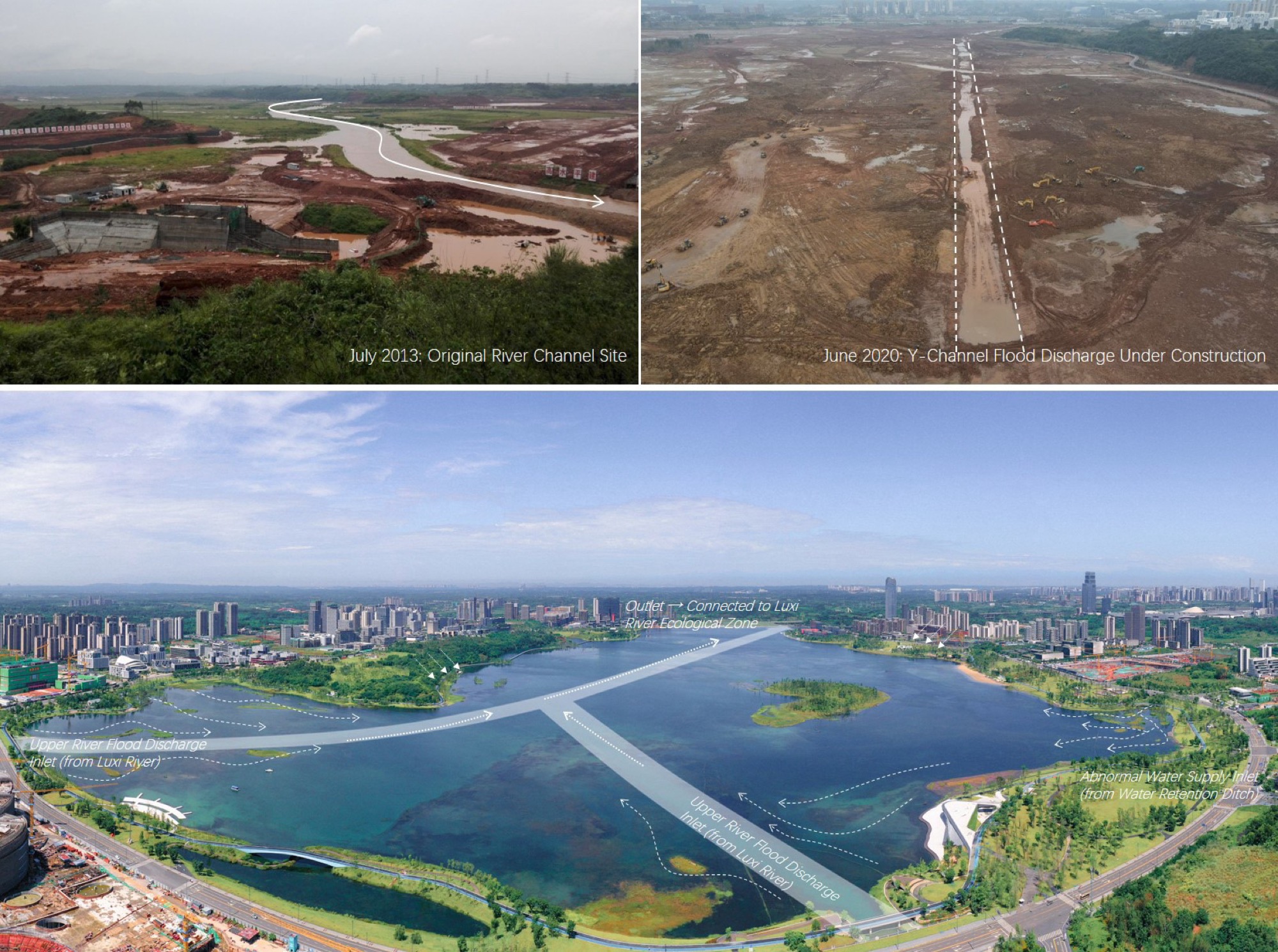
At urban landscape scale, the team used hydrodynamic modeling of the entire Luxi River basin to trace remnant channels and reconstruct an ecological sediment-water separation system. Normal conditions: gentle flow prevails. Extreme storms: the same geometry accelerates discharge and controls sediment. Water flows downward—physics is simple, yet it never fails.
Ⅱ: Treating the Watershed as an Integral Living Entity
From a watershed perspective, Xinglong Lake sits at the topographic low of the Luxi River basin, receiving runoff from a ~60 km² upstream catchment. One year of monitoring revealed a key insight: the lake’s dysfunction stems from a disrupted hydraulic network, not an isolated problem.
The design refuses isolation. Xinglong Lake becomes Tianfu New Area’s core hydraulic hub via a river-lake diversion system integrating upstream detention, inlet management, and dynamic water exchange—storing water in dry seasons, attenuating floods in wet seasons, theoretically reducing downstream flood risk by 30–40%. It has transformed from a static ornamental lake into a dynamic hydraulic organ breathing with the Sichuan Basin’s seasonal rhythms.
Ⅲ: Rebuilding the Life Chain through Habitat Gradients
Biodiversity cannot be commanded—habitat conditions must be prepared. A lateral ecological gradient from deep water to terrestrial forest establishes four habitat types via rewilding:
Aquatic: Submerged plant communities (Vallisneria, Hydrilla) form an underwater forest (75.3% coverage), providing fish spawning grounds, oxygenating water, and driving ecosystem recovery.
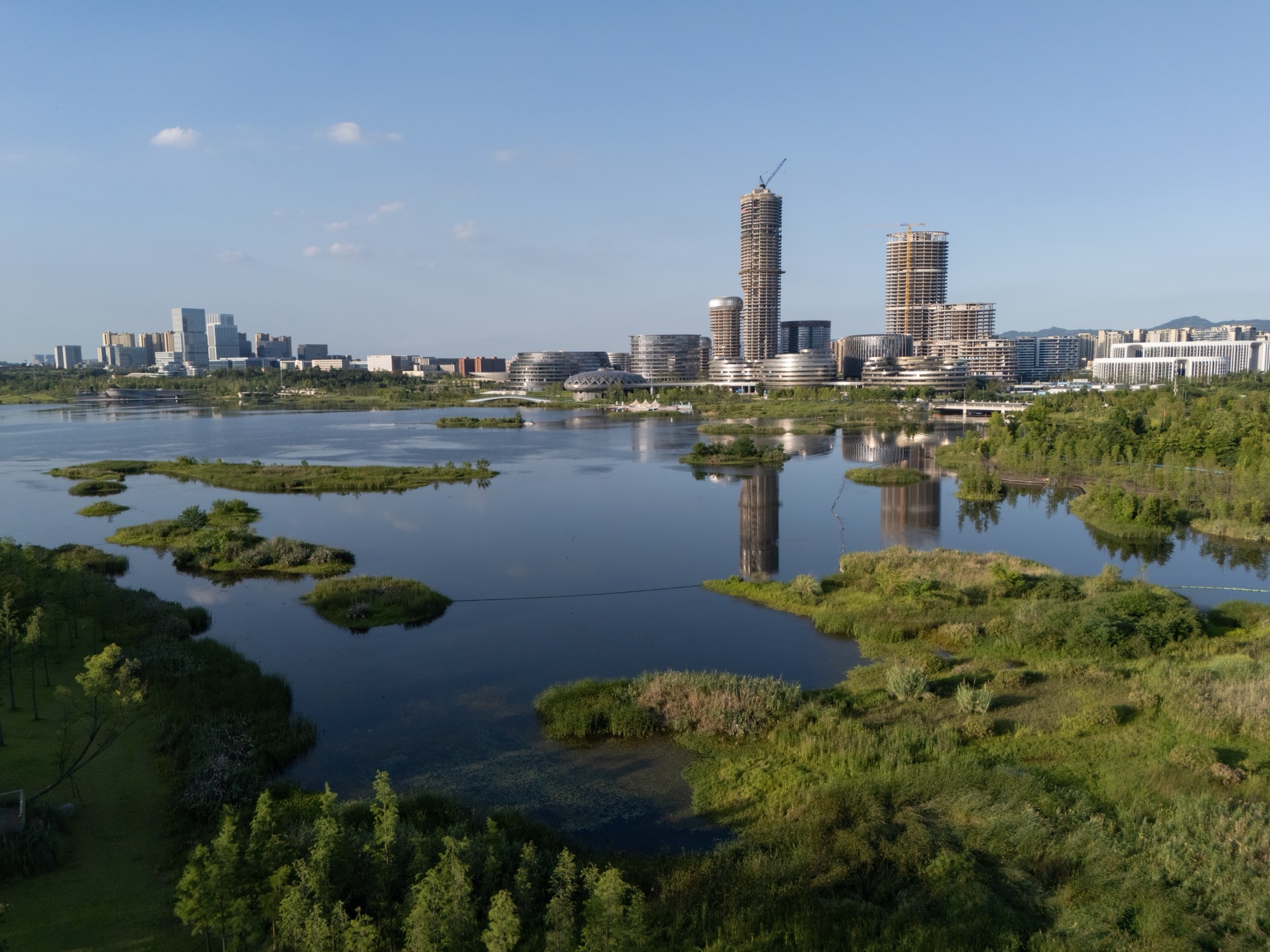
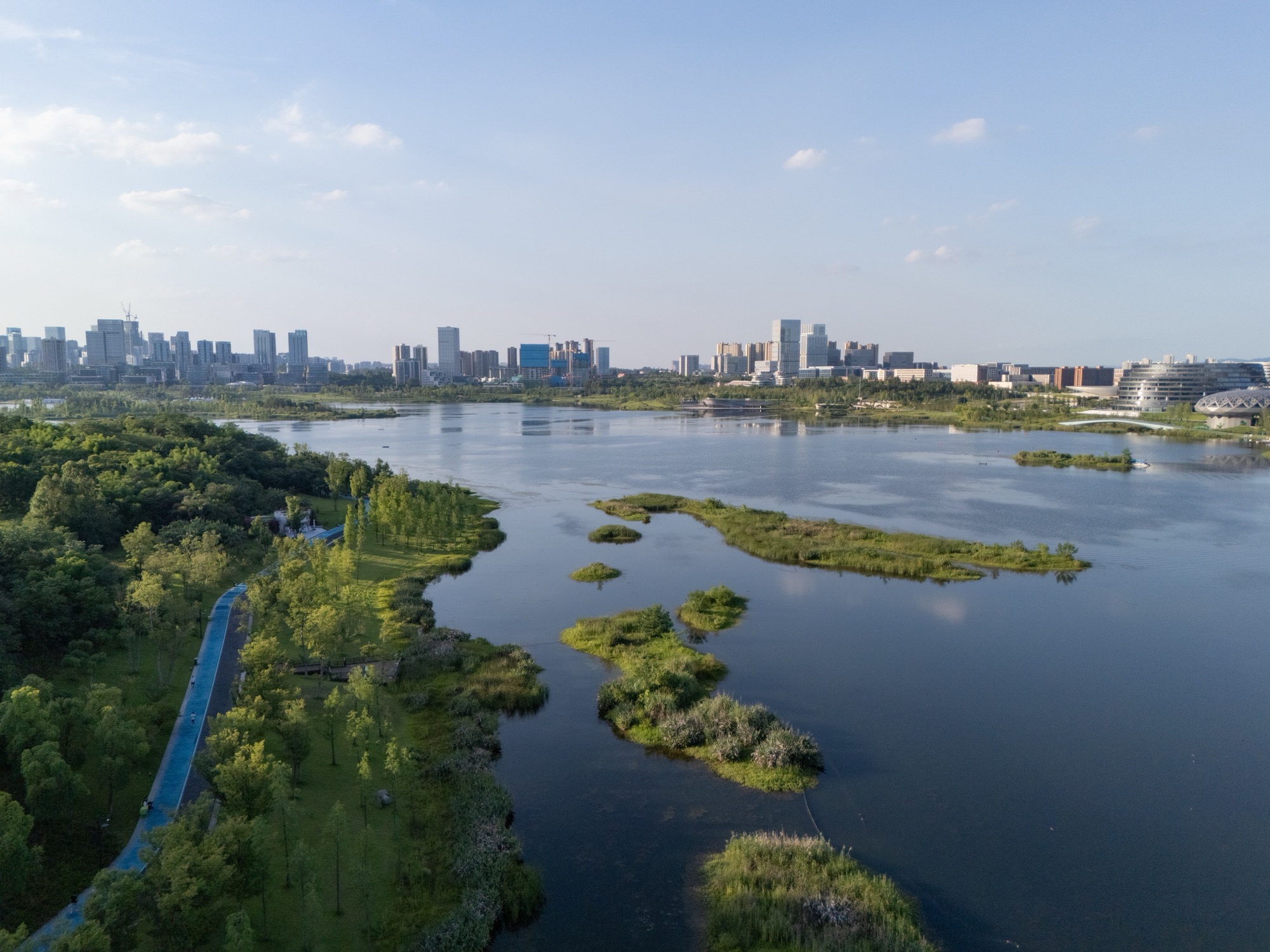
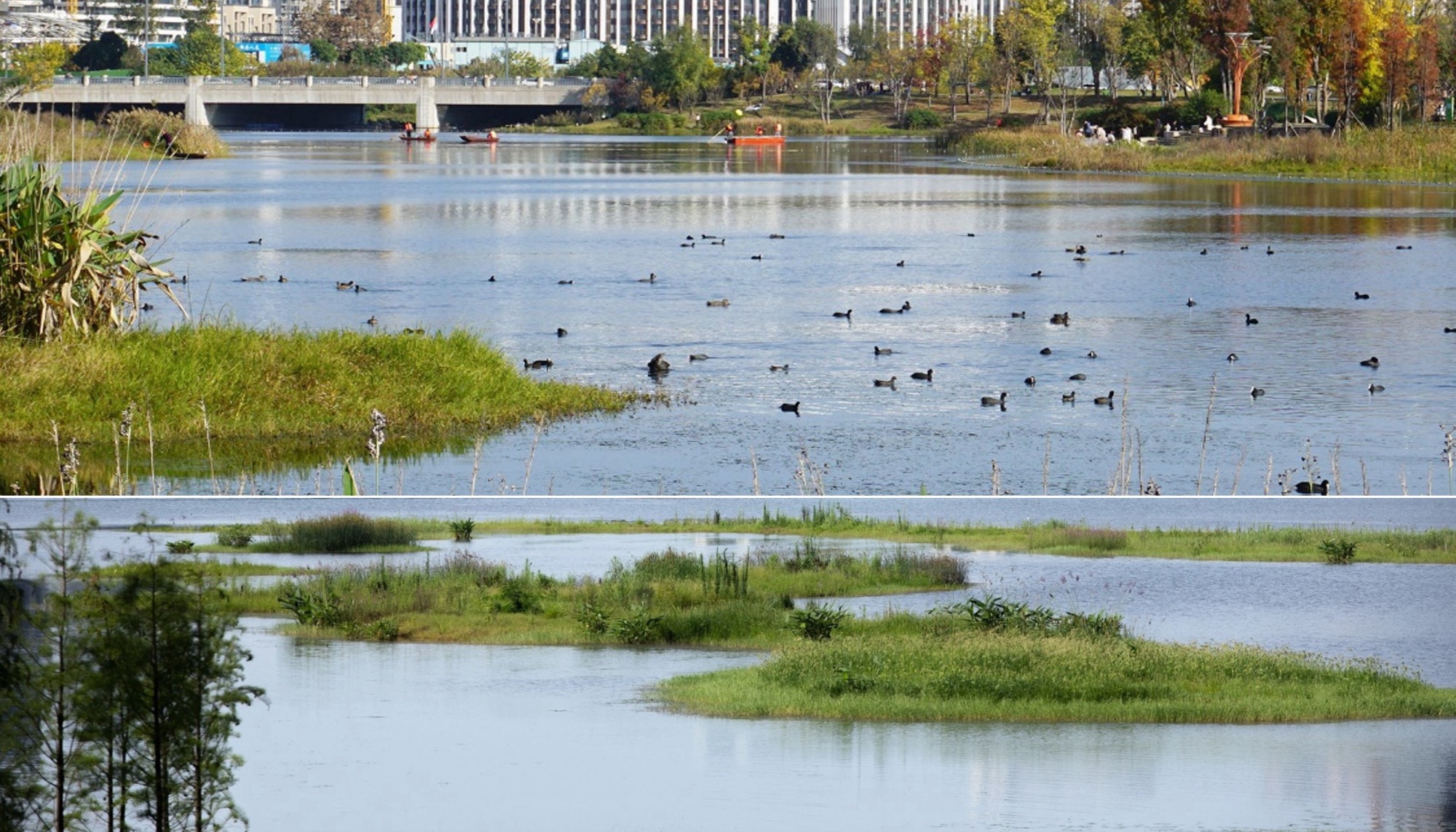
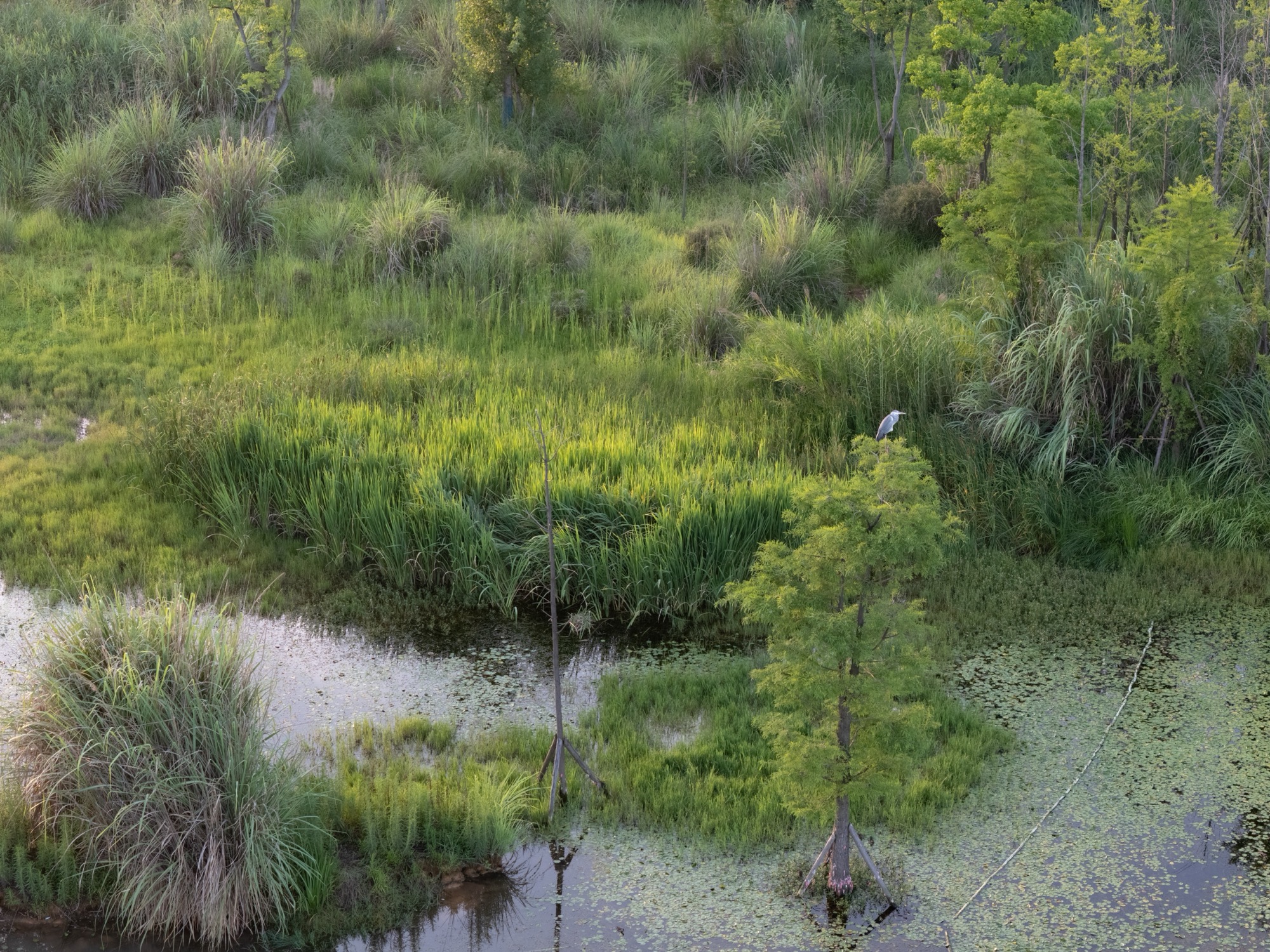
Wetland: Water-tolerant trees (Sapium sebiferum, Taxodium spp., Populus) and herbaceous vegetation filter runoff and form waterbird foraging corridors. Constructed wetlands purify tributary inflows, creating an ecological island chain for birds.
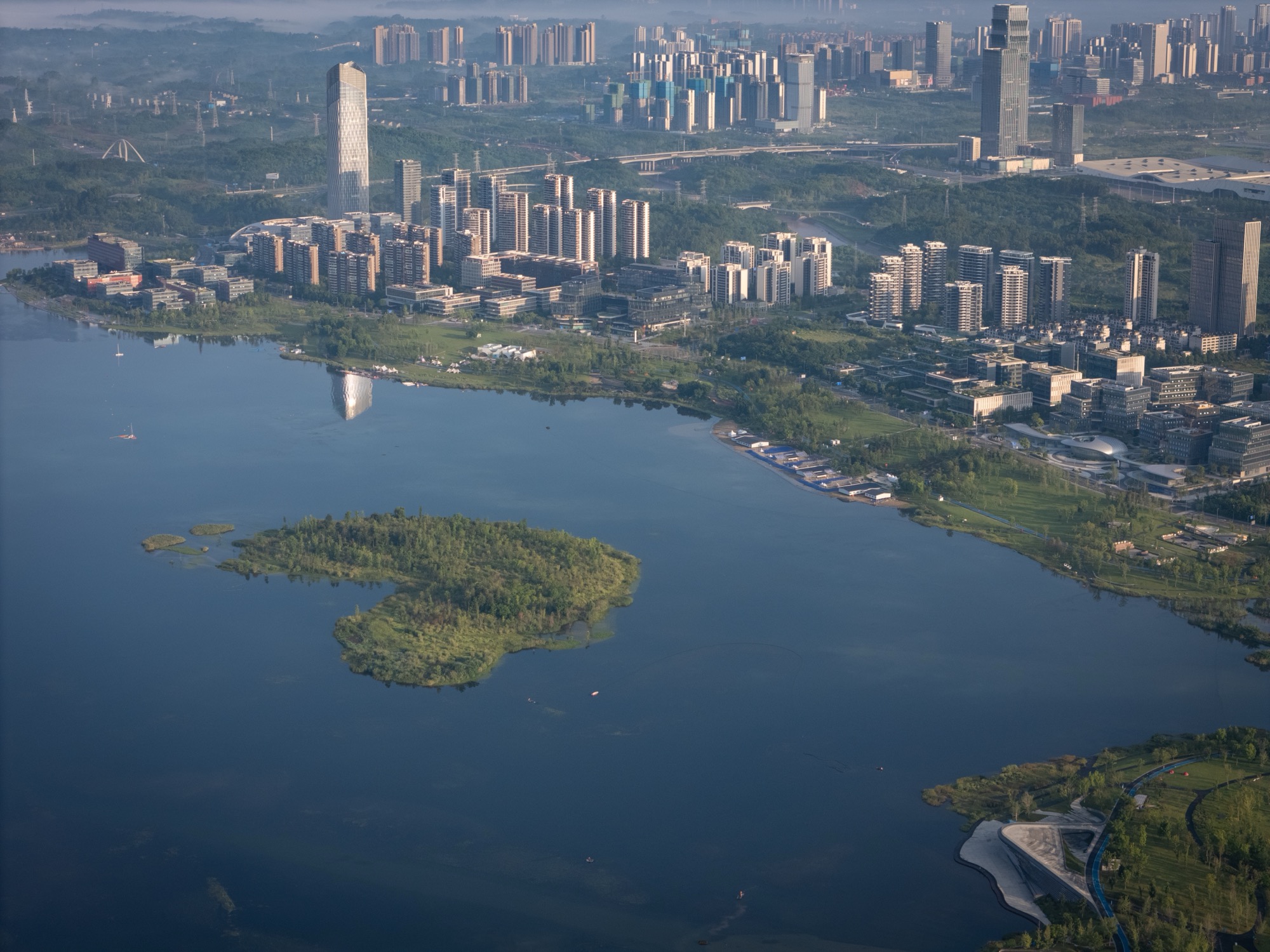
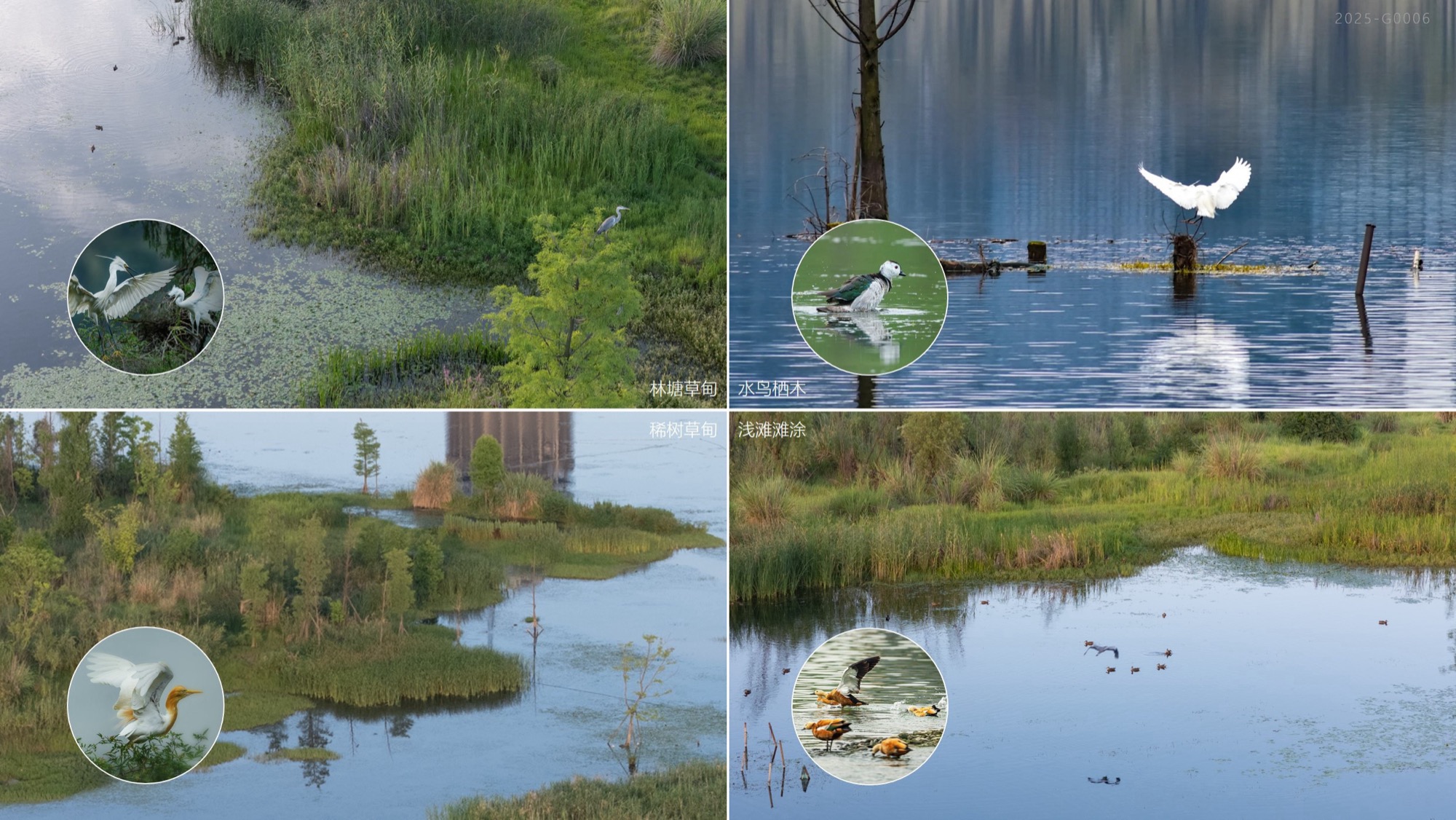
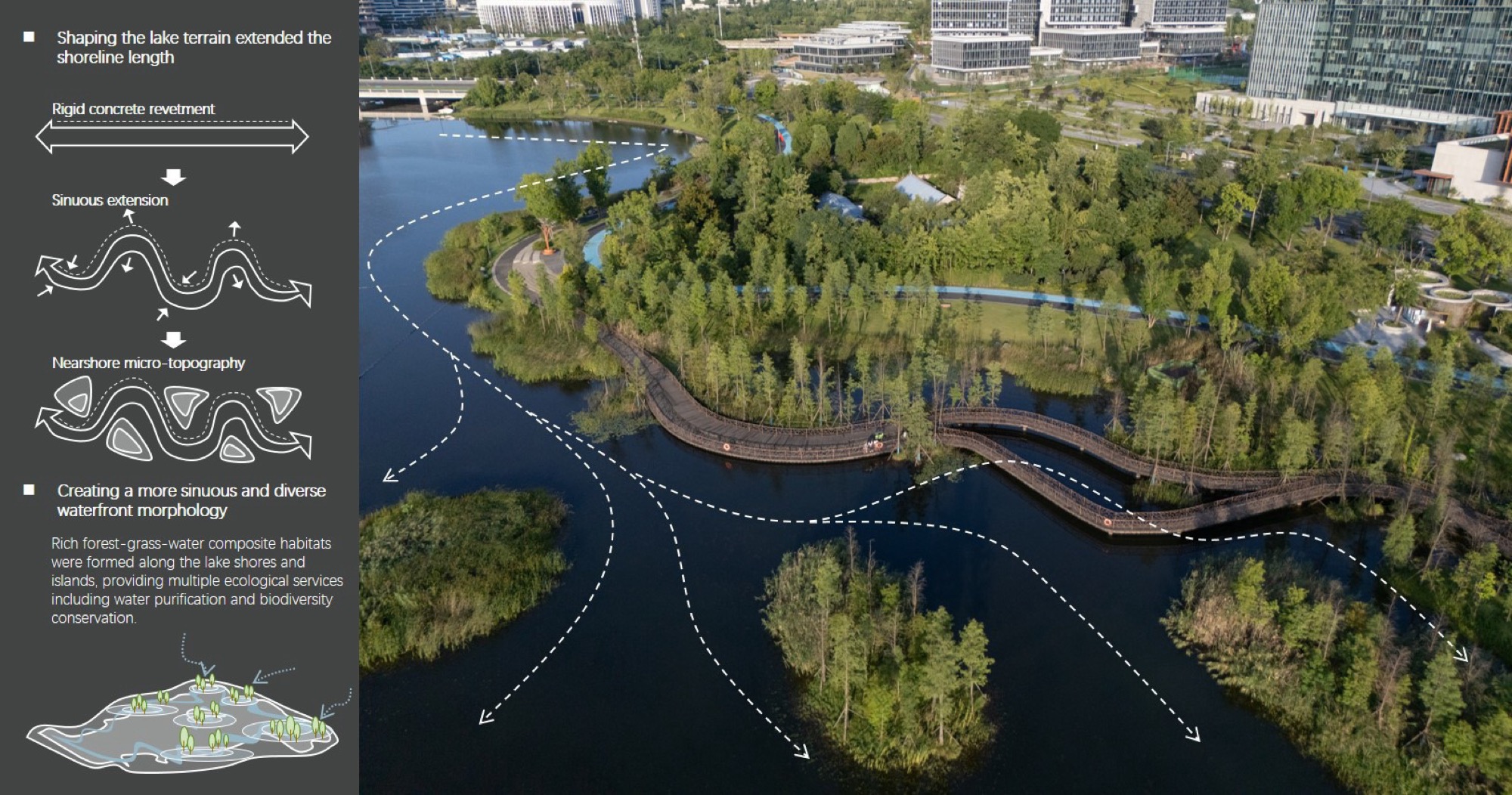
Island: The central island is closed as a breeding sanctuary. Irregular shorelines—swales, pond meadows, sparse meadows, lagoon shallows—create wilderness meeting diverse birds’ nesting needs.
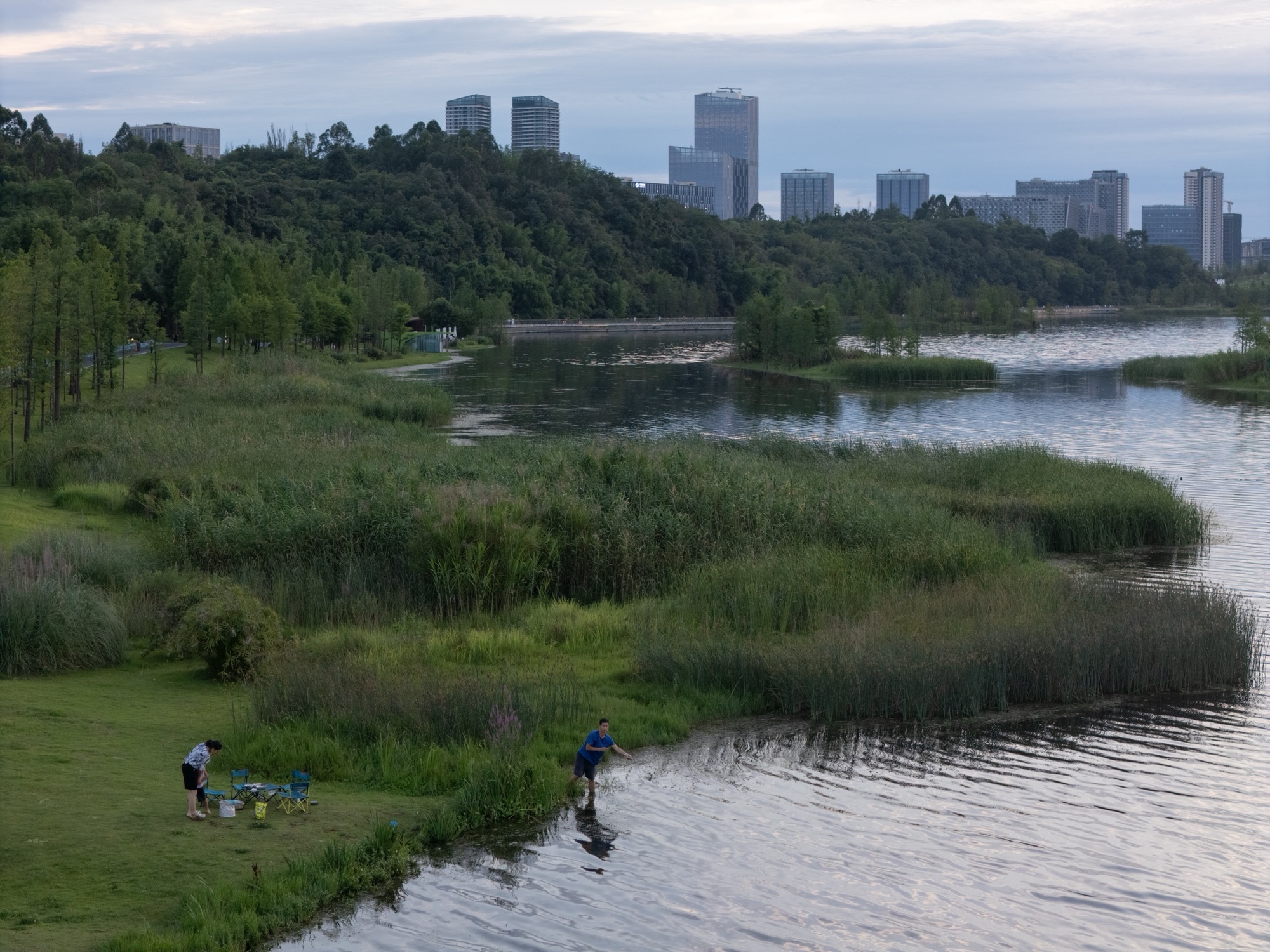
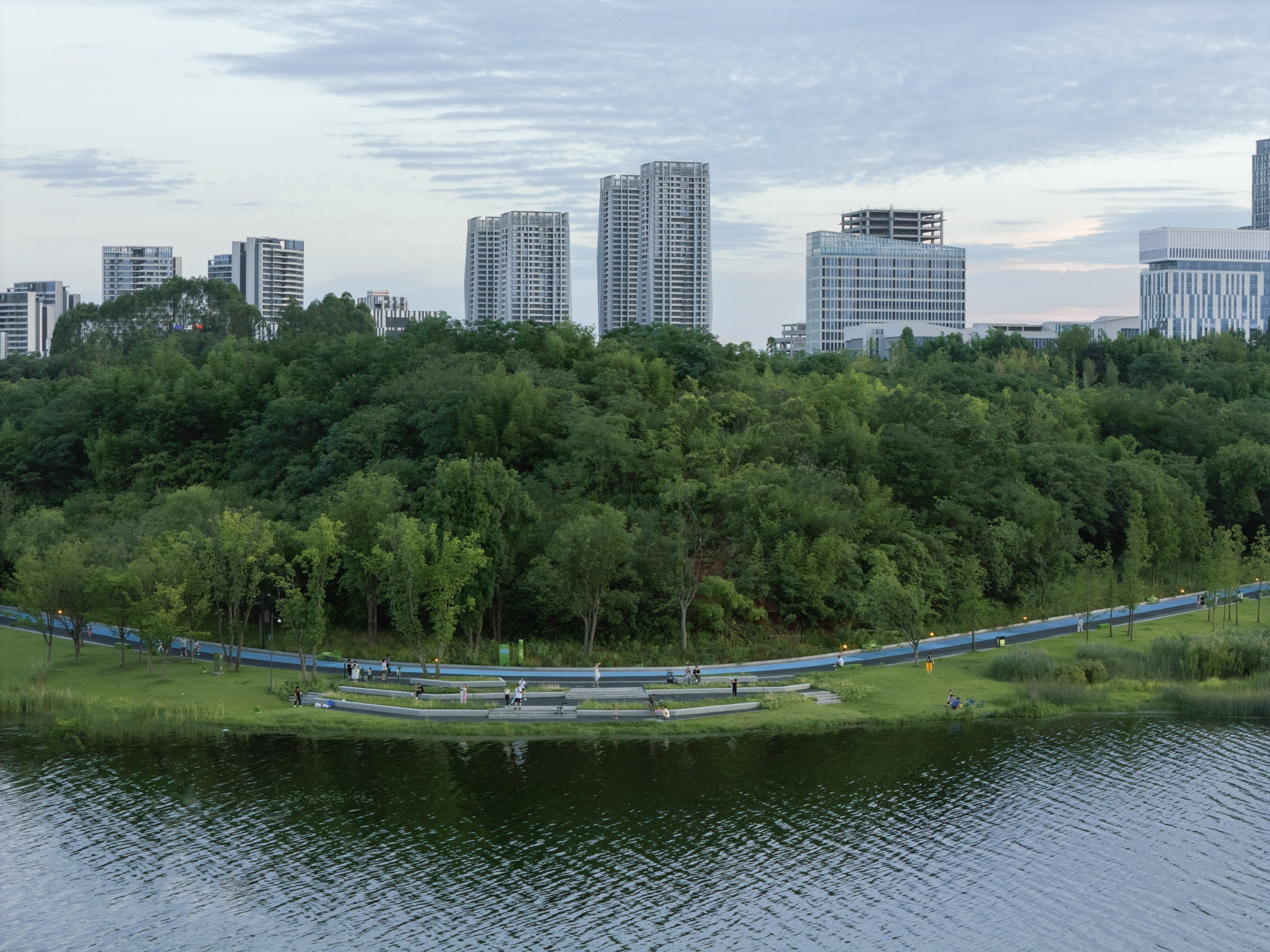
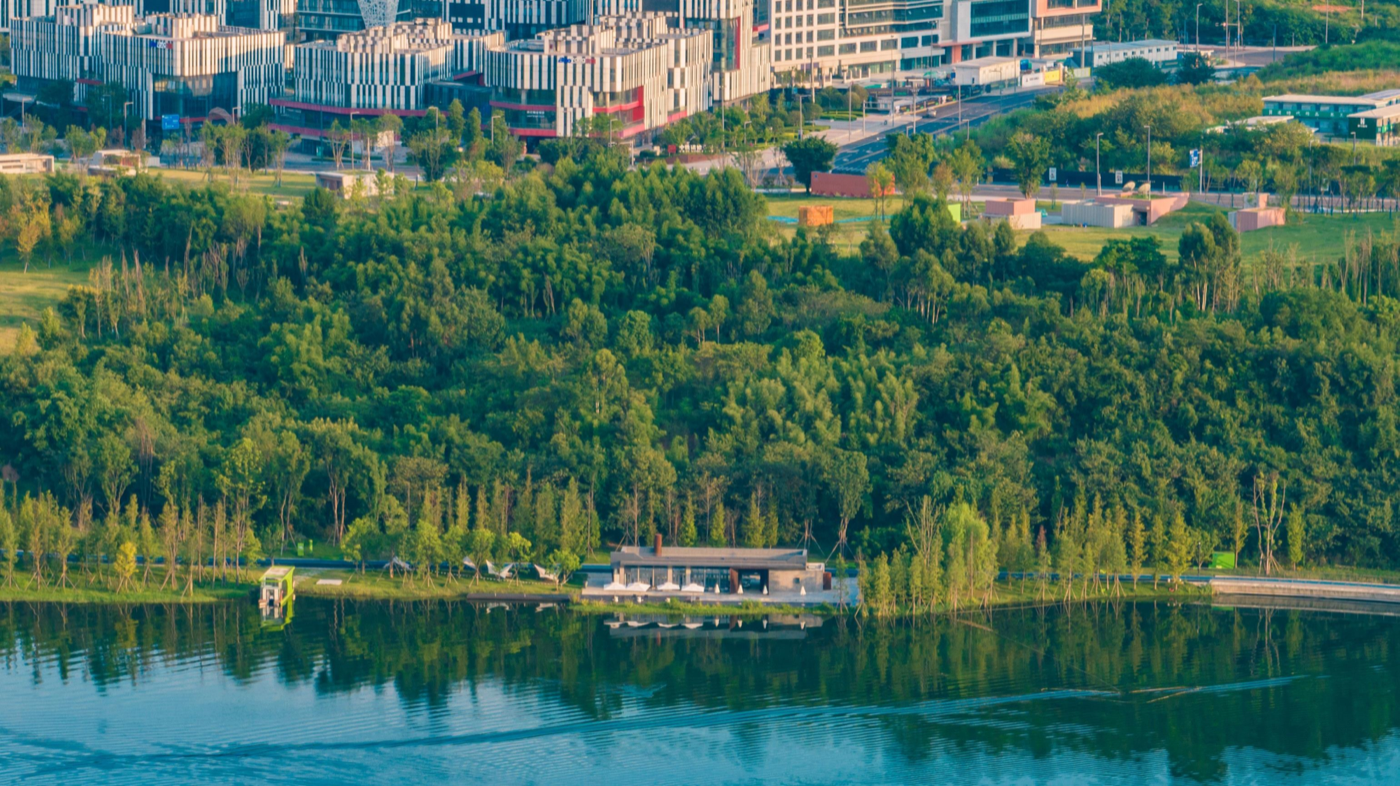
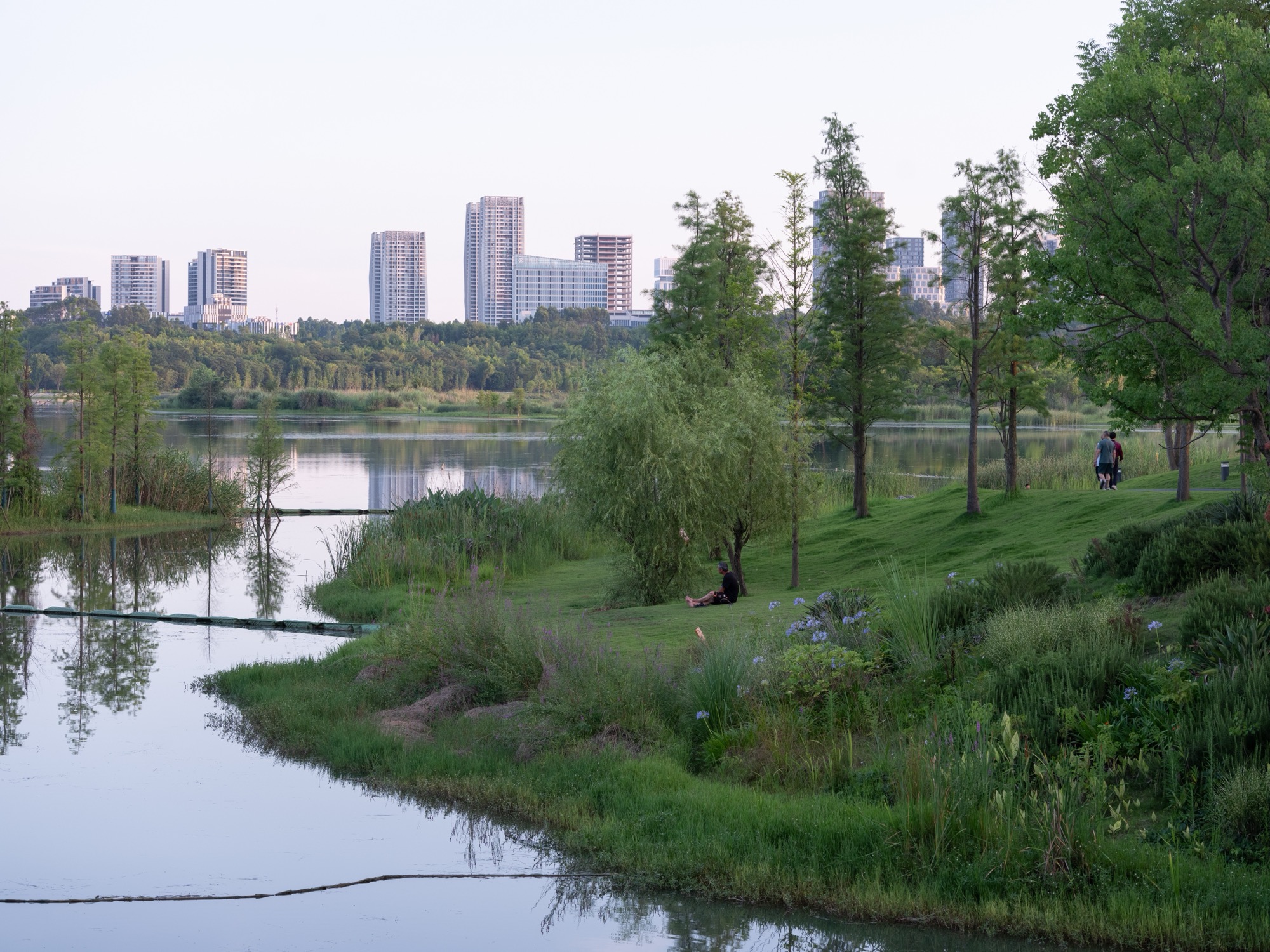
Terrestrial Forest: 90% natural shorelines with native vegetation replace hard revetments, absorbing wave energy and reducing erosion while providing aquatic-terrestrial ecotones for amphibians. An uneven-aged, multi-storied mixed forest integrates trees, shrubs, and herbs.
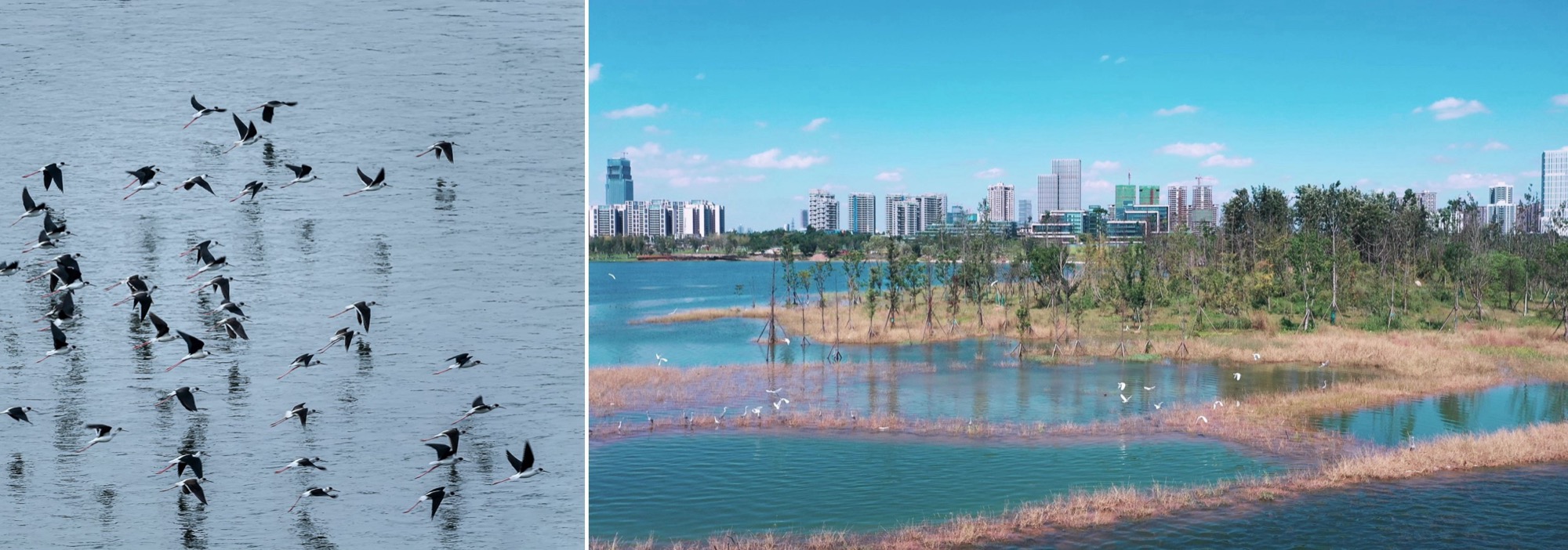
Sustained rewilding increased bird species from 132 to 181 (+37%), including 70 waterbirds and the Class I protected Baer’s Pochard (Aythya baeri). Xinglong Lake is now the Chengdu Plain’s largest waterbird wintering ground—they came because the habitat was ready, not because humans placed them there.
Ⅳ: Enabling Ecology to Spontaneously Generate Value
A healthy ecosystem accommodates human presence. Xinglong Lake’s ecological restoration drives urban development, enhancing social welfare beyond landscape value.
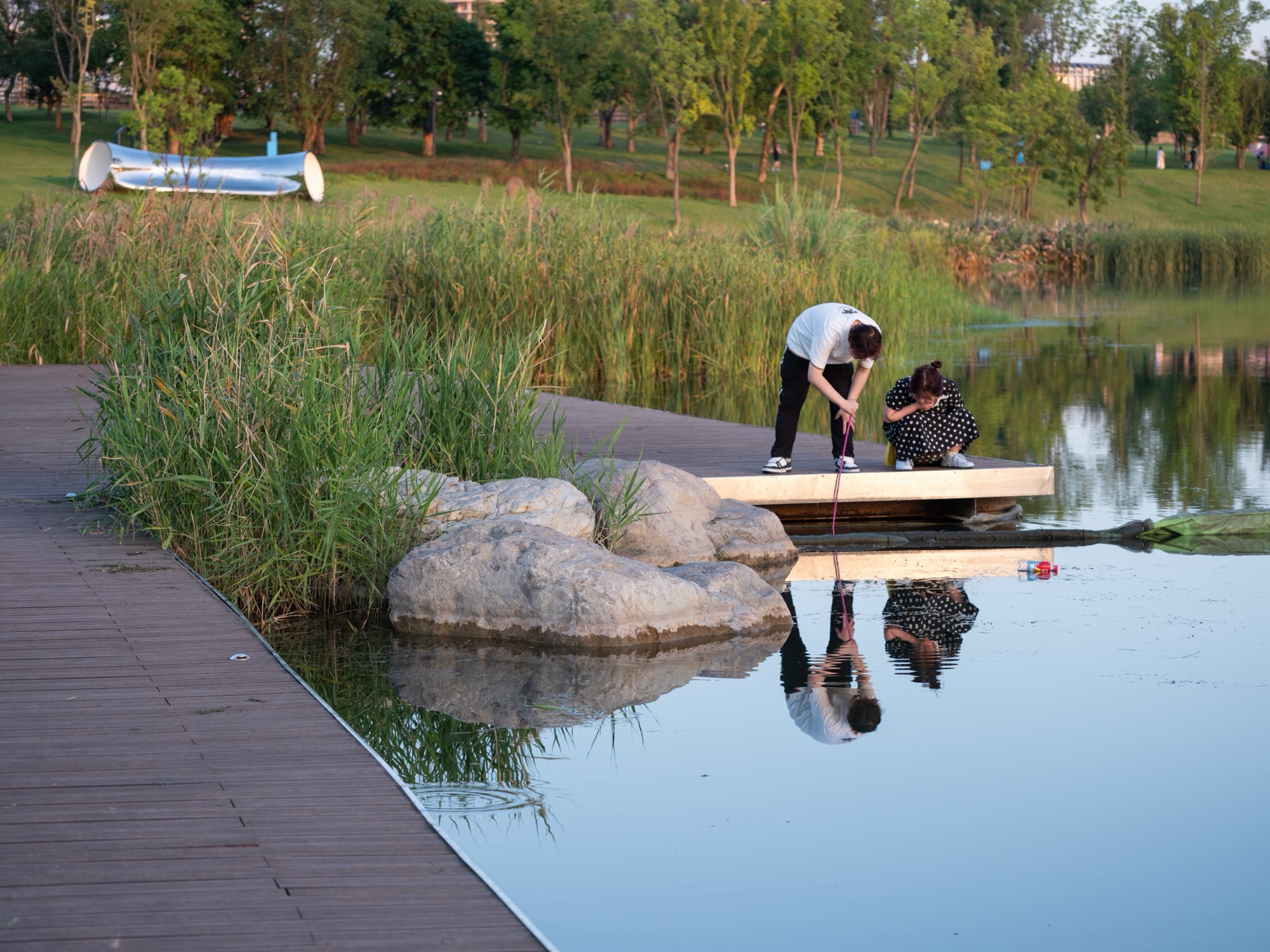
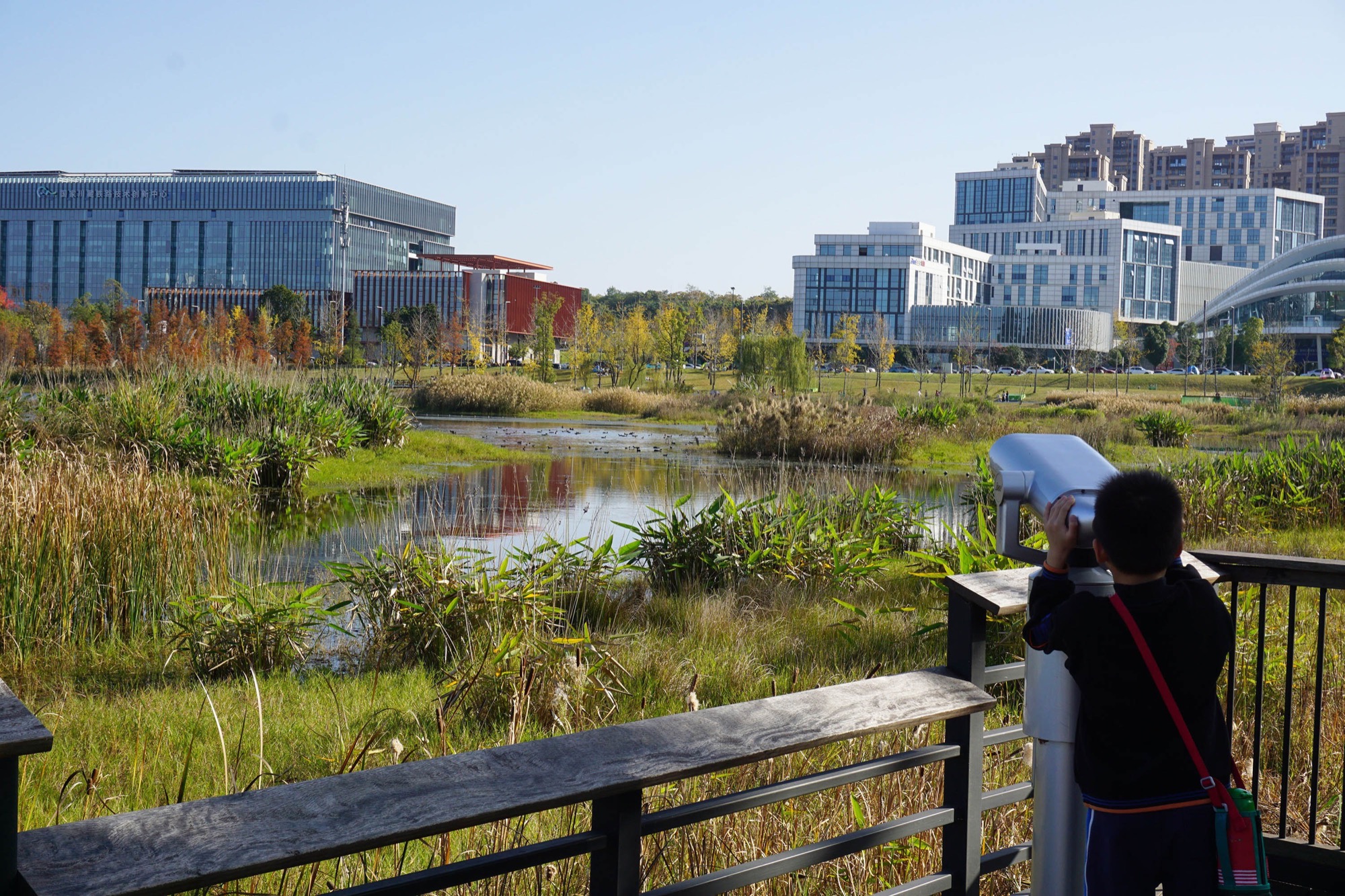
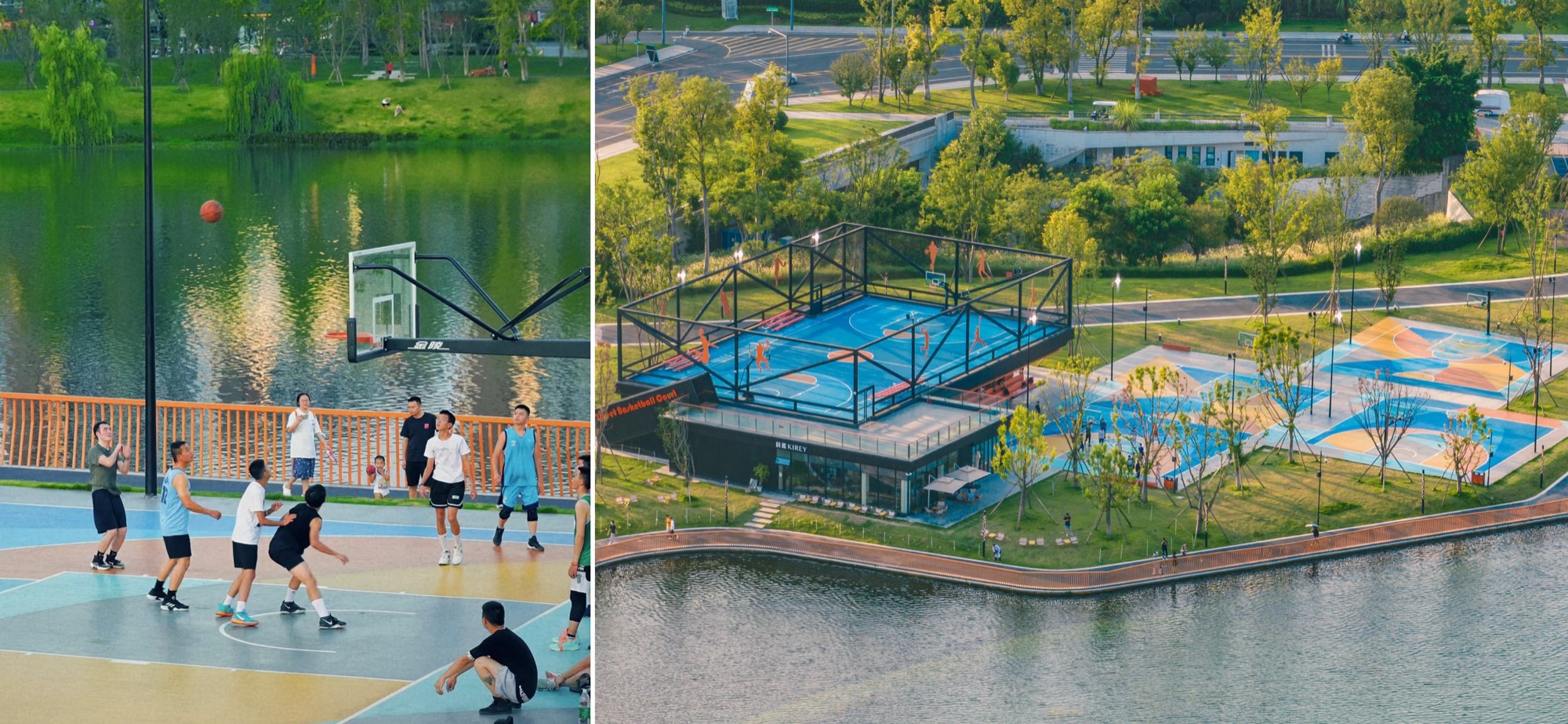
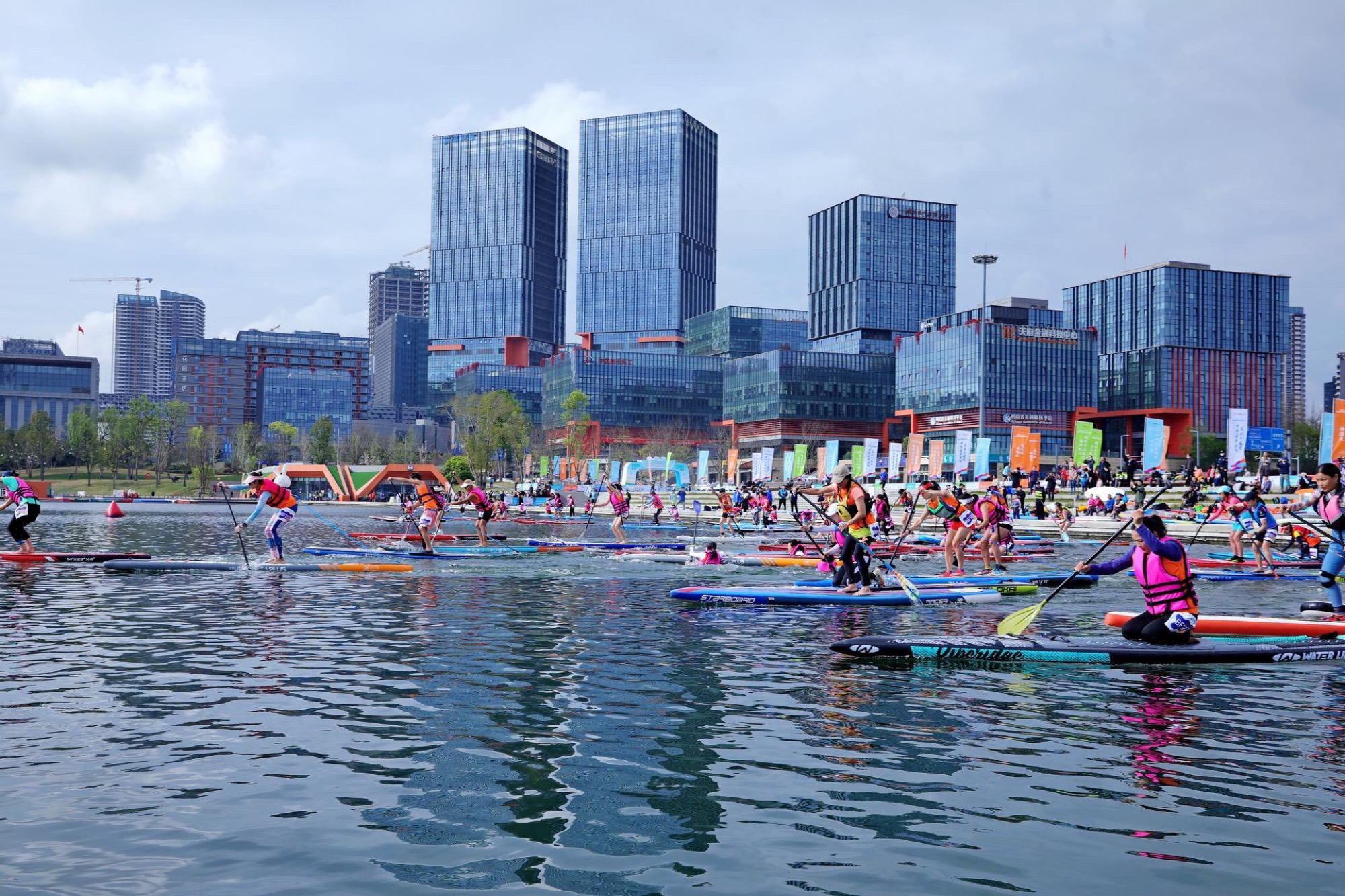
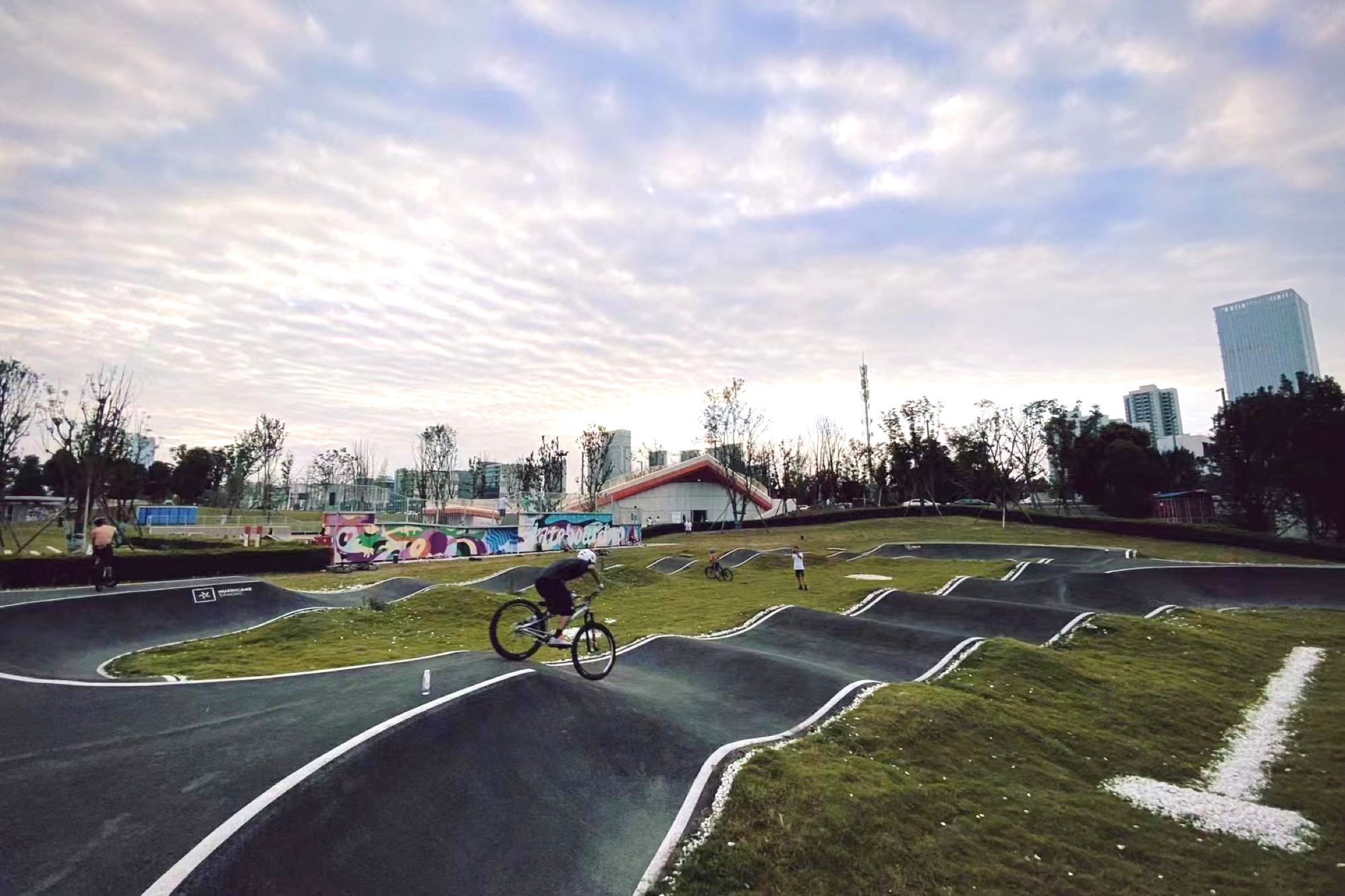
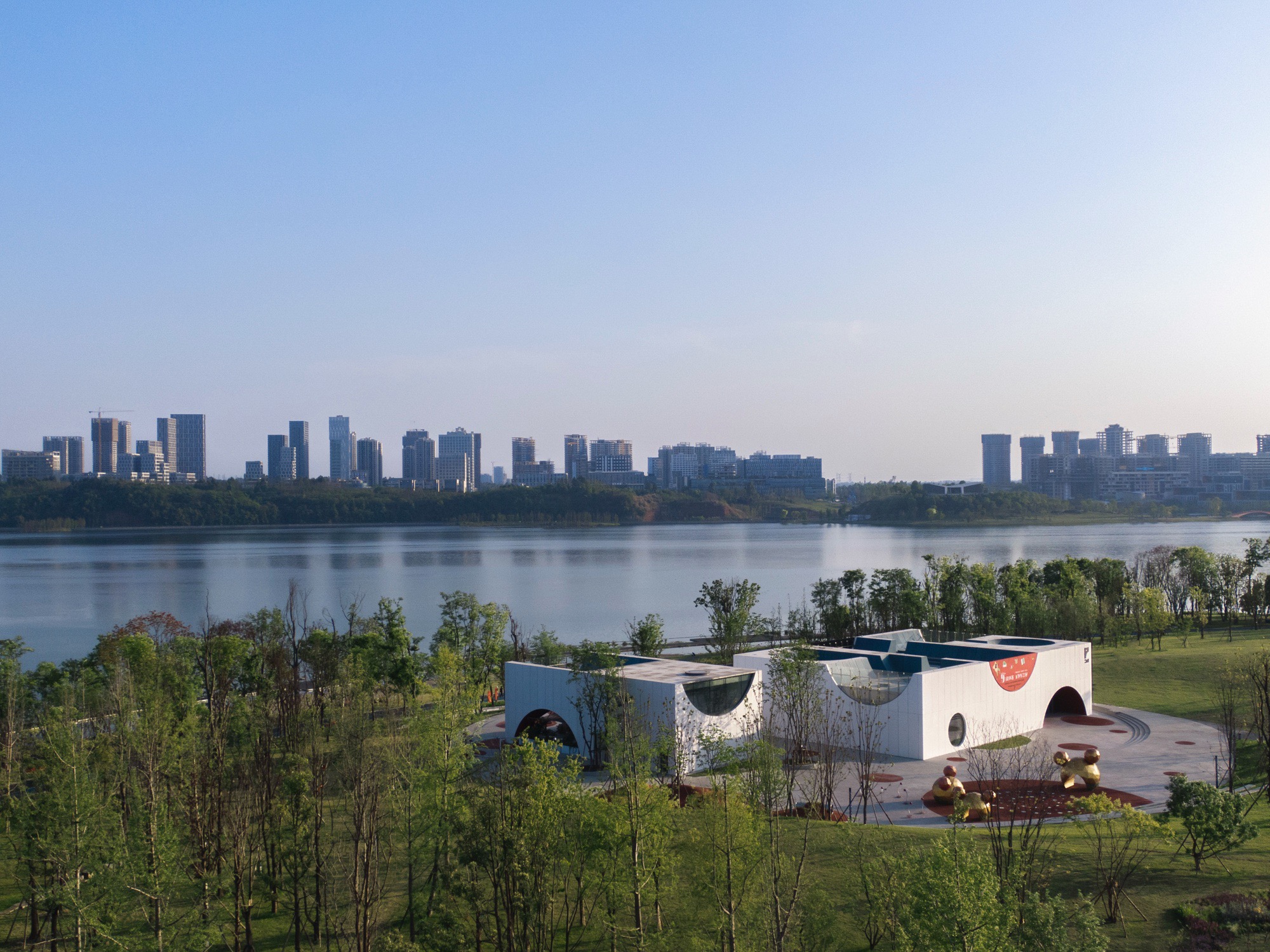
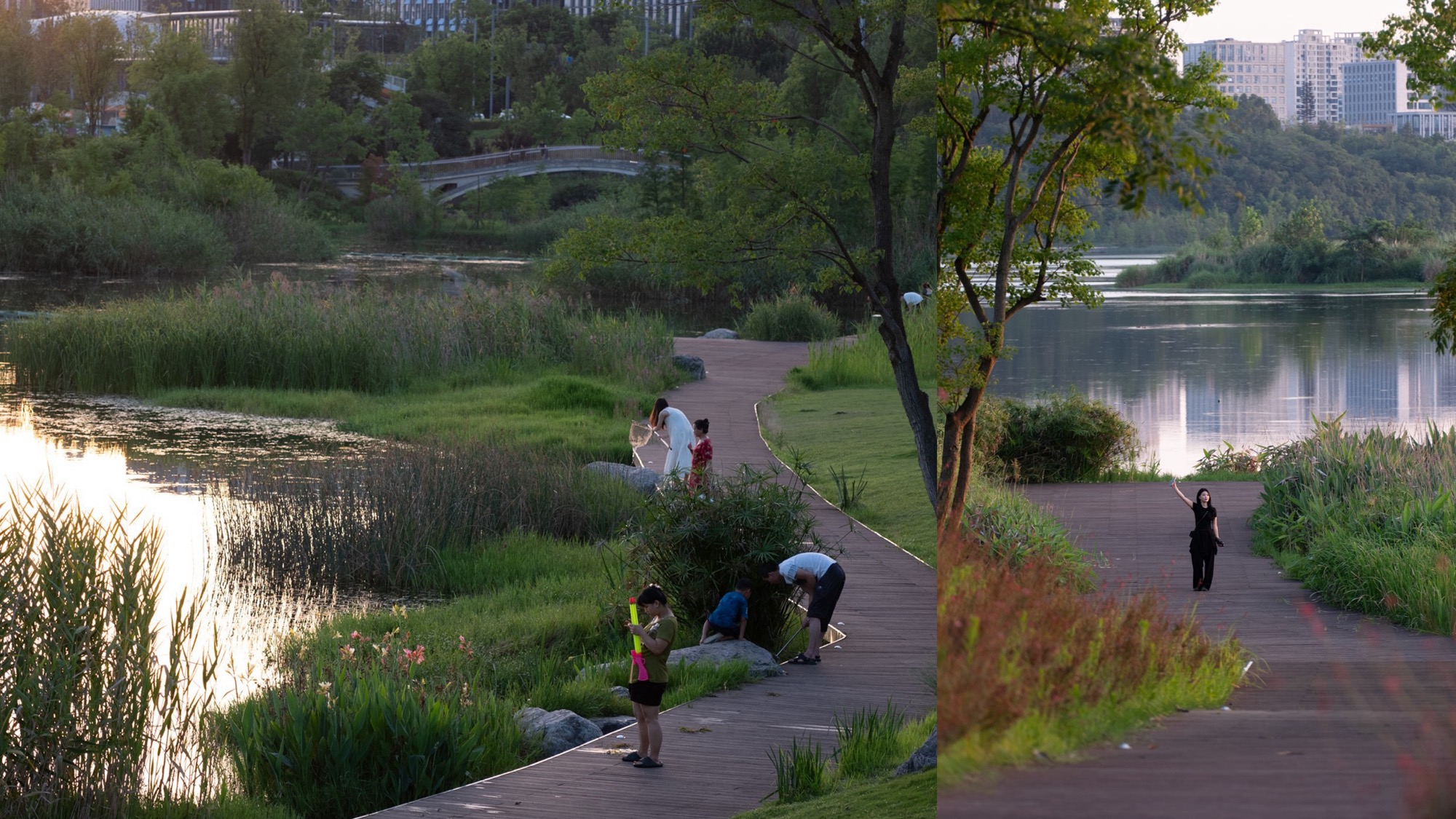
Activity programs around the lake—children’s beaches, jogging trails, stargazing camping, water sports, outdoor performances, birdwatching education—follow one logic: dependence breeds cherishing. Public use becomes the most widespread, lowest-cost ecological conservation.
This ecological quality is the park city’s most valuable intangible asset. Twenty-seven national research institutions have settled in the lakeside science city, attracting 270 billion yuan in investment across 365 national-level projects. The “Unicorn Island” industrial cluster grew from this foundation. Xinglong Lake did not trade ecology for economy—ecology itself is economy.
Water quality and spatial conditions meet international competition standards. The 2025 World Games were hosted at Xinglong Lake—the same waters that harbor wintering waterbirds also host world-class athletes.
Urban-nature symbiosis means wild animals truly returning to the city—letting people trust: this water is swimmable, this shore is safe, and that bird in the sky is real.
https://earth.google.com/web/search/xinglong+lake/@30.39644494,104.08858503,460.73692594a,3772.93353965d,35y,0h,0t,0r/data=CnwaThJICiUweDM2ZWZiYTAzNTM3YjFlNzc6MHg3NmVkYjg4NjFhODgyMmU1GVdUaTCyZT5AIQ7K6gzCBVpAKg14aW5nbG9uZyBsYWtlGAIgASImCiQJescDmi5rPkAR2ck74-RhPkAZHMlGiGEIWkAh9KMXoiADWkBCAggBQgIIAEoNCP___________wEQAA
76506


LILA 2026 Sponsor