LILA 2026 Jury Award
Ferme du Chaudron
plantenhoutgoed.be + 51n4e.com
2026 Landscape and Architecture / 2026 Other Typologies / Belgium / Built in 2024 /
![ZIN – a layered ecosystem in the middle of the city The ZIN project transforms the former WTC I and II towers in Brussels’ North District into a hybrid complex combining offices, residences, a hotel, retail spaces, and sports facilities. This large-scale repurposing project serves as a model for sustainable and circular urban development, with […]](https://landezine-award.com/wp-content/uploads/2026/05/00-HERO-IMAGE-450x600.jpeg "ZIN – Marie Belpaire")
![In early 2018, the City of Vilvoorde acquired the former ASIAT military site, located in an industrial context along the Zenne River. The redevelopment of this 60,000 m² site was entrusted to Plant en Houtgoed in collaboration with 51N4E. In 2023, the DARSE site—a vacant plot on the opposite bank of the Zenne—was added to […]](https://landezine-award.com/wp-content/uploads/2026/05/00_HERO-IMAGE-Kopie-van-Merlin_Meuris_09-05_DSC05539-600x400.jpg "Asiat")
![Plant en Houtgoed developed the outdoor environment of the Permeke Museum into an ecological experimental museum garden. The Permeke Museum contains the family home, painting studio and sculpture studio of modernist artist Constant Permeke. It is surrounded by a vast garden amid what was once a very rural setting. Architect Pierre Vandervoort designed the plan […]](https://landezine-award.com/wp-content/uploads/2025/05/00-Main-photo-600x544.jpeg "Museum Garden of the Permeke museum by Plant en Houtgoed")
![Located on the periphery of Charleroi, Gilly is a former industrial area with a centre marked by a vast parking surrounded by public buildings, with no real connection to the urban area. In collaboration with the architecture office Central, the project proposes an ambitious transformation of the Destrée district, in order to enhance its attractiveness, […]](https://landezine-award.com/wp-content/uploads/2025/05/00-Main-photo-Gilly-600x480.jpg "Place Jules Destrée, Gilly by Plant en Houtgoed + CENTRAL")
![Sotiria Kornaropoulou is a senior architect & partner at 51N4E, where she has been contributing to the firm’s wide range of projects since 2006. About her work at 51N4E, she says: “I got to grow along with the office and help structure our hunch that architectural practice is about shaping the outcome as much as it is about […]](https://landezine-award.com/wp-content/uploads/2025/02/Sotiria-Kornaropoulou_bio-pic_2024-587x600.jpg "Sotiria Kornaropoulou")
![The reconfiguration of the central square of Tirana, the capital of Albania, deals with a public space laden with symbolism. Initially, the square was installed according to an Italian masterplan in the ‘20s, later it served as the core space for events during the communist regime, and arriving in Tirana we found a space that, […]](https://landezine-award.com/wp-content/uploads/2021/05/00-skanderbeg_06-600x450.jpg "Skanderbeg square, Tirana")
Ferme du Chaudron demonstrates how adaptive reuse can support not only the preservation of built heritage, but also the renewal of productive landscapes, a former farmstead. The project brings together several organisations dedicated to sustainable agriculture and food sovereignty, creating a shared framework for production, education and collective gathering. The jury found the intervention both fresh and necessary, particularly in how it redesigns the farm grounds and creates conditions for collaboration, exchange, and collective agency. The project demonstrates the landscape’s capacity to act as a transformative framework that accommodates ecological, social, and productive functions with spatial specificity and tectonic expression.
- from the award statementsAdaptive reuse of a farmstead into a social and logistical hub for sustainable food
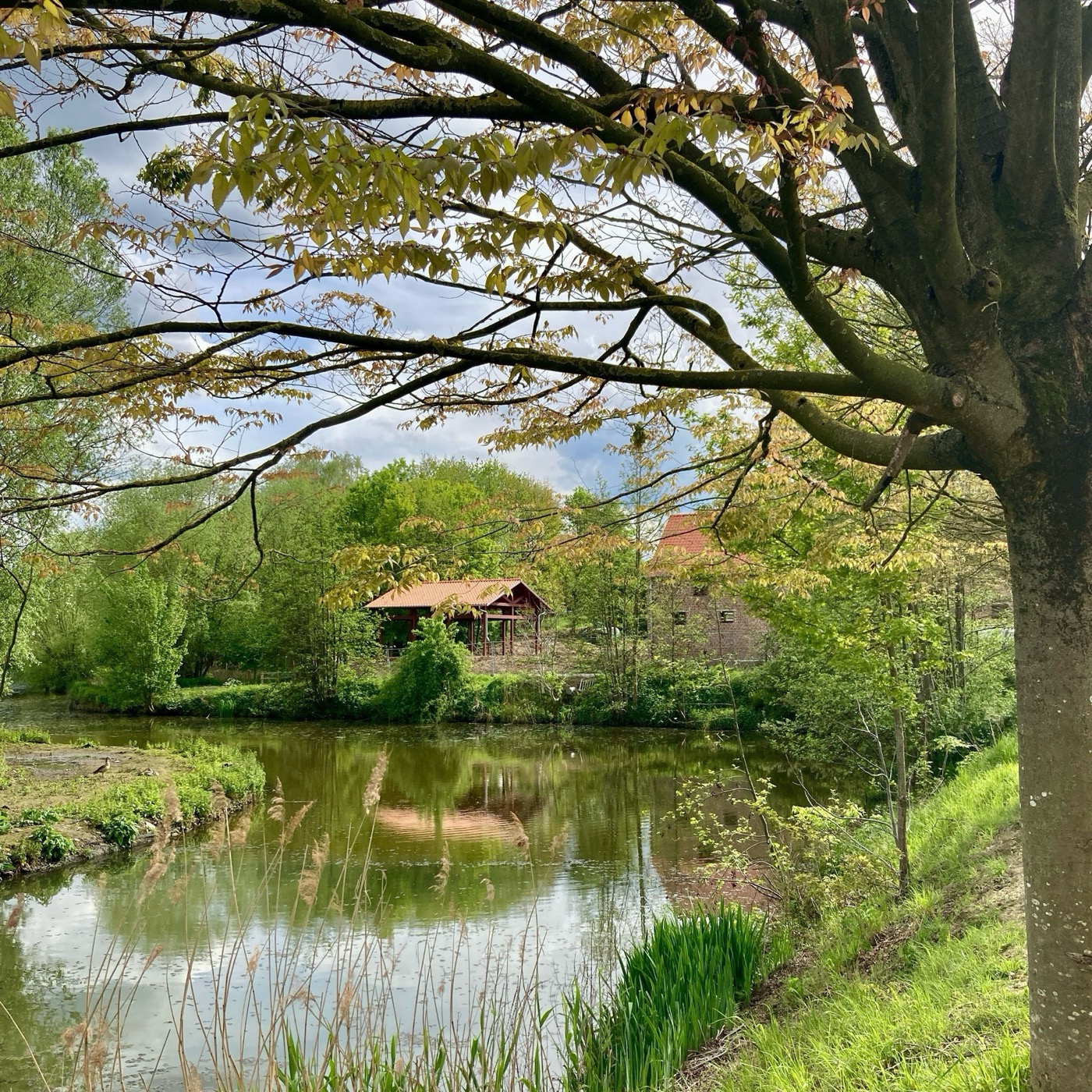
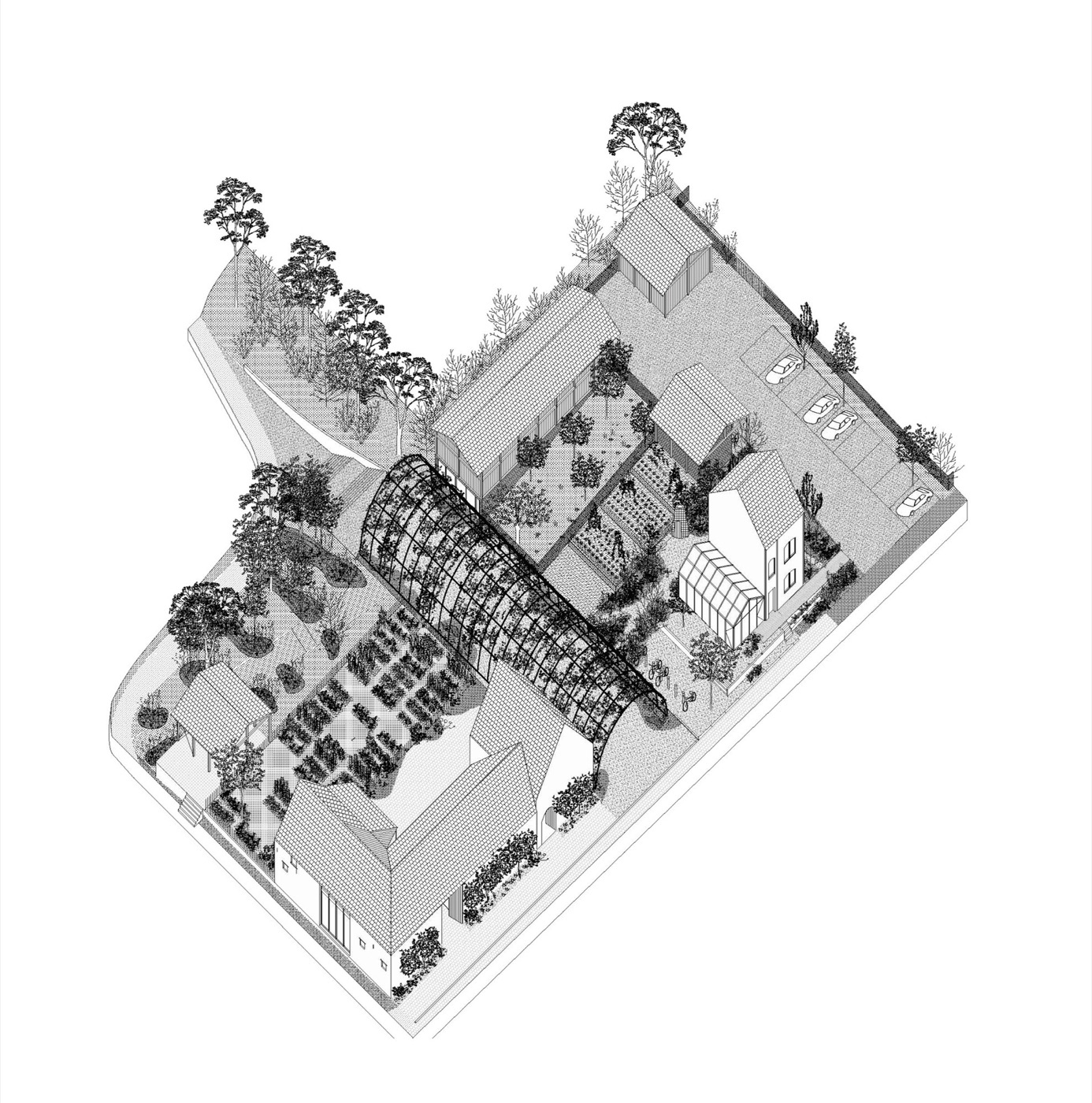
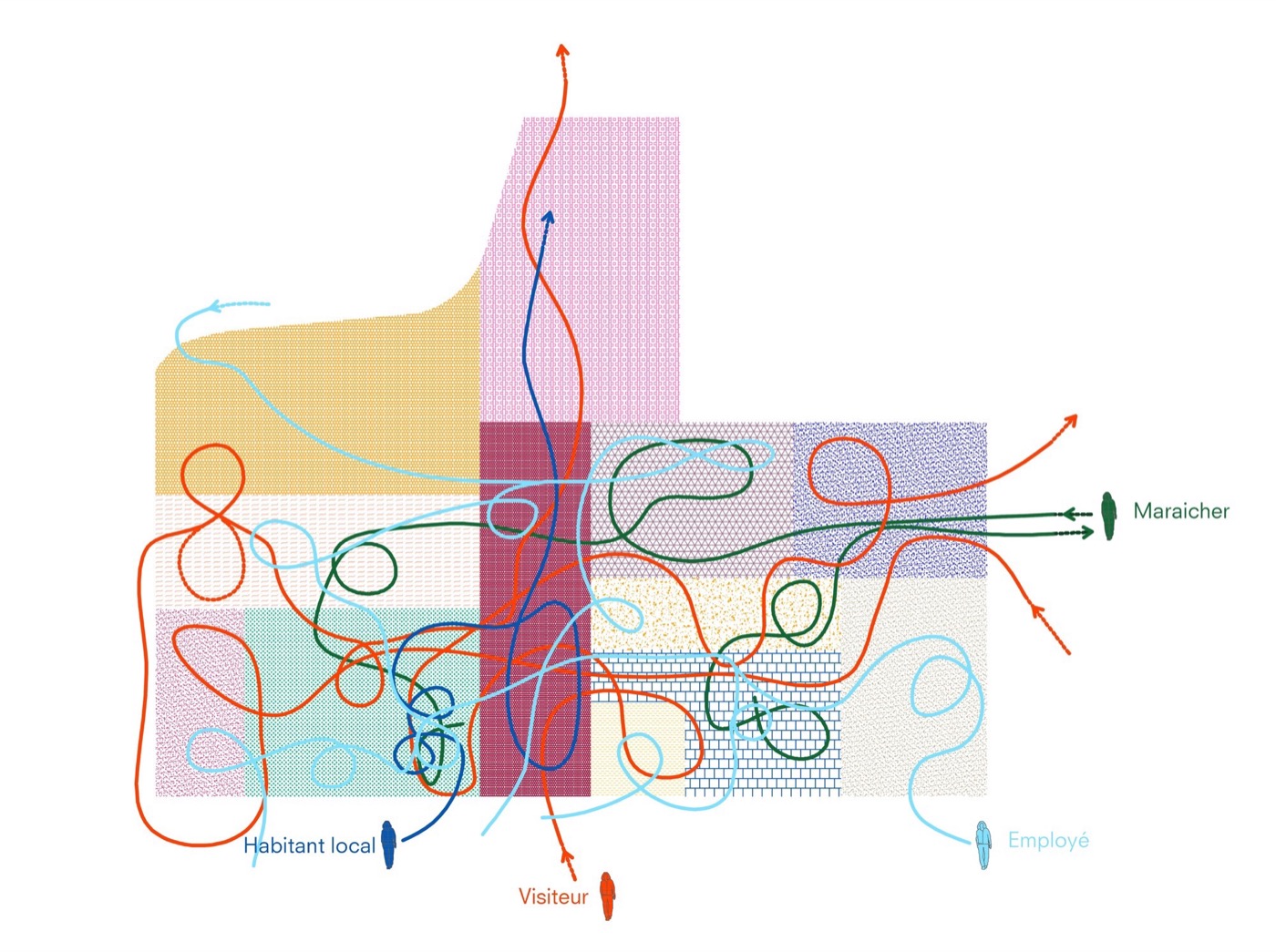
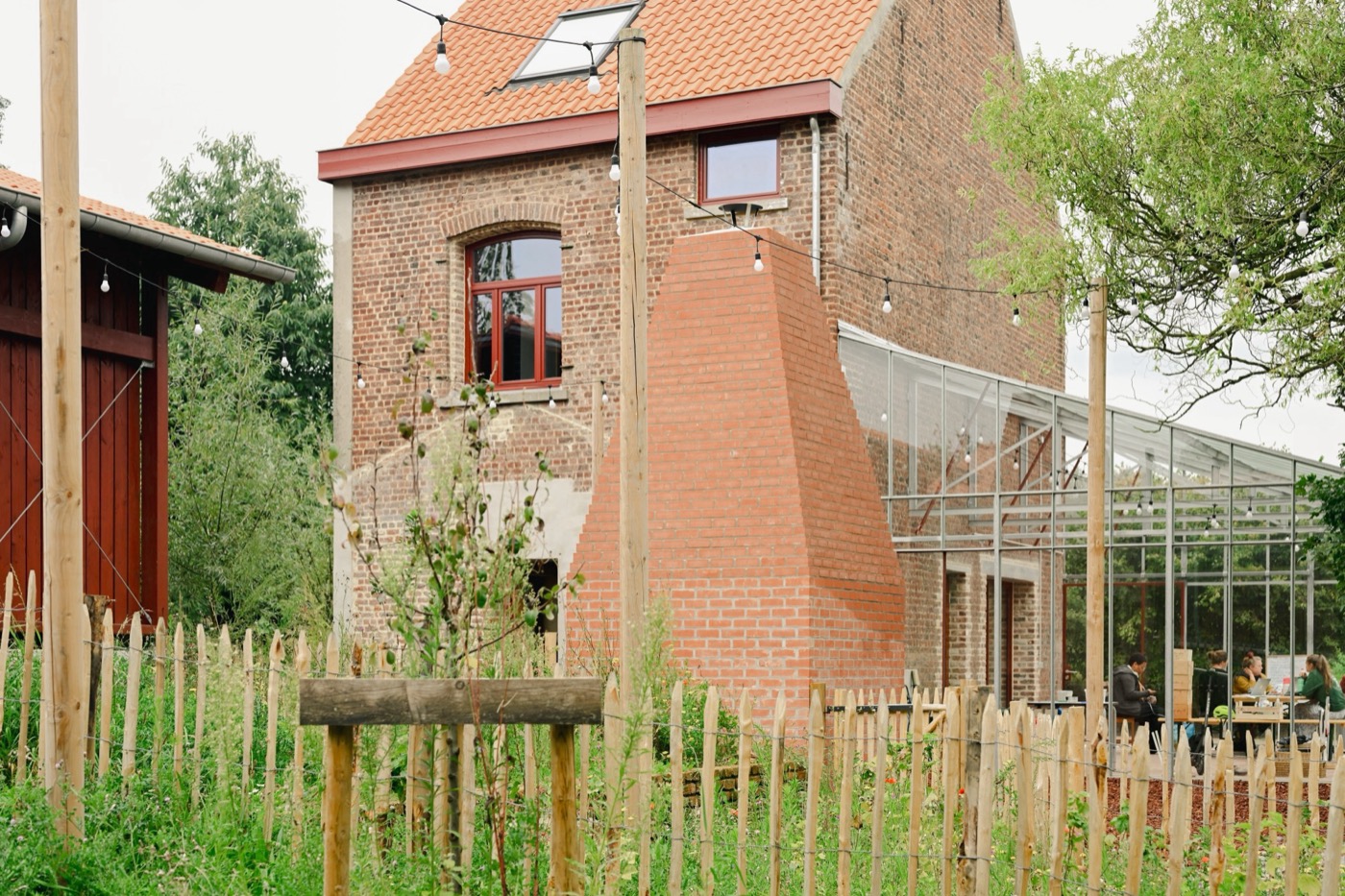
In response to a call from the Brussels Region, a comprehensive proposal was developed and managed for the adaptive reuse of a former farmstead and adjacent residential building. The site is programmed as a mixed-use hub focusing on sustainable agriculture and transition projects, intended for occupation by four non-profit organizations upon completion. Both the landscape and built heritage reflect a strong ambition for sharing, exchange, and collaboration.
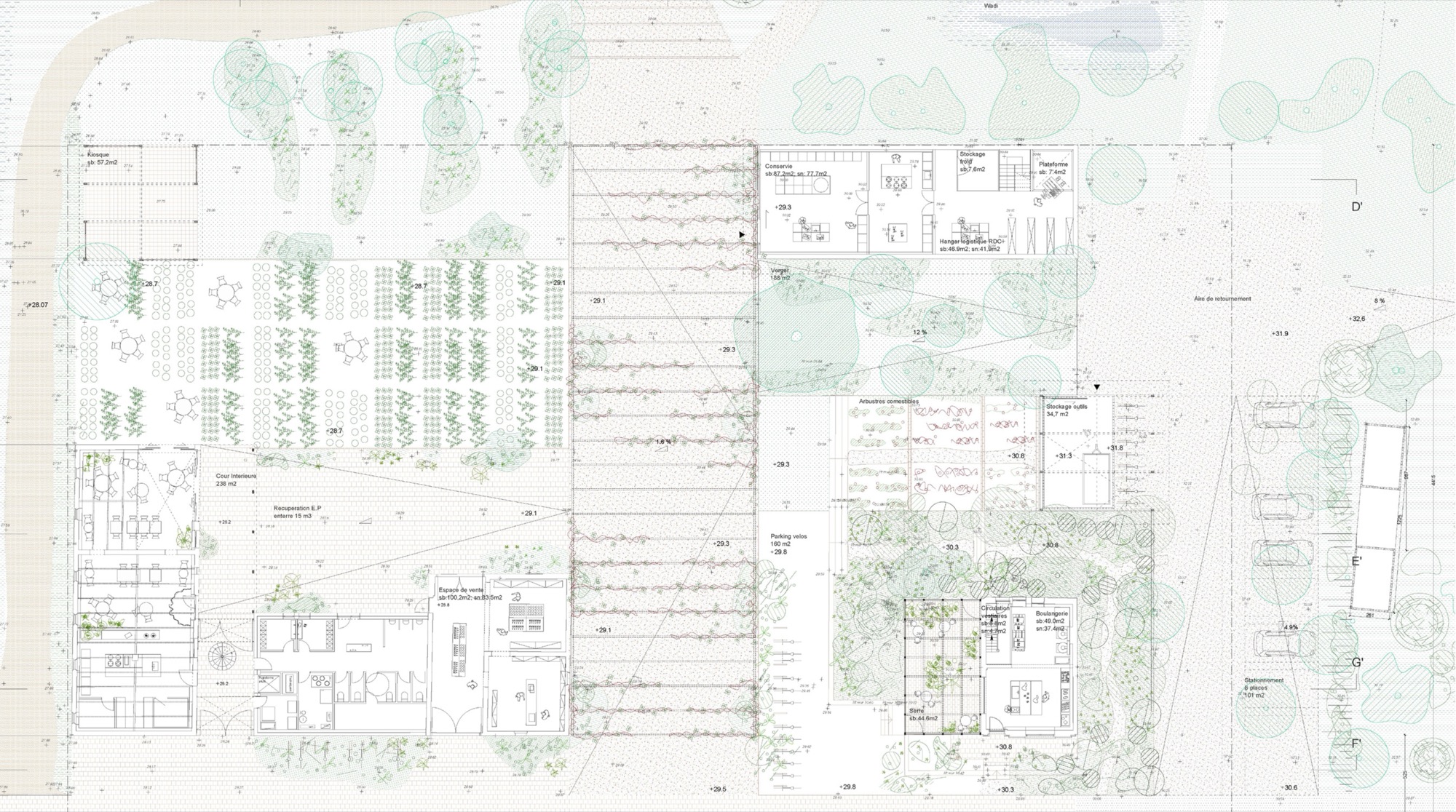
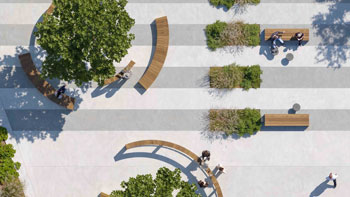
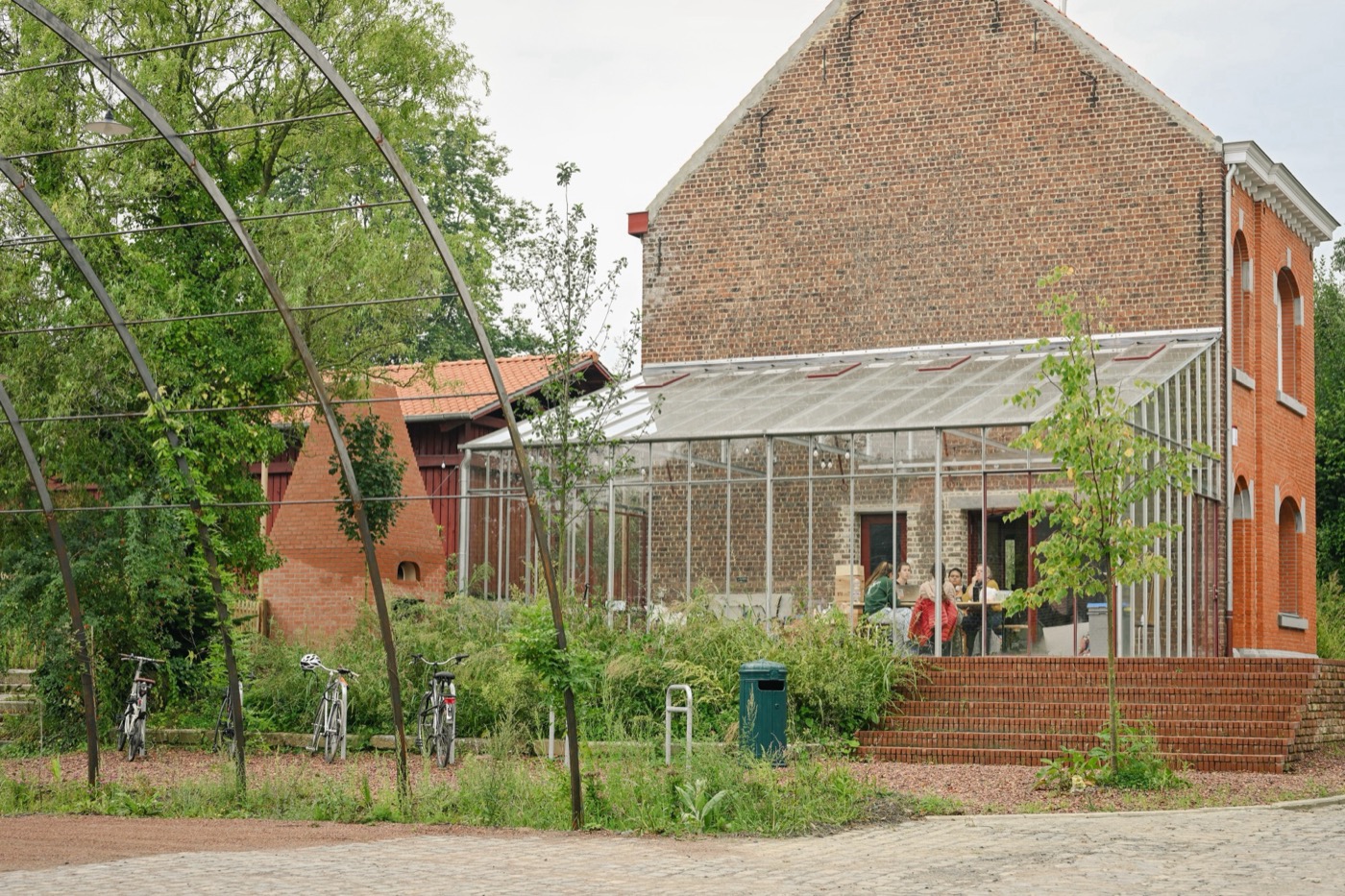
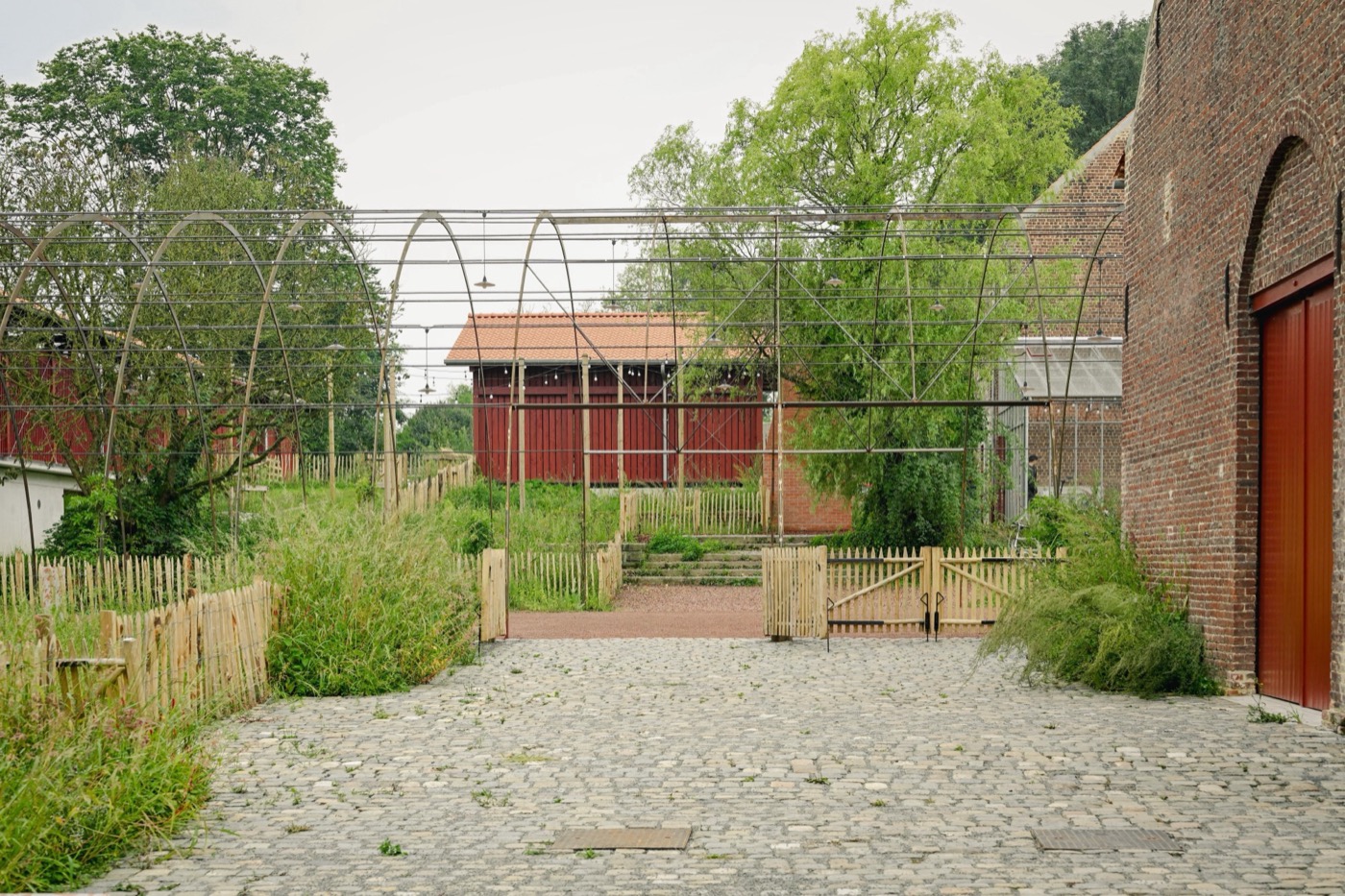
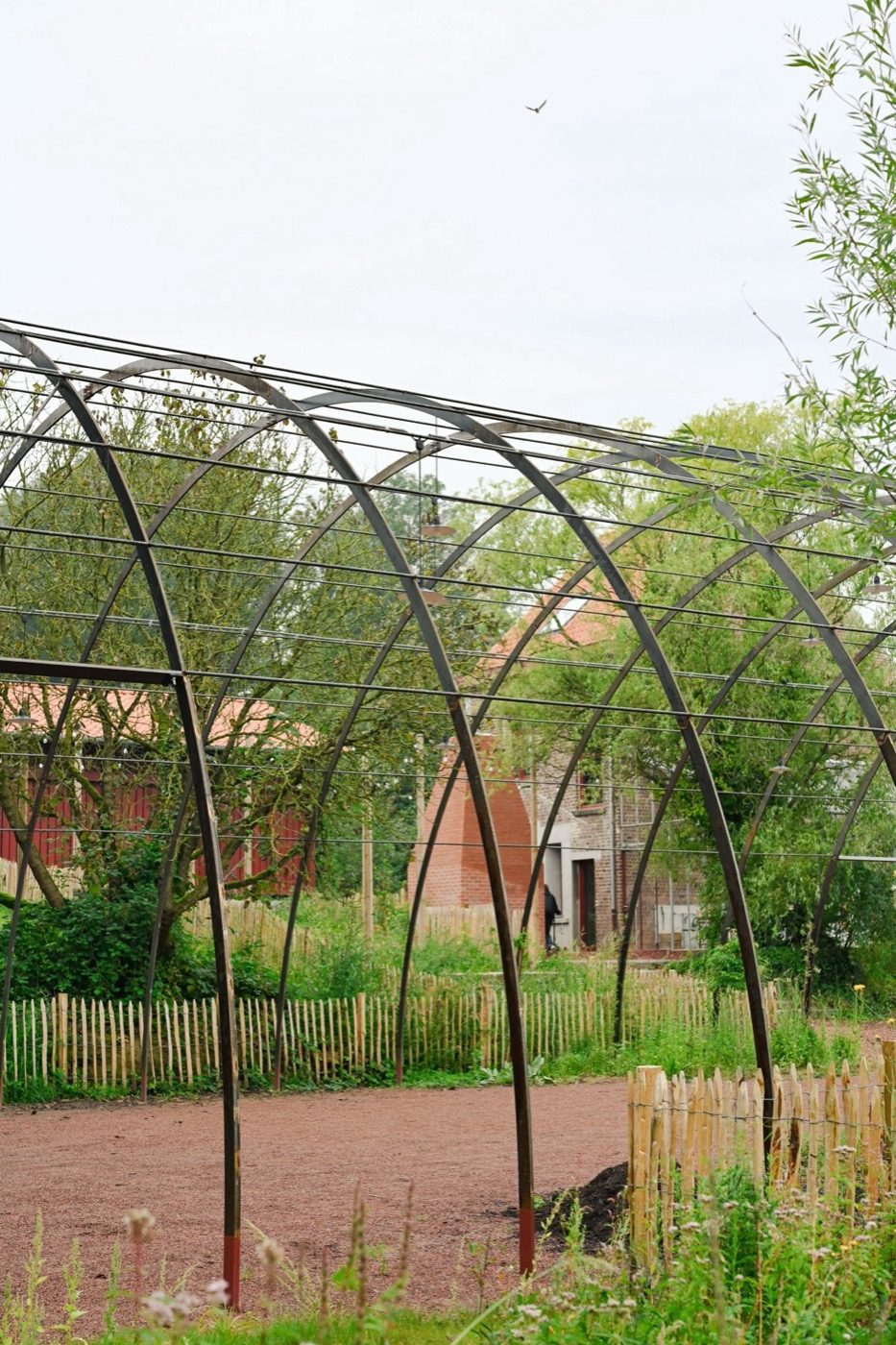
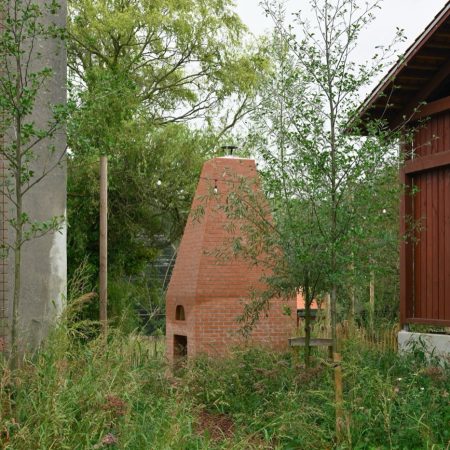
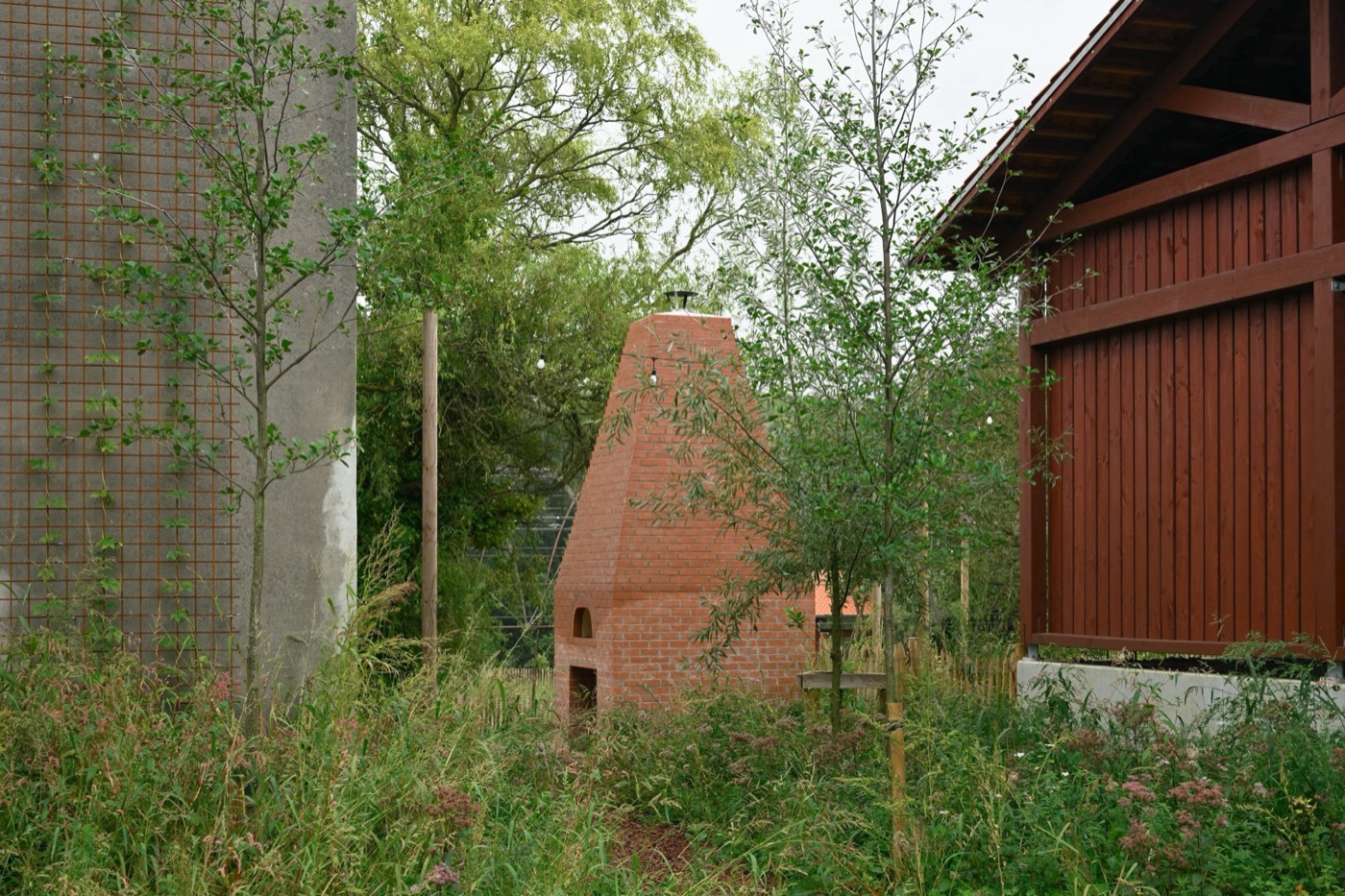
The design concept organizes the site as a patchwork of distinct elements, each defined by its own identity, program, architectural feature, surface treatment, and associated ecosystem or vegetation type. At its core lies a central agora that transforms the formerly enclosed farmyard into an open, connective space—serving as the spatial and social heart of the site, while linking the street level to the adjacent Neerpede park.
-
- ©Sepideh Farvardin, courtesy of 51N4E
-
- ©Sepideh Farvardin, courtesy of 51N4E
-
- ©Sepideh Farvardin, courtesy of 51N4E
-
- ©Sepideh Farvardin, courtesy of 51N4E
-
- ©Sepideh Farvardin, courtesy of 51N4E
-
- ©Sepideh Farvardin, courtesy of 51N4E
-
- ©Sepideh Farvardin, courtesy of 51N4E
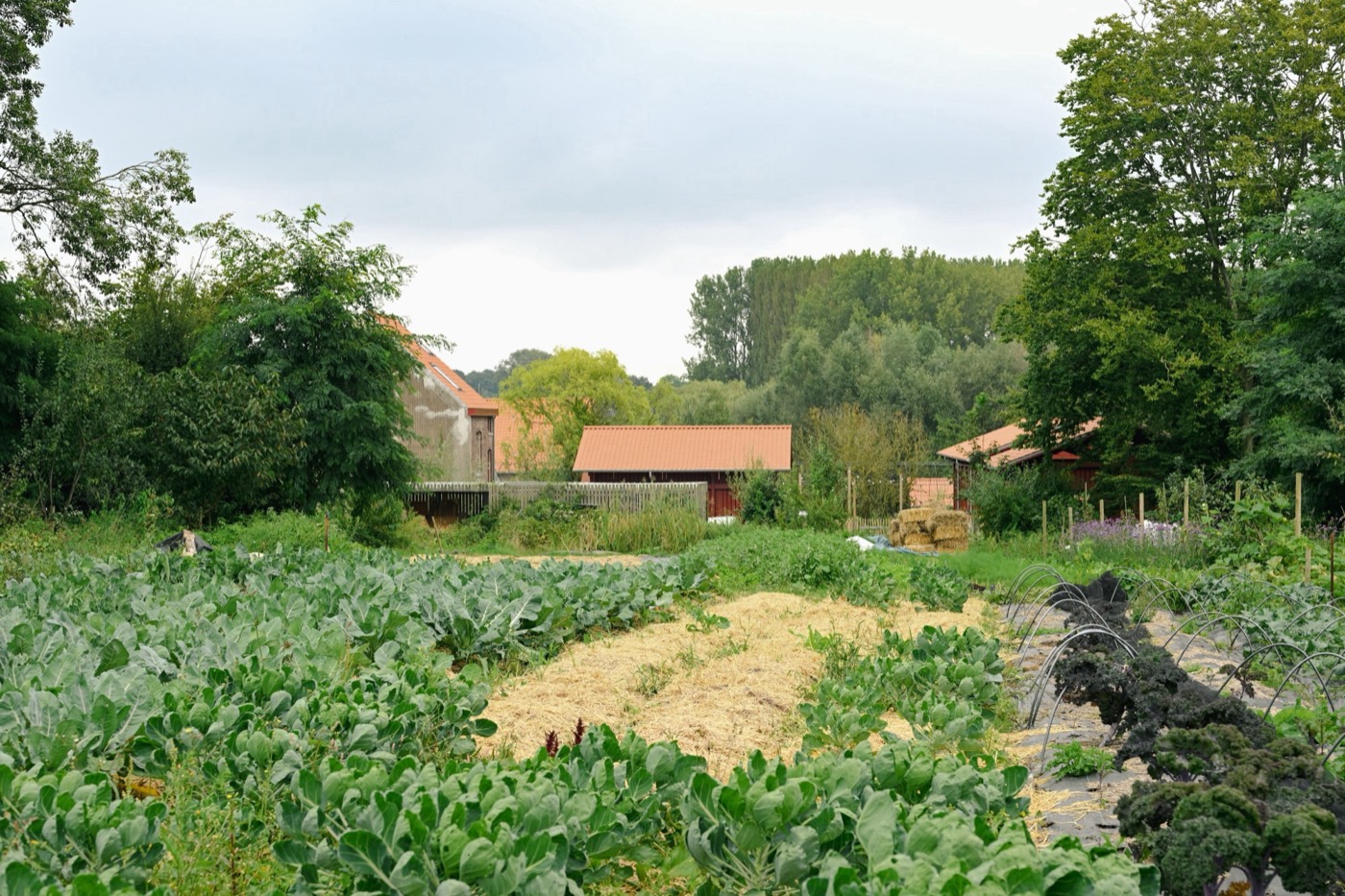
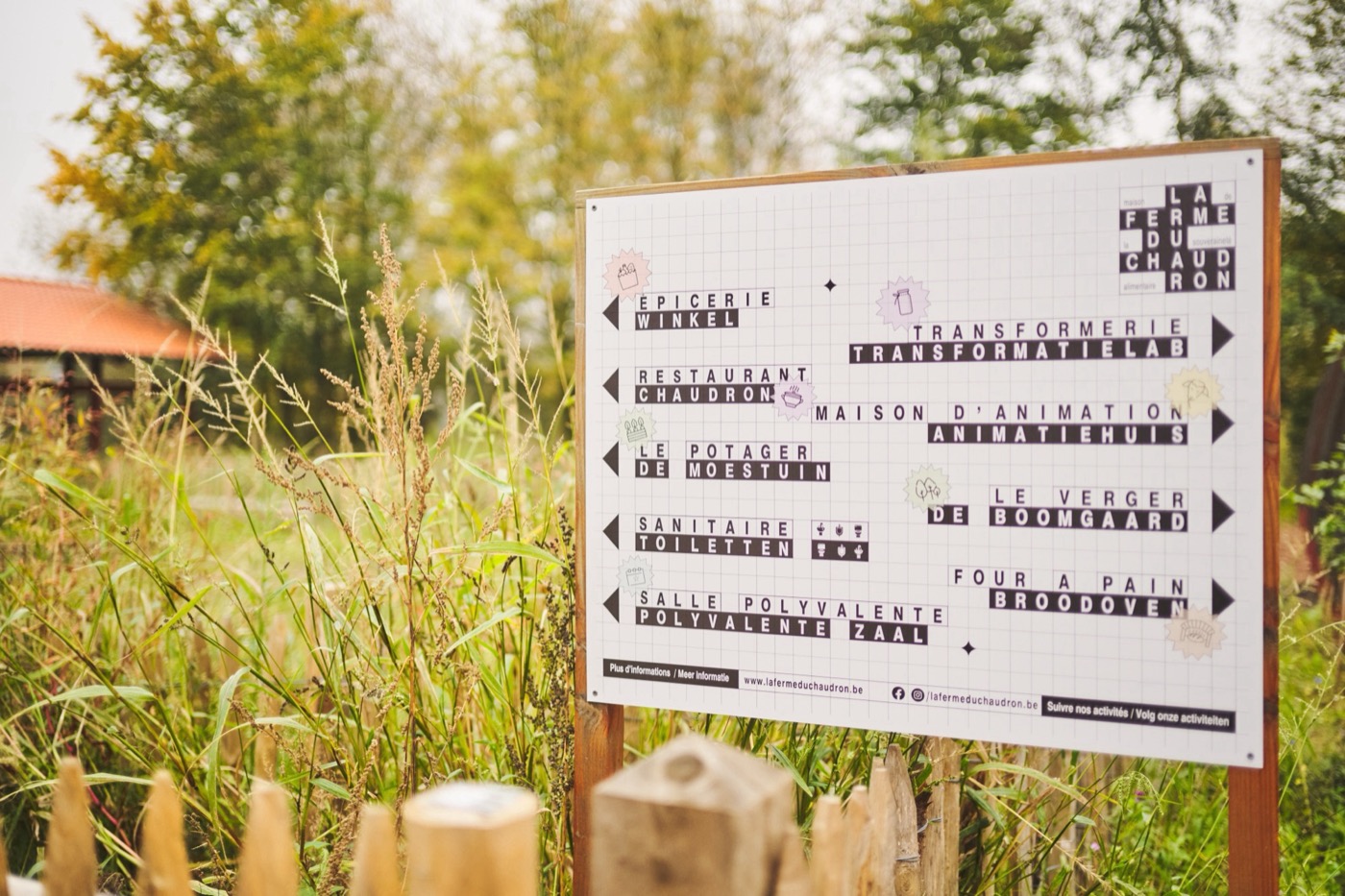
Surrounding this agora, the landscape is articulated into ten distinct entities, including:
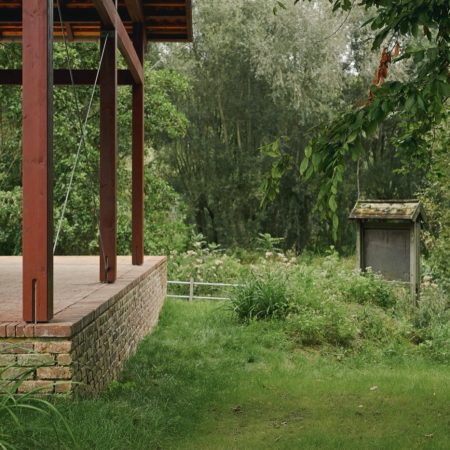
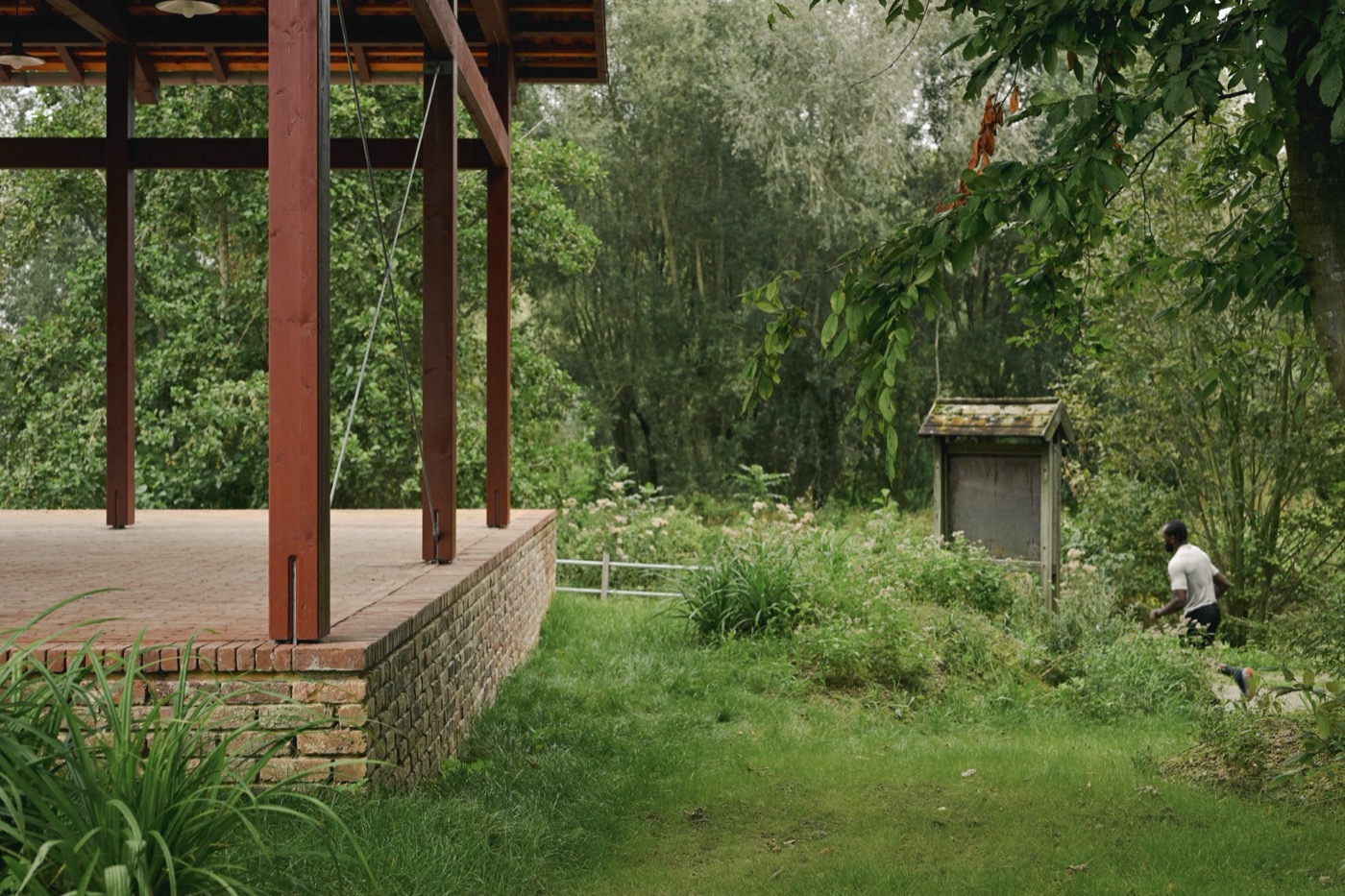
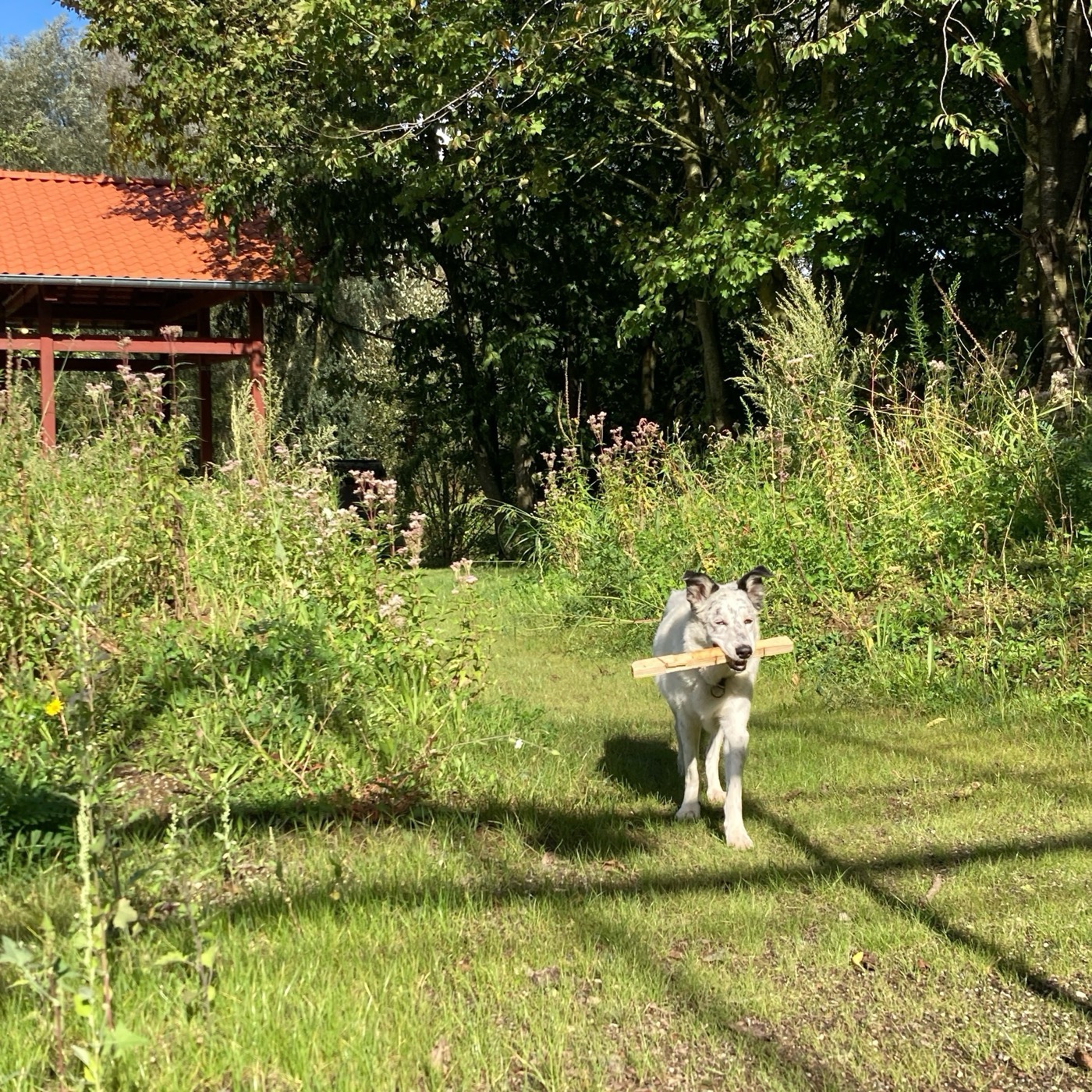
A pavilion overlooking the pond with ruderal flora creating a transition to the surrounding landscape
An educational vegetable garden with a fruit collection
A processing hall for vegetables and berries
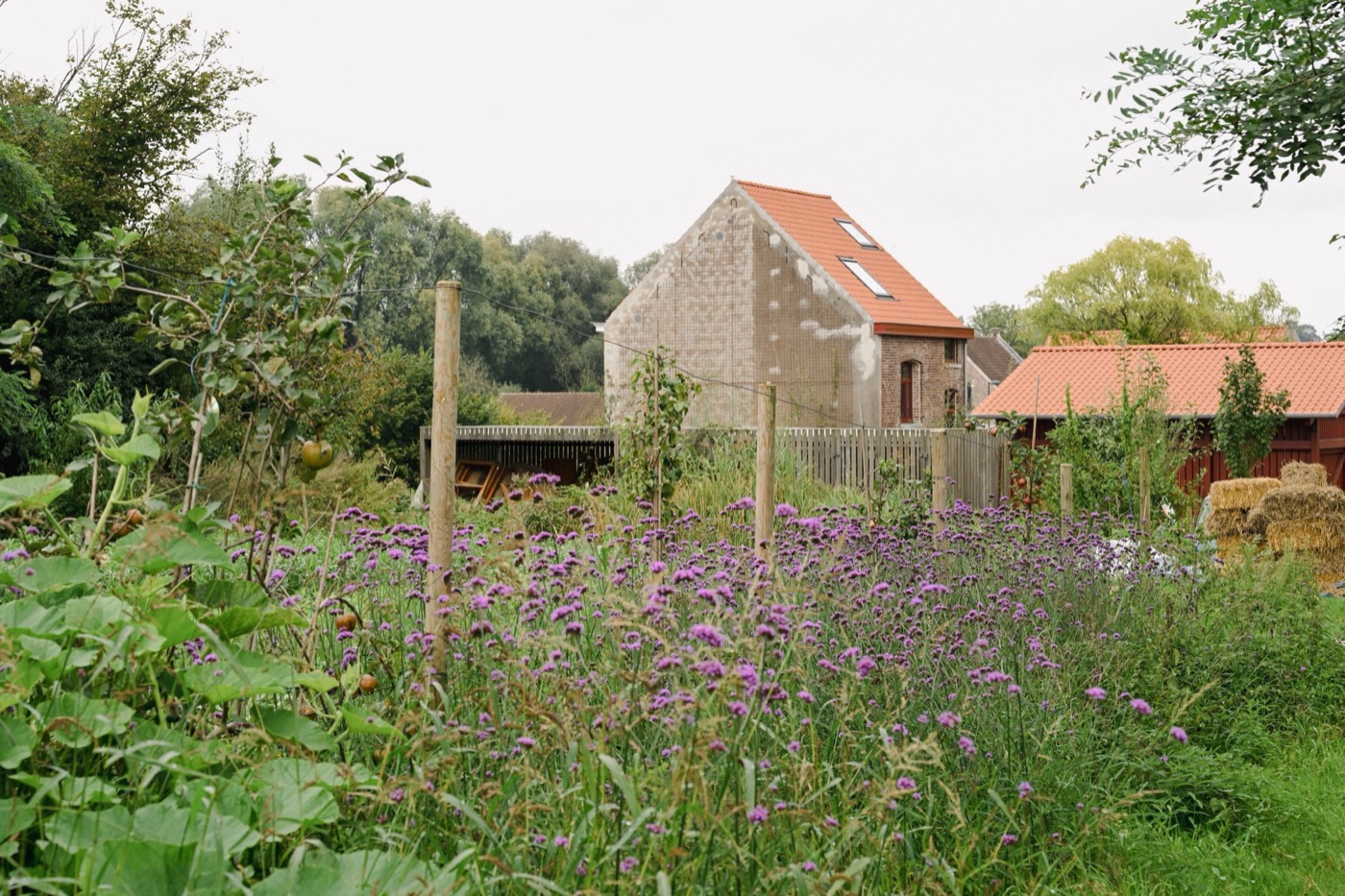
An orchard area enriched with meadow vegetation
A sales greenhouse planted with thermophilic species
A ‘woofer’ workspace and office area integrated with woodland flora
Vegetation Strategy
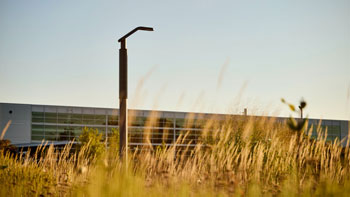
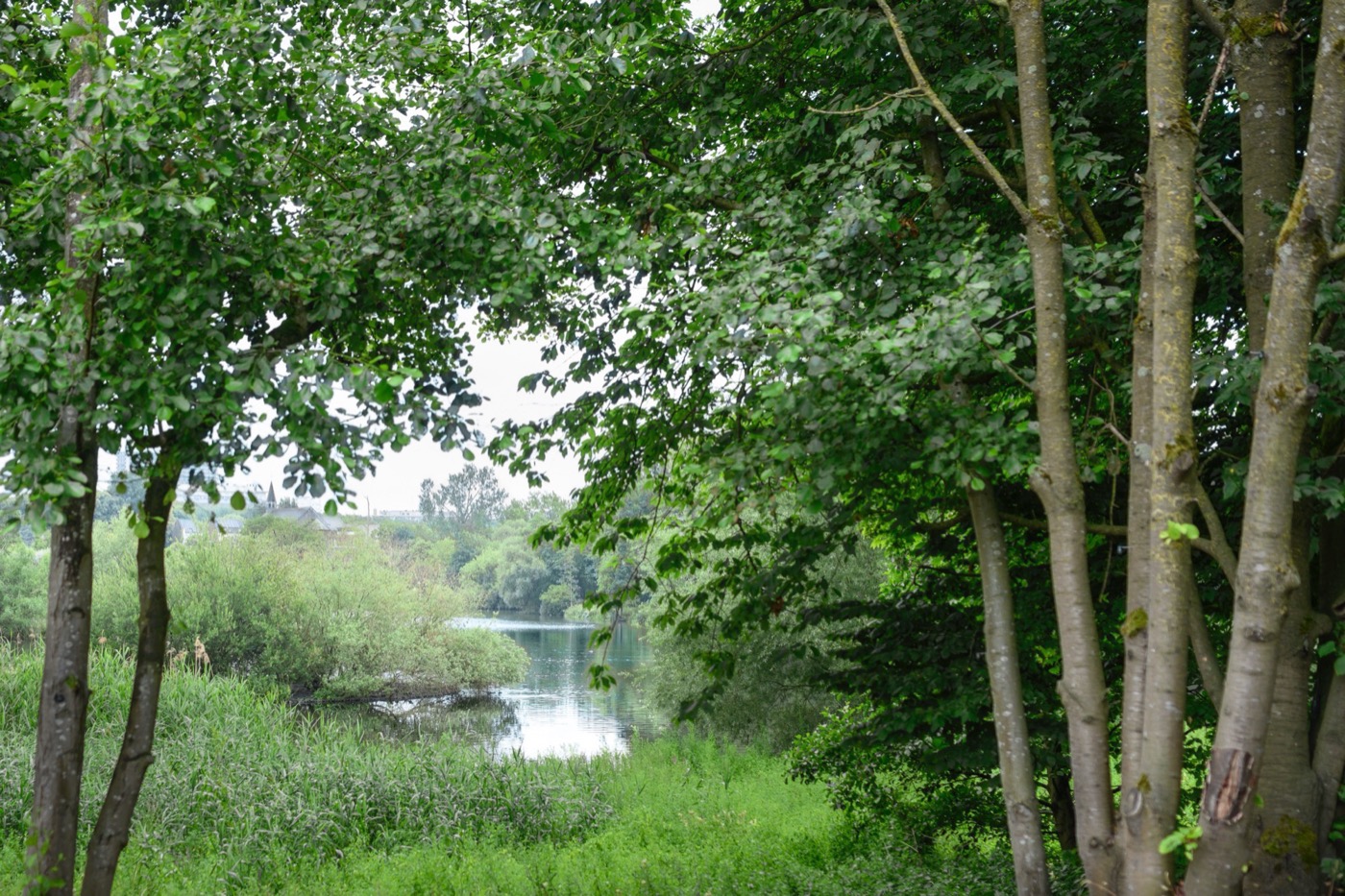
The diverse abiotic growing conditions combined with the site’s multifunctional program allow for the introduction of a broad spectrum of (micro)ecosystems, each reinforcing the character and atmosphere of the various landscape components. The connection to the adjacent pond park is achieved through flower-rich ruderal and meadow vegetation, complementing the orchard with a biodiverse ecosystem.
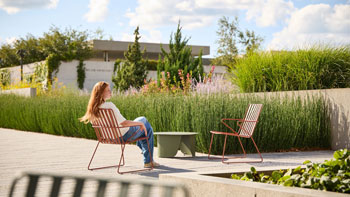
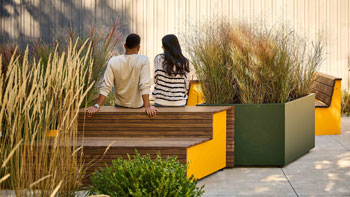
The agora is planted with mostly native climbing species interspersed with vegetation adapted to semi-paved surfaces. A rich, layered woodland flora surrounds the woofer and office buildings, while thermophilic vegetation—characterized by many self-seeding species—thrives along the walls and semi-paved surfaces near the bicycle shelter.
Together, these diverse vegetation types create a textured, colorful, and aromatic mosaic, supporting unique fauna and experiential qualities. The garden thus becomes a place for exploration and discovery, inviting visitors to wander and experience continuously evolving ecological niches.
photos: ©Sepideh Farvardin, courtesy of 51N4E
50.82647950999616, 4.268985919115691
74359


LILA 2026 Sponsor