ZIN – Marie Belpaire
plantenhoutgoed.be + 51n4e.com
2026 Campuses and Corporate / 2026 Landscape and Architecture / Belgium / Built in 2025 /

![In early 2018, the City of Vilvoorde acquired the former ASIAT military site, located in an industrial context along the Zenne River. The redevelopment of this 60,000 m² site was entrusted to Plant en Houtgoed in collaboration with 51N4E. In 2023, the DARSE site—a vacant plot on the opposite bank of the Zenne—was added to […]](https://landezine-award.com/wp-content/uploads/2026/05/00_HERO-IMAGE-Kopie-van-Merlin_Meuris_09-05_DSC05539-600x400.jpg "Asiat")
![Plant en Houtgoed developed the outdoor environment of the Permeke Museum into an ecological experimental museum garden. The Permeke Museum contains the family home, painting studio and sculpture studio of modernist artist Constant Permeke. It is surrounded by a vast garden amid what was once a very rural setting. Architect Pierre Vandervoort designed the plan […]](https://landezine-award.com/wp-content/uploads/2025/05/00-Main-photo-600x544.jpeg "Museum Garden of the Permeke museum by Plant en Houtgoed")
![Located on the periphery of Charleroi, Gilly is a former industrial area with a centre marked by a vast parking surrounded by public buildings, with no real connection to the urban area. In collaboration with the architecture office Central, the project proposes an ambitious transformation of the Destrée district, in order to enhance its attractiveness, […]](https://landezine-award.com/wp-content/uploads/2025/05/00-Main-photo-Gilly-600x480.jpg "Place Jules Destrée, Gilly by Plant en Houtgoed + CENTRAL")
![Sotiria Kornaropoulou is a senior architect & partner at 51N4E, where she has been contributing to the firm’s wide range of projects since 2006. About her work at 51N4E, she says: “I got to grow along with the office and help structure our hunch that architectural practice is about shaping the outcome as much as it is about […]](https://landezine-award.com/wp-content/uploads/2025/02/Sotiria-Kornaropoulou_bio-pic_2024-587x600.jpg "Sotiria Kornaropoulou")
![The reconfiguration of the central square of Tirana, the capital of Albania, deals with a public space laden with symbolism. Initially, the square was installed according to an Italian masterplan in the ‘20s, later it served as the core space for events during the communist regime, and arriving in Tirana we found a space that, […]](https://landezine-award.com/wp-content/uploads/2021/05/00-skanderbeg_06-600x450.jpg "Skanderbeg square, Tirana")
ZIN – a layered ecosystem in the middle of the city
The ZIN project transforms the former WTC I and II towers in Brussels’ North District into a hybrid complex combining offices, residences, a hotel, retail spaces, and sports facilities. This large-scale repurposing project serves as a model for sustainable and circular urban development, with a strong focus on reuse, flexibility, and ecological integration. The central office section, the Marie Belpaire Building, accommodates 3,900 Flemish civil servants, making it the main administrative hub of the Flemish Government.
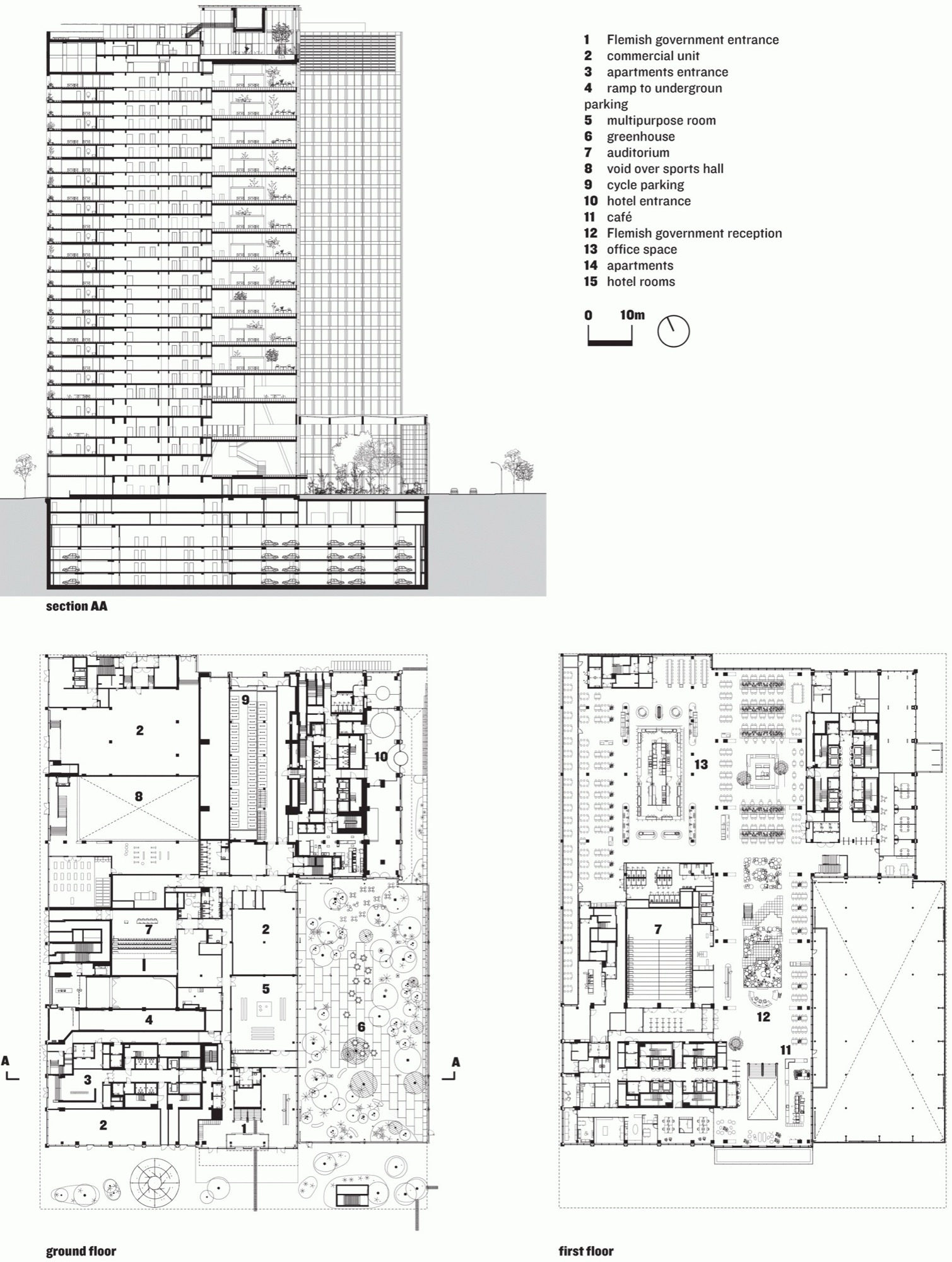
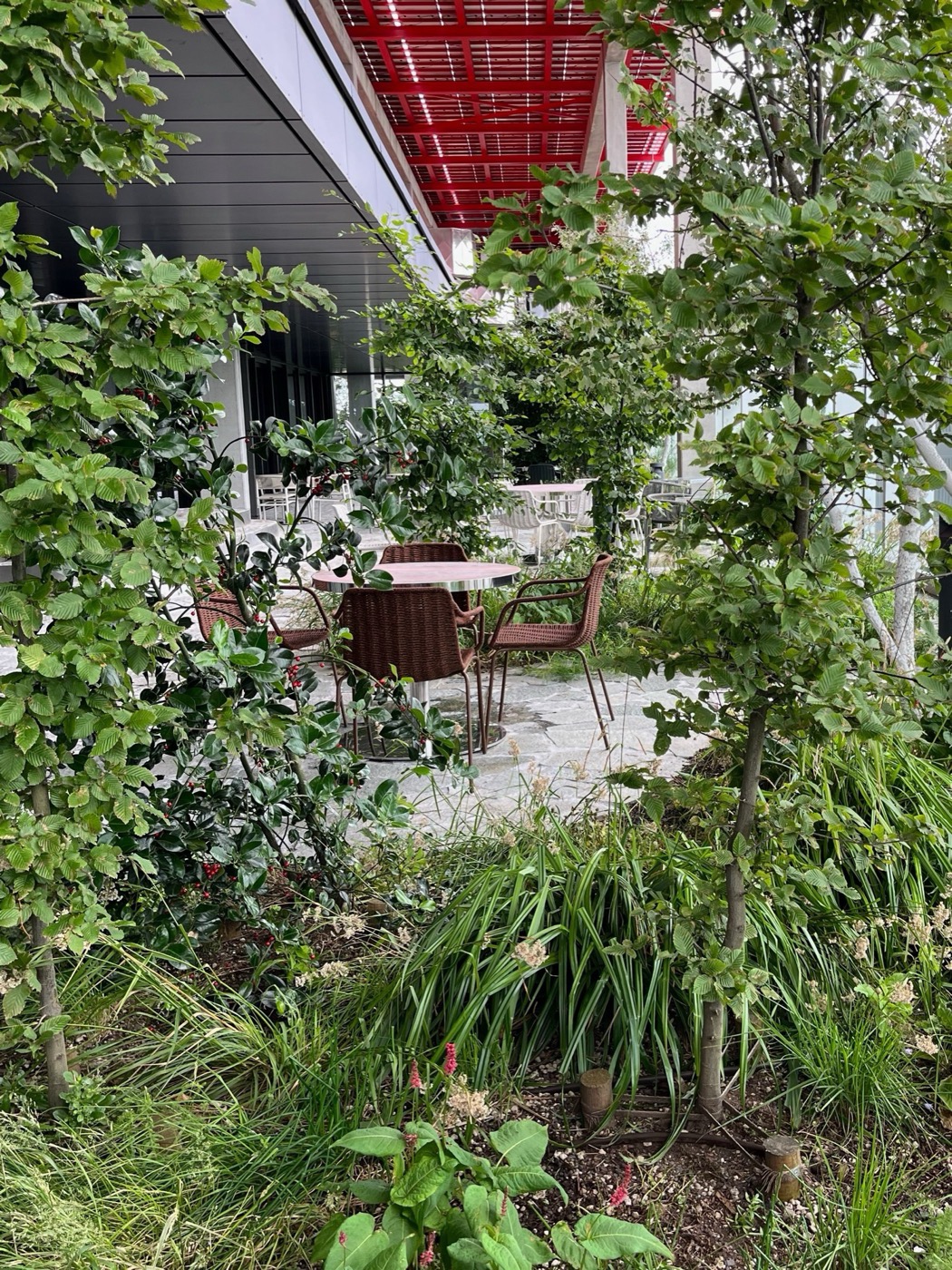
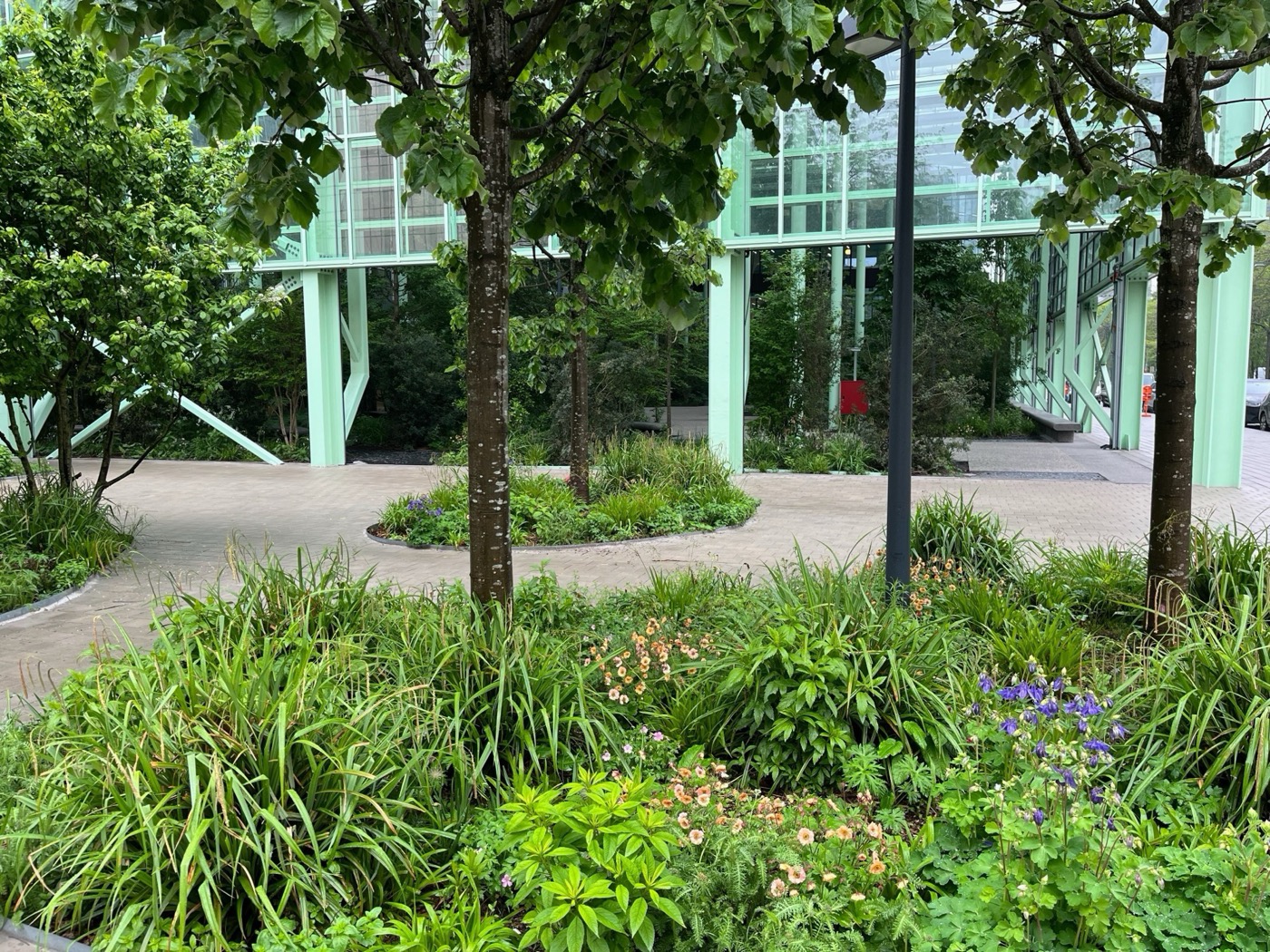
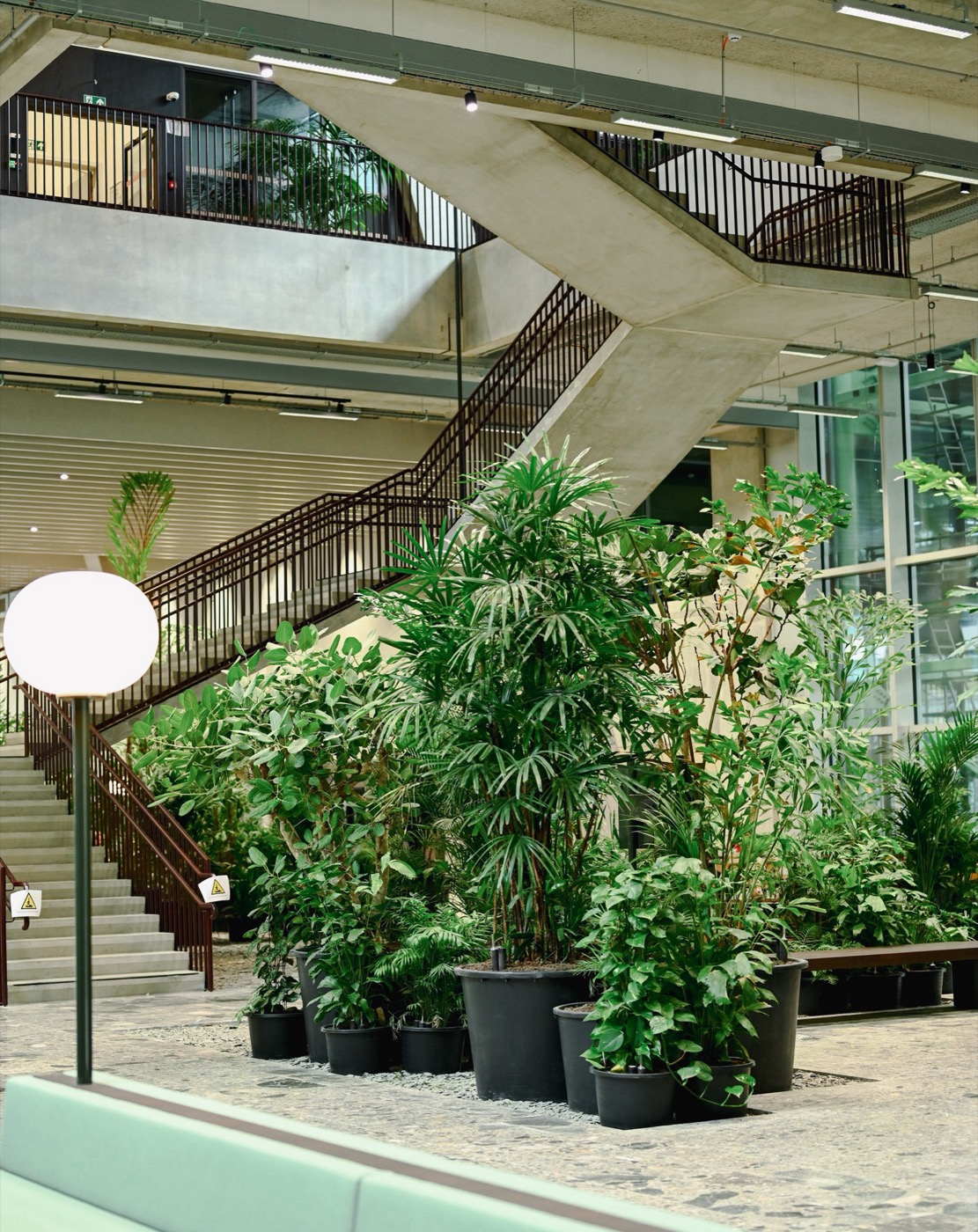
As part of this ambitious project, Plant en Houtgoed designed the green spaces and vegetation strategies for all parts of the building and the surrounding public areas. From a 12-meter-high greenhouse to a rooftop garden at 90 meters, from indoor planting on office floors to a green façade structure – together, they form a mosaic of habitats that reinforce and expand the connection with the surrounding green network.
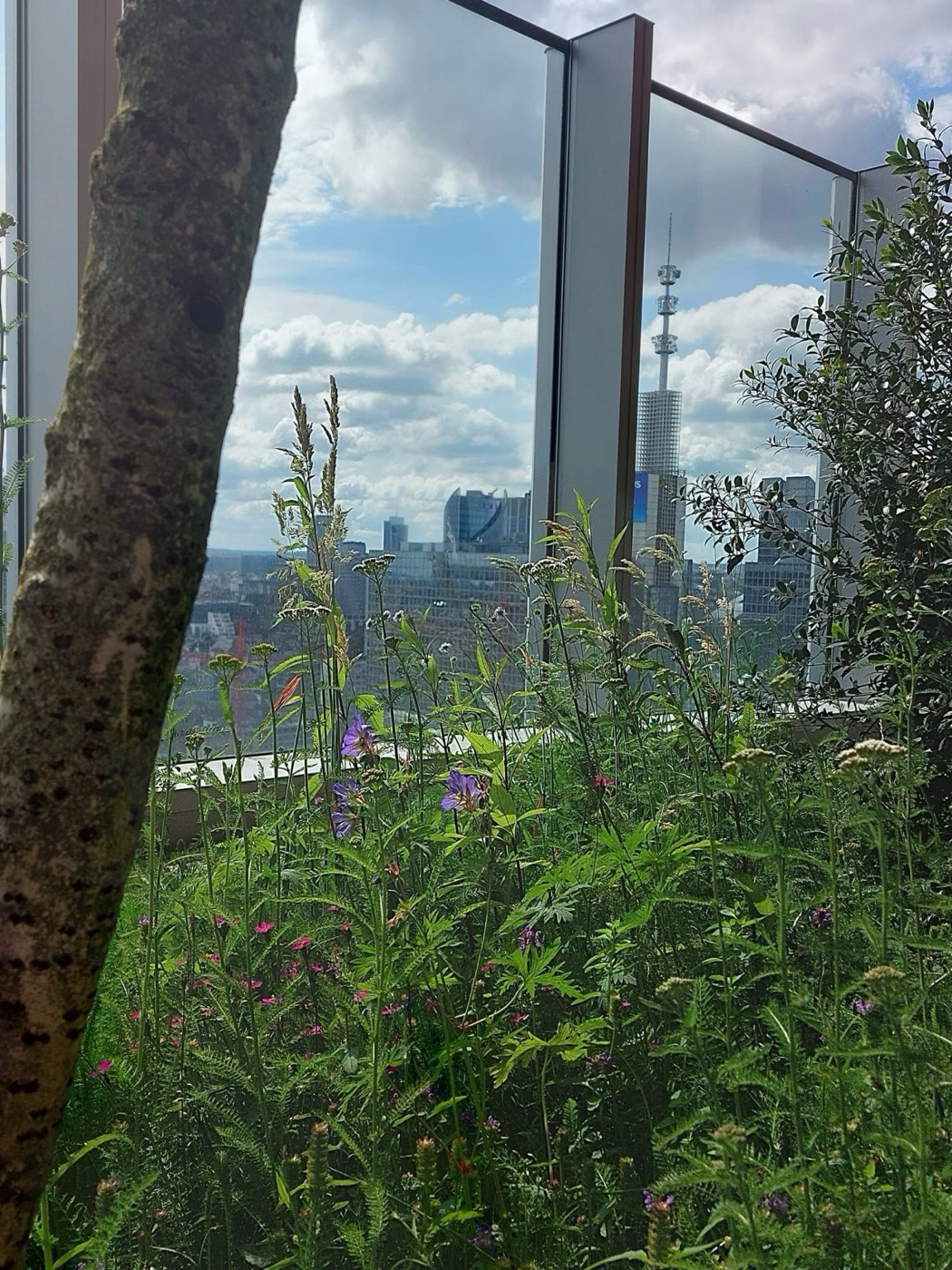
Rooftop Garden at Altitude
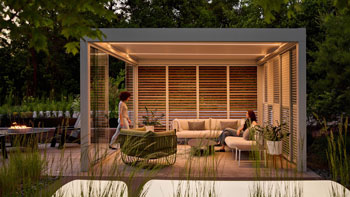
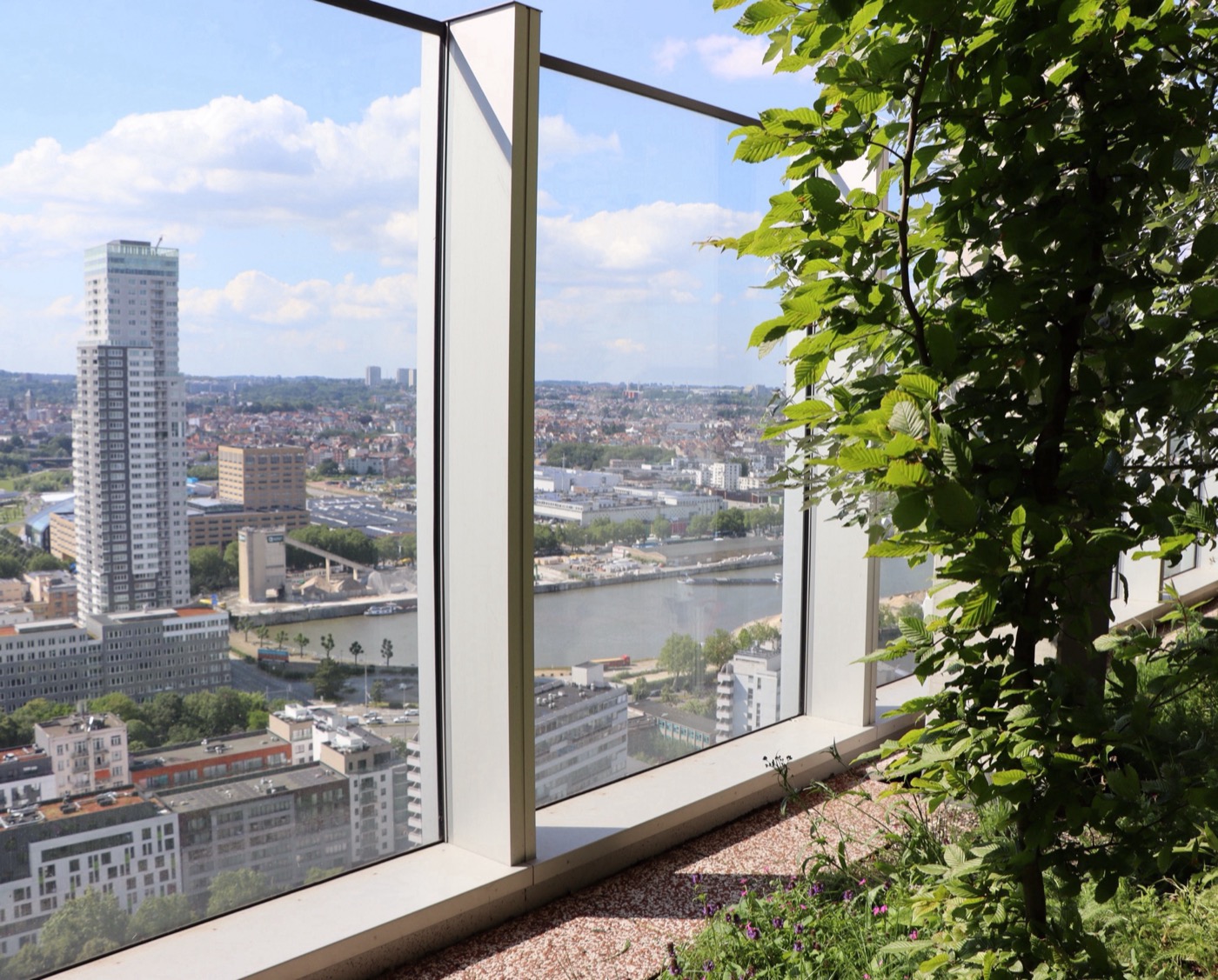
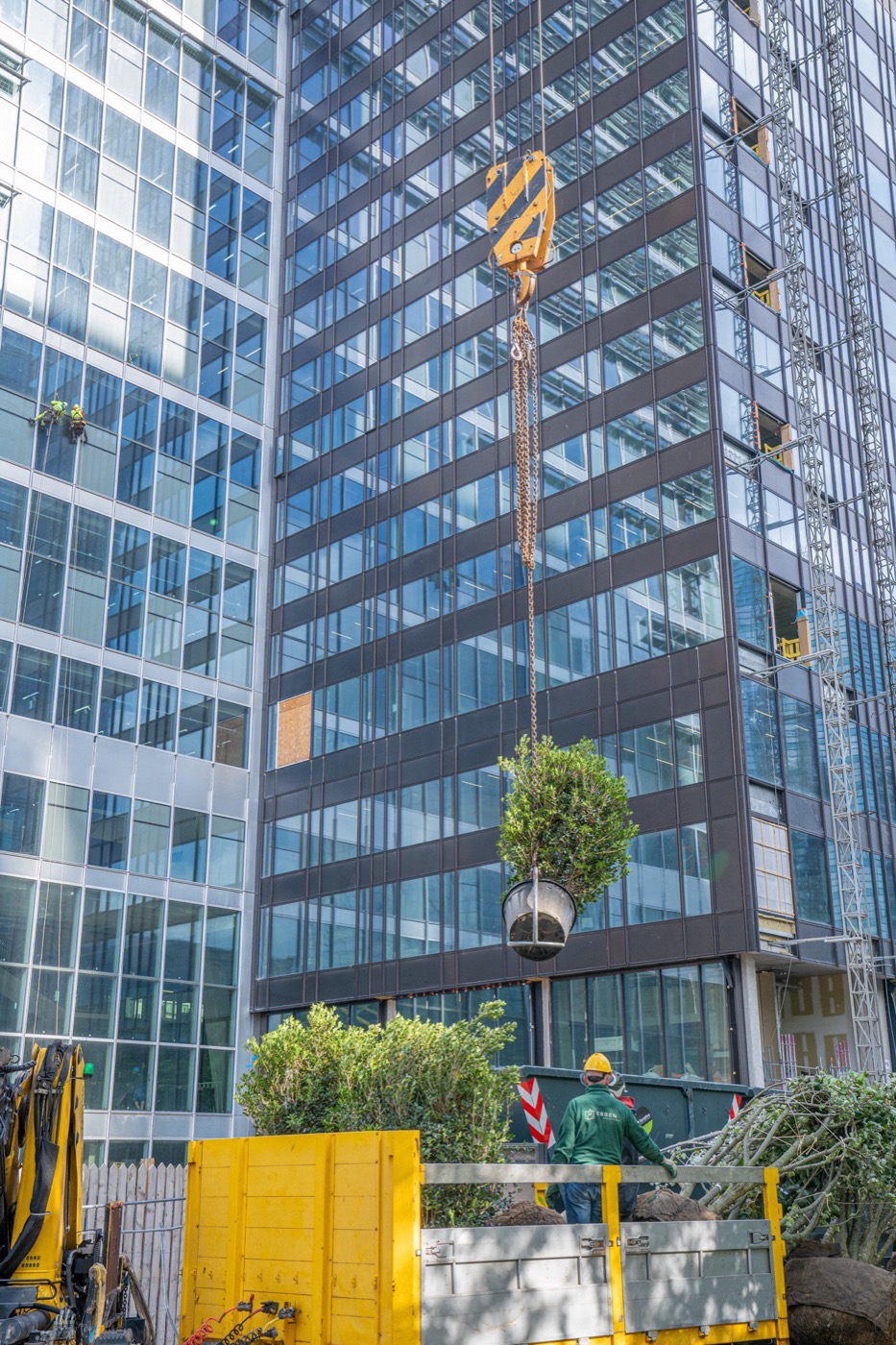
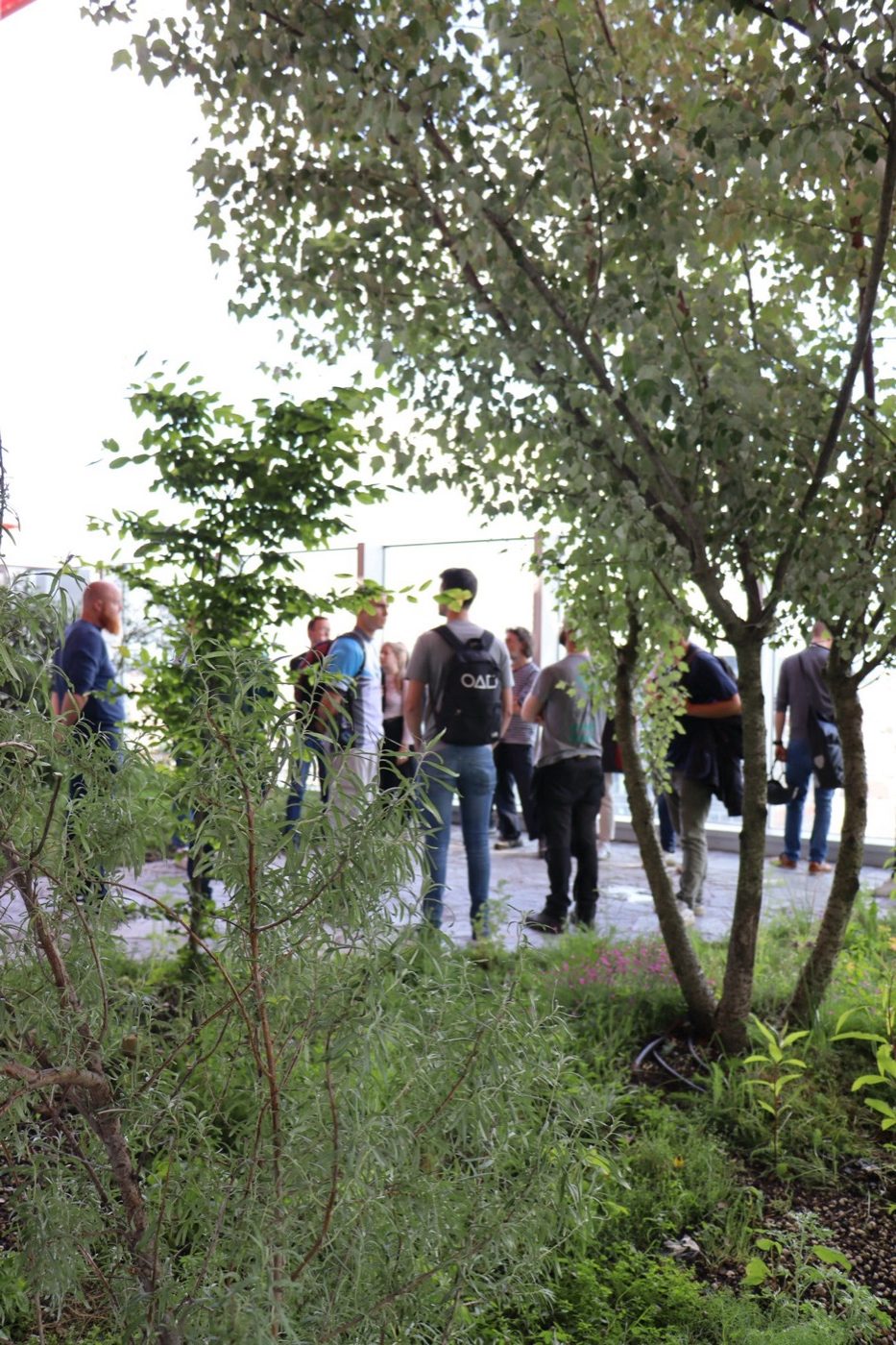
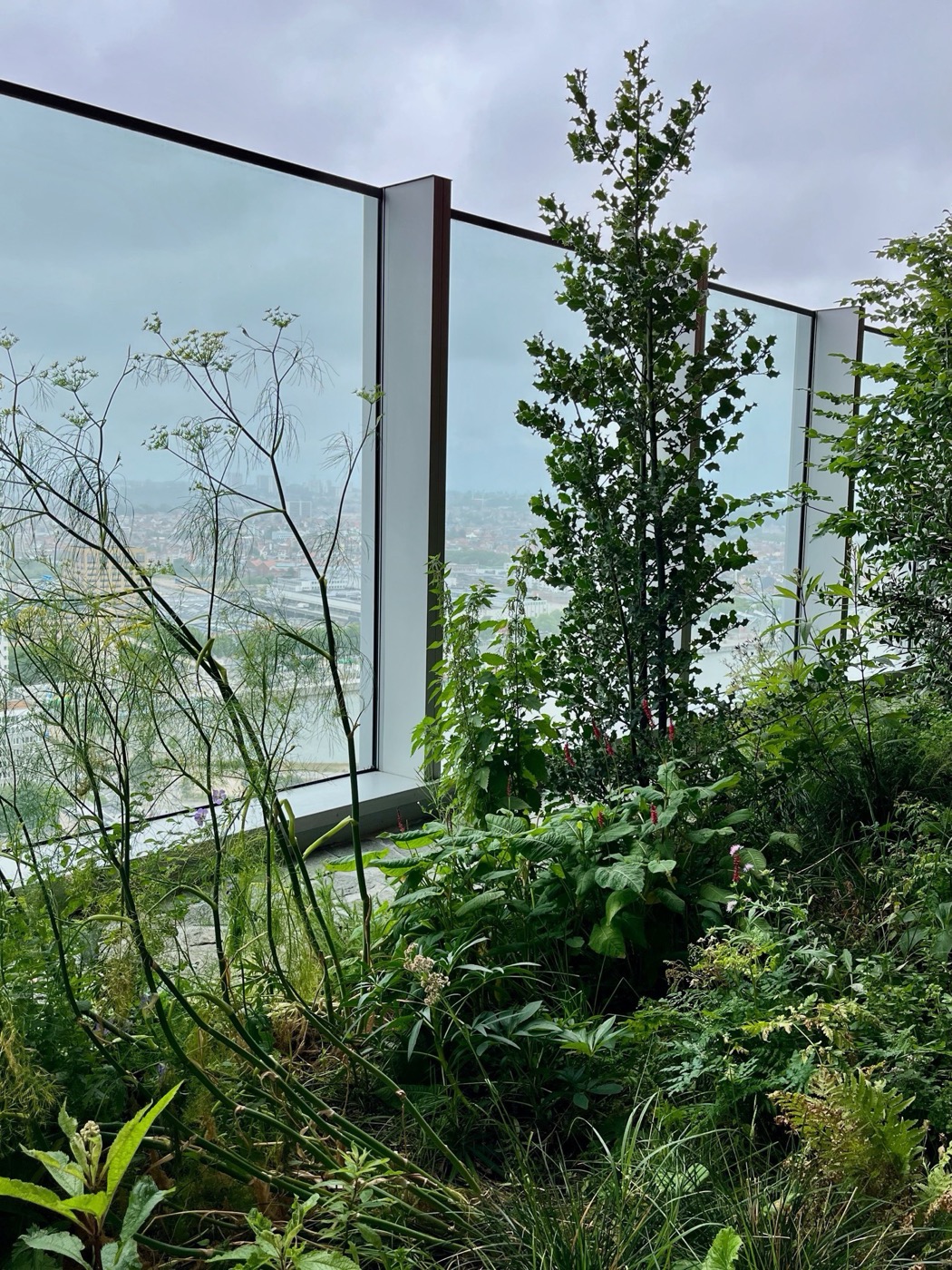
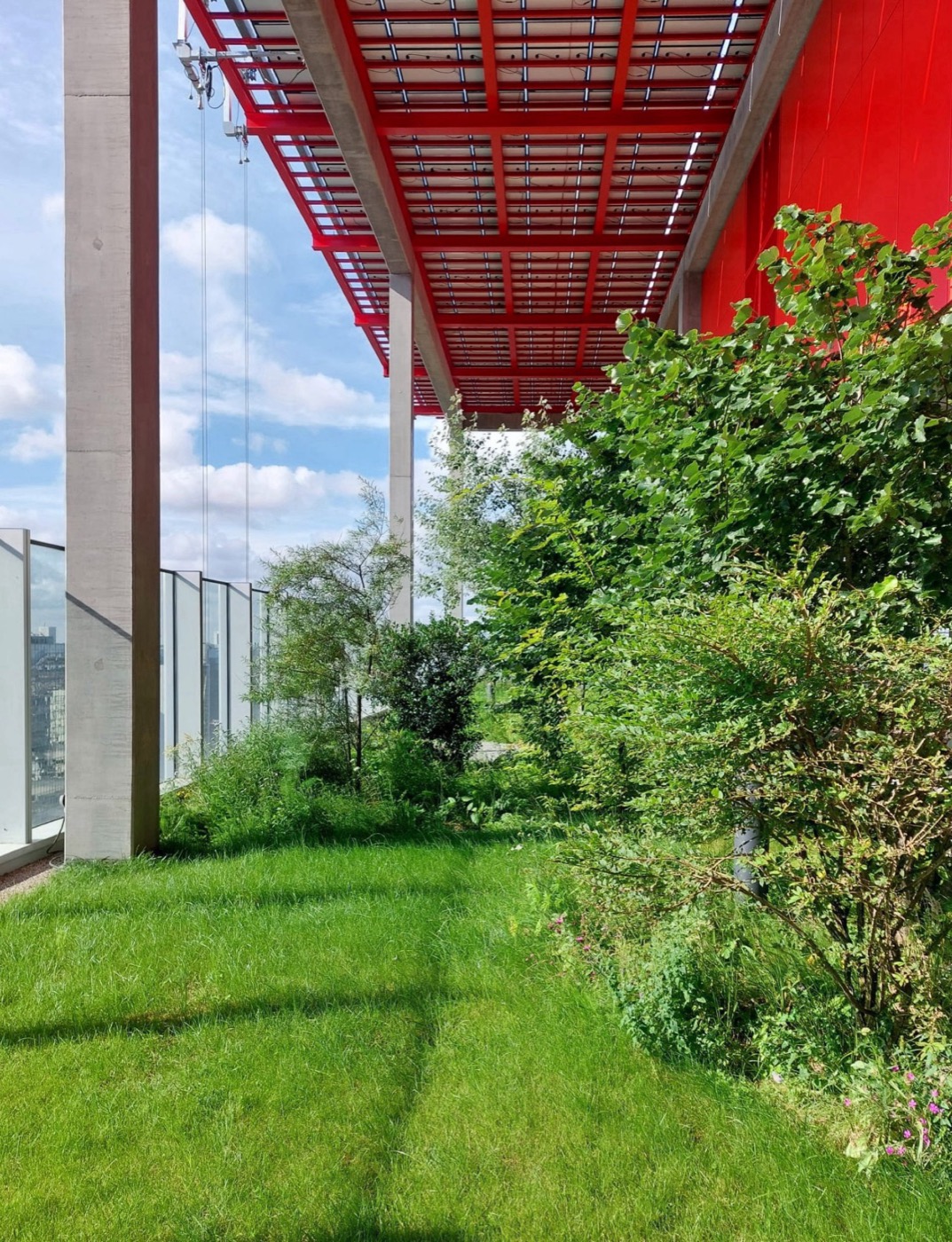
The rooftop garden at a height of 90 meters – one of the highest in Belgium – was designed as a robust habitat based on maritime and pioneer species with high wind resistance. This specific planting concept aligns seamlessly with thermophilic urban vegetation types and demonstrates how, even under extreme conditions, a biodiverse and visually rich garden can emerge with a core of native species.
Entrance Greenhouse
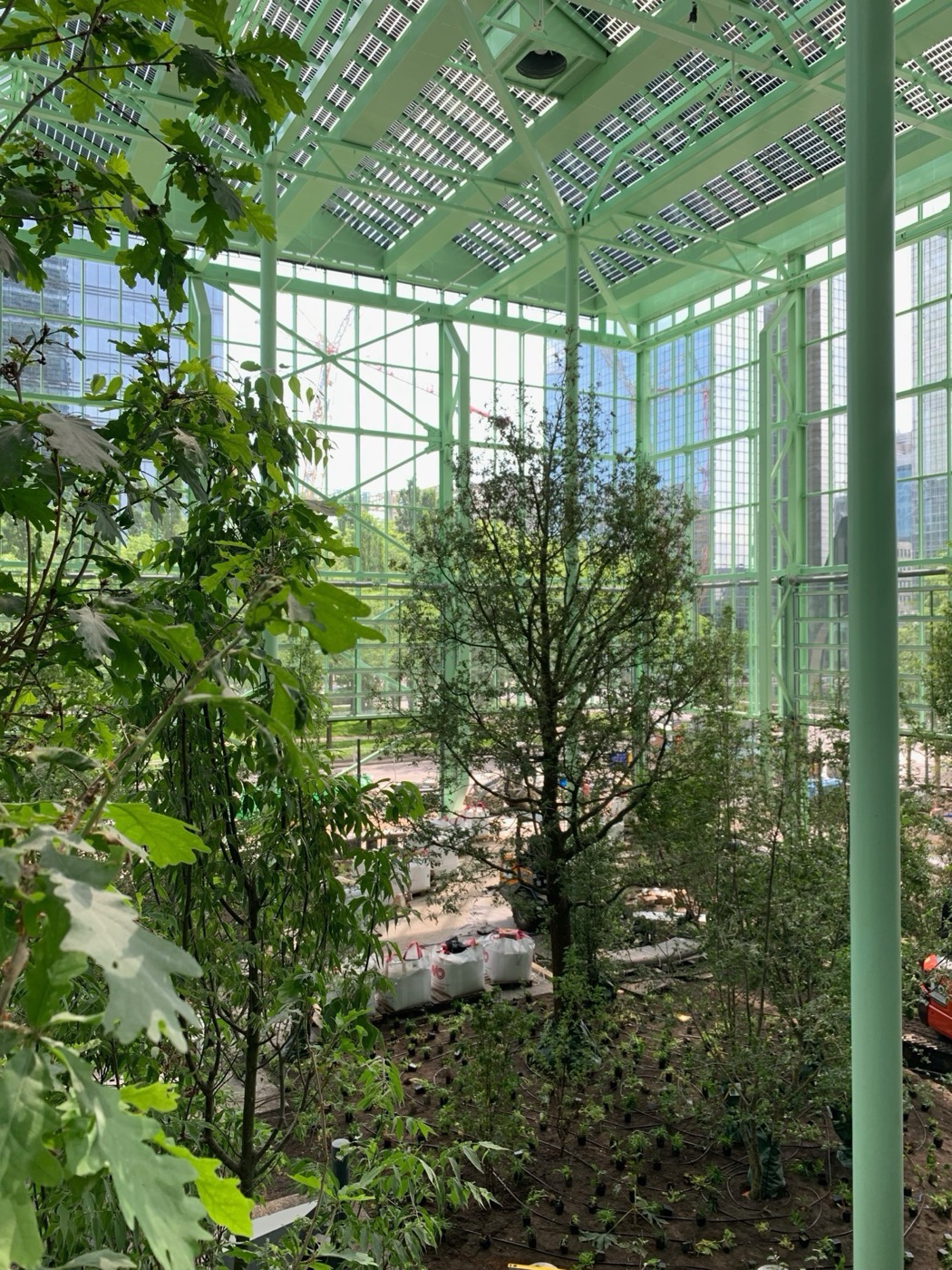
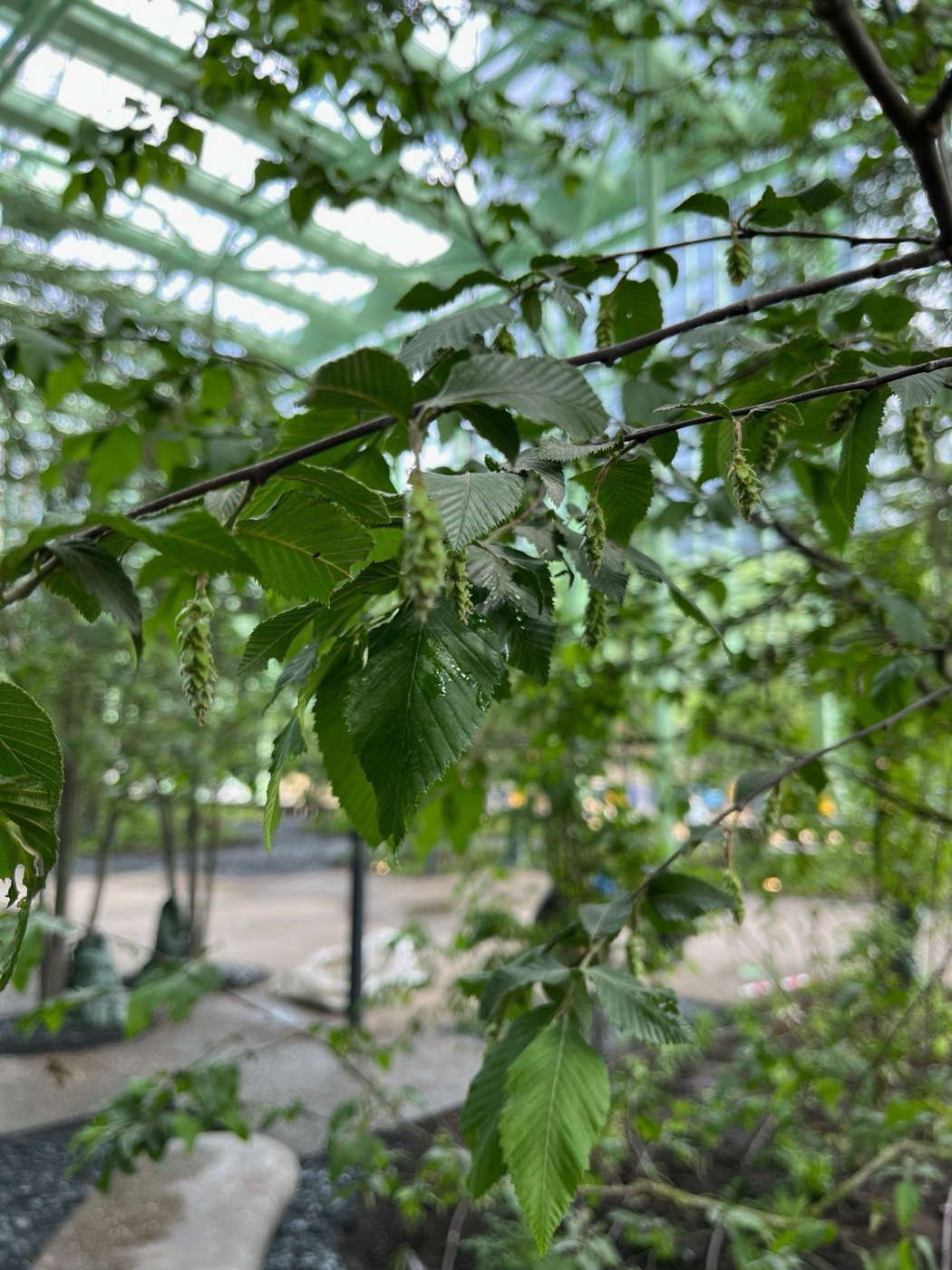
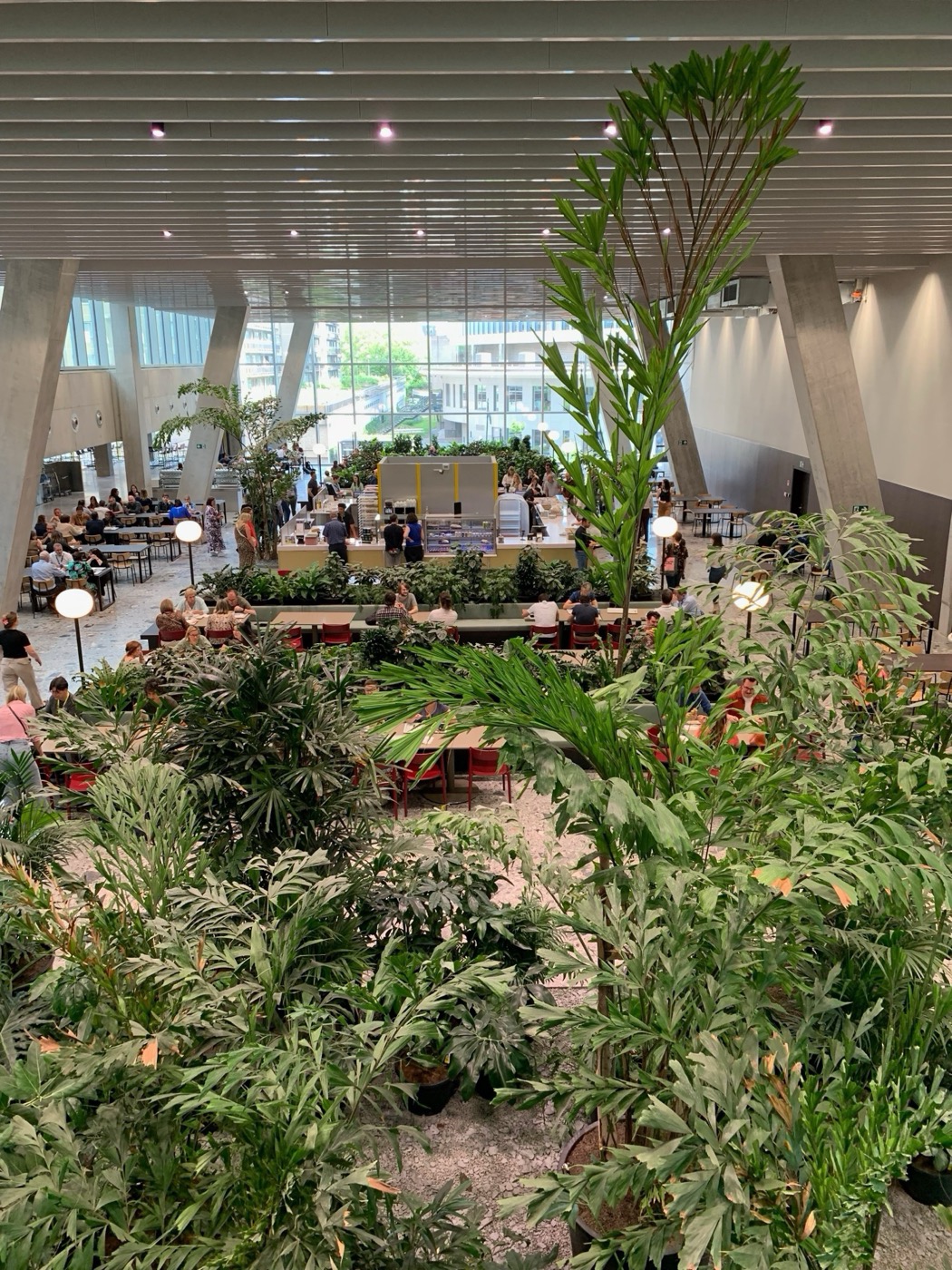
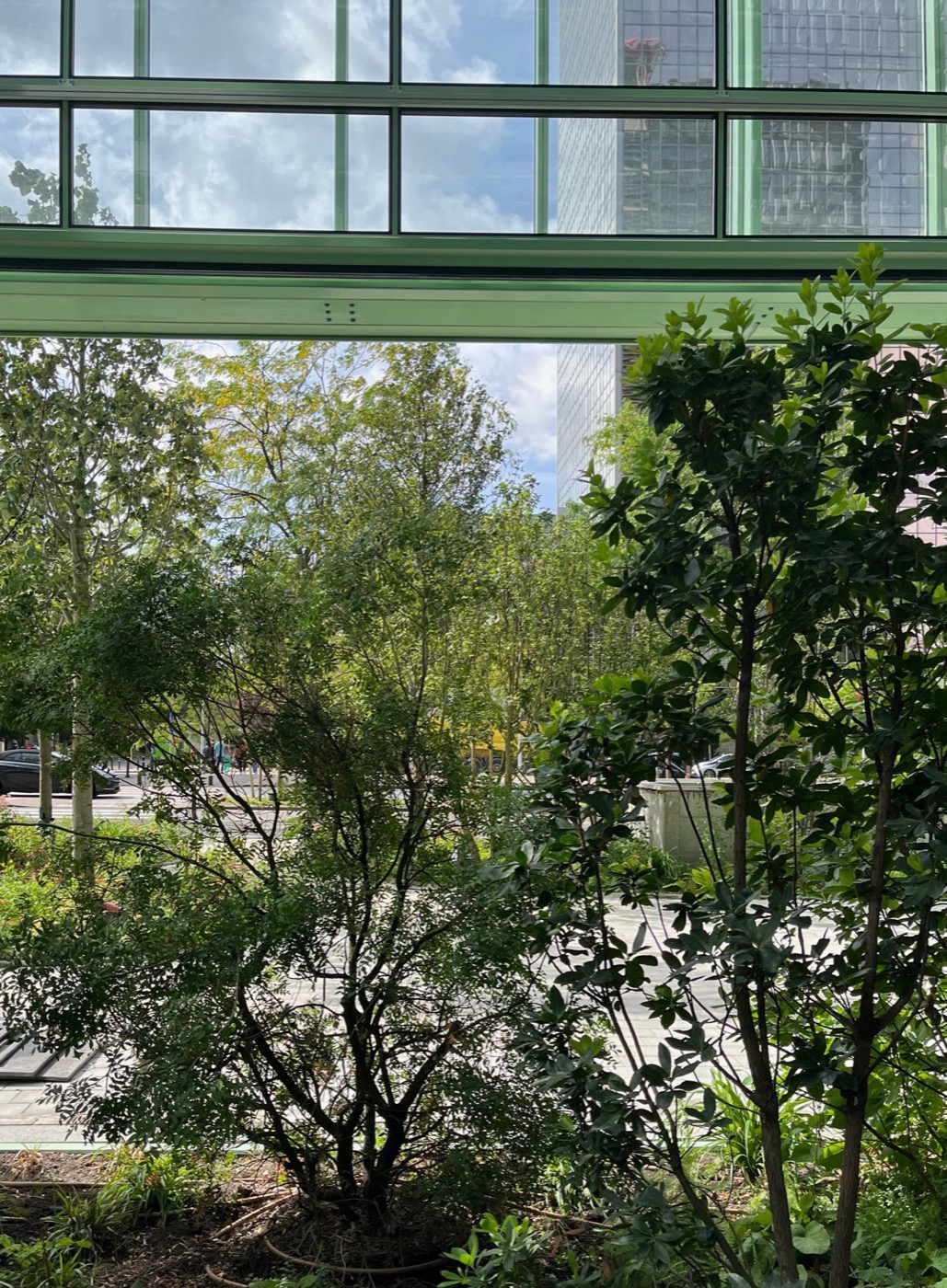
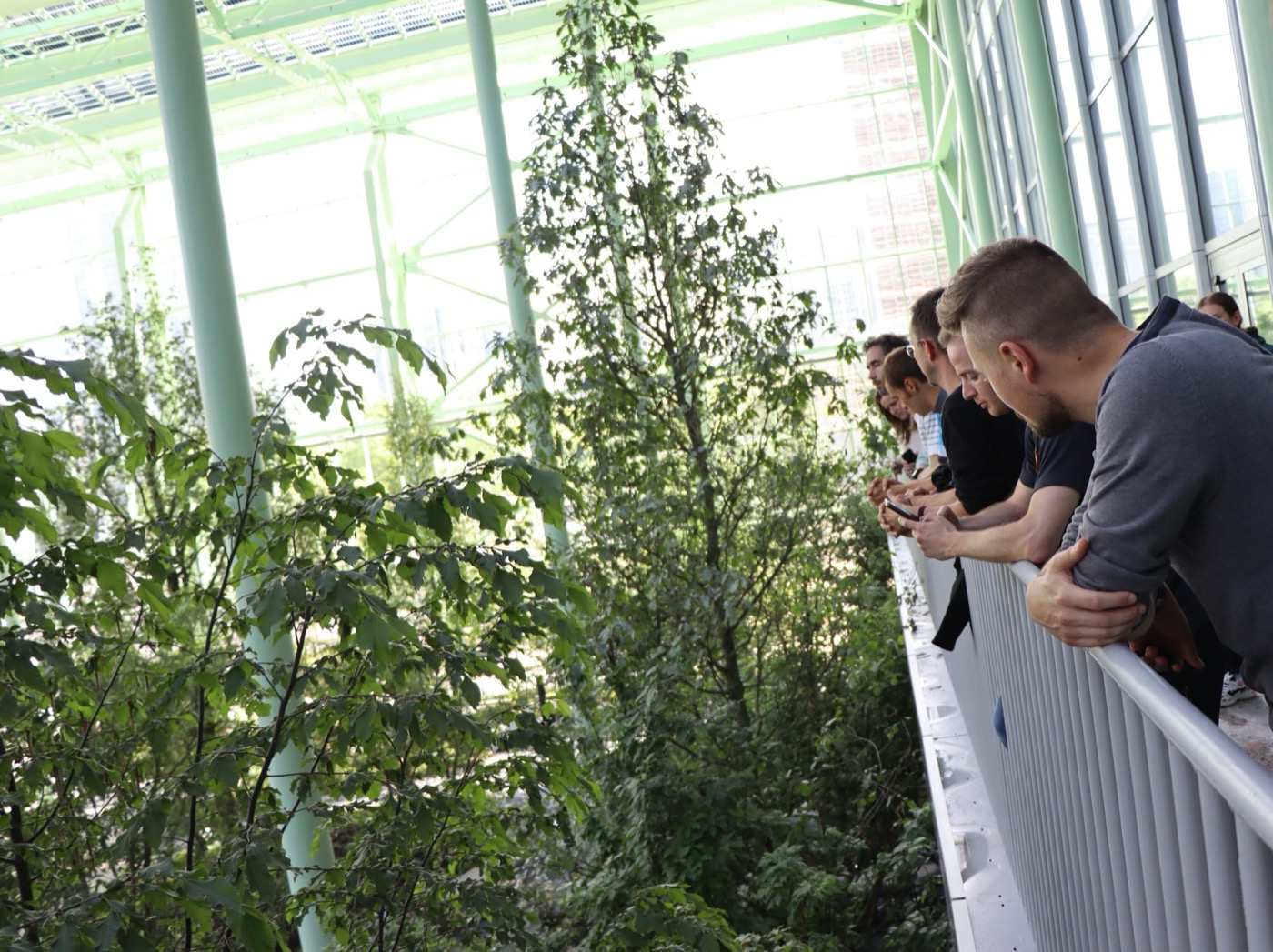
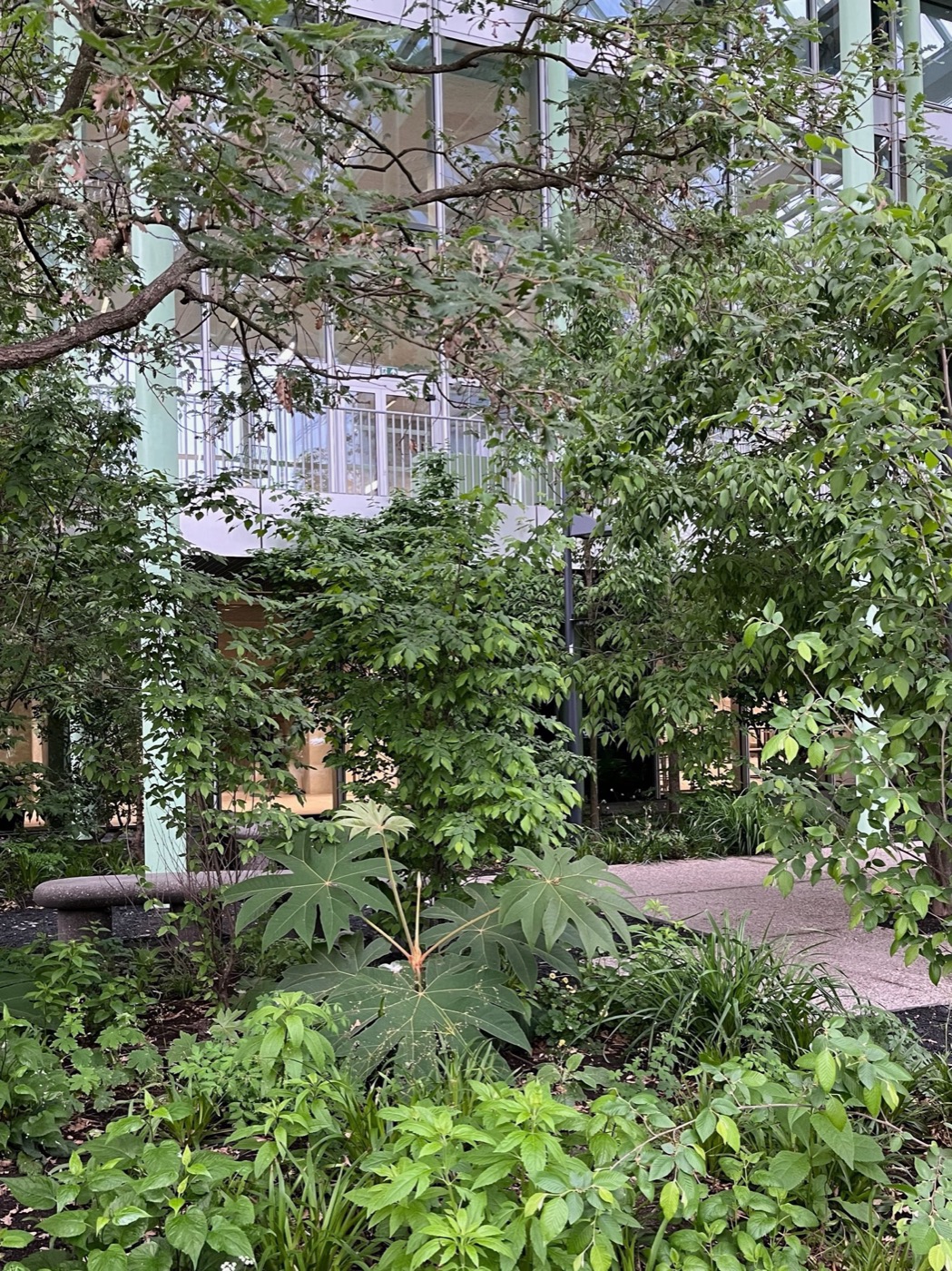
The 2,000 m² greenhouse functions as a green oasis in the stony North District. A multi-generational planting of trees, shrubs, and a diverse herb layer creates a sheltered ecosystem that invites rest and experience. Thanks to an informal path structure and the use of species with sensory qualities such as scent, color, and texture, an immersive nature experience arises in the heart of the urban fabric.
Office Floors
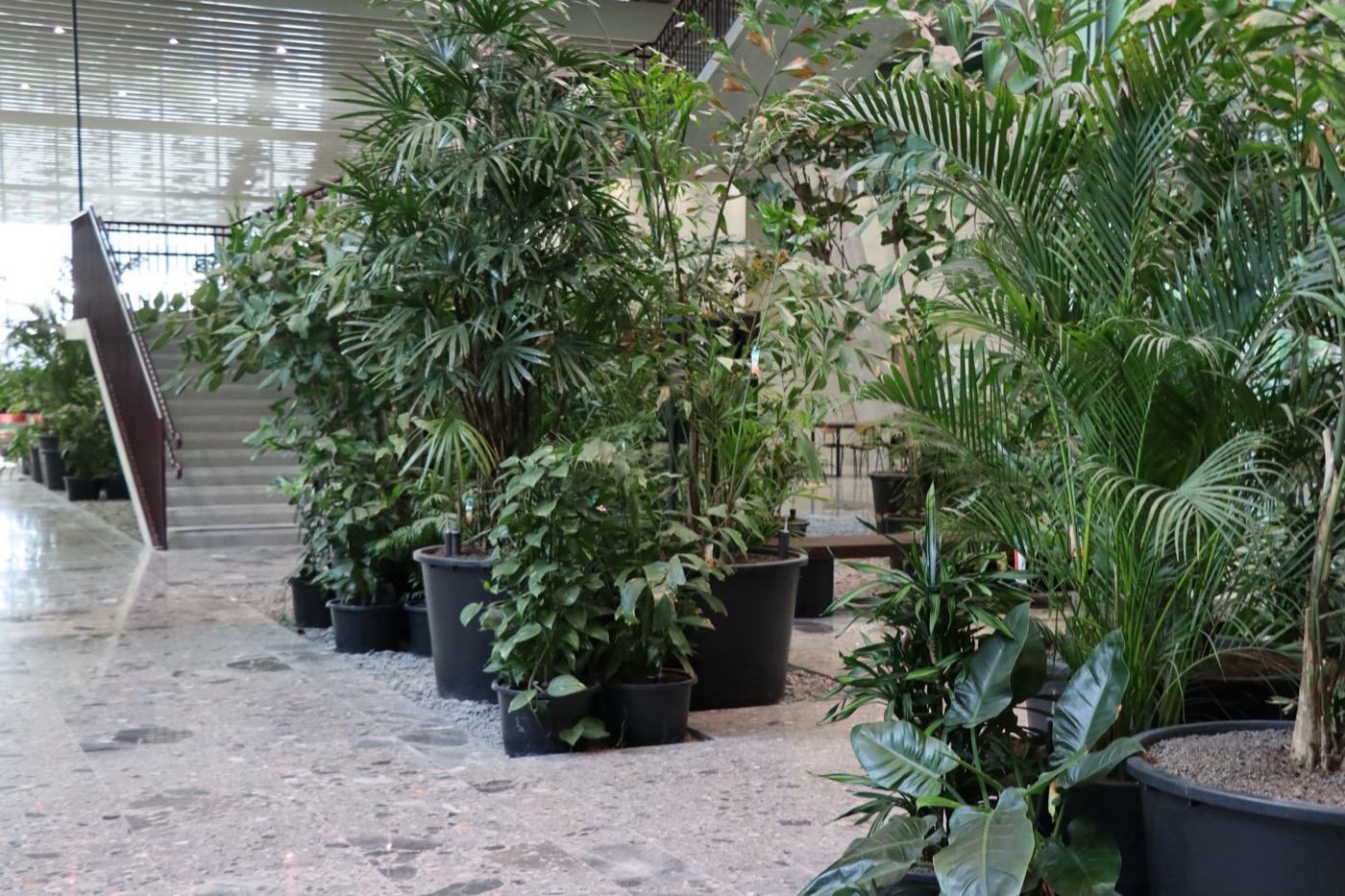
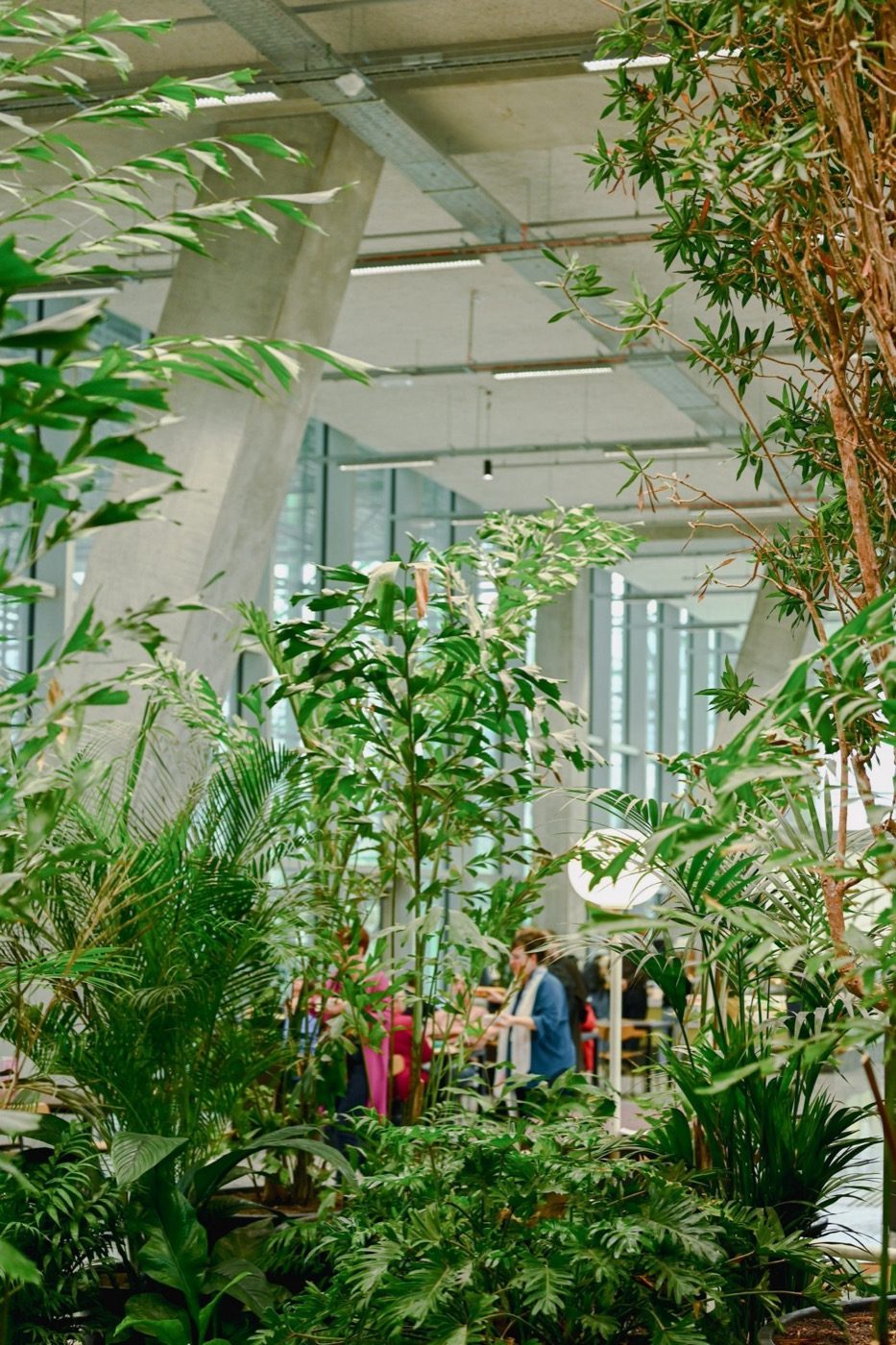
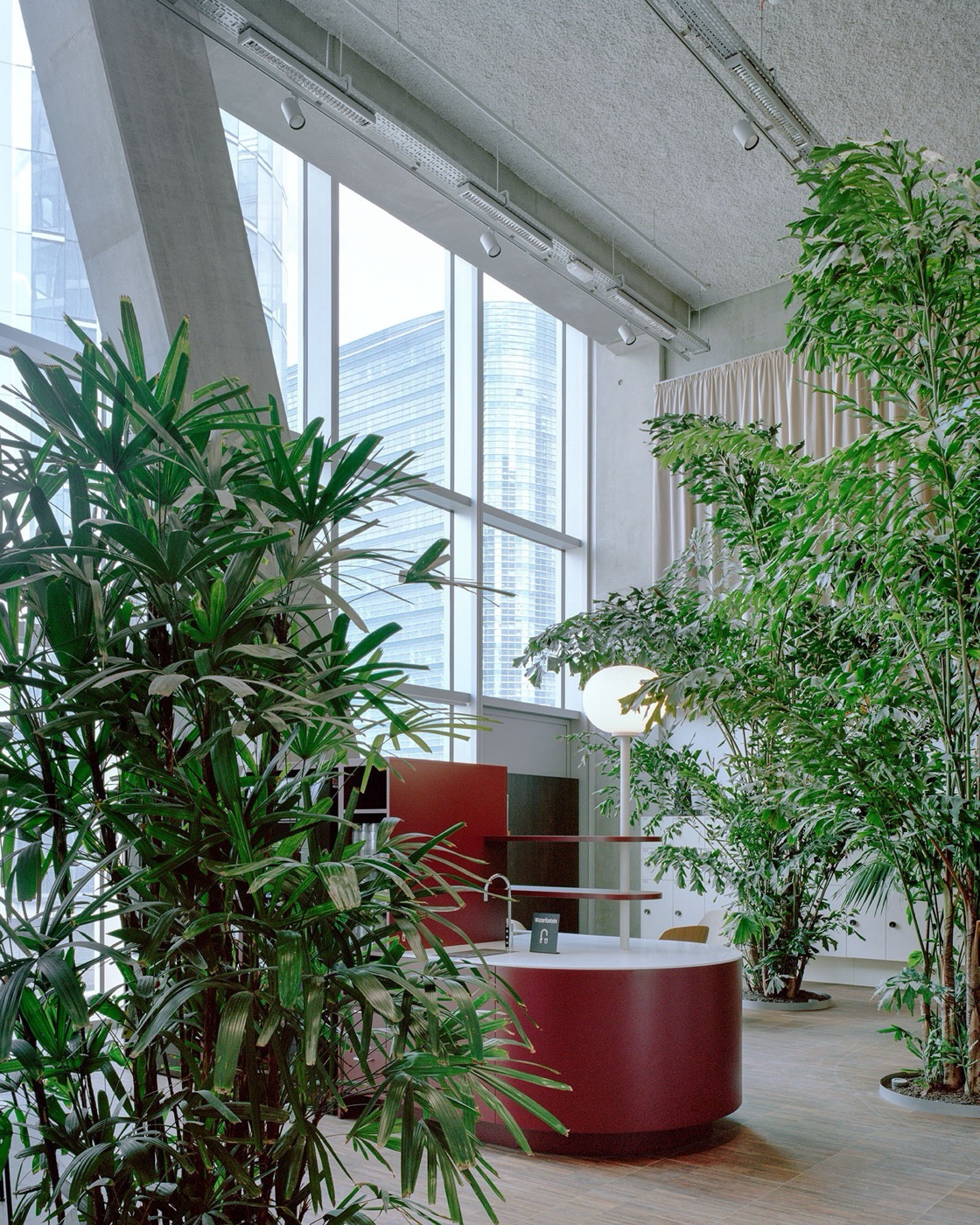
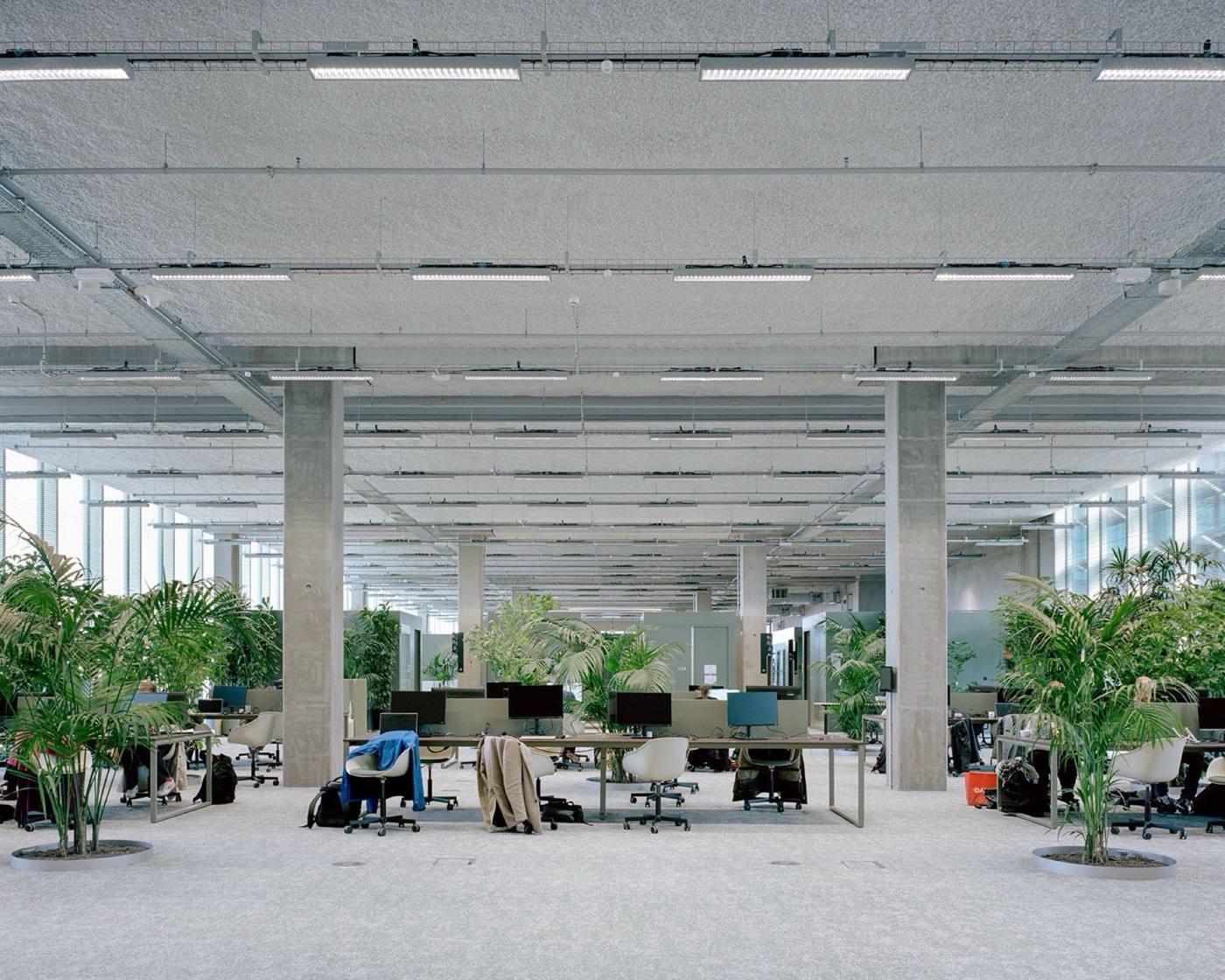
The vegetation strategy for the office floors uses a dual approach: a permanent ‘young forest’ embedded in the flooring and a ‘mobile forest’ in pots that evolves with the needs of both users and plants. This layered approach makes the greenery functional and adaptable, improves the indoor climate, and ensures that nature is visually present at every workspace.
Green Façade
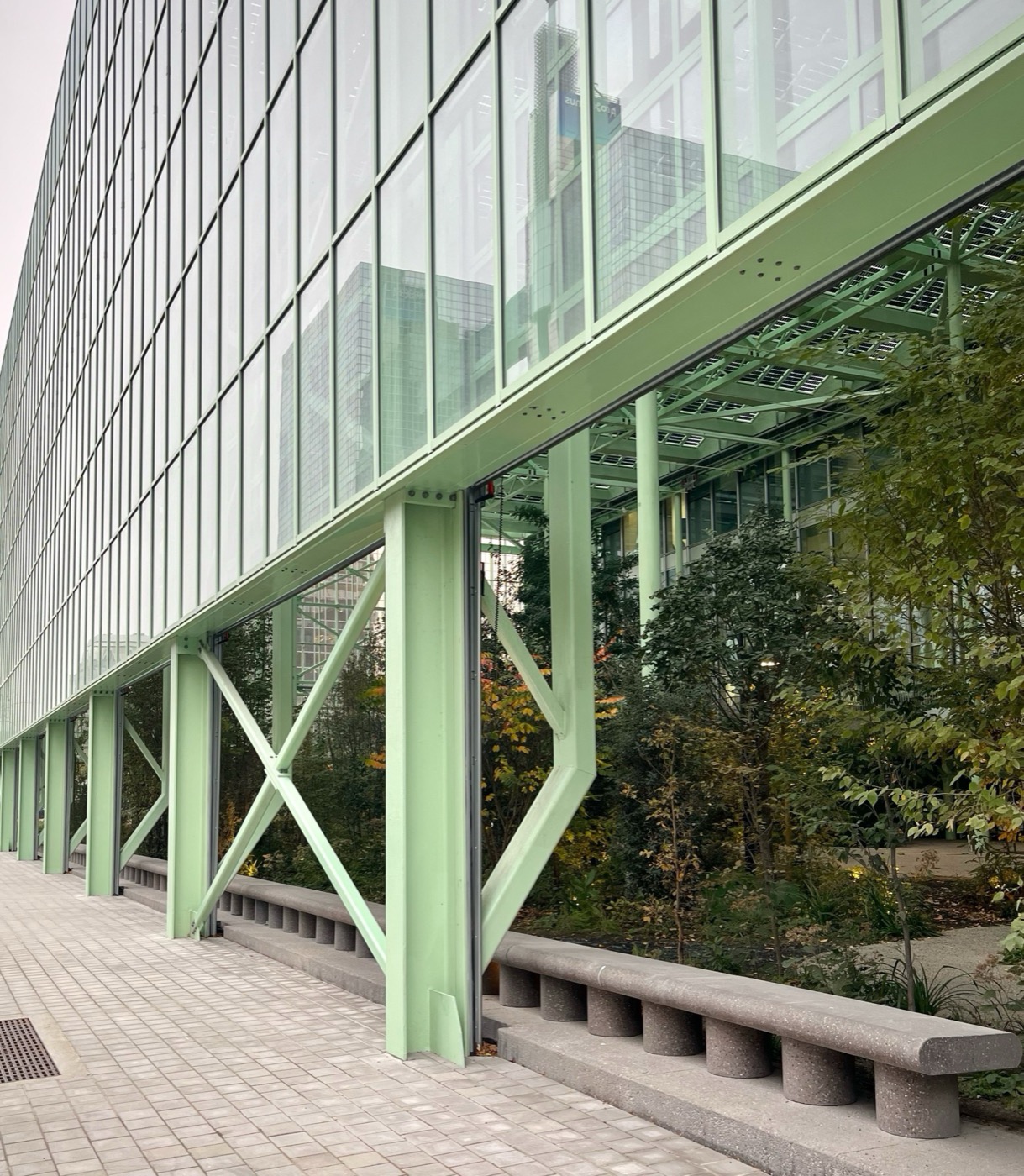
The green façade was deliberately designed with a low-tech approach using deep substrate containers on each floor. This allows for the integration of larger shrubs and robust perennials. With pioneer species such as trembling aspen and white poplar, a living green veil emerges over the years, activating the façade both ecologically and aesthetically, with minimal irrigation requirements.
Public Space and Greening
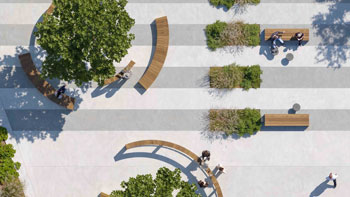
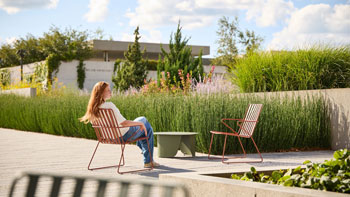
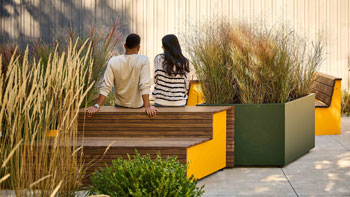
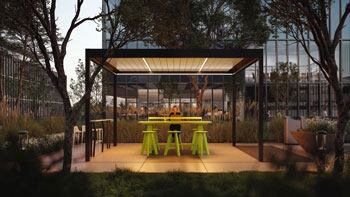
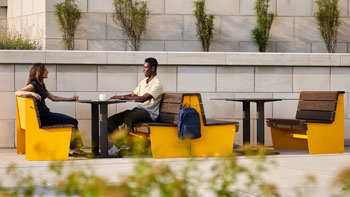
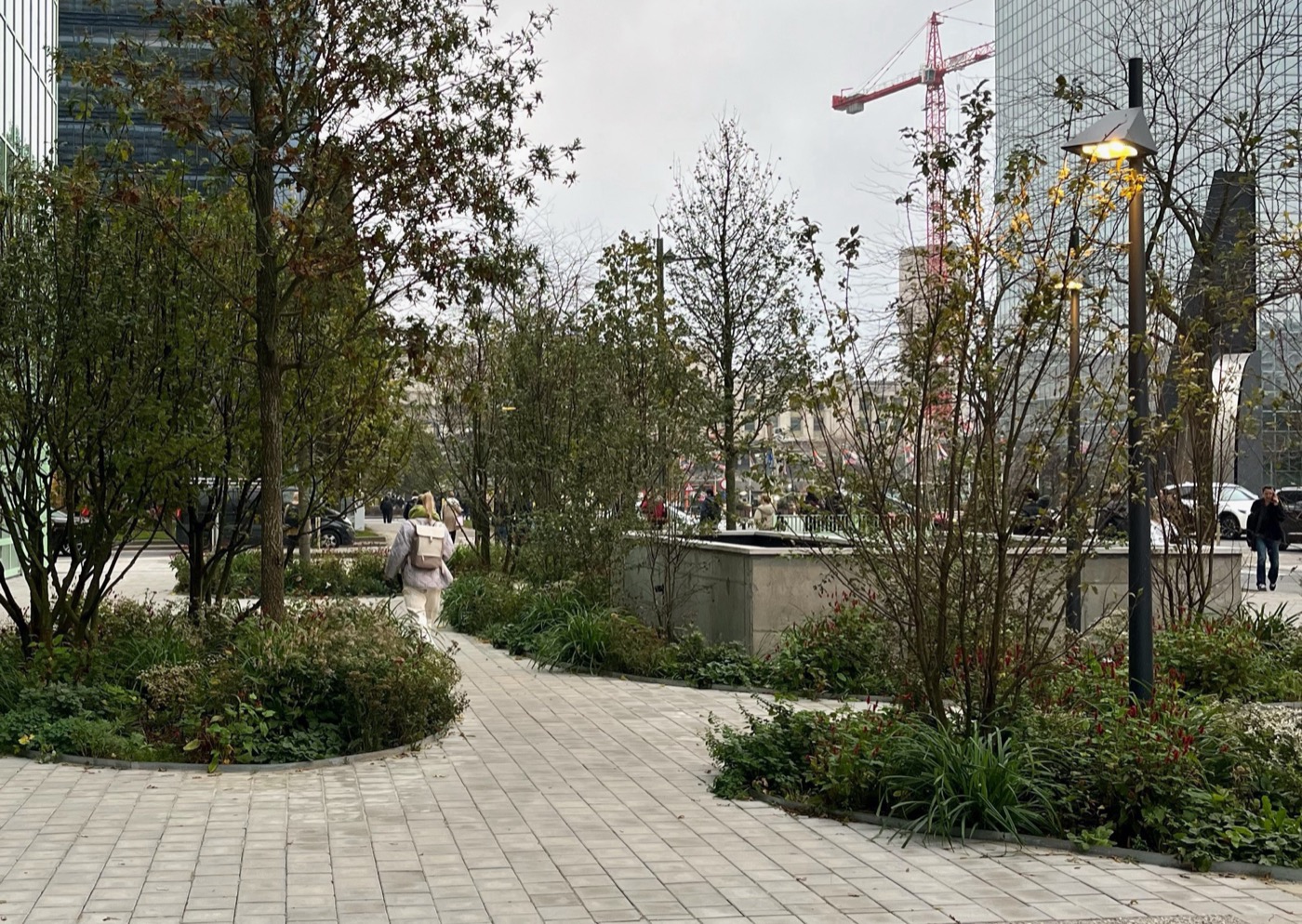
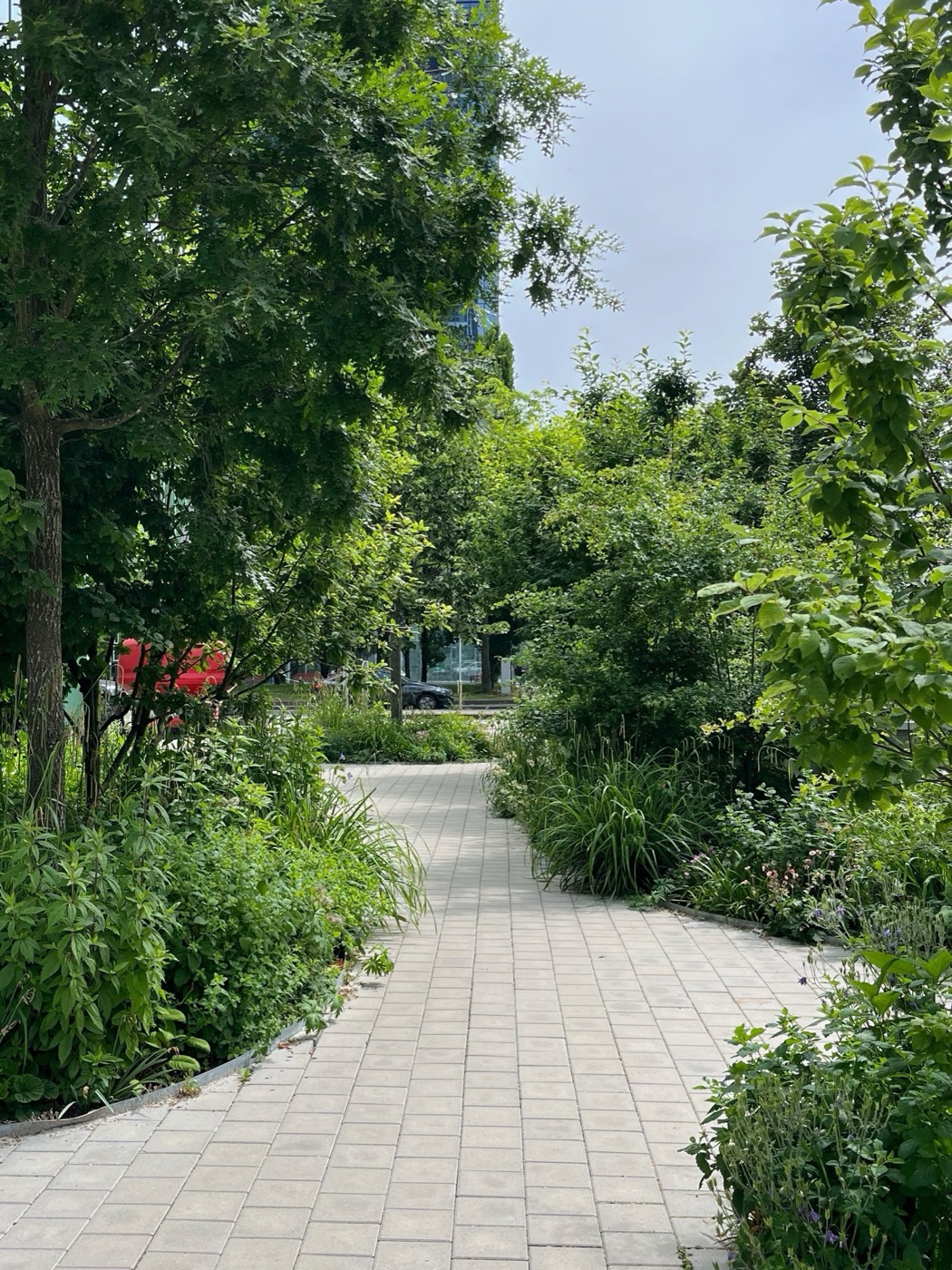
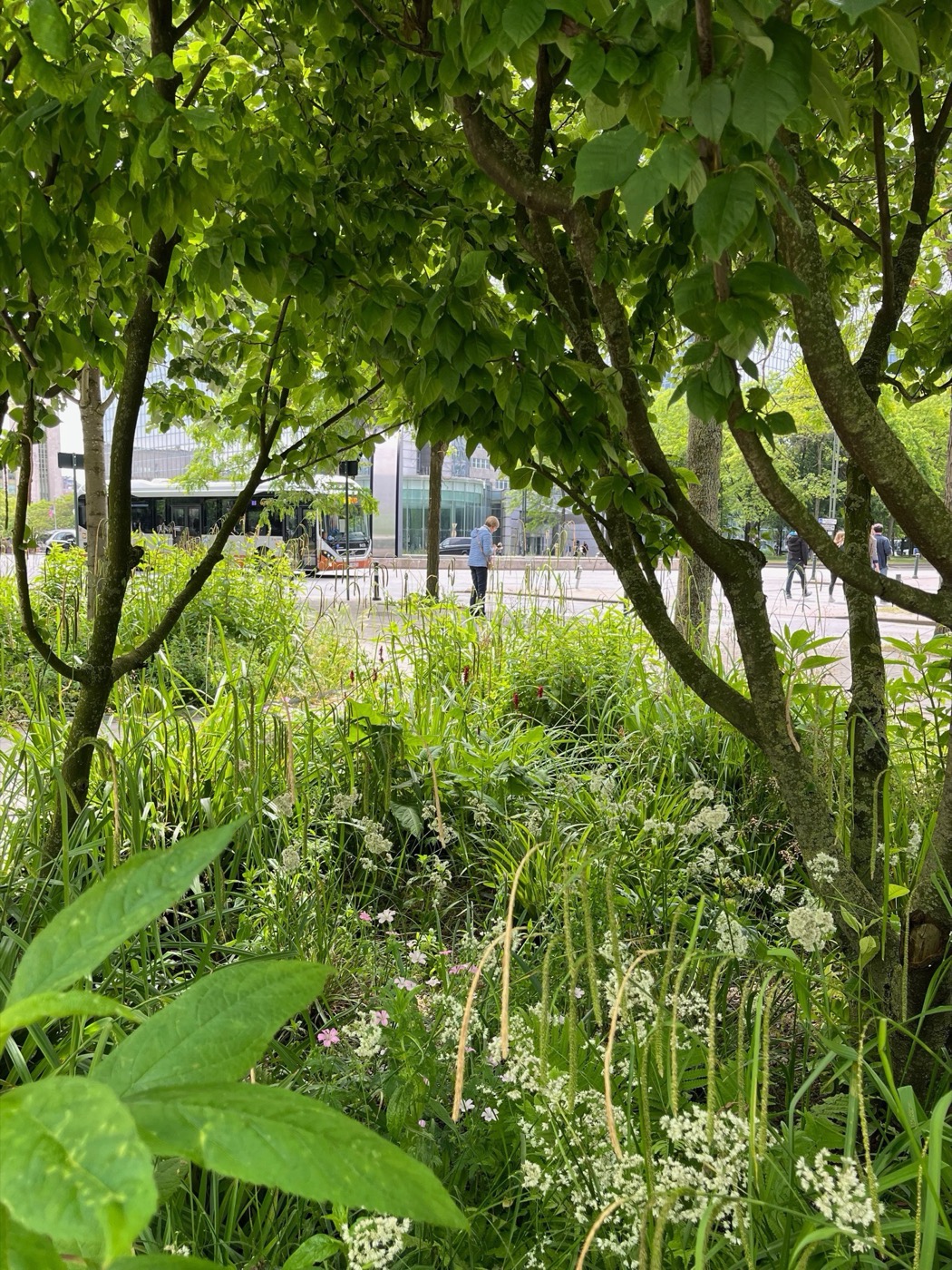
The outdoor space around the ZIN complex is being de-paved and restructured with a layered vegetation structure that extends the greenhouse ecosystem down to street level. This results in biodiverse urban biotopes that are woven into the public domain and contribute to the greening and climate resilience of the North District. ZIN proves that nature-inclusive construction is possible on a large scale. The project unites functionality, sustainability, and experience in an ecosystem deeply rooted in both the urban network and the lived experience of its users.
50.86135136341368, 4.357323914186734
74359


LILA 2026 Sponsor